Zhong Guo Jing Ying Bao

Search documents
未来4年武汉甲级写字楼市场新增供应超百万方 精细化运营与差异化竞争成关键
Zhong Guo Jing Ying Bao· 2026-01-16 23:58
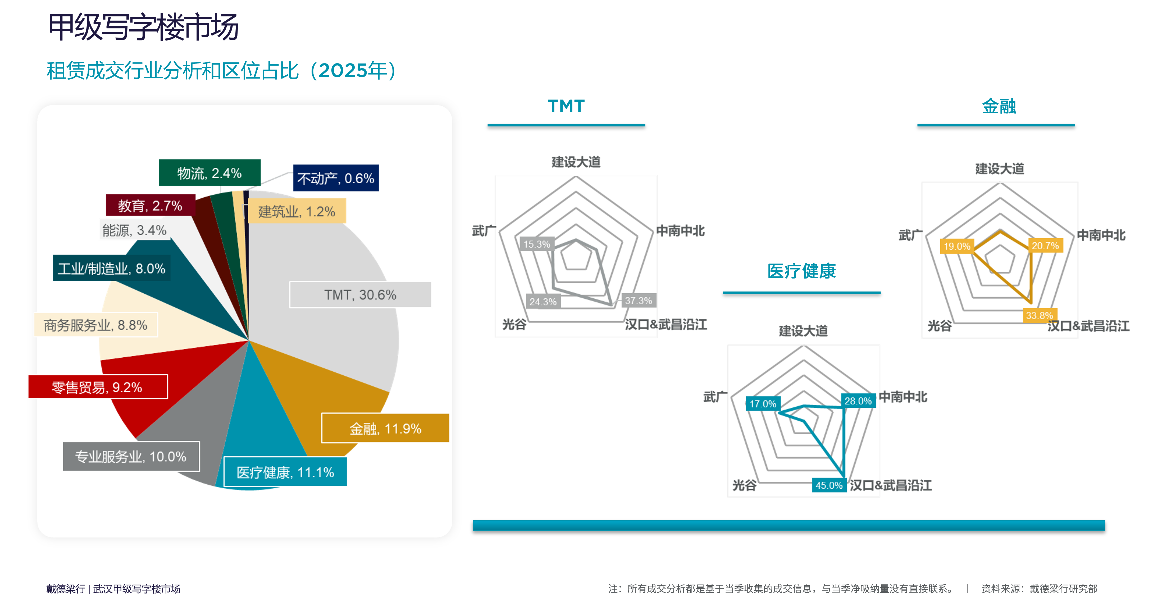
Core Insights - The Wuhan Grade A office market is expected to experience a significant increase in supply, with approximately 1.12 million square meters set to be added over the next four years, primarily concentrated in the Hankou and Wuchang riverside areas [1][4]. Grade A Office Market Overview - In 2025, the Wuhan Grade A office market will see an addition of about 230,000 square meters, raising the total stock in the core business district to 3.433 million square meters [4]. - The TMT (Technology, Media, and Telecommunications) sector is projected to be the main driver of leasing activity, accounting for 35.9% of the new space leased in 2025 [4][6]. - Average rental rates for Grade A offices in Wuhan fell to 73.3 yuan per square meter per month, a decrease of 11.2% year-on-year, while the vacancy rate rose to 39.1%, an increase of 2.7 percentage points compared to the previous year [5]. Market Dynamics and Trends - The overall demand for Grade A office space in Wuhan is undergoing a phase of contraction due to cautious expansion attitudes among companies, with a net absorption of 59,000 square meters in 2025, reflecting a year-on-year decline of 33.4% [5][6]. - Operators are adopting diversified leasing strategies, including co-working spaces and customized services, to attract tenants amid rising competition and increased vacancy rates [5][6]. Sector-Specific Demand - The main sectors supporting the Grade A office leasing market in 2025 are TMT, finance, and healthcare, contributing 30.6%, 11.9%, and 11.1% respectively to the leasing activity [6]. - Cost control remains a core driver for relocations, accounting for 58.3% of demand, while new demand remains limited [6]. Future Outlook - The competition in the Grade A office market is expected to intensify, particularly along the Yangtze and Han rivers, challenging landlords to enhance operational efficiency and differentiate their offerings [6].

广州试点“补改投”改革 推动科技成果转化
Zhong Guo Jing Ying Bao· 2026-01-16 23:58
Core Viewpoint - The newly released "Guangzhou Technology Achievement Transformation 'Supplementary Reform Investment' Pilot Work Method (Trial)" aims to address the challenges in the initial stage of technology achievement transformation, creating a "Guangzhou model" for effective transformation [1] Group 1: Objectives and Mechanisms - The core objective of the "Work Method" is to optimize fiscal funding input methods, guiding diverse social capital to follow up and promote the transformation of high-quality technology achievements in Guangzhou [1] - Two new models have been established: the "Pre-Investment and Post-Equity" model and the "Supplementary Reform Investment" model for award-winning projects from innovation and entrepreneurship competitions [1] Group 2: Pre-Investment and Post-Equity Model - The "Pre-Investment and Post-Equity" model targets early-stage technology transformation projects that have not yet received equity financing, incubated by universities, research institutions, and technology service organizations [1] - The Guangzhou Science and Technology Bureau has created a "Supplementary Reform Investment" project database for market selection through transformation cooperation institutions, with a 1:1 funding contribution from both parties [1] - The government shifts from providing subsidies to becoming a partner, empowering the invested enterprises alongside the entrepreneurial teams [1] Group 3: Innovation and Entrepreneurship Competition - The Guangzhou Technology Innovation and Entrepreneurship Competition has been successfully held for ten consecutive years, with 210 small and medium-sized technology enterprises awarded from 1196 participating projects in 2025 [2] - Among the awarded enterprises, 186 had never received equity financing, accounting for 89% [2] - The competition has undergone a "Supplementary Reform Investment" reform, converting 100 million yuan of original award subsidies into equity investments for qualifying award-winning enterprises [2] Group 4: Future Funding and Support - Over the next three years, the Guangzhou Science and Technology Bureau will allocate no less than 15% of the local technology innovation development special funds annually for "Supplementary Reform Investment" related work [2]
多地城轨企业探索“轨道+低空”新模式 “低空经济+”应用场景加速落地
Zhong Guo Jing Ying Bao· 2026-01-16 23:58
近日,青岛市、天津市等城市轨道交通企业加快布局"轨道+低空"融合赛道,围绕巡检、物流、文旅等 多场景展开创新探索,推动低空经济从规划走向落地,为城市立体交通网络升级注入新动能。 2025年12月,青岛青铁地空创业投资基金合伙企业(有限合伙)注册成立,基金规模5亿元。该基金由 青岛地铁集团主导设立,将为区域"轨道交通+低空经济"双产业集群注入新的资本动能。 近年来,青岛地铁集团一直在构建"轨道交通+低空经济"双主业格局。2025年10月,青岛地铁集团低空 实业板块首个落地项目——山海栖所凤鸣屿飞行营地启幕。该项目规划直升机观光和滑翔伞体验两大特 色,可提供搭乘直升机观光旅游、从专属山坡起飞体验滑翔伞等服务。 青岛地铁集团相关人士表示,实业经营是该集团继无人机线路巡检、无人机外墙清洗、无人机海岛物流 配送、低空快线联行、无人机飞手培训等之后的又一创新尝试,为集团"小切口、大纵深"的低空经济领 域探索开启先锋之势,展现了"资本+实业"双轮驱动的成效。 天津轨道交通集团有限公司(以下简称"天津轨交集团")近日在官方公众号发布消息称,天津轨交集团 加速布局前沿赛道,打造现代化"轨道交通+"产业体系,在低空经济与轨道交通 ...
陪伴机器人专利增长48.33% 超4000亿蓝海市场蓄势待发
Zhong Guo Jing Ying Bao· 2026-01-16 23:57
Core Insights - The Ministry of Civil Affairs and seven other departments have issued measures to promote the development of the silver economy, focusing on the integration of technology in elderly care services [1][2] - The elderly care robot market is experiencing rapid growth, with over 600 related patents filed in China as of January 13, and a projected 48.33% increase in patent applications by 2025 [1][3] Group 1: Policy and Market Development - The new measures encourage technological innovation in elderly care, emphasizing the use of big data, cloud computing, and AI for health monitoring and personalized services [2] - Support is provided for the integration of smart elderly care devices and rehabilitation robots into care institutions, enhancing user experience through shared services and product trials [2] - The potential market demand for companion robots among the elderly in China is estimated at approximately 420 billion yuan [3] Group 2: Industry Growth and Trends - As of January 13, there are 552,500 existing companies in the silver economy sector, with over 30% located in East China [4][5] - The registration of silver economy-related companies has consistently exceeded 80,000 annually for three consecutive years, with a 4.24% year-on-year increase projected for 2025 [5] - The Shanghai Civil Affairs Bureau has introduced a community rental service directory for rehabilitation aids, including 24 new smart devices, significantly lowering the cost barrier for elderly users [4]

并购市场需求旺盛 贷款投放密集落地
Zhong Guo Jing Ying Bao· 2026-01-16 20:35
Group 1 - The core viewpoint of the article highlights the increasing activity in the domestic merger and acquisition (M&A) market, driven by a series of supportive policies from regulatory authorities, particularly the new guidelines on M&A loans issued by the National Financial Regulatory Administration [1][2][3] - The new M&A loan management regulations allow for a higher proportion of controlling M&A loans in the transaction price, increasing the limit from 60% to 70%, and extending the loan term from seven years to ten years, thereby facilitating financing for M&A transactions [3][4] - The implementation of these regulations has led to a rapid increase in M&A loan projects being approved and disbursed by various commercial banks within a short period, indicating a positive market response to the new policies [2][3][4] Group 2 - The new regulations specifically include minority stake acquisitions in the scope of M&A loans, which aligns with current industrial upgrade needs and is expected to promote industrial integration and high-quality economic development [4][7] - Several banks, including Industrial and Commercial Bank of China and Agricultural Bank of China, have successfully issued the first M&A loans under the new regulations, demonstrating proactive engagement with local enterprises to meet their financing needs [4][5][6] - The regulatory environment is further supported by multiple government departments encouraging industrial mergers and acquisitions, particularly in technology sectors such as electronics and biomedicine, which are seeing increased M&A activity [8][9]






肉毒毒素产品获批 爱美客鏖战红海
Zhong Guo Jing Ying Bao· 2026-01-16 20:27
Core Viewpoint - Aimeike has recently received approval for the exclusive distribution of Huons Bio Pharma's A-type botulinum toxin product in China, marking a significant milestone in its long-term partnership with Huons [2][3][4] Group 1: Product Approval and Market Context - Aimeike's A-type botulinum toxin product received its drug registration certificate from the National Medical Products Administration, becoming the seventh approved botulinum toxin product in China [3][4] - The approval comes after a lengthy process that began with a distribution agreement signed in September 2018, highlighting the long-term commitment to this product line [4][5] - The Chinese botulinum toxin market is still underpenetrated compared to mature markets, presenting significant growth opportunities for Aimeike [2][7] Group 2: Strategic Plans and Market Positioning - Aimeike plans to leverage its established professional channels and brand advantages to efficiently promote the product's market entry [2][8] - The company aims to focus on the mid-to-high-end market segment, utilizing its extensive distribution network and customer trust to offer comprehensive and customized treatment solutions [8] - The sales strategy will be determined based on various factors, including import inspection timelines and market conditions [2][6] Group 3: Competitive Landscape - The number of approved botulinum toxin products in China has increased from two to seven during the time Aimeike has been working on its product, indicating a competitive market environment [7][8] - The market for A-type botulinum toxin in China was approximately 8.1 billion yuan in 2023, with a compound annual growth rate of nearly 30% over the past five years [7] - Aimeike's product will compete with established brands like Botox and domestic products such as Hengli and Letibot, which have already captured significant market shares [7][8] Group 4: Financial Performance and Investment - Aimeike's revenue for the first three quarters of 2025 was approximately 1.865 billion yuan, a year-on-year decrease of 21.49%, with net profit declining by 31.05% [8] - The company views the botulinum toxin project as a new growth point, having invested 120 million yuan in the project as part of its IPO fundraising efforts [2][5]

超市羽绒服爆火背后:是理性消费还是供需错位?
Zhong Guo Jing Ying Bao· 2026-01-16 20:21
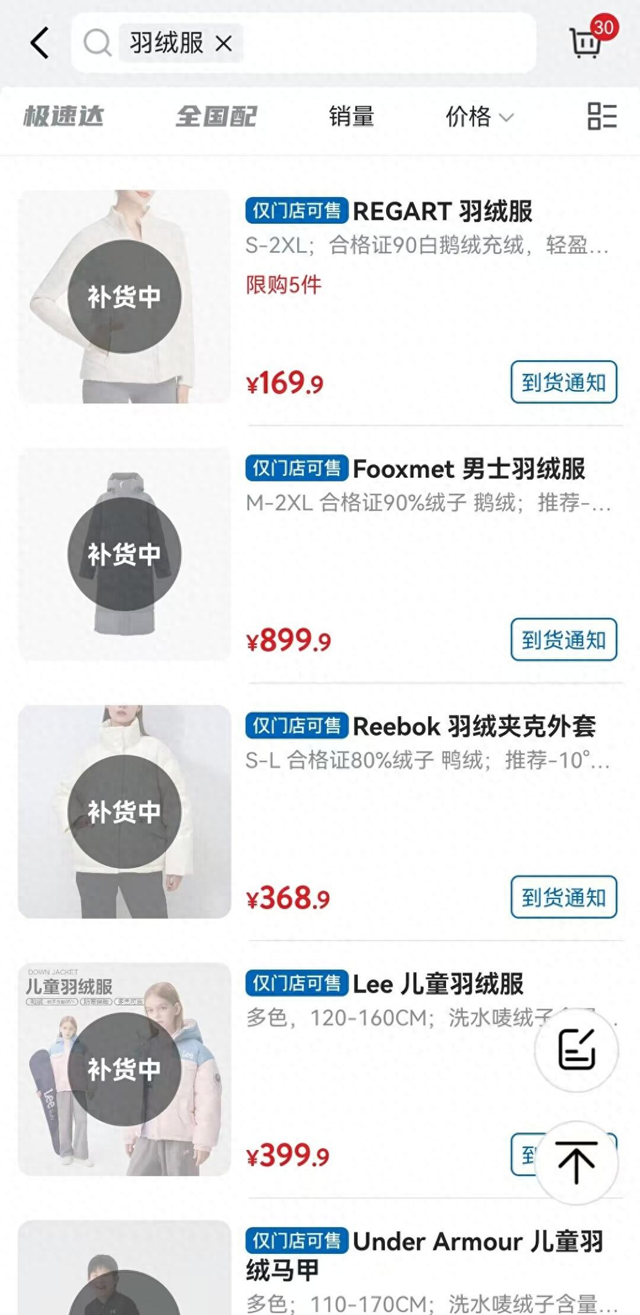
Core Viewpoint - The trend of young consumers purchasing down jackets from supermarkets is rising, driven by factors such as price transparency, trust in retail channels, and the shift in consumer preferences towards cost-effective options over high-priced branded products [4][5][10]. Group 1: Market Dynamics - Supermarkets like Sam's Club and Pang Donglai are experiencing a surge in demand for down jackets, with many basic models sold out online [4][5]. - The average price of down jackets in large retail enterprises has increased from 438.6 yuan in 2015 to an expected 1,000 yuan by 2025, indicating a significant upward trend in market pricing [7][8]. - Consumers show a high sensitivity to price, with the most acceptable price range for down jackets being 401-600 yuan, which accounts for 35.70% of consumer preferences [8]. Group 2: Consumer Behavior - Young consumers are increasingly opting for down jackets from supermarkets due to their affordability, clear pricing, and quality assurance [5][6]. - The focus of consumers has shifted from merely seeking warmth to considering fit, waterproofing, and overall quality, reflecting a trend towards more fashionable and functional outerwear [12][13]. - The rise of supermarket down jackets indicates a change in commercial environments and consumer trends, with a growing demand for value-driven products [13]. Group 3: Brand and Product Differentiation - High-end down jacket brands are facing pressure as supermarket offerings provide similar quality at lower prices, leading to a potential market disruption [10][13]. - The differentiation in the down jacket market is becoming more pronounced, with high-end products competing on technology and brand prestige, while mass-market products focus on cost-effectiveness and supply chain efficiency [13]. - The quality of materials and production techniques varies significantly between high-end brands and supermarket offerings, with the latter often lacking in advanced manufacturing processes [9][10].
鞋服行业分化显现:国产品牌领跑 传统企业谋转型
Zhong Guo Jing Ying Bao· 2026-01-16 20:15
Core Insights - The Chinese footwear and apparel industry is experiencing significant differentiation in 2025 due to market adjustments and industrial transformations, with the sports and outdoor segment leading the way [1] - Domestic brands are reshaping the market through technological innovation and globalization, while traditional brands struggle with high inventory and rigid channels [1][2] Industry Performance - In the first three quarters, revenue for large apparel enterprises fell by 4.63% year-on-year, with total profits declining by 16.19%, reflecting severe industry pressure [1] - The sports footwear and apparel market is projected to reach a scale of 598.9 billion yuan, with predictions of exceeding 896.3 billion yuan by 2030 [1] Market Dynamics - The market is shifting from incremental expansion to stock competition, with leading companies gaining more influence while smaller brands face shrinking survival space [2] - Traditional brands are struggling, with notable failures such as Fuqiniaos' bankruptcy and Hongqiao's losses, attributed to slow product updates and over-reliance on offline channels [2][3] Brand Competition - Domestic sports brands are gaining market share, with local brands expected to occupy about 60% of the top 20 brands by 2025 [2] - Anta Group reported a 14.3% year-on-year revenue increase to 38.54 billion yuan, surpassing the combined revenue of Li Ning, Xtep, and 361° [2] Consumer Trends - The domestic sports goods market is becoming more concentrated, with the top 20 companies accounting for over 30% market penetration, leading to a widening gap between large and mid-sized firms [3] - Consumers are increasingly favoring high-quality, precise consumption, with a lack of innovation and differentiation leading to brand elimination [9] Channel Innovations - The industry is focusing on two main changes: deep exploration of niche markets and reconstruction of channel models, integrating offline large stores with online instant retail [4][6] - Major brands are opening larger stores, with Anta planning to add 160 "super stores" by 2025, which can achieve 2-2.5 times the sales efficiency of regular stores [5][6] Future Outlook - The industry is expected to see trends of premiumization, globalization, and technological advancement, with a significant reshuffle anticipated [7][8] - Brands that can maintain scale advantages or have precise positioning will likely survive, while small and medium enterprises will face increasing challenges [8]
加加食品4年亏损6亿元 “无主”状态亟待破局
Zhong Guo Jing Ying Bao· 2026-01-16 20:15
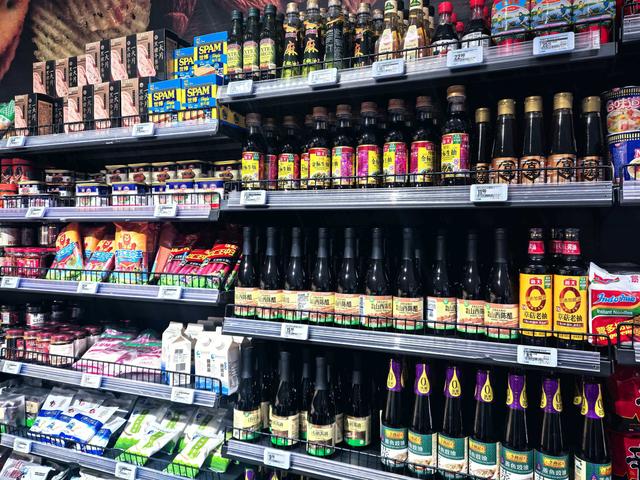
中经记者 党鹏 成都报道 数据显示,2021年至2024年,4年来加加食品已经亏损近6亿元,2025年前三季度仍处于亏损状态。与此 同时,公司创始人杨振一家三口因个人债务问题,也先后被列入失信名单,累计被执行金额近14亿元。 记者注意到,在2026年1月5日,加加食品发布公司"详式权益变动报告书之持续督导总结报告",强调称 中国东方已持有公司总股本的23.42%,成为第一大股东。目前,加加食品的两位非独立董事为中国东 方提名人选。 "中国东方作为国资AMC(金融资产管理公司),具备规范的治理经验和资本运作能力。"著名食品营 销专家、龙品锡资本创始人王海宁认为,但中国东方的核心优势在于债务重组,缺乏调味品行业的品 牌、渠道、研发资源,难以带动企业经营能力提升;同时公司4年累计亏损近6亿元,加上经销商流失、 品牌口碑受损等问题难以短期扭转,资源注入后的效果显现需要时间,但市场耐心有限。 "酱油第一股"陷困局 2012年,加加食品成功上市,成为"中国酱油第一股",市值破百亿元。当时,杨振以20亿元身家登上胡 润百富榜。 加加食品上市后,杨振家族通过湖南卓越投资有限公司(以下简称"湖南卓越")持有公司超40%的股 份 ...

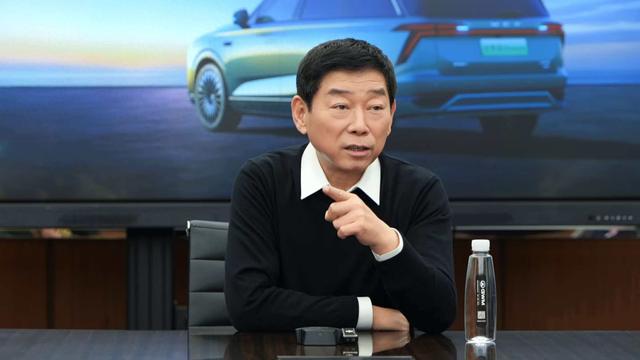
打造高端品牌需要耐得住寂寞 访长城汽车创始人、董事长魏建军
Zhong Guo Jing Ying Bao· 2026-01-16 20:13
Core Insights - The essence of a true high-end brand lies in its spiritual value proposition and the recognition of its values by users, emphasizing trust and responsibility in addressing issues [2][8][21] - The founder of Great Wall Motors, Wei Jianjun, emphasizes the importance of maintaining the original intention of creating a high-end brand, which requires patience and resilience [3][22] - The brand WEY, named after the founder's surname, represents a commitment to integrity and courage, reflecting the responsibility associated with its name [6][20] Brand Development - The WEY brand was established as China's first high-end automotive brand named after its founder, aiming to unify product DNA and create a dedicated high-end SUV brand [6][10] - Despite challenges, the brand's positioning as a high-end entity has not wavered, with a focus on building brand value rather than just high-end products [10][11] - The brand's logo design draws inspiration from historical elements, showcasing a connection to its roots and a sense of pride in its heritage [7] Market Strategy - The company believes that a true high-end brand must prioritize user-centric values, focusing on creating vehicles that are beneficial to users and society rather than merely pursuing luxury [9][12] - The transition to high-end markets is challenging, with many domestic brands still in the entrepreneurial phase, and the company acknowledges the need for a focused approach to high-end product development [10][11][22] - The company has invested over 2 billion yuan in establishing a direct sales system to better support its high-end brand strategy [11] Technological Advancements - The WEY brand has made significant strides in intelligent driving technology, with the latest models featuring advanced systems that enhance user experience [12][13] - The introduction of a multi-power platform aims to adapt to various market needs and energy structures globally, reflecting the company's commitment to innovation [12][14] Organizational Structure - The company has restructured its organization to be more user-centric, allowing for agile responses to market demands while maintaining a focus on long-term strategic goals [16][17] - The new organizational model emphasizes the integration of resources to support brand development and ensure quality consistency across products [17] Long-term Vision - The company maintains a long-term perspective on investment in research and development, focusing on building a solid technological foundation for future growth [19] - The global strategy is pragmatic, aiming to adapt to different markets while ensuring that the brand's core values remain intact [19]