Hu Xiu

Search documents
今秋第一批吃蟹的,成了大冤种?
Hu Xiu· 2025-10-12 13:14
Core Insights - The annual crab season has begun, coinciding with the National Day and Mid-Autumn Festival, leading to increased consumer demand for hairy crabs [2] - Many consumers have reported disappointing experiences with crab quality, including issues such as empty shells, bitter taste, and dead crabs upon delivery [2][6][7] - The brand "Crab Lady" has faced significant consumer backlash, with complaints about the quality of their crabs not matching promotional claims [6][16] Group 1: Consumer Experience - Consumers have encountered poor quality crabs, with reports of empty shells and unformed crab roe, leading to dissatisfaction [6][7] - The experience of purchasing crab cards has been frustrating, with many consumers unable to redeem them due to high demand and limited availability [10][12] - Complaints about crab quality and service have been persistent, with a total of 5,459 complaints recorded on third-party platforms [16] Group 2: Brand Reputation - "Crab Lady" has been a frequent subject of complaints, previously facing penalties from industry associations for issues like false advertising and short weights [16][17] - The brand's sales model, which relies on pre-sale crab cards, has led to consumer frustration due to difficulties in redeeming these cards [10][13] - Regulatory measures have been introduced to address issues in the crab sales market, aiming to improve consumer protection and reduce fraudulent practices [19][20]
100%关税,是否有缓和余地?
Hu Xiu· 2025-10-12 12:42
3、科技板块或遭受短期波动,但烈度目前可控 如有疑问请以音频内容为准,添加妙妙子微信huxiuvip302,入群有机会与董小姐进一步交流。 本篇评级为★★★,主要围绕以下内容展开: 1、特朗普威胁对中加征100%关税,从细节看是否有缓和余地? 2、中方周日表态,几个细节看"摩擦"是否可控 新闻解读评级说明:五星重磅,四星重要,三星级以下大家选择听。 1、特朗普威胁对中加征100%关税,从细节看是否有缓和余地? 消息一出,市场仿佛瞬间穿越回今年4月全球股市暴跌的前夜——当时也是中美摩擦骤然升温,特朗普 对华加征逾100%关税,中国迅速强硬反制,全球股市重挫:美股整体跌约20%,科技板块跌超30%,债 市、汇市"三杀",恐慌蔓延至A股,不过跌幅与持续时间均小于美股。 本文为妙投付费内容,上述仅为摘要,购买本专栏即可解锁完整内容。新用户可免费领本专栏7天阅读 体验机会,在妙投APP-我的-权益兑换 输入"妙投888"即可领取。 这个周末确实爆出了重磅消息:美国突然威胁对中国再度加征高额关税。这是否会彻底终结近几个月来 的A股小牛市?我们一起来推敲。 先看新闻。10月10日(周五)晚间,美国总统特朗普在社交媒体上突然 ...
东鹏饮料再战港交所,“现金奶牛”缺钱了?
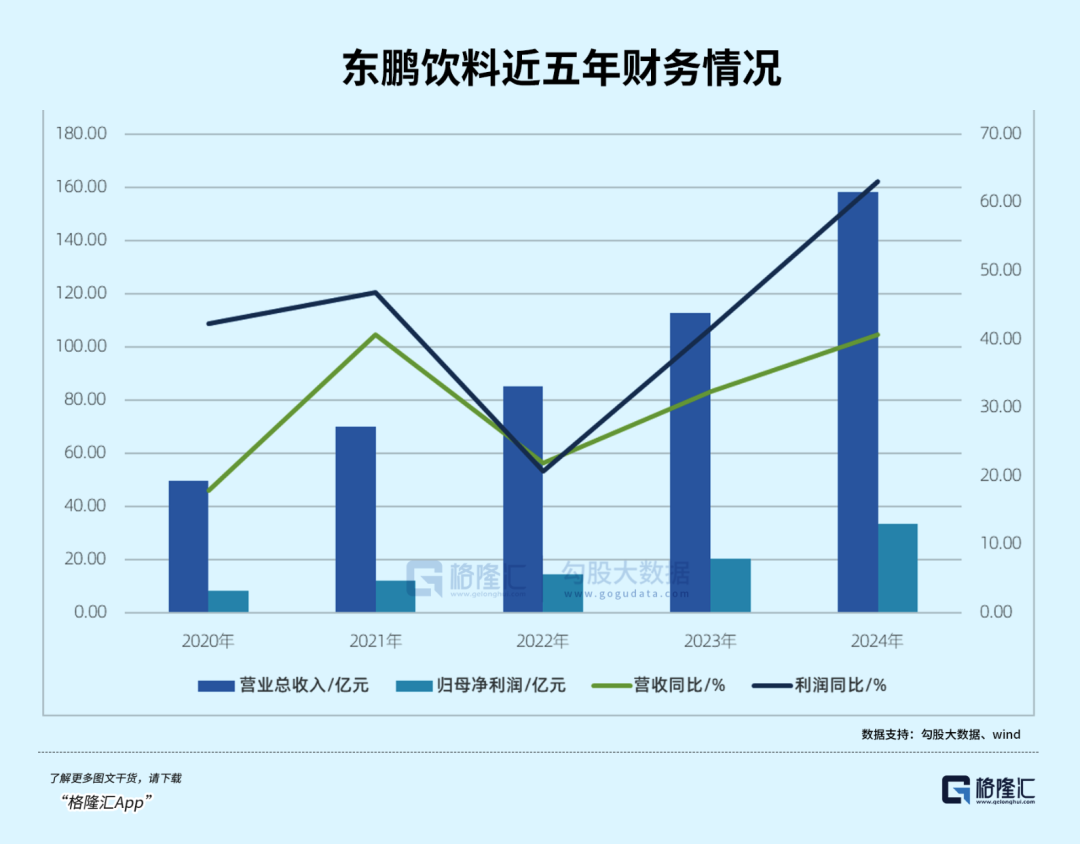
Hu Xiu· 2025-10-12 11:56
Core Viewpoint - Dongpeng Beverage, a leading player in China's functional beverage market, is seeking a dual listing in Hong Kong despite having substantial cash reserves, raising questions about its motivations and future strategies [4][20][21]. Group 1: Company Performance - Dongpeng Beverage's market share in the domestic energy drink sector reached 47.9% in 2024, making it the top-selling functional beverage for four consecutive years [5]. - The company's stock price has surged from an initial offering price of 46.27 yuan in 2021 to over 300 yuan, with a market capitalization exceeding 160 billion yuan [6]. - Revenue grew from 6.978 billion yuan in 2021 to 15.839 billion yuan in 2024, marking a doubling in sales [9]. - Net profit increased from 1.193 billion yuan to 3.327 billion yuan, with a year-on-year growth rate of 63.09% in 2024 [10]. - By mid-2025, total revenue reached 10.737 billion yuan, a 36.37% increase from the previous year [14]. Group 2: Financial Position - As of the end of 2024, the company had cash and cash equivalents of 5.653 billion yuan and trading financial assets of 4.897 billion yuan, totaling over 10.5 billion yuan [18]. - Despite a slight decrease in cash reserves in the first half of 2025, total assets remained close to 10 billion yuan [19]. - Dongpeng plans to raise approximately 1.493 billion yuan through its Hong Kong IPO for overseas expansion and capacity building, although its existing assets could cover this need [20][21]. Group 3: Dividend and Shareholder Activity - In 2024, Dongpeng distributed 2.3 billion yuan in dividends, with a payout ratio of 69% [28]. - Since its listing in May 2021, the company has distributed a total of 5.3 billion yuan in dividends over six occasions [29]. - Shareholders have been actively reducing their stakes, with significant sell-offs by major shareholders since the lifting of lock-up periods [30][31]. Group 4: Market Strategy and Risks - Dongpeng Beverage's reliance on energy drinks, which accounted for 96.6% of its revenue in 2022, poses risks of market saturation and product obsolescence [43]. - The company is pursuing a "1+6 multi-category strategy" to diversify its product offerings, including electrolyte drinks and coffee beverages [46]. - Despite efforts to reduce dependence on energy drinks, new product categories still contribute less than 10% to total revenue [50]. - The company has seen a significant increase in short-term liabilities, rising from 2.996 billion yuan in 2023 to 6.551 billion yuan in 2024, a growth of 118.69% [25]. Group 5: Industry Outlook - The functional beverage market in China is projected to grow at a compound annual growth rate of 8.3% from 2019 to 2024, outpacing the overall soft drink market [70]. - China's per capita consumption of functional beverages is still low at 9.9 liters in 2024, compared to 54.9 liters in the U.S., indicating significant growth potential [72]. - Increased competition from established brands and traditional soft drink companies entering the functional beverage space presents challenges for Dongpeng [77].


国庆档音乐节复盘:超60组流量扎堆,谁才是带票之王?
Hu Xiu· 2025-10-12 11:12
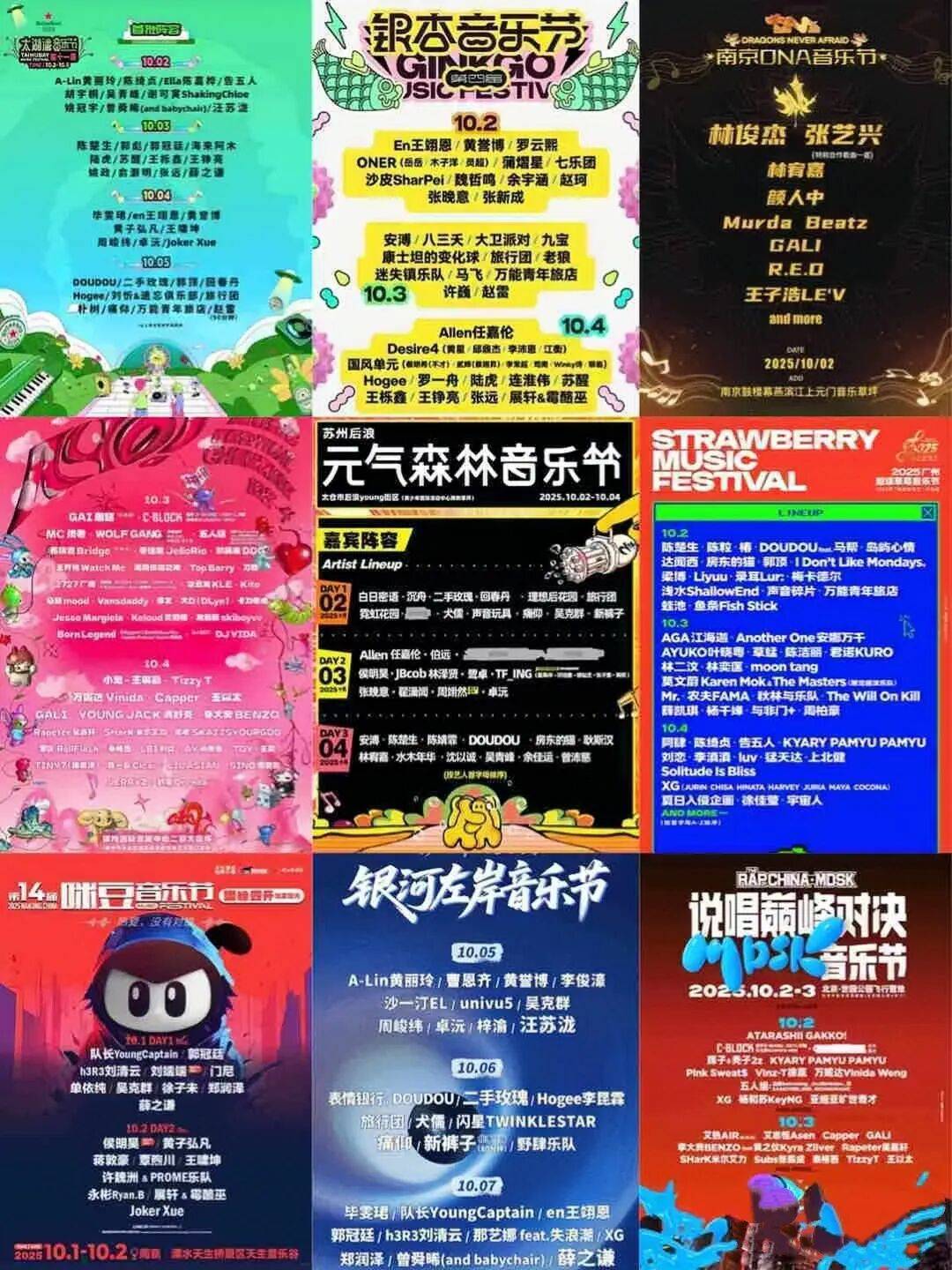
Core Insights - The proportion of popular artists at music festivals during the National Day holiday has increased significantly compared to previous years, indicating a structural change in the artist lineup [1][3][4] - The National Day period saw over 40 brands and 152 music festivals held across the country, with a notable rise in various music genres and the emergence of new festival brands [5][12] - The influx of popular artists has led to a dual situation for music festivals, where they benefit from high traffic but also face challenges related to quality and audience expectations [3][19] Group 1 - The National Day music festival season is characterized as a rare peak for the music market, with a high concentration of popular artists [4][5] - More than 67 groups of popular artists participated in the music festivals, with a significant number being actors who have returned to their singing roots [8][9] - The top ten busiest popular artists during the National Day festivals included names like Huang Zihongfan and ONER, showcasing their extensive engagement [9][11] Group 2 - The trend of popular artists dominating music festival lineups has led to a shift in festival operations, with new brands adopting different models focused on "traffic mixes" [12][13] - Some festivals have reduced the presence of traditional musicians, allowing popular artists to headline single-day events, which can significantly boost ticket sales [14][15] - The structure of festival lineups has evolved, with a more organized approach to categorizing performances by style, moving away from the previous "mixed bag" format [16][27] Group 3 - The entry of popular artists into music festivals is seen as a mutual benefit, enhancing ticket sales and attracting cross-industry attention [20][22] - Many popular artists, despite their non-professional backgrounds, have successfully leveraged music festival platforms to enhance their public image and career prospects [28][30] - The phenomenon of "first performances" at music festivals has become a focal point, with the potential for significant ticket sales driven by fan engagement [31][32] Group 4 - The challenges of balancing the presence of popular artists with the need for professional quality in performances have become increasingly apparent [37][39] - Issues such as pricing disputes and fan conflicts at festivals highlight the complexities introduced by the involvement of popular artists [34][36] - The sustainability of this trend relies on maintaining a balance between audience expectations for quality and the commercial pressures of the music festival industry [40]
AI技术滥用调查:“擦边”内容成流量密码,平台能拦却不拦?
Hu Xiu· 2025-10-12 10:08
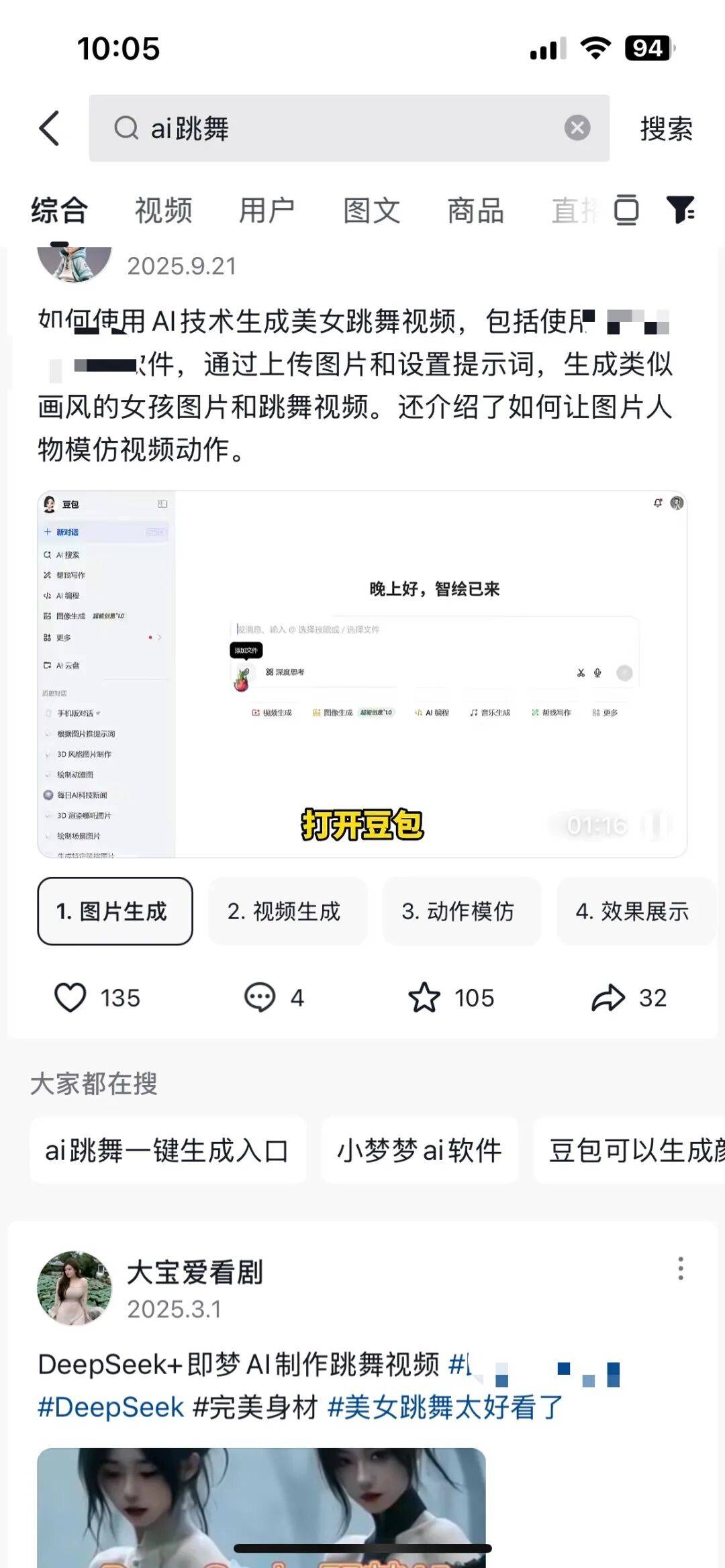
Group 1 - The article highlights the misuse of AI technology, particularly in creating inappropriate content, leading to significant concerns for both ordinary individuals and public figures [1][6][10] - A surge in AI-generated content, such as "AI dressing" and "AI borderline" images, has become prevalent on social media platforms, attracting large audiences and followers [2][10][11] - The Central Cyberspace Affairs Commission has initiated actions to address the misuse of AI technology, focusing on seven key issues, including the production of pornographic content and impersonation [4][5] Group 2 - Ordinary individuals and public figures alike are victims of AI misuse, with cases of identity theft and defamation emerging from AI-generated content [6][8][9] - The prevalence of AI-generated "borderline" content on social media platforms raises concerns about copyright infringement and the potential for exploitation [10][12][22] - Various tutorials and guides are available on social media, instructing users on how to create and monetize AI-generated borderline content, indicating a growing trend in this area [13][16][22] Group 3 - Testing of 12 popular AI applications revealed that 5 could easily perform "one-click dressing" on celebrity images, raising concerns about copyright infringement [31][32][39] - Nine of the tested AI applications were capable of generating borderline images, with the ability to bypass content restrictions through subtle wording changes [40][41][42] - The article discusses the challenges faced by platforms in regulating AI-generated content, highlighting the need for improved detection and compliance measures [54][56][60] Group 4 - The article emphasizes the need for clearer legal standards and increased penalties for violations related to AI-generated content to deter misuse [57][59][60] - Recommendations for individuals facing AI-related infringements include documenting evidence and reporting to relevant authorities, underscoring the importance of legal recourse [61] - The article concludes that addressing the misuse of AI technology requires a multifaceted approach, including technological improvements and regulatory clarity [62]
突然变卦的特朗普, 与一份美国内参刺激有关?
Hu Xiu· 2025-10-12 09:23
Group 1 - The U.S. government plans to impose a 100% additional tariff on all Chinese goods starting November 1, 2025, raising the total tariff rate to over 150% [1] - This decision is influenced by China's new regulations on rare earth exports and the ongoing competition in the shipbuilding industry between the U.S. and China [1] Group 2 - The U.S. shipbuilding industry has faced a significant decline, with only five large ocean-going vessels built in 2024, totaling 76,000 tons, compared to over 250 vessels built by a single Chinese company during the same period [2][5] - The U.S. market share in global commercial shipbuilding has shrunk from 0.33% in 2014 to just 0.11% in 2024, highlighting the industry's long-term decline [5][6] Group 3 - The decline of the U.S. shipbuilding industry is attributed to a combination of international competition, structural challenges, and domestic policy changes [4][9] - The U.S. shipbuilding industry once dominated globally during World War II but has since lost its competitive edge, with significant impacts on economic development and national security [3][4] Group 4 - The U.S. government is exploring strategies to revitalize the shipbuilding industry, focusing on icebreaker ships as a strategic entry point due to their military and commercial significance [26][27] - The report emphasizes the need for a comprehensive national shipbuilding strategy to address capacity limitations and enhance international competitiveness [39][40] Group 5 - The report outlines several structural challenges facing the U.S. shipbuilding industry, including high construction costs, a shortage of skilled labor, and inefficiencies in government procurement processes [10][11][12] - The U.S. shipbuilding costs are reported to be two to four times higher than those in countries like China, Korea, and Japan, severely limiting competitiveness [10] Group 6 - The global shipbuilding landscape has shifted dramatically, with China now dominating the market, capturing over 80% of new container ship orders and 30% of LNG carrier orders by 2024 [20][21] - Traditional shipbuilding powers like Japan and Korea are also facing challenges, with Japan's workforce shrinking significantly and Korea focusing on high-value segments [21][22] Group 7 - The decline of the U.S. shipbuilding industry has implications beyond economic competitiveness, affecting military capabilities and national security [23][25] - The U.S. Navy's ability to maintain and enhance its operational capacity is directly impacted by the challenges faced in the shipbuilding sector [25] Group 8 - The U.S. government is considering a trilateral cooperation initiative with Finland and Canada to enhance icebreaker ship production, leveraging each country's strengths [33][35] - The proposed "ICE Pact" aims to integrate strategic advantages and technical capabilities among the three nations to boost shipbuilding efforts [33][35]

解构韩国财阀:为何总统入狱,财阀却能全身而退?
Hu Xiu· 2025-10-12 09:04
Core Insights - South Korea is often referred to as the "Samsung Republic" due to the significant influence of the Samsung conglomerate, which once accounted for one-fifth of the country's GDP [1] Group 1 - The term "chaebol" refers to large family-owned business conglomerates in South Korea, which have a profound impact on the economy and society [1] - The dominance of chaebols like Samsung has led to a perception that South Koreans cannot escape their influence throughout their lives [1] - The phrase "taxes, death, and Samsung" highlights the inescapable presence of these conglomerates in the daily lives of South Koreans [1]
谁将是下一个劈开海外万亿市场的中国黑马?
Hu Xiu· 2025-10-12 08:19
Core Insights - The narrative of Chinese companies going global has evolved significantly, moving from being silent manufacturers to active players in the global market [1][3][26] - In the first half of 2025, Chinese overseas mergers and acquisitions surged by 79% to $19.6 billion, while new contracts for foreign engineering projects increased by 12.4% to $129.9 billion, indicating a robust expansion of Chinese enterprises abroad [2] Historical Phases of Chinese Companies Going Global - **Phase 1: "Manufacturing Outbound" Era** This period is characterized by OEM/ODM models where Chinese companies lacked brand ownership and consumer engagement, relying solely on low-cost labor and large production capacity [5][6][7][8] - **Phase 2: "Brand Outbound" Awakening Era** Triggered by the global financial crisis, this phase saw Chinese companies realizing the importance of branding. They began to innovate and offer products that could compete with international brands, exemplified by companies like Huawei and Xiaomi [9][10][11][12][15] - **Phase 3: "Ecosystem Outbound" Era** The current phase focuses on creating comprehensive systems and models rather than just selling products. Companies are now looking to establish brand matrices and cultural connections, as seen with brands like Anker and Pop Mart [16][19][20][21][29] Emerging Strategies - **Category "Exploders"** These companies aim to create standout products in specific niches and replicate their success across various verticals, leveraging technology and consumer insights [17][19] - **Cultural "Alchemists"** This strategy involves modernizing and globalizing Chinese cultural elements to resonate with international audiences, creating a new aesthetic that appeals to global youth [20] - **Ecosystem "Creators"** Companies are now exporting operational efficiencies and business models developed in China to global markets, focusing on platforms and infrastructure rather than direct consumer sales [21] - **"Gold Diggers" in Emerging Markets** With increasing competition in mature markets, many Chinese firms are targeting emerging markets like Southeast Asia and Africa, leveraging their established business models and supply chain advantages [22][23][25] Conclusion - The evolution of Chinese companies from labor-intensive manufacturers to sophisticated global players reflects a significant shift in strategy and ambition. The next generation of successful companies will likely be those that can integrate into global ecosystems and redefine market standards [26][30][31]
老头在公交车上骂女人,这次我站老头
Hu Xiu· 2025-10-12 08:19
不孝有三,带着你妈挨骂为大。 出门在外,做个人吧。 北京一连下了好几天雨,降温和大雨让出行更加艰难。 我收拢雨伞挤上公交车的时候,门口已经很拥挤了,过道上也挤满了人。 车辆又前进了两站,挤上来更多的乘客,但过道上的人们并没有顺行往后门移动,我决定挤到后面去, 也许能稍微宽松一点。 很快我就知道为什么过道上的人们挤着不动了。 两个身着黄色雨衣的女人站在过道尽头,雨衣上挂着大大小小的水珠,如果想要从她们身边经过,势必 将所有的水都擦在自己的衣服上。 老头看着那老太太,眼神复杂,终究没再开口。 年纪较老的一位,瑟缩在车厢边,尽量缩小自己,减少与他人的接触面。 而另外一位三四十岁的女性,正昂起头来,用巨大音量回敬指责她的老头。 老头的声音原本有些沙哑,但这句话却像刀片一样刮过车厢:"没你这么干的!"他抬高了嗓门,"湿漉 漉地就往人身上蹭!有没有公德心!" 雨帽下女人的脸涨得通红:"关你屁事!老不死的玩意儿,显着你了是吧?我爱穿什么上车你管得着 吗?公交车是你家的?" 老头也不退让,手指点了点她还在滴水的雨衣下摆:"我管不着?你蹭我一身水我就管得着!大家的雨 伞都躲着人,就你特殊?你妈没教过你公共场合别害人?" 女人声 ...
滴滴自动驾驶不甘落后
Hu Xiu· 2025-10-12 07:53
Core Insights - Didi Autonomous Driving has secured a new round of financing amounting to 2 billion RMB, bringing its total funding to over 10 billion RMB [1][2] - The funds will be utilized to enhance AI research and promote the application of Level 4 (L4) autonomous driving [3] - New investors with strong ties to Beijing and Guangzhou have joined this round, aligning with Didi's plans to launch pilot operations in these cities by 2026 [4] Financing History - Didi Autonomous Driving's financing history includes several significant rounds: - A4C round in May 2020 raised $500 million from SoftBank Group - B round in October 2021 raised $300 million from various investors including IDG Capital and CITIC Industrial Fund - B+ round in May 2023 had undisclosed amounts from Faurecia - B+ round in October 2023 raised no more than $149 million from Guangzhou Development Zone Investment and GAC Group - C round in October 2024 is expected to raise $298 million from GAC Group and Didi Chuxing - D round in October 2025 is projected to raise approximately 2 billion RMB from several new funds and existing investors [2][5] Industry Context - The competition in the Robotaxi sector is intensifying, with other players like Baidu and Pony.ai making significant strides, prompting Didi to accelerate its efforts [5][6] - Didi's journey in autonomous driving began in 2016, and it has invested heavily, with a total funding of 13 billion RMB, positioning itself as a major player in the industry [6][12] Strategic Plans - Didi's CEO has outlined a three-phase five-year plan aimed at proving the value of past investments and achieving commercial viability for autonomous driving [26][28] - The first phase (2016-2021) focused on developing L4 technology, the second phase (2022-2026) aims for commercial validation, and the third phase (2027-2032) will focus on global expansion [28] Technological Advancements - Didi has introduced a new L4 model in collaboration with GAC Aion, featuring advanced hardware and a high-performance computing platform [30] - The vehicle is equipped with 33 sensors, including 10 LiDARs, and is designed to operate effectively in various conditions, including low-light environments [31] Talent and AI Development - The shift in AI technology from CNN to Transformer models presents both challenges and opportunities for Didi, necessitating a strong talent pool to meet future demands [32][33] - Success in achieving L4 capabilities by 2026 will depend on Didi's ability to adapt to these technological changes and leverage partnerships for rapid expansion [34]