汽车商业评论

Search documents
一场改写全球汽车格局的政策地震
汽车商业评论· 2025-07-08 03:10
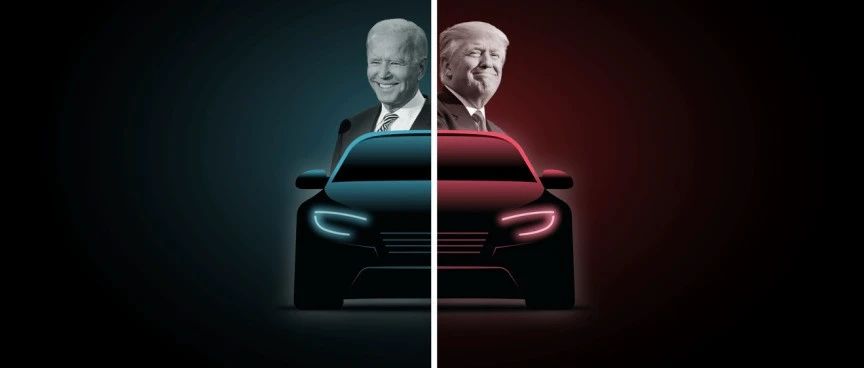
Core Viewpoint - The "One Big Beautiful Bill" (OBBB) represents a fundamental ideological shift in U.S. economic and national security policy, reallocating resources and policy priorities from green energy and social welfare to defense, border security, and fossil fuel production [2][4]. Group 1: Legislative Changes - The OBBB systematically abolishes or reduces numerous green energy projects established during the IRA era, including greenhouse gas reduction funds and clean heavy-duty vehicle credits, while injecting substantial new funding into the Department of Defense and traditional fossil fuel extraction [4][14]. - The bill is seen as a significant pivot in U.S. electric vehicle policy, with the cancellation of the $7,500 federal tax credit for new electric vehicles set to take effect on September 30, 2025, seven years earlier than previously planned [21][5]. - New vehicle registration fees have been introduced, with $250 for new cars and $100 for hybrid vehicles, impacting the demand for electric vehicles [23][24]. Group 2: Economic Implications - The OBBB combines large, permanent tax cuts with substantial, upfront government spending, relying entirely on new debt for funding, which could increase the U.S. deficit by approximately $3.3 trillion over the next decade [14]. - The bill aims to stimulate consumer demand through new tax incentives, including deductions for qualified tips and overtime pay, and enhanced standard deductions for seniors [9][8]. - The legislation allows for a maximum deduction of $10,000 on new vehicle loan interest for buyers of cars assembled in the U.S. from 2025 to 2028, incentivizing domestic production [31][33]. Group 3: Impact on the Automotive Industry - The cancellation of tax credits and the introduction of new fees are expected to negatively impact electric vehicle sales, with predictions of a significant drop in sales post-October 2025 [27][40]. - Traditional fuel vehicles may see a resurgence in competitiveness due to the removal of subsidies for electric vehicles, potentially delaying the overall electrification process [25][40]. - The bill's provisions may lead to a restructuring of the electric vehicle market, with established brands like Tesla facing profit margin pressures while startups reliant on subsidies may encounter severe financial challenges [41][39]. Group 4: Global Supply Chain Effects - The OBBB is likely to exacerbate regionalization trends in the global supply chain, as U.S. policies push companies to enhance domestic capabilities while still relying on imports for critical components [42][43]. - Automakers from countries like South Korea and Japan are already responding by increasing investments in U.S. production to qualify for the "American assembled" label [44]. Group 5: Controversy and Debate - The OBBB has sparked intense debate, with supporters arguing it provides relief for the middle class and traditional automakers, while critics warn it exacerbates fiscal deficits and undermines clean energy transitions [45][48]. - The automotive industry faces a dual challenge of short-term sales boosts against long-term sustainability and environmental goals, as highlighted by industry leaders [46][47].


新能源销量全球前三!上汽通用五菱“极速转型”的底层逻辑是什么?
汽车商业评论· 2025-07-08 03:10
Core Viewpoint - SAIC-GM-Wuling has achieved remarkable sales growth in the first half of 2025, with a total sales volume of 764,544 vehicles, representing an 18.3% year-on-year increase, and a significant 73.8% increase in new energy vehicle sales [2][3][21]. Group 1: Sales Performance - In June 2025, SAIC-GM-Wuling sold 126,413 vehicles, marking a 32.1% year-on-year growth, with new energy vehicle sales reaching 70,357 units [2]. - The company has maintained over 50% year-on-year growth in new energy vehicle sales for six consecutive months [2]. Group 2: Transformation Strategy - The success of SAIC-GM-Wuling's transformation is attributed to its focus on genuine user needs, driving innovation through technology and industry chain collaboration [5][24]. - The "Wuling Model" serves as a replicable example for the transformation of traditional manufacturing in China, demonstrating the potential of traditional industrial systems in the new era [5][18]. Group 3: Product Development - SAIC-GM-Wuling emphasizes user-centric product development, focusing on practical solutions that avoid redundant features, aligning with the principle of "affordable, usable, and good" [8][10]. - The company has launched various models tailored to specific user scenarios, such as the Hongguang MINIEV for urban commuting and the Wuling Bingguo for family outings [10]. Group 4: Systematic Engineering - The transformation is driven by the "125" project, integrating innovation across government, industry, academia, research, and application [12]. - SAIC-GM-Wuling has developed a proprietary technology system, including six core technologies, and has achieved significant breakthroughs in key areas [12][14]. Group 5: Industry Chain Development - The company has established five billion-yuan autonomous industrial clusters in Liuzhou, enhancing local supply chain capabilities and increasing localization rates from 36% to 63% [16]. - SAIC-GM-Wuling is leading the transformation of the aluminum industry in Guangxi, creating an integrated ecosystem for high-value automotive components [17]. Group 6: Global Expansion - In the first half of 2025, SAIC-GM-Wuling's new energy vehicle exports reached 35,964 units, a 147.6% year-on-year increase, with a notable 250.5% increase in June alone [21]. - The company is implementing a regional integration strategy in Southeast Asia, focusing on local production and supply chain development [22]. Group 7: Lessons for the Industry - SAIC-GM-Wuling's experience illustrates that the challenges faced by traditional automakers in transformation are more about the choice of development path rather than scale [25][26]. - The company's approach of precise positioning, system reconstruction, and ecological collaboration provides valuable insights for other traditional manufacturers undergoing transformation [24][26].
半年卖出135.5万辆,长安汽车凭什么?
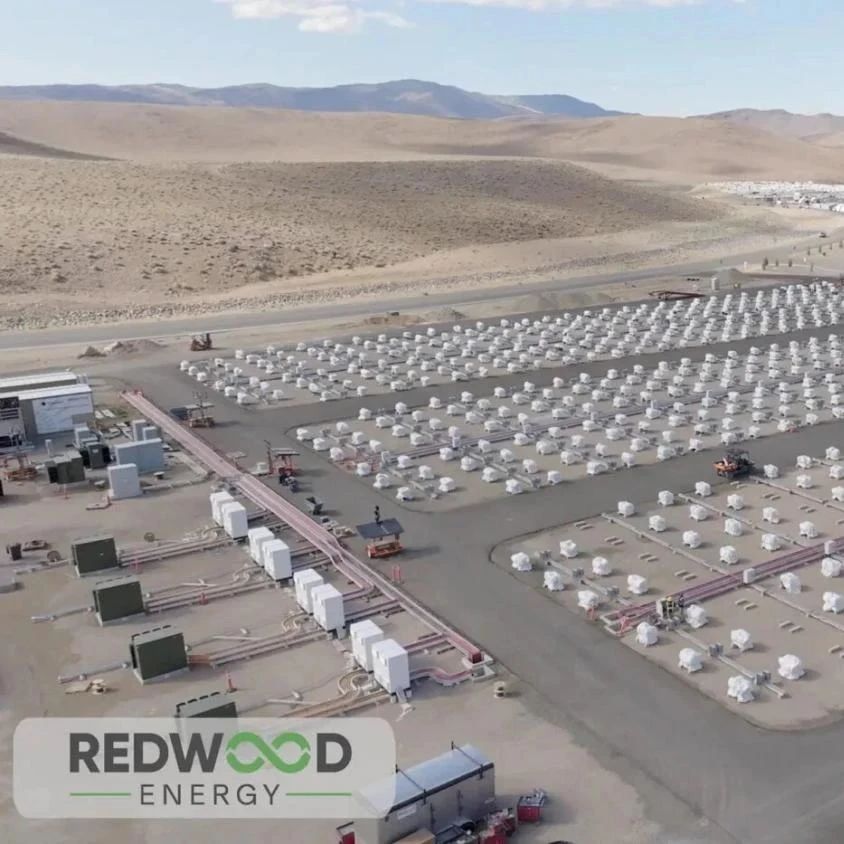
汽车商业评论· 2025-07-06 13:45
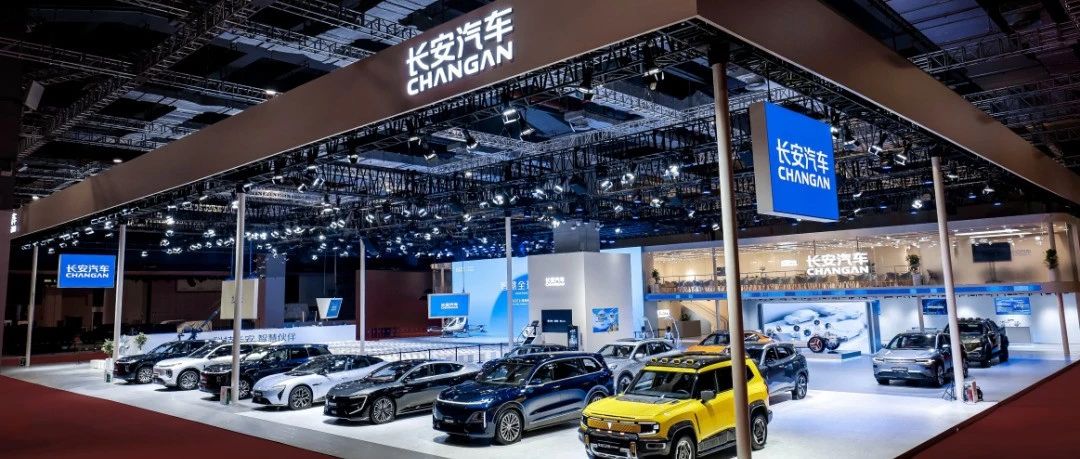
Core Viewpoint - The global automotive industry is undergoing significant transformation, with a shift from electric vehicle adoption to a comprehensive competition in smart electric vehicles, emphasizing the importance of brand, product, technology, and global operational systems for automakers [2][9]. Group 1: Sales Performance - In the first half of 2025, Changan Automobile achieved a remarkable sales milestone with a total of 1.355 million vehicles sold, marking an eight-year high, including 450,000 new energy vehicles, which represents a year-on-year growth of 48.8% [3]. - Changan's three major brands and five product lines have shown strong synergy, balancing new and stable offerings, with high-end smart electric brand Avita maintaining a monthly sales level of over 10,000 units for four consecutive months [6][7]. Group 2: Product and Technology Development - Changan's strategy of a "multi-brand matrix + deep technology layout" is yielding results, enhancing its competitive edge in electrification, intelligence, and globalization [7]. - The company has introduced several new models, including the Q07, S09, and UNI-Z PHEV, which are gaining market traction, while its technological innovations are being progressively realized [9][13]. - Changan's "Shangri-La" plan focuses on solid-state batteries, with the "Golden Bell" battery entering real vehicle verification, aiming for mass production by 2027 [13]. Group 3: Global Expansion Strategy - Changan's "No Overseas, No Changan" strategy emphasizes the importance of global presence, with a clear plan for global expansion targeting five core regions: Southeast Asia, Central and South America, Europe, Middle East and Africa, and Eurasia [19][21]. - The company has established over 14,000 channel outlets in more than 100 countries and is transitioning from a sales-driven model to a comprehensive ecosystem development approach [21][22]. - In January 2025, Changan's export volume reached a historic high, with a month-on-month increase of over eight times, positioning it among the top three Chinese automakers in exports [22]. Group 4: Industry Collaboration and Innovation - As a representative of state-owned enterprises, Changan is committed to industry health and stability, implementing measures to support suppliers and enhance the overall supply chain [25]. - The company has formed collaborative mechanisms with over 30 enterprises, including Huawei and Tencent, to foster innovation in smart driving and cloud platforms [26]. - Changan's focus on building a robust technological moat and its ability to respond quickly to global market changes are seen as key factors for its long-term success [27][28].

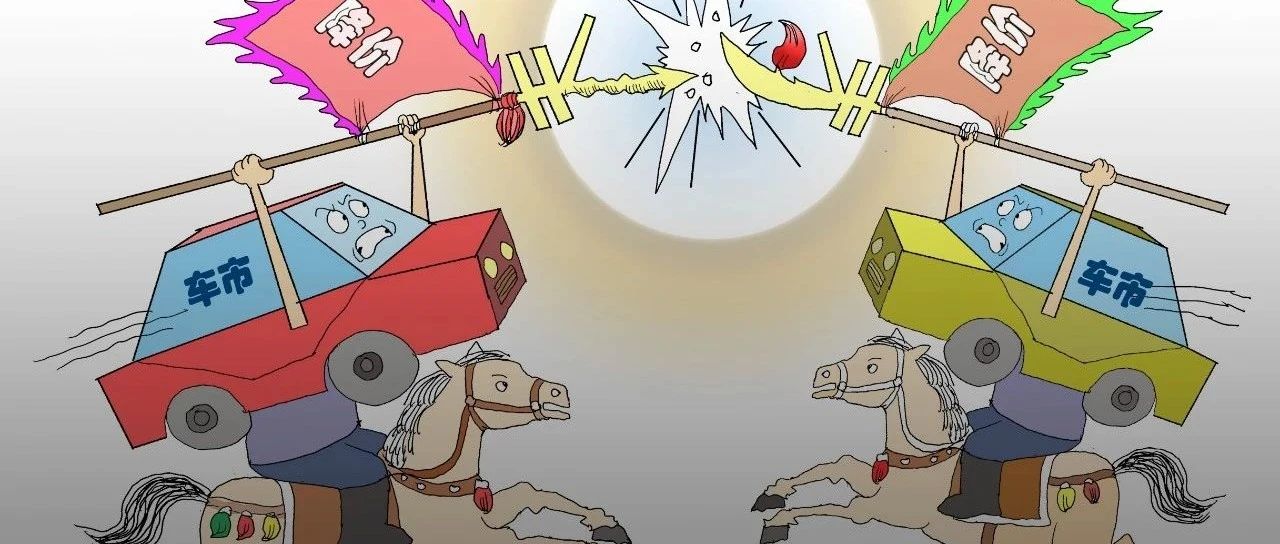
汽车“一口价”烂大街了,现在以“补”之名
汽车商业评论· 2025-07-06 13:45
Core Viewpoint - The article discusses the recent targeted subsidies for Huawei's vehicles in various regions of China, highlighting the strategic marketing and promotional efforts by the company to boost sales and consumer interest in its electric vehicles [2][8]. Group 1: Subsidy Initiatives - On June 30, 2025, the Henan Provincial Automobile Industry Association announced a cash subsidy of 3,000 yuan for each of the first 2,000 electric vehicles sold, totaling 6 million yuan, with a purchase window from July 1 to July 31 [3]. - The subsidy is specifically for electric vehicles priced at 200,000 yuan or above, equipped with the HarmonyOS and Huawei's Tuling platform, and registered in Henan Province [4]. - Similar initiatives have been observed in Hunan Province, where a 3,000 yuan subsidy is offered for certain models of HarmonyOS vehicles, with a total funding of 4.5 million yuan [9][10]. Group 2: Marketing Strategy - The targeted subsidies are seen as a clever marketing strategy by Huawei, allowing consumers to receive cash incentives while simultaneously driving sales for the company and stimulating local economies [18]. - The article notes that this approach contrasts with traditional subsidy models, which typically do not favor specific brands [8]. - Various regions across China, including cities like Yueyang and Tianjin, have also introduced similar subsidy policies for HarmonyOS vehicles, with amounts varying from 3,000 to 5,000 yuan [12][13]. Group 3: Competitive Landscape - The article highlights the competitive response from other automotive brands following the launch of Xiaomi's Yu7, which achieved over 200,000 pre-orders in just three minutes, prompting a flurry of promotional activities from competitors [24][29]. - Companies like BYD and Chery have adjusted their pricing strategies and promotional offers in response to the competitive pressure, indicating a shift towards more aggressive marketing tactics in the industry [31][36]. - The article suggests that the current market dynamics reflect a broader trend of price competition among electric vehicle manufacturers, despite regulatory efforts to curb excessive price wars [39].


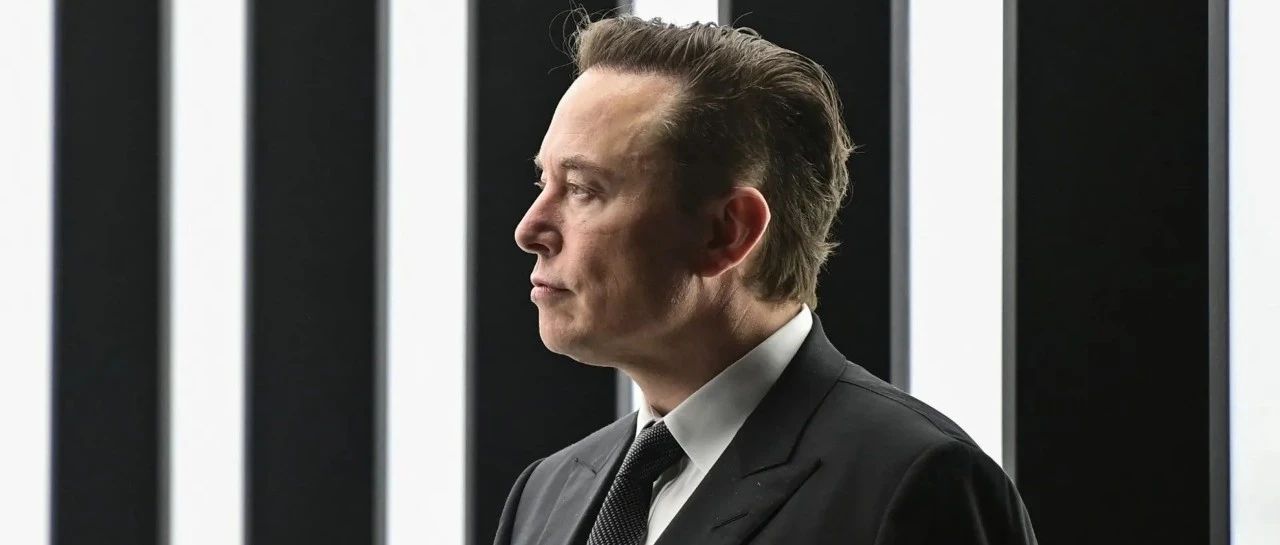
马斯克的政治豪赌,输了
汽车商业评论· 2025-07-05 13:14
Core Viewpoint - Tesla is facing significant challenges in mid-2025, including declining sales, brand reputation issues, and financial setbacks, exacerbated by CEO Elon Musk's public disputes with political figures and the implications of the "Big Beautiful Bill" [2][4][6]. Group 1: Legislative Impact - The "Big Beautiful Bill" signed by President Trump threatens Tesla's key revenue source, the regulatory credit system, which could lead to a loss of $2 billion in profits [5][15]. - The bill eliminates federal tax credits for electric vehicle purchases, which could further impact Tesla's sales, especially among middle and low-income consumers [10][15]. - Analysts estimate that the policy change could reduce Tesla's profits by over 50%, with annual revenue losses potentially reaching $2 billion, primarily affecting its U.S. operations [15][16]. Group 2: Sales and Market Performance - Tesla's sales have declined for two consecutive quarters, with a 13.4% drop in vehicle sales from April to June 2025, totaling 384,122 units sold [6][18]. - In China, Tesla's sales have also decreased by 22,000 units compared to the previous year, despite attempts to stimulate demand through pricing strategies [21]. - Elon Musk has taken direct control of sales in North America and Europe, indicating a hands-on approach to stabilize the company's performance amid declining sales [18][19]. Group 3: Brand Reputation and Consumer Sentiment - Tesla's brand perception has deteriorated across political affiliations, with a significant drop in positive recognition among Democrats and Independents, and a lack of recovery signs [24][26]. - 33% of surveyed consumers indicated they are less likely to purchase a Tesla due to Musk's political actions, reflecting a negative impact on consumer sentiment [26]. - The company's Robotaxi initiative faces skepticism, with 55% of consumers unwilling to allow their personal vehicles to be used as autonomous taxis, raising concerns about the future viability of this business model [28][34].
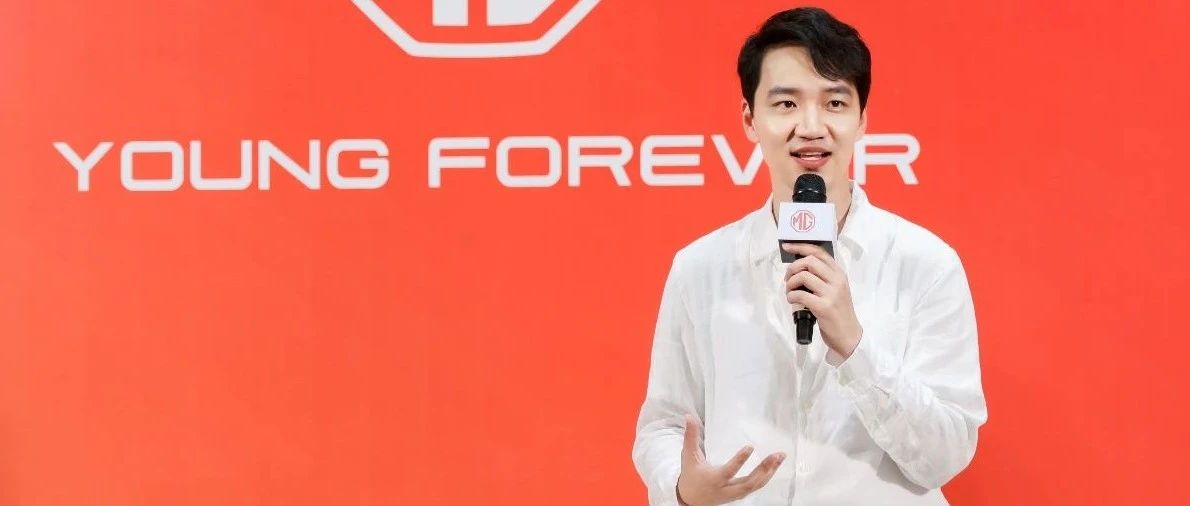
90后花美男MG初舞台,一出手就是100亿……
汽车商业评论· 2025-07-04 15:29
Core Viewpoint - MG is accelerating its transition to new energy vehicles (NEVs) with a commitment to invest over 10 billion yuan and launch 13 new models in the next two years, covering various types of vehicles and technologies [4][10][30] Group 1: Leadership and Strategy - Chen Cui, the new head of MG, represents a youthful and dynamic leadership style, emphasizing a mindset of youth that transcends age [7][30] - MG's new brand proposition "YOUNG FOREVER" reflects its strategy to appeal to younger consumers and adapt to changing market dynamics [5][30] - The company aims to differentiate itself in the NEV market by leveraging its technological strengths and not engaging in price wars [10][22] Group 2: Product Development and Market Position - MG plans to introduce a diverse product lineup, including electric, hybrid, and performance vehicles, to cater to various market segments [4][27][29] - The MG Cyberster, a high-performance electric convertible, and the MG5, a fuel-efficient sedan, are key products that showcase the brand's commitment to innovation and performance [28][29] - The company acknowledges the importance of maintaining a balance between current fuel vehicle offerings and future NEV developments to ensure market relevance [25][29] Group 3: Strategic Partnerships - MG has formed a strategic partnership with OPPO to enhance its technological capabilities in the automotive sector, focusing on smart connectivity and user experience [11][16][22] - The collaboration aims to create differentiated products and expand sales channels, leveraging OPPO's expertise in electronics and software [12][19][22] - Both companies are committed to joint marketing efforts and product development, indicating a strong integration of their respective strengths [21][23]

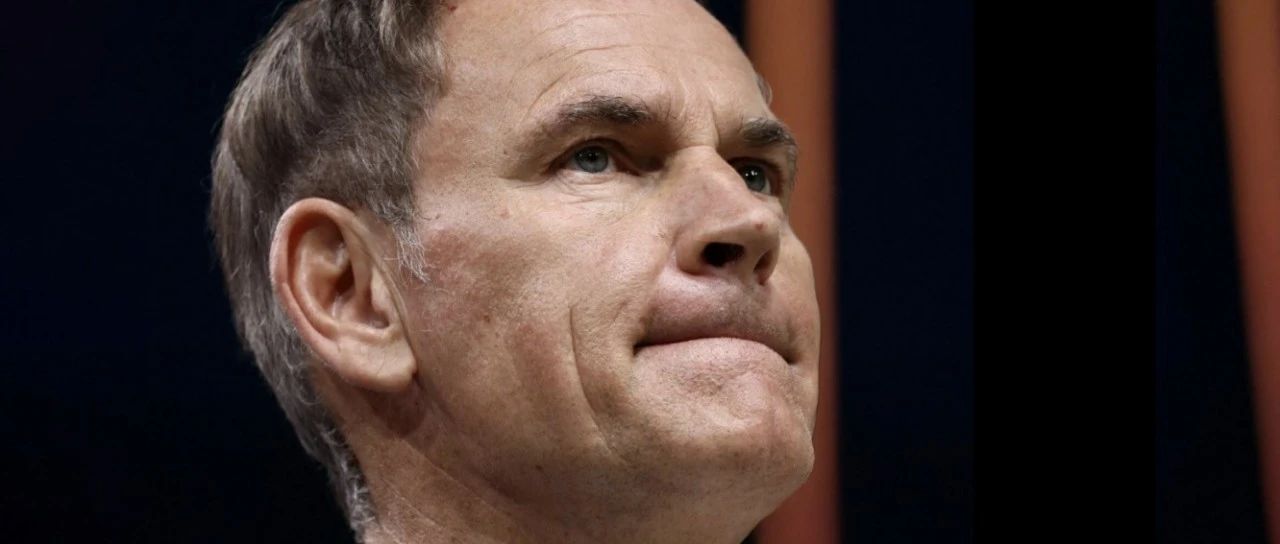
大众CEO,该放弃大众集团还是保时捷?
汽车商业评论· 2025-07-03 16:40
Core Viewpoint - The article discusses the increasing scrutiny and criticism surrounding Oliver Blume's dual role as CEO of both Volkswagen Group and Porsche, highlighting concerns over potential conflicts of interest and governance issues [3][5][31]. Group 1: Background and Context - Oliver Blume is the first CEO in Volkswagen Group's history to hold dual positions as CEO of both Volkswagen and Porsche [10]. - The controversy over Blume's dual role began when he took over as CEO of Volkswagen Group, with initial concerns raised by a minority of investors [14][18]. - Following Porsche's IPO in September 2022, Blume's leadership has come under greater scrutiny as both companies face declining performance [18][30]. Group 2: Financial Performance and Market Response - Porsche's performance has been declining, with a 3% drop in global deliveries in 2024 and a significant 28% decline in the Chinese market [27][28]. - As of early 2025, Porsche's stock price has fallen to €43.46, nearly halving from its IPO price of €82.5 [30]. - Financial forecasts for Porsche indicate a projected revenue of €37-38 billion for 2025, down from €40 billion the previous year [66]. Group 3: Governance and Shareholder Concerns - Shareholders have increasingly called for Blume to choose one CEO position, citing governance structures that are unprecedented in both Volkswagen and the broader German corporate landscape [9][32]. - Concerns have been raised about the potential for conflicts of interest and weakened accountability due to Blume's dual role [48][49]. - Some family members of the Porsche-Piëch family, who control a significant voting stake in Volkswagen, have expressed differing views on Blume's dual role, with some advocating for a clearer separation of responsibilities [40][54]. Group 4: Blume's Justification and Strategic Vision - Blume defends his dual role as a strategic advantage, allowing for resource integration and unified decision-making across both companies [56][57]. - He emphasizes the importance of scale in negotiations and the ability to implement necessary reforms across both brands [60][61]. - Blume believes that his leadership can help navigate the complexities of the automotive industry's transition to electric vehicles [59][63]. Group 5: Future Outlook and Strategic Adjustments - Volkswagen plans to launch 30 new models in China over the next two years, with a focus on localizing research and development [63][64]. - The company is also restructuring its dealer network in China, aiming to reduce the number of dealerships by one-third by 2027 [69].
豪华车巨头绝不放弃内燃机
汽车商业评论· 2025-07-03 16:40
Core Viewpoint - BMW's Steyr plant in Austria is undergoing a complex transformation, expanding electric powertrain production while maintaining its role as a global internal combustion engine manufacturing center [2][5]. Group 1: Transformation and Strategy - The Steyr plant is positioned as a dual-engine facility for both internal combustion engines and electric drive systems, ensuring a flexible and future-oriented supply model for BMW's global vehicle lineup [7][11]. - The plant had 4,900 employees and generated sales of €4.4 billion last year, ranking among the top ten industrial companies in Austria [7]. - BMW is committed to maintaining its internal combustion engine business, producing approximately 1.2 million internal combustion engines last year while also investing in traditional engine improvements [14][24]. Group 2: Technological Advancements - The current fifth-generation electric vehicle drive system has achieved a 40% reduction in energy consumption and a 30% increase in vehicle range compared to the upcoming sixth generation [20]. - The introduction of new technological components, such as inverters, is seen as a key differentiator for BMW in enhancing electric drive efficiency and performance [18][22]. Group 3: Workforce and Production Capacity - BMW aims to maintain the current workforce level of approximately 4,900 employees by 2030, with 700 dedicated to research and development [23]. - The production capacity for electric drive systems is expected to expand to 600,000 units across two production lines, with adjustments based on market demand [24]. Group 4: Future Developments - The first "New Generation" model, the iX3, is set to begin series production in the fall at BMW's new factory in Debrecen, Hungary [29]. - BMW is prepared to evaluate global expansion options if demand increases, ensuring flexibility in production strategies [32].
华为、小米打嘴仗,车圈吵翻天
汽车商业评论· 2025-07-02 15:34
Core Viewpoint - The article highlights the intense competition and challenges within the Chinese automotive industry, emphasizing the need for decisive actions and strategic shifts to adapt to changing market dynamics and consumer expectations [6][5][54]. Group 1: Industry Dynamics - Xiaomi's YU7 achieved remarkable sales, with 200,000 orders in just three minutes, showcasing the brand's strong consumer loyalty and market appeal [78][80]. - The automotive industry is experiencing a shift from price wars to a more complex competitive landscape, with companies like NIO facing significant challenges from negative public relations and online attacks [30][27]. - The CEO of Volkswagen, Oliver Blume, acknowledged the company's complacency and the need to adapt to digital and electric trends, indicating a critical juncture for traditional automakers [39][40]. Group 2: Key Statements from Industry Leaders - Guo Chuan, chairman of Zhejiang Konghui Automotive Technology, expressed a vision for a more responsible automotive industry, urging companies to prioritize ethical practices and supplier relationships [18][17]. - Li Bin, founder of NIO, revealed that the company faces monthly expenditures of 30 to 50 million yuan on negative publicity, highlighting the pervasive issue of online smear campaigns in the industry [30][29]. - Yang Xueliang from Geely criticized the current state of competition, calling for a legal and ethical approach to disputes, rather than engaging in personal attacks [35][36]. Group 3: Strategic Decisions and Future Outlook - The automotive industry is at a critical decision-making point, with calls for a collective effort to avoid destructive competition and foster a healthier market environment [54][59]. - The report from Roland Berger emphasized that the Chinese market's competitive intensity is unmatched globally, pushing suppliers to innovate and adapt rapidly [46][48]. - The need for a unified approach among Chinese automakers to enhance their global presence and avoid internal conflicts was stressed by industry leaders [62][61].


10万辆电动车退役后,挖出千亿金矿市场
汽车商业评论· 2025-07-02 15:34
Core Viewpoint - Redwood Energy, a subsidiary of Redwood Materials, is launching an energy storage business utilizing retired electric vehicle batteries to support various enterprises, starting with AI data centers [3][4]. Group 1: Business Expansion and Strategy - Redwood Materials, founded by former Tesla CTO JD Straubel, has raised $2 billion in private funding and focuses on recycling lithium-ion batteries to create sustainable battery materials, aiming to build a circular supply chain [6]. - The company has expanded from recycling battery production waste to producing cathode materials, with projected revenues of $200 million in 2024, primarily from battery materials sales [7]. - Redwood Energy aims to convert retired electric vehicle batteries into modular energy storage systems (ESS) to meet the energy demands of AI data centers while balancing the supply and demand of renewable energy [9][17]. Group 2: Market Potential and Trends - The electric vehicle market has seen rapid growth, with a record 1.3 million electric and plug-in hybrid vehicles sold in the U.S. last year, indicating a future influx of retired batteries [22]. - By 2045, the global battery recycling market is expected to reach $52 billion, with the second-life battery industry projected to grow to $5.2 billion by 2035 [25]. - The ESS market is timely, as data centers supporting AI and ChatGPT are placing significant pressure on the grid, prompting the search for alternative energy sources [17]. Group 3: Technical and Operational Insights - Redwood Energy's microgrid for AI infrastructure company Crusoe has a power generation capacity of 12 MW and energy storage capacity of 63 MWh, with energy costs lower than traditional grids [13]. - The company processes approximately 20 GWh of batteries annually, equivalent to the battery capacity of 250,000 electric vehicles, and holds a 90% market share in North America's lithium-ion battery recycling [9][27]. - The recycling process involves safely storing, testing, and diagnosing batteries to determine their suitability for second-life applications, ensuring that those with usable energy capacity are converted into storage batteries [19][21].