汽车商业评论

Search documents
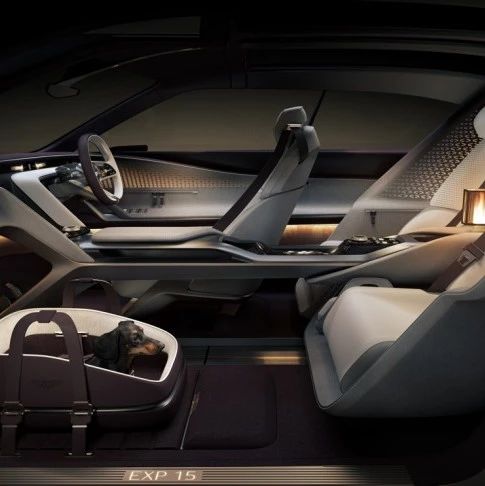
顶奢豪车装X指南:副驾没了,狗窝留着
汽车商业评论· 2025-07-13 15:26
Core Viewpoint - Bentley is redefining luxury with its new electric concept car, the EXP 15, which emphasizes unique design and functionality over traditional luxury features [2][3][4]. Group 1: Design Philosophy - The EXP 15 features an unconventional layout with a single door on the driver's side and two doors on the passenger side, promoting the idea that "less is more" in luxury [5][11]. - The interior design includes a dedicated space for pets or luggage, and the passenger seat can rotate and recline, enhancing comfort for long journeys [6][31]. - The car's design is inspired by the 1930 Bentley Speed Six, aiming to blend classic aesthetics with modern electric vehicle technology [20][32]. Group 2: Strategic Timing and Market Position - Bentley's release of the EXP 15 aligns with its "Beyond100" strategy, which aims for full electrification by 2030, with the first production model expected in 2026 [11][13]. - The company has invested £2.5 billion in electric transformation, indicating readiness in production capacity and technology [13]. - Bentley's cautious approach contrasts with competitors like Tesla and Porsche, focusing on maintaining brand identity while transitioning to electric vehicles [10][14]. Group 3: Future Vision and Market Impact - The EXP 15 is seen as a design declaration for Bentley's future electric models, aiming to redefine long-distance luxury travel with zero-emission power systems [38]. - The car is expected to compete directly with high-end electric models such as the Porsche Taycan and BMW i7, marking a significant shift in the luxury automotive market [37]. - Bentley's design integrates sustainable materials and advanced technology, setting a new standard for luxury electric vehicles [34][35].

在华第三位一把手被放弃,这家豪华品牌还有出路吗
汽车商业评论· 2025-07-13 15:26
Core Viewpoint - Genesis, the luxury brand of Hyundai, is struggling in the Chinese market despite its ambitions to compete with established luxury brands. The company plans to localize production and develop new energy vehicles to improve its market position and brand image [10][20][57]. Group 1: Leadership Changes - CEO Zhu Jiang of Genesis China left his position after less than a year, following the brief tenure of his predecessor, Lee Zhe, who served as Chief Executive Coordinator for only nine months [2][4][6]. - The longest-serving CEO was Markus Henne, who held the position for nearly four years [7][9]. Group 2: Market Performance - Genesis has faced significant challenges in the Chinese market, with annual sales figures of only 367 units in 2021, 1,457 units in 2022, 1,558 units in 2023, and a decline to 1,328 units in 2024 [26]. - Cumulative losses in the Chinese market reached 3 billion yuan by mid-2024, with an average marketing cost of 710,000 yuan per vehicle [28][40]. Group 3: Brand Positioning Issues - Genesis struggles with a confused brand image, attempting to position itself as both a luxury brand and a value option, leading to consumer misperceptions [29][30]. - Over 60% of consumers in major cities mistakenly view Genesis as a lesser-known brand or a Bentley imitation [31]. Group 4: Product Challenges - The GV70 model lacks essential features valued by Chinese consumers, such as a 360-degree camera and automatic parking, resulting in a perception of "high price, low configuration" [34]. - The design of Genesis vehicles does not resonate with younger Chinese consumers, with only 12% of surveyed individuals finding the design appealing [34]. Group 5: Sales and Service Network - As of 2025, Genesis has only 19 dealerships in China, primarily in first- and second-tier cities, compared to over 600 for Mercedes-Benz [35]. - Limited service availability has negatively impacted customer experience, with some customers needing to transport vehicles across provinces for repairs [35]. Group 6: Future Strategies - Genesis plans to launch localized research and manufacturing of new energy vehicles in China within the next 3-5 years, aiming for a sustainable profit model [20][41]. - The company will leverage local supply chains to reduce costs and enhance competitiveness, potentially eliminating significant import tariffs and taxes [44][46]. Group 7: Market Opportunities - The Chinese luxury car market is still growing, with increasing demand for new energy vehicles, presenting an opportunity for Genesis if it can align its products with consumer preferences [55]. - The Chinese government supports the localization of high-end new energy brands, which could benefit Genesis in its efforts to establish a stronger market presence [53].
和特朗普闹翻了,马斯克搭上莫迪
汽车商业评论· 2025-07-12 13:46
Group 1 - The core viewpoint of the article is that Tesla is finally entering the Indian market after eight years of negotiations and challenges, with the opening of its first showroom in Mumbai on July 15 [3][21]. - The initial model introduced in India is the Tesla Model Y, with six units imported from Tesla's Shanghai Gigafactory [4][5]. - The import cost for each Model Y is approximately $32,500, with a total expected price exceeding $55,000 due to high import tariffs of up to 70% [5][8]. Group 2 - Tesla plans to establish a network of supercharging facilities and parts warehouses in India, with future expansions planned for cities like Delhi and Hyderabad [7]. - The Indian government has set a target for electric vehicles to account for 30% of new vehicle sales by 2030, presenting significant opportunities for Tesla [10]. - The negotiations between Elon Musk and the Indian government have been ongoing since 2017, primarily focused on high import tariffs and the need for local production [12][15][16]. Group 3 - Musk has expressed concerns about India's high import tariffs, which can reach up to 110% for electric vehicles, making it difficult for Tesla to enter the market [27][28]. - The lack of charging infrastructure in India is another concern for Musk, as it could affect the user experience for Tesla customers [29]. - Administrative inefficiencies and slow decision-making processes in India have also contributed to Musk's hesitance to commit to local manufacturing [32][34]. Group 4 - The relationship between Elon Musk and Indian Prime Minister Narendra Modi has been pivotal in facilitating Tesla's entry into the Indian market [36][39]. - Modi's government has recently relaxed some conditions, allowing Tesla to import vehicles while promising future local production [35][47]. - India's automotive market is seen as one of the most promising emerging markets globally, driven by population growth, urbanization, and supportive government policies [48][50][53]. Group 5 - Tesla's performance in its core markets has shown significant divergence, with strong delivery capabilities in China but challenges in Europe [56][57]. - In 2024, Tesla delivered approximately 657,000 vehicles in China, marking a nearly 9% year-on-year increase [58]. - The European market has seen a nearly 50% decline in Tesla's electric vehicle registrations in early 2025, highlighting the competitive pressures from local brands [62].


“开车睡觉”要去警局,那蒙眼停车呢
汽车商业评论· 2025-07-12 04:26
Core Viewpoint - The article discusses the current state of intelligent driving technology in the automotive industry, highlighting the cautious approach of companies in promoting their capabilities, particularly in the context of L4-level automated parking systems. It emphasizes the need for clear definitions and responsibilities regarding the technology's safety and insurance coverage [2][5][27]. Group 1: Industry Developments - Following the government's crackdown on exaggerated claims in intelligent driving, many companies have shifted their marketing from "intelligent driving" to "assisted driving" [2][4]. - A domestic car manufacturer claims to be the first globally to achieve L4-level-like intelligent parking, but it has been careful to use the term "comparable" and limits the functionality to parking scenarios [5][6]. - The article notes that while L4-level parking is being discussed, true L4 capabilities require no driver involvement, which is not the case with the current offerings [12][17]. Group 2: Technology and Safety - The SAE International defines the levels of automated parking from L0 to L5, with L4 requiring no driver participation and functioning in designated areas [15][16]. - Real-world examples of L4-level parking include the automated valet parking system tested at Shenzhen Airport, showcasing the potential for fully autonomous parking solutions [18][20]. - The success rate of intelligent parking is higher than that of urban intelligent assisted driving, with data showing over 1.02 billion automated parking instances in 2024 [23]. Group 3: Insurance and Liability - The emergence of "intelligent driving insurance" aims to boost consumer confidence in using intelligent driving features, with various companies offering coverage for smart parking and assisted driving scenarios [28][30][31]. - There is a distinction between genuine insurance products and those that are more like risk commitments or value-added services, raising questions about the true nature of "intelligent driving insurance" [33][34]. - Concerns are raised about the potential for companies to use their dual role as both sellers and adjudicators of insurance to avoid liability in case of accidents [35].
电动车续航暴跌,高温不敢开空调?
汽车商业评论· 2025-07-10 14:05
Core Viewpoint - The study by Geotab indicates that driving speed significantly impacts the range of electric vehicles (EVs) more than high temperatures, especially during long-distance travel [3][4][12]. Group 1: Impact of Speed on EV Range - Geotab's research shows that in the speed range of 50-80 mph (80-128 km/h), the reduction in range can be as high as 39% due to increased air resistance compared to the impact of air conditioning [8][10]. - For a vehicle with a 65 kWh battery, driving at 50 mph (80 km/h) in 86°F (30°C) conditions results in a range of 143 miles (approximately 230 km), which decreases to 88 miles (141 km) at 80 mph (128 km/h) [8][10]. - Aerodynamically efficient electric sedans experience a 28% reduction in range within the same speed range under similar temperature conditions [10]. Group 2: Physics Behind Energy Consumption - The increase in energy consumption at higher speeds is attributed to the square relationship of air resistance to speed, meaning that doubling the speed requires four times the energy to overcome wind resistance [11]. - Geotab's sustainability manager emphasizes that reducing speed by 10-15 mph (16-24 km/h) can extend the range by 20% to 30%, depending on the vehicle type [11]. Group 3: Temperature Effects on EV Range - High temperatures have a more pronounced effect on range at lower speeds, where air resistance is less significant, making the energy consumption of air conditioning more impactful [12]. - At 95°F (35°C), the average range of EVs can decrease by 17% compared to 75°F (24°C) [12]. Group 4: Practical Tips for Extending Range - Geotab suggests several methods to extend range without sacrificing comfort, such as reducing speed, pre-conditioning the vehicle while plugged in, and using air conditioning efficiently [15][16][17]. - Avoiding rapid acceleration and deceleration, parking in shaded areas, and refraining from fast charging in extreme heat can also help maintain battery performance [19][20]. Group 5: Addressing Range Anxiety - The findings aim to alleviate range anxiety among EV users by providing insights into factors affecting range and practical strategies to manage them [22].
车市三极分化:自主内卷、合资反扑、豪华塌方
汽车商业评论· 2025-07-10 14:05
Core Viewpoint - The Chinese automotive market experienced record sales in June 2025, driven by government subsidies and aggressive pricing strategies from manufacturers, leading to significant shifts in market dynamics among domestic, joint venture, and luxury brands [2][3][4][11]. Group 1: Market Performance - In June 2025, retail sales of passenger vehicles reached 2.084 million units, a year-on-year increase of 18.1% and a month-on-month increase of 7.6% [3]. - The first half of 2025 saw cumulative retail sales of 10.901 million units, reflecting a year-on-year growth of 10.8% [3]. - Domestic brands achieved a retail volume of 1.34 million units in June, marking a year-on-year increase of 30% and a market share of 64.2% [8]. Group 2: Factors Driving Growth - The "two new" policy subsidies significantly reduced consumer costs, with 70% of private car buyers benefiting from the vehicle trade-in program [4][5]. - A surge in sales was also attributed to manufacturers lowering prices to boost sales as they approached mid-year targets, with over ten brands participating in price cuts [6][7]. Group 3: Competitive Landscape - The competitive landscape has shifted, with domestic brands gaining pricing power but facing challenges from aggressive price wars, leading to a breakdown of traditional pricing structures [11][12]. - Joint venture brands showed signs of recovery, with notable sales increases for major players like FAW-Volkswagen and SAIC-GM, indicating a stabilization of their market positions [22][23][25]. Group 4: Luxury Market Decline - The luxury vehicle segment is experiencing a downturn, with traditional luxury brands losing market share to both domestic and joint venture brands, marking a significant shift in consumer preferences [31][39]. - Despite the overall decline, Audi managed to achieve a year-on-year sales increase of 15.7% in the first half of 2025, highlighting potential opportunities for luxury brands that adapt to local market conditions [41][43].

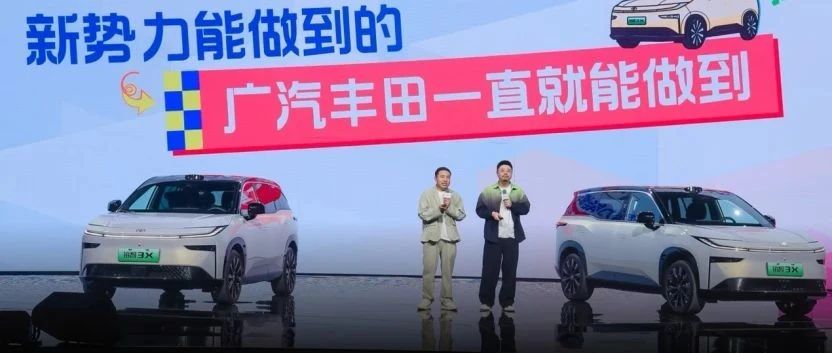
铂智3X独白:我是丰田,也是新势力
汽车商业评论· 2025-07-09 13:55
Core Viewpoint - GAC Toyota has successfully launched the Platinum 3X electric SUV, achieving significant sales growth and redefining its brand image in the competitive electric vehicle market [2][8][80] Group 1: Sales Performance - In the first six months of 2025, GAC Toyota achieved sales of 364,218 vehicles, showing a positive year-on-year growth [2] - The Platinum 3X, launched four months prior, has already delivered over 20,000 units [3] Group 2: Product Development and Strategy - The launch of the Platinum 3X marks a significant shift in GAC Toyota's approach, with a focus on local market needs and consumer preferences [15][42] - The introduction of the Regional Chief Engineer (RCE) system allows Chinese engineers to lead vehicle development, ensuring products are tailored to local consumers [15][22] - The development process for the Platinum 3X involved extensive market research and iterative adjustments based on competitor analysis, a departure from traditional practices [26][30] Group 3: Consumer Insights - The target demographic for the Platinum 3X includes practical family users in second and third-tier cities, emphasizing quality and cost-effectiveness [25] - Young consumers are driving the demand for electric vehicles, with a focus on smart technology, comfort, and social connectivity [62][64] Group 4: Design and Innovation - The Platinum 3X features a unique design philosophy that balances strength and fluidity, appealing to the diverse tastes of younger consumers [68] - The vehicle's interior design prioritizes functionality and emotional value, with attention to detail in space utilization and material selection [72][74] Group 5: Safety and Quality Assurance - GAC Toyota maintains a strong commitment to safety, implementing rigorous testing standards for vehicle components, including battery safety [46][55] - The company has proactively met and exceeded new national battery safety standards, ensuring consumer confidence in product safety [53][57] Group 6: Future Outlook - GAC Toyota aims to deepen its transformation strategy, with plans to enhance its position in the electric vehicle market and innovate beyond traditional practices [82][83]

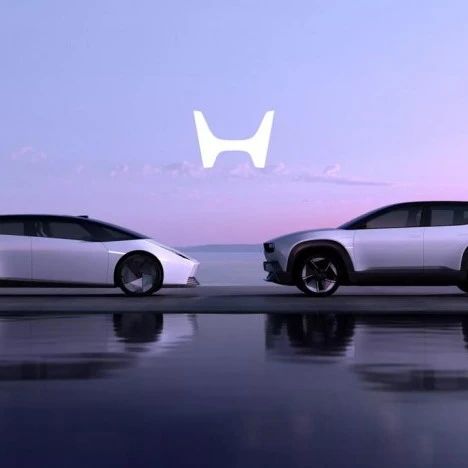
大型纯电SUV 确认取消!本田突然宣布
汽车商业评论· 2025-07-09 13:55
Core Viewpoint - The automotive industry is undergoing significant changes, with manufacturers reassessing their electric vehicle (EV) strategies due to slowing adoption rates and the impending expiration of federal tax incentives in the U.S. [2][5] Group 1: Honda's Strategy Shift - Honda has halted the development of a large electric SUV and significantly reduced its EV investment plans through 2030, influenced by weakening market demand and political factors in the U.S. [3][4][8] - The company initially aimed to launch a series of new electric vehicles starting in 2026, targeting markets outside of China, with a goal of having 30% of its total sales from EVs by 2030 [12][13]. - Honda's CEO indicated that the company now expects EVs to account for about 20% of sales by 2030, leading to a 30% cut in its EV investment and software development budget, from 10 trillion yen (approximately $69 billion) to 7 trillion yen (approximately $48 billion) [15][16]. Group 2: Focus on Hybrid Vehicles - Honda plans to shift its focus from electric vehicles to increasing the production of profitable hybrid vehicles, aiming to launch 13 new hybrid models globally in the next four years, with a target of 2.2 million units sold by 2030 [18][19]. - This strategy is seen as a short-term solution to ensure revenue while preparing for future EV adoption [19]. Group 3: Industry-Wide Adjustments - Other automakers, including Lotus, Porsche, and Volvo, have also adjusted their EV strategies, shifting focus towards hybrid models or delaying their electric vehicle plans due to misalignment with consumer demand [22][24]. - Ford and Jaguar Land Rover have been gradually slowing down their EV initiatives, while Nissan has canceled plans for electric vehicle production in the U.S. and Japan [23][24]. - The automotive industry is facing a transformative period, with manufacturers responding to a rapidly changing landscape by cutting back on EV investments [24].

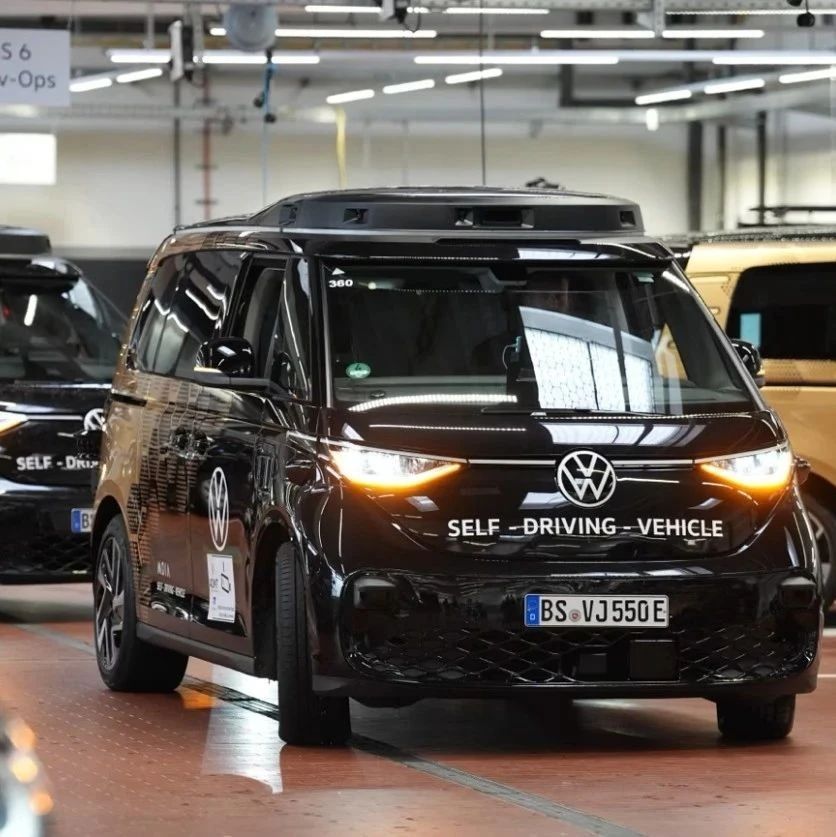
大众“截胡”特斯拉
汽车商业评论· 2025-07-08 15:44
Core Viewpoint - The Robotaxi market is becoming increasingly competitive, with Tesla and Volkswagen making significant strides in autonomous driving technology and deployment [2][4][20]. Group 1: Tesla's Robotaxi Launch - Tesla launched its highly anticipated Robotaxi service in Austin, Texas, with an initial deployment of about 10 vehicles, which led to an 8.23% increase in its stock price [3][4]. - The Robotaxi's performance has faced scrutiny, with reports of issues such as sudden braking and speeding [4][28]. - Tesla's Robotaxi is equipped with a pure vision system (HW 4.0) and claims an accident rate of only 0.15 per million kilometers, compared to Waymo's 1.16 [27]. Group 2: Volkswagen's Strategy - Volkswagen is testing approximately 30 Robotaxis in Hamburg, Germany, with plans to expand to the U.S. market by 2026 through a partnership with Uber [5][15]. - The company aims to remove safety drivers by 2027 in Europe, marking a significant milestone in its autonomous driving ambitions [6][21]. - Volkswagen's approach contrasts with Tesla's, as it collaborates with Mobileye for its autonomous driving system, while also integrating its software subsidiary Cariad for vehicle control [14][16]. Group 3: European Market Dynamics - Europe has been slower to adopt autonomous driving due to stricter regulations and a lack of local tech giants, but it is now accelerating efforts to innovate in the automotive sector [9][19]. - The European Union has introduced action plans to simplify testing processes for autonomous vehicles, aiming to boost the struggling automotive industry [18]. - Despite the challenges, Volkswagen's strategy is focused on competing in the U.S. market, where it will face direct competition from established players like Waymo and Tesla [20][32]. Group 4: Competitive Landscape - Waymo operates a fleet of 1,500 autonomous vehicles in cities like San Francisco and Phoenix, having completed over 10 million rides, but faces high per-vehicle costs as a barrier to commercialization [25][26]. - The collaboration between Uber and various autonomous driving partners, including Motional and WeRide, is shaping the Robotaxi ecosystem in major U.S. cities [23]. - Volkswagen's strategy emphasizes gradual expansion based on trust rather than rapid scaling, as stated by MOIA's CEO [31].
30天超20位高管大调整,80后包揽所有核心岗
汽车商业评论· 2025-07-08 15:44
Core Viewpoint - The article discusses the frequent personnel changes in the Chinese automotive industry as of June 2025, highlighting the need for organizational restructuring to adapt to rapid industry changes and competitive pressures [2][4]. Foreign Enterprises - Volkswagen and BMW have made significant personnel changes in their Chinese operations, with Robert Cisek appointed as the new CEO of Volkswagen's passenger car brand in China, effective July 1, 2025 [8][11]. - Cisek has a strong background in production strategy and has previously managed operations in South Africa, ensuring stability during crises like the pandemic and chip shortages [9][12]. - Birgit Böhm-Wannenwetsch will take over as President and CEO of BMW Brilliance from Franz Decker on August 1, 2025, bringing extensive experience from her previous roles in the automotive sector [16][19]. State-owned Enterprises - Chen Cui has been appointed as the General Manager of the MG brand, marking a significant leadership change as part of SAIC Group's push to accelerate its passenger vehicle business reform [22][24]. - North China Industries Group has appointed Liu Xuguang and Sun Jing as vice presidents, with Liu having a strong background in market strategy and Sun having successfully improved employee management efficiency [25][30][32]. - Dongfeng Motor Finance has seen leadership changes with Ding Guoxiang becoming the Party Secretary and Chairman, while Li Hua takes over as General Manager [34][35]. Private Enterprises - Lars Bialkowski has been appointed as the head of BYD's operations in Germany, focusing on expanding the company's presence in the European market [38][41]. - GWM has appointed Lü Wenbin as the General Manager of the Ora brand, which is facing challenges in market performance and aims to revitalize its sales strategy [42][46]. - Zhou Xing has joined Lynk & Co as the Executive Vice President, bringing a wealth of experience in automotive marketing and brand development [47][50]. New Forces - Li Auto has restructured its organization by merging its R&D and sales groups into a new "Smart Vehicle Group," aimed at enhancing collaboration across the value chain [51][53]. - Hu Chengchen, a key figure in NIO's technology planning, has left the company, while Chen Guang has joined Xiaomi Auto as the head of perception for assisted driving [56][61].