36氪未来消费

Search documents
欧莱雅重押“放缓明显”的香水市场
36氪未来消费· 2025-10-24 08:05
Core Viewpoint - L'Oréal's third-quarter revenue increased by 3.4% year-on-year, with North Asia, including China, growing by 4.7%, surpassing analyst expectations of 3.2% [3] Revenue Performance - The mass cosmetics segment showed the lowest growth at 0.4%, while luxury beauty and professional hair care grew by 1.5% and 1.1%, respectively. The skin science beauty segment led with a growth rate of 6.1%, although this growth has noticeably slowed [4] - In China, all segments except mass cosmetics achieved growth exceeding market levels, with notable performances from brands like Lancôme, Helena Rubinstein, and YSL [4] Strategic Acquisition - L'Oréal announced a €4 billion acquisition of Kering's beauty business, which includes the luxury perfume brand Creed and the fragrance rights for Balenciaga and Bottega Veneta [4][5] - This acquisition is seen as a significant move for L'Oréal in the high-end fragrance market, which is expected to enhance its market share in this segment from 13.7% to potentially 19.7% [5] Market Dynamics - The luxury beauty sector remains competitive, with L'Oréal's luxury division still showing growth despite overall high-end consumption slowing down [4][5] - The global fragrance market's annual sales growth has slowed from 13% last year to 11% this year, with high-end fragrances experiencing a more pronounced slowdown [6] Challenges Ahead - The Gucci fragrance business, currently licensed to Coty until 2028, poses a challenge as L'Oréal will need to invest significantly to reshape the brand's image upon acquisition [6][7] - Creed, while a promising asset, currently generates approximately $400 million in annual sales, indicating that L'Oréal will need to invest heavily to expand the sales network for Creed and the other brands acquired [7]



中国光学的下一个故事,从孩子的书桌上开始
36氪未来消费· 2025-10-24 08:05
Core Viewpoint - The article discusses the increasing prevalence of myopia among children and adolescents, highlighting it as a significant public health issue that requires innovative optical solutions to address the problem [6][22]. Group 1: Company Overview - Cheng Dewen, a leading figure in optical technology, founded Nidejia in 2015, focusing on optical design and becoming a representative of "Chinese optical hard technology" [5][11]. - Nidejia has established partnerships with global companies such as Lenovo, Xiaomi, and Qualcomm, providing optical module solutions that enable high-precision imaging [5][11]. - The company has developed over 300 optical technology patents and has participated in setting national standards for head-mounted displays [15][11]. Group 2: Technological Innovations - Nidejia has pioneered the Freeform Surface technology, which allows for unprecedented design flexibility in optical systems, enabling low distortion and high-quality imaging in compact spaces [8][9]. - The company has introduced the "Far Vision" technology, which projects images from close distances to a far-off view, helping to alleviate eye strain and combat myopia in children [18][21]. Group 3: Market Trends and Challenges - The myopia prevention market is currently saturated with ineffective products, necessitating scientifically validated solutions that address the root causes of myopia [17][16]. - Recent government initiatives have emphasized the importance of visual health, indicating a shift in public awareness and regulatory focus on myopia prevention [22][23]. Group 4: Future Directions - Nidejia plans to expand its product offerings with the launch of the DOT Reading Table Pro and Max, which aim to provide effective eye care solutions while being affordable for consumers [25][28]. - The company is also moving towards international markets and aims to establish itself as a global standard setter in optical technology [28][29]. - The integration of AI with optical technology is anticipated to redefine the interaction between humans and optical systems, with Nidejia positioning itself at the forefront of this evolution [32][33].

《圆桌派》制片人:我们想做“聊天综艺”的王牌
36氪未来消费· 2025-10-23 14:12
Group 1 - The core idea of the article revolves around the evolution and current strategy of the talk show "Round Table" as it adapts to changing audience preferences and the media landscape [5][7][8] - The show aims to maintain its position as a leading chat variety show while introducing more relatable themes and guests to resonate with a broader audience [10][11][15] - The eighth season of "Round Table" has received positive feedback, with high ratings and significant viewership, indicating its successful adaptation to current trends [5][24] Group 2 - The producers emphasize the importance of content quality over format length, believing that engaging content can attract and retain viewers regardless of duration [28] - The choice of guests has shifted towards more relatable figures rather than traditional elites, aiming to create a deeper emotional connection with the audience [11][19] - The show has incorporated micro-innovations based on audience feedback while retaining its core elements of conversation and storytelling [9][10][12]

惊天反转:辞职41天,宗馥莉重新启用“娃哈哈” |深氪
36氪未来消费· 2025-10-23 14:12
Core Viewpoint - The internal power struggle within Wahaha has taken a significant turn, with the announcement that the company will continue to use the "Wahaha" brand until 2026, despite previous plans to transition to a new brand "Wah Xiaozong" [3][4][26]. Group 1: Internal Dynamics and Leadership Changes - The internal conflict following the resignation of Zong Fuli has led to a major restructuring within Wahaha and its affiliated Hongsheng Group, with significant changes in management and operational strategies [8][10]. - Zong Fuli's leadership has been marked by attempts to clarify ownership and control issues, particularly in the context of the company's historical ties to state ownership and the complexities of transitioning power from her father, Zong Qinghou [10][11][22]. - The company has faced challenges in maintaining its market position, with stagnant revenues around 50 billion since 2014, while competitors like Nongfu Spring have seen significant growth [9][10]. Group 2: Brand and Market Strategy - Zong Fuli's strategy includes a comprehensive overhaul of the company's management structure and distribution channels, aiming to rejuvenate a brand that has struggled to innovate and adapt to market changes [8][39]. - The shift from a traditional distribution model to a more controlled channel strategy is evident, as Zong Fuli seeks to enhance the company's ability to launch new products and respond to market demands [41][45]. - The recent decline in sales of key products, such as AD Calcium Milk, indicates the challenges faced in executing this new strategy, with significant drops in market share reported [56][57]. Group 3: Legal and Ownership Issues - The ongoing disputes over the use of the "Wahaha" trademark highlight the complexities of ownership and control within the company, particularly as Zong Fuli attempts to assert her authority amid resistance from state stakeholders [25][30]. - The legal battles surrounding employee stock ownership and the implications of contract changes have led to unrest among former employees, complicating the transition of power and control within the company [23][54]. - The potential for a split between Wahaha and Hongsheng Group raises questions about the future of the brand and its market presence, as both sides navigate the legal and operational challenges ahead [30][62].

这家消费硬件新贵开了座“小孩哥”的新乐园
36氪未来消费· 2025-10-22 15:00
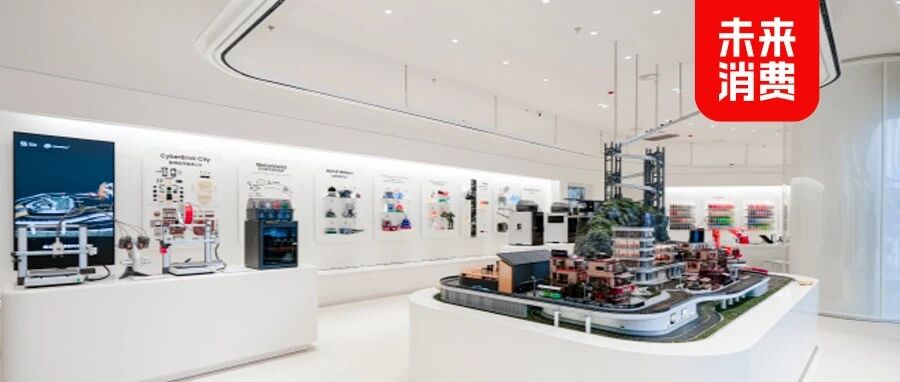
Core Viewpoint - The article discusses the emergence of TuoZhu Technology's first offline store as a significant step in making 3D printing more accessible to the general public, transforming the perception of 3D printing from a niche hobby to a mainstream consumer experience [4][15]. Group 1: Company Overview - TuoZhu Technology, founded in 2020, has rapidly grown to become a global player in the consumer hardware sector, with its 3D printers used in over 60 countries [5]. - The company is projected to achieve revenue between 5.5 billion to 6 billion yuan in 2024, with a net profit nearing 2 billion yuan [5]. - In the first quarter of 2025, TuoZhu reported approximately 2 billion yuan in revenue, with a staggering 627% year-on-year increase in printer sales during the "618" shopping festival [5]. Group 2: Offline Store Experience - The first offline store, located in Shenzhen, features an elaborate 3D-printed cyber world model, attracting families and children, and showcasing the playful side of 3D printing [4][8]. - The store includes a "Geek Space" for enthusiasts to experience 3D printing and a "Parent-Child Room" designed for children, highlighting the dual customer base of DIY hobbyists and families [11][12]. - The layout of the store emphasizes finished products and user experience rather than technical aspects, aiming to demystify 3D printing for the general public [12][13]. Group 3: Market Trends and Future Outlook - The article notes that the consumer-grade 3D printing market is at a pivotal moment, with significant advancements in technology and reductions in costs making it more accessible [15][16]. - TuoZhu's founder compares the evolution of 3D printing to that of consumer drones, emphasizing the importance of lowering entry barriers for widespread adoption [16]. - Recent reports from various securities firms express optimism about the consumer-grade 3D printing market, citing factors such as technological breakthroughs and the rise of DIY culture as key drivers for growth [16][17].
年销10亿后,「莫小仙」王正齐说要换种活法
36氪未来消费· 2025-10-22 15:00
Core Insights - The article discusses the transformation of the Chinese retail landscape, emphasizing the shift from channel-driven growth to product-driven strategies for brands like Mo Xiaoxian [4][5][11]. Group 1: Company Transformation - Mo Xiaoxian, a fast-food brand established in 2017, has experienced significant growth, achieving over 1 billion yuan in sales by 2022, driven by e-commerce and offline channels [4][5]. - The founder, Wang Zhengqi, has shifted focus from sales to product development, indicating a new phase in the company's strategy as the retail environment evolves towards a quality-driven market [4][5][11]. - The recent launch of a curry product line, developed in collaboration with the Japanese company House Foods, marks a strategic pivot towards creating differentiated products [9][10][11]. Group 2: Market Dynamics - The retail environment in China is undergoing profound changes, with a consensus among industry players that profit maximization is essential, leading to the closure of unprofitable channels [5][15]. - The fragmentation of the retail channel system is evident, with various players targeting specific consumer segments, making competition more intense and necessitating a focus on unique product offerings [15][19]. - The acceptance of curry flavors in China is increasing, with over 2 million posts on Xiaohongshu discussing curry, indicating a growing consumer interest that Mo Xiaoxian aims to capitalize on [9][10]. Group 3: Product Development and Strategy - The development of the curry product line took over nine months, highlighting the company's commitment to quality and consumer experience [11][12]. - Wang Zhengqi emphasizes the need for differentiation and cost leadership in product development, aiming to create unique offerings that resonate with consumers [12][19]. - The company plans to explore more global flavors and traditional Chinese culinary elements, indicating a broader strategy for product diversification [12][19].

当优衣库UT系列也用上了AI设计
36氪未来消费· 2025-10-21 04:11
Core Viewpoint - The controversy surrounding the collaboration between Uniqlo and Oriental Kopi highlights the potential risks of using AI-generated artwork in branding, raising questions about authenticity and local artist support [2][5][16]. Summary by Sections Collaboration Details - Uniqlo partnered with Oriental Kopi to release a collection featuring T-shirts and canvas bags adorned with illustrations of local food items, which have been criticized as AI-generated [3][5]. - The collection includes five T-shirt designs and two canvas bags, showcasing popular Malaysian food items and the café's exterior [3]. Artist Reactions - Local artists expressed anger and disappointment over the use of AI-generated designs, emphasizing the need for authentic local artistry [5][16]. - Illustrators pointed out flaws typical of AI-generated images, such as "image defects" and "structural misalignment," suggesting that the designs were not created by skilled artists [3][5]. Financial Implications - Uniqlo's UTme service allows customers to customize T-shirts, but the revenue from this service has not been disclosed [8][9]. - The local market for commercial illustrations typically ranges from 20 to 250 Malaysian Ringgit (approximately 30 to 421 RMB), indicating that hiring local artists would be financially feasible for a brand like Uniqlo [9]. Brand Strategy and Market Position - Uniqlo has been focusing on localizing its strategy in Southeast Asia, where it has seen significant growth, contributing approximately 31% of its overseas revenue [12]. - The incident reveals potential weaknesses in Uniqlo's quality control and understanding of local cultural sentiments, which are crucial for successful market penetration [12][16]. Broader Industry Context - The use of AI in creative processes is becoming more common, but it raises ethical questions about the value of human creativity and the implications for brand integrity [15][16]. - Similar controversies have arisen in the fashion industry, such as H&M's use of AI models, indicating a growing tension between technology and traditional creative practices [14][15]. Consumer Response - Social media has seen a rise in hashtags supporting local artists and opposing AI-generated content, reflecting consumer demand for authenticity and respect for local culture [16].

淘宝闪购管理层谈首个“双11”:下一波增长来自协同和提效
36氪未来消费· 2025-10-21 04:11
Core Insights - The core objective of Taobao Flash Sale is to continue growth rather than merely maintaining scale [7][5] - The integration of food delivery and e-commerce is creating new sales opportunities, as evidenced by changing order structures [3][4] Group 1: Growth and Performance - Taobao Flash Sale has stabilized daily order volume at over 80 million, with peak orders reaching 120 million per day since its launch [4] - The platform has seen a 20% year-on-year increase in daily active users due to the growth of the flash sale business [4] - The goal for the next three years is to reach a transaction scale of one trillion [8] Group 2: Business Collaboration - Effective collaboration among various business units is essential for achieving growth, with a focus on delivering accurate and timely orders to consumers [9] - The "88 VIP" and Taobao membership systems are key elements in enhancing collaboration across different business scenarios [9] Group 3: Operational Efficiency - The strategy emphasizes improving operational efficiency alongside scaling, with a focus on user structure optimization and cost management [11][13] - Marketing strategies are being refined to ensure that subsidies are effectively targeted, enhancing the overall user experience [13] - The logistics and order structure are being optimized to improve delivery efficiency, especially in response to increased demand from the food delivery sector [14]


排队两小时买葫芦挂件,黑神话的门店卖爆了
36氪未来消费· 2025-10-20 11:57
Core Viewpoint - The article discusses the recent opening of the first offline store for the brand "Black Myth BLACKMYTH" under Game Science, highlighting its initial success and subsequent challenges in maintaining customer traffic and product variety [5][6][10]. Group 1: Store Opening and Initial Success - The offline store opened on September 25, 2023, and experienced long queues during its trial operation, with limited edition products selling out within an hour [6][7]. - Sales during the first two days of trial operation exceeded expectations, indicating strong initial consumer interest [7]. Group 2: Customer Experience and Challenges - Customers expressed dissatisfaction with long wait times, leading to some negative publicity, prompting the brand to promise improvements in customer service and product availability [8][9]. - After the National Day holiday, customer traffic significantly decreased, with reports of normal operating conditions and no queues [9][23]. Group 3: Brand Strategy and Product Offering - The brand aims to establish itself as a quality lifestyle brand for gamers, moving beyond just game-related merchandise [12][13]. - The store features a unique design, resembling an art gallery, and offers a curated selection of products that emphasize quality over quantity [14][16]. Group 4: Market Position and Future Plans - The store's location in a less trafficked area has contributed to lower foot traffic compared to competitors like Pop Mart, which are situated in high-traffic areas [22][23]. - Game Science has plans for potential expansion with more stores, contingent on evaluating the performance of the first store [39].

始祖鸟大中华区总经理离职;库克现身上海泡泡玛特;雀巢计划裁员16000人丨品牌周报
36氪未来消费· 2025-10-19 12:05
Group 1: Arc'teryx Management Changes - Arc'teryx's General Manager for Greater China, Ivan She, has officially left the company following the controversial fireworks show incident, with Ma Lei temporarily taking over the role [3][4] - The fireworks event, which took place in Tibet, faced significant environmental criticism, leading to an investigation and potential legal repercussions for Arc'teryx as a sponsor [3][4] - This management change reflects the broader challenges Arc'teryx faces in the Chinese market, as the company's reputation has suffered, contributing to a nearly 20% drop in the stock price of its parent company, Amer Sports [4][5] Group 2: Apple and Pop Mart Collaboration - Apple CEO Tim Cook attended the 10th anniversary exhibition of Pop Mart in Shanghai, highlighting the brand's significant impact and ambition to become a cultural symbol beyond just blind box toys [6][7] - Pop Mart reported its best performance since inception, with a revenue of 13.88 billion yuan in the first half of 2025, marking a 204.4% year-on-year increase, and a net profit of 4.574 billion yuan, up 396.5% [7] Group 3: Nestlé Restructuring and Job Cuts - Nestlé announced plans to cut approximately 16,000 jobs globally, representing about 6% of its workforce, as part of a strategy to enhance operational efficiency and drive business transformation [8][9] - The company aims to save 3 billion Swiss francs (approximately 3.77 billion USD) by the end of 2027, increasing its previous target of 2.5 billion Swiss francs [8][9] - The Greater China region, which has been integrated into the Asia, Oceania, and Africa region, reported a negative organic growth rate of -6.1% in the first nine months of the year, indicating significant challenges in this market [9] Group 4: Norrøna's Market Entry - Norrøna, a high-end outdoor brand from Norway, has officially entered the Chinese market through a partnership with Tmall, launching its online flagship store [10][11] - The brand offers a wide range of products tailored to various outdoor activities, including skiing, climbing, and trail running, and aims to cater to the growing outdoor lifestyle trend in China [11][12] Group 5: Salomon's Innovative Running Event - Salomon hosted its first Gravel Shanghai event, featuring a unique "no fixed route" challenge that attracted 500 runners from around the world, emphasizing strategy and personal route planning [14] Group 6: High-end Outdoor Fashion by Gaofan - Gaofan launched a new line of outdoor down jackets, integrating traditional Chinese aesthetics with modern outdoor functionality, aiming to appeal to a broader consumer base [16] Group 7: Lucky Coffee's Sales Success - Lucky Coffee's "Coconut Latte" has achieved sales exceeding 300 million yuan, with over 30 million cups sold this year, setting a record for the brand [18] Group 8: Bawang Tea's Expansion in Thailand - Bawang Tea is set to open five new stores in Thailand, including a flagship location in a prominent skyscraper, expanding its international presence [19] Group 9: Moutai Price Trends - The price of Moutai has dropped below 1,700 yuan per bottle during the "Double Eleven" promotional period, reflecting a trend of declining prices for premium liquor [21] Group 10: Starbucks' Valuation in China - Starbucks CEO anticipates that the company's business in China will exceed a valuation of 10 billion USD, highlighting the significant growth potential in this market [22]