36氪未来消费

Search documents
《三谋》功不可没,游戏再次撑起B站
36氪未来消费· 2025-05-21 08:51
作者 | 王毓婵 编辑 | 乔芊 2025年一季度,B站继续实现了盈利。 本季度,B站营收达70.0亿元人民币,同比增长24%。毛利润有较大幅度的提升,同比增58%,毛利率连续11个季度环比提升至36.3%。调整后净利润 达3.6亿元,实现持续盈利。 盈利源于高毛利的游戏和广告收入比例增高,这两项业务在Q1的收入贡献达54%(去年同期为47%),而类固定成本绝对值基本稳定,占收入比例由去 年同期的25%下降至本季度的20%,同时,广告和直播的毛利率今年也有提升。 电话会议上,管理层对中长期财务数据给出指引,称"有信心将毛利率提升到40%-45%","Non-GAAP经营利润率15%-20%"。在符合预期的财报和 乐观的指引下,B站股票涨超7%。 在用户数据方面,一季度,B站日均活跃用户达1.07亿,月均活跃用户再创新高,为3.68亿,同比增长7.8%,环比净增2800万,超出市场预期,可能表 现出了与春晚合作带来的用户增量。另外,用户日均使用时长也增至历史新高108分钟,人均交互量(点赞/评论/收藏)、日均观看视频量分别增长 2%、20%。 《三谋》,能成为B站的下一款长青游戏吗? 一季度,B站游戏业务表现比 ...



700+门店、20+亿年收入,山东走出一家“穷鬼食堂”
36氪未来消费· 2025-05-21 08:51
Core Viewpoint - The article emphasizes that consumers are now paying for genuine needs, highlighting the rise of affordable dining options like Chao Yixing, which offers a variety of dishes at low prices, appealing to a cost-conscious market [2][11]. Company Overview - Chao Yixing, a fast-food brand originating from Jinan, Shandong, is gaining recognition for its affordable menu, with an average consumer spending of 14.93 yuan per visit [3][4]. - The brand has expanded to 729 stores, primarily using a joint venture model, and is seen as a potential investment opportunity in the community dining sector [4][9]. Historical Development - Chao Yixing's history dates back to 1912, evolving through several generations before being rebranded in 1993 under the current management [8]. - The brand experienced a significant growth phase starting in 2003, focusing on standardizing its product offerings and expanding its store presence [9][10]. Market Positioning - The brand's success is attributed to its ability to provide high-quality, affordable meals, which aligns with current consumer preferences for value [5][11]. - Chao Yixing's operational strategy is based on a "long-term micro-profit" model, allowing it to maintain low prices while ensuring quality through a well-established supply chain [12][17]. Expansion Strategy - In 2023, Chao Yixing began its cross-regional expansion, opening stores in Hebei and Beijing, with plans to continue growing outside Shandong [16][18]. - The pricing strategy in new markets like Beijing reflects a slight increase compared to Jinan, but remains competitive, with consumers appreciating the affordability [16][17]. Competitive Landscape - The article notes that the restaurant industry lacks absolute barriers, with scale being the only significant competitive advantage [18]. - Chao Yixing targets a consumer base that is cautious about spending but shows high loyalty once a brand is accepted, positioning itself well in the current market [18].

30分钟50万单售罄,需要“黄子韬们”的不只有卫生巾行业
36氪未来消费· 2025-05-19 11:15
Core Viewpoint - The article discusses the emergence of Huang Zitao's brand "Duo Wei" in the sanitary napkin industry, emphasizing its commitment to transparency, affordability, and quality, aiming to address consumer concerns over existing products [5][21]. Industry Overview - The sanitary napkin market in China has a 100% penetration rate, making it a crucial necessity for women, yet it has been plagued by quality issues and counterfeit products due to high profit margins [3][4]. - A significant portion of gynecological diseases is attributed to improper use or substandard sanitary napkins, highlighting the need for better quality products [4]. Company Strategy - Huang Zitao's approach involves acquiring and upgrading a factory to produce sanitary napkins, ensuring quality control and transparency in the manufacturing process [10][15]. - The brand's pricing strategy aims to be lower than industry standards, with a focus on reducing marketing costs and passing savings onto consumers [16][21]. Product Launch and Reception - The launch event for Duo Wei saw significant media attention and consumer interest, with a record-breaking sales performance during a live-streaming event [7][11]. - Initial consumer feedback has been positive, with users praising the product's absorbency and skin-friendly materials [21]. Market Dynamics - The sanitary napkin industry has been characterized by high marketing costs, which often inflate product prices, leading to consumer dissatisfaction [14][20]. - The article suggests a shift in industry standards, with increasing consumer demand for transparency and quality over celebrity endorsements [22].

On昂跑Q1净利下降近四成;安德玛2025财年净亏2亿美元;lululemon庆祝Align十周年|品牌周报
36氪未来消费· 2025-05-18 11:58
Group 1: On's Q1 Performance - On reported a net sales of 727 million Swiss francs in Q1 2025, a 43% year-on-year increase, exceeding market expectations [2] - Net profit decreased by 38% to 56.7 million Swiss francs, with a net profit margin dropping to 7.8% due to rising costs and market expansion investments [2] - The EMEA market saw a sales increase of 33.6% to 169 million Swiss francs, while the Americas grew by 32.7% to 437 million Swiss francs, and the Asia-Pacific market surged by 130.1% to 120.6 million Swiss francs, now accounting for 16.6% of total revenue [2][3] Group 2: Under Armour's Financial Struggles - Under Armour reported a revenue decline of 9% to 5.2 billion USD for the fiscal year 2025, with a net loss of 200 million USD [4] - The fourth quarter saw an 11% revenue drop to 1.2 billion USD, with a net loss of 67 million USD [4] - The company initiated a turnaround plan focusing on premium products for members and targeting the Asia-Pacific market, particularly China, as a growth core [5] Group 3: ASICS Q1 Growth - ASICS achieved a record revenue of 208.3 billion JPY in Q1 2025, marking a 20% increase year-on-year [6] - The net profit rose by 18% to 31.6 billion JPY, with operating profit increasing by 32% to 44.5 billion JPY [6] - Performance running shoes and sports leisure products saw significant growth, with the latter category increasing by 49.6% [6] Group 4: Starbucks' Strategic Moves in China - Starbucks is exploring various options for its China business, including potential equity sales, and has reached out to private equity firms for feedback [7][8] - The company reported a 5% year-on-year revenue growth in China, reaching 739.7 million USD, with a 9% increase in store count to 7,758 [8] Group 5: Lululemon's Community Engagement - Lululemon celebrated the 10th anniversary of its Align™ yoga pants with a large community event in Beijing, attracting over 5,000 participants [10] - The Align™ product line has expanded significantly since its launch, becoming a flagship series for the brand [10] Group 6: Market Trends and New Product Launches - The low-sugar tea beverage market in China is experiencing rapid growth, with a sales increase of 41% expected in 2024 [23] - Starbucks launched new ready-to-drink tea latte products, tapping into the growing demand for tea-based beverages in China [15] - HOKA introduced the MAFATE X, a new trail running shoe, enhancing its product lineup [17]




6家消费公司拿到新钱;绿茶集团港股上市首日破发;金饰价格跌破1000元大关|创投大视野
36氪未来消费· 2025-05-17 09:41
Group 1 - Zhongguan Puda (Shanghai) completed a 50 million yuan angel round financing, focusing on smart retail e-commerce platforms and enhancing market competitiveness through technology development [3] - Aoben Sports announced the completion of several tens of millions in Pre-A round financing, with funds aimed at platform technology upgrades and national market channel expansion [4] - Zhong Laoye Fresh Chopped Chili Sauce received several million in angel round financing, with a focus on premium and portable packaging to meet modern consumer needs [6] Group 2 - Shouhua Technology completed several tens of millions in A round financing, with funds allocated for AI model development and global market expansion [7] - Lover's Time Dai completed a 50 million yuan angel round financing, focusing on brand upgrades and market promotion in the adult products sector [8] - RED CHAMBER completed nearly 100 million yuan in A and A+ round financing, focusing on pure makeup products without harmful additives [9] Group 3 - Green Tea Group's stock price fell below the issue price on its first day of trading in Hong Kong, with a total issuance of approximately 1.56 billion USD [10][11] - Japanese restaurant chain SASAYA issued an apology for a discriminatory policy against Chinese customers, emphasizing equal service for all [12] - Lai Yifen responded to consumer complaints regarding a contaminated product, initiating a full investigation and product recall [13] Group 4 - Sha County Snacks opened its first store in the Middle East, marking its entry into the region with significant initial sales [14] - Airbnb launched new services and experiences in 260 cities globally, aiming to enhance travel experiences beyond accommodation [15] Group 5 - Following the suspension of tariffs between China and the US, container shipping bookings from China to the US surged nearly 300% [16] - Consumer medical companies reported poor financial performance in Q1, with many experiencing significant declines in net profit [17] - Prices for crayfish and lychee dropped significantly, with crayfish prices falling over 50% and lychee prices dropping around 40% [18][19] Group 6 - Gold prices fell below 1000 yuan per gram, with a notable decrease in domestic gold jewelry prices [20] - In Wuhan, a carbon credit program allows citizens to offset bank loan interest through low-carbon behaviors, with one citizen successfully reducing interest by 90 yuan [21]

「AI 服务商」阿里巴巴必承其重
36氪未来消费· 2025-05-16 06:32
Core Viewpoint - Alibaba's recent quarterly report showed a revenue growth of 7% year-on-year, slightly below market expectations of over 8%, while adjusted operating profit increased by 36%, meeting market expectations [4][5]. Financial Performance - In Q4 of FY2025, Alibaba's revenue growth was 7% year-on-year, slightly below the expected 8% [4]. - Adjusted operating profit increased by 36%, aligning with market expectations [4]. - Excluding certain factors, Alibaba's revenue growth was around 10%, surpassing market expectations [5]. - The international business segment led revenue growth at 22% year-on-year, while Alibaba Cloud achieved a record high revenue growth of 18% [5]. - Taobao's revenue growth was 9%, showing improvement compared to previous quarters, while Cainiao's revenue declined by 12% [5]. Market Reaction - Following the earnings report, Alibaba's stock fell over 5% in pre-market trading and nearly 8% during the day, reflecting market disappointment with the results [5]. - The market's high expectations for Alibaba's AI and cloud investments contributed to the negative sentiment, especially after previous positive reports from competitors like JD and Tencent [5][6]. AI and Cloud Business Expectations - The market has high expectations for Alibaba's AI and cloud business, with some institutions predicting growth rates of 25-30%, which may be overly optimistic [8][11]. - Despite a year-on-year revenue growth of 18% for Alibaba Cloud, the market anticipated even higher growth, leading to disappointment [8]. - Alibaba's capital expenditures (Capex) for Q1 were 24.6 billion yuan, down 22% from the previous quarter, raising concerns about the company's commitment to AI and cloud investments [11][12]. Competitive Landscape - Taobao's customer management revenue (CMR) grew by 12%, exceeding market expectations, indicating improved commercialization efficiency [15]. - The competitive environment remains intense, with rivals like JD and Tencent increasing their investments in e-commerce and cloud services [18]. - Alibaba's GMV growth was slightly below the market average, highlighting the need for strategic investments to maintain market share [18]. Long-term Strategy - Alibaba is focused on maintaining its core e-commerce business while ensuring high investment and growth in Alibaba Cloud to build market confidence in its transformation [19].


降本增效许久的腾讯,正为AI豪掷千金
36氪未来消费· 2025-05-15 16:49
Core Viewpoint - Tencent has achieved double-digit growth in both revenue and gross profit in Q1, with a revenue of 1800.2 billion yuan, a 13% year-on-year increase, and a gross profit of 1004.9 billion yuan, a 20% year-on-year increase, indicating strong performance across its core businesses, particularly in AI and gaming [3][4][10]. Group 1: Financial Performance - Tencent's operating profit (Non-IFRS) reached 693 billion yuan, marking an 18% year-on-year increase, continuing a trend of gross profit and operating profit growth outpacing revenue growth for ten consecutive quarters [3]. - The gaming business in the domestic market grew by 24% year-on-year, driven by revenue increases from popular games such as "Honor of Kings" and "Peacekeeper Elite" [3][4]. - International gaming revenue also saw a 23% year-on-year increase, attributed to the success of titles like "Brawl Stars" and "PUBG MOBILE" [3]. Group 2: AI Contributions - CEO Ma Huateng stated that AI capabilities have made substantial contributions to performance advertising and evergreen games, with AI enhancing ad click-through rates significantly [5][8]. - AI has been integrated into Tencent's advertising technology platform, improving image generation and video editing, and enhancing user interest understanding for better ad targeting [8][10]. - AI is also being utilized in Tencent's gaming sector, particularly in enhancing player experiences in long-standing games by providing intelligent AI companions [9]. Group 3: Marketing Services - Marketing services revenue grew by 20% year-on-year to 319 billion yuan, with strong demand from advertisers for video accounts, mini-programs, and WeChat search ads [4]. - The advertising revenue from video accounts is estimated to exceed 8 billion yuan, showing a growth of over 50% year-on-year, indicating untapped advertising potential [13]. Group 4: E-commerce Developments - Tencent is rapidly adjusting its WeChat e-commerce strategy, with numerous new features and organizational changes aimed at enhancing the e-commerce ecosystem [12]. - The establishment of an e-commerce product department within WeChat signifies a strategic focus on developing transaction models and supporting merchants [12]. - As WeChat e-commerce scales, it is expected to generate new revenue streams and stimulate growth in Tencent's advertising and enterprise services [14].


奢侈品开餐厅, 不再玩票
36氪未来消费· 2025-05-15 16:49
Core Viewpoint - The article discusses the trend of luxury brands entering the restaurant and café business in China, highlighting the blend of cultural influences and the strategic marketing behind these ventures [4][5][7]. Group 1: Luxury Brands and Restaurant Ventures - Prada opened its first independent restaurant "迷上" in Shanghai, designed by renowned director Wong Kar-wai, featuring a fusion menu that combines Italian and Chinese flavors [4]. - Other luxury brands like Gucci, Chanel, and Tiffany have previously explored café concepts in China, often as part of marketing strategies rather than standalone businesses [5]. - The success of these ventures is supported by third-party operators, such as 云觅餐饮集团 managing the kitchen for THE HALL restaurant by Louis Vuitton [6]. Group 2: Consumer Experience and Brand Strategy - Luxury brands focus on creating experiences that attract customers, with the aim of converting them into buyers of their primary products [7]. - The shift in consumer behavior from mere shopping to seeking experiences is evident, prompting brands to adapt their service models [8]. Group 3: Challenges in the Luxury Market - The luxury market in Macau is facing challenges, with a reported 8% decline in retail rental income at Wynn Palace, reflecting a downturn in luxury consumption [9]. - Despite an increase in tourist numbers, the average spending per visitor has significantly decreased, indicating a shift in consumer spending habits [10]. - The luxury sector may not return to its previous heights, with experts suggesting it could take several years to recover to 2018 and 2019 levels [10]. Group 4: Changing Consumer Preferences - Chinese consumers are not necessarily spending less; rather, they are shifting their preferences away from traditional luxury brands like LV [11].



从“人”出发,用AI走向618新增长
36氪未来消费· 2025-05-15 13:23
Core Viewpoint - The core lever for growth during the 618 shopping festival is to bring AI back to the crowd, emphasizing the importance of early and precise preparations for businesses [2][3]. Group 1: Market Trends - The consumer market is showing a steady recovery, with retail sales in Q1 increasing by 4.6% year-on-year and online retail sales up by 7.9%, with physical goods online retail growing by 5.7% [2]. - In 2024, 365 brands achieved over 100 million in sales during the 618 event, with over 36,000 brands doubling their sales, marking it as a significant business explosion in the first half of the year [2]. Group 2: Consumer Behavior - Modern consumers are complex, blending rational and emotional factors in their purchasing decisions, which presents challenges for brands in formulating marketing strategies [5]. - During promotional periods, consumer behavior shows distinct wave patterns, with different consumer segments exhibiting varied content consumption habits and purchasing rhythms [6]. Group 3: AI and Consumer Engagement - Alibaba Mama's "618 Business Blue Book" focuses on human-centric strategies, utilizing AI capabilities to identify and engage target audiences effectively [3][8]. - AI's role is to enhance the understanding of consumer segments, allowing brands to implement a full-cycle strategy from audience selection to engagement and retention [6][8]. Group 4: Industry-Specific Strategies - The guide provides actionable methodologies for four key industries: sports and outdoor, apparel, fast-moving consumer goods (FMCG), and home electronics, emphasizing the need for brands to adapt to specific consumer motivations and behaviors [10][19][23]. - For the sports and outdoor sector, brands should focus on building consumer interest and engagement through targeted marketing strategies during the 618 period [11]. - In the apparel industry, understanding style preferences and trends is crucial, with a focus on high-value consumers who are sensitive to fashion trends [16]. - The FMCG sector requires brands to establish mechanisms for continuous consumer engagement and retention, leveraging AI for targeted marketing [19]. - For the home electronics industry, brands must help consumers build decision-making intent and utilize platform resources to facilitate conversions [23]. Group 5: Long-term Growth and AI Integration - The transition from "audience targeting" to "audience management" signifies a shift from a traffic-based logic to an asset-based logic, enabling brands to create a sustainable growth ecosystem [28]. - The emphasis on understanding and managing consumer relationships is seen as a critical factor for long-term success in the evolving market landscape [30][31].

泡泡玛特跨界做影视,锦上添花还是画蛇添足?
36氪未来消费· 2025-05-15 13:23
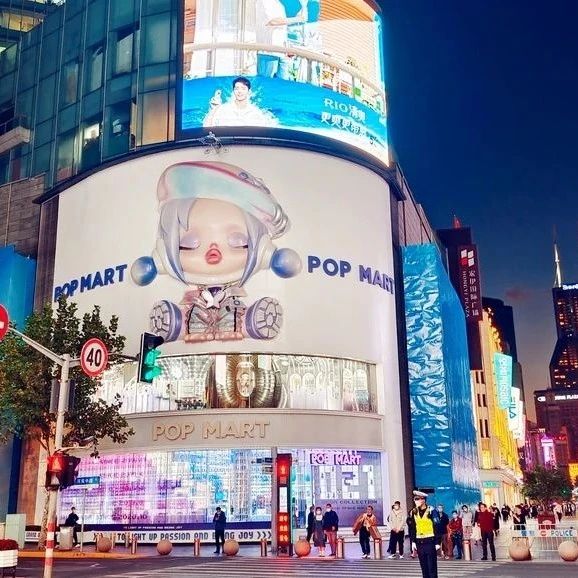
Core Viewpoint - Pop Mart's strength lies in users' willingness to repeatedly own its products rather than their curiosity about the next episode of a story [2] Group 1: Business Performance and Strategy - In 2025, Pop Mart is expected to see significant growth in both performance and market value, with the third generation of Labubu performing well in overseas markets [3] - The company has been criticized for lacking content and storytelling capabilities since its inception, but it is now accelerating its internationalization and attempting to create a diversified IP ecosystem [5][6] - Pop Mart's COO mentioned that the decision to focus on content creation was influenced by an experience at Universal Studios, leading to the establishment of an internal film studio [5][6] Group 2: Content Creation Challenges - Pop Mart's approach to content creation is not new, as companies like Disney and Marvel have successfully leveraged strong content capabilities to support long-term IP operations [5][6] - However, Pop Mart is not Disney, and its initial sales strategy relied on visual elements rather than building a complete original worldview, which poses challenges in the film industry [7][8] - The recent incident of alleged plagiarism in a Labubu promotional video highlights Pop Mart's current shortcomings in content originality [3][7] Group 3: User Connection and Emotional Engagement - Users' emotional connection to Pop Mart's IP is based on imagination and projection rather than a grand narrative, which could be jeopardized by rigid character definitions in film [10][11] - The transition to content creation will shift external scrutiny from product design to originality and cultural expression, potentially impacting the brand's credibility if issues arise [11][12] - Pop Mart's strength lies in evoking feelings rather than storytelling, suggesting that it may not need to create a complete narrative but rather maintain a sense of understanding with its audience [12]