36氪

Search documents
要看懂2025年,这是你无法避开的41篇文章丨36氪年度精选
36氪· 2026-01-22 11:08
Group 1 - The core theme of 2025's business narrative revolves around "war" and "turbulence," particularly highlighted by the epic competition in the food delivery market, where major players like Alibaba, Meituan, and JD engaged in fierce price wars, leading to a significant merging of e-commerce and food delivery boundaries [2][4] - The global narrative shifted from "connection" to "disconnection" due to tariff wars, impacting cross-border e-commerce sellers and manufacturing industries, prompting them to seek survival strategies within supply chain gaps [2][28] - A new generation of Chinese hardware companies, such as DJI and Anker, is successfully penetrating the European and American markets, showcasing a trend of smaller firms achieving significant market impact through unique products and rapid execution [2][9] Group 2 - The Shanghai Composite Index surpassed 3900 points, marking a new high in nearly a decade, while Starbucks' sale in China for 10 billion USD signified the end of the era of foreign premium pricing [3] - The passing of Zhong Qinghou and the succession of his daughter Zhong Fu Li highlighted the complexities of generational transitions in business ownership, particularly in state-owned enterprises [3][5] - The listing of Bawang Tea Princess on NASDAQ amidst a generally cold consumer market provided a significant "non-consensus" example, illustrating the potential for success even in challenging conditions [3][29] Group 3 - The article on the unexpected epic internet war in 2025 details how major companies in the food delivery sector engaged in fierce competition, betting their financial resources and reputations [4] - The narrative of generational succession in companies like Wahaha reveals the intricate dynamics of ownership and control, especially following the death of a founding figure [5] - The report on Starbucks' 13 billion USD sale in China explores the factors leading to this significant transaction, questioning how a leading brand with no competitors reached a point of sale [6][7] Group 4 - The hardware industry is experiencing a renaissance, with new Chinese players leveraging top-tier supply chains and unique speed to capture global markets, marking a shift in the perception of this traditionally less glamorous sector [9][10] - The article on the rise of domestic bag brands illustrates a significant trend in the market, with brands like Shanshiyou Song achieving top rankings in e-commerce, indicating a strong movement towards brand localization [51] - The analysis of the AI application landscape highlights the shift towards application-level competition as foundational capabilities mature, with a focus on global expansion and practical business models [23][62]


七年烧光32亿:美特斯邦威的接班剧痛
36氪· 2026-01-22 11:08
Core Viewpoint - The decline of Metersbonwe is not just a corporate tragedy but reflects the broader challenges faced by the first generation of private entrepreneurs in China during power transitions [6][11]. Group 1: Company Performance and Financials - In 2011, Metersbonwe reached its peak with revenue of 9.945 billion and a net profit of 1.206 billion, operating 5,220 stores [16][22]. - By 2023, the company's revenue plummeted to 1.356 billion, a 79% decrease from 2016 when it was 6.519 billion, and a staggering 93% drop from its peak in 2011 [24][22]. - Over the past seven years, Metersbonwe incurred cumulative losses of nearly 3.2 billion, depleting the wealth built by founder Zhou Chengjian [14][24]. Group 2: Leadership Transition and Challenges - Zhou Chengjian stepped back in 2016 due to regulatory pressures, leading to his daughter Hu Jiajia taking over as chairman at the age of 30 [18][19]. - Hu Jiajia's tenure saw a series of operational missteps, including a focus on aesthetics over inventory management, resulting in inventory turnover days increasing from 182 to approximately 290 [34][33]. - The company failed to adapt its business model, continuing to rely on traditional ordering methods while competitors like SHEIN embraced rapid response strategies [35][50]. Group 3: Governance Issues - The dual leadership structure created confusion, with Zhou Chengjian's influence lingering despite Hu Jiajia's official role, leading to strategic dissonance within the company [42][44]. - The lack of clear authority and conflicting visions between the two generations resulted in operational inefficiencies and a failure to capitalize on market opportunities [45][49]. Group 4: Market Position and Competitive Landscape - Metersbonwe's market position deteriorated significantly compared to competitors like Semir, which successfully transitioned to a non-family-centric model and diversified its brand portfolio [52][58]. - While Semir maintained stable revenues between 13 billion and 15 billion, Metersbonwe's revenue fell to under 700 million by 2024, highlighting a stark contrast in business resilience [58][64]. Group 5: Asset Liquidation and Future Outlook - In 2023 and 2024, Metersbonwe began selling assets, including stakes in banks and prime real estate, totaling nearly 1.3 billion, to cover debts and operational costs [62][63]. - The company's stock price has plummeted from around 14 yuan to just over 1 yuan, reflecting a nearly 90% loss in market value [64][65]. - The leadership change in early 2024, with Hu Jiajia resigning, marks a significant shift, but the company faces an uphill battle to regain market trust and operational stability [65][66].

买不起金条的「大妈们」,涌入了ETF
36氪· 2026-01-22 11:08
Core Viewpoint - The article discusses the significant rise in gold prices, driven by various factors including increased demand for gold ETFs and the failure of traditional safe-haven assets like U.S. Treasuries, yen, and Swiss franc to attract investment during times of uncertainty [4][8][12]. Group 1: Gold Price Performance - Since the beginning of 2026, gold prices have continued their strong performance from 2025, with prices rising from $4,300 per ounce to a peak of $4,650 per ounce, marking a historical high [6]. - The price of gold saw a dramatic increase of 90% within a year, from under $3,000 per ounce to over $4,400 per ounce by late October [6][7]. - Gold's long-term performance has been exceptional, with a cumulative increase of over 600% from 2000 to 2025, significantly outperforming major stock indices and bonds [10]. Group 2: Factors Driving Gold Prices - The core logic supporting the current rise in gold prices includes sustained purchases by central banks, steady demand from private investors, and the strengthening of gold's status as a safe-haven asset [12][13]. - In 2025, major economies entered a rate-cutting cycle, historically correlating with rising gold prices due to increased liquidity, reduced opportunity costs for holding gold, and a weakening dollar [15]. - The unusual rise in U.S. Treasury yields during the current rate-cutting cycle has raised concerns about the dollar's credibility, further driving investors towards gold [18]. Group 3: Changes in Market Participation - Gold ETFs have emerged as a significant source of new capital driving gold prices higher, with retail investors increasingly participating through these vehicles due to lower barriers to entry and higher liquidity compared to physical gold [20][22]. - The shift towards gold ETFs has altered the perception of gold, enhancing its financial attributes while diminishing its traditional role as a store of value [22][24]. - The influx of retail investment through gold ETFs has amplified market activity and contributed to the rapid price increases observed in 2025 [20][22]. Group 4: Broader Metal Market Trends - The overall metal market in 2025 has shown strength, with both precious and base metals experiencing significant price increases, driven by concerns over global resource supply chains [26][28]. - The protective trade policies of the Trump administration have heightened global anxieties regarding resource security, prompting countries to stockpile strategic metals like silver, copper, and aluminum [28][29]. - Silver and other precious metals have outperformed gold in 2025, reflecting their dual role as both safe-haven assets and essential industrial materials [29].

「两个汇源」,正面对垒
36氪· 2026-01-22 11:08
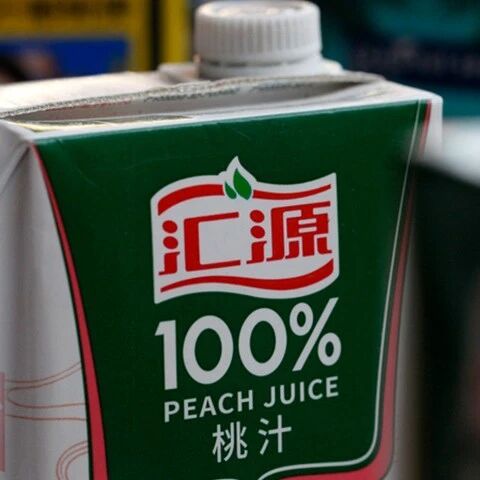
Core Viewpoint - The restructuring case of Huiyuan Juice, previously deemed "completely failed," appears to have a new turning point as Beijing Huiyuan Food and Beverage Co., controlled by Wensheng Assets, actively promotes its version of Huiyuan juice products [4][5]. Group 1: Restructuring Developments - Since January 2026, Beijing Huiyuan has begun recruiting global partners and announced plans to produce Huiyuan juice products through contract manufacturing, indicating a shift away from Huiyuan Group [6]. - On January 21, Beijing Huiyuan revealed the packaging for the Wensheng version of Huiyuan juice and claimed that the old packaging produced by Huiyuan Group was unauthorized [6]. - Huiyuan Group has responded by suing Wensheng Assets for breach of contract and has sought to regain control of the Huiyuan brand [6][9]. Group 2: Market Presence and Competition - Despite the aggressive marketing by Beijing Huiyuan, there is currently no visible presence of the Wensheng version of Huiyuan juice in the market, with reports indicating that only Huiyuan Group's products are available [7][9]. - Some regions have completed the recruitment of distributors for the new products, but the actual sales of the Wensheng version remain unobserved in retail channels [7][9]. - Huiyuan Group is leveraging its supply chain advantages to maintain lower prices, thereby pressuring Wensheng Assets and its distributors [9]. Group 3: Legal and Financial Complications - The ownership structure of Beijing Huiyuan has changed, with Guangdong Min Investment becoming a new shareholder, complicating the restructuring process [11]. - Wensheng Assets was supposed to inject 1.6 billion yuan into Beijing Huiyuan over three years, but only the first installment of 750 million yuan has been received [12]. - Legal disputes involving Guangdong Min Investment have stalled the acquisition process by Guozhong Water, leading to a public escalation of conflicts between Wensheng Assets and Beijing Huiyuan [13]. Group 4: Future Outlook - The ongoing disputes and market dynamics suggest that both parties may need to reassess their strategies to protect their interests, as continued conflict may not be beneficial [14]. - There is uncertainty regarding whether Guozhong Water will pursue the acquisition of Beijing Huiyuan further, depending on the resolution of existing legal issues [15].

上海交大团队首轮融资近亿,用电磁微声技术攻克恶劣环境监测难题|早起看早期
36氪· 2026-01-22 00:10
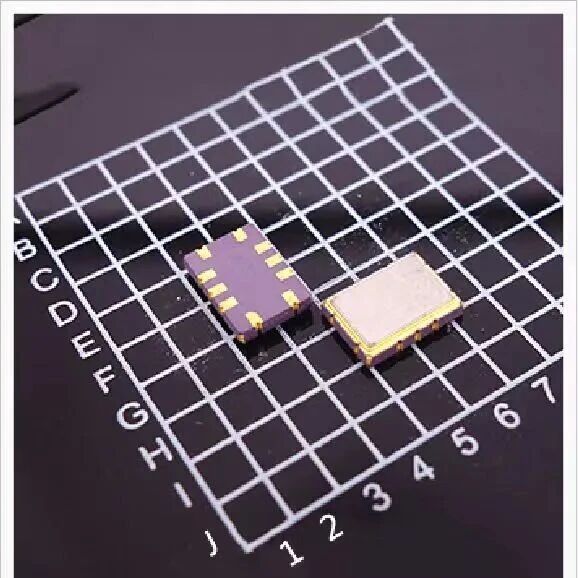
Core Viewpoint - Anhui Ruikong Electronics Technology Co., Ltd. has completed nearly 100 million yuan in its first round of financing, which will be used for market channel expansion, new product development, and team expansion [5]. Company Overview - Ruikong Electronics, established in April 2024, specializes in high-end sensing devices for industrial IoT based on Electromagnetic Micro-Acoustic (EMMA) technology. Its core products include electromagnetic micro-acoustic sensors, identifiers, pulse radars, and high-temperature antennas, applicable in power, steel metallurgy, pharmaceuticals, and rail transportation [5]. - The core team comes from Shanghai Jiao Tong University, possessing comprehensive technical capabilities from basic theory to production processes. The CEO, Zhang Chenrui, has a background in microelectronics and extensive experience in developing electromagnetic micro-acoustic and passive wireless sensing systems [5]. Product Features - EMMA technology is characterized by being passive (no battery required), wireless, capable of withstanding extreme temperatures (-200°C to 1600°C), multi-parameter, interference-resistant, and highly accurate. It is particularly suitable for harsh industrial environments [5]. - Ruikong Electronics has developed three mature product lines: temperature sensors, pressure sensors, and high-temperature identification systems. These products have been adopted by major clients such as State Grid, Baowu Steel Group, Fuyao Glass, and Huadian [5]. Performance Metrics - The high-temperature identification system in the steel metallurgy sector achieves a recognition rate of 99.99% and operates at temperatures above 350°C, placing it at a leading level globally [6]. - The company's revenue structure includes energy power, steel metallurgy, and industrial process control. It is projected to reach nearly 70 million yuan in revenue by 2025, with a net profit margin exceeding 20% [6]. - With increasing demand for domestic alternatives, Ruikong Electronics anticipates over 100% growth in orders for 2026 [6]. R&D and Future Directions - The company currently invests 8%-10% of its revenue in R&D and plans to expand its R&D team by adding 10 expert-level personnel while continuing to broaden its technology platform and application scenarios [6]. - Future R&D directions include deepening the EMMA technology platform for more extreme environments, such as nuclear power, aerospace, and defense, and developing additional technical systems to widen application breadth [7]. Industry Trends - The industrial sensor industry is experiencing three major trends: increasing demand for domestic high-end sensor alternatives, enhanced integration of sensors with AI systems, and the potential establishment of a semiconductor-like foundry system in the piezoelectric device sector to lower innovation barriers [6]. Investor Insights - Investors, such as the partner from Haichuan Capital, express enthusiasm for participating in Ruikong's financing, highlighting the company's strong technical R&D capabilities and market sensitivity, and the potential for collaboration in various sectors [9].
不敢休息的打工人,困在「请假羞耻」里|2026职场人请假报告
36氪· 2026-01-22 00:10
Core Insights - The article discusses the phenomenon of "leave shame" among contemporary workers, highlighting the psychological barriers that prevent employees from taking their entitled leave despite recognizing it as a legal right [28][79]. - A survey conducted by "后浪研究所" reveals that over 70% of respondents feel a sense of shame when asking for leave, indicating a significant cultural issue within the workplace [28][79]. Group 1: Leave Types and Availability - Workers' paid leave is categorized into three types: essential guarantees, welfare leave, and special leave, with varying levels of availability [10]. - The survey found that only 81.8% of respondents have access to statutory annual leave, while other types of leave like sick leave and marriage leave have much lower coverage [11]. - Approximately 11.4% of workers reported having no paid leave at all, indicating a significant gap in employee benefits [11]. Group 2: Actual Leave Utilization - On average, employees possess 6.2 days of paid leave per year, but only manage to take an average of 4.3 days [16]. - A significant portion of young workers (over 40%) waste 1-3 days of their leave, suggesting a disconnect between available benefits and actual usage [18]. - Nearly half of the respondents reported that unused leave simply expires without compensation, reflecting a lack of supportive policies from employers [19][21]. Group 3: Psychological Barriers to Taking Leave - The article identifies a strong correlation between workplace culture and the reluctance to take leave, with many employees fearing negative evaluations from supervisors [42]. - The pressure to justify leave requests leads to a culture where employees often feel the need to fabricate reasons for taking time off [39][40]. - The survey indicates that 40.4% of respondents worry about their leave being questioned by management, which contributes to the overall reluctance to take time off [42]. Group 4: Gender and Industry Differences - The survey results show that women experience a higher level of leave-related shame compared to men, with 23.3% of women feeling intense shame when requesting leave [29]. - Certain industries, such as construction and legal sectors, exhibit higher levels of leave shame, with construction workers reporting a 50% shame rate [30]. Group 5: Work-Life Balance and Connectivity - Over 90% of respondents indicated that they still engage with work communications during their leave, highlighting a blurred line between work and personal time [51]. - The article notes that only 3.8% of workers can completely disconnect from work during their leave, suggesting a pervasive culture of overwork [53].

8点1氪:美国正式退出世卫组织;西贝获新融资;全球最大钻石生产商宣布降价
36氪· 2026-01-22 00:10
美国正式退出世卫组织,仍拖欠2.6亿美元会费。 整理 |晨曦 点击上方【36氪随声听】,一键收听大公司热门新闻。听完音频记得添加进入 【我的小程序】 中哟! 美国正式退出世卫组织,仍欠2.6亿美元会费 去年1月20日,美国总统特朗普签署行政命令,宣布美国退出世卫组织,联合国于同年1月22日收到这一通知。根据世卫组织章 程,成员国在提交退出申请一年后方可正式退出。今天,美国正式向联合国提交退出世卫组织申请满一年,这意味着美国在程 序上已正式退出世卫组织。 世卫组织发言人林德迈尔日前明确表示,美国有权退出,但前提是必须结清此前拖欠的全部会费。目前,美国尚未支付2024年 和2025年度应缴款项,两年合计约2.6亿美元。该问题已被正式列入即将召开的世卫组织执行委员会会议议程。 (央视新闻) 抖音电商辟谣称未开发"抖省省" 文心App要做社交了?百度内部人士:没考虑要做一个微信 永辉已申请多枚胖小辉商标 水贝市场禁售铜条?部分商场回应称暂无该通知 苹果公司:App Store等服务中断问题已被修复 内蒙古西贝餐饮集团增资至1.02亿 36氪获悉,爱企查App显示,1月20日,内蒙古西贝餐饮集团有限公司发生工商变更,新 ...

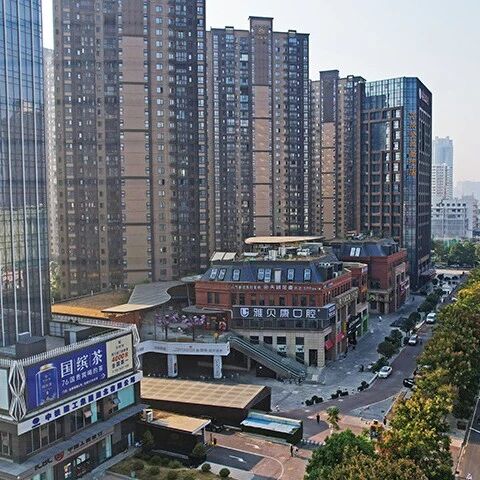
内地买家1400亿赴港买了什么楼?
36氪· 2026-01-22 00:10
Core Viewpoint - The article highlights the increasing trend of mainland Chinese buyers purchasing properties in Hong Kong, driven by factors such as a preference for new developments, emphasis on transportation accessibility, and a willingness to pay higher prices [4][5][6]. Group 1: Market Trends - In 2025, over 56,600 private property transactions were recorded in Hong Kong, with buyers using Mandarin pinyin accounting for 13,958 transactions, approximately 25% of the total, marking a 20% increase from 2024 [5]. - The total amount involved in these transactions reached 1,410 billion HKD, an increase of over 8% compared to 1,303 billion HKD in 2024 [5]. - The number of mainland buyers purchasing properties in Hong Kong has consistently exceeded 100 billion HKD for two consecutive years, with both price and volume rising for three years [5]. Group 2: Buyer Preferences - Mainland buyers are increasingly favoring new properties, with 6,502 transactions recorded in 2025, a 17% year-on-year increase, accounting for over half of the total transactions [6]. - The total amount for new property transactions by Mandarin pinyin buyers was approximately 789 billion HKD, slightly lower than the previous year but still among the highest historical figures [6]. - The demand for properties in the Kai Tak area, known for its proximity to the West Kowloon high-speed rail station, has surged, with 2,222 new property transactions recorded in 2025, of which 52.6% were made by Mandarin pinyin buyers [7]. Group 3: Luxury Market Dynamics - The luxury property market in Hong Kong is complex, with mainland buyers accounting for over half of transactions exceeding 10 million HKD [8]. - In 2025, mainland buyers represented approximately 69.7% of transactions for properties priced over 50 million HKD, 64.3% for properties between 20 million and 50 million HKD, and 57.3% for properties between 10 million and 20 million HKD [8]. - The introduction of a new investment immigration plan in 2024, allowing investments in residential properties priced at 50 million HKD or above, is expected to boost transactions in this segment [9]. Group 4: Future Outlook - The Hong Kong real estate market is anticipated to remain active in 2026, driven by factors such as developers actively reducing inventory, new projects being promoted at relatively low prices, and interest rate cuts stimulating demand [10]. - The influx of mainland capital, referred to as the "North Water Effect," is expected to continue influencing the market positively [10]. - Analysts predict that the number of Mandarin pinyin buyers entering the market may exceed 15,000 in the coming year, indicating a growing influence of mainland buyers in the new property market [10].
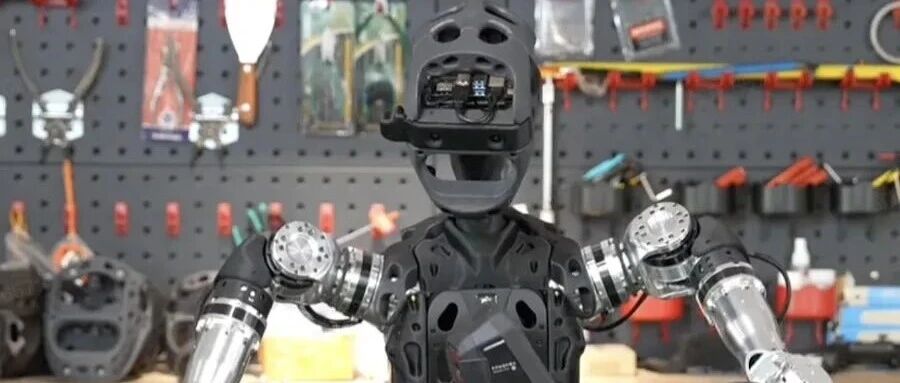
死磕机器人大脑的北大副教授,和我们聊了聊具身领域最大的「偏见」
36氪· 2026-01-21 14:33
以下文章来源于智能涌现 ,作者富充 智能涌现 . 直击AI新时代下涌现的产业革命。36氪旗下账号。 "软硬分化。" 软,是模型大脑,硬,是机器人本体;分化,是不同的公司各有所长,各司其职。 "软硬一体"在机器人没有规模化落地之前, 是包袱,不是优势。 文 | 富充 编辑 | 苏建勋 来源| 智能涌现(ID:AIEmergence) 封面来源 | 企业官方 2026年,具身智能会有怎样的分化?北京大学计算机学院副教授、"智在无界"CEO卢宗青向我们抛出一个判断: "智在无界"所在的北京鼎好大厦,是个被智源研究院、零一万物、银河通用等一众明星AI机构坐拥的大楼。在这里,人工智能的非共识,每天都在发生。 卢宗青的观点也和具身行业发展现状大相径庭。如今,获得高估值的具身创业公司,不论是已成为"独角兽"的智元机器人、银河通用,还是融资势头强劲的 星动纪元、星海图,都在执着地追求一件事:软硬一体,做全栈。 尽管如此,卢宗青与他于2025年创立的"智在无界",还是选择"逆势"做一家模型公司,只研发机器人大脑,并不涉足硬件制造。 智能涌现独家获悉,智在无界已于近日完成天使轮,融资金额为数千万元,由拉卡拉旗下考拉基金领投,领航 ...
80后最爱喝的啤酒,要破产了?
36氪· 2026-01-21 14:33
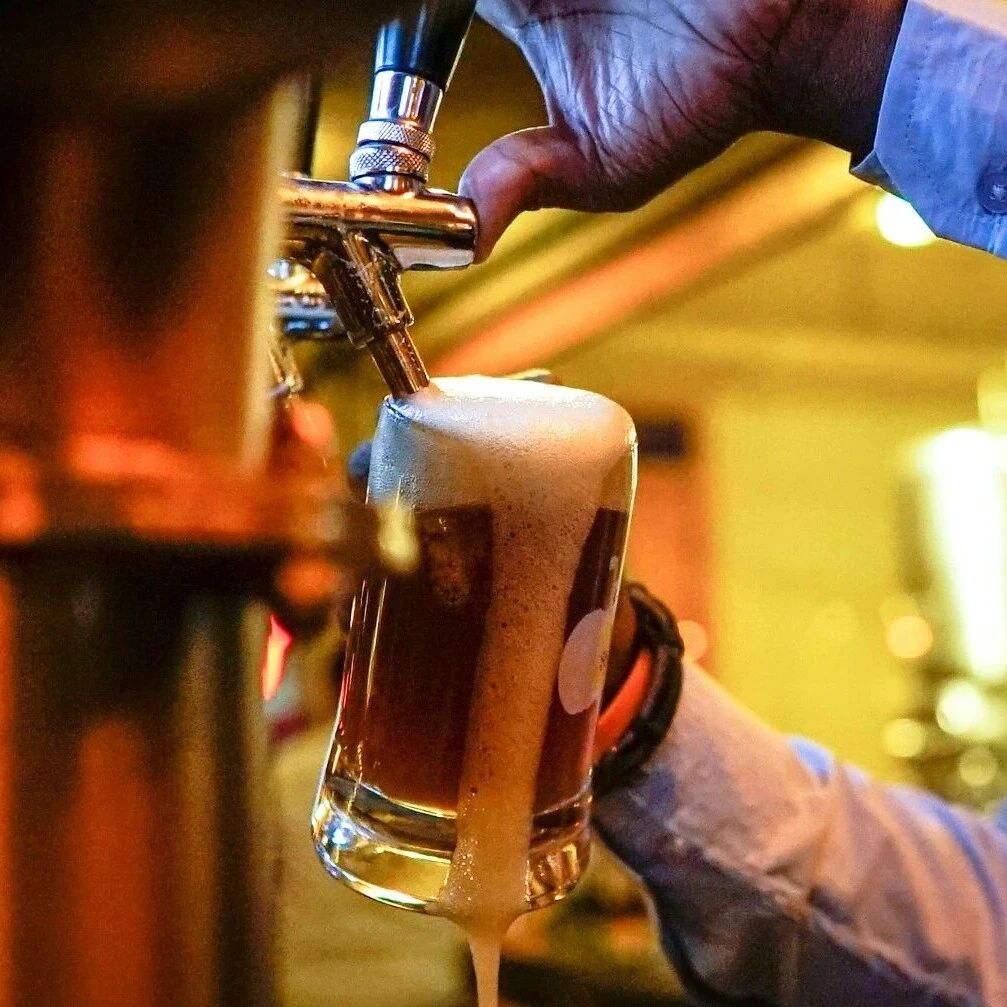
Core Viewpoint - Shandong Taishan Brewery Co., Ltd. has entered bankruptcy reorganization due to heavy historical debt burdens, reflecting the challenges faced by many regional traditional breweries amid industry adjustments. The reorganization aims to refocus on production and operational efficiency while seeking a path for transformation and recovery [5][8][9]. Financial Situation - As of October 31, 2025, Taishan Brewery's total assets are approximately 622 million yuan, with total liabilities around 663 million yuan, resulting in a debt-to-asset ratio of 106.63% [7]. - The court has determined that the company cannot repay its debts and lacks the ability to clear all liabilities, thus justifying the reorganization process [7][9]. Industry Context - The beer consumption trend is shifting from quantity to quality, with a growing preference for craft, fresh, and premium beers. Traditional brands that fail to innovate and restructure may face significant challenges [5][8]. - Taishan Brewery's situation is indicative of broader issues within the regional beer industry, where many brands are struggling to adapt to changing consumer preferences and competitive pressures [16][19]. Strategic Response - The reorganization is not merely a financial restructuring but a strategic move to address brand sustainability, industry transformation, and local economic ecology [9][14]. - The company aims to leverage the reorganization to implement a comprehensive debt reduction, capital injection, and reform strategy, which is essential for its long-term survival and growth [9][18]. Historical Background - Founded in 1952, Taishan Brewery has evolved from a local state-owned brewery to a national leader in the fresh beer segment, successfully navigating market changes and consumer trends [11][12]. - The introduction of the "7-day short shelf life" fresh beer product line in 2013 marked a significant innovation, allowing the company to capture a niche market and enhance brand perception [12][13]. Future Outlook - The reorganization presents an opportunity for Taishan Brewery to clarify its ownership structure, optimize governance, and attract strategic investors, which could facilitate a modern corporate framework [18]. - The company is expected to explore new market opportunities and expand its product offerings, potentially integrating local cultural elements into its branding and marketing strategies [19].