半导体芯闻

Search documents
半导体的新瓶颈:铜!
半导体芯闻· 2025-07-15 10:04
Core Viewpoint - The semiconductor industry faces significant risks due to climate change, particularly concerning the availability of copper, which is essential for chip production. PwC warns that one-third of global semiconductor supply could be negatively impacted by climate change within the next decade [1][4]. Group 1: Importance of Water in Copper Mining - Water is crucial for open-pit copper mining, with over 8 million gallons required to produce one ton of copper. On average, a mine needs about 26,400 gallons of water daily, all of which is freshwater [3]. - The copper supply for semiconductor production is heavily reliant on Chile, which is experiencing extreme drought conditions exacerbated by weather phenomena like El Niño and La Niña. This leads to unpredictable and unstable copper supply [3]. Group 2: Future Risks and Projections - By 2035, the global semiconductor production share relying on threatened copper mines could rise to 32%, and in the worst-case scenario, it may reach 58% by 2050. Only three countries may provide stable copper supply under relatively stable climate conditions by 2050 [4]. - Current alternatives to copper, such as graphene or silver, are not considered economically viable, indicating a potential bottleneck for the semiconductor industry if copper supply cannot be secured [4]. Group 3: Recommendations for Mitigation - PwC suggests specific measures to reduce water usage in copper mining, such as recycling, tailings management, and seawater desalination. In Chile, the proportion of seawater used in copper mining is expected to rise to about 22% by 2020 [5]. - The use of recycled water is also increasing, with some mines achieving over 70% water recycling rates through closed-loop systems. Semiconductor manufacturers are encouraged to improve material efficiency, utilize recycled copper, and diversify their supply chains [5].

靠着HBM挣大钱的设备巨头
半导体芯闻· 2025-07-15 10:04
Core Viewpoint - The semiconductor equipment manufacturer DISCO is experiencing significant growth driven by the increasing demand for precision processing equipment, particularly due to the rise of generative AI and high-bandwidth memory (HBM) technology [1][2][3]. Group 1: DISCO's Performance - DISCO's non-consolidated shipment amount for the first quarter of fiscal year 2025 is expected to reach 93 billion yen, marking an 8.5% year-on-year increase and achieving the fifth consecutive quarter of growth [1][2]. - The company has revised its revenue forecast for the first quarter of fiscal year 2025 from 75 billion yen to 89.9 billion yen, reflecting a 19.9% increase [5][6]. - The operating income forecast has been adjusted from 23.8 billion yen to 34.5 billion yen, indicating a 44.9% increase [6]. Group 2: HBM and AI Demand - HBM technology is crucial for the development of generative AI, as it meets the need for rapid data access and storage, thus driving the sales of semiconductor manufacturing equipment [3][9]. - The demand for HBM is not only benefiting DISCO but also numerous semiconductor backend equipment manufacturers, showcasing significant market potential [3][9]. Group 3: Industry Trends - The global market for TCB (Thermal Compression Bonding) equipment used in HBM packaging is projected to grow from approximately $460 million in 2024 to over $1.5 billion by 2027, with a compound annual growth rate exceeding 50% [33][34]. - Companies like Hanmi Semiconductor and ASMPT are emerging as key players in the HBM TCB equipment market, with Hanmi Semiconductor achieving record sales and significant profit growth [34][35]. - The competitive landscape is evolving, with multiple companies, including K&S and Zeus, also making strides in the HBM equipment sector, indicating a shift from a single dominant player to a more diversified market [43][52].
英特尔2nm芯片,交给台积电代工
半导体芯闻· 2025-07-15 10:04
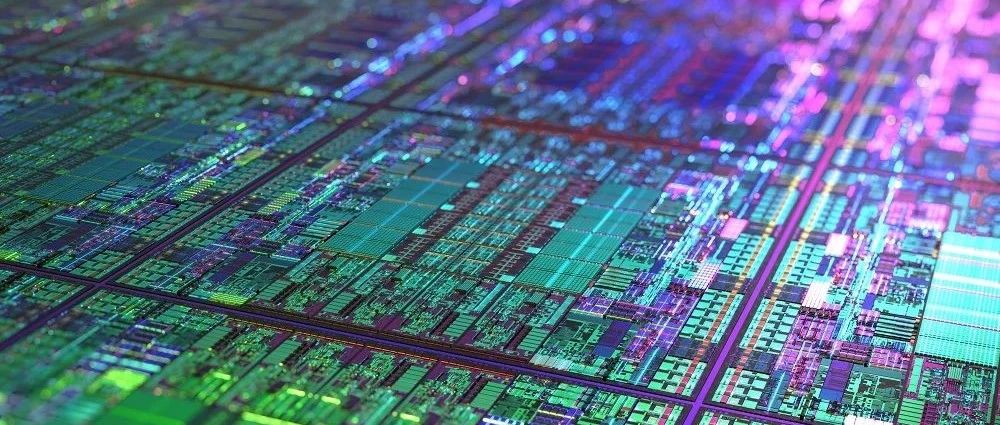
Core Viewpoint - TSMC has secured a significant client for its 2nm process, with Intel reportedly commissioning the Nova Lake-S desktop processor for production, expected to launch in Q3 2026, enhancing TSMC's order volume for advanced processes [1][2]. Group 1: TSMC and Intel Collaboration - Intel's Nova Lake-S processor is set to utilize TSMC's 2nm process, marking the first time Intel will adopt this technology for its processors [2]. - The collaboration between Intel and TSMC is characterized as both competitive and cooperative, with Intel previously outsourcing other processor lines to TSMC [2][3]. - The Nova Lake-S processor will include at least one wafer block manufactured using TSMC's 2nm process, providing flexibility and mitigating potential delays from Intel's own manufacturing limitations [2]. Group 2: Nova Lake Processor Specifications - The Nova Lake series will feature multiple versions for desktop and laptop applications, with the Nova Lake-S expected to have up to 52 cores, including 16 performance cores and 32 efficiency cores [3]. - The processor will integrate an advanced memory controller supporting speeds of up to 8,800 MT/s, showcasing its high-performance capabilities [3]. - GPU functionalities will be handled by the Xe3 Celestial architecture, while media decoding and display tasks will be managed by the Xe4 Druid architecture, highlighting the diverse functionalities of the Nova Lake series [3].


他们,押注光学AI芯片
半导体芯闻· 2025-07-15 10:04
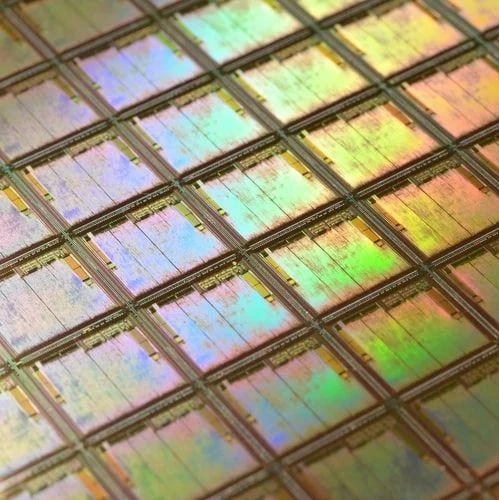
Core Viewpoint - The rise of artificial intelligence (AI) is driven by advancements in both hardware and algorithms, but current GPU technology is struggling to meet the demands of larger models, leading to energy and thermal challenges in data centers [1][4] Group 1: Company Overview - Arago is a startup focused on developing a hybrid photonic processor named "JEF" that aims to reduce power consumption and integrate with existing AI ecosystems [2][4] - The JEF chip processes AI workloads using photons instead of electrons, achieving ten times lower energy consumption compared to top GPUs without sacrificing throughput or compatibility [4] Group 2: Technology and Innovation - JEF is designed to be compatible with mainstream AI frameworks like PyTorch and TensorFlow, and it utilizes standard semiconductor manufacturing processes [4][7] - Arago has developed a complete software stack called Carlota, which abstracts the complexities of photonic computing and provides a programmable interface for developers [4][7] Group 3: Founding Team and Expertise - The founding team of Arago includes experts in photonics, chip design, machine learning, and software engineering, which is crucial for integrating new computing principles into modern AI workflows [5][6] - Notable advisors and investors include former Nvidia researchers and executives from major tech companies, highlighting the confidence in photonic computing [6] Group 4: Future Plans and Market Potential - With $26 million in seed funding, Arago plans to accelerate commercial deployment, complete silicon photonic integration, and expand its team for early deployment in AI inference, edge computing, and low-power data center applications [6][7] - If successful, Arago's technology could significantly reduce the energy footprint of AI and reshape computing systems in the post-Moore's Law era [7]
英伟达:将恢复H20在中国的销售
半导体芯闻· 2025-07-15 10:04
Core Insights - NVIDIA is seeking to resume sales of its H20 GPU after receiving assurances from the U.S. government regarding licensing, with plans to launch a new compatible RTX PRO GPU aimed at digital twin AI for smart factories and logistics [1] - The Chinese market is crucial for NVIDIA's growth, with significant interest from Chinese companies like ByteDance and Tencent in acquiring these chips [1][6] - NVIDIA's market valuation has surged, reaching $4 trillion, with a notable increase in stock price this year and over the past five years [3][5] Group 1: NVIDIA's Market Position - NVIDIA's stock price has increased nearly 20% this year and 1500% over the past five years, making it the highest-valued public company as of mid-June [3] - The company's market capitalization has grown from $500 billion two years ago to over $3 trillion recently, surpassing major competitors like Apple and Amazon [5] - The potential re-licensing of H20 chips could add approximately $15 billion to $20 billion in revenue, depending on approval timing and delivery speed [5] Group 2: Impact of U.S. Export Restrictions - The H20 chip was developed specifically for the Chinese market after U.S. export restrictions were imposed in late 2023, which previously banned its sale [5] - NVIDIA had to write off $5.5 billion in inventory due to the H20 ban and lost an estimated $15 billion in sales [5] - The Chinese market generated $17 billion in revenue for NVIDIA, accounting for 13% of total sales, highlighting its importance for future growth [6] Group 3: Responses and Future Outlook - NVIDIA's CEO Jensen Huang emphasized the significance of the Chinese market, describing it as large, vibrant, and innovative [1] - The Chinese government has expressed opposition to the politicization of technology and trade issues, which could impact future relations and business operations [2] - The upcoming press conference in Beijing may provide further insights into NVIDIA's strategy and market plans [1]


LG杀入混合键合设备赛道
半导体芯闻· 2025-07-14 10:48
Core Viewpoint - LG Electronics is entering the semiconductor equipment market by developing hybrid bonding machines for high bandwidth memory (HBM), aligning with the company's focus on artificial intelligence (AI) and B2B business expansion [1][2]. Group 1: Development and Market Strategy - LG Electronics' Production Engineering Research Institute (PRI) has begun developing hybrid bonding machines, crucial for next-generation HBM manufacturing, with a goal to achieve mass production by 2028 [1][2]. - The company aims to compete with established players like Samsung Electronics, Hanwha Semiconductor, and Hynix in the HBM manufacturing equipment market [1][3]. - The successful development of hybrid bonding machines could significantly increase sales and establish LG Electronics as a leader in the semiconductor equipment market [2]. Group 2: Technology and Innovation - Hybrid bonding machines are seen as a revolutionary technology that allows for chip stacking without the need for bumps, offering advantages such as thinner combined chips and lower heat generation, which are critical for multi-layer DRAM in HBM [2]. - This technology is currently applied in NAND flash and system semiconductors but has not yet been commercialized for HBM [2]. Group 3: Competitive Landscape - Leading companies in the semiconductor hybrid bonding machine sector include BE Semiconductor Industries NV and Applied Materials, but LG Electronics has opportunities due to the strong interest from SK Hynix and Samsung in domestic equipment production [3]. - Samsung plans to start using hybrid bonding machines for its sixth-generation HBM (HBM4) this year, while SK Hynix may apply the technology to its seventh-generation product (HBM4E) [3].
英特尔2nm芯片,已经投片?
半导体芯闻· 2025-07-14 10:48
Core Viewpoint - Intel's Nova Lake-S CPU has begun production using TSMC's advanced 2nm technology, with an expected market launch in Q3 2026 [1] Group 1: Production and Technology - Intel has officially started the production of at least one chip utilizing TSMC's 2nm technology, which provides production flexibility by combining Intel's 18A process with TSMC's N2 node [1] - This production strategy may help avoid delays or shortages that could arise from Intel's own manufacturing limitations [1] Group 2: Processor Architecture - The Nova Lake-S processor features a complex architecture with a total of 52 cores, including 16 high-performance cores, 32 efficiency-focused cores, and 4 additional cores optimized for ultra-low power [1] - It integrates an advanced memory controller supporting speeds of up to 8,800 MT/s, enhancing overall performance [1] - Graphics functions will be managed by the Xe3 "Celestial" processor, while media decoding and display tasks will be handled by the Xe4 "Druid," emphasizing the distribution of various functional roles across subsystems [1]
韩国芯片出口,创下历史新高
半导体芯闻· 2025-07-14 10:48
Core Viewpoint - The Indian information and communication technology (ICT) export reached over $115.1 billion in the first half of the year, marking the second-highest level in history, driven by the demand for artificial intelligence (AI) data centers and record semiconductor exports [1]. Group 1: Export Performance - The ICT export from South Korea in the first half of the year amounted to $115.16 billion, representing a year-on-year increase of 5.8% [1]. - In June, the export value was $22.03 billion, showing a growth of 4.7% compared to the previous year [1]. - The semiconductor export reached $73.31 billion in the first half, with an increase of 11.4%, setting a new record for the first half of the year [1]. Group 2: Product-Specific Trends - The export of computers and peripheral devices grew by 10.8%, reaching $6.64 billion, driven by the expansion of AI servers and the demand for solid-state drives (SSD) in data centers [2]. - Conversely, the display and mobile phone sectors experienced declines, with display exports falling to $1.29 billion, a decrease of 33.7% [3]. - Mobile phone exports also decreased to $0.79 billion, down 6.2% year-on-year, influenced by reduced exports of semiconductors and sensor modules [3]. Group 3: Regional Export Dynamics - Exports to the United States, Taiwan, and Japan increased, while exports to China (including Hong Kong) and the European Union decreased [4]. - Exports to the U.S. reached $14.42 billion, up 14.5%, with a continuous growth streak for 20 months [4]. - Exports to Taiwan and Japan grew to $3.61 billion and $0.4 billion, with increases of 54.6% and 20.6%, respectively [4]. - Exports to China amounted to $7.89 billion, down 9.4%, despite a 16.9% increase in computer and peripheral device exports [4]. - Exports to the EU and India were $0.93 billion and $0.42 billion, reflecting declines of 5.3% and 6.3% respectively [5].
晶圆代工厂,申请破产
半导体芯闻· 2025-07-14 10:48
Core Viewpoint - JS Foundry, a semiconductor foundry company in Japan, filed for bankruptcy with total liabilities of approximately 16.1 billion yen, highlighting challenges in the domestic semiconductor industry [1][2]. Group 1: Company Overview - JS Foundry was established in 2022 as Japan's first independent foundry, aiming to strengthen the domestic supply chain for analog and power semiconductors and support R&D in these areas [1]. - The company acquired the Niigata factory from ON Semiconductor Niigata and began semiconductor foundry production [2]. Group 2: Financial Performance - For the fiscal year ending December 2023, JS Foundry reported sales of approximately 3.14 billion yen but incurred a net loss of 1.372 billion yen [2]. - In October 2024, the company initiated business cooperation in the SiC wafer sector after a failed capital collaboration with an overseas company [2].
台积电美国工厂,提供这类封装
半导体芯闻· 2025-07-14 10:48
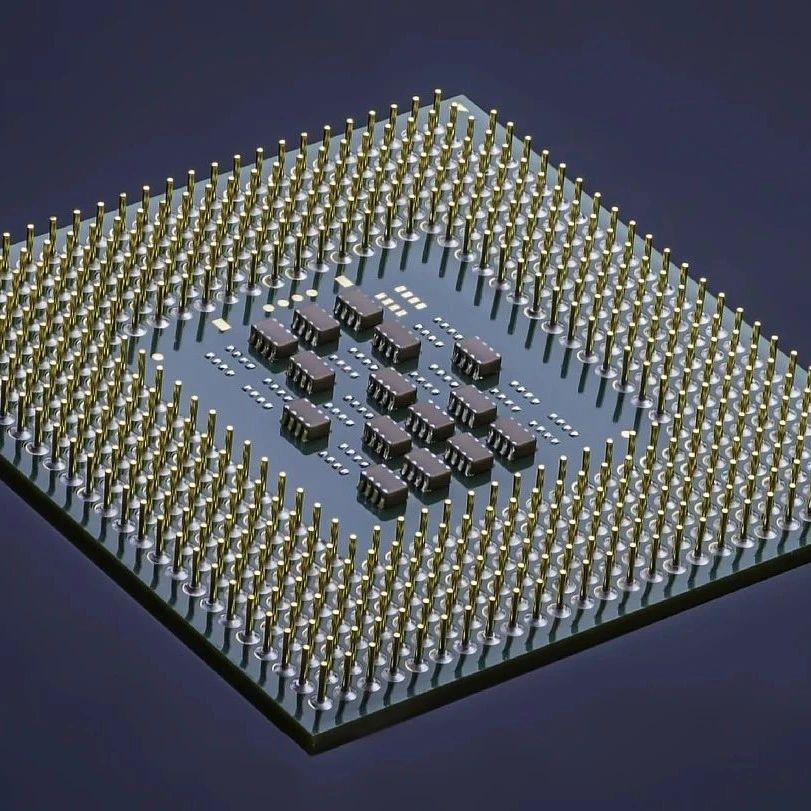
Group 1 - TSMC plans to invest $100 billion in advanced semiconductor manufacturing in the U.S. by March 2025, including three new fabs, two advanced packaging facilities, and a major R&D center [1] - TSMC is accelerating the construction of its third fab at Fab 21 in Phoenix, Arizona, with plans to build two dedicated buildings nearby for advanced packaging services [1] - The first advanced packaging facility, AP1, is set to begin construction in 2028, while the second facility, AP2, has no specific start date yet [2] Group 2 - The two advanced packaging facilities will focus on CoPoS and SoIC packaging technologies, with CoPoS utilizing a 310×310 mm rectangular panel to improve area utilization and capacity [2] - SoIC technology involves stacking memory chips beneath the processing core, validated in AMD's Ryzen X3D processor, with testing production for CoPoS planned to start in 2026 [2] - AP1 is expected to be operational by the end of 2029 or early 2030, aligning with TSMC's delivery timelines [2]