半导体芯闻

Search documents
国芯科技肖佐楠:从国产替代到创新引领,汽车芯片迈向“国芯时代”
半导体芯闻· 2025-12-26 10:12
如果您希望可以时常见面,欢迎标星收藏哦~ 过去几年,中国汽车产业的竞争逻辑正在发生深刻变化。从"缺芯"倒逼下的国产替代,到智能化、 电动化浪潮推动电子电气架构重构,汽车芯片已从配套环节走向核心能力。尤其是在嵌入式 CPU 等关键基础芯片领域,能否形成稳定、可持续的国产供给体系,正成为衡量产业成熟度的重要标 志。 在这一背景下,持续深耕国产嵌入式 CPU 的国芯科技,正在汽车电子芯片赛道上走出一条相对清 晰的路径。截至 2025 年 9 月 30 日,国芯科技汽车电子芯片累计出货量突破 2000 万颗。这个数 字背后,并非单点产品的突破,而是公司在中高端汽车电子芯片领域长期技术投入、产品迭代与客 户验证的结果,也为中国汽车供应链提供了一套经得起规模化考验的"国芯方案"。 在中国汽车芯片产业创新战略联盟2025年全体成员大会期间,半导体行业观察有幸与苏州国芯科 技股份有限公司总经理肖佐楠展开了展开深度对话,从他的视角来剖析国芯能在汽车芯片赛道迅速 崛起的真正原因。 RISC-V:不只是技术选择,更是生态战略 对国芯科技而言,RISC-V 并非一次突兀的技术转向,而是在长期 CPU 架构积累基础上的顺势选 择。 早 ...

芯擎智驾芯片,正式量产
半导体芯闻· 2025-12-26 10:12
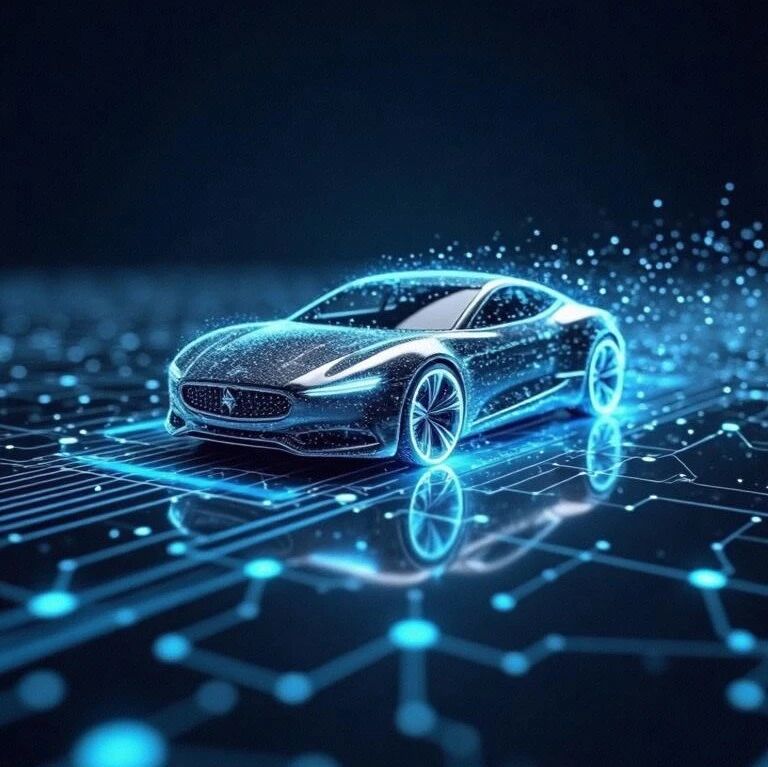
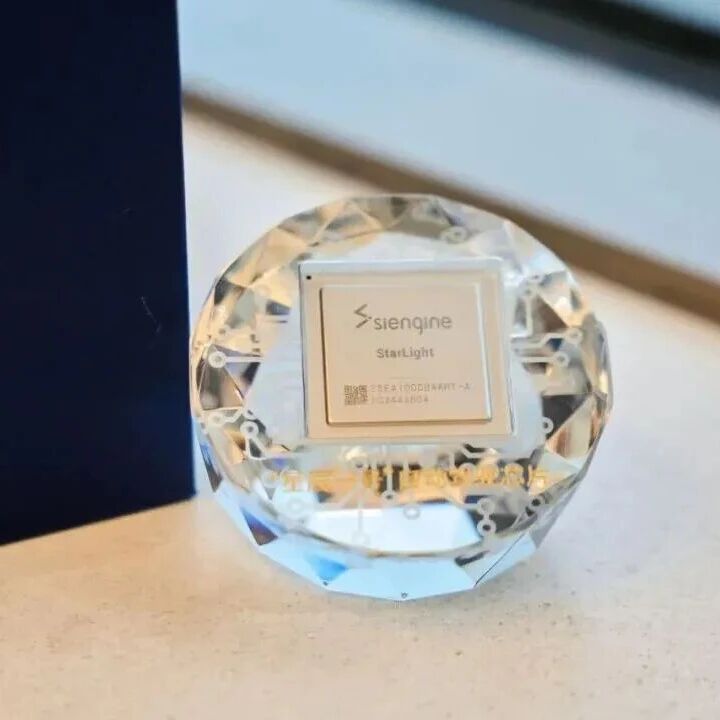
如果您希望可以时常见面,欢迎标星收藏哦~ 该芯片采用7纳米多核异构架构,单颗芯片NPU高达512TOPS,通过多芯片协同方案可实现最高 2048TOPS的算力输出,LPDDR5内存带宽高达204 GB/s。同时,"星辰一号"具备独立的高性能安 全岛,能够在自动驾驶数据路径上实现强隔离、高可靠性和功能安全覆盖。该芯片还支持EVITA Full安全标准,集成了硬件安全模块,能够执行国家密码算法和国际加密协议。 尤为关键的是,为加速AI模型的开发与部署,"星辰一号"提供了高性能的AI工具链,对CNN和 Transformer架构进行了深度优化,为车企实现L2+至L4级智能驾驶提供了平台化的支撑能力。 此前,芯擎推出的智能座舱芯片"龍鷹一号"已成功搭载于领克系列、银河系列、一汽红旗系列、沃 尔沃、长安启源系列等数十款量产车型中。去年底,"龍鹰一号"成为首个获得德国大众总部海外车 型订单的国产座舱芯片,2024年稳居同类芯片装机量首位。目前,芯擎科技仍是国内目前唯一可 以大规模量产7纳米智能座舱SoC的供应商。 芯擎科技创始人兼CEO汪凯博士表示:"'星辰一号'的量产是公司新的里程碑。智驾市场逐步成 熟,大家对高算力、 ...
华为AI芯片,将卖到韩国
半导体芯闻· 2025-12-26 10:12
Core Viewpoint - Huawei is set to launch its latest AI chip, Ascend, in South Korea next year, aiming to penetrate the domestic AI infrastructure market and provide an alternative to NVIDIA [2]. Group 1: AI Chip Launch - Huawei plans to officially release AI computing cards and related solutions in South Korea next year [2]. - The upcoming chip, Ascend 950, is expected to begin mass production next year [2]. - Unlike NVIDIA, Huawei intends to sell its products in cluster units rather than individually [2]. - The strategy includes not just providing AI cards and servers but also accelerating industrial applications through end-to-end solutions encompassing hardware and software [2]. Group 2: Operating System Development - Huawei will offer its self-developed open-source operating system, HarmonyOS, to domestic enterprises in South Korea to foster ecosystem development [3]. - The ownership of HarmonyOS has transitioned from Huawei to an open-source organization responsible for its operation and upgrades [3]. - HarmonyOS is designed for use not only in smartphones but also in various smart home devices [3]. Group 3: Market Strategy - There are no plans to launch smartphones in South Korea next year [4].

12英寸SiC,全球首发
半导体芯闻· 2025-12-25 10:20
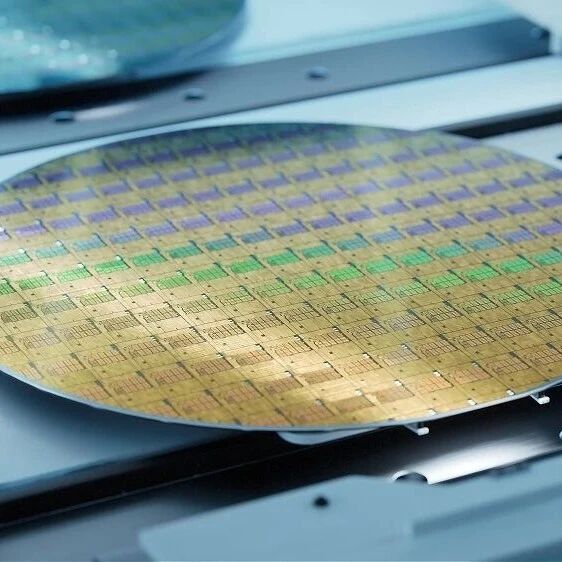
Core Viewpoint - The article highlights the successful development of the world's first 12-inch high-quality silicon carbide (SiC) epitaxial wafer by Hantian Technology in Xiamen Torch High-tech Zone, which is expected to significantly enhance production efficiency and reduce manufacturing costs in the SiC industry [2]. Group 1 - Hantian Technology has developed a 12-inch SiC epitaxial wafer, marking a significant technological breakthrough [2]. - The 12-inch wafer can carry 4.4 times more chips compared to the 6-inch wafer and 2.3 times more than the 8-inch wafer, leading to increased production efficiency [2]. - The company has initiated preparations for the mass supply of the 12-inch SiC epitaxial wafers, with key performance indicators showing excellent results, including a uniformity control of epitaxial layer thickness within 3% and a chip yield greater than 96% [2].
韩国半导体工程师学会预测:到 2040 年芯片制程将突破至0.2纳米
半导体芯闻· 2025-12-25 10:20
Core Viewpoint - The article discusses the future development of semiconductor technology as outlined in the "2026 Semiconductor Technology Roadmap" by the Korean Semiconductor Engineers Society, highlighting significant advancements and challenges in achieving sub-1nm wafer processes over the next 15 years [2][3]. Group 1: Semiconductor Technology Advancements - Samsung has launched the world's first 2nm Gate-All-Around (GAA) chip, Exynos 2600, and aims to achieve 1nm chip production by 2029 [2][3]. - The roadmap predicts that by 2040, semiconductor circuit processes will reach 0.2nm, marking the entry into the angstrom-level technology era [2]. - The roadmap focuses on nine core technology areas, including semiconductor devices and manufacturing processes, AI semiconductors, optical interconnects, and quantum computing [2]. Group 2: Future Projections and Innovations - Samsung plans to upgrade its 2nm GAA technology to a third generation, SF2P+, within two years, and aims to implement a new transistor architecture using complementary FETs (CFET) by 2040 [3]. - In the storage sector, DRAM technology is expected to shrink from 11nm to 6nm, while High Bandwidth Memory (HBM) is projected to upgrade from 12-layer stacking with 2TB/s bandwidth to 30-layer stacking with 128TB/s bandwidth [3]. - SK Hynix has developed a 321-layer stacked QLC NAND flash technology, with future projections indicating the potential for 2000-layer stacked QLC NAND flash [4]. Group 3: AI Chip Performance Expectations - Current AI processors can achieve a maximum computing power of 10 TOPS (trillions of operations per second), with projections indicating that by 15 years from now, chips for model training could reach 1000 TOPS, and those for inference tasks could achieve 100 TOPS [4].

一颗划时代的芯片
半导体芯闻· 2025-12-25 10:20
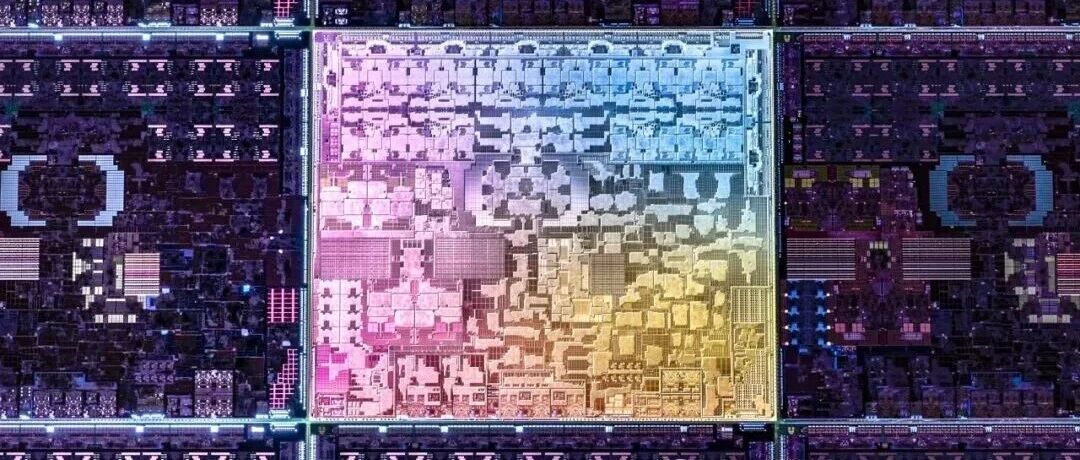
Core Viewpoint - Apple's M series processors have revolutionized the computing industry, showcasing the potential of ARM architecture and significantly enhancing performance and energy efficiency over Intel chips [1][3]. Group 1: Origin of M Chips - Apple transitioned from Intel to its own M series chips starting in 2020, ending a long-standing partnership that began in 2006 [3]. - The decision to move away from Intel was not taken lightly, as Apple had a strong relationship with Intel, but prior experience in chip development for iPhone and iPad gave Apple the confidence to create its own Mac processors [3][5]. Group 2: Development Process - The development of the M series chips involved extensive collaboration between hardware and software teams to ensure high performance and energy efficiency [5][6]. - The initial prototypes of the M1 chip exceeded expectations, particularly in battery life and performance, leading to a significant shift in user experience [6][7]. Group 3: Unified Architecture - The unified architecture of the M series integrates CPU, GPU, neural engine, and memory into a single chip, allowing for superior performance and efficiency [7][10]. - This architecture enables developers to operate without the limitations of traditional hardware setups, enhancing the overall computing experience [8][10]. Group 4: Impact on AI - The M series chips include a neural network engine from the start, positioning them as powerful tools for AI tasks, which has become increasingly relevant in recent years [11][13]. - The design of the neural network engine allows for energy-efficient processing of AI-driven tasks, enhancing the capabilities of applications [13]. Group 5: Market Transformation - The shift to M series chips has not only transformed Apple's product line but has also forced competitors like AMD and Intel to rethink their energy efficiency strategies [14][15]. - Apple's ability to offer high-performance computers at competitive prices has changed perceptions of the brand, making powerful technology accessible to a broader audience [15]. Group 6: User Experience - Users have reported significant improvements in workflow and performance with M series Macs, allowing for seamless video editing and multitasking without the need for separate devices [17][18]. - The integration of more onboard encoding and decoding cores has further enhanced the video editing experience, making it more efficient [18]. Group 7: Future Prospects - Apple continues to innovate with its M series chips, with expectations for further advancements in AI integration and potential new designs for MacBooks [20][22]. - The company is exploring the possibility of integrating cellular capabilities into Macs, which could redefine connectivity options for users [21][22].

刚刚,黄仁勋回应
半导体芯闻· 2025-12-25 10:20
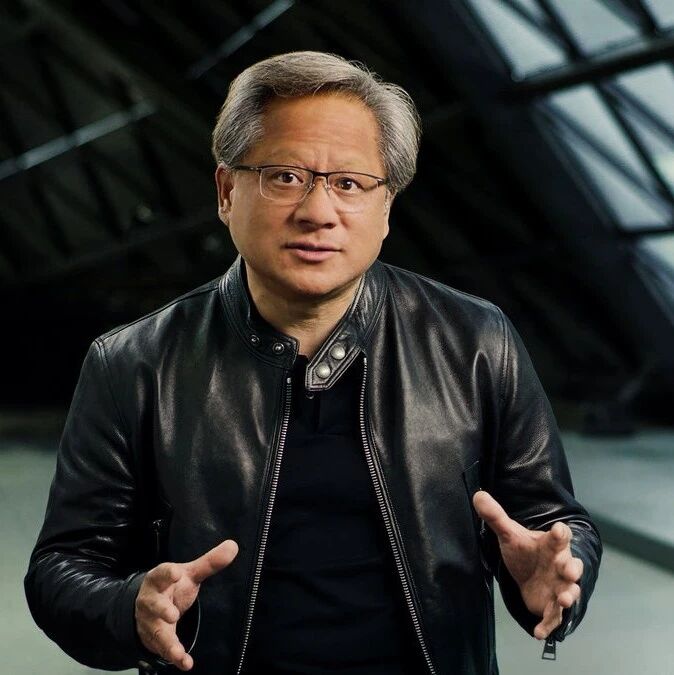
Core Viewpoint - NVIDIA has agreed to acquire Groq's intellectual property for $20 billion in cash, marking the largest acquisition in NVIDIA's history, although it does not involve the purchase of Groq as a company [2][3]. Group 1: Acquisition Details - The acquisition will allow NVIDIA to integrate Groq's low-latency processors into its AI factory architecture, expanding its capabilities for AI inference and real-time workloads [4]. - Groq's revenue target for this year is set at $500 million, driven by the increasing demand for AI acceleration chips [4]. - Groq will continue to operate as an independent company, with its cloud business, GroqCloud, remaining unaffected by the acquisition [3][4]. Group 2: Financial Context - Prior to this acquisition, NVIDIA's largest acquisition was the $6.9 billion purchase of Mellanox in 2019 [3]. - As of the end of October, NVIDIA holds $60.6 billion in cash and short-term investments, a significant increase from $13.3 billion at the beginning of 2023 [3].

这类元器件,价格暴涨
半导体芯闻· 2025-12-25 10:20
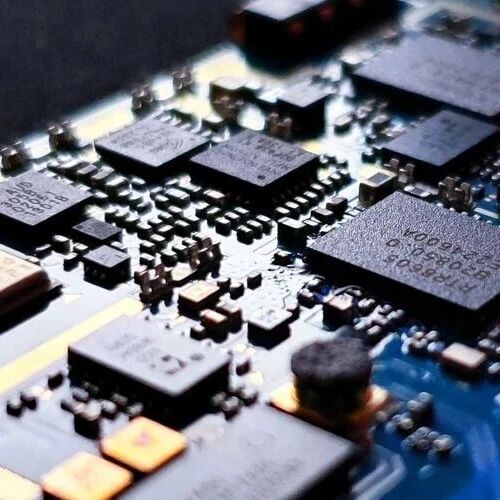
Core Viewpoint - The article discusses the anticipated price increase in chip resistors driven by rising raw material costs and production cuts from key manufacturers, indicating a potential price surge across the passive components sector [1][2]. Group 1: Price Increase Announcement - Anhui FJ Electronics has announced a price increase of 8-20% for thick film resistors, following the lead of the industry leader, Fenghua Advanced Technology [1]. - The price hike is attributed to significant increases in the prices of key metals such as silver, palladium, ruthenium, nickel, and tin, with silver prices rising over 100% compared to the same period last year [1]. Group 2: Production Cuts and Market Dynamics - FJ Electronics recently announced a production cut of 20-60%, warning of extended delivery times, which is seen as a precursor to the price increase [1]. - Taiwanese passive component manufacturers believe that the production cuts by FJ Electronics and other firms will help stabilize the supply of chip resistors, which is crucial given the increased demand from AI server applications [2]. - The demand for chip resistors in AI servers is estimated to be 1-2 times higher than that of general servers, indicating a tightening supply-demand structure [2]. Group 3: Industry Outlook - The overall passive components market, including tantalum capacitors, multilayer chip inductors, and aluminum foil, is expected to experience a price increase due to the rising costs of raw materials and increased demand from AI infrastructure [1]. - The industry outlook for chip resistors is optimistic, with expectations of a price increase opportunity in the second half of next year as supply constraints improve [2].

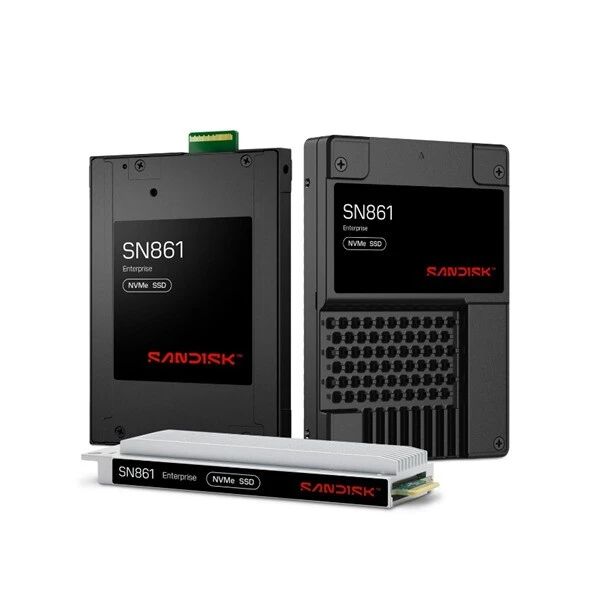
为AI打造SSD,闪迪企业级固态硬盘产品获关键认证
半导体芯闻· 2025-12-25 10:20
如果您希望可以时常见面,欢迎标星收藏哦~ 人工智能的火热,除了催生海量的SSD和DRAM需求外,相应的密度和速度提升,也成为这些存储 厂商必须应对的挑战。正如闪迪公司副总裁兼中国区总经理蔡耀祥所说:"AI和机器学习应用的进 一步发展,使得企业级闪存存储需兼顾更卓越的性能、容量、能效和可扩展性,以匹配更复杂的工 作负载。" 为此,蔡耀祥认为,通过提供定制化、可扩展的存储解决方案,充分满足人工智能数据周期各阶段 的多样化需求,既可匹配计算密集型任务的高性能与低延迟要求,也可支撑存储密集型场景的高容 量与高能效需求。 作为一家全球领先的闪存与先进存储技术创新企业,闪迪也为此做好了充分准备。 OCP Inspired™,AI SSD的一道大考 对于AI需要怎样的SSD,不同的厂商有不同的看法,但从现状看来,是否经过OCP Inspired™认 证,是SSD能否获得AI应用认可的重中之重。 闪迪公司副总裁兼中国区总经理 蔡耀祥 "效率、影响力、开放性、可扩展性和可持续性是OCP Inspired™认证产品必须符合的支柱考量标 准,这也是我们打造并维护行业生态,持续开发面向当前与未来市场的新型开放解决方案的关键使 命。" ...

国产万卡超集群亮相:中国人工智能,迈入新阶段
半导体芯闻· 2025-12-25 10:20
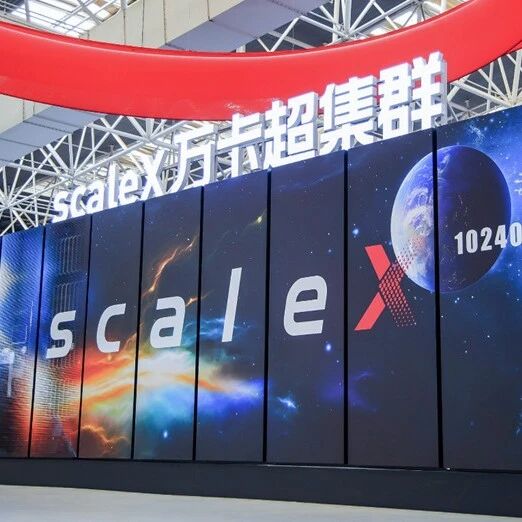
Core Viewpoint - The first HAIC2025 conference highlighted the challenges and innovations in AI computing architecture, emphasizing the need for collaboration and system-level solutions to meet the demands of large model training [2][4][13]. Group 1: AI Computing Challenges - The rapid evolution of large model technology has created unprecedented demands on computing equipment, particularly in memory capacity, bandwidth, energy efficiency, and system stability [2]. - The slowdown of Moore's Law has made it increasingly difficult for single-node solutions to meet the computational needs of AI, necessitating a shift towards system-level engineering [4][11]. - Companies are focusing on creating tightly integrated systems that can handle the complexities of AI applications, including the need for high-speed data transfer and energy efficiency [8][12]. Group 2: Innovations and Strategies - The introduction of the "Dual-Core Strategy" by Haiguang aims to enhance AI product diversity and deepen ecosystem connections within China, focusing on customized and application-specific solutions [5][6]. - The launch of the scaleX640 super node, which features advanced cooling and power supply technologies, represents a significant advancement in AI computing infrastructure, achieving a power usage effectiveness (PUE) of 1.04 [11][12]. - The scaleX super cluster, capable of deploying over 10,240 AI accelerator cards, showcases a total computing power exceeding 5 EFlops, marking a milestone in domestic AI cluster systems [11][12]. Group 3: Future Directions - The collaboration between Haiguang and Zhongke Shuguang aims to build a robust AI ecosystem by sharing technology and creating open standards for AI software stacks, which could lead to a "Chinese version of CUDA" [13][14]. - The focus on developing high-performance, reliable networks and systems is crucial for supporting the growing demands of AI applications and ensuring long-term operational reliability [13][14]. - The ongoing efforts in the AI sector reflect a commitment to overcoming international competition and establishing a prominent position for China's AI capabilities on the global stage [14].