半导体行业观察

Search documents
破局者周跃峰,解锁“不可能”的华为云新局
半导体行业观察· 2025-11-30 04:53
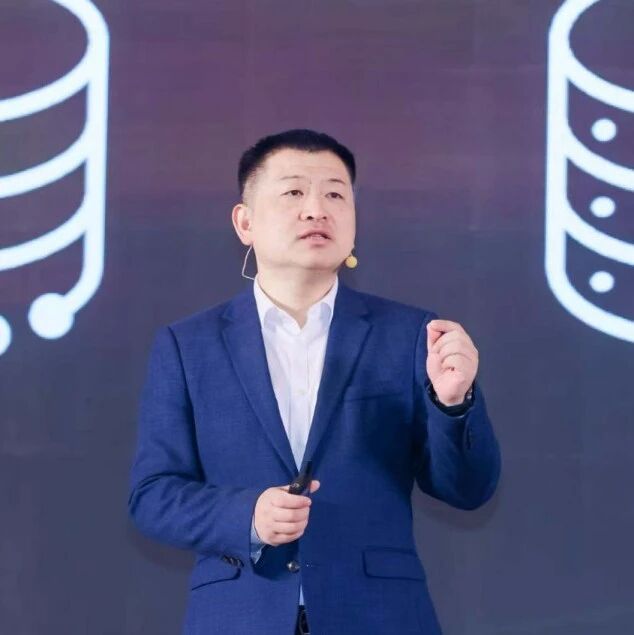
Core Insights - Huawei has made significant adjustments to its cloud business management team, appointing Zhang Ping'an as chairman and Zhou Yuefeng as CEO of Huawei Cloud [1][3] - The company has high expectations for its cloud business and is reallocating resources to overcome challenges and seize opportunities in the AI era [3] Group 1: Leadership Changes - Zhou Yuefeng is the focal point of this personnel adjustment, known for his ability to turn "impossible" situations into successes [3] - His past achievements include revitalizing the small cell industry and transforming the data storage business into a continuously growing sector recognized by Gartner [3] Group 2: Strategic Focus - Huawei has established the Pacific Command to leverage the advantages of storage and computing, aiming for strategic breakthroughs [3] - The company is concentrating on core technology research and development to enhance its cloud business and tackle industry challenges [3]

荷兰半导体,最新版图
半导体行业观察· 2025-11-30 04:53
Core Insights - The article highlights that the Dutch semiconductor industry has maintained a leading position globally for decades, with a robust foundation dating back to the 1950s when Philips established a complete value chain from chip design to system integration [1] - The High Tech NL association's white paper reveals that the Netherlands still possesses a complete and diverse semiconductor ecosystem, concentrated in three main regions: Brainport in Eindhoven, Lifeport in Arnhem-Nijmegen, and Twente as the semiconductor hub [1] Value Chain Composition - The semiconductor value chain consists of several layers, starting from chip design, followed by front-end manufacturing (fabricating chips on wafers), back-end manufacturing (packaging, assembly, and testing), and finally, system integration [3] - The second layer includes industrial infrastructure activities necessary for chip production, such as equipment design and manufacturing [4] - The third layer provides supporting services and module supply for the upper layers, including design and testing services [4] - The foundational layer focuses on knowledge and research, emphasizing basic R&D in the semiconductor and production equipment fields [5] Geographic Distribution of the Semiconductor Ecosystem - A geographic distribution map of semiconductor institutions in the Netherlands shows three core hotspots: Eindhoven (focused on equipment manufacturing), Nijmegen (covering front-end and back-end chip production and equipment manufacturing), and Enschede (centered on chip design) [11][12] - The analysis indicates that Eindhoven and Enschede have distinct industrial focus characteristics, with Eindhoven emphasizing equipment manufacturing and Enschede focusing on chip design, while Nijmegen maintains a balanced development in semiconductor chip production and equipment manufacturing [24] Regional Analysis - The analysis of the North Brabant region (Eindhoven) shows a high concentration of equipment manufacturing and related services, with design, front-end manufacturing, and knowledge and research forming a complete ecosystem [17] - The Gelderland region (Nijmegen) exhibits a balanced industrial structure, encompassing chip design, front-end and back-end manufacturing, and equipment and system module supply [20] - The Overijssel region (Enschede) is characterized by a relatively high proportion of chip design and service/module supply activities [21] Provincial Distribution of Semiconductor Activities - The distribution of specific semiconductor activities across provinces indicates that most provinces have relevant research institutions in the knowledge and research field, with Gelderland and Overijssel being core areas for chip design [27] - North Brabant stands out in the service and module supply sector, while it is also the core hotspot for production equipment [27] - Front-end manufacturing is concentrated in Gelderland, while back-end manufacturing is primarily found in Gelderland and Overijssel, with system integration activities also based in these provinces [27]


DRAM双雄,疯狂扩产
半导体行业观察· 2025-11-29 02:49
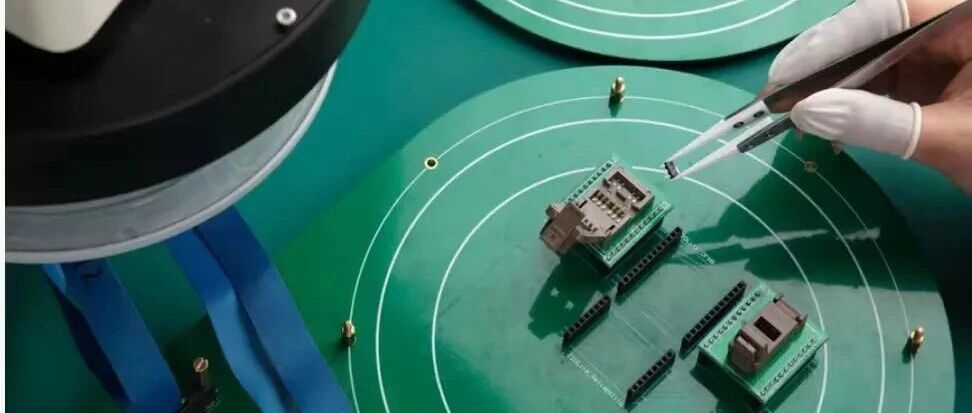
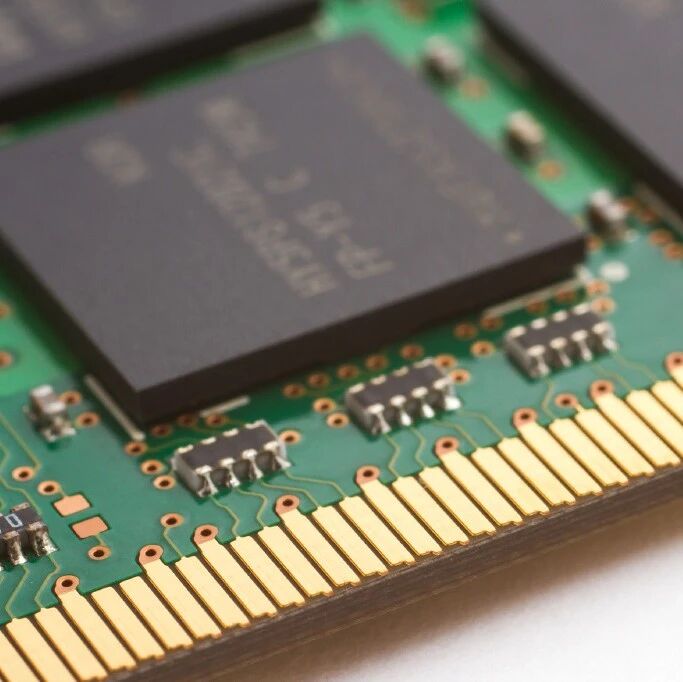
Group 1 - The core viewpoint of the article highlights the significant demand for High Bandwidth Memory (HBM) due to AI servers, leading to a supply shortage of standard DRAM for personal computers, laptops, smartphones, and general servers [1][2] - SK Hynix, the world's second-largest memory manufacturer, is actively expanding its standard DRAM production capacity, aiming for over a 10% increase in supply by 2026 compared to 2025 [1][2] - The company is adjusting production strategies at its main wafer fabs, M15 and M16, to enhance capacity utilization and convert some production lines to DRAM manufacturing [1][2] Group 2 - Despite being a leader in the HBM market with a market share of 70% to 80%, SK Hynix recognizes that the standard DRAM market is significantly larger, making it a strategic focus to meet this demand while maintaining its AI memory leadership [2] - The competitive landscape includes Samsung, which is also expanding its DRAM capacity, utilizing its P3 alternative factory and planning to increase capacity at P4 [2] - Market analysts expect global DRAM supply to see double-digit growth by 2026, supported by SK Hynix's commitment to invest up to 106.2 trillion Korean Won from 2022 to 2027 [2]
1200+ 全球头部企业齐聚上海!激光光学 × 半导体全链路协同的顶级峰会仅剩最后三席
半导体行业观察· 2025-11-29 02:49
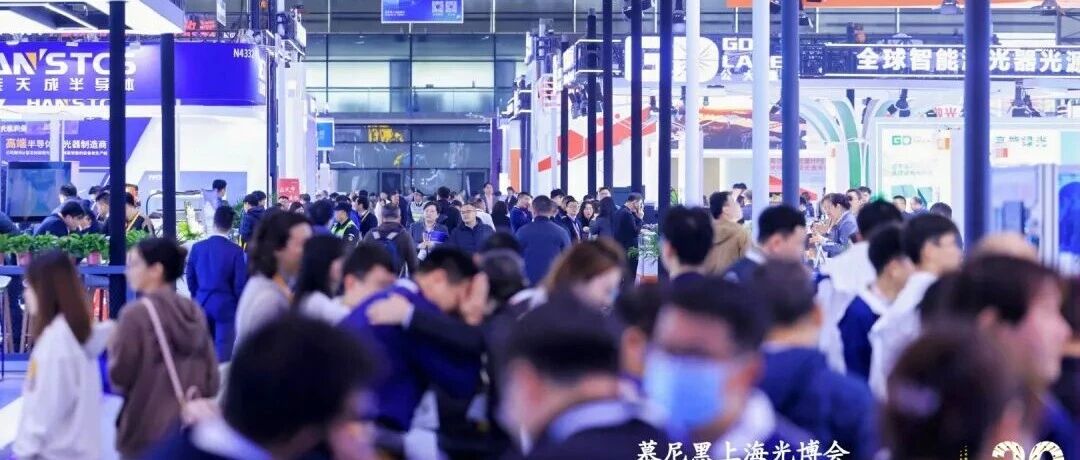
Core Insights - The article highlights the significance of the Munich Shanghai Optical Expo as a pivotal event for the global optoelectronics and semiconductor industry, featuring over 1,200 leading companies and attracting hundreds of thousands of professional attendees, emphasizing the theme of "technological iteration + ecological integration" [2] Group 1: Policy Alignment - The forum aligns closely with the "14th Five-Year Plan," focusing on the critical role of laser technology in supporting 6G/5G-A, targeting key areas such as compound semiconductors, EDA tools, and optical communication chips, and aims to create a collaborative ecosystem through "policy - technology - capital" synergy [2][4] Group 2: Technical Focus - The forum emphasizes a comprehensive technology logic covering the entire supply chain from "materials - tools - chips - devices - components - applications," showcasing hard-core achievements from leading companies in critical areas like compound semiconductor mass production processes and AI-enabled optical chip design [3] Group 3: Demand-Supply Coupling - The forum effectively links the supply side, represented by leading technology firms like Silan Micro and Xizhi Technology, with the demand side, including major telecom operators and cloud service providers, creating a high-efficiency closed loop of "technology output - demand feedback - cooperation landing" [4] Group 4: Key Participants - Major telecom operators such as China Mobile, China Unicom, and China Telecom are participating to address 6G network architecture and 5G-A deployment needs, while leading cloud service providers like Alibaba Cloud and Tencent Cloud are seeking solutions for high-speed data transmission and green data center construction [6] Group 5: Final Opportunities - The article emphasizes the urgency of securing the last three sponsorship seats for the forum, highlighting the scarcity of resources and the potential for significant market engagement, with a focus on connecting with decision-makers from major telecom and cloud service companies [7][9]



中芯宁波收购终止
半导体行业观察· 2025-11-29 02:49
Core Viewpoint - The company has decided to terminate the acquisition of a 94.366% stake in Zhongxin Integrated Circuit (Ningbo) Co., Ltd. due to the inability to reach an agreement on transaction-related matters within the expected timeframe. This decision is not expected to have a significant adverse impact on the company's operations and financial status [1][4]. Group 1: Acquisition Termination - The termination of the acquisition will not significantly affect the company's production operations and financial condition, as stated by the company [1]. - The company plans to continue focusing on its core business while actively seeking external acquisition opportunities that align with policy encouragement and have reasonable valuations [1][2]. - The company had previously announced plans to acquire Zhongxin Ningbo, which primarily engages in wafer foundry and packaging testing services in the RF front-end, MEMS, and high-voltage analog device sectors [4]. Group 2: Future Strategy - The company is committed to its "ALL IN AI" strategy, focusing on the development of AI edge computing AISoC products, including low-power AIoT terminal chips and edge computing chips [2]. - The company aims to leverage policy opportunities and explore integration opportunities within the industry that align with its strategic goals, while also solidifying its core business [2]. - The company intends to expand into emerging sectors such as automotive electronics, wireless LAN, and artificial intelligence products, developing various products to meet market demands [1][2].

这颗不被看好的芯片,终于翻身?
半导体行业观察· 2025-11-29 02:49
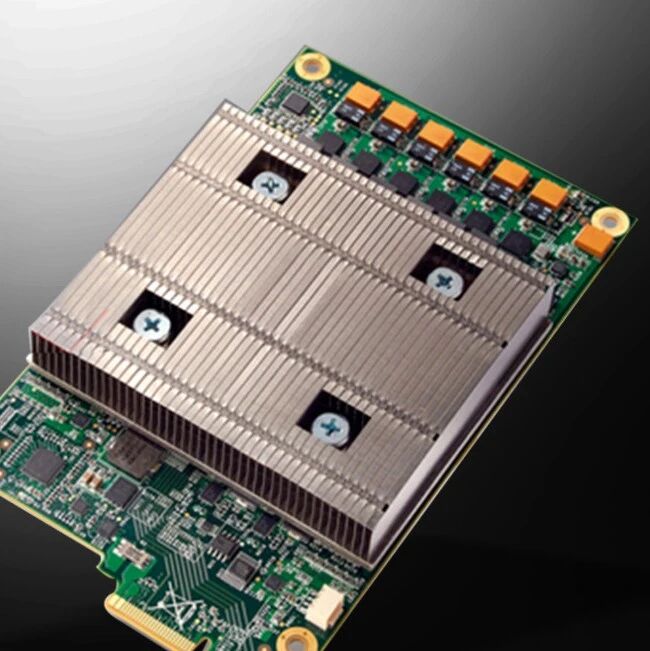
Core Insights - Google’s TPU (Tensor Processing Unit) has gained significant attention, with Meta considering a multi-billion dollar contract to deploy TPUs in its data centers starting in 2027, leading to a surge in Google's stock price and a decline in NVIDIA's stock [1][20] - The TPU has evolved from a project initially deemed unpromising to a strategic asset that could challenge NVIDIA's dominance in the AI chip market [1][28] Development History - In 2013, Google faced a computing power crisis, predicting that the demand from just 100 million Android users would exceed its total data center capacity, prompting the decision to develop its own ASIC chips instead of relying on NVIDIA GPUs [3][4] - Google rapidly assembled a team of chip industry veterans and completed the first TPU in just 15 months, achieving significant performance and efficiency improvements over existing solutions [4][6] - The TPU architecture utilizes a "Systolic Array" design, optimizing data flow and reducing energy consumption, which initially faced skepticism from industry experts [6][7] Iterative Breakthroughs - TPU v2 (2017) marked a shift from inference to training capabilities, introducing the bfloat16 format and expanding memory bandwidth to support large-scale training tasks [10][11] - TPU v3 (2018) doubled performance and introduced liquid cooling to manage increased power density, establishing a new standard for AI data centers [12][13] - TPU v4 (2022) incorporated optical circuit switching technology, allowing for dynamic network configurations to meet varying task demands, further enhancing performance [13][14] - TPU v5p (2023) aimed to balance training and inference capabilities, significantly increasing inter-chip bandwidth and cluster size [15][16] - TPU v6 (2024) is designed specifically for inference tasks, improving efficiency and performance metrics crucial for large-scale AI services [16] - TPU v7 Ironwood (2025) is positioned to directly compete with NVIDIA in inference performance, featuring advanced specifications and capabilities [18][19] Market Dynamics - Google is actively pursuing the commercialization of TPU, engaging with cloud service providers and major corporations to deploy TPUs in their data centers, potentially generating billions in revenue [20][21] - The rise of TPU is expected to challenge NVIDIA's market position, with projections indicating that ASIC shipments may surpass GPU shipments by 2026 [21][22] - Despite the success of TPU, Google continues to procure NVIDIA GPUs, indicating a future where both architectures coexist in the market [22][24] Talent Movement and Industry Impact - The success of TPU has led to a talent exodus from Google, with former TPU engineers founding new companies and developing competitive technologies, highlighting the competitive landscape in AI chip development [24][26] - The emergence of various companies developing their own AI chips, influenced by the TPU model, signifies a shift in the industry towards specialized hardware solutions [26][28] Future Outlook - The AI infrastructure landscape is expected to evolve from solely building GPU clusters to a hybrid model incorporating cloud services, dedicated chips, and diverse architectures, breaking NVIDIA's long-standing monopoly [29][30]


英特尔将为苹果代工芯片?
半导体行业观察· 2025-11-29 02:49
Core Viewpoint - Apple may shift to Intel for its M-series chips by 2027, with significant implications for both companies, as indicated by supply chain analyst Ming-Chi Kuo [1][2][3]. Group 1: Potential Agreement with Intel - The likelihood of Apple entering into an agreement with Intel has increased recently, as Apple has signed a confidentiality agreement to procure Intel's 18AP PDK 0.9.1GA chips [1][3]. - If successful, Intel could start delivering entry-level M-series processors based on the 18AP advanced process node as early as Q2 or Q3 of 2027, depending on the progress after receiving PDK 1.0/1.1 [1][3][4]. Group 2: Strategic Implications - This potential deal could help Apple demonstrate its commitment to "buying American" by incorporating more domestic companies into its supply chain [2]. - For Intel, this agreement may signal the end of its most challenging period, with future nodes like 14A expected to attract more orders from Apple and other major clients, enhancing Intel's long-term outlook [2][3]. Group 3: Technical Aspects of 18A-P Process - The 18A-P process is designed for various power and voltage ranges, optimizing threshold voltage for better energy efficiency, aligning with Apple's high-performance chip design philosophy [4][6]. - Intel's 18A-P process is particularly attractive for companies focused on energy efficiency, and Apple is likely to lead the adoption of this process node [6]. Group 4: Production Estimates - By 2027, Apple is estimated to produce between 15 million to 20 million entry-level M-series chips for MacBook and iPad, indicating significant production capacity if the collaboration with Intel materializes [5].


台积电两座封装厂将量产,规划再建六座
半导体行业观察· 2025-11-29 02:49
公众号记得加星标⭐️,第一时间看推送不会错过。 台积电在嘉科园区建2座CoWos先进封装厂,虽工安意外频传,但仅部分工区停工,对进度影响不 大,反而是7月台风及豪雨影响较大,嘉义县长翁章梁透露,目前第2厂已装机测试,预计明年投入量 产,第1厂预计明年装机,后年投入量产,有望为地方带来3000名就业人口,据了解,未来会扩厂设 多座3D先进封装厂。 台积电嘉义厂区今年传出多次工安意外,外界忧影响工程及装机进度。据了解,仅有部分工区停工, 对整体进度影响不大,台积电厂区目前部分取得使用执照,已经进厂开始装机,预计明年投入量产。 台积电有计划扩厂,将在嘉义科学园区2期再设约6座3D先进封装厂。 加星标⭐️第一时间看推送,小号防走丢 求点赞 求分享 求推荐 台积电先进封装营运二处嘉义厂长许永隆说,丹娜丝台风让嘉义县许多校园严重受损,台积电调度临 时办公室的工班支援,优先复原学校设施,临时办公室工程延宕,现在还是「临时办公室中的临时办 公室」,简称「临临办」,这是台积电第一次发明的模式,希望与地方长远合作,共好共荣。 (来源:联合报) *免责声明:本文由作者原创。文章内容系作者个人观点,半导体行业观察转载仅为了传达一种不 ...

日本专家:中国SiC,太强了
半导体行业观察· 2025-11-29 02:49
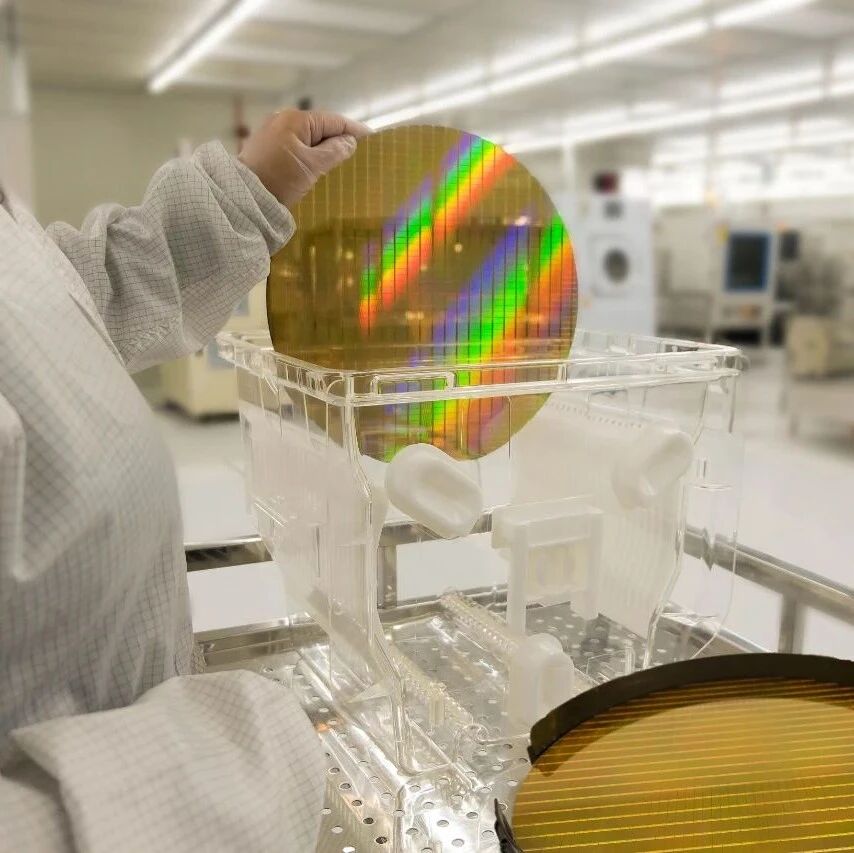
Core Insights - Silicon carbide (SiC) is gaining attention as a next-generation power semiconductor material that can replace silicon (Si) for high-temperature and high-pressure applications [1] - The upcoming International Conference on Silicon Carbide and Related Materials (ICSCRM 2025) is expected to highlight trends in SiC development and global competition, particularly involving Japan [1] Group 1: Challenges in SiC Production - Device manufacturers face significant challenges in improving the yield of 8-inch production lines, necessitating the establishment of high-yield processes compatible with multiple suppliers [2] - Wafer manufacturers are tasked with reducing the costs of 12-inch wafers and developing evaluation technologies that have not kept pace with the rapid commercialization of these wafers [2] Group 2: China's Advancements in SiC - Chinese manufacturers have made remarkable progress in reducing the price and improving the quality of SiC wafers, with quality now comparable to high-reliability components [3] - The rapid rise of Chinese manufacturers is attributed to unconventional manufacturing methods and significant government support, alongside lower electricity costs compared to Japan [3] Group 3: Weaknesses in China's SiC Ecosystem - Despite high-quality wafers, China's lack of coordination across the supply chain may hinder its ability to dominate the entire SiC ecosystem, as many companies focus on specific segments [4] - The unclear demand from device manufacturers raises concerns about the final quality of devices made from Chinese wafers, which may exhibit slight crystal misalignment affecting yield [5] Group 4: Japan's Position in SiC - Japan maintains a high level of research and technology in SiC, with significant contributions expected at ICSCRM 2025, although its commercial influence has declined [6] - The Japanese industry faces challenges related to generational turnover and a shortage of young talent, impacting the research environment for SiC [6] - Japan's strength lies in its comprehensive capabilities, leveraging expertise from silicon to SiC applications, particularly in high-voltage applications and data center power supplies [6]
国产模拟芯片龙头纳芯微赴港上市:国家队领投、全球资本重磅集结
半导体行业观察· 2025-11-29 02:49
Core Viewpoint - Naxin Microelectronics is set to list its H-shares in Hong Kong, marking a significant milestone in its development and enhancing its global capital and industry cooperation opportunities [1][2]. Group 1: H-Share Issuance Characteristics - The H-share issuance features a strong cornerstone investor lineup, including national strategic funds and leading enterprises, indicating high recognition of Naxin's growth potential [2][3]. - The international placement accounts for 90% of the issuance structure, reflecting the company's strategy to embrace international capital markets [2][6]. - Naxin has established a solid technological and market leadership position in several key segments, providing a robust foundation for international expansion [2][9]. Group 2: Investor Composition - The cornerstone investor group includes major industry players like BYD and Xiaomi, highlighting Naxin's importance in key application areas with high demand for analog chips [4][5]. - Professional investment institutions also participate, reinforcing market confidence in Naxin's long-term growth [4][6]. - The combination of national strategic capital, industry leaders, and professional investors is rare in semiconductor financing, showcasing Naxin's broad recognition [4][16]. Group 3: Global Issuance Strategy - Naxin plans to issue approximately 19.07 million shares, with 10% for public offering in Hong Kong and 90% for international placement, aiming to attract long-term capital [6][7]. - The maximum issuance price is set at HKD 116 per share, with an option for additional shares, providing flexibility in the market [6][7]. - The choice of Hong Kong as a listing venue is strategic, allowing Naxin to connect with global institutional investors and enhance its visibility [6][15]. Group 4: Fund Utilization - The funds raised will be allocated to enhancing technical capabilities (18%), expanding product offerings (22%), overseas market promotion (25%), strategic investments (25%), and general corporate purposes (10%) [7][11]. - A significant portion of the funds will support global market development, indicating Naxin's commitment to international business [7][11]. Group 5: Market Position and Growth - Naxin ranks among the top five Chinese analog chip manufacturers, uniquely covering sensors, signal chains, and power management [9][10]. - In the automotive electronics sector, Naxin holds the top position among Chinese companies, demonstrating its reliability and scalability [9][10]. - The company has seen substantial growth in automotive electronics, with a compound annual growth rate of 67% in electronic shipments from 2022 to 2024 [10][11]. Group 6: Industry Trends and Challenges - The Chinese analog chip market is projected to grow from CNY 121.1 billion in 2020 to CNY 195.3 billion in 2024, with a compound annual growth rate of 12.7% [13][14]. - Naxin's growth reflects a broader trend of domestic companies gaining market share and moving up the value chain in the analog chip sector [13][14]. - Despite the competitive landscape, Naxin's strategic investments and product development position it well for future growth [16].