华尔街见闻

Search documents
60亿美元,“击溃”比特币?怎么回事?
华尔街见闻· 2025-10-10 10:41
Group 1 - The core argument of the article is that Bitcoin faces a significantly underestimated threat of a "51% attack," which could be executed with approximately $6 billion [2][3][6]. - Campbell Harvey, a finance professor at Duke University, warns that the risks associated with Bitcoin are much greater than those associated with gold, despite both being viewed as hedges against currency devaluation [3][10]. - The cost breakdown for a potential attack includes $4.6 billion for hardware, $1.34 billion for data center construction, and about $130 million weekly for electricity, allowing attackers to gain control of the Bitcoin network within a week [4][6]. Group 2 - The article explains that attackers could profit significantly by shorting Bitcoin during a price drop, which would cover the costs of the attack [6][11]. - Harvey emphasizes that the attack cost represents only 0.26% of Bitcoin's total network value, which is much lower than many investors expect, raising serious concerns about Bitcoin's future viability and security [12]. - The article notes that the current thriving derivatives market for Bitcoin provides economic incentives for potential 51% attacks, as traders can establish short positions with less than 10% of the daily trading volume [11]. Group 3 - There is a divergence of opinions in the industry regarding the risk of such attacks. Matt Prusak, president of a U.S. Bitcoin company, argues that the concerns are exaggerated, citing the time required to accumulate and deploy mining equipment [7][15]. - Prusak also points out that shorting Bitcoin requires substantial collateral, and exchanges may suspend suspicious trading, making it difficult for attackers to realize profits [16]. - The article mentions that other smaller blockchains, such as Bitcoin Gold and Ethereum Classic, have experienced 51% attacks but managed to survive [17][18]. Group 4 - The article discusses the growing acceptance of Bitcoin as a potential hedge against macroeconomic risks, with companies increasingly adding Bitcoin to their balance sheets [20][21]. - A report from Deutsche Bank suggests that Bitcoin and gold may become significant components of central bank reserves by 2030, reflecting a shift in reserve strategies amid rising geopolitical risks and inflation concerns [23]. - The report indicates that the share of the dollar in global reserves has decreased from 60% in 2000 to an estimated 41% by 2025, benefiting both gold and Bitcoin [23].


黄金破4000,为何再创历史新高?
华尔街见闻· 2025-10-09 11:14
一场席卷全球的避险浪潮,正在将贵金属市场推向"沸腾"的顶点。 在全球多重风险因素叠加下, 黄金价格突破每盎司4000美元的历史性关口,年内涨幅已达54%。 而市场的"沸腾"并不仅限于黄金。白银涨势更为迅猛,年内涨幅超67%跑赢黄金,价格逼近50美元。 与此同时,钯金价格周三飙升近10%,涨至1482美元以上,创下自2023年5月以来的最大单日涨幅。 贵金属一涨势的背后,是地缘政治紧张、对美元强度的担忧、美联储独立性问题、持续的通胀压力以及欧洲经济增长乏力等一系列风险因素的叠加 。 分析师认为,目前几乎看不到能阻止这轮涨势的因素,并预测此轮金属牛市可能延续至2026年。 黄金为何再创历史新高? 在强劲的基本面支撑下 ,市场对金价的预期持续走高。 黄金此轮牛市的核心驱动力,是全球范围内弥漫的避险需求。 市场普遍认为,从特朗普政府的贸易关税政策到俄乌冲突,再到对通胀的担忧,几乎所有传统的黄金驱动因素都在同时发挥作用。法国巴黎银行分析师David Wilson表示: 如果你是一名投资者,你会把钱放在哪里?如果你担心美国经济和债务前景,你还会想买传统的避险资产美国国债吗?答案是否定的。 除了个人投资者的避险需求,各国央 ...

美联储纪要:多数官员称今年继续宽松可能适宜,少数人本来可能支持9月不降息
华尔街见闻· 2025-10-09 11:14
Core Viewpoint - The Federal Reserve's recent decision to lower the benchmark interest rate by 0.25 percentage points to a range of 4% to 4.25% reflects a consensus among officials that the importance of slowing job growth outweighs concerns about persistent high inflation, marking the first rate cut of the year [1][4]. Group 1: Federal Reserve Meeting Insights - The voting result of the September meeting was 11 to 1, with the only dissenting vote from newly appointed Federal Reserve Governor Stephen Miran, who advocated for a 0.5 percentage point cut [2]. - Most officials expressed a willingness to consider further rate cuts in the remaining months of the year, while also acknowledging the risks of inflation [4][6]. - The dot plot from the September meeting indicates that officials expect two more rate cuts of 0.25 percentage points each by the end of the year, although there are differing opinions among the 19 participants regarding future cuts [6][7]. Group 2: Economic Conditions and Risks - Investors generally anticipate another 0.25 percentage point rate cut at the upcoming meeting on October 28-29, with futures contracts reflecting expectations for continued cuts in October and December [8]. - Despite recognizing risks in the labor market, many officials believe that employment will not deteriorate rapidly, with recent indicators not showing significant declines [8]. - Concerns about inflation persist, as it has remained above the Fed's target for four consecutive years, with fears that businesses and consumers may adapt to higher price growth, potentially stabilizing inflation around 3% [9]. Group 3: Policy Considerations - Officials reiterated the importance of balancing employment and inflation risks in future decisions, with some expressing caution about further rate cuts given the current borrowing conditions [11][12]. - The ongoing government shutdown has delayed the release of key economic data, limiting the information available to Fed officials for making informed decisions [13][14]. - The absence of official monthly economic data coincides with a particularly uncertain period, as the Fed navigates the impacts of significant policy changes, including tariffs and stricter immigration policies [15][16].
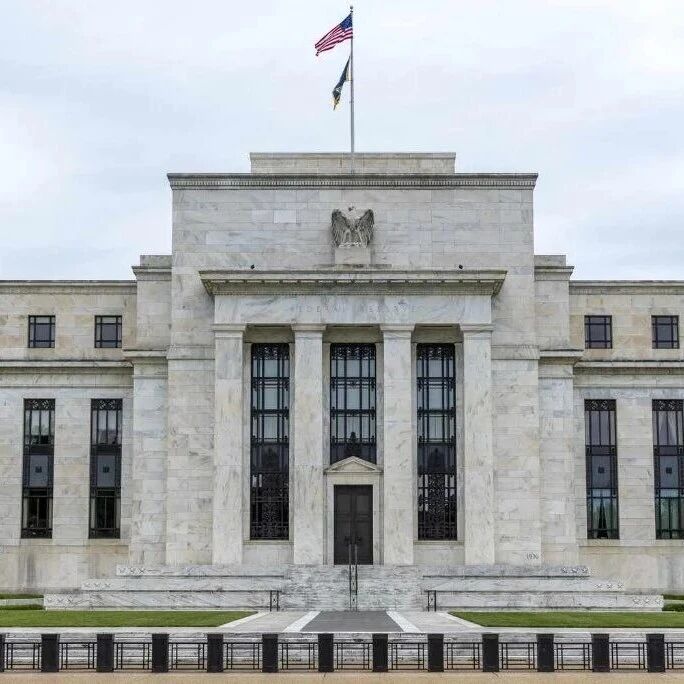
1万亿美元的大单,OpenAI的钱从哪来?
华尔街见闻· 2025-10-09 11:14
Core Viewpoint - OpenAI has signed nearly $1 trillion in computing power procurement agreements, significantly exceeding its revenue and financing capabilities, raising questions about how the company can support such a massive gamble [3][5][7]. Group 1: Financial Agreements - OpenAI's agreements include $500 billion with Nvidia, $300 billion with AMD, and $300 billion with Oracle, along with over $22 billion with CoreWeave, aiming to provide over 20 GW of computing power over the next decade [7]. - The company is utilizing a "circular financing" model and an innovative "equity-for-purchase" approach to secure funding from suppliers, effectively rewriting capital rules in the AI era [5][8]. Group 2: Financial Models - The AMD model involves a groundbreaking agreement where OpenAI plans to purchase up to $90 billion worth of AMD GPUs while receiving warrants to buy up to 160 million shares at $0.01 each, potentially allowing OpenAI to acquire significant equity at minimal cost [10]. - The Nvidia model involves a direct investment of up to $100 billion, which provides OpenAI with cash to purchase Nvidia chips, creating a "circular revenue" flow where funds are reinvested back into purchasing [11][12]. Group 3: Financial Analysis - Goldman Sachs estimates that OpenAI's operational infrastructure costs will reach approximately $35 billion by 2026, with self-generated revenue contributing about 48% [15]. - However, when considering future capital commitments, total funding needs could soar to around $114 billion, with external equity and debt financing needs rising to 75% of the total funding structure [17][19]. Group 4: Market Impact and Risks - The partnerships have significantly boosted the market valuations of companies like Oracle and AMD, with market caps increasing by $244 billion and $63 billion, respectively, following the announcements [22]. - Despite the innovative financial structures, OpenAI's reliance on external capital raises concerns about sustainability, especially if user growth or willingness to pay slows down [25][21].


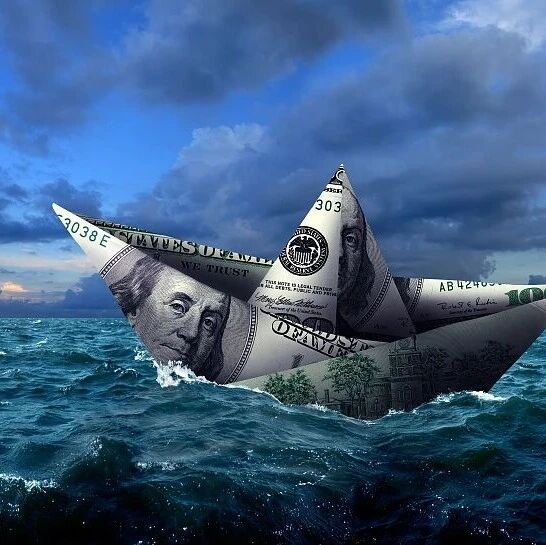
IMF和英央行齐发声,对AI泡沫发出最明确警告
华尔街见闻· 2025-10-09 11:14
Core Viewpoint - The current AI hype is pushing global stock market valuations to levels similar to the 2000 internet bubble, prompting warnings from the IMF and the Bank of England about potential market corrections and their impact on the global economy [1][3][8] Group 1: IMF Warnings - IMF President Kristalina Georgieva highlighted that market optimism regarding AI's productivity potential could suddenly shift, impacting the global economy [1] - The IMF expects only a slight slowdown in global growth this year and next, despite the pressures from multiple shocks [2] Group 2: Bank of England Concerns - The Bank of England's Financial Policy Committee noted that current market sentiment resembles the conditions before the 2000 internet bubble burst, indicating an increased risk of sudden market adjustments [3] - The committee pointed out that the price-to-earnings ratio of the U.S. stock market is nearing levels seen during the peak of the internet bubble, particularly among AI-focused tech companies [4] Group 3: Market Vulnerabilities - The concentration of major tech companies in the market is at a historical high, with the top five companies in the S&P 500 accounting for nearly 30% of the index, making the market particularly vulnerable to negative shifts in AI expectations [4] - Recent defaults in the U.S. auto credit market have heightened concerns about risks in market-based financing, including high leverage and opaque structures [5][7] Group 4: Market Performance and Analysis - The S&P 500's current expected price-to-earnings ratio is approximately 25 times, which is high compared to historical levels but still below the 2000 internet bubble peak [11] - Analysts suggest that rising political pressure on the Federal Reserve could lead to a sharp repricing of dollar assets, with potential disruptions in the bond market due to political stalemates in France and Japan [12]

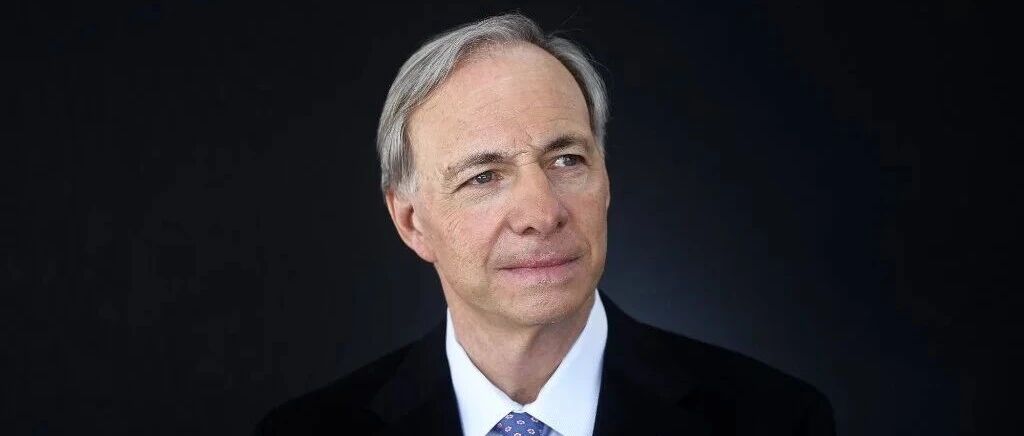
“现在就像70年代!” 达利欧:买更多黄金
华尔街见闻· 2025-10-08 11:23
Group 1 - The core viewpoint is that investors should allocate up to 15% of their portfolios to gold, as it serves as a better hedge compared to the US dollar, especially in the current economic climate reminiscent of the 1970s [2][7][15] - Gold prices have surged over 50% this year, reaching approximately $4,000 per ounce, with futures hitting $4,071 [8][11] - The current economic environment is characterized by rising government debt, geopolitical tensions, and a weakening dollar, making gold a strong store of value [14][15] Group 2 - Dalio expresses skepticism about the speculative nature of AI investments, likening it to historical bubbles, but sees opportunities in companies leveraging AI for efficiency [4][17][18] - Despite concerns about valuations, Dalio will not short large tech companies, indicating a cautious but optimistic stance on the sector [19] - Analysts from Goldman Sachs and other firms are bullish on gold, with predictions for prices to rise to $4,900 by December 2026, suggesting a significant role for gold in investment portfolios [22]
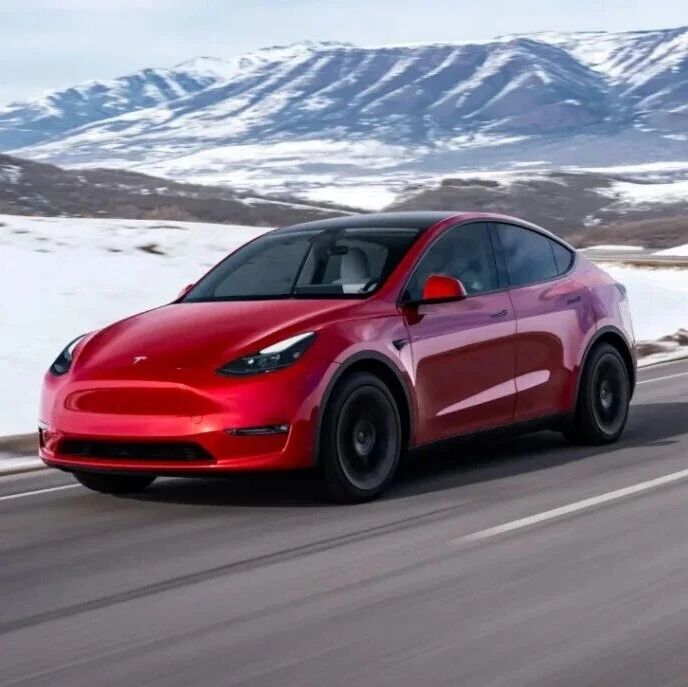
特斯拉平价车来了,减配Model Y售价低于4万美元,Model 3起售不到3.7万
华尔街见闻· 2025-10-08 11:23
为了应对美国政府税收抵免结束的冲击,特斯拉将旗下畅销车型Model Y的标准版售价降到了4万美元以下,Model 3的标准版售价也下调。 美东时间10月7日周二美股午盘时段,特斯拉官网更新Model Y和Model 3标准版的订购信息。官网显示, Model Y的标准版目前在美国市场起售价为3.999万 美元,较此前Model Y的起售价便宜约11%。 这和最近的消息大体一致。华尔街见闻周二稍早提到,特斯拉在德国柏林工厂的经理当天表示,全新简化版Model Y将"便宜约10%"。 备受关注的特斯拉平价车来了。 在内部,以美国环保署(EPA)制定的测试标准衡量,平价后轮驱动版Model Y的续航里程预计为321英里,比高配后轮驱动版Model Y的续航里程减少10%。 相比之下,平价标准版Model Y 缺少第二排触摸屏 ,也就是说,后排的乘客无法使用8英寸的触摸屏,而且音响系统扬声器数量也不足高端后轮驱动版的一 半。平价Model Y没有氛围灯,方向盘从电动调节变为手动调节。 在美国纽约州,由于州政府电动车激励政策,消费者可以更低价格购买这两款标准版车型,其中,Model 3标准版的起售价降至3.499万美元 ...
所有人都在讨论“1999再现”,却忽略了这个信号
华尔街见闻· 2025-10-08 11:23
然而,One River Asset Management的首席投资官Eric Peters指出,一个"不便的事实"是,在1995年至2000年的互联网热潮中,标普500指数上涨近两倍,而 黄金价格却下跌了25%。 相比之下,自2022年11月OpenAI发布ChatGPT引爆此轮AI热潮以来,标普500指数上涨了70%,而黄金价格的涨幅更是高达120%。 这种黄金与科技股同步走强的局面,与上世纪90年代末的资金流动模式截然相反,当时资金从黄金等避险资产流出,涌入科技股。 这一核心差异可能预示着一个重要的转变。Eric Peters认为,市场或许正在发出信号:我们可能正进入一个通胀性繁荣周期,或者,在下一次经济衰退中,庞 大的债务压力将迫使政策制定者采取激进的通胀措施来应对。无论哪种情况,其核心都指向一个"通胀式"的解决方案,以化解全球高达340万亿美元的债务积 压。 1999重演?黄金与科技股走势背离 当前市场对人工智能(AI)的热情与1999年互联网泡沫的比较甚嚣尘上,但一个关键差异正被忽视:与当年科技股飙升、黄金价格下跌的景象不同,如今 科 技股与黄金正同步创下新高。 这一反常现象表明,市场可能正在为一 ...

现货黄金历史性突破4000美元大关,年内涨幅超50%
华尔街见闻· 2025-10-08 11:23
Core Viewpoint - The recent surge in spot gold prices, which have historically surpassed $4,000 per ounce, is attributed to a combination of U.S. government shutdown, tech stock corrections, and global political uncertainties [1][2][5]. Group 1: Market Dynamics - Spot gold reached a psychological milestone of $4,000, marking a historic high [2]. - Investors are flocking to the gold market seeking refuge amid escalating global economic and geopolitical risks, with gold prices soaring over 50% this year [5][8]. - The recent enthusiasm for gold is driven by a combination of retail demand in Europe and Japan, as well as institutional inflows [15]. Group 2: U.S. Government Shutdown Impact - The U.S. government shutdown, now in its second week, has been a direct catalyst for the recent rise in gold prices [9]. - The suspension of key economic data releases due to the shutdown has created significant uncertainty regarding the Federal Reserve's interest rate decisions [10][11]. - Despite the lack of data, traders generally expect a 25 basis point rate cut from the Federal Reserve this month, which typically boosts the appeal of non-yielding assets like gold [12][13]. Group 3: Global Political Uncertainty - Political turmoil in France and Japan has heightened concerns over fiscal risks, further driving demand for gold as a safe haven [14][15]. - The resignation of French Prime Minister Le Maire and the potential leadership change in Japan have contributed to market uncertainty [15]. Group 4: Long-term Trends and Institutional Demand - The narratives of "de-dollarization" and "de-globalization" are providing structural support for gold's long-term price increase [16]. - Strong institutional demand is a key feature of the current bull market, with central banks, including the People's Bank of China, actively increasing their gold reserves [17]. - Goldman Sachs has raised its gold price forecast for December 2026 from $4,300 to $4,900, citing continued inflows into ETFs and central bank purchases [18]. Group 5: Investor Sentiment and Strategy - While some analysts caution about potential short-term pullbacks due to the rapid price increase, many strategists recommend maintaining gold as a core portfolio allocation [19]. - It is suggested that investors increase their gold allocation to around 5% to hedge against dollar risks and prepare for future shocks [20].
中国这些资产,被韩国人悄悄买走了
华尔街见闻· 2025-10-07 11:30
Core Viewpoint - The article discusses the acquisition of Suzhou Huayi Brothers Movie World by South Korean private equity firm MBK Partners, highlighting the challenges faced by Chinese theme parks and the increasing interest of foreign capital in China's cultural tourism sector [3][9][41]. Group 1: Acquisition Details - On September 21, MBK Partners completed the full acquisition of Suzhou Huayi Brothers Movie World, renaming it "Suzhou Yangcheng Peninsula Paradise" [3]. - The theme park, which spans 690 acres, has faced continuous losses since its opening in 2018, leading to its bankruptcy restructuring in 2024 [6][17]. - MBK's initial investment of 100 million yuan has revitalized the park, achieving 350,000 visitors during the summer trial operation in 2025, with a 68% increase in revenue year-on-year [7][11]. Group 2: Historical Context and Challenges - Huayi Brothers initially envisioned the theme park as a model similar to Disneyland, aiming to monetize its intellectual properties (IPs) [9][10]. - The park opened in 2018 but quickly fell into financial difficulties, reporting losses of 134 million yuan, 162 million yuan, and 93 million yuan from 2018 to 2020 [16]. - By 2024, Huayi Brothers had accumulated a total net loss of 8.2 billion yuan since 2018, attributed to a failed "de-movie" strategy [18]. Group 3: Foreign Investment Trends - MBK Partners is not new to investing in Chinese cultural tourism projects, having previously acquired several theme parks in 2021 for 6.53 billion yuan [8]. - The article notes a trend of foreign capital entering the Chinese cultural tourism market, driven by relaxed regulations and a growing interest in distressed assets [32][35]. - The investment strategy of MBK focuses on "distressed investment," where they purchase undervalued assets with the potential for future profitability [27][37]. Group 4: Market Dynamics and Future Outlook - The article emphasizes the importance of location for theme parks, with Suzhou's strategic position allowing it to attract visitors from Shanghai and surrounding cities [39]. - The Long Triangle region is highlighted as a prime area for investment due to its robust consumer market and high concentration of affluent individuals [40]. - The influx of foreign investment is seen as a sign of confidence in the Chinese cultural tourism market, suggesting that previously "failed" assets may regain value [41].