和讯

Search documents
权威认证 安全加码!中国人寿正式接入“国家网络身份认证公共服务”
和讯· 2025-07-16 09:32
Core Viewpoint - The article highlights the integration of China's national online identity authentication service by China Life Insurance Co., marking a significant step in enhancing customer experience and information security in the insurance industry [1][3]. Group 1: National Online Identity Authentication Service - The "National Online Identity Authentication Public Service" is a government-authorized platform that offers significant advantages in authority, security, and convenience [2]. - This platform utilizes legal identification information and national population data to provide identity verification services, ensuring the authenticity of the results through multiple trusted authentication factors [2]. - The service employs anonymization technology to protect citizens' identity information, ensuring data is usable but not visible, thus safeguarding personal privacy [2]. Group 2: Implementation and Benefits - Customers can now choose the "National Online Identity Authentication" method when purchasing insurance through the GuoShou e-store APP, completing identity verification in three steps [3]. - The process involves downloading the authentication app, completing information collection, and using facial recognition to verify identity, resulting in instant feedback on authentication results [3]. - This service effectively eliminates identity fraud risks and significantly reduces the waiting time for insurance coverage, achieving a balance between security and service speed [3]. Group 3: Digital Transformation in Insurance - The collaboration with the national authentication service represents a milestone for China Life in optimizing the insurance purchasing process and enhancing customer information security [3]. - This initiative signifies a new level of digital service advancement and financial technology application within the insurance sector [3]. - China Life aims to continue deepening its integration with national infrastructure to accelerate digital transformation and provide safer, more convenient, and customer-friendly insurance services [3].



娃哈哈遗产大战,谁是正“宗”?
和讯· 2025-07-16 09:32
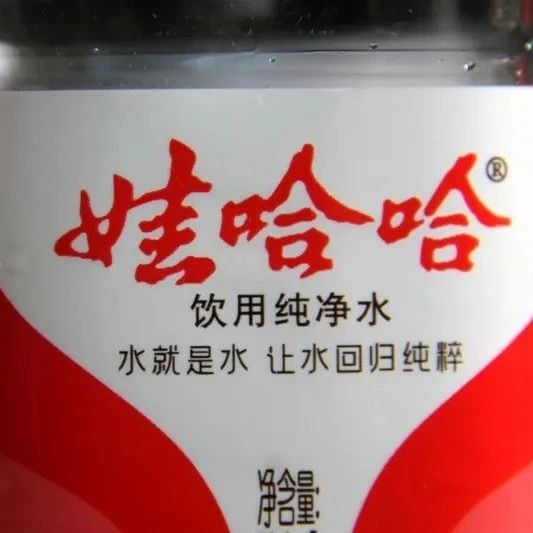
Core Viewpoint - The article discusses the ongoing inheritance dispute within Wahaha Group following the death of its founder, Zong Qinghou, highlighting the complexities of family dynamics, legal battles, and corporate restructuring that may impact the company's future [3][15]. Group 1: Inheritance Dispute - Three individuals claiming to be Zong Qinghou's illegitimate children have filed lawsuits in Hong Kong and Hangzhou courts to claim a share of a $2.1 billion trust and 29.4% equity in Wahaha Group, valued at over 20 billion yuan [3][12]. - The legal proceedings hinge on establishing paternity, as non-marital children have equal inheritance rights under Chinese law, but must prove their relationship through DNA testing [4][12]. - The key figure in the inheritance dispute is Du Jianying, a former high-ranking executive at Wahaha, who is alleged to be the mother of the claimants and has significant control over various subsidiaries [5][10]. Group 2: Corporate Restructuring - Following Zong Qinghou's death, Zong Fuli has taken over as chairman and initiated significant reforms, including the closure of 18 production facilities, which has caused internal unrest among employees [6][7]. - The closures primarily affected factories not under the control of Zong Fuli's enterprise system, while new production lines were established in other regions, indicating a strategic shift in operations [8][10]. - The restructuring efforts have raised concerns among distributors, with reports of three provincial distributors halting orders due to fears over supply stability amid ownership changes [15]. Group 3: Broader Implications for Family Businesses - The inheritance battle at Wahaha reflects a larger trend in China's private sector, where over 80% of private enterprises are family-owned and are facing succession challenges as the first generation of entrepreneurs ages [11][15]. - Family trusts are increasingly favored as a wealth management tool to protect family assets from business risks, but they require careful planning and integration with other financial strategies to be effective [14]. - The outcome of the Wahaha inheritance case may set important precedents for wealth transfer and family business governance in China, particularly regarding the rights of non-marital children and the validity of cross-border trusts [15].
境外账户穿透进行时:港股美股投资者为何要补税20%?
和讯· 2025-07-16 09:32
Core Viewpoint - The recent enforcement of a 20% personal income tax on overseas investment income signifies a shift towards stricter tax regulation in China, aiming to enhance tax compliance and control capital outflow while encouraging funds to return to the domestic market [2][6][9]. Group 1: Legal Basis for Taxation - The legal framework for taxing overseas investment income is established under the Individual Income Tax Law of the People's Republic of China, which mandates a 20% tax on various income types, including dividends and capital gains from foreign investments [3][4]. - Current tax reporting practices allow for some flexibility, such as the possibility of offsetting annual gains and losses, although losses cannot be carried over to subsequent years [3][4]. Group 2: Increased Tax Enforcement - The tax authority's intensified scrutiny is attributed to the previous lax enforcement environment and the implementation of the Common Reporting Standard (CRS), which facilitates international information exchange on financial accounts [6][8]. - The CRS is expected to expand its coverage to over 150 jurisdictions by 2025, enhancing the ability of tax authorities to track overseas income [7]. Group 3: Implications for A-Share Market - Stricter tax policies are anticipated to redirect capital flows back to the A-share market, as investors reassess their overseas investments in light of increased tax burdens [9]. - A more robust tax system is expected to foster a fairer competitive environment in the A-share market, potentially enhancing market vitality and long-term health [9]. Group 4: Continued Interest in Overseas Investment - Despite the new tax regulations, interest in overseas investments remains strong, with investors exploring compliant tax avoidance strategies [10][11]. - Strategies include utilizing domestic brokers for Hong Kong stock investments, which currently enjoy tax exemptions until the end of 2027, and investing in cross-border ETFs that adhere to domestic tax policies [12].

中国经济半年报释放了什么信号
和讯· 2025-07-15 10:16
Economic Growth and Indicators - China's GDP growth rate for the first half of 2025 is reported at 5.3%, with industrial added value increasing by 6.4% and fixed asset investment rising by 2.8% [1] - Social retail sales grew by 5.0% year-on-year, with a notable increase in June [1] - The total social financing scale reached 22.83 trillion yuan, an increase of 4.74 trillion yuan compared to the previous year [1] Urbanization and Structural Changes - The Central Urban Work Conference emphasized the need for integrated planning in population, industry, and urban development, transitioning from rapid growth to stable development [2] - The focus is on improving public services and developing a new model for real estate, particularly in urban villages and dilapidated housing [2] Consumption and Investment Dynamics - In the first half of the year, final consumption expenditure contributed 52% to economic growth, indicating that domestic demand, especially consumption, is the main driver of GDP growth [3] - Investment growth has been volatile, with fixed asset investment growth slowing to 2.8%, largely due to a significant decline in real estate investment [5][6] - Private investment decreased by 0.6%, but other sectors excluding real estate saw a 5.1% increase [6] Price Trends and Inflation - The Consumer Price Index (CPI) showed a slight increase of 0.1% in June, ending a four-month decline, while the Producer Price Index (PPI) fell by 3.6% [7][8] - The CPI's marginal recovery is attributed to stable industrial consumer goods prices and a relatively stable service price environment [9] Industry Challenges and Opportunities - Traditional industries are facing downward pressure on prices due to overcapacity and low-price competition, particularly in sectors like cement and steel [10][11] - The "anti-involution" strategy aims to address structural issues in supply and demand, promoting orderly exit of outdated capacities [11] - New growth drivers are emerging, but their impact is currently limited, necessitating a transition period for traditional industries [12]

国家发改委专家:“内卷式”竞争削弱价格信号灯功能,没有受益方
和讯· 2025-07-15 10:16
Core Viewpoint - The article emphasizes the resilience of China's economy in the first half of 2023, highlighting a GDP growth of 5.3% year-on-year, and the importance of balancing growth and transformation in future policies [1][2]. Economic Trends - The article identifies three key trends: 1. Long-term resilience in exports 2. Strong performance in the cultural and tourism consumption market 3. Accelerated growth in high-tech manufacturing, with its value-added growth outpacing that of all industrial sectors [2]. - The economic situation is summarized with four words: stable, real, new, and optimized, indicating a solid foundation for achieving annual economic and social development goals [2]. Policy Recommendations - There is a call to strengthen macroeconomic policies with a focus on people's livelihoods, emphasizing the need for effective interaction between investment and consumption [3][4]. - The article stresses the importance of expanding domestic demand and stabilizing growth, with a focus on improving consumption and addressing structural changes in the market [4]. Competition Issues - The article discusses the phenomenon of "involution" in competition, indicating that there are no beneficiaries in such a competitive environment, leading to a win-lose or lose-lose situation [5][6]. - It highlights the need for regulatory measures to address low-price and disorderly competition, promoting product quality and the orderly exit of outdated capacities [5][6]. Fair Competition - The distinction between fair competition and "involution" is crucial, as fair competition allows for dynamic equilibrium through price signals, while "involution" distorts these signals [6][7]. - The article advocates for the implementation of fair competition review regulations to ensure that industrial policies and competition policies work in tandem, allowing market forces to dictate production and operational behaviors [7][8]. Investment Strategies - The article suggests that attracting investment should focus on a chain-oriented approach, avoiding excessive competition for existing resources, and tailoring strategies to local advantages [8].

42家A股上市银行这项贷款余额超27万亿,上半年还在涨!
和讯· 2025-07-14 09:51
Core Viewpoint - In the first half of 2025, China's green finance has entered a new stage of systematic deepening and diversified breakthroughs, becoming a key engine for industrial transformation and high-quality development as the "dual carbon" strategy is implemented [1][11]. Group 1: Policy Dynamics - The policy system for green finance has become more systematic and comprehensive, with significant documents like the "Manufacturing Green Low-Carbon Development Action Plan" and "Green Sovereign Bond Framework" being released, marking a shift from a single focus on credit and bonds to a comprehensive financial support system for the entire industry chain [12][13]. - The concept of "transformation finance" has gained traction, with policies in regions like Jiangsu and Yunnan focusing on supporting the green transformation of traditional high-carbon industries, indicating a dual-track development model of green and transformation finance [12][14]. - The establishment of a green finance standard system has accelerated, with the release of the national standard "Green Finance Terminology" and frameworks for climate information disclosure, laying a solid foundation for identifiable, assessable, and regulated green finance [13]. Group 2: Market Data - China's green credit continues to lead globally, with a balance of green loans reaching 40.61 trillion yuan, a 9.6% increase from the beginning of the year, reflecting strong demand for low-carbon transformation [25][26]. - The green bond market has seen robust growth, with 294 green bonds issued in the first half of 2025, totaling approximately 500 billion yuan, indicating a significant year-on-year increase [21]. - The carbon market has expanded its coverage, with the trading volume of carbon emission allowances reaching 38.62 million tons and a transaction value of nearly 2.9 billion yuan in the first half of 2025, showing increased market activity [29][30]. Group 3: Enterprise Dynamics - Enterprises have significantly enhanced their practices in green finance, with a notable increase in financing scale and product diversity, as well as innovations in financial tools [37]. - Major banks have issued large amounts of green bonds, with Agricultural Bank of China issuing a record 60 billion yuan green bond, and other banks following suit with substantial issuances aimed at clean energy and green manufacturing [37][41]. - The trend of "going global" in green finance is evident, with institutions like ICBC issuing green bonds in international markets, enhancing China's influence in the global green finance landscape [38]. Group 4: Indexed Performance - The performance of green finance indices has shown significant differentiation, with the Guojin Green Finance 100 Index declining by 4.05% while the environmental index rose by over 10%, indicating varying market conditions within the green finance sector [2].
连续四个月销冠,零跑靠什么“杀疯了”?
和讯· 2025-07-14 09:51
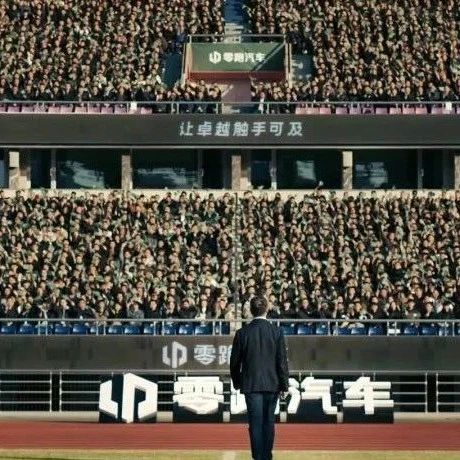
Core Viewpoint - The article discusses the significant transformation and growth of Leap Motor, particularly highlighting the launch of the new C11 model, which is seen as a key to the company's success in the competitive electric vehicle market [3][4]. Group 1: Company Transformation - Leap Motor has evolved from a struggling newcomer to a leading player in the new energy vehicle sector, achieving remarkable sales growth and market presence [3][4]. - The founder, Zhu Jiangming, has shown increased confidence and stability compared to his earlier appearances, reflecting the company's maturation [3][4]. - Leap Motor's stock price has risen from under 30 HKD at the beginning of the year to around 60 HKD, indicating strong market performance [3]. Group 2: C11 Model Significance - The C11 is Leap Motor's first mainstream vehicle, marking a pivotal moment in the brand's development, with a focus on "extreme cost performance" [6][8]. - The C11 has achieved impressive sales figures, with monthly sales projected to exceed 10,000 units by October 2024, following a trajectory of 1,000 units in 2021, 4,000 in 2022, and 7,000 in 2023 [6][8]. - The new C11 model features over 110 upgrades across various dimensions, maintaining a competitive price range of 149,800 to 165,800 CNY [6][8]. Group 3: Pricing Strategy - Leap Motor employs a cost-based pricing strategy, ensuring maximum value for consumers by anchoring prices to research and manufacturing costs [8][9]. - The pricing logic allows for significant value differentiation between high and low configurations, with the company prioritizing consumer value over pushing high-end models [9][10]. - This approach contrasts with competitors who often pursue high-end models first before expanding to lower price segments [10][11]. Group 4: Market Position and Challenges - Despite achieving sales leadership among new energy vehicle brands, Zhu Jiangming remains cautious, emphasizing the need for sustainable competitive advantages beyond just sales figures [13][14]. - Leap Motor faces challenges in converting sales into sustainable profitability, with a reported loss of 150 million CNY in Q1 2025 despite achieving breakeven in Q4 2024 [15]. - The company aims to build a resilient supply chain and channel ecosystem to support long-term growth and value leadership [15]. Group 5: Future Outlook - Leap Motor has set an ambitious target of selling one million vehicles annually within the next three years, with a strong belief in achieving profitability [18][19]. - The company has plans to launch additional product series (A, B, C, D) to expand its market presence, with confidence in the success of upcoming models [19].
腾讯音乐两个动作,价值300亿美元
和讯· 2025-07-11 10:00
Core Viewpoint - Tencent Music Entertainment Group has achieved a market value exceeding $30 billion, entering the top 10 of Chinese internet companies, but faces challenges in user growth and revenue generation as the domestic online music market approaches saturation [3][4]. Group 1: User Growth and Market Position - Tencent Music's user base has been declining, with monthly active users dropping to 555 million in the first quarter, a decrease of 1 million from the previous quarter [3]. - The company is expanding its Korean entertainment resources and investing heavily in acquiring leading audio platforms to counteract stagnation in growth [3][5]. Group 2: Acquisition of Ximalaya - Tencent Music announced the acquisition of Ximalaya for nearly $2.8 billion, aiming to tap into the online audio market [5][6]. - Ximalaya holds a 60.5% market share in listening time, but has faced revenue growth stagnation from 2021 to 2023, with revenues of 5.857 billion yuan, 6.061 billion yuan, and 6.163 billion yuan respectively [6]. Group 3: Long Audio Content Strategy - Tencent Music is focusing on long audio content, including audiobooks and podcasts, to enhance its content ecosystem, leveraging Ximalaya's extensive library [8][9]. - The company aims to create a comprehensive audio ecosystem by integrating music and long audio content, with a particular emphasis on literature and children's content [8][9]. Group 4: K-POP Market Expansion - Tencent Music is heavily investing in the K-POP market, having acquired a nearly 10% stake in SM Entertainment, a major player in the industry [11][12]. - The K-POP market is significant for Tencent Music, with exports to China growing by 76.4% year-on-year, highlighting the potential for revenue growth in this sector [10]. Group 5: Bubble Application Launch - Tencent Music launched the "Bubble" application, allowing fans to interact with K-POP idols, with a subscription fee of 28 yuan per month [13][14]. - The application has gained popularity, with over 2 million global subscribers and an annual revenue of approximately 3.98 billion yuan [12]. Group 6: Challenges and Future Outlook - Despite the strategic expansions, Tencent Music faces criticism regarding the pricing of its new services and the sustainability of its revenue models in a competitive market [14][16]. - The company is attempting to diversify its offerings and find new growth avenues, but the long-term monetization of these strategies remains to be seen [16].


钢铁,“反内卷”能复刻“供给侧改革”行情吗?
和讯· 2025-07-11 10:00
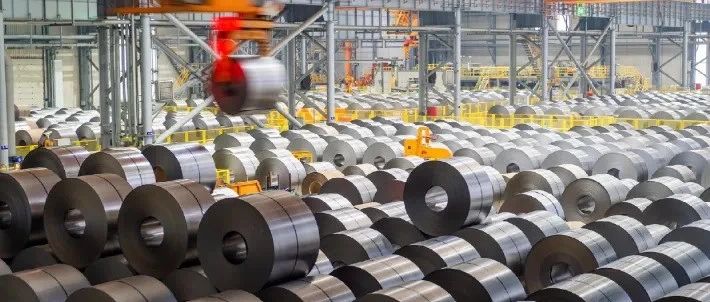
Core Viewpoint - The recent announcements from the Central Financial Committee regarding the governance of low-price disorderly competition and the orderly exit of backward production capacity have reignited optimism in the steel industry, leading to price increases in various steel products and stocks [1][2][6]. Group 1: Supply-Side Reform Restart - The Central Financial Committee's sixth meeting emphasized the need to promote the orderly exit of backward production capacity, marking the beginning of a new round of supply-side reform [2][3]. - The focus of the reform includes promoting high-quality production capacity and the consolidation of the industry through mergers and acquisitions [2][3]. - A joint initiative from 33 construction companies aims to combat "involution" in the industry, indicating a collective push for transformation [2]. Group 2: Steel Industry Dynamics - The China Iron and Steel Association has been actively promoting self-discipline among major steel companies to control production and reduce inventory [3][4]. - Major steel companies like China Baowu and Ansteel have undergone multiple rounds of restructuring, contributing to an increase in industry concentration from 41.4% in 2021 to 42% in 2024 [3]. - Current data indicates that while total crude steel capacity is not excessively overbuilt, actual production often exceeds designed capacity, leading to a higher overcapacity ratio [4]. Group 3: Cautious Optimism for Steel Prices - The phenomenon of "involution" in the steel industry is characterized by price competition leading to overall profit decline and resource wastage [5]. - The challenges facing the steel market are more complex than in previous cycles, with structural changes in demand and a weak real estate market limiting the potential for a repeat of past bullish trends [7]. - Despite the current low price levels of steel, the overall market environment is better than in 2015, but significant improvements in supply-demand dynamics are unlikely, necessitating close attention to policy implementation [7].


中信银行助力北京城市轨道交通全球首次实现“五大卡”拍卡过闸
和讯· 2025-07-11 10:00
Core Viewpoint - Beijing has upgraded its urban rail transit payment system to support JCB and American Express cards, making it the first city globally to offer comprehensive payment services from five major card organizations [1][2]. Group 1 - The new payment features allow foreign passengers to use JCB and American Express cards for quick access through the subway gates, enhancing payment convenience [1][2]. - The implementation involved system modifications for ticket machines and gates, ensuring efficient transaction processing and customized services for settlement and reconciliation [2]. - Over 30,000 external card acceptance stickers were produced and distributed across 29 operational lines and 523 stations, ensuring foreign visitors receive timely information [2]. Group 2 - Citic Bank is actively enhancing payment convenience not only in public transport but also in retail and dining sectors, aiming to meet the needs of foreign visitors in various scenarios [2]. - The bank plans to continue optimizing payment services in line with the People's Bank of China's directives, focusing on the needs of foreign nationals in China [2].