和讯

Search documents
太保家园苏州社区开业、大理社区二期投入运营 “十园十美”构画银发经济新风景线
和讯· 2025-05-29 09:33
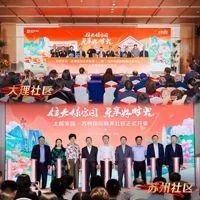
Core Viewpoint - China Pacific Insurance (CPIC) is expanding its high-quality elderly care community network, with the recent opening of the Suzhou International Elderly Care Community and the second phase of the Dali International Leisure Community, aiming to create a comprehensive elderly care ecosystem in China [1][7]. Group 1: Community Features - The Suzhou community integrates Jiangnan garden elements with professional medical care, offering a comprehensive range of services including medical care, rehabilitation, traditional Chinese medicine, and daily living assistance [3]. - The community has already signed contracts with 70 long-term residents and hosted nearly 2,000 insurance clients for tours during its trial operation [3]. - The Dali community has received over 60,000 overnight stays and more than 150,000 visitors since its first phase opened in October 2021, showcasing its appeal as a destination for elderly care [7]. Group 2: Addressing Aging Challenges - With the aging population in China, the number of dementia patients is rising, prompting the government to implement a national action plan for dementia care from 2024 to 2030 [5]. - CPIC has donated 500,000 yuan to support dementia care initiatives in Suzhou, including early screening and caregiver training [5]. - The Suzhou community features a dedicated "Le Yi Jia" area for dementia care, providing tailored support for different stages of cognitive decline [5]. Group 3: Cultural and Recreational Activities - The opening ceremony of the Suzhou community included a partnership with the Wu Culture Museum to promote cultural heritage, enhancing the experience for residents [7]. - The fourth customer service festival at CPIC's communities emphasizes tea culture, integrating it into the elderly care experience [9][12]. - A "Sunset Music Concert" featuring classical music was held to explore innovative approaches to high-quality elderly care, including music therapy for dementia patients [11]. Group 4: Future Plans and Market Strategy - CPIC aims to enhance its elderly care services across 15 communities in 13 cities, focusing on diverse product offerings and high-quality services to drive the "silver economy" [12]. - The company is committed to creating attractive new consumption scenarios in elderly care, responding to the growing demand for health, quality, and experience among the elderly population [7][12].


马斯克、黄仁勋,为何踏入华为“福地”?
和讯· 2025-05-28 10:05
Core Viewpoint - The article discusses the strategic shift in the Middle East towards becoming a hub for AI development, driven by significant investments and partnerships with major American tech companies, amidst geopolitical tensions and changing market dynamics [2][14]. Group 1: Economic Cooperation and Investments - During Trump's Middle East visit, a focus on economic cooperation was emphasized, with commitments from Saudi Arabia, Qatar, and the UAE to invest heavily in AI, semiconductor, defense, and energy projects [1][2]. - Major agreements were signed, including a $600 billion deal involving Nvidia and AMD, aimed at enhancing AI capabilities in the region [1][7]. - The establishment of the AI company Humain in Saudi Arabia, backed by the Public Investment Fund, aims to provide various AI services and infrastructure, with a goal of building a 1.9 GW data center by 2030 [5][6]. Group 2: Geopolitical Context and Market Dynamics - The Middle East is becoming a strategic base for global enterprises, particularly as companies seek stable markets amid fluctuating U.S. trade policies [2][3]. - The U.S. government's recent policy changes have facilitated American companies' access to the Middle East, allowing for significant commercial agreements, particularly in AI chip sales [6][7]. Group 3: Competitive Landscape - Both U.S. and Chinese companies are vying for opportunities in the Middle East's AI sector, with Huawei and other Chinese firms establishing a presence in the region [3][9]. - Huawei has shifted its strategy to focus on AI solutions, while facing challenges from U.S. export controls targeting its AI chips [10][11]. - Chinese companies like Lenovo and DeepSeek are also making inroads, establishing manufacturing bases and partnerships to meet local demand [11][12]. Group 4: Energy and Infrastructure - The Middle East's abundant energy resources are crucial for supporting AI infrastructure, with countries like the UAE and Saudi Arabia investing heavily in renewable energy projects [13][14]. - The region's energy capabilities position it as a key player in the global AI landscape, attracting interest from major tech firms seeking to leverage these resources [12][14].


五粮液携全链成果闪耀第二十届西博会 以创新力量推动白酒行业高质量发展
和讯· 2025-05-28 10:05
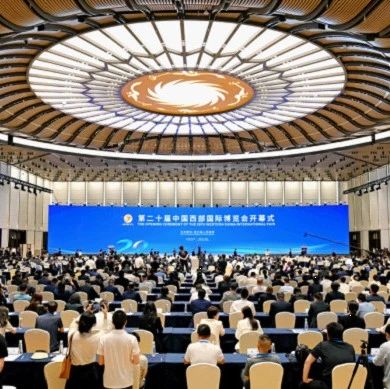
Core Viewpoint - The article highlights the participation of Wuliangye at the 20th China Western International Expo, showcasing its cross-industry integration and innovation in the liquor industry, emphasizing its development strategy of "strengthening liquor, optimizing non-liquor, and expanding platforms" [1][3][10]. Group 1: Event Overview - The 20th China Western International Expo was held in Chengdu from May 25 to 29, focusing on "deepening reform to increase momentum and expanding openness to promote development" [1]. - The expo serves as a significant platform for open cooperation in the western region, having been established in 2000 and successfully hosting 19 previous events [3]. Group 2: Wuliangye's Strategic Development - Wuliangye has evolved into a large state-owned enterprise group, with its core business in liquor and expansions into green packaging, machinery manufacturing, smart logistics, financial investment, and health industries [3][10]. - The company aims to create a win-win development model that integrates ecological, economic, and social aspects through its innovative practices [4][10]. Group 3: Exhibition Highlights - Wuliangye's exhibition showcased the entire industry chain from seed planting to liquor production, emphasizing its commitment to quality and innovation [6][9]. - The exhibition featured core products and demonstrated the traditional brewing techniques that have been passed down for over 700 years [9][10]. Group 4: Technological Innovation - Wuliangye has established multiple national and provincial innovation platforms, focusing on various aspects of the liquor production process, and has received numerous awards for technological advancements [9][11]. - The company is committed to continuous technological investment, enhancing its core liquor business and expanding its product and service range [11][12]. Group 5: Collaborative Partnerships - Wuliangye collaborates with various companies, such as Universal Group and Lichai Group, to enhance packaging and logistics, thereby improving the overall quality and efficiency of its operations [12][15][18]. - The logistics partner, Anji Logistics Group, has been instrumental in providing customized solutions for efficient and green management of the liquor supply chain [18].

汽车零部件是怎么打「出海逆风局」的?
和讯· 2025-05-27 10:11
Core Viewpoint - The article discusses the resilience of automotive parts suppliers in the context of U.S.-China trade tensions and recent tariff changes, highlighting their ability to adapt and maintain customer relationships despite geopolitical challenges [1][5]. Group 1: Impact of Tariffs - The company has managed to avoid significant impacts from U.S. tariffs due to agreements with clients that cover tariff costs, allowing for continued sales without price increases [1][4]. - The recent exemption of tariffs on automotive parts produced in Mexico under the USMCA agreement has provided relief to many companies, including the one discussed [4][5]. Group 2: Industry Dynamics - Automotive parts suppliers have shown unique resilience compared to complete vehicle manufacturers, as they are less affected by geopolitical tensions [1]. - The article emphasizes that the automotive parts industry has deeply integrated into the global supply chain, becoming a crucial production and supply base [6]. Group 3: Export Growth - Despite trade challenges, China's automotive parts export value reached $8.376 billion in March 2025, a 12.6% increase year-on-year, indicating steady growth in the sector [6]. - In the first quarter of 2025, exports amounted to $23.125 billion, reflecting a 4.5% year-on-year growth [6]. Group 4: Challenges in High-Tech Industries - High-tech industries, such as battery manufacturing, face more significant challenges in overseas expansion due to complex systemic issues and a lack of local supply chains in North America [7][8]. - The article notes that some Chinese companies' technological advancements may hinder their ability to adapt to the North American market, leading to delays in project implementation [7][8]. Group 5: Outbound Strategy - Automotive manufacturers prioritize market size and growth rates when expanding internationally, while parts suppliers focus on following their clients and selecting cost-effective locations for production [9][10]. - Southeast Asia and Mexico are highlighted as popular destinations for parts suppliers due to favorable demographics and proximity to the U.S. market [10].
一家芯片公司的困惑:有些问题并没结束
和讯· 2025-05-26 10:52
点开一看,这则 消息 写到:中方注意到,美国商务部近日发布指南,以所谓推定违反美出口管制为 由,企图在全球禁用中国先进计算芯片,包括特定的华为昇腾芯片。美方措施是典型的单边霸凌和保 护主义做法,严重损害全球半导体产业链供应链稳定,剥夺其他国家发展先进计算芯片和人工智能等 高科技产业的权利。 文 /高歌 5月21日一早,吴新的手机收到一条推送:商务部新闻发言人就美国企图全球禁用中国先进计算芯片 发表谈话。 这也使得集成电路行业可以成为观察内外部变化的最为 典型 的窗口:外部,美方滥用出口管制,对 中国进行遏制打压,行业发展因此受到一定的影响;内部,技术层面的受限也需要进行突破,行业自 身也面临着竞争极度激烈的境遇,一方面对资金仍然渴求,资本层面依赖上市融资获取持续研发资 金,IPO政策 仍待开闸 。 在吴新看来, 他所在的芯片设计行业受到关税摩擦的影响较为有限 ,但是来自技 术的制约的影响 更为深远。目前国内企业都在比拼谁能活得更久,行业格局仍然有待形成,可前路还没跑通,行业内 卷也来了。 中国半导体行业协会数据显示,国内芯片设计公司超过3800家,但55%的企业年营收不足1000 万。 "客观来看确实存在技术 ...

最大的确定性——中国企业关税战生存图景调查
和讯· 2025-05-26 10:52
Core Viewpoint - The article discusses the ongoing trade tensions between the US and China, highlighting the temporary pause in tariff increases and the resulting surge in shipping activity and container bookings from China to the US, while also expressing concerns about the long-term implications of these trade disputes [1][2][5]. Group 1: Trade Developments - On May 26, Trump agreed to extend the deadline for imposing a 50% tariff on the EU until July 9, indicating the volatile nature of global trade relations [1]. - Following a temporary halt on high tariffs on May 14, there was a significant increase in container bookings from China to the US, with certain categories like toys and sports goods seeing a 280% increase in bookings [2]. - Shipping companies adjusted prices significantly, with rates from Shanghai to New York increasing by 31.7% and from Shanghai to Long Beach by 22.0% after the temporary trade agreement [4]. Group 2: Economic Implications - The temporary 90-day pause in tariffs has led to increased activity at major ports in Asia, creating new job opportunities as companies rush to ship goods [3][4]. - The article notes that the average tariffs imposed by the US on Chinese imports have risen to 51.1%, while China's tariffs on US goods stand at 32.6%, indicating a significant escalation in trade barriers since the onset of the trade war [5][6]. - The uncertainty surrounding the trade situation continues to challenge businesses, requiring effective operational strategies and investment measures to navigate the prolonged period of instability [6][10]. Group 3: Future Outlook - There is a prevailing concern about whether the trade war will truly end, as the underlying tensions between the two economies remain unresolved [5][6]. - The article emphasizes the need for companies to build resilience in their supply chains and diversify their market strategies to survive in an era dominated by uncertainty [7][9]. - The Chinese government is focusing on stabilizing the economy and expanding high-level openness, which is seen as a significant certainty amid external uncertainties [8][9].
中国太保发布《2024年应对气候变化报告》
和讯· 2025-05-23 09:36
Core Viewpoint - China Pacific Insurance (CPIC) has released its "2024 Climate Change Response Report," showcasing its commitment to green development and enhancing climate resilience in the face of increasing climate change impacts [1] Group 1: Climate Change Impact and Response - Global natural disaster-related economic losses reached $318 billion in 2024, a more than 30% increase compared to the previous decade [1] - The recent typhoons "Capricorn" and "Bebinca" have caused significant economic damage in China, highlighting the urgent need to address climate change [1] - The insurance industry plays a crucial role as an economic stabilizer and social shock absorber in responding to climate change [1] Group 2: Green Insurance Innovation - CPIC has launched a total of 34 green insurance products, with 7 new products introduced in 2024, including the first shipping decarbonization insurance in China [2] - The company has developed an insurance model for mangrove CCER projects, providing a comprehensive solution for carbon sink loss risks [2] - By the end of 2024, CPIC's green insurance coverage is expected to exceed 147 trillion yuan [2] Group 3: Responsible Investment and Green Development - CPIC has established guidelines for responsible investment management, integrating ESG factors into the entire investment process [2] - The company has enhanced its ESG rating analysis system and conducted carbon accounting for its asset portfolio to gradually reduce carbon emissions [2] - By the end of 2024, CPIC's green investment scale is projected to exceed 260 billion yuan [2] Group 4: Climate Risk Assessment and Management - CPIC is addressing the challenge of climate risk quantification by developing climate risk assessment models tailored for Chinese insurance institutions [3] - The company has implemented a carbon emission reduction target, aiming for a 20% reduction in total operational carbon emissions by 2028 compared to 2023 [3] - CPIC is enhancing its carbon emission management system and adopting advanced energy-saving technologies to lower operational carbon emissions [3] Group 5: Global Cooperation and Future Outlook - CPIC actively participates in global climate actions and collaborates with international organizations and partners to enhance climate governance [4] - The company engages in dialogues on ESG practices with international peers and shares its experiences at global forums [4] - Looking ahead, CPIC aims to deepen its commitment to green development and promote the integration of finance with sustainable development [4]
黄奇帆:解读当下中国经济形势
和讯· 2025-05-23 09:36
Group 1: Key Changes from "Made in China 2025" - The foundation of China's modernization industrial system is manufacturing, aiming to break through technological barriers and enhance competitiveness from "large but weak" to "large and relatively strong" [2][3] - By 2024, China's manufacturing share of global manufacturing is projected to rise from 20% in 2010 to 34%, with manufacturing value added being twice that of the US and four times that of Japan and Germany [3] - China's manufacturing supply chain is unique globally, covering all 41 major categories recognized by the UN, with 40% of these categories being the largest in global production [3] - The export structure has shifted significantly, with exports increasing from over $1.6 trillion in 2010 (70% labor-intensive products) to over $3.4 trillion in 2024 (90% technology-intensive products) [3] - The shipbuilding export market share increased from 20% in 2010 to 55% in 2024, while automotive production reached over 30 million units in 2024, with exports exceeding 6 million units [3] Group 2: Changes in Production and Trade - The production method has fundamentally changed, with processing trade dropping from over 50% to 20% by 2024, while general trade has risen to 60%-70% [5] - The trade volume between China and ASEAN countries grew from $600 billion in 2019 to nearly $1 trillion in 2024, a nearly 70% increase [6] - Foreign investment has deepened, with annual foreign direct investment increasing from $20 billion in the 1980s to over $120 billion from 2010 to 2020 [7] Group 3: New Quality Productivity Development - The development of new quality productivity focuses on three tracks: strategic emerging industries, upgrading traditional industries, and the growth of productive service industries [9][12] - Traditional industries are expected to undergo green, low-carbon, and digital upgrades, with a focus on reducing resource consumption and improving recycling rates [10][13] - The productive service industry is seen as a new engine for economic growth, with its GDP share currently at around 27%, indicating significant potential for future development [14] Group 4: Open Economy Strategy - In the context of potential future trade tensions, China has established four principles and five strategies to maintain its openness and competitiveness [15] - The principles include preparing for challenges, maintaining confidence, safeguarding core interests, and addressing weaknesses [15] - The strategies highlight China's vast market, complete industrial chain, and the importance of technological innovation as key assets in its open economy approach [15]

请回孟羽童,董明珠要赚年轻人的钱
和讯· 2025-05-23 09:36
Core Viewpoint - The article discusses the dramatic reconciliation between Gree Electric's chairman Dong Mingzhu and her former protégé Meng Yutong, highlighting the strategic importance of their upcoming joint live-streaming event to attract younger consumers amid Gree's declining market position [3][4][10]. Group 1: Company Background and Current Situation - Gree Electric's revenue in 2022 was 190.038 billion yuan, marking a 7.31% decline year-on-year, representing the first negative growth in four years [9]. - In contrast, competitors Midea and Haier reported revenues exceeding 400 billion yuan and 290 billion yuan, respectively, significantly outpacing Gree [9][10]. - Gree's net profit exceeded 32 billion yuan in 2022, comparable to Midea's 38.5 billion yuan, but Gree's market valuation is only 2.3 times lower than Midea's [12]. Group 2: Strategic Moves and Market Positioning - The upcoming live-streaming event on May 23 is strategically timed to coincide with the 618 shopping festival, where the previous collaboration between Dong and Meng generated over 30 million yuan in sales [8][9]. - Gree's traditional reliance on air conditioning products, which account for over 70% of its revenue, limits its diversification and appeal to younger consumers [18][19]. - The company is undergoing a channel transformation to adapt to changing market dynamics, including a shift towards online sales and a reduction in sales expenses by 5 billion yuan [13][20]. Group 3: Brand Image and Consumer Engagement - Dong Mingzhu's personal brand and public persona are closely tied to Gree's image, and the reconciliation with Meng Yutong is seen as a move to improve Gree's brand perception and attract younger consumers [11][16]. - The "Dong Mingzhu Health Home" strategy aims to upgrade Gree's offline stores into experiential centers, integrating live-streaming and in-store experiences to enhance consumer engagement [21]. - Despite facing criticism and a declining market position, Gree's technological advantages in air conditioning still present opportunities for growth if effectively leveraged [22].


中国太保:深耕保险服务创新,多维参与生物多样性保护治理
和讯· 2025-05-22 10:33
2 025 年5月22日是 第25个国际生物多样性日,主题为"万物共生 和美永续",旨在呼吁以人与自 然和谐共生之道,创和美永续之路,推进全球生物多样性保护治理新进程。生物多样性是ESG领域 的重要议题之一,它指地球上所有生物及其生态环境的丰富性和变异性,也是维系生态系统稳定与人 类可持续发展的关键因素。 近年来,中国积极参与生物多样性全球治理,2022年,中国作为《生物多样性公约》第十五次缔约 方大会(COP15)的主席国,促成了《昆明-蒙特利尔全球生物多样性框架》的签署,为全球生物 多样性治理提供了明确路径。在国内,通过完善政策法规、优化就地保护体系、加强迁地保护等综合 措施,扎实推进生物多样性保护工作,取得了显著成效。 中国太保致力于探索生物多样性保护及气候变化协同治理,目前已将生物多样性保护列为公司ESG 和绿色金融发展的重要议题,以实际行动促进保险业积极参与生物多样性保护治理。 平衡人与动物关系,助力生物多样性和谐发展 随着生态保护工作的推进,野生动物种群数量逐渐上升,人与野生动物的冲突也时有发生。野生动物 肇事责任险是协调人与自然关系的重要举措,它既保障了人民群众的财产安全和人身权益,又推动了 野 ...