虎嗅APP

Search documents
百度暗藏了一支1200人的劲旅
虎嗅APP· 2025-08-24 03:26
Core Viewpoint - The article discusses the transformation and growth of Baidu's Wenku (文库) and Wangpan (网盘) services under the leadership of Wang Ying, highlighting the successful integration of AI technologies and the strategic planning that has led to significant user growth and profitability. Group 1: Company Performance and Strategy - Baidu Wenku has maintained profitability since 2023, with AI monthly active users exceeding 97 million, while Baidu Wangpan has over 80 million AI monthly active users [4][5]. - The teams have not expanded significantly since 2024, yet they have managed to increase their business volume, indicating effective execution of their strategic roadmap established in 2023 [4][5]. - The introduction of the Changzhou OS, a comprehensive content operation system, is a key milestone that integrates capabilities developed over two years [5][6]. Group 2: AI and Technological Advancements - Significant breakthroughs in multimodal capabilities have been achieved, particularly in video generation speed and cost, positioning Baidu as a leader in the industry [6][7]. - The launch of GenFlow, a multi-agent collaboration and scheduling system, has enhanced the ability to perform complex tasks through parallel processing and multimodal input/output [6][7]. Group 3: Execution and Team Dynamics - The team operates with a clear vision established from the outset, focusing on creating a one-stop platform for multimodal input, processing, and output [9][10]. - The strategic direction has remained consistent, with no major shifts or abandoned projects, reflecting a disciplined approach to execution [15][16]. - The team’s motivation stems from a shared belief in the transformative power of AI and a commitment to delivering impactful products [18][19]. Group 4: User Feedback and Product Iteration - User feedback is integral to product development, with a structured process in place to assess and respond to both positive and negative feedback [20][30]. - The success of new capabilities, such as AI camera and AI notes, is measured against user engagement metrics, ensuring that each product iteration aligns with user needs [21][29]. Group 5: Future Outlook and Goals - The company plans to complete its office suite and restructure academic resources by the end of the year, with further upgrades to GenFlow anticipated [47][48]. - The strategic focus will continue to evolve, with ongoing assessments of industry trends and user demands to ensure alignment with market needs [41][42].



为什么空姐不敢反抗白金卡?
虎嗅APP· 2025-08-24 03:26
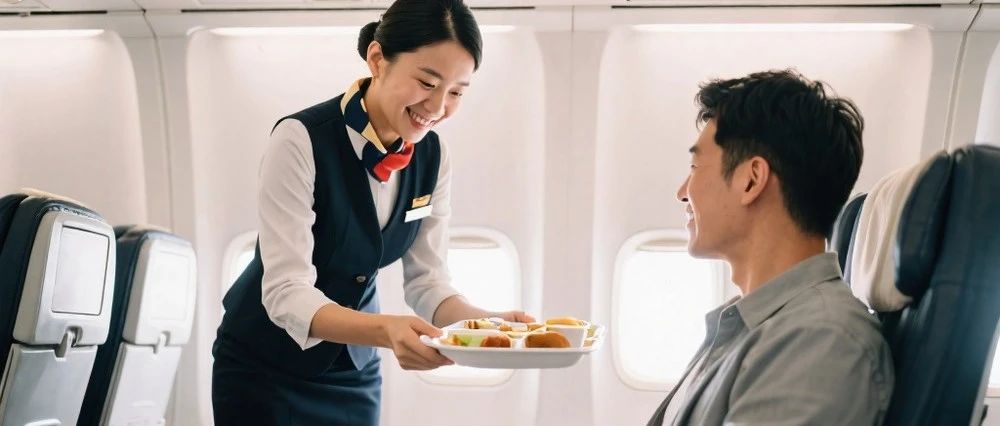
Core Viewpoint - The article discusses the challenges faced by flight attendants in the Chinese aviation industry, particularly in relation to the behavior of high-tier frequent flyers, referred to as "Platinum Card" members, who often exploit their status to demand special treatment and disregard safety protocols [4][10][29]. Group 1: Incident Overview - A recent incident involving a "Platinum Card" passenger on a Sichuan Airlines flight highlighted the unreasonable demands placed on flight attendants, as the passenger insisted on personally arranging in-flight meals despite safety regulations [4][6]. - The flight attendant maintained professionalism throughout the confrontation, but the situation revealed the emotional toll and pressure faced by cabin crew members [8][19]. Group 2: Industry Challenges - The article identifies a troubling trend where high-tier passengers feel entitled to special treatment, leading to a culture of harassment and disrespect towards flight attendants [13][19]. - The financial struggles of major airlines, as indicated by projected losses for the first half of 2025, exacerbate the situation, as airlines prioritize revenue from frequent flyers over the well-being of their staff [15][16]. Group 3: Broader Implications - The normalization of poor treatment towards flight attendants reflects a larger issue within the service industry in China, where the mantra of "the customer is always right" is often misused [26][29]. - The article warns that continued exploitation of flight attendants' dignity could lead to a talent drain in the aviation sector, as young professionals consider opportunities with foreign airlines that offer better working conditions [31].
净利暴跌九成:后董宇辉时代,东方甄选依旧很难过
虎嗅APP· 2025-08-23 13:30
Core Viewpoint - The departure of Dong Yuhui has significantly impacted Dongfang Zhenxuan's performance, leading to a substantial decline in revenue and profit, highlighting the challenges the company faces in its transformation efforts and reliance on key personnel [4][6][18]. Financial Performance - In the fiscal year 2025, Dongfang Zhenxuan reported a revenue of 4.4 billion yuan, a year-on-year decline of 32.7%, and a GMV of 8.7 billion yuan, down 39% [4][6]. - The net profit from continuing operations was 6.2 million yuan, a staggering drop of 97.5% year-on-year [7][9]. - Employee count decreased by approximately 25%, with 482 fewer employees compared to the previous year [9][18]. Market Position and Competition - Dongfang Zhenxuan's main account has fallen out of the top ten in sales rankings multiple times, with its lowest ranking at 22nd in October last year, while its competitor, "With Hui," has consistently maintained a top-three position [4][11]. - The user base has also declined, with Dongfang Zhenxuan losing approximately 186,200 followers, while "With Hui" gained over 1 million followers [11][12]. Transformation Challenges - The company is attempting to pivot towards an "online Sam's Club" model, focusing on high-quality self-operated products and a robust membership system, but faces significant hurdles in supply chain management and channel dependency [15][16]. - The GMV from the company's own app accounted for 15.7% of total GMV, up from 8.4% the previous year, indicating a shift towards reducing reliance on third-party platforms [16][17]. Membership Growth - The growth of paid membership has slowed, with only 65,700 new members added in the fiscal year 2025, compared to 74,800 in the second half of the previous fiscal year [17][18].

品牌的敌人,从来都不是大促
虎嗅APP· 2025-08-23 13:30
Core Insights - The article discusses the development of a "Consumer Quality Index" that evaluates the quality of products based on consumer purchasing behavior, aiming to provide a clearer understanding of consumer preferences and market trends [2][5][10] - It highlights the ongoing trend of consumption upgrading in China, where consumers are increasingly willing to pay for higher quality products, even during major sales events [12][16] Group 1: Consumer Quality Index - The "Consumer Quality Index" (CBI) is the first global brand value assessment system based entirely on actual consumer purchasing behavior, filling a gap left by traditional macroeconomic indicators [5][10] - The CBI has shown a significant increase, with the index rising from 63.38 in Q1 2025 to 65.17 in Q2 2025, indicating a 2.14% year-on-year growth [10] - This index reflects a shift in consumer behavior, where a substantial portion of consumers are moving towards brands that have recently entered the top 500 rankings [10] Group 2: Consumer Behavior and Sales Events - Contrary to traditional beliefs that major sales events lead to a decline in product quality, data shows that during events like "618" and "Double 11," the CBI actually increases, indicating consumers are more discerning and willing to invest in quality [16][18] - The article emphasizes that consumers view major sales as opportunities to purchase high-quality products at discounted prices, rather than merely as clearance sales [16][17] - The psychological impact of pricing during sales events plays a crucial role, as consumers perceive significant discounts on established brands more favorably than on lesser-known brands [17] Group 3: Brand Strategy and Market Dynamics - The article argues that brands should not view participation in major sales events solely as a means to boost short-term sales, but rather as an opportunity for brand value validation and consumer relationship building [27][29] - New brands particularly benefit from major sales events, as they can gain consumer attention and feedback quickly, allowing for rapid product iteration and market entry [26][27] - The CBI serves as a scientific framework for brands to understand consumer preferences and adapt their strategies accordingly, highlighting the importance of staying connected with consumer needs and market changes [29][30]

年轻人的鞋柜,到底被谁拿捏了?
虎嗅APP· 2025-08-23 13:30
Core Insights - The article discusses the rapid evolution of footwear preferences among young consumers, highlighting the decline of Crocs and the rise of Birkenstock and creek shoes as new trends in the market [4][5][6]. Group 1: Decline of Crocs - Crocs, once a symbol of "ugly fashion," generated $20 billion in revenue in 2023 but has seen a significant decline in growth, with revenue growth rates dropping from 14.6% in Q1 2024 to just 2.4% in Q1 2025 [7][10]. - The decline is attributed to a failure of "ugly fashion" to sustain itself as a cultural movement, with the brand's initial appeal being undermined by mainstream adoption and a shift in consumer preferences towards more expressive footwear [8][10]. - Crocs faces increased competition from cheaper alternatives on e-commerce platforms, which challenges its positioning as a "functional luxury" brand [10][11]. Group 2: Rise of Birkenstock - Birkenstock has capitalized on the decline of Crocs, with revenue increasing from under €300 million to €1.805 billion by the end of the 2024 fiscal year, driven by a 42% growth in the Asia-Pacific market [15][16]. - The brand's success is linked to its appeal to middle-class consumers, leveraging high-quality European production and ergonomic design to create a cultural and health-oriented identity [16][20]. - Despite its popularity, Birkenstock may not dominate the middle-class footwear market due to limited design variety and potential for consumer fatigue [18][20]. Group 3: Emergence of Creek Shoes - Creek shoes have gained traction among young consumers engaged in outdoor activities, with brands like KEEN leading the high-end market segment [21][22]. - The creek shoe market is characterized by a blend of functionality and fashion, with various brands offering products at different price points, from high-end to budget options [24][26]. - However, the creek shoe market faces challenges, including low repurchase rates and the risk of becoming a passing trend if consumer demand is primarily driven by fashion rather than functionality [27][28]. Group 4: Future Trends in Footwear - The article suggests that the next popular footwear trend may emerge from a combination of easily perceived functional value (comfort) and difficult-to-replicate cultural barriers (health or rebellion) [36]. - Young consumers are increasingly looking for versatile footwear that can adapt to various occasions, indicating a shift towards multifunctional designs [36][38]. - The evolving landscape of footwear reflects broader changes in consumer behavior, where identity and social value play significant roles in purchasing decisions [36][38].


年轻人开始拒绝出片式旅行了
虎嗅APP· 2025-08-23 09:08
Core Viewpoint - The incident at Ulanhad Volcano Scenic Area reflects a growing discontent among young travelers towards "photo-centric travel," indicating a shift in travel preferences and values [3][6][12]. Group 1: Incident Overview - On August 19, a 68-year-old cleaner was assaulted by tourists after he advised them against littering smoke sticks used for photography [4]. - The incident sparked public outrage, leading to calls for strict punishment of the assailants [5]. - The scenic area, known for its Mars-like landscape, has become a hotspot for tourists seeking unique photo opportunities [9][10]. Group 2: Shift in Travel Trends - The rise of "photo-centric travel" emphasizes capturing beautiful images over genuine travel experiences, leading to a superficial approach to tourism [13][15]. - Social media platforms, particularly Xiaohongshu, have fueled this trend by promoting specific photo spots, often at the expense of authentic travel experiences [17][18]. - The phenomenon has resulted in the emergence of numerous "internet celebrity" scenic spots, which prioritize aesthetics over visitor experience [19][20]. Group 3: Decline of Photo-Centric Travel - The decline of photo-centric travel began several years ago, marked by significant events such as the Xiaohongshu filter controversy, which revealed the deceptive nature of curated photo spots [27]. - In 2024, many scenic areas began banning commercial photography, responding to backlash from regular tourists who felt marginalized [29][30]. - This shift has led to a growing critique among young travelers regarding the purpose of travel, questioning whether it should be solely about taking photos [32]. Group 4: Emerging Travel Preferences - An increasing number of young travelers are prioritizing genuine experiences over merely capturing images, seeking meaningful interactions during their trips [33]. - There is a rising nostalgia for platforms that focus on detailed travel narratives rather than just photo opportunities, indicating a desire for richer travel content [34]. - Travelers are not opposed to taking photos but reject the notion of traveling solely for the sake of photography [35]. Group 5: Future Implications - The incident at Ulanhad Volcano Scenic Area serves as a significant marker of changing attitudes towards travel among young people [38]. - The evolution of travel consumption in China is moving towards a more sustainable and considerate approach, aligning with broader societal shifts towards altruism and environmental consciousness [39][40].

把战争悲剧归罪于男孩,成了日本的流行观点
虎嗅APP· 2025-08-23 09:08
Core Viewpoint - The article discusses the changing perception of the film "Grave of the Fireflies" in Japan, highlighting a shift from viewing the protagonist, Seita, as a victim of war to blaming him for his family's tragedy, reflecting a broader societal trend of individual blame in the face of collective suffering [6][30][31]. Summary by Sections Historical Context - "Grave of the Fireflies" has been a cultural symbol in Japan since its release in 1989, often aired around August 15, the anniversary of Japan's surrender in World War II, with a peak viewership of 20.9% [6][8]. - The film tells the story of Seita, a boy who loses his family due to the war, and is often seen as a reflection of the consequences of militarism and war [15][18]. Changing Perceptions - In recent years, a new narrative has emerged, labeling Seita as irresponsible and blaming him for the family's demise, which contrasts sharply with the traditional sympathy for his plight [21][30]. - This shift is particularly prevalent among younger generations, who argue that Seita's actions were selfish and that his aunt, who cared for them, should be viewed more favorably [28][30]. Societal Implications - The article suggests that this change in perception reflects a deeper societal shift in Japan towards a "blame the victim" mentality, where the struggles of the weak are increasingly viewed as their own fault [31][50]. - This mindset is linked to broader issues in Japanese society, including rising hostility towards marginalized groups and a growing trend of individualism over collectivism [36][50]. Political Context - The article connects these societal changes to political developments, noting that anti-immigrant sentiments and welfare cuts have gained traction, influenced by a narrative that frames vulnerable populations as societal burdens [45][50]. - The rise of conservative political parties in Japan, which capitalize on these sentiments, indicates a shift towards more exclusionary policies and a return to traditional values [46][58]. Conclusion - The narrative surrounding "Grave of the Fireflies" serves as a microcosm of Japan's evolving social attitudes, where historical reflection is increasingly overshadowed by individual blame and a lack of collective responsibility for societal issues [67][88].

卖不出去的写字楼要改成住宅区了?
虎嗅APP· 2025-08-23 09:08
Core Viewpoint - Shanghai has adjusted its "commercial to residential" ban for the first time in eight years, encouraging the transformation of commercial buildings to include rental housing and other functions to address high vacancy rates and commuting issues in major cities [4][6][8]. Group 1: Policy Changes - The new policy allows for the conversion of certain commercial buildings into rental housing, but it is not a blanket approval for "commercial to residential" conversions [6][7]. - The policy aims to expand the functionality of commercial buildings, including areas like rental housing, elderly care, cultural sports, and technological innovation [6][7]. Group 2: Market Context - Major cities like Beijing, Guangzhou, and Shenzhen are experiencing average vacancy rates of around 20% for Grade A office buildings, indicating a significant supply-demand imbalance [17][18]. - The high vacancy rates have led to a cycle of declining rents and asset devaluation, necessitating a shift in policy to address these challenges [18][20]. Group 3: Historical Background - Since 2017, various cities have implemented strict bans on "commercial to residential" conversions, which were initially aimed at curbing market chaos during a period of rapid real estate expansion [9][12]. - The introduction of these bans resulted in a significant decline in commercial property sales, with sales dropping from 1.3 trillion yuan in 2018 to 320.8 billion yuan by 2024 [13]. Group 4: Implications for Urban Development - The recent policy shift represents a move towards encouraging functional optimization of commercial properties, potentially leading to a more sustainable urban development model [15][32]. - "Commercial to residential" conversions can alleviate high inventory pressures in the commercial market and provide new solutions for activating existing assets [32][34]. Group 5: Challenges Ahead - While the policy opens new possibilities for urban living, it also raises concerns about management issues, safety standards, and community acceptance of mixed-use developments [39][40].

B站学会闷声赚钱了
虎嗅APP· 2025-08-23 03:36
Core Viewpoint - Bilibili has stabilized its operational rhythm after a challenging first quarter, achieving significant revenue growth and profitability in Q2 2025, marking a turnaround from previous losses [5][7]. Financial Performance - In Q2 2025, Bilibili's revenue reached 7.34 billion yuan, a year-on-year increase of 20%, with net profit and adjusted net profit hitting historical highs of 220 million yuan and 560 million yuan respectively [5][9]. - The revenue breakdown for Q2 2025 shows that value-added services, advertising, gaming, and IP derivatives accounted for 39%, 33%, 22%, and 6% of total revenue, respectively [9][11]. User Engagement and Community Dynamics - Monthly Active Users (MAU) increased by 8% year-on-year to 363 million, with a slight decline of 5 million from the previous quarter, indicating improved operational efficiency and user retention [7][23]. - The average age of Bilibili users has risen to 26, with new users averaging 22 years old, reflecting a shift in consumer behavior towards subscription-based services among younger generations [11][20]. Advertising and Revenue Streams - Advertising revenue grew by 20% year-on-year to 2.45 billion yuan, with performance ads seeing nearly 30% growth [11][13]. - The top five advertising sectors in Q2 2025 were gaming, digital appliances, e-commerce, online services, and automotive, with gaming remaining a core component of Bilibili's content ecosystem [13][16]. Gaming Business Performance - Bilibili's gaming revenue surged by 60% year-on-year to 1.61 billion yuan, continuing a trend of high double-digit growth over four consecutive quarters [16][18]. - The success of long-standing games and new updates for titles like "Three Kingdoms: Strategy" contributed significantly to this growth, with expectations for continued performance in upcoming quarters [18][20]. Content Consumption and Community Growth - Daily Active Users (DAU) reached a record high of 109 million, with a year-on-year increase of 7%, while MAU growth indicates a healthy community engagement [23][25]. - Bilibili's content consumption remains strong, particularly in the anime sector, with a 25% increase in viewing time for related content [25][26]. Future Outlook and Strategic Initiatives - Bilibili is focusing on enhancing its advertising infrastructure and leveraging AI technologies to improve content quality and user engagement [14][30]. - The company is also expanding its gaming portfolio, with several new titles awaiting approval, indicating a robust pipeline for future growth [20][22].


国产脱毛仪之王,坑惨年轻人
虎嗅APP· 2025-08-23 03:36
Core Viewpoint - The article discusses the rise of the home hair removal device market, particularly focusing on the brand Ulike, which has captured a significant market share but faces challenges related to product quality and customer service [4][5][21]. Market Overview - The global home hair removal device market is estimated to be worth approximately $4.397 billion in 2023, with projections to reach $12.86 billion by 2030, reflecting a compound annual growth rate (CAGR) of 15.7% from 2024 to 2030 [20]. - Ulike holds over 70% market share in the domestic market, with major competitors including Philips, Panasonic, and Braun, which collectively account for about 56% of the market [5][20]. Consumer Sentiment - Many consumers, particularly those identifying as "kiwifruit girls," express anxiety over body hair, leading to a surge in demand for hair removal products, with related discussions on social media platforms garnering over 240 million views [4][20]. - However, there are significant complaints regarding Ulike's products, including reports of skin irritation and inadequate customer service, which have led to dissatisfaction among users [7][11][21]. Brand Strategy - Ulike initially positioned itself as a Korean brand to leverage the popularity of Korean beauty products, employing various marketing strategies including celebrity endorsements and social media promotions [13][14]. - Despite its growth, Ulike has faced multiple penalties for advertising violations and has been criticized for its customer service and product quality [15][21]. Regulatory Environment - The beauty device market is expected to face increased regulation, particularly for products like radiofrequency devices, which will require certification starting April 1, 2026 [22]. - Ulike and its competitor Jmoon are currently operating in a regulatory window, raising questions about their compliance in the future [22]. Consumer Behavior Trends - There is a growing trend among consumers to critically evaluate the marketing messages surrounding hair removal and beauty devices, with some users expressing that body hair should not be stigmatized [23]. - The article highlights a shift in consumer attitudes, suggesting that Ulike must improve its customer service and product quality to maintain its market position and appeal to a more discerning consumer base [23].