虎嗅APP

Search documents
感谢美国:五毛一度的中国电,换个姿势就能卖11元
虎嗅APP· 2026-03-01 09:28
Core Viewpoint - The article draws a parallel between the invention of the shipping container and the emergence of Tokens in the AI industry, suggesting that Tokens serve as a standardized unit for measuring and trading intelligent services, enabling China to export intellectual capabilities on a large scale [4][5][10]. Group 1: Token as a New Export Mechanism - Tokens represent the smallest unit of processing in large language models, allowing for the quantification and trading of intelligent services [7][9]. - The mechanism of Token export allows China to leverage its surplus renewable energy by converting it into Tokens, which can be sold globally without the need for physical power lines [10][15]. - The rapid growth in Token consumption in China is evidenced by a 300-fold increase in daily Token usage from 1 trillion to 30 trillion within a year and a half [16][15]. Group 2: Economic Efficiency of Token Export - Selling Tokens is significantly more profitable than traditional electricity exports, with potential returns of 11 times the cost of electricity when converted into Tokens, compared to only 0.5 yuan per kilowatt-hour for direct electricity sales [22][24]. - The article highlights that the current pricing of Tokens in China is competitive, with the potential for further growth as the market matures [37][39]. Group 3: Challenges and Competitive Landscape - The article discusses the structural challenges facing Chinese AI models, including brand recognition, model capability, ecosystem trust, and geopolitical pressures that affect pricing and market access [28][32][36]. - The competitive landscape is marked by aggressive pricing strategies among domestic AI firms, which could impact profitability and reinvestment capabilities [39][40]. - The long-term sustainability of Token exports may be threatened by data localization laws and the need for local data centers, which could increase operational costs [43]. Group 4: Future Outlook - The article concludes that the transition from exporting physical goods to exporting Tokens represents a significant shift for China, allowing it to capitalize on its energy resources while navigating geopolitical constraints [44]. - The ongoing competition between Chinese and American AI models is framed as a strategic battle, with China positioned to offer lower-cost solutions while the U.S. maintains higher pricing due to brand prestige [44].

历史上第一次,AI成为裁员公开理由
虎嗅APP· 2026-03-01 09:28
Core Viewpoint - The article discusses the significant shift in corporate culture regarding layoffs, particularly highlighting Block's CEO Jack Dorsey's decision to lay off nearly half of the workforce due to the efficiency brought by AI, marking a departure from traditional narratives surrounding layoffs [7][20][49]. Group 1: Layoff Announcement and Rationale - Jack Dorsey announced a reduction in Block's workforce from over 10,000 to under 6,000, resulting in more than 4,000 layoffs, while providing substantial severance packages [5][8]. - Despite the layoffs, Dorsey emphasized that the company's business remains strong, with growing gross profits and an expanding customer base, indicating that the layoffs were not due to financial struggles but rather a strategic move to leverage AI [7][11]. - The market reacted positively to the news, with Block's stock price rising over 24% after the announcement, suggesting that investors supported the decision [9]. Group 2: Redefining Layoffs - Dorsey's approach to layoffs represents a shift in narrative, where layoffs are no longer seen as a sign of failure but rather as a necessary adaptation to technological advancements, specifically AI [20][21]. - This change in narrative allows companies to justify layoffs without the stigma traditionally associated with them, as Dorsey positions AI as the reason for needing a leaner workforce [21][22]. - Other companies are expected to follow suit, as Dorsey's actions have opened the door for a new discourse around layoffs and AI's role in the workforce [22][30]. Group 3: Impact of AI on Employment - The article highlights that AI is not just a tool but is actively replacing jobs, with predictions indicating that by 2030, AI and automation could eliminate 6.1% of jobs in the U.S., equating to approximately 10.4 million positions [29]. - Unlike previous technological revolutions that created new job opportunities, AI is leading to a decrease in entry-level positions, as companies no longer need to train new employees when AI can perform tasks more efficiently [35][36]. - The article warns that the current job market may not see the emergence of new roles to replace those lost to AI, challenging the historical notion that technological advancements create new job opportunities [33][34]. Group 4: Corporate Responsibility and Market Dynamics - The article discusses the lack of accountability in the current job displacement scenario, as layoffs are not attributed to poor company performance but rather to the efficiency of AI tools [40][41]. - The market rewards efficiency over employment, as evidenced by Block's stock price increase following the layoffs, indicating that shareholder interests prioritize returns over job security [44]. - Companies are encouraged to redefine their value propositions in light of AI's capabilities, focusing on roles that require deep thinking, creativity, and emotional intelligence, which AI cannot replicate [47][48].

携程算是踢到钢板了
虎嗅APP· 2026-03-01 02:46
Core Viewpoint - Ctrip is experiencing significant financial success, but underlying issues in its core business and management changes raise concerns about its future sustainability [5][8][30]. Financial Performance - In 2025, Ctrip achieved a revenue of 62.4 billion yuan, a year-on-year increase of 17%, nearly double the overall growth rate of the domestic tourism sector at 9.2% [6]. - The net profit attributable to shareholders reached 33.294 billion yuan, a staggering increase of 94.74%, marking the highest profit record since the company's inception, with a net profit margin exceeding 50% [6]. - However, the surge in net profit is largely attributed to non-core business activities, with "other income" accounting for 21.321 billion yuan, a dramatic increase of 860% [12]. Management Changes - The announcement of the resignation of co-founders Fan Min and Ji Qi has caused significant market reactions, with Ctrip's stock dropping over 4% on the day of the announcement [8]. - This leadership change occurs amidst a backdrop of impressive financial results but raises questions about the company's future direction and stability [8][34]. Core Business Analysis - Ctrip's core business profitability is declining, with operating profit for 2025 at only 13.4 billion yuan, a decrease of 16.1% from 2024 [13]. - The company's revenue structure is increasingly unbalanced, with accommodation and transportation contributing 78% of total revenue, but only accommodation showing steady growth [19]. - Rising costs are squeezing profit margins, with operating costs increasing by 21% and sales and marketing expenses rising by 25%, outpacing revenue growth [20]. Strategic Initiatives - Ctrip is attempting to counteract market concerns through globalization, AI innovation, and inbound tourism, but these initiatives are heavily reliant on policy changes and may not deliver immediate commercial value [23]. - The international platform business saw a 35% revenue increase, but this growth is largely driven by favorable policy changes rather than sustainable competitive advantages [23]. Market Position and Competition - Ctrip maintains a dominant market position in the domestic OTA industry, with a GMV market share of approximately 56%, and over 80% in the high-star hotel online booking market [28]. - The company's high gross margin of over 80% is primarily due to its market dominance rather than product differentiation, leading to significant profit disparities within the industry [26][30]. Regulatory Challenges - Ctrip faces increasing scrutiny from regulatory bodies regarding its market practices, including allegations of monopolistic behavior and unfair restrictions on partner businesses [32]. - The recent leadership changes may be a strategic move to address regulatory pressures and facilitate compliance efforts [34][36].

中东战火再起,油价未必暴涨
虎嗅APP· 2026-03-01 02:46
Core Viewpoint - The escalation of conflict in the Middle East, particularly the military actions between Israel and Iran, is expected to have significant impacts on the capital markets, with certain sectors like oil and precious metals likely to benefit from the situation [2][5]. Group 1: Impact on Oil Market - The Middle East is a crucial region for global oil supply, with OPEC members like Saudi Arabia, Iraq, and the UAE contributing significantly to global production. Any disruption in this area could lead to systemic impacts on global supply [8]. - The strategic importance of the Strait of Hormuz, which accounts for about 20% of global seaborne oil traffic, means that any changes in security expectations could rapidly increase transportation costs [8]. - The escalation of conflict raises risks of oil supply interruptions and increased transportation challenges, which in turn could drive up shipping rates [9][10]. Group 2: Demand for Oil Transportation - The demand for oil transportation is influenced by three main variables: shipping volume, distance, and inventory needs. An increase in shipping distance due to conflict will elevate shipping rates [10][11]. - The expectation of rising oil prices often leads refineries and traders to increase inventory, further amplifying transportation demand in the short term [11]. Group 3: Chemical Industry Implications - The chemical industry, which relies heavily on oil and naphtha as core raw materials, may also benefit from rising oil prices due to increased raw material costs and potential supply disruptions [12]. - The Middle East is not only a key oil production area but also a significant hub for petrochemical production. Any disruptions could lead to temporary supply shortages, pushing prices higher for certain chemical products [12]. Group 4: Gold as a Safe Haven - The escalation of geopolitical tensions typically drives investors from risk assets to safe-haven assets like gold. Additionally, rising oil prices can heighten inflation expectations, further increasing gold's appeal as an inflation hedge [13]. Group 5: Long-term Market Trends - The short-term impacts of war on capital markets are often characterized by risk premium releases, but the long-term trends are more closely tied to oil price movements [14]. - Sustained increases in oil prices could lead to higher inflation expectations, which may alter the Federal Reserve's interest rate path, thereby affecting the broader capital markets [15]. Group 6: Oil Price Dynamics - Unlike gold, oil supply can be quickly adjusted in response to price changes, as higher prices can stimulate capital expenditure in shale oil and allow OPEC+ to release idle capacity [17]. - Historically, significant oil price surges occur only when there is a structural disruption in the supply system that cannot be quickly repaired [18]. Group 7: Probability of Supply Disruptions - The current escalation in the Middle East may influence market expectations but is unlikely to lead to uncontrolled oil price increases unless critical supply channels are affected, such as a blockade of the Strait of Hormuz [19]. - The likelihood of a long-term blockade is considered low, as both the U.S. and Iran have reasons to avoid such a scenario, which would severely impact their economies [20][21].

默茨来华,“敲打”得醒大众奔驰宝马吗?
虎嗅APP· 2026-03-01 02:46
Core Viewpoint - German automotive companies are facing significant challenges in the Chinese market due to strategic missteps, particularly in the areas of electrification and hybrid technology, which have led to declining sales and market share [5][8]. Group 1: Strategic Missteps - German Chancellor Merz criticized German automakers for their poor sales in China, attributing it to strategic errors, including a focus on low-cost fuel vehicles that missed the electrification opportunity [5]. - The share of German companies in joint ventures in China is substantial, with BMW and Volkswagen both having a 75% stake in their respective partnerships, yet they still struggle with sales [5]. - Merz emphasized the need for German automakers to learn from Chinese companies and respect local market demands to secure their future [5]. Group 2: Local Adaptation and Investment - BMW has invested over 120 billion yuan in its Shenyang production base and is establishing four R&D innovation centers and three software companies in China to enhance local development [8]. - The first domestically produced new-generation BMW iX3 is set to debut at the Beijing Auto Show in April 2026, showcasing a commitment to localize production and development [8]. - Mercedes-Benz is also focusing on local partnerships, having announced collaborations with Chinese tech firms to enhance its offerings in the smart driving sector [8][16]. Group 3: Market Performance and Challenges - BMW's market share in China has dropped to levels seen a decade ago, with a year-on-year decline of 11.2% in the first three quarters of 2025 [8]. - Mercedes-Benz's sales in China fell by 19% in 2025, marking the second consecutive year of over 10% decline, indicating a need for a shift towards technology-driven luxury [16]. - Volkswagen's sales in China have also decreased by 8%, with the company facing challenges in transitioning to electric and hybrid vehicles while maintaining its fuel vehicle market [18]. Group 4: Technological Transition - The concept of "oil-electric intelligence" is being pursued by both Mercedes-Benz and Volkswagen, aiming to integrate smart driving features into traditional fuel vehicles [18][26]. - However, there are significant challenges in implementing smart driving technologies in fuel vehicles due to their existing electrical architecture and consumer perceptions [24][26]. - The reluctance of traditional automakers to fully embrace a shift in their business models and supply chains is hindering progress in smart driving technology [26]. Group 5: Future Outlook - The collaboration between German and Chinese automotive companies is seen as essential for navigating the transition to electric and hybrid vehicles while maintaining competitiveness in the global market [29]. - The recent EU decision to exempt certain Chinese-produced vehicles from tariffs signals a potential easing of trade tensions and highlights the importance of cooperation in the automotive sector [29]. - The challenge remains for German automakers to effectively engage the large base of fuel vehicle owners in China and transition them to smart, electrified options [30].

第一批租不掉的写字楼,酒店接盘了
虎嗅APP· 2026-02-28 13:42
Core Viewpoint - The article discusses the transformation of office spaces into hotels in response to high vacancy rates in commercial real estate, highlighting a trend where hotel brands are increasingly occupying office buildings to adapt to changing market demands [8][12][24]. Group 1: Market Trends - High vacancy rates in office buildings are prompting owners to convert spaces into hotels, as seen in cities like Hangzhou, where vacancy rates are approaching 25%-30% [12][14]. - Major cities such as Shanghai and Shenzhen have also experienced similar trends, with some areas exceeding 30% vacancy rates [12][14]. - The trend of hotels occupying office spaces is not limited to one city; it is a nationwide phenomenon across China [9][12]. Group 2: Case Studies - Specific examples include the transformation of the former China Agricultural Bank headquarters in Foshan into a hotel and the conversion of a state-owned enterprise's office building in Nanjing into a hotel [8][9]. - In Shanghai, the New Mei Plaza has transitioned from an apartment to an office and back to a hotel, showcasing the fluidity of space usage [8]. Group 3: Economic Implications - The shift from office to hotel space is seen as a strategy for property owners to recover costs quickly, while hotel brands benefit from lower acquisition costs [9][20]. - The article notes that hotel occupancy rates in certain areas remain high, with mid-range hotels achieving over 85% occupancy during peak times [18]. Group 4: Global Context - The article draws parallels with global cities like New York and London, where similar trends of converting office spaces into hotels have been observed, indicating a broader shift in commercial real estate dynamics [22][24]. - The adaptive reuse of office buildings into hotels is seen as a response to the shrinking demand for traditional office spaces due to changes in work patterns and the rise of flexible working arrangements [22][24]. Group 5: Future Outlook - The ongoing transformation suggests a long-term change in how commercial spaces are utilized, moving from a focus on traditional office rentals to a more service-oriented approach that meets evolving consumer demands [26]. - The article emphasizes the need for property owners to shift their mindset from merely collecting rent to providing services that enhance the value of their properties [26].

萨洛蒙正在接棒始祖鸟
虎嗅APP· 2026-02-28 13:42
Core Viewpoint - Amer Sports has reported impressive financial results for 2025, with total revenue reaching $6.566 billion, a 27% year-on-year increase, and operating profit rising 49% to $702 million. The Salomon brand has been a key driver of this growth, particularly in the mountain outdoor apparel and equipment segment, which saw a 31% increase to $2.404 billion in revenue [3][5]. Group 1: Salomon's Performance - Salomon's annual sales have surpassed $2 billion for the first time, with footwear sales alone exceeding $1 billion in 2024 [4]. - The outdoor functional apparel segment, led by Arc'teryx, also showed robust growth, with a 30% increase to $2.856 billion in 2025, and a notable 34% growth in Q4 [5]. - Salomon's strategic focus on footwear and female consumers has been pivotal in driving growth, especially as the brand seeks to balance the slowing growth of Arc'teryx [5][16]. Group 2: Market Expansion and Strategy - Salomon has aggressively expanded its retail presence in the Greater China region, adding 33 new stores in Q4 2025, compared to Arc'teryx's 15 new stores globally [9]. - The brand's strategy includes a focus on high-end flagship stores in major urban centers, with plans for continued expansion in key markets [14]. - Salomon's growth in the Asia-Pacific region has been significant, with a 50.7% increase in 2025, and the brand is expected to continue its aggressive expansion in this area [11][13]. Group 3: Female Consumer Engagement - Salomon has successfully connected with younger female consumers, with women now representing 50% of its customer base in China [7]. - The brand's marketing strategies, including collaborations with fashion designers and the introduction of products appealing to young women, have contributed to this engagement [7][8]. - The focus on female products is also reflected in the growth of Arc'teryx's women's category, which has seen over 40% year-on-year growth in Q4 2025 [20]. Group 4: Future Outlook - Amer Sports aims to leverage the growth of Salomon and Arc'teryx to establish a strong long-term growth trajectory, with a focus on footwear and female markets as key growth drivers [22]. - The company is also addressing potential challenges related to balancing trendiness with professionalism and ensuring that the full-category transformation does not dilute its premium positioning [22].

白宫正式封杀Anthropic:成为国家公敌,他们只用了48小时
虎嗅APP· 2026-02-28 13:42
Core Viewpoint - The article discusses the rapid downfall of Anthropic, a prominent AI company, following a controversial statement against Chinese AI firms, leading to its designation as a national security risk by the U.S. government, ultimately resulting in a loss of contracts and market position [4][5][39]. Group 1: Anthropic's Controversial Statement - On February 23, 2026, Anthropic publicly accused Chinese companies of illegally distilling its AI model, Claude, claiming a similarity of 87%-94% in specific benchmark tests [10][12]. - This statement was seen as a desperate attempt to align with U.S. national security interests, positioning Anthropic as a defender against perceived threats from China [15][18]. - The CEO, Dario Amodei, aimed to prove his loyalty to the U.S. government, but this backfired dramatically within 48 hours [20][21]. Group 2: Government Response and Fallout - Following the statement, President Trump ordered all federal agencies to cease using Anthropic's technology, labeling the company's executives as "left-wing nut jobs" [5][34]. - The Department of Defense designated Anthropic as a supply chain risk, effectively banning any contractors from engaging with the company [5][39]. - Anthropic was given a six-month transition period to cease operations, with severe consequences for non-compliance [6][36]. Group 3: OpenAI's Strategic Advantage - In the wake of Anthropic's downfall, OpenAI quickly negotiated a new agreement with the Pentagon to deploy its models, effectively filling the void left by Anthropic [42][48]. - OpenAI's CEO, Sam Altman, publicly supported the same ethical guidelines that Anthropic refused to accept, which led to a favorable reception from the government [51][52]. - This situation highlighted a stark contrast in how the two companies were treated by the government, emphasizing that the issue was more about corporate attitude than the principles themselves [54][56]. Group 4: Industry Implications - The incident signifies a shift in the AI industry, where companies may increasingly divide into those that embrace military contracts and those that adhere to ethical standards [79][81]. - The downfall of Anthropic serves as a cautionary tale for other tech firms about the risks of intertwining national security with commercial interests [71][75]. - The article concludes that idealism in the tech industry may no longer be viable, as companies must navigate a landscape where pragmatism often trumps principles [80][81].

爱奇艺步子迈大了
虎嗅APP· 2026-02-28 13:42
Core Viewpoint - iQIYI has reported a financial performance that appears to be a rebound in a contracting long-video industry, but deeper analysis reveals significant reliance on membership revenue and potential vulnerabilities in content supply and advertising growth [5][6][8]. Financial Performance - In 2025, iQIYI's total revenue reached 27.29 billion yuan, with a Non-GAAP operating profit of 640 million yuan, marking four consecutive years of operational profitability [5]. - Membership service revenue accounted for 61.6% of total revenue, indicating a strong dependency on user payment willingness and content quality [6]. - In Q4 2025, membership revenue was 4.11 billion yuan, representing 60.5% of quarterly revenue, highlighting the critical role of user engagement [6]. Advertising Revenue - The advertising segment generated 1.35 billion yuan in Q4 2025, showing a 9% quarter-on-quarter increase, but this growth is primarily driven by short-term optimizations rather than sustainable improvements in platform value [8]. - The growth in advertising revenue is heavily reliant on the success of head content, which poses risks if audience interest wanes [8]. Content Strategy - iQIYI is focusing on deep development of IPs as a solution to the volatility in the long-video sector, yet it remains in the early stages of this strategy, with only two series achieving significant viewer engagement [9][11]. - The platform's claim of having 20,000 short dramas and over 10,000 comic dramas is misleading, as over 70% of this content is free, indicating a focus on traffic rather than monetization [11]. International Expansion - iQIYI's overseas business is seen as a potential growth avenue, with overseas membership revenue growing over 30% in 2025, but this growth is based on a small user base and may not be sustainable [13][14]. - The company plans to enhance its content offerings in emerging markets, but faces challenges such as low user payment capacity and inadequate copyright protections [14][15]. Offline Experience Business - The launch of iQIYI's offline amusement park in Yangzhou is a significant step, but its success relies heavily on ticket sales and in-park consumption, raising concerns about long-term profitability [16][18]. - The expansion of offline parks may increase financial pressure, as the current operating profit of 640 million yuan is insufficient to support large-scale operations [19]. AIGC Technology - iQIYI is investing in AIGC technology to reduce production costs and attract more creators, but the current implementation lacks depth and is primarily limited to low-barrier content [21][22]. - The company's AIGC initiatives are still in early stages and have not yet demonstrated the transformative potential that is being claimed [22][23].


印度想多了,硅谷没少想
虎嗅APP· 2026-02-20 09:23
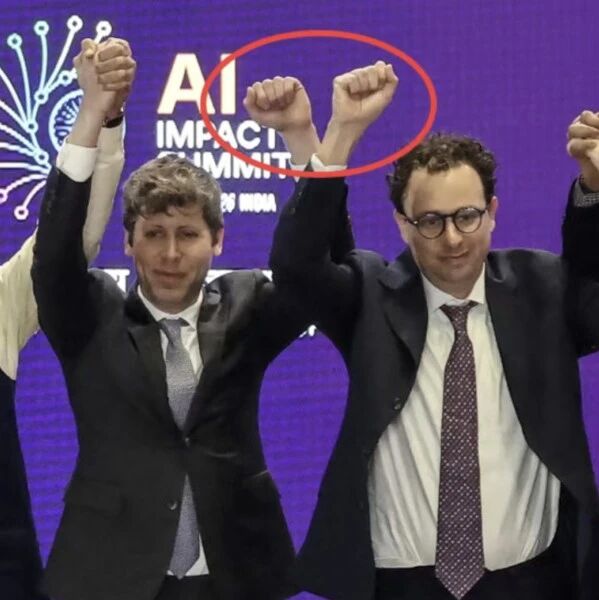
Core Viewpoint - The article discusses the recent AI summit in New Delhi, highlighting the contrasting objectives of India and Silicon Valley companies, where India aims for global leadership in AI governance while Silicon Valley focuses on business opportunities and market growth [5][66][92]. Group 1: Summit Highlights - The AI summit in New Delhi was described as the largest and highest-profile AI event in Asia, attracting significant attention from major tech leaders [5][6]. - A notable moment during the summit was when OpenAI's Sam Altman and Anthropic's Dario Amodei did not join the hand-holding gesture symbolizing unity among tech leaders, indicating underlying tensions [11][12][15]. - Nvidia CEO Jensen Huang's absence was significant, as he represents a crucial player in AI infrastructure, particularly in chip supply, which India lacks [18][19][20]. Group 2: Investment and Agreements - Major agreements were announced during the summit, including Google's $15 billion investment in AI infrastructure in India, OpenAI's partnership with Tata Group for a data center, and Microsoft's commitment to invest $50 billion globally by 2030, with India as a key focus [29]. - Despite the high-profile agreements, the article suggests that the underlying relationships among the companies are competitive rather than collaborative, reflecting a cautious approach to partnerships [30][34]. Group 3: India's AI Landscape - India has a strong pool of English-speaking engineers and a large market, but it faces significant challenges, including reliance on foreign chips and a lack of top-tier native AI models [43][58][59]. - The Indian government has initiated the India AI Mission, investing over $1 billion to build a public computing pool, but the country still struggles with infrastructure and regulatory stability [45][62]. Group 4: Diverging Objectives - India's ambition is to position itself as a global AI hub and a voice for developing countries, while Silicon Valley companies are primarily interested in market expansion and immediate business opportunities [67][68]. - The article emphasizes that while India seeks to establish itself as a leader in AI governance, Silicon Valley's focus remains on transactional relationships and market-driven strategies [70][72]. Group 5: Conclusion - The summit illustrated the disconnect between India's aspirations and Silicon Valley's pragmatic approach, with India wanting to assert its role in AI governance while tech companies prioritize business interests [92][94]. - The absence of a unified commitment from Silicon Valley leaders, as symbolized by the empty seat of Jensen Huang and the unjoined hands of Altman and Amodei, reflects the ongoing tension between collaboration and competition in the AI space [82][96].