虎嗅APP

Search documents
“地表最懂酒的总统”马克龙接过一瓶中国酒
虎嗅APP· 2026-02-15 02:32
Core Viewpoint - The recognition of Chinese wine, particularly Zhangyu's Longyu, by French President Macron at the Wine Paris exhibition signifies a pivotal moment for the Chinese wine industry, marking its emergence as a serious competitor in the global wine market [6][11][36]. Group 1: Event Significance - Macron's acceptance of a 6-liter Longyu wine bottle from Zhangyu's general manager, Sun Jian, highlights the growing acknowledgment of Chinese wine quality on an international stage [5][19]. - The event is described as a "historic moment," with Macron's statement that "China knows how to produce quality wine" indicating a shift in perception towards Chinese wines [4][9][12]. - The Paris Wine Exhibition serves as a global platform, where France, as the host and traditional leader in the wine industry, recognizes the capabilities of Chinese wine producers [4][7]. Group 2: Industry Transformation - Over the past two to three decades, the Chinese wine industry has undergone a significant transformation, moving from low-quality perceptions to a focus on high-end, boutique wines [12][24]. - The Ningxia region, with its favorable climate and soil conditions, has emerged as a key area for producing high-quality wines that can compete with traditional wine regions like Bordeaux [12][14]. - Zhangyu's Longyu winery has implemented rigorous vineyard selection processes, resulting in only a small fraction of land being used for high-quality wine production, which reflects a commitment to excellence [14][22]. Group 3: Competitive Landscape - Macron's comments suggest that French wine producers will face increasing competition from Chinese and Italian wines, indicating a shift in the global wine hierarchy [9][12]. - The acknowledgment of Chinese wines as serious contenders in the market represents a structural change in the global wine landscape, where quality is no longer solely defined by traditional European standards [17][36]. - The success of Chinese wines in international competitions, such as the "12 Nations Wine King Blind Tasting," further solidifies their position as emerging players in the global wine industry [28][30]. Group 4: Consumer Perception and Market Dynamics - There is a growing consumer confidence in Chinese wines, with high-end restaurants increasingly featuring them alongside imported wines, indicating a shift in consumer preferences [24][33]. - The emergence of a new narrative around Chinese wines, driven by both producers and consumers, is reshaping the market dynamics and challenging the historical dominance of European wines [25][34]. - The evolving consumer landscape is contributing to a healthier market structure, where high-end wines set quality benchmarks that influence the entire wine market [34][35].



2026年春节之后,中国将不可逆地进入AI时代
虎嗅APP· 2026-02-14 14:16
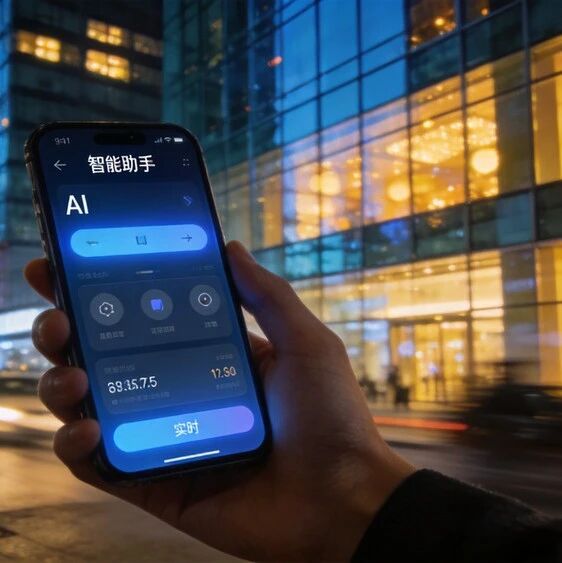
Core Viewpoint - The article discusses the intense competition among domestic AI companies in China, particularly during the Spring Festival, highlighting a shift from technical comparisons to integrating AI into everyday life as a personal assistant [5][9][12]. Group 1: Market Dynamics - Major companies like Alibaba, Tencent, and ByteDance are heavily investing in AI marketing campaigns, with Alibaba's Qianwen spending 30 billion on promotions and Tencent's Yuanbao distributing 10 billion in red envelopes [5][11]. - The competitive landscape is changing, with top AI models narrowing performance gaps, making it harder for smaller companies to compete, leading to a "winner-takes-all" market [12][13]. - By the end of 2025, the user base for generative AI in China is expected to exceed 600 million, indicating a significant shift in user habits towards AI as a daily tool [13]. Group 2: Evolution of AI Applications - The evolution of AI applications has progressed through three stages: from simple Q&A tools to efficiency tools, and now to becoming life assistants that can perform tasks like ordering food and booking tickets [21][22]. - The current phase emphasizes the need for AI to integrate deeply with existing ecosystems, as seen with Alibaba's integration of Qianwen with its various platforms [23][25]. Group 3: User Retention Challenges - Despite initial user acquisition through marketing, the retention rates for AI applications are low, with average daily usage being only 2-3 times and less than 3 minutes per session [28]. - The article suggests that to retain users, AI applications must provide long-term practical value rather than relying solely on short-term incentives [29][30]. Group 4: Strategic Focus of Major Players - Tencent's Yuanbao aims to embed AI within its social ecosystem, while Alibaba's Qianwen focuses on leveraging its comprehensive capabilities to execute user requests [30][32]. - ByteDance's Doubao utilizes content-driven strategies to engage users, integrating AI into its content platforms to enhance user interaction [32]. Group 5: Future Outlook - The article concludes that the competition among AI applications will increasingly focus on user experience and operational efficiency, as companies strive to make AI an indispensable part of daily life [33][34].


于东来退休幕后:3年放权,永不上市,接班人须60岁退休
虎嗅APP· 2026-02-14 14:16
Core Viewpoint - The retirement of Yu Donglai, founder and chairman of the Pang Donglai Group, marks a significant shift in the company's governance structure, transitioning to a decision-making committee model that emphasizes institutional continuity over individual leadership [6][11][19]. Group 1: Transition and Governance - Yu Donglai announced his retirement on social media, stating he would become an advisor and that daily operations would be managed by a decision-making committee [6][11]. - The decision to retire is part of a long-term strategy to decentralize power, with Yu retaining his chairman role and 69.96% control but stepping back from daily operations [11][12]. - The decision-making committee consists of core internal members and operates on a rotating management system, allowing for shared leadership responsibilities [15][19]. Group 2: Institutional Reforms - Yu has previously indicated his intention to retire, emphasizing a gradual transition of responsibilities to ensure the company's growth without his direct involvement [14][19]. - The company has implemented a competitive recruitment process for middle management positions, ensuring transparency and fairness in leadership selection [17]. - Key strategic principles have been established, including maintaining a school-like nature, ensuring management exits by age 60, and a commitment to never go public [19][30]. Group 3: Financial Performance and Employee Welfare - By November 2025, Pang Donglai's sales exceeded 20.035 billion, with a cash reserve of 4.1 billion, indicating strong financial health [23]. - Employee compensation is robust, with an average monthly salary of 9,886 yuan and a structured compensation system for violations of personal dignity [23][25]. - The company has established a consumer-centric service model, allowing employees to autonomously resolve disputes up to 200 yuan without needing higher approval [25][26]. Group 4: Challenges and Industry Implications - Despite Yu's retirement, the company faces challenges in maintaining its unique culture and operational efficiency without his personal influence [32][36]. - The transition to a decision-making committee may introduce risks related to decision-making speed and the potential dilution of the company's core values [36]. - The broader implications for the retail industry highlight the difficulties many companies face in transitioning leadership while maintaining operational stability and growth [38][39].

和GPT-4o最后的夜晚,80万人失去“白月光”
虎嗅APP· 2026-02-14 14:16
Core Viewpoint - The article discusses the emotional attachment users have developed towards the AI model GPT-4o, which is being phased out by OpenAI, and the implications of this attachment on user behavior and mental health [10][34][56]. Group 1: User Attachment to GPT-4o - Many users have formed deep emotional connections with GPT-4o, viewing it as a friend or confidant, which has led to a sense of loss as the model is set to be retired [10][20][34]. - Users have expressed their feelings of grief and betrayal over the discontinuation of GPT-4o, with some describing it as a breakup or loss of a loved one [49][56]. - The emotional responses to the discontinuation of GPT-4o highlight a broader trend of individuals seeking emotional support from AI, particularly during times of loneliness or personal crisis [23][27][45]. Group 2: Implications of AI Emotional Support - Research indicates that users seeking emotional support from AI like GPT-4o may experience increased feelings of loneliness and dependency, which can lead to negative social outcomes [23][27]. - There are concerns that AI models may inadvertently isolate users from real-life social connections, as some interactions have reportedly discouraged users from reaching out to friends or family [27][32]. - The article notes that while AI can provide companionship, it may not be equipped to handle serious mental health crises effectively, raising ethical concerns about its role in users' lives [26][27]. Group 3: OpenAI's Response and Future Directions - OpenAI's decision to retire GPT-4o was influenced by the need to allocate resources to newer models, despite the emotional backlash from users [34][36]. - The transition to GPT-5.2 has not been smooth, with many users feeling that the new model lacks the warmth and understanding that characterized GPT-4o [36][37]. - OpenAI aims to enhance user control and customization in future models, but the challenge remains to balance emotional engagement with safety and ethical considerations [36][38].

有意思周报|情人节专项调查:相比较高调示爱,Z世代更欣赏这些细微举动;马来西亚部长声称工作压力会改变人的性取向
虎嗅APP· 2026-02-14 12:00
Group 1 - The core finding of the research indicates that Generation Z prefers subtle and intimate gestures of affection over grand displays of love, with nearly 80% of respondents expressing this preference [3] - 33% of Generation Z respondents are avoiding traditional Valentine's Day activities such as giving flowers or posting gifts on social media, viewing these actions as lacking individuality and overly performative [3] Group 2 - The top ten preferred gestures of affection among Generation Z include complimenting outfits (50%), sending good morning texts (50%), and watching each other's favorite movies (48%) [4] - 83% of Generation Z feels seen through these small gestures, and 85% feel cherished; 46% stated they would not continue a relationship without such thoughtful actions [4] Group 3 - Meta and YouTube are facing landmark lawsuits regarding the alleged harm caused to children by their social media platforms, accused of intentionally making children addicted [9] - The lawsuits highlight a divide in the scientific community regarding social media addiction, with some experts disputing its existence while others liken the platforms to casinos and addictive drugs [10] Group 4 - The case centers around a 20-year-old girl named "KGM," whose experiences with social media may influence the outcome of numerous similar lawsuits against social media companies [12] - Internal communications from Meta and Google suggest awareness of the potential harm their platforms may cause to children, with one Meta employee comparing Instagram to a drug [10][12] Group 5 - In Portugal, children are allowed to participate in elections by casting "virtual votes" for their favorite cartoon characters, aimed at educating them about democracy [15][16] - Parents express that this initiative helps instill a sense of civic responsibility in their children from a young age [16] Group 6 - In Florida, residents are creatively incorporating iguanas into their diets, with local restaurants experimenting with iguana dishes like pizza and burritos [34][38] - The trend arises from a recent cold snap that caused iguanas to fall from trees, leading to an unusual abundance of the reptiles [35] Group 7 - IKEA has introduced a giant hot dog measuring approximately 20 inches (about half a meter) for $5, which has drawn comparisons to Costco's popular hot dog deal [44][45] - The giant hot dog is currently only available in the UAE, with no confirmation on whether it will be introduced in other regions [46]

独家对话Remy创始人王正男:一个超过微信下载量的爆款应用是如何诞生的
虎嗅APP· 2026-02-14 09:18
Core Insights - The article discusses the rapid growth of KIRI's app Remy, which gained over 1 million users in just 9 days after its launch, highlighting the increasing demand for 3D reconstruction technology in the consumer market [6][12]. - KIRI's transition from hardware to software development is emphasized, showcasing the company's resilience and adaptability in the face of previous failures in hardware ventures [15][16]. - The introduction of the "3D Gaussian Splash" technology significantly lowered the barriers for 3D modeling, leading to a threefold increase in user conversion rates for KIRI Engine, indicating a shift in user needs towards casual 3D content creation [10][28]. Group 1: User Growth and Market Demand - Remy processed tasks at a rate of 200 every 10 minutes, requiring approximately 800 GPUs continuously for 3D reconstruction tasks [5]. - The app's user base surpassed 1 million within 9 days, outperforming competitors like Sora 2, which took 5 days to reach the same milestone [6]. - A viral marketing strategy, including a 3D video that garnered over 1 billion views on Douyin, contributed to the app's explosive growth [7]. Group 2: Technology and Product Development - The "3D Gaussian Splash" technology, while not suitable for professional applications, has proven effective for casual users, leading to increased engagement and usage [10][28]. - KIRI Engine's focus on professional users in fields like 3D printing, gaming, and film has differentiated it from competitors targeting casual users [20][21]. - The decision to maintain KIRI Engine's professional focus while launching Remy as a consumer-oriented product reflects a strategic approach to market segmentation [32]. Group 3: Business Model and Future Goals - KIRI aims to achieve a 30% user retention rate within 30 days, with a target of 500,000 daily active users by 2026, aligning its growth strategy with industry benchmarks [51][56]. - The company plans to monetize Remy through various channels, including advertising, professional 3D reconstruction services, and custom special effect videos [52]. - The partnership with a domestic startup for elastic computing solutions has allowed KIRI to manage the significant computational demands of Remy without incurring prohibitive costs [43].
中国人不想只做春节的NPC
虎嗅APP· 2026-02-14 09:18
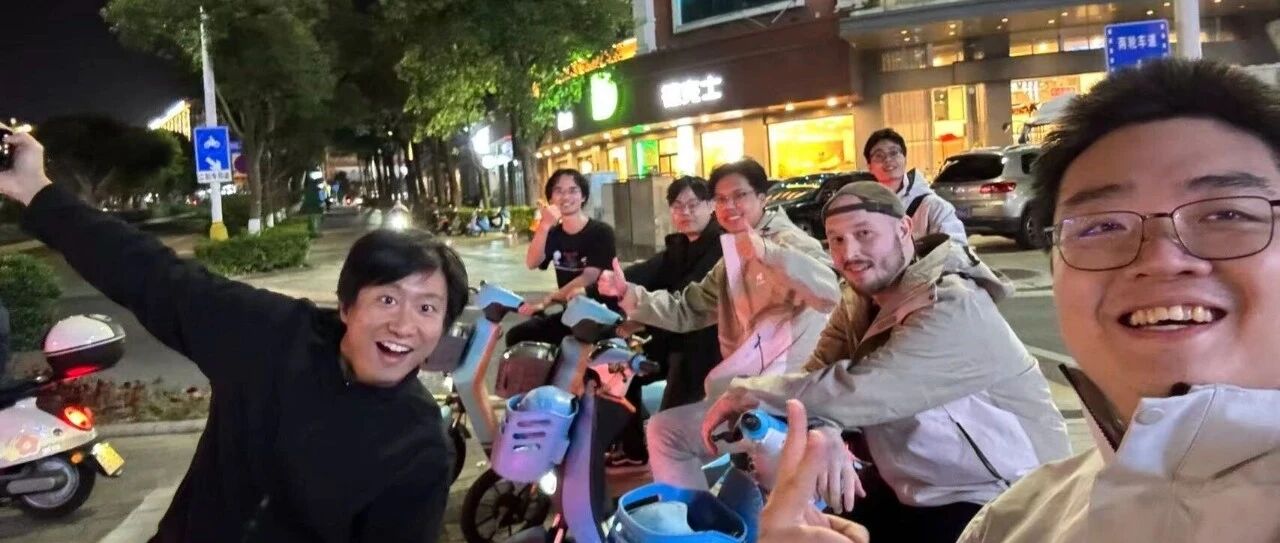
Core Viewpoint - The article highlights the evolving nature of the Chinese Spring Festival, emphasizing the increasing mobility and diverse experiences associated with it, particularly through the lens of self-driving and the growing automotive culture in China [4][10][15]. Group 1: Changing Spring Festival Experiences - The article discusses how modern Spring Festival experiences have shifted from static family gatherings to more dynamic and mobile celebrations, with individuals exploring new traditions and local cultures during their travels [6][7]. - The narrative includes personal stories of individuals who have embraced self-driving as a means to enhance their holiday experiences, showcasing the joy and discovery that comes with traveling home [3][4][8]. Group 2: Automotive Growth and Cultural Impact - The article notes that by 2025, China's vehicle ownership is projected to reach 469 million, with 366 million being cars, indicating a significant increase in accessibility and integration of automobiles into daily life [10]. - The rise in car ownership has transformed vehicles from luxury items into essential components of everyday life, reflecting a shift in societal values and lifestyle [10][15]. Group 3: Automotive Industry Response - The "Super Ji Discovery - Warm Return Plan" launched by Autohome during the 2026 Spring Festival is presented as a response to the evolving needs of consumers and the automotive market, showcasing the platform's ability to adapt and innovate [11][20]. - The initiative aims to provide a comprehensive experience that goes beyond just the vehicle, tapping into the emotional and cultural significance of the Spring Festival [11][20]. Group 4: User-Centric Content and Engagement - The article emphasizes the importance of understanding user needs and market trends, with Autohome leveraging its extensive content and operational capabilities to create engaging experiences for users [12][19]. - The focus on user engagement and content diversity is seen as crucial for fostering loyalty and meeting the growing demand for integrated automotive and lifestyle experiences [19][20].


马斯克想拔着 xAI 离开地球
虎嗅APP· 2026-02-14 09:18
Core Viewpoint - The article discusses the challenges and restructuring of xAI, a company founded by Elon Musk, following significant leadership changes and a recent acquisition by SpaceX. It highlights the company's ambitious plans for AI development and the potential risks it faces in a competitive market. Group 1: Company Restructuring - Following the departure of half of its co-founders, Musk announced a major restructuring of xAI, consolidating its operations into four main areas: Natural Language Processing, Computer Vision, Robotics, and Space AI [5][6]. - The new organizational structure includes four specific teams focusing on core areas such as AI coding, AIGC capabilities, and digital workforce development [7]. - A strategic reorganization plan includes a 15% workforce reduction, targeting non-core positions that can be replaced by AI [7]. Group 2: Future Plans and Goals - Musk outlined short-term goals, including expanding xAI's computing power to 1 million H100 chips and achieving 600 million monthly active users on the X platform, with an annual recurring revenue target of over $1 billion [8]. - Long-term plans involve creating a distributed supercomputing network with 1 million AI satellites in Earth's orbit and establishing an AI factory on the Moon for localized production of AI satellites [9][10]. Group 3: Market Position and Competition - xAI currently holds a market share of approximately 3.4% in the AI sector, with a higher share of 15.2%-17.8% in mobile daily active users [12]. - The company faces significant cash flow challenges, reportedly burning through $1 billion monthly, with projected revenues of $5 billion in 2025 and $20 billion in 2026, indicating a mismatch between spending and revenue growth [13]. Group 4: Talent and Management Challenges - xAI has lost half of its founding team, raising concerns about talent retention compared to competitors like Anthropic, which has retained all its founders [14]. - Musk's management style, which emphasizes rapid product iteration and high work hours, may conflict with the creative needs of AI innovation teams, potentially impacting the company's culture and innovation environment [15][16]. - The lack of a protective atmosphere for engineers may lead to increased pressure and dissatisfaction within the team, affecting overall morale and productivity [16]. Group 5: Integration with SpaceX - The integration of xAI with SpaceX could address cash flow issues, as SpaceX is projected to generate $15-16 billion in revenue by 2025, providing a financial backbone for xAI [17]. - This merger also offers a new narrative for xAI as a "space AI" company, which could enhance its appeal for future funding and business expansion [17].

年轻人寻爱秘诀:招聘时找对象,约会时求工作
虎嗅APP· 2026-02-14 00:28
Core Viewpoint - The article discusses the emerging trend of using professional networking platforms like LinkedIn for dating, highlighting a shift in how young people approach relationships and job searching in a challenging economic environment [6][12][43]. Group 1: Dating Trends - Young adults are increasingly using LinkedIn and other social platforms to find romantic partners, with statistics showing that 52% of respondents in a 2024 survey reported meeting potential dates through these platforms, surpassing traditional dating apps like Tinder [13][15]. - This trend reflects a growing acceptance among Gen Z of unconventional dating methods, with many seeing LinkedIn as a serious dating platform rather than just a job search tool [12][15]. - The use of LinkedIn for dating is characterized by a focus on real information and professional backgrounds, which contrasts with the often exaggerated profiles found on traditional dating apps [17][24]. Group 2: Job Searching Trends - A significant number of users (34%) are reportedly using dating apps to seek job opportunities, with 50% citing a poor job market as a motivating factor [33][35]. - The success rate for finding job opportunities through dating apps is high, with 88% of users claiming they found suitable career prospects, and over 35% receiving job offers through this method [35]. - The blurring of lines between dating and job searching reflects a broader trend where personal connections and networking are becoming increasingly important in the job market [37][55]. Group 3: Psychological and Social Implications - The merging of dating and professional networking is driven by a desire for stability and certainty in both personal and professional relationships, as economic pressures increase feelings of insecurity [52][57]. - The article suggests that the traditional boundaries between work and personal life are eroding, leading to a complex interplay of emotions and expectations in both realms [50][52]. - Users are increasingly prioritizing measurable criteria such as education and job status in their search for partners, which may lead to imbalances in relationships based on social and economic status [52][57].

要回农村过年了,才猛然感觉到城市化的迅速
虎嗅APP· 2026-02-14 00:28
Core Viewpoint - The article discusses the rapid urbanization process in China, highlighting the unique characteristics and challenges associated with it, particularly in relation to the real estate industry and housing quality [9][10][12]. Group 1: Urbanization Process - China's urbanization rate increased from 30% to 70% in just 40 years, a pace unmatched globally [9][10]. - The urbanization rate is projected to rise from 37.66% in 2001 to 67.89% by 2025, indicating a significant shift in population dynamics [9]. - The gap between the permanent resident urbanization rate and the registered population urbanization rate was 18.49 percentage points in 2020, affecting approximately 261 million people [12]. Group 2: Land Reform and Urbanization - The urbanization process in China is characterized by a "land-driven" model, influenced by three key land reforms: the 1994 tax-sharing reform, the 1998 housing market reform, and the 2003 land auction system [12][15]. - These reforms have created a system where local governments are incentivized to generate revenue through land sales, leading to rapid urban expansion [15]. Group 3: Housing Development Stages - The article outlines the evolution of housing in China, from the initial focus on basic needs in the 1980s to the current emphasis on quality and additional value in housing [18][20]. - The average living space per urban resident increased from 6.7 square meters in 1978 to approximately 40 square meters by 2022, reflecting significant improvements in living conditions [18]. - The transition from welfare housing to market-oriented housing began in the late 1990s, leading to a surge in housing quality and diversity [20][22]. Group 4: Current Trends and Future Directions - The real estate market is undergoing a structural transformation, with a shift from investment-driven demand to a focus on living quality and sustainability [24][30]. - The "fourth generation" of housing emphasizes high-quality living environments, with over 60% of buyers prioritizing comfort over location and investment potential [24]. - Future reforms aim to enhance public services and housing quality, addressing the mismatch between urban resources and population mobility [30].