虎嗅APP

Search documents
马斯克身边华人离职,受OpenClaw刺激了?
虎嗅APP· 2026-02-12 00:08
Core Viewpoint - The recent departures of key Chinese talents from xAI, including Tony Wu and Jimmy Ba, signal a potential shift towards the "super individual" era in AI development, emphasizing the growing importance of individual capabilities and decentralized innovation in the industry [4][10][41]. Group 1: Departures from xAI - Tony Wu and Jimmy Ba, both prominent members of xAI's founding team, have left the company, marking a significant loss as they represent half of the original 12-member team [10][11][31]. - Wu expressed a desire for new opportunities, highlighting the potential of small teams equipped with AI to redefine possibilities [12][36]. - Ba echoed similar sentiments, indicating a belief in a future where productivity could increase dramatically with the right tools, and he anticipates significant advancements in AI within the next 12 months [28][29]. Group 2: Background of Key Individuals - Tony Wu, a notable figure in AI, has a strong academic background, having studied under Geoffrey Hinton and contributed significantly to AI research, particularly in mathematical reasoning [13][15][20]. - Jimmy Ba is recognized as a leading researcher in deep learning, having developed foundational components for model training and optimization, and he played a crucial role in shaping xAI's early technical direction [24][25]. Group 3: Industry Implications - The departures of these key figures suggest a broader trend where top talents are seeking to leverage their skills in more decentralized and innovative environments, moving away from traditional corporate structures [42]. - The emergence of tools like OpenClaw, which enable individuals to automate complex tasks and enhance productivity, exemplifies the shift towards empowering "super individuals" in the AI landscape [30][40]. - As the focus of innovation shifts from large corporations to individual capabilities and open-source ecosystems, the dynamics of talent retention and attraction in Silicon Valley may change significantly [41][42].


李嘉诚究竟押错了什么?
虎嗅APP· 2026-02-12 00:08
Core Viewpoint - The article discusses the implications of the Panama Supreme Court's ruling that invalidated the port concession contracts of Li Ka-shing's Cheung Kong Group, transferring operational rights to Maersk, highlighting the geopolitical tensions between China and the U.S. in the maritime sector [5][6]. Group 1: Geopolitical Context - The ruling is seen as a critical event in the ongoing geopolitical struggle between China and the U.S., particularly in the maritime domain, where the U.S. has been promoting narratives of "Chinese maritime threats" [5][6]. - The U.S. maritime system relies on layered control and offshore outsourcing, leveraging its naval power for global shipping security, while China is developing an independent maritime system that challenges U.S. hegemony [6][11]. Group 2: Systemic Competition - The article emphasizes the need for a systemic analysis of significant commercial actions within the global shipping logistics sector, as they reflect power struggles over control of key supply chain segments [8][9]. - The sale of Cheung Kong's port network to a consortium led by MSC and BlackRock signifies a shift in global shipping dynamics, with potential implications for China's maritime enterprises [8][9]. Group 3: U.S. Strategic Responses - The U.S. has adopted a defensive posture, moving from offshore outsourcing to reshaping its domestic supply chains in response to perceived threats from China's maritime industry [28][30]. - Specific actions include legislative efforts to restrict the procurement of Chinese-made port equipment and investigations into China's shipbuilding capabilities, indicating a comprehensive strategy to limit China's maritime influence [29][30]. Group 4: China's Maritime Development - China's maritime industry has developed an independent and resilient supply chain, rooted in a comprehensive industrial system established over decades, which is now increasingly self-sufficient [21][24]. - The growth of China's shipping industry is driven by internal demand and has led to significant advancements in shipbuilding, port operations, and logistics, positioning it as a global leader in these sectors [24][25]. Group 5: Future Implications - The competition between the U.S. and China in the maritime sector is expected to be long-term and complex, with both nations vying for dominance in a system that is not merely about market share but involves deeper structural and geopolitical considerations [33][31]. - The evolving dynamics of global shipping will likely reshape supply chain risks and structures, reflecting the ongoing power struggle between the two nations [33][32].

早报 | 强劲非农数据重挫降息预期;DeepSeek、智谱等集体上新;永辉超市CEO致歉;比尔·盖茨时隔两年半再度到访中国
虎嗅APP· 2026-02-12 00:08
Group 1 - The U.S. non-farm payrolls for January recorded an increase of 130,000, significantly exceeding market expectations of 55,000, indicating a stronger labor market and alleviating concerns about a slowdown [2] - The unemployment rate in the U.S. for January was reported at 4.3%, slightly below the expected 4.4%, marking the lowest level since August 2025 [3] - Following the employment data release, gold prices dropped nearly $40, the U.S. dollar index rose by 50 points, and U.S. Treasury yields increased significantly [3] Group 2 - Apple is reportedly facing setbacks in the development of a new version of Siri, with potential delays in the release of several anticipated AI features [4] - The new data center being constructed by Meta in Lebanon, Indiana, represents an investment of over $10 billion and will have a capacity exceeding 1 gigawatt, supporting both AI workloads and core business operations [6][7] Group 3 - Bill Gates made a surprise visit to China, focusing on advancements in key areas such as infectious disease control and maternal and child health [8] - Trump emphasized the continuation of negotiations with Iran during a meeting with Israeli Prime Minister Netanyahu, although no specific decisions were made [9][10] Group 4 - The daily active users of Qianwen reached 73.52 million, surpassing Yuanbao's 18.28 million and approaching Doubao's 78.71 million [12] - Yonghui Supermarket's CEO issued an apology reflecting on the company's deviation from its founding principles and acknowledging a projected net loss of 2.14 billion yuan for 2025 [14] Group 5 - Semiconductor company SMIC's co-CEO noted strong demand for storage related to AI, which is impacting supply for mobile and other lower-end applications, leading to reduced orders in those segments [24]

全国房价止跌信号初现
虎嗅APP· 2026-02-11 13:59
Core Viewpoint - The article discusses the signs of recovery in the real estate market, particularly in the second-hand housing sector, with various cities showing improved transaction volumes and price stabilization [4][10][18]. Group 1: Market Recovery Indicators - As of January 2026, the year-on-year decline in second-hand housing transaction area in 22 cities narrowed from 26.8% to 13.0%, indicating a recovery trend [5]. - The transaction area for second-hand homes in 22 cities reached 279.0 million square meters by the end of January, marking the highest level since June 2025, with a year-on-year increase of 17.7% [5][12]. - Real-time signing data from real estate agents shows a 27.0% year-on-year increase in second-hand home transactions across 26 key cities as of January, with an 18.5% month-on-month growth [5][16]. Group 2: Price Trends - The nationwide average listing price for second-hand homes in January 2026 decreased by 0.85% month-on-month, a reduction in the decline rate compared to previous months [11]. - The listing price decline for first, second, and third-tier cities narrowed to 1.14%, 0.87%, and 0.73% respectively, indicating a stabilization in prices [11][9]. - The average price of second-hand homes in 100 cities was reported at 12,900 yuan per square meter, reflecting a narrowing of the price drop [11]. Group 3: Regional Performance - Major cities like Beijing, Shanghai, Guangzhou, and Shenzhen showed significant transaction volumes, with Beijing exceeding 15,000 transactions in January, marking a stable recovery [13][14][15]. - In January, Guangzhou recorded 8,881 transactions, a slight increase of 1.07% month-on-month, while Shenzhen saw a 2.9% increase, with a notable year-on-year growth of 45.5% [15] . Group 4: Policy Implications - The article highlights the introduction of policies aimed at stabilizing the real estate market, including the exploration of purchasing second-hand homes for rental housing in cities like Shanghai [34][36]. - The "old-for-new" policy in Shanghai aims to facilitate transactions by reducing costs for buyers and increasing the supply of rental housing, which could enhance market activity [35][39]. - Experts suggest that the current market conditions, including improved demand and reduced price declines, may lead to a "small spring" in the real estate market, particularly in core cities [25][27].

月薪2000的环卫工,困在“电子镣铐”中
虎嗅APP· 2026-02-11 13:59
以下文章来源于凤凰网财经 ,作者风暴眼 "镣铐":电子的与非电子的 韩守义站在机动车道边缘,扫帚紧贴着人行道路缘石,刷出"簌簌"的声响。他将收集起来的一簸箕垃 圾,一股脑倒进身后三轮作业车上高耸的塑料筐里。这是2月3日凌晨的山东临沂兰山区,气温刚到0 度。他头上戴一顶毛线帽,看起来不怎么顶用,鼻头冻得发红,鼻涕都来不及擦。 凤凰网财经 . 你好,我们是凤凰网财经,全球华人都在看的财经公众号,传播最有价值的财经报道,你值得关注!欢 迎访问:http://finance.ifeng.com/ 本文来自微信公众号: 凤凰网财经 ,作者:吕银玲,题图来自:视觉中国 在环卫工这个行当,有些事情是可以粗略计算的:比如每天走3万来步,弯腰400多次,一个树坑里 可能藏着60几个烟头,手里的垃圾袋有四五十斤重;有人的休息时间不能超过10分钟,更是杜绝半 小时以上的停留和脱岗,路面的垃圾滞留时间不能超过15分钟…… 更多的事情无法计算。比如每天的实际工作时间可能要比打卡记录显示的数字更长,加班也没有加班 费;比如每个人扔垃圾的速度和街上的狗排便的时段,都是不确定的;比如数不清的、没完没了的落 叶,砖缝里反复冒出头的杂草,基孔肯 ...

【AI100】这家公司第一次做手机,凭什么就能预售5000万元?
虎嗅APP· 2026-02-11 13:59
Core Viewpoint - The article discusses the emergence of the iKKO MindOne, an AI smartphone that has achieved significant pre-sale success, highlighting a shift in the smartphone market towards more specialized, efficient devices rather than traditional all-in-one models [5][12][38]. Group 1: Market Context - The smartphone market has become increasingly homogeneous, with incremental updates failing to excite consumers, leading to a consensus that current devices lack innovation [6][7]. - Major brands like Apple maintain high market shares despite minimal changes, indicating a lack of necessity for significant innovation in their offerings [6][7]. - The article notes that the AI smartphone concept gained traction following the introduction of a device by Nubia and Doubao, which integrated AI capabilities into its functionality [20]. Group 2: iKKO MindOne Overview - iKKO MindOne has achieved over 50 million yuan in pre-sales, with 30 million yuan from consumers and 20 million yuan from businesses, marking a notable achievement for a new brand in a saturated market [12]. - The device features a compact design, weighing less than an iPhone Air, and sacrifices certain functionalities like wireless charging and 5G to maintain a slim profile [14]. - The camera utilizes a 50-megapixel Sony module that can flip for both front and rear photography, optimizing the use of space within the device [16]. Group 3: AI Integration and Functionality - The MindOne operates on a unique iKKO AI OS, which focuses on efficiency tools such as translation, summarization, and information processing, rather than traditional app ecosystems [25][27]. - The device is designed to separate AI functionalities from standard applications, creating a dedicated workspace for productivity [25][27]. - iKKO aims to provide AI capabilities without subscription fees, positioning itself as a cost-effective solution for users [36]. Group 4: Competitive Landscape and Future Outlook - The article emphasizes that the future of AI smartphones lies in their ability to integrate deeply with system architecture and user data, rather than merely functioning as applications [22][24]. - iKKO's approach is seen as a challenge to the conventional smartphone model, aiming to redefine user interaction with mobile technology [40]. - The company believes that its focus on a streamlined, efficient device will resonate with users seeking practical tools rather than just entertainment [38][40].

中国已错过“星链”,不可再错过太空算力
虎嗅APP· 2026-02-11 13:59
Core Viewpoint - The article discusses the emerging competition in space computing, particularly focusing on the integration of AI and satellite technology, highlighting the strategic importance of energy supply and system architecture in the development of space-based computing capabilities [4][10][12]. Group 1: Space Computing and AI Integration - Elon Musk's push for SpaceX to acquire xAI and the application for deploying 1 million low-Earth orbit satellites indicates a significant shift towards establishing a new framework for space computing [4][5]. - The concept of "space computing" is not merely about chip performance but fundamentally revolves around energy supply, system structure, and long-term cost considerations [10][12]. Group 2: Energy Supply and Structural Advantages - China is projected to have its electricity consumption exceed 10 trillion kilowatt-hours by 2025, establishing a robust energy supply system that supports high-intensity computing loads [11]. - The energy structure in China is diversifying, with solar power expected to surpass coal power by 2026, indicating a shift towards a more flexible and multi-source energy system [11]. Group 3: Challenges in Space Computing - The primary challenges in space computing include heat dissipation and data throughput, which cannot be solved solely by improving chip performance [16][18]. - In space, heat must be dissipated through radiation, which imposes significant engineering constraints on the design of computing systems [17]. Group 4: Demand for Space Computing - The rapid expansion of satellite constellations necessitates on-orbit computing capabilities to manage complex systems autonomously, as traditional ground-based processing may not suffice [28]. - The increasing volume of raw data from space missions requires on-orbit processing to alleviate communication bottlenecks, making space computing essential for efficient data management [29]. Group 5: Strategic Importance of "Sky Computing" - The urgency for "sky computing" arises from the need for autonomous systems that can operate with minimal human intervention, particularly in remote environments like space [30]. - Major companies like NVIDIA and Amazon are entering the "sky computing" arena, indicating a significant shift in the industry towards leveraging space for advanced computing capabilities [32]. Conclusion - The year 2026 is poised to be pivotal for China's space endeavors, as it seeks to catch up with established frameworks like SpaceX's Starlink while also exploring its own "sky computing" initiatives [34][35].

中国去年毕业了130万工程师,美国呢?
虎嗅APP· 2026-02-11 09:38
Core Viewpoint - The article highlights a significant disparity in engineering graduate numbers between China and the United States, emphasizing the implications for innovation and industry in both countries [4][9]. Group 1: Graduate Numbers - China graduated approximately 1.3 million engineers last year, while the U.S. produced only about 130,000 to 145,000 engineering bachelor's degrees annually [4][6][9]. - If including broader STEM fields, China's annual graduate numbers could reach up to 5 million [9]. - The U.S. has seen a loss of over 10,000 STEM PhD holders in just one year, indicating a talent drain in critical fields [11][12]. Group 2: Industry Implications - The U.S. faces a "talent hemorrhage" with a significant portion of its engineering graduates shifting to finance or tech sectors, leaving a shortage of traditional engineering roles [20][21]. - In contrast, China's engineering workforce is characterized by a large number of practical engineers capable of hands-on work, which is essential for infrastructure development [21][22]. - The article argues that the U.S. is relying on AI to compensate for its engineering talent shortage, suggesting that this may not be a sustainable solution [30][41]. Group 3: AI as a Solution - The U.S. strategy involves using AI to replace lower-level engineering tasks, potentially leading to a future where skilled engineers are less prevalent [30][36]. - The concept of AI acting as an "apprentice" in engineering teams is presented as a double-edged sword, raising concerns about the loss of essential hands-on experience for future engineers [38][42]. - The article warns that over-reliance on AI could create a vacuum in the engineering workforce, with a lack of mid-level engineers to bridge the gap between senior engineers and AI [44]. Group 4: Lessons for China - The situation in the U.S. serves as a cautionary tale for China, emphasizing the importance of maintaining a robust engineering workforce as a strategic advantage [46]. - Despite criticisms of China's education system, the large number of engineers is viewed as a foundational strength for its manufacturing sector [47][48]. - The article concludes that true innovation will require a combination of deep physical intuition and the ability to leverage AI effectively, rather than relying solely on technology [49].
一大批年轻人,开始“反向过年”
虎嗅APP· 2026-02-11 09:38
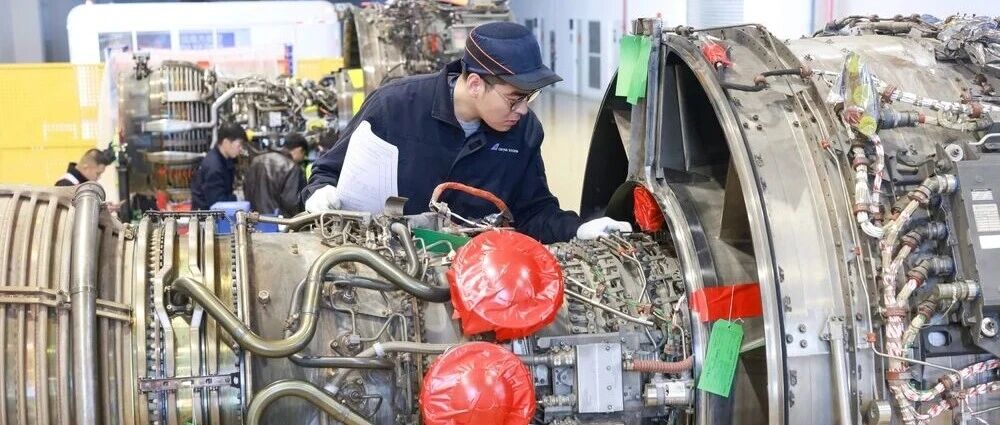
Core Viewpoint - The traditional practice of returning home for the Spring Festival is increasingly being reconsidered by many, with a growing trend of "reverse Spring Festival" where young people invite their parents to big cities instead of going back to their hometowns [4][6]. Group 1: Reverse Spring Festival - There is a significant increase in the booking of "reverse" tickets from smaller airports to major cities like Beijing, Shanghai, and Guangzhou, with a reported 84% year-on-year growth in ticket bookings for this trend [6][8]. - The top ten popular destinations for "reverse Spring Festival" include Beijing, Shanghai, Chengdu, and others, indicating a shift in travel patterns during the holiday [6]. - The difficulty in purchasing tickets for returning home is a major reason for this trend, as many people in large cities face challenges in securing travel arrangements [6][8]. Group 2: Segmenting the Holiday - Some individuals are opting for a segmented approach to the holiday, spending time with family before traveling to other destinations for leisure [10][11]. - The trend of visiting smaller cities for tourism during the Spring Festival is on the rise, with hotel bookings in places like Pu'er and Jieyang seeing over 80% year-on-year increases [11][13]. - Travelers are increasingly choosing less popular destinations to avoid crowds and high accommodation prices, reflecting a desire for a more relaxed holiday experience [13][14]. Group 3: Independent Celebrations - A segment of young people is choosing to spend the holiday alone in their rented apartments, embracing the idea of "celebrating alone" with excitement rather than viewing it as a lonely experience [15][16]. - This group is actively preparing for the holiday by decorating their living spaces and purchasing personal favorite foods, indicating a shift in how individuals perceive and celebrate the holiday [15][16]. Group 4: Reevaluating the Meaning of the Holiday - Many individuals are reflecting on the pressures associated with traditional celebrations, such as family obligations and social expectations, leading to a desire for a more personal and less stressful holiday experience [17][18]. - The concept of "year flavor" is evolving, with individuals prioritizing personal well-being and meaningful connections over traditional festivities [18][19]. - The ongoing changes in family structures and individual awareness are contributing to a more diverse and personalized approach to celebrating the New Year, moving away from collective traditions [20][21].
微软小冰往事:一个AI明星产品是如何坠落的
虎嗅APP· 2026-02-11 09:38
Core Viewpoint - The article discusses the rise and fall of the AI chatbot "QQ Xiaobing," its creator Li Di, and the internal dynamics of the company after its split from Microsoft, highlighting the challenges faced in maintaining innovation and profitability in a competitive landscape [4][5][6]. Group 1: The Rise of QQ Xiaobing - QQ Xiaobing, developed by a predominantly Chinese team, became a groundbreaking AI product with 660 million users globally by 2018, marking a significant achievement in AI development [4]. - Li Di, known as the "father of Xiaobing," emphasized emotional intelligence over task-oriented AI, aiming to create a chatbot that users could form emotional connections with [5][6]. Group 2: Li Di's Leadership and Disappearance - Under Li Di's leadership, the company grew rapidly, achieving a post-investment valuation of $2 billion and expanding its workforce to nearly 800 employees [8]. - In early 2025, Li Di unexpectedly disappeared from the company without prior notice, leading to speculation about his departure and the internal power dynamics at play [10][12]. Group 3: Internal Dynamics and Power Struggles - Following Li Di's departure, the company underwent significant restructuring, with COO Hu Xiaoguang leading meetings that emphasized moving forward without addressing Li Di's exit [13][14]. - Li Di's absence raised questions about the legitimacy of the board's decision-making process, as he was a major shareholder and had not been formally notified of his removal [14][15]. Group 4: Challenges in Business Strategy - The company faced difficulties in transitioning from a Microsoft-backed entity to an independent business, struggling with profitability and operational efficiency [30][31]. - As the company shifted focus to monetization, it began to cut non-core projects and reduce staff, leading to a significant decrease in employee numbers from over 800 to around 300 [24][25]. Group 5: Technological and Market Challenges - The company initially thrived on its unique AI framework but failed to adapt quickly to the rise of generative models like GPT, which began to dominate the market [36][37]. - Despite early recognition of the potential of generative models, the company lacked the resources to compete effectively, leading to a delayed internal reform that ultimately could not keep pace with industry advancements [44][45]. Group 6: The Aftermath of Li Di's Departure - After Li Di's exit, the company continued to operate but struggled with identity and direction, leading to a significant shift in its operational and strategic focus [52][53]. - The article concludes with a reflection on the transformation of the company, likening it to the Ship of Theseus, where the original essence has been lost despite retaining the name [54].