雷峰网

Search documents
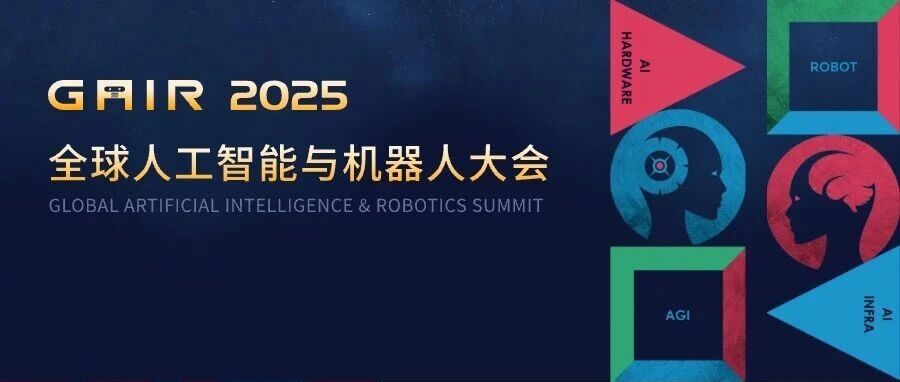
第八届 「GAIR 全球人工智能与机器人大会」即将启幕:穿越AI长夜,共睹群星闪耀
雷峰网· 2025-11-10 10:05
Core Insights - The GAIR Global Artificial Intelligence and Robotics Conference will take place on December 12-13, 2025, in Shenzhen, focusing on the advancements in AI and robotics [2][10] - The conference will feature discussions on large models, embodied intelligence, computational power transformation, reinforcement learning, and world models, showcasing the forefront of AI exploration [3][4] - The event aims to bridge academia and industry, highlighting the importance of collaboration in advancing AI technologies and their applications in the real world [4][9] Group 1 - The conference will host top scholars from Europe, the United States, Japan, and China to explore the deep integration of AI with the physical world [4] - The commercialization of AI is described as a challenging journey, with entrepreneurs and industry giants sharing their practical methodologies [4] - The focus on computational power as a critical area for economic development will include insights into market and policy dynamics surrounding large-scale computational infrastructure [4] Group 2 - GAIR has evolved since its inception in 2016, consistently attracting leading scientists and researchers, including Turing and Nobel Prize winners [5][7] - The conference has marked significant milestones in the history of AI in China, such as the participation of influential female scientists and the attendance of over 5,000 AI experts [7] - The event serves as a platform for connecting ideas and practices, fostering collaboration between different generations of researchers and practitioners in the AI field [9]

英伟达要感谢「双11」,电商或撑起AI落地半边天
雷峰网· 2025-11-10 07:44
Core Viewpoint - The article emphasizes that AI has significantly integrated into the e-commerce sector, particularly during the Double 11 shopping festival, showcasing its potential for commercial application and addressing concerns about the sustainability of AI hype [1]. Group 1: E-commerce as the Largest Application Scene for AI - E-commerce has become the largest application scene for AI, demonstrating substantial growth and efficiency improvements [2]. - Over the past decade, several technological innovations have rapidly developed within the e-commerce context, including cloud computing, mobile payments, and smart logistics [3]. - The massive user base in China, projected to reach 974 million online shopping users by December 2024, provides a vast amount of data for AI training and optimization [3]. Group 2: Advantages of E-commerce in AI Implementation - E-commerce covers the entire process from demand generation to after-sales feedback, allowing for multi-dimensional data interaction [4]. - The inherent nature of e-commerce allows for quick monetization of AI technologies, creating a closed-loop of investment, efficiency improvement, and revenue growth [4]. - E-commerce continues to serve as a "technology incubator," facilitating the concentrated and mature application of AI technologies globally [4]. Group 3: AI Applications in the 2025 Double 11 - The 2025 Double 11 event marked the first comprehensive application of AI in consumer promotions, with AI playing a role in various aspects from intelligent shopping guides to advertising [5]. - The core objectives of AI integration include enhancing traffic matching efficiency and reducing operational difficulties for merchants [7]. - AI tools such as "AI万能搜" and "AI帮我挑" have been introduced to better understand consumer needs and improve product matching [8]. Group 4: Enhancements in Product and Merchant Operations - The upgrade of the product database has improved the accuracy of search and recommendation systems, leading to a double-digit increase in matching accuracy [9]. - AI tools have been developed to assist merchants in marketing, customer service, and data analysis, significantly reducing operational costs and improving efficiency [10]. - AI customer service has handled over 300 million consumer interactions during the Double 11, with automated systems addressing a significant portion of inquiries [10]. Group 5: Transformation of Shopping Experience and Business Models - AI has transformed the shopping experience, making it simpler, more precise, and personalized for consumers [13]. - The shift from an operations-oriented approach to a product innovation-oriented strategy is becoming essential for merchants, as AI tools lower the barriers to operational capabilities [14]. - Merchants are now focusing on product innovation and personalized services to meet the growing demand for niche markets [16]. Group 6: Future Outlook - The integration of advanced AI technologies with a robust e-commerce ecosystem is expected to drive significant innovations in the industry [18]. - The collaboration between technology and application scenarios is crucial for the evolution of AI, with e-commerce providing a fertile ground for testing and deploying AI solutions [18].



曝Meta去年靠海量诈骗广告赚了约160亿美元;不到5万!京东「国民好车」官宣上市;黄仁勋直言:没有台积电就没有英伟达
雷峰网· 2025-11-10 00:37
Key Points - Meta generated approximately $16 billion from fraudulent and prohibited product advertisements in 2024, accounting for about 10% of its revenue, highlighting regulatory gaps in its advertising business [4][5] - Ctrip's technology executive Ma Chao has left the company, with international CTO Dai Xiaoru taking over, indicating a potential shift in the company's AI technology transformation and international growth strategy [8] - Honor's former CEO Zhao Ming discussed the challenges faced during the company's early independence, particularly in securing chip supply amidst market competition [9][10] - JD.com announced the launch of its "National Good Car" Aion UT super, with promotional prices starting at 49,900 yuan for rental and 89,900 yuan for purchase [12] - Huya's algorithm was publicly disclosed to enhance driver safety and accountability, showing a 30% reduction in daily risk incidents after AI implementation [14] - Yushun's Wang Xingxing responded to the resurfacing of his master's thesis, revealing that the concept for the robotic dog was conceived in 2013 [16] - Nvidia's CEO Jensen Huang visited TSMC to request more chips, emphasizing the company's reliance on TSMC for its operations [7][32] - Microsoft established a new MAI superintelligence team to develop advanced AI systems while reducing dependency on OpenAI [34] - Tesla's CEO Elon Musk indicated the need for a massive chip factory to meet the growing demand for AI and robotics technology [36] - Apple plans to launch an internally developed Apple Intelligence model with 1 trillion parameters as early as next year, aiming to enhance its AI capabilities [38]


存储成本暴涨数万元,AI服务器客户不怕涨价怕没货
雷峰网· 2025-11-07 06:31
Core Viewpoint - The storage market is experiencing significant price fluctuations driven by the demand from the AI industry, leading to a complex interplay of supply and demand dynamics [1][2][4]. Group 1: Price Dynamics - The storage market has seen a phenomenon of "daily price changes," with distributors adjusting prices frequently due to market volatility [1]. - Major players like SanDisk and Micron have announced price increases for NAND Flash and DDR products, with potential hikes reaching 30% [2][3]. - The price of DDR4 memory has surged dramatically, with reports indicating increases of up to 1.5 times, reflecting a scarcity premium as it approaches obsolescence [11][12]. Group 2: Demand and Supply Factors - The AI industry's expansion is driving an exponential increase in storage demand, with AI servers requiring significantly more DRAM and NAND compared to traditional servers [4][5]. - The construction of data centers in the U.S. has surged, with investments exceeding $40 billion, indicating a strong correlation between AI demand and storage market growth [5][6]. - A self-reinforcing cycle of demand is emerging, where expectations of price increases lead to strategic stockpiling by buyers, further tightening supply [2][6]. Group 3: Market Structure and Future Outlook - The current supply adjustments by major manufacturers are lagging behind the rapid demand growth, creating a "capacity gap" between old and new generation products [8][10]. - The storage market is expected to exceed $200 billion by 2025, with AI demand contributing over 40% of this growth [7][21]. - The market is in a "seller's cycle," with manufacturers controlling supply to maintain high prices, which is expected to continue until at least the end of 2026 [21][24]. Group 4: Impact on AI Server Market - AI server manufacturers face rising costs due to increased storage prices, but demand remains strong as hardware configurations are rigid and cannot be compromised [15][19]. - The cost of AI training servers is projected to rise by 3% to 5% due to storage price increases, but this has not deterred buyers from purchasing [16][19]. - The pricing mechanism in the industry is shifting, with contracts now being negotiated on a more frequent basis due to price volatility [18][19]. Group 5: Key Signals for Market Turning Point - The storage market's turning point may hinge on two key signals: the pace of AI capital investment in North America and the supply situation from manufacturers [22][24]. - Current market conditions suggest that unless there is a significant increase in production capacity or a slowdown in demand, prices are likely to remain elevated [22][24].


独家丨前大疆核心研发 Goding 创业,瞄准户外智能载具
雷峰网· 2025-11-07 06:31
Core Insights - A new entrepreneur from the DJI ecosystem, Goding, has founded a company named "Kongye Innovation" focusing on outdoor smart vehicles [3] - Kongye Innovation has completed its seed round financing, with initial investors including Shunwei Capital and Yuanjing Capital, achieving a valuation exceeding 100 million RMB [3] - The company aims to develop electric and intelligent outdoor sports products, integrating AI features to enhance technology and user experience [3][4] Market Positioning - Kongye Innovation is targeting the overseas market, intending to leverage technology to establish a presence in the smart outdoor tools sector [4]

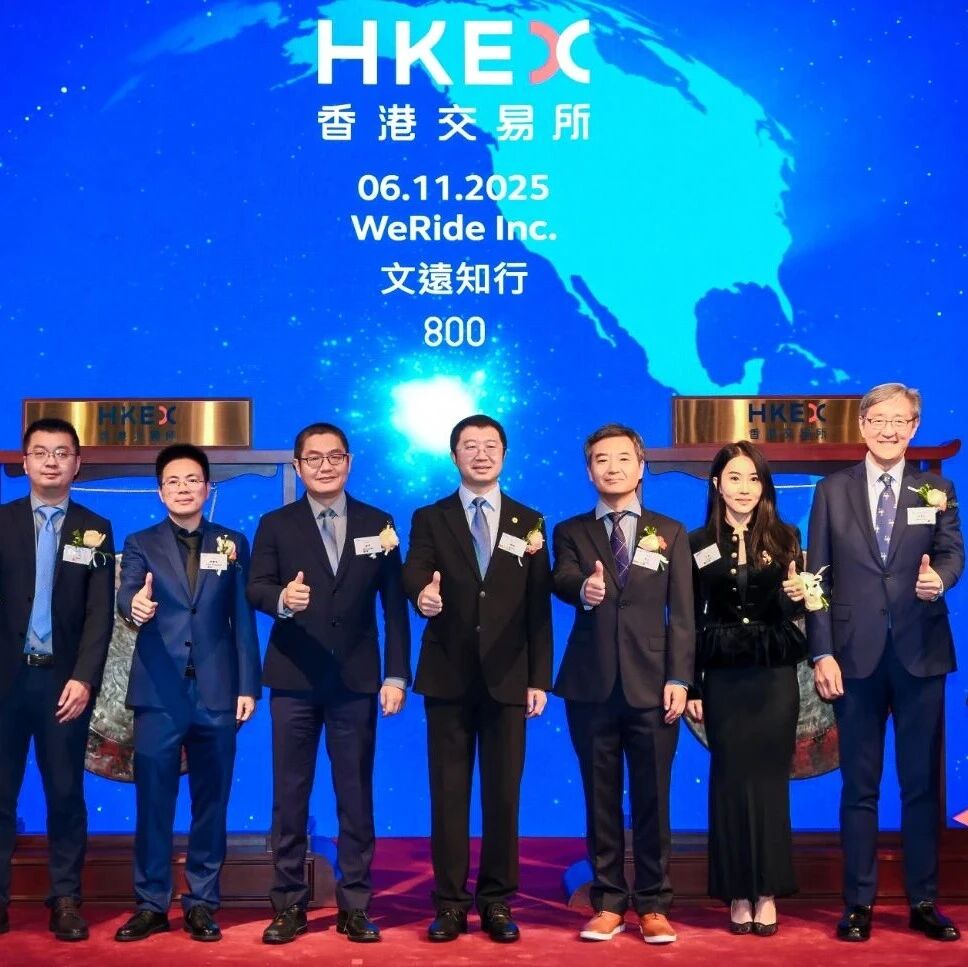
全球 Robotaxi 第一股登陆港股,文远知行抢占 L4「桥头堡」
雷峰网· 2025-11-07 06:31
Core Viewpoint - The article discusses the successful listing of WeRide (文远知行) on the Hong Kong Stock Exchange, marking it as the first Robotaxi company to go public in Hong Kong, and highlights its strategic importance in the autonomous driving industry [2][3]. Group 1: Company Overview - WeRide was listed on the Hong Kong Stock Exchange on November 6, with an issue price of HKD 27.10 per share, raising a total of HKD 2.392 billion [2][4]. - The company has established a dual listing strategy with its previous listing on NASDAQ, enhancing its capital market presence and resource acquisition [3][4]. - WeRide has formed strategic partnerships with major investors, including Morgan Stanley, Temasek, Uber, and Bosch, indicating strong market confidence [4][5]. Group 2: Business Development - WeRide has achieved a significant milestone by launching a production-ready end-to-end assisted driving solution in collaboration with Bosch, setting an industry record for speed [3]. - The company operates the largest L4 autonomous vehicle fleet globally, with over 1,500 vehicles deployed across 11 countries and more than 30 cities [9][11]. - WeRide's Robotaxi business has shown remarkable growth, with Q2 2025 revenue reaching CNY 127 million, a 60.8% year-on-year increase, driven by an 836.7% surge in Robotaxi revenue [16][19]. Group 3: Market Position and Competition - The global L4 autonomous driving market is projected to reach USD 1.464 trillion by 2030, with Robotaxi services expected to grow at a compound annual growth rate (CAGR) of 367% from 2024 to 2030 [23][24]. - WeRide holds a 21.8% market share in the global L4 autonomous driving revenue, ranking second worldwide [24]. - The company has established a competitive edge through its early market entry, extensive operational data, and strategic partnerships, positioning it favorably against emerging competitors [11][24]. Group 4: Financial Performance - WeRide's gross margin has reached nearly 30%, indicating a transition to a sustainable business model, although the company remains in a loss-making state due to high R&D expenses [17][19]. - The revenue composition shows a significant increase in Robotaxi revenue from 7.3% in 2022 to 31.1% in H1 2025, reflecting the growing importance of this segment [19][20]. - The company has substantial cash reserves of CNY 5.823 billion, sufficient to support operations for over six years, bolstered by its recent IPO [25][26].
字节AI再变动,90后豆包PC端负责人已离职
雷峰网· 2025-11-07 00:43
Core Viewpoint - The article discusses the recent departure of Qi Junyuan, the product head of Doubao's PC division at ByteDance, and the potential interest from investors in his future endeavors, highlighting his expertise in SaaS and tool products [2][4]. Group 1: Departure and Background - Qi Junyuan has confirmed his departure from ByteDance, although he has not publicly announced any entrepreneurial plans [2]. - Prior to joining ByteDance, Qi Junyuan founded Teambition, one of the earliest collaborative office SaaS products in China, which was acquired by Alibaba for $100 million in 2019 [4]. - After the acquisition, Qi Junyuan joined Alibaba's cloud intelligence division and was recognized as a high-potential talent under Alibaba's "859" talent program [4]. Group 2: Role at ByteDance - In 2023, Qi Junyuan joined ByteDance as the Vice President of Feishu and led the upgrade of Feishu version 7.0 [4]. - As ByteDance shifted its strategic focus towards AI, Qi Junyuan transitioned to the AI department in June 2024, overseeing product work for Doubao's PC version [4]. Group 3: Implications of Departure - The change in leadership for Doubao may cause internal disruptions, but it also presents an opportunity to reassess product positioning and clarify strategic direction [4].
卖总部、关工厂、裁2万人!日产为填亏损掏家底;俞敏洪官宣孙东旭离职:他主动提出,我们没有任何隔阂;马斯克万亿薪酬计划获批
雷峰网· 2025-11-07 00:43
Key Points - Xiaopeng's new humanoid robot, IRON, faced skepticism regarding its authenticity, leading CEO He Xiaopeng to demonstrate its mechanical structure live to dispel rumors of it being a disguised human [4][5] - Nexperia's Dutch branch announced that Zhang Xuezheng is not reinstated as CEO, and the Chinese factory has halted wafer payments and supply, causing a significant impact on the semiconductor market [8][9] - The departure of Sun Dongxu from Dongfang Zhenxuan was confirmed by Yu Minhong, emphasizing a smooth transition without conflicts [9] - NIO's ES8 model achieved over 10,000 deliveries within 41 days, setting a record for electric vehicles priced above 400,000 yuan [14][15] - Xiaomi announced the discontinuation of its calling service, stating that the service's mission has been fulfilled as network calling has become widely available through various apps [17] - Xiaopeng's flying car division, Xiaopeng Huitian, has received over 7,000 orders for its first flying vehicle, with plans to establish sales teams and showrooms in major cities [18] - ByteDance's Lemon8 underwent a leadership change, with the original head leaving and being replaced by a leader from the successful Qit Music [25] - In the smartphone market, Vivo maintained its lead with an 18.5% market share, while Xiaomi and Huawei followed closely with 16.2% and 16.4% respectively, despite a slight decline in overall smartphone sales [26][27] - Nissan plans to sell its headquarters and close factories to address a projected loss of 275 billion yen, alongside a significant workforce reduction [33][35] - Tesla shareholders approved Elon Musk's unprecedented $1 trillion compensation plan, marking a historic moment in corporate compensation [36] - Stellantis announced a global recall of 375,000 vehicles due to battery issues linked to fire incidents, urging owners to park vehicles outdoors until repairs are made [47][48]



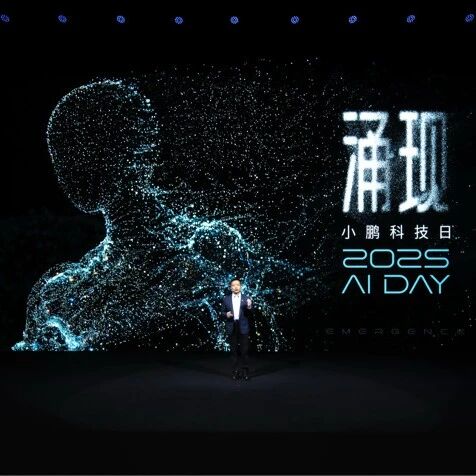
小鹏为什么选择物理AI这条路
雷峰网· 2025-11-07 00:43
Core Viewpoint - The future of automobiles is envisioned as four-wheeled robots, with intelligent driving becoming the core competitive point in the industry by 2025, as electric vehicle technology matures and becomes a basic threshold for entry [2][9]. Group 1: Industry Trends - The development of the new energy industry has shifted focus from electrification to intelligent driving, marking a new cycle of competition [2]. - Major tech companies are investing in physical AI, indicating a consensus that the next generation of human-machine interaction will be through robotics [2][9]. - The emergence of physical AI is expected to revolutionize various sectors, including automotive, robotics, and flying cars, creating a more integrated technological ecosystem [7][28]. Group 2: Company Developments - Xiaopeng Motors has been an early adopter of AI in the automotive sector, positioning itself in the first tier of intelligent driving companies in China [3]. - The company has achieved significant breakthroughs with its second-generation VLA model, which allows for autonomous understanding of physical laws, enhancing its intelligent driving capabilities [5][20]. - Xiaopeng's investment in AI infrastructure includes a 4.5 billion yuan annual investment in computing power, establishing a large-scale intelligent computing cluster to support its AI model training [16]. Group 3: Product Innovations - Xiaopeng plans to launch multiple products, including three Robotaxi models and a highly humanoid robot named IRON, aiming for mass production by the end of 2026 [22][30]. - The second-generation VLA model is designed to eliminate reliance on high-precision maps, enabling more flexible and cost-effective deployment of Robotaxi services [28]. - The company is also advancing in the flying car sector, with over 7,000 orders for its land carrier and ongoing flight verification for its multi-person tilt-rotor flying car [30]. Group 4: Competitive Landscape - The competition in the physical AI space is intensifying, with Xiaopeng and Tesla both recognizing the need for a combination of diverse hardware and unified software architecture to support AI's development in the physical world [12][17]. - Xiaopeng's approach to physical AI aims to create a synergistic effect across its various business lines, optimizing costs and enhancing overall competitiveness [26]. - The industry is witnessing a shift from a single-direction chase to a collaborative innovation model, where breakthroughs are achieved through the convergence of multiple fields [33].

亚马逊头部品牌,开始流向速卖通
雷峰网· 2025-11-06 10:23
Core Viewpoint - This year's Double 11 event has seen a significant shift, with many Amazon top brands redirecting their focus towards AliExpress, indicating a growing influence of AliExpress in the cross-border e-commerce landscape [2][3][4]. Group 1: Market Dynamics - In 2025, Chinese e-commerce companies are entering a new phase of overseas expansion, despite challenges such as tariff policies [2]. - Many Amazon sellers are experiencing difficulties, leading to a sense of anxiety among merchants due to Amazon's layoffs and communication issues [2][3]. - The trend of top Amazon brands increasing their inventory on AliExpress has been noted, with some brands tripling their stock levels in preparation for major sales events [4][5]. Group 2: Competitive Landscape - AliExpress has successfully attracted a significant number of Amazon's top brands, which is reflected in the growing share of GMV (Gross Merchandise Volume) on the platform, sometimes surpassing Amazon in certain markets [5][6]. - The "Super Brand Outbound Plan" launched by AliExpress aims to support brands in their overseas expansion, offering lower costs and better sales opportunities compared to Amazon [6][10]. - Brands like ROCKBROS and ILIFE have reported substantial growth on AliExpress, with ILIFE experiencing over 50% growth and a threefold increase in sales on the platform [5][11]. Group 3: Cost Structure and Profitability - AliExpress offers a more cost-effective solution for brands, with commission rates between 5%-10%, compared to Amazon's 15%-20%, significantly reducing operational costs for merchants [11][12]. - The average profit margin for brands has decreased from 30% to below 10% due to high costs on Amazon, while AliExpress provides a more favorable pricing strategy for both merchants and consumers [10][11]. - The platform's strategy of offering lower prices to consumers while maintaining lower costs for merchants has made it an attractive alternative to Amazon [11][12]. Group 4: Logistics and Operational Efficiency - AliExpress's "Overseas Hosting" model allows brands to focus on supply while the platform manages customer service and logistics, enhancing the shopping experience for consumers [12][13]. - The model has proven effective for large items, with over 50% of sales in categories like furniture and appliances coming from this service [14]. - Brands like Comhoma have seen their sales multiply after adopting AliExpress's overseas hosting services, indicating the effectiveness of this operational strategy [13][14]. Group 5: Future Outlook - The trend of brands shifting focus from Amazon to AliExpress is expected to continue, with projections indicating that AliExpress may surpass Amazon in sales for some companies in the near future [19]. - The upcoming overseas Double 11 event is anticipated to drive significant sales, with a longer promotional period extending from November 8 to December 3 [19].