东京烘焙职业人

Search documents
【书籍专题 · 面包大全】法国起司
东京烘焙职业人· 2025-08-14 08:33
Core Viewpoint - The article discusses various trends and insights in the baking industry, highlighting the challenges and opportunities faced by bakeries in the current market environment [22]. Group 1: Industry Trends - The opening of Hai Di Lao's bakery is noted, emphasizing its low-cost strategy aimed at attracting more customers [1]. - A significant interest from foreign tourists in a specific type of bread during a 144-hour tour in China is highlighted, indicating potential market opportunities [2]. - The article features an exclusive interview with a bakery owner who has successfully carved a niche in the baking sector, showcasing innovative approaches [3]. Group 2: Challenges in the Bakery Sector - The article mentions a wave of closures among 100,000 bakeries, prompting an exploration of what successful shops are doing differently to remain profitable [4]. - The competition regarding ingredient transparency is expected to intensify following the discontinuation of sodium dehydroacetate, indicating a shift in consumer preferences [5]. Group 3: Baking Techniques and Innovations - The article provides a comprehensive analysis of the overnight refrigeration method, which bakers find both beneficial and challenging, offering tips for better time management [6]. - Insights into mastering frozen baking techniques are shared, promising significant improvements in efficiency and revenue for bakeries [7]. - The use of yogurt in bread-making is discussed, revealing secrets behind maintaining softness in bread even after several days [8]. - A specific technique to keep toast soft for four days is shared, attributed to expert Lin Yuwei's unique methods [9]. Group 4: Notable Bakery Establishments - The article mentions a phenomenon bakery in Japan, AMAM Dacotan, founded by a talented chef who is pioneering a new path in the baking industry [10].

当“邪修”入了烘焙圈:那些野路子做法,怎么就火了?
东京烘焙职业人· 2025-08-13 09:03
Core Viewpoint - The article discusses the rise of "evil cultivation" in the baking industry, where unconventional ingredient combinations and innovative techniques are being embraced to attract young consumers and create unique taste experiences [1][29]. Group 1: Innovative Ingredient Combinations - The term "evil cultivation" refers to unconventional bakers who experiment with unusual ingredient pairings, such as using Sichuan pepper oil in desserts, which enhances flavors and creates a "taste revolution" [1]. - Bakers are incorporating unique flavors like Sichuan pepper oil and lemon into traditional recipes, resulting in distinctive products that appeal to younger consumers [4][10]. - The combination of sweet and salty flavors, such as caramel sea salt in traditional bread, creates a unique taste experience that challenges conventional baking norms [7][9]. Group 2: Creative Baking Techniques - Bakers are employing innovative techniques like alternating hot and cold textures to surprise consumers, exemplified by products like cheese walnut baked pears [13][16]. - The restructuring of traditional recipes, such as creating croissant cheesecake cups, showcases a departure from standard baking processes, leading to visually appealing and flavorful products [17]. - The trend of embracing "failed" baking attempts, like the burnt Basque cake, demonstrates a willingness to innovate and find inspiration in unexpected outcomes [19]. Group 3: Marketing Strategies - Brands are leveraging "circle thinking" to build exclusive fan economies, allowing consumers to participate in product design and fostering a sense of community [22][23]. - Unique marketing strategies, such as pop-up stores and limited edition collaborations, create buzz and enhance consumer engagement, turning purchases into social experiences [25][26]. - The focus on niche markets rather than mass appeal allows brands to cultivate loyal customer bases through interactive and personalized experiences [23][29].

怎么卖情绪?泡泡玛特不好学,可以学学好利来
东京烘焙职业人· 2025-08-13 09:03
Core Insights - The article discusses the transformation of the bakery brand "Hao Li Lai" from a traditional cake shop to a trendy, popular brand that resonates with various consumer demographics, including young men and elderly customers [3][4][5]. Brand Evolution - Hao Li Lai has over 338,000 bakery stores in China, with fewer than 30 national chain brands, highlighting its unique position in the market [3]. - The brand initially focused on Western-style desserts but has successfully integrated Chinese elements to appeal to local consumers [3][4]. - The brand's revival was marked by a shift in focus from traditional marketing to creating emotional connections with consumers, emphasizing the importance of being a "people's brand" [10][25]. Consumer Demographics - The brand attracts a diverse customer base, including young men who view its products as "atmosphere enhancers" for gifting and social occasions [4][5]. - Elderly customers are drawn to the brand for its trendy appeal and as a fashionable treat for their grandchildren [5]. - The emergence of "scalpers" reselling products at a premium indicates the brand's high demand and popularity [5][6]. Product and Store Innovations - Hao Li Lai has redefined its product offerings by creating visually appealing and emotionally resonant cakes, moving beyond traditional designs [16][19]. - The brand has diversified its store formats, introducing themed stores and pop-up shops to enhance customer experience [11][12][14]. - The introduction of unique product shapes and themes, such as holiday-specific designs, has helped the brand stand out in a competitive market [16][19]. Marketing and Communication Strategies - The brand employs creative storytelling and character-driven marketing, such as the "Hao Meow" mascot, to engage consumers [20][22]. - Frequent collaborations with popular brands and IPs have positioned Hao Li Lai as a trendsetter in the bakery industry, appealing to younger consumers [22][23]. - The brand's focus on creating emotional experiences rather than just selling products has been pivotal in its resurgence [25][26].

【书籍专题 · 面包大全】奶油酥饼
东京烘焙职业人· 2025-08-13 09:03
Core Viewpoint - The article discusses the process of making Danish pastries, highlighting the importance of technique and ingredients in achieving the desired texture and flavor. Group 1: Ingredients and Preparation - The main ingredients for the Danish pastry include 600 grams of Danish dough, butter, and sugar [2] - The dough is rolled out and sugar is sprinkled on top before folding it multiple times to create layers [4][6] - The dough is rolled to a thickness of 0.4 centimeters [5] Group 2: Shaping and Baking - The dough is cut into 11 cm x 11 cm squares, and the corners are folded to create the pastry shape [9][10][11] - A layer of butter and sugar is applied to the hamburger mold before placing the shaped dough inside [15] - The dough is allowed to ferment at a temperature of 28°C and humidity of 75% for 50 minutes before baking [17][20] - The pastries are baked in an oven at 210°C for the top and 200°C for the bottom for 18 minutes [23]
【海外探店】超过300年历史的哥本哈根面包店,一天售出肉桂卷4000个!
东京烘焙职业人· 2025-08-12 08:32
Core Viewpoint - Skt. Peders Bageri is a historic bakery in Copenhagen, established in 1652, known for its traditional Danish pastries and strong community presence, making it a must-visit for both locals and tourists [1][8][50] Summary by Sections Bakery History and Significance - Skt. Peders Bageri is one of the oldest operating bakeries in Denmark, with a history spanning 373 years, and is recognized as a symbol of Copenhagen's culinary heritage [1][6] - The bakery is certified by the Danish Bakery Guild, showcasing its commitment to traditional baking methods [8] Bakery Experience - The bakery opens daily at 7:30 AM, offering a nostalgic atmosphere with its medieval architecture and traditional wooden counters [3][6] - It attracts a diverse clientele, including locals and tourists, who come for its authentic Danish pastries [8][10] Signature Products - The bakery is famous for its "Onsdagssnegl" (Wednesday Snail), a giant cinnamon roll that is 20 cm in diameter, available only on Wednesdays with a limit of 4,000 sold each week [12][14] - Other popular items include various types of Danish pastries, such as Wienerbrød, and seasonal offerings like the Carnival cream bun [10][18] Pricing and Value - Most pastries are priced under 20 Danish Krone, with coffee available for as low as 12 Krone, making it a cost-effective option in Copenhagen [18][50] - The bakery's affordability combined with its rich history and quality products positions it as a significant cultural landmark [50] Product Variety - Skt. Peders Bageri offers a wide range of pastries, including pistachio Danish, croissants with salted caramel, and saffron rolls, each crafted with traditional techniques [24][26][32] - The bakery also features unique items like the "Oreo donut" and various cakes, appealing to a broad audience [40][48][50]

【书籍专题 · 面包大全】栗子泥丹麦
东京烘焙职业人· 2025-08-12 08:32
Core Viewpoint - The article provides a detailed recipe for making Danish pastry filled with chestnut puree, highlighting the ingredients and step-by-step preparation process [2][3]. Ingredients Summary - Danish dough: 600 grams [3] - Filling: 100 grams of chestnut puree, 80 grams of cream [3] - Decoration: White chocolate sauce as needed [3] Preparation Process Summary - Roll the Danish dough to a thickness of 0.5 cm and cut into 11 cm x 11 cm squares [5] - Squeeze the filling onto the surface of the square dough [6] - Fold the corners of the square towards the center [7] - Pinch the seams to form a round shape [10] - Place the shaped dough into a round mold [13] - Ferment at 28°C and 75% humidity for 60 minutes until the mold is 80% full, then press a baking tray on top [14][17] - Bake in an oven at 210°C for the top and 200°C for the bottom for 20 minutes [18] - Cool after baking and drizzle with white chocolate sauce [19] - Finally, top with chestnuts [24]
哈根达斯易主在即,“花落”高盛?
东京烘焙职业人· 2025-08-12 08:32
Core Viewpoint - The article discusses the ongoing changes in the global ice cream industry, particularly focusing on the potential acquisition of Froneri by Goldman Sachs and the challenges faced by Häagen-Dazs in the Chinese market, highlighting the shift towards a "quality-price ratio era" in consumer preferences [4][5][29]. Group 1: Market Dynamics - Goldman Sachs is preparing to acquire Froneri for €15 billion (approximately ¥120 billion), which could reshape the global ice cream market [5]. - The acquisition may lead to increased market concentration, brand strategy adjustments, and supply chain integration, particularly in the U.S. ice cream market [8]. - Despite the acquisition, Häagen-Dazs' operations in China will remain under General Mills, indicating potential regional disparities in brand development [8]. Group 2: Häagen-Dazs Challenges in China - General Mills reported a 5% decline in net sales to $4.8 billion (approximately ¥34.8 billion) in Q3 2025, with a 3% drop in international market sales attributed to declines in China and Brazil [10]. - Häagen-Dazs faces a significant reduction in store numbers, from 466 in January 2024 to 370 by July 2025, alongside a double-digit decline in customer traffic [12][10]. - The brand is experiencing increased competition from emerging tea and coffee brands, which are diverting market share away from Häagen-Dazs [13]. Group 3: Consumer Behavior and Market Trends - The Chinese ice cream market is shifting towards more affordable options, with products priced between ¥3-5 accounting for 45.98% of sales, while high-priced products above ¥12 have seen a decline to 3.95% [21][22]. - Consumers are increasingly prioritizing quality-price balance over brand prestige, leading to a decrease in Häagen-Dazs' customer loyalty despite its high price point [15][21]. - The market is evolving from "functional consumption" to "experiential consumption," with consumers valuing emotional and social aspects of their purchases [23]. Group 4: Future Development Trends - If Goldman Sachs successfully acquires Froneri, it may strengthen Häagen-Dazs' position in the high-end market in Europe and the U.S., while facing strategic challenges from partners like Nestlé [26]. - General Mills must enhance value-for-money offerings, optimize distribution channels, and innovate locally to maintain brand appeal in China [26]. - Multi-channel operations and expanding consumer experiences will be crucial for Häagen-Dazs to redefine its brand value and market presence [26].


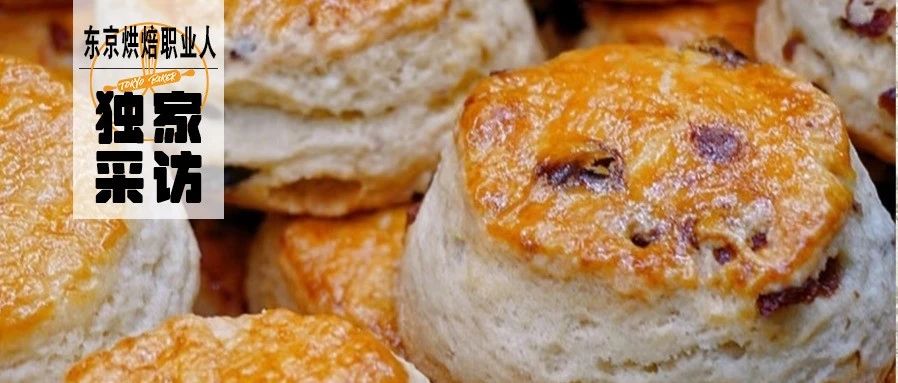
【独家专访】“上海最强司康”:在上海卷不动的烘焙市场开启一场单品传奇
东京烘焙职业人· 2025-08-11 08:33
Core Viewpoint - The article highlights the success story of "SKROLL卡特司库," a bakery in Shanghai that specializes in scones, which has become a standout in a competitive market by focusing on a niche product and leveraging unique recipes and operational strategies [3][10][44]. Group 1: Company Background - "SKROLL卡特司库" is recognized as the "ceiling" for scones in Shanghai, a city known for its intense baking competition [3]. - The founder, Alan, has over 30 years of baking experience, including significant roles in well-known brands and previous entrepreneurial ventures in Taiwan [5][9]. - The brand was built around the scone, which was initially an overlooked product in the Chinese market, leading to a surprising demand that prompted rapid growth [10][11]. Group 2: Product Differentiation - The scones are distinguished by a unique recipe that uses cream instead of water, resulting in a richer flavor and better texture compared to traditional scones [16][17]. - The production process emphasizes hand-made techniques over machine production, enhancing the quality and freshness of the scones [19]. - A diverse product matrix includes 15 flavors, with popular options like classic, cinnamon walnut, and innovative savory flavors [21][24]. Group 3: Market Strategy - The brand maintains a clear positioning, targeting a niche market rather than pursuing mass-market appeal, which allows for a focused and refined product offering [27]. - "SKROLL卡特司库" operates three stores in Shanghai, emphasizing a small but effective scale while utilizing strong private domain operations and online-offline integration [29][30]. - The use of a pre-sale production model minimizes waste and ensures that products are made to order, enhancing customer satisfaction [33]. Group 4: Future Plans and Insights - The company plans to expand further in Shanghai while continuing to innovate within its product lines, including potential new store concepts that enhance customer experience [41][42]. - Alan's philosophy emphasizes the importance of differentiation, product quality, and sustainable customer engagement over rapid expansion or gimmicky marketing [42][45].
【书籍专题 · 面包大全】花生巧克力可颂
东京烘焙职业人· 2025-08-11 08:33
Core Viewpoint - The article provides a detailed recipe for making peanut chocolate croissants, highlighting the ingredients and step-by-step preparation process [2][3]. Ingredients Summary - Danish dough: 600 grams - Matcha cream filling: chocolate (to taste) - Crushed peanuts: 200 grams - Egg wash: as needed [3]. Preparation Process Summary - Roll the Danish dough to a thickness of 0.4 cm [6]. - Cut the dough into squares measuring 11 cm x 11 cm [7]. - Place chocolate on the surface of the dough squares [8]. - Fold the corners of the squares towards the center [11]. - Pinch the folded corners tightly [12]. - Brush the surface with egg wash and dip in crushed peanuts [13]. - Place in paper trays and onto a baking sheet [18]. - Ferment at 28°C and 75% humidity for 50 minutes [19]. - Bake in an oven at 210°C for the top and 200°C for the bottom for 15 minutes [20][23]. Monthly Highlights Summary - New bakery openings and trends in the industry, including the launch of Hai Di Lao's bakery and the popularity of certain bread types among foreign tourists [25]. - Insights from successful bakery owners on maintaining profitability amidst a wave of closures [25]. - Discussions on ingredient competition and baking techniques that enhance efficiency and product quality [25][26].
40元咖啡接连“败走”中国,谁还买单?
东京烘焙职业人· 2025-08-11 08:33
Core Viewpoint - Peet's Coffee, referred to as the "ancestor of Starbucks," is facing significant challenges in the Chinese market, including store closures and increased competition from lower-priced coffee brands [7][8][15]. Industry Trends - Peet's Coffee has closed several key locations in China, including its first store in South China, which was considered a benchmark for its market presence [8][11]. - The brand's expansion has slowed, with new store openings dropping from 98 in 2023 to 51 in 2024, and only 16 in the first half of 2025 [11]. - Despite a reported 23.8% organic growth in adjusted EBIT and a global sales increase of 7.9% to €88.37 billion in 2024, Peet's Coffee is experiencing anxiety over its market position in China [11][12]. Market Challenges - The premium coffee market in China is facing a collective struggle, with brands like Seesaw Coffee also experiencing significant store closures and financial difficulties [15][17]. - The overall growth rate of the premium coffee market in China is projected to decline from 25% in 2023 to 12% in 2025, contrasting with a global growth forecast of 9.2% [24]. - The average consumer price for coffee is decreasing, with the average takeout coffee price dropping from ¥63.8 in 2020 to ¥53.5 in 2023 [30][32]. Competitive Landscape - The coffee market is becoming increasingly saturated, with a 19.54% year-on-year increase in the registration of coffee-related businesses, reaching approximately 26,400 in the first half of 2025 [29]. - Brands like M Stand and %Arabica are also facing challenges, with M Stand experiencing a significant reduction in store openings and closures [21][28]. Consumer Behavior - A shift in consumer preferences is evident, with 80% of coffee consumers making decisions based on price, and only 4% willing to pay over ¥25 for coffee [35]. - The perception of coffee is evolving towards a more everyday necessity, leading to a decline in the appeal of premium coffee brands among younger consumers [39]. Strategic Recommendations - To navigate the current challenges, premium coffee brands need to abandon the "Western superiority complex" and focus on local flavors and cultural narratives to create a unique market position [41][42]. - The industry is undergoing a significant transformation, and brands must find a balance in cost control, product innovation, and localization to meet the changing demands of Chinese consumers [42].