东京烘焙职业人

Search documents
乳业巨头逐鹿B端:蒙牛伊利们掀起千亿市场争夺战
东京烘焙职业人· 2025-08-17 08:33
Core Viewpoint - The Chinese dairy industry is undergoing a significant strategic transformation, shifting from a "scale expansion" model reliant on market penetration and capacity expansion to a "value enhancement" model focused on technological innovation, product differentiation, and value chain extension [5][6]. Group 1: Market Dynamics - The B-end dairy market is emerging as a new growth point, attracting major players like Mengniu and Yili, as the C-end market becomes saturated and competition intensifies [6][9]. - The total scale of the B-end dairy market has expanded to a trillion-level, driven by the rapid rise of coffee, baking, and tea industries, which have a growing demand for dairy products [9][12]. - The coffee market alone is projected to see a sales volume of 3.3 billion cups in 2023, with a growth rate of 37.5%, expected to reach 5 billion cups by 2025 [9][12]. Group 2: Domestic Market Trends - The domestic B-end market, particularly for high-end products like cream and cheese, has been dominated by international brands, with a domestic replacement rate of less than 30% [13][15]. - Domestic dairy companies are making strides in technology and production processes, which is breaking the previous dominance of foreign brands [13][15]. - The average price of fresh milk in major producing provinces has decreased, providing a cost advantage for domestic dairy companies in the B-end market [16]. Group 3: Competitive Strategies - Major dairy companies are rapidly expanding their B-end business through partnerships with restaurant chains and other strategies [20][21]. - Mengniu has launched a professional catering brand and focused on specific product lines to meet diverse professional needs [21][23]. - Yili has established a professional dairy application innovation center and expanded its B2B platform to enhance its B-end market presence [23][24]. Group 4: Challenges and Opportunities - The B-end market offers stable customer bases and large order volumes, which can lead to lower production costs and more direct market insights for dairy companies [27]. - However, competition in the B-end market is distinct from the C-end, focusing on product specialization, customization, and supply chain efficiency [29][30]. - Barriers to entry, such as technology, scale, and brand reputation, make it challenging for new entrants to compete effectively in the B-end market [32].



一周上新!小白心里软、家悦烘焙、多乐之日...海内外新品资讯抢先看 | 全球职人情报
东京烘焙职业人· 2025-08-17 08:33
Group 1 - The article highlights the latest and most valuable new products and brand information in the baking industry, providing insights into various baked goods and innovations [2][3][4][5][6][8]. - Several brands are featured, including DINGDONG, Ole, Costco, and others, showcasing a variety of products such as cakes, pastries, and bread [2][3][4][5][6][8]. Group 2 - Specific products mentioned include the "Coconut Mango Swiss Roll" and "Milk Protein Triangle Cake" from DINGDONG, which emphasize tropical flavors and health-conscious ingredients [9][12]. - Ole's "Blueberry Caramel Cloud Bun" is noted for its fluffy texture achieved through 48 hours of low-temperature fermentation [12]. - Costco offers two types of Swiss rolls, highlighting a combination of black sugar and glutinous rice flavors [14]. Group 3 - The article also discusses various seasonal and limited-edition products, such as the "Qixi Festival Limited Cake" from Holiland, which targets festive occasions [4]. - Joybake's "Explosive Cheese Sausage Corn Ciabatta" combines cheese and corn for a unique flavor profile, appealing to consumers looking for indulgent snacks [26]. - The "Lemon Angel Cake" from Jinyuanlang is described as refreshing and not overly sweet, catering to those who prefer lighter desserts [28]. Group 4 - The article mentions collaborations and marketing strategies, such as Kudi Coffee announcing Yang Mi as its global brand ambassador, enhancing brand visibility [121]. - Hema has launched a new line of low-GI products, indicating a trend towards healthier eating options in the market [123]. - Starbucks has partnered with fragment design to introduce a new beverage, showcasing innovation in product offerings [124].
30元/个、喜茶猛推,蛋挞成饮品店“顶流”
东京烘焙职业人· 2025-08-16 08:33
Core Viewpoint - The beverage industry is innovating by integrating baked goods, particularly egg tarts, into their product offerings, enhancing customer engagement and increasing sales potential [20][22][34]. Group 1: Egg Tart Innovations - Beverage stores are creatively using tea-making techniques to produce egg tarts, with brands like Heytea introducing flavors such as taro mud and brown sugar [8][15]. - The average price of these egg tarts is around 30 yuan, which, while not cheap, attracts consumers due to unique flavors and appealing presentations [15][20]. - The trend of egg tarts is gaining traction, with various brands like Lele Tea and Grandpa's Tea launching their own versions, including innovative designs like "box tarts" and "giant tarts" [19][20]. Group 2: Expanding Product Lines - Beverage brands are diversifying their offerings by introducing low-cost baked goods, such as freshly baked bread priced under 10 yuan, to attract customers and increase foot traffic [24][26]. - New store formats, like Nayuki Green, are focusing on fresh and healthy ingredients, aiming to capture a broader market by offering tea, baked goods, and light meals [27][29]. - The introduction of Chinese-style snacks, such as baked buns paired with coffee, is appealing to local tastes and enhancing customer interest [31][33]. Group 3: Market Strategy - The integration of baked goods into beverage menus is seen as a strategic move to combat price competition in the beverage market, allowing stores to maintain profitability [34][35]. - The emphasis on freshly made products rather than factory-produced items is intended to create a unique selling proposition and strengthen brand loyalty [35].
2025年烘焙行业深度资讯全解析 | 第十三期
东京烘焙职业人· 2025-08-16 08:33
东京烘焙职业人为方便大家及时了解行业内的最新动态,包括:供应商产品资讯、服务商动向、教培动态、行业及周边行业活动、相关赛事进 程等,特开设周六行业资讯分享特别板块,定期为大家更新上述相关内容,帮助大家快速了解行业一手信息。 我们探寻烘焙行业更多不同细分领域的元素,只为更好地推动烘焙行业的发展。 活动报名 烘焙设备 烘焙原材料 1、德国工业烘焙本土化实践与营养强化 创新峰会活动报名 2、 前进东盟·冠军demo全球巡演泰国站报名 3、 东盟焙烤行业城市研讨会-印尼雅加达站活动报名! 1、金城制冷冷藏面包展示柜现烤现卖,新鲜直达的黄金解决方案 2、 韩焙科技| BRESSO韩式AIR烤炉——让出品更稳定、利润更高 3、 三能【SN7011手工花嘴-80粒装】 4、新麦【打蛋机】 5、瑞士龙都【 5000新一代电脑压面机 】 6、辰品食品机械【 全自动恰巴塔生产线 】 7、红菱烘焙【 和面机 】 8、 德米菲 【WH-300型桌面填充机】 9、 银都 【万能蒸烤箱】 1、嘉吉【焙芙®黄油】 2、 科麦【 L-阿拉伯糖蔗糖调味糖浆 】 3、中焙蛋挞【黑金玉米挞】 4、斯顿【 德之焙改良剂产品系列 】 5、雀巢【 奇巧 ...
【书籍专题 · 面包大全】法式蘑菇面包
东京烘焙职业人· 2025-08-16 08:33
Core Viewpoint - The article discusses the process of making French mushroom bread, detailing the ingredients and step-by-step instructions for preparation and baking. Group 1: Ingredients and Preparation - The main ingredients include 500 grams of high-gluten flour, 10 grams of salt, 10 grams of honey, 225 grams of whole wheat natural leaven, and 230 grams of water [2] - The preparation process starts by mixing all ingredients in a mixer until the dough is smooth and elastic, followed by a 40-minute fermentation [5] Group 2: Dough Handling - After the initial fermentation, the dough is flipped to increase elasticity, with this process repeated every 40 minutes for a total of three times [6] - The dough is allowed to rise until it reaches 1.5 times its original volume [7] Group 3: Shaping and Final Fermentation - The dough is divided into pieces weighing 100 grams and 20 grams, rolled into balls, and allowed to rest for 30 minutes [9] - The 100-gram pieces are rolled into balls, while the 20-gram pieces are rolled out into circles [10][11] - The rolled-out circle is placed on top of the 100-gram dough, and a hole is made in the center [16][17] Group 4: Baking Process - The dough undergoes a final fermentation at 28°C and 75% humidity for 60 minutes [18] - After fermentation, low-gluten flour is sifted on the surface of the dough before baking [22] - The bread is baked in an oven at 220°C for the top and 200°C for the bottom, with steam, for 30 minutes [23]
【书籍专题 · 面包大全】可颂夹心面包
东京烘焙职业人· 2025-08-15 08:33
丹麦边角料500克 蛋液适量 糖粉适量 本食谱选自《面包大全 》 可颂夹心面包 材料: 馅料: 克林姆奶油适量 制作过程: 1. 将丹麦边角料切成小丁。 2. 将小丁揉成团。 3. 分成70克/个,揉圆 4. 再放入模具烤盘中。 5. 以温度28℃、湿度75%,发酵60分钟, 发酵好后在表面刷上蛋液。 6. 放入烤箱,以上火210℃、下火190℃, 烘烤18 分钟。 7. 出炉冷却后从中间切开。 8. 挤上克林姆奶油。 9. 表面撒上糖粉。 月度好文: 1、 海底捞面包开业了!个位数的性价比,要靠"穷鬼友好面包"再圈一波粉? 2、 144小时中国游,蜂拥而来的歪果仁最爱吃的面包竟然是这个... 3、 【独家专访】靠一只"黑麦小鸟圈",这家苏州面包店飞出了烘焙圈! 4、 10万家烘焙店闭店潮下,那些持续盈利的店铺做对了什么?我们走访了100位主理人 5 、 "脱氢乙酸钠"下线后,关于"配料表"的竞争才刚刚开始 6、 让烘焙师又爱又恨的隔夜冷藏法最全解析!学会这些要点,从此实现时间自由! 7、 掌握冷冻烘焙技术,百倍提升效率与营业额!超级干货来了!(上篇) 8、 放了三天的酸奶吐司依然柔软得像云朵?这才是烘焙师们 ...
【日本探店】把酸硬欧包卖到爆火,小镇面包师用天然酵母与风味创新打造一段传奇
东京烘焙职业人· 2025-08-15 08:33
Core Viewpoint - The article highlights the journey of Chikura Bakery and its founder, Kitamura Chisato, emphasizing the connection between bread, people, and the land, showcasing the importance of natural yeast bread in everyday life [41][43]. Group 1: Bakery Background - Chikura Bakery, located in Hachioji, Tokyo, is known for its warm atmosphere and the aroma of freshly baked bread, attracting long queues of customers [1]. - The bakery's bread tells stories from the wheat fields to the dining table, reflecting the dedication of the chef, Kitamura Chisato, over her 20-year career [4]. Group 2: Founder’s Journey - Kitamura initially pursued a career in film but shifted to baking after being inspired by a large baguette at an event, leading her to work in a bakery [7]. - Her experience with natural yeast bread at Levain, Japan's first sourdough bakery, transformed her understanding of bread, prompting her to create healthier options without additives [10][8]. Group 3: Product Development - Kitamura faced challenges in selling large loaves, leading her to innovate smaller bread options that appealed to customers, such as cheese-filled varieties [15][17]. - The introduction of the Honey Country Bread, inspired by feedback from a French-trained baker, became a bestseller, leading to a series of popular products [20]. Group 4: Sourcing and Sustainability - In 2013, Kitamura began sourcing wheat directly from farmers, enhancing her understanding of the cultivation process and the importance of using natural farming methods [24][26]. - The bakery features unique breads like the "Nakanishi Spelt Wheat Bread," which showcases the flavors of the wheat and the stories of the farmers [28][30]. Group 5: Baking Techniques - Chikura Bakery employs specific fermentation methods to avoid sourness in their bread, utilizing a unique temperature control during the fermentation process [34]. - The bakery also offers a variety of sandwiches made with high-quality ingredients, showcasing seasonal vegetables and local flavors [36][38][40]. Group 6: Community Impact - Over 24 years, Chikura Bakery has evolved from a quiet shop to a beloved community staple, with a diverse customer base including families and elderly couples [41]. - Kitamura's vision is to make natural yeast bread a common presence on family tables, reflecting her commitment to quality and connection through baking [43].
“奶茶爆改小蛋糕”引发全网挑战!我发现一个新风口
东京烘焙职业人· 2025-08-15 08:33
Core Viewpoint - The beverage industry is experiencing a creative transformation where consumers are repurposing drinks like milk tea and coffee into desserts, indicating a trend towards "beverage + dessert" innovation [22][31][33]. Group 1: Consumer Trends - Consumers are creatively using leftover drinks to make desserts, such as turning milk tea into cakes, which has gained significant popularity on social media [5][10][12]. - The trend of "everything can be milk tea" has emerged, with various recipes combining milk tea with food, leading to a surge in user-generated content [18][24]. - The DIY approach not only reduces waste but also provides a unique and enjoyable consumer experience [28]. Group 2: Brand Engagement - Brands like Xiangpiaopiao are actively participating in this trend by promoting user-generated content and sharing recipes, which enhances brand visibility and consumer engagement [12][29]. - The trend has led to a low-cost, high-exposure marketing opportunity for brands, as consumers share their creative uses of beverages online [29][41]. Group 3: Industry Implications - The beverage industry's shift towards dessert-like products is becoming more pronounced, with major brands exploring this crossover to attract consumers [30][35]. - The success of transforming classic beverage flavors into baked goods suggests a high potential for new product development in the beverage sector [34][39]. - This trend is expected to drive increased beverage consumption, benefiting physical stores as well [41].


【独家专访】退休阿姨跨界,0经验开店:她把社区面包店做成“南山复购率第一”
东京烘焙职业人· 2025-08-14 08:33
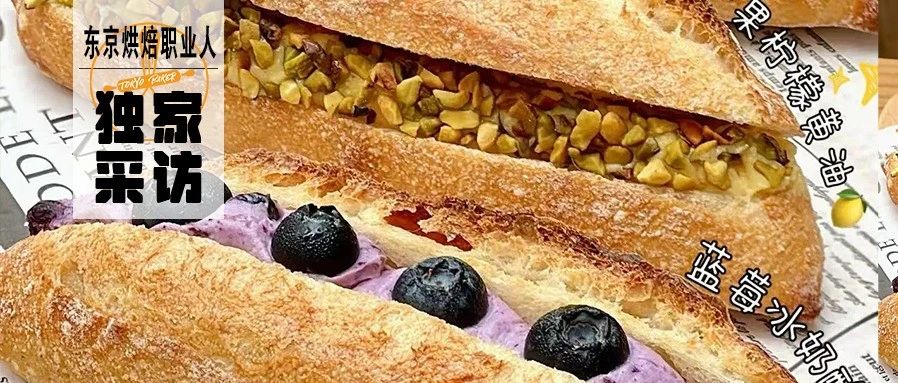
Core Viewpoint - The article highlights the entrepreneurial journey of Cherry, the founder of U. TASTE, a community bakery in Shenzhen, emphasizing her unique approach to baking and customer engagement, which has led to high customer loyalty and innovative product offerings [3][19][40]. Group 1: Company Background - U. TASTE was established in 2020 by Cherry, a former finance professional, who sought a new venture after retirement, leading to the creation of a bakery that focuses on fresh, healthy, and handmade French bread [3][7][10]. - The bakery has become the top community bakery in Nanshan District, Shenzhen, known for its high repurchase rate and customer satisfaction [3][34]. Group 2: Product Innovation - U. TASTE specializes in French bread, with signature products including a variety of baguettes and seasonal offerings that incorporate local ingredients [15][19]. - The bakery introduces new or improved products weekly, maintaining consumer interest and surprise [19][34]. - Cherry employs a clear product development strategy that includes classic French bases, seasonal ingredients, and a fusion of Eastern and Western flavors [19][22][28]. Group 3: Customer Engagement - U. TASTE fosters a strong community atmosphere, with frequent interactions between Cherry, staff, and customers, creating a familiar and welcoming environment [13][32]. - The bakery's high repurchase rate is attributed to its commitment to quality and customer relationships, with Cherry personally tracking customer preferences [34][37]. Group 4: Business Philosophy - Cherry emphasizes quality over profit, ensuring that all products are sold fresh daily and that high-quality ingredients are used, even if they come at a higher cost [34][37]. - The focus on community trust and product integrity is seen as a cornerstone of U. TASTE's business model, with plans for future expansion being approached cautiously to maintain quality [38][40].
中国抹茶十年逆袭,抢走日本的暴利生意
东京烘焙职业人· 2025-08-14 08:33
Core Viewpoint - The article highlights the paradox of China's position as the world's largest producer of matcha, while consumers are willing to pay exorbitant prices for imported Japanese matcha, reflecting a significant disparity in market perception and pricing [2][9][12]. Group 1: Market Dynamics - In 2022, the average export price of Japanese tea reached $27.3 per kilogram, approximately 200 RMB, which is four times higher than that of Chinese tea exports [6]. - Domestic consumers often pay high prices for Japanese matcha, with 50 grams of Uji matcha priced at 368 RMB in premium supermarkets, while local tea farmers sell raw tea leaves for only 20 RMB per kilogram [5][7]. - The demand for matcha in China has been increasing, with the market showing a growth rate of over 10% annually [22]. Group 2: Historical Context - Matcha originated in China during the Tang Dynasty, known as "mocha," and gained popularity in the Song Dynasty before being introduced to Japan [10][11]. - The production techniques for matcha were brought back to Japan by a monk during the Southern Song Dynasty, leading to its widespread popularity in Japan, while it faded in China until recent years [12]. Group 3: Production Landscape - China has seen significant advancements in matcha production over the past decade, with Zhejiang province becoming the largest producer, accounting for a substantial portion of national output [15]. - In 2023, Zhejiang's matcha production exceeded 4,200 tons, generating over 600 million RMB in value, while Guizhou produced 1,200 tons with a value exceeding 350 million RMB [15][16]. - Japan's matcha production has been declining due to an aging workforce, with the number of tea farmers dropping from 53,000 in 2000 to 12,000 in 2020, leading to a significant reduction in production capacity [18][19]. Group 4: Competitive Landscape - Despite Japan holding a 70% share of the high-end matcha market, its supply capabilities are struggling to meet the increasing demand, leading to a reliance on Chinese imports for lower-end products [17][20]. - Chinese matcha has begun to fill the gap in the market, with Guizhou's matcha being exported to Japan, accounting for 70% of Japan's imports in the first half of the year [20][21].