经济观察报

Search documents
经观社论|“投资于人”必先尊重人
经济观察报· 2025-10-11 09:52
要让人在财富的创造中发挥更重要的作用,需要我们更有效地"投资于人",以一种更长远而非短期功利的心态"投资于人"。 拿教育来说,从巩固普惠性学前教育到推动义务教育优质均衡发展,再到高等教育改革和终身教育机制建设,我们需要培养更多高素质、高技能的人 才,以适应新的就业形势。这种"高"不仅仅是指学历上的高,也不是单指持有多高级别的资质证书,而是技能的多元和精深。每个人有着不同的性格禀 赋,这些禀赋在锻炼和培训后,能够胜任不同岗位、满足不同市场需求。这也意味着,我们需要通过各种劳动技能培训,让更多人有机会发挥自己的一 技之长。 个人能力的充分发挥也需要一个更加丰富多元的市场。从个体角度来说,这种丰富和多元来自人们千差万别的兴趣爱好。这些不同的兴趣爱好既创造了 不同的市场需求,也为具有不同性格和才能的人提供了发挥的空间——他们可能正是需求的提供者。 我们应该清楚地认识到人在财富增长中的重要性,要让人在财 富的创造中发挥更重要的作用,更要让财富的增值服务于占据 大多数的普通人。这将带来更具包容性的长期增长。 作者: 社论 封图:图虫创意 刚刚过去的国庆中秋双节创出了新高:总计8.88亿人次出游,总花费超过8000亿元。为 ...


铜加工企业库存堆积如山 铜价还能疯多久?
经济观察报· 2025-10-11 09:52
Core Viewpoint - The copper industry is experiencing a dichotomy during the National Day holiday in 2025, with some companies operating at full capacity while others are forced to halt production due to high copper prices and weak demand from downstream sectors [1][4][26]. Group 1: Production and Operations - Among 61 domestic copper rod enterprises, 19 chose to operate during the National Day holiday, including 16 recycled copper rod companies and 3 refined copper rod companies, with a combined capacity of 2.795 million tons [2][4]. - A copper rod enterprise in Jiangxi reported that they prepared over 1,000 tons of recycled copper raw materials to ensure continuous production during the holiday, indicating strong order demand [2][8]. - In contrast, refined copper rod enterprises averaged 4.05 days off during the holiday in 2025, an increase from 3.95 days in 2023, reflecting a slowdown in orders and production [1][3]. Group 2: Market Dynamics - The copper price surged due to supply disruptions from the Grasberg copper mine in Indonesia, impacting the entire copper sector and leading to a strong performance in the A-share market [4][35]. - Despite high copper prices, downstream orders have not returned to peak levels, with some enterprises adopting a cautious approach to production due to regional policy uncertainties [5][32]. - The dichotomy in the industry is evident, with recycled copper rod enterprises needing to prepare 600 to 750 tons of raw materials to maintain operations, while refined copper rod enterprises face reduced demand and longer holiday breaks [13][26]. Group 3: Financial Pressures - High copper prices have led to increased financial pressure on refined copper rod enterprises, with inventory levels rising significantly and payment cycles extending [27][32]. - A refined copper rod enterprise reported that their inventory had doubled to over 2,000 tons, leading to substantial financial costs during the holiday [26][27]. - The decision to conduct maintenance during the holiday was calculated to minimize losses, with companies estimating that holiday maintenance could save them significant financial resources compared to maintenance during peak production periods [30]. Group 4: Future Outlook - After the holiday, copper industry enterprises resumed production, with LME copper prices reaching a 16-month high, indicating a potential recovery in demand [34][35]. - The International Copper Study Group (ICSG) predicts a shift from surplus to shortage in the copper market by 2026, driven by tightening supply and structural demand growth [36][39]. - The Ministry of Industry and Information Technology's plan for the non-ferrous metals industry aims for a significant increase in recycled metal production, which may influence future investment and operational strategies in the copper sector [38][39].

冯帅章:部分院校的专业设置与实际需求脱节
经济观察报· 2025-10-11 09:15
Core Viewpoint - The employment situation, particularly for young people, is a concern for society, but there is no need for excessive anxiety. The job market is relatively stable this year, with enterprises, graduates, and schools actively adjusting to the new employment landscape. Future attention should be paid to the quality rather than the quantity of higher education expansion [1][2][5][7]. Employment Market Overview - The number of college graduates is expected to reach a record high of 12.22 million by 2025, an increase of 430,000 from the previous year [2]. - As of August, the unemployment rate for urban labor aged 16-24 reached 18.9%, up 1.1 percentage points from July, marking a new high since the new standard was introduced in December 2023 [2]. - The overall employment market is stable compared to last year, with no significant fluctuations, which can be viewed as a positive sign in the current macroeconomic context [5][6]. Higher Education and Employment Quality - There is a need for significant adjustments in the professional settings of existing higher education institutions to align with actual market demands [7][8]. - Caution is advised regarding the expansion of higher education, emphasizing the importance of maintaining educational quality over merely increasing enrollment numbers [7][8]. Recommendations for Graduates - Graduates are encouraged to actively seek employment opportunities while considering market demands, rather than focusing solely on salary and job stability [9]. - Key strategies for students include solidifying their professional knowledge, embracing new technologies, and participating in internships to better understand market needs [9]. Flexible Employment Trends - The new flexible employment sector is divided into two categories: cloud-based and location-based. The latter, such as delivery and ride-sharing services, is approaching saturation due to local market demand limitations [12][13]. - The total number of platform workers in China has reached 247 million, accounting for 28.6% of the working-age population, with full-time and part-time workers being nearly equal [18]. Social Security and Policy Recommendations - There is a pressing need to enhance social security for flexible employment groups, particularly in light of an aging population [16]. - Policies should encourage platforms to assist flexible workers in securing social insurance, even if formal labor contracts are not in place [17][18].

百济神州打赢了关键一战
经济观察报· 2025-10-11 08:31
Core Viewpoint - The voluntary withdrawal of the lawsuit by both parties marks a significant victory for BeiGene and represents a shift for Chinese innovative pharmaceutical companies from "defensive outbound" to "rule-based outbound" strategies [1][16]. Summary by Sections Patent Dispute Conclusion - The two-year patent battle concluded with BeiGene successfully defending its position as AbbVie decided not to appeal the final decision of the U.S. Patent and Trademark Office [2][3]. - The resolution clears the patent obstacles for Zanubrutinib in the U.S. market, which is the first innovative drug approved in the U.S. from China and has generated over $6.4 billion in revenue for BeiGene [3][4]. Strategic Importance of Zanubrutinib - Zanubrutinib is crucial for BeiGene, contributing over 70% of its sales, and serves as a key product for entering the U.S. and global markets [12]. - The drug has achieved significant market share, surpassing its competitor Ibrutinib in the BTK inhibitor field by mid-2025 [3][13]. Legal Strategy and Tactics - A pivotal moment in the patent battle was BeiGene's proactive approach in initiating a Post Grant Review (PGR) process, leading to the invalidation of AbbVie's patent [6][8]. - This strategy shifted the focus from infringement to the validity of the patent itself, allowing BeiGene to take the initiative rather than merely defending against claims [9][10]. Implications for Chinese Pharmaceutical Companies - The outcome is viewed as a landmark victory for Chinese innovative pharmaceutical companies in navigating the U.S. intellectual property landscape [4][16]. - The case serves as a reference model for other Chinese companies facing complex patent disputes abroad, emphasizing the importance of understanding U.S. patent law and utilizing various procedural tools [17][18]. Future Considerations - Despite the victory, the competitive landscape remains challenging, and Chinese pharmaceutical companies must continue to innovate and comply with international regulations [14][16]. - Establishing a robust global intellectual property strategy is essential for both defensive and offensive maneuvers in future patent disputes [18].


深圳知名地标半价易主背后:谁的“阳谋”?
经济观察报· 2025-10-11 08:31
Core Viewpoint - The article discusses the significant loss of ownership of Shenzhen Royal Plaza by Royal Court International due to a judicial ruling that allowed creditor Guangyao Xialan to take possession of the property through a debt-for-asset arrangement, raising concerns about the company's financial stability and potential delisting risks [2][19]. Group 1: Ownership Change and Financial Impact - On October 9, 2025, Royal Court International announced that its subsidiary, Shenzhen Rongfa Investment Co., lost ownership of Shenzhen Royal Plaza to Guangyao Xialan for 3.053 billion yuan as part of a debt settlement [2][19]. - The estimated value of Shenzhen Royal Plaza was approximately 5.75 billion yuan as of December 31, 2024, making it a major asset for the company [2][19]. - Following the asset transfer, the company indicated a potential risk of triggering financial delisting warnings due to negative net assets [19]. Group 2: Debt Background and Restructuring Attempts - The ownership change stems from a loan agreement made in March 2016, where Rongfa Investment used Shenzhen Royal Plaza as collateral for a 3 billion yuan trust loan, which became overdue in March 2021 [4][19]. - Royal Court International began planning for debt restructuring and asset sales in February 2022, engaging with various potential buyers, ultimately selecting Fenghan Yigang as a partner [4][5]. - Despite signing a cooperation framework agreement with Fenghan Yigang, the debt restructuring process stalled due to disagreements on specific details [5][6]. Group 3: Role of Guangyao Xialan and Related Entities - Guangyao Xialan, a small enterprise established in June 2021, acquired the debt from the original creditor, Citic Trust, which had previously held the loan [9][10]. - The relationship between Guangyao Xialan and Fenghan Yigang is complex, with indications of shared control and connections to a common investment entity [10][11][13]. - The article suggests that the entire situation may not be a straightforward competition for ownership but rather involves interconnected interests among the parties involved [10][11][13]. Group 4: Financial Consequences and Missed Opportunities - The annual revenue from Shenzhen Royal Plaza was approximately 369 million yuan in 2024, accounting for over 56% of Royal Court International's total revenue [19]. - Despite the asset transfer, the company still faces a significant debt shortfall, with total liabilities exceeding 4.2 billion yuan, including overdue interest [19][20]. - The article argues that earlier liquidation of the asset could have been a more effective strategy to address the debt crisis rather than pursuing restructuring [20].


代糖战来了新角色
经济观察报· 2025-10-11 08:21
Core Viewpoint - The article discusses the emerging market for D-Allulose, a new sugar substitute approved for use in China, highlighting its potential applications and the industry's response to its commercialization [3][5][10]. Group 1: Market Potential and Demand - D-Allulose is recognized as a "new generation sugar substitute" with a sweetness level of 70% compared to sucrose and low caloric content, making it a promising alternative for the food industry [5][12]. - The global market for D-Allulose is projected to reach $14.77 million in 2024, with a compound annual growth rate (CAGR) exceeding 14% from 2025 to 2034 [6]. - The "Healthy China Action (2019-2030)" initiative aims to limit daily added sugar intake to 25 grams per person, increasing the demand for safer and higher-quality sugar substitutes [3][5]. Group 2: Production and Supply Chain - D-Allulose can be produced through two main methods: biological fermentation using E. coli and enzyme-catalyzed conversion, with the latter being more commonly adopted due to lower initial investment requirements [8][9]. - Major companies like COFCO and Baolingbao are ramping up production capabilities, with Baolingbao planning to reach an annual production capacity of approximately 30,000 tons by 2026 [9][12]. - The production process is currently limited by the availability of enzyme preparations, which are crucial for D-Allulose production [9][10]. Group 3: Industry Response and Challenges - Downstream companies, including Wahaha and Mengniu, are interested in testing D-Allulose in their products, but large-scale application is still in the research and testing phase [11][12]. - The cost of D-Allulose remains a significant barrier, with current prices ranging from 20,000 to 24,000 yuan per ton, compared to around 10,000 yuan per ton for erythritol [13][14]. - Concerns about potential overcapacity in the market exist, as seen with erythritol, which experienced a price drop due to oversupply [14][15]. Group 4: Future Outlook - The industry outlook for D-Allulose remains optimistic, with expectations that production costs will decrease as capacity increases [15]. - Key factors for market success include continuous technological innovation, cost control, and the establishment of a complete industrial ecosystem [15].




化妆品企业为何再攻植物成分
经济观察报· 2025-10-11 08:21
Core Viewpoint - The domestic cosmetics industry is experiencing a significant transformation, focusing on the innovation of plant-based ingredients and the development of proprietary technologies for extracting and utilizing these ingredients effectively [1][4][14]. Group 1: Technological Advancements - Since 2022, the domestic cosmetics industry has gradually mastered the full-process technology of "active substance labeling, impurity separation, and purity control" [10]. - Companies like Yunnan's Betaini have successfully extracted beneficial components from plants, such as the Qingci fruit, which has shown efficacy in skin barrier repair and anti-aging [2][11]. - The use of AI technology has accelerated the identification and extraction of effective plant components, allowing for higher purity and better efficacy in products [12]. Group 2: Market Trends - There is a growing trend among domestic cosmetics companies to utilize plant-based ingredients as a key differentiator in product offerings, with many brands showcasing their latest research and development at industry conferences [3][6]. - The number of new plant-based raw materials registered has increased significantly, from 3 in 2022 to 42 in 2024, indicating a shift towards plant-based ingredients dominating the market [7]. - The market for domestic cosmetics is expanding, with local brands capturing over 55.2% of the market share, surpassing foreign brands [15]. Group 3: Investment and Capital Market - Several companies focusing on plant-based ingredients have initiated IPO processes, reflecting increased investor interest in the sector [14]. - Notable investments have been made in companies with capabilities in plant raw material research, indicating a strong market confidence in the potential of domestic plant-based cosmetics [14]. Group 4: Future Outlook - The domestic cosmetics industry is expected to continue its shift towards using local plant resources, with predictions that domestic raw materials will account for over 80% of the market share in the future [15]. - As the industry matures, the purity, stability, and efficacy of domestic raw materials are approaching or even surpassing international standards, enhancing brand confidence in local sourcing [15].


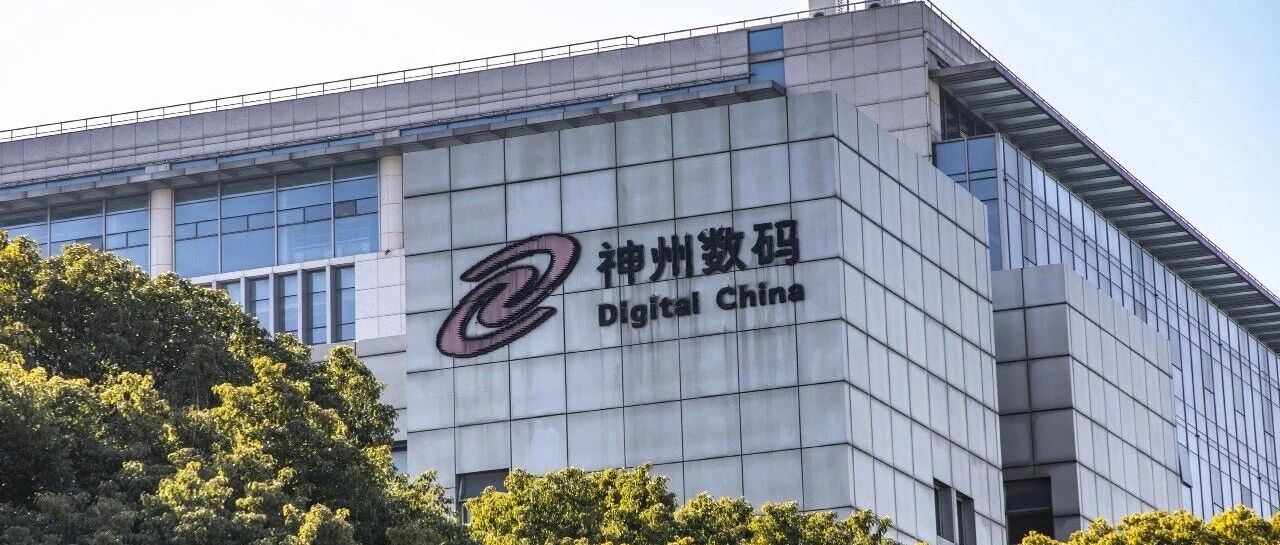
深夜公告实控人郭为离婚,神州数码迎来“关键时刻”
经济观察报· 2025-10-11 07:53
Core Viewpoint - The article discusses the significant issue of the actual control of Digital China (神州数码) amidst its ongoing transformation, which requires continuous investment and has already pressured profits due to a recent divorce case involving its controlling shareholder, Guo Wei [1][2][3]. Company Control and Shareholder Dynamics - On October 10, 2025, Digital China announced the first-instance judgment of Guo Wei's divorce, which did not clarify the property division but indicated that part of his shares had been judicially frozen [2][3]. - The frozen shares amount to 77,388,902, representing approximately 10.75% of Digital China's total share capital and half of Guo Wei's personal holdings [3][6]. - If these shares are divided, Guo Wei's ex-wife could become the second-largest shareholder, significantly impacting the company's decision-making structure [7][8]. Financial Performance and Strategic Investments - For the first half of 2025, Digital China reported revenues of 71.59 billion yuan, a year-on-year increase of 14.4%, but the net profit attributable to shareholders fell by 16.3% to 426 million yuan [5][10]. - The decline in profit is attributed to increased investments in research and development to seize opportunities in artificial intelligence (AI), with R&D spending rising by 10.6% to 210 million yuan [11][12]. - The company faces challenges with cash flow, having 5.346 billion yuan in cash against short-term borrowings of 10.219 billion yuan, indicating financial strain [12]. Business Model and Market Position - Digital China's primary revenue comes from IT distribution and value-added services, which contributed 95.5% of total revenue, but this segment has low profit margins, with a gross margin of only 2.7% [8][9]. - The company is transitioning towards AI-driven services, with AI-related business revenue reaching 13.332 billion yuan, a 56% increase year-on-year [20]. Strategic Direction and Leadership Changes - The management team, led by Wang Bingfeng, is focusing on the "AI-driven digital cloud integration" strategy, which aims to leverage AI technology for business transformation [19][20]. - Recent leadership changes, including the appointment of Wang Bingfeng as the legal representative, signal a shift in control and strategy execution during a critical transformation phase for the company [17][18]. - The company is exploring various avenues for growth, including self-owned AI servers and applications in finance and healthcare, while also considering overseas acquisitions [24].

专访李华:个税改革应重点加强对全球所得的监控
经济观察报· 2025-10-10 13:11
Core Viewpoint - The article emphasizes the importance of personal income tax and its threshold as a key element in determining taxpayers' pre-tax deductions, which directly impacts their economic burden and is a focal point for public concern [2][4][6]. Policy Context - The Chinese government aims to improve the personal income tax system by gradually establishing a combined comprehensive and classified tax system, as highlighted in various party congress reports [2][3]. - The 2025 National People's Congress is expected to see proposals for increasing the personal income tax threshold or enhancing deductions, particularly in high-cost areas like Beijing, Shanghai, Guangzhou, and Shenzhen [3][4]. Current Tax Structure - The current personal income tax threshold has remained unchanged since 2018, set at 5,000 yuan per month, with 64% of personal income tax revenue derived from wage and salary income, effectively making it a "salary tax" [3][4]. - The classification of income for tax purposes has been expanded from four categories to nine, including new categories such as business income and capital gains, to enhance revenue management [3][4]. Tax Deductions and Fairness - The special additional deductions for personal income tax have been continuously improved, covering various living expenses such as education, medical care, and housing [4][5]. - The tax system aims to reduce income disparity through differentiated tax burdens, ensuring that high-income earners contribute a larger share of taxes while lower-income individuals may not pay taxes at all [4][5][9]. Challenges in Tax Administration - There are significant challenges in regulating non-wage income compared to wage income, leading to potential inequities in tax burdens [10][11]. - The current system struggles to adequately cover flexible employment and new economic sectors, resulting in mismatches in tax policy application [10][11]. Future Directions - Future reforms may focus on increasing the threshold for personal income tax and optimizing the tax structure to ensure sustainability while promoting fairness [12][14]. - The introduction of a progressive deduction system based on income levels could help address disparities and enhance the equity of the tax system [15][14].

维立志博康小强:不卷PD-1,领跑肿瘤免疫治疗2.0 | 进击的创新药企
经济观察报· 2025-10-10 12:25
Core Viewpoint - The article discusses the innovative strategies and advancements of Weilizhibo, a Chinese biopharmaceutical company focused on cancer immunotherapy, particularly in developing next-generation therapies that address limitations of existing PD-(L)1 treatments [4][5][6]. Group 1: Company Overview - Weilizhibo has 14 candidate innovative drugs, with 4 in the top three of global clinical progress, aiming to become first-in-class drugs [6][7]. - The company was founded by Kang Xiaoqiang and Lai Shoupeng in 2012, focusing on cancer immunotherapy after extensive research in the U.S. [8][9]. Group 2: Market Context - The global market for innovative drugs is rapidly evolving, with significant investment interest, particularly in the field of cancer immunotherapy [4]. - The PD-(L)1 inhibitors have shown a response rate of only about 20%, indicating a substantial unmet need in cancer treatment [6][10]. Group 3: Strategic Focus - Weilizhibo aims to address cancers that do not respond to PD-(L)1 therapies, focusing on alternative immune checkpoint inhibitors like LAG-3 and 4-1BB [10][11]. - The company has developed three core technology platforms: IO2.0, TCE, and ADC, which are expected to define the future of oncology [11][12]. Group 4: Clinical Progress - The PD-L1/4-1BB dual antibody (LBL-024) is currently in Phase III clinical trials and has shown promising results, with an objective response rate of 75% in a recent study [12][19]. - Weilizhibo's GPRC5D/CD3 dual antibody has completed Phase II trials and received orphan drug designation from the FDA, indicating its potential in treating multiple myeloma [19][20]. Group 5: Financial Strategy - Weilizhibo has successfully completed multiple funding rounds, raising a total of 1.084 billion yuan, with a significant increase in valuation from 40 million yuan in 2015 to 3.1 billion yuan in 2024 [15][16]. - The company strategically increased its IPO fundraising target to 189 million USD due to favorable market conditions, resulting in a successful listing on the Hong Kong Stock Exchange [16][17]. Group 6: Future Outlook - The company plans to expand its indications from rare cancers to larger cancer types, with a goal of submitting a biological license application by Q3 2026 [20][21]. - Weilizhibo intends to adopt a light-asset strategy for commercialization, collaborating with CDMOs for production while considering establishing its own facilities in the future [21][22].