经济观察报

Search documents
在重庆小面王国 他们另立山头吃米粉|十月行记
经济观察报· 2025-10-10 11:56
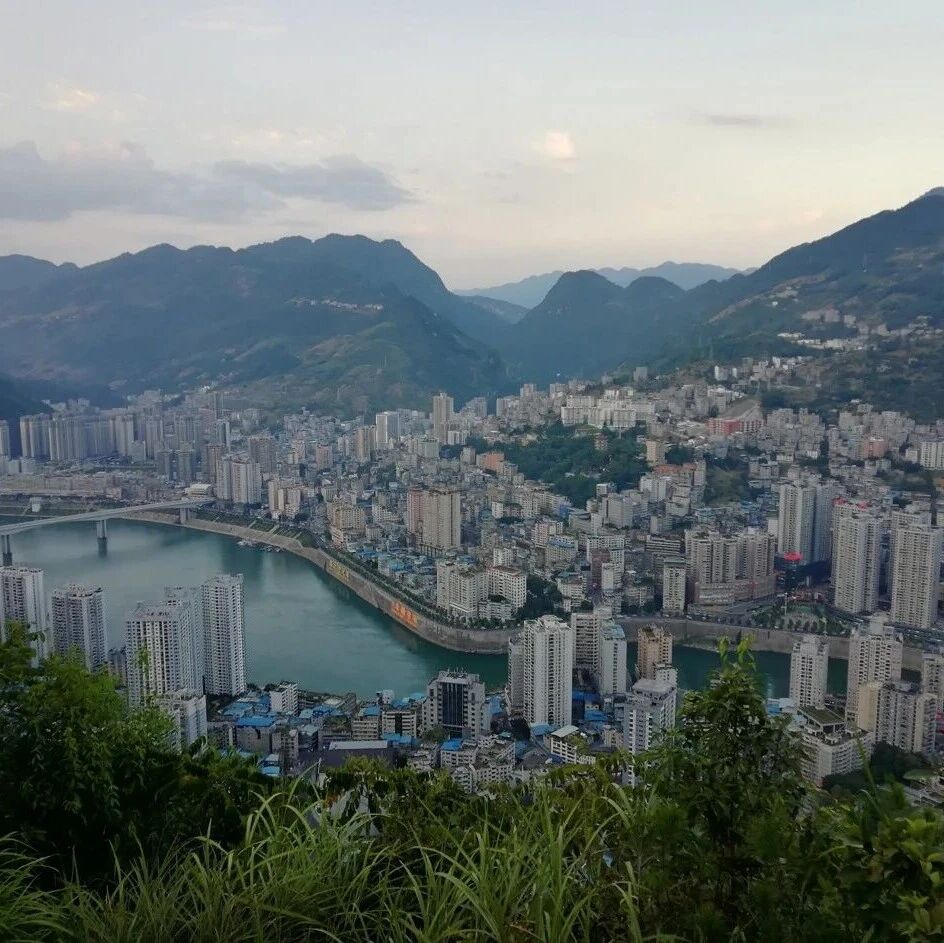
虽然隶属重庆,彭水人却很少吃重庆小面这道地标美食,县内 销量靠前的小面作坊,每日销量只在几百斤。米粉才是彭水城 乡生活中不可或缺的小吃。 作者: 张英 封图:图虫创意 早晨三四点,这些米粉将被送往遍布县城和乡镇的米粉店,每天这个厂要送出上千斤米粉。 这座县城里像这样的米粉厂有十多家,最大的厂每日产量超过八千斤。而负责为食客煮制米粉的店家有数 百家。 这个爱吃米粉的地方叫彭水,位于重庆市东南部。从重庆主城出发,高铁50分钟,自驾3小时,当车窗外 的山已高耸入云,江水变得湍急,隧道越来越多、越来越长,耳朵嗡嗡直响,你就快到彭水了。 彭水县城在乌江与郁江交汇处,是一座依山而建的江边小城。彭水得名于隋朝,彭指鼓声,因这里峡水澎 湃,其声似鼓,故隋朝政府命名为彭水。历史上,这里是中央政府羁縻苗疆的关隘,因此形成了汉族、土 家族、苗族等多民族共居的特点。 虽然隶属重庆,彭水人却很少吃重庆小面这道地标美食,县内销量靠前的小面作坊,每日销量只在几百 斤。 米粉才是彭水城乡生活中不可或缺的小吃。旧时,米粉是郁江、乌江码头工人的首选,现在,无论是县城 上班族的早餐,还是乡里人赶集时的小憩,一碗米粉都是他们的常选项,打工人回乡的第 ...

“City Fly”商业化在即
经济观察报· 2025-10-10 11:56
Core Viewpoint - The article discusses the emerging trend of low-altitude tourism in China, particularly focusing on the commercialization of eVTOL (electric vertical takeoff and landing) aircraft for urban sightseeing, highlighting the efforts of HeLi Intelligent Technology Co., Ltd. in Guangzhou to launch a specific sightseeing route [3][6][10]. Group 1: Industry Development - The low-altitude tourism sector has gained significant attention, especially during the recent National Day holiday, with various aerial sightseeing projects capturing consumer interest [5][6]. - HeLi Intelligent has been working on the "TianDe Plaza-HaiXinSha" route, aiming for commercial operation by next year, which will cover complex urban airspace in Guangzhou [3][7]. - The company has conducted approximately 500 safe flights on this route over the past year, indicating a strong commitment to safety and regulatory compliance [7]. Group 2: Technological and Regulatory Challenges - The successful commercialization of eVTOLs is contingent upon obtaining airworthiness certifications, which are essential for operational approval [10][12]. - Current challenges include the need for improved ground infrastructure, such as takeoff and landing sites, charging stations, and passenger terminals, as well as the establishment of a comprehensive regulatory framework for low-altitude airspace [12][13]. - The industry is also facing a demand for skilled professionals in various roles, emphasizing the importance of talent development and public awareness regarding low-altitude economic opportunities [12]. Group 3: Future Outlook - HeLi Intelligent aims to evolve beyond sightseeing services and become a key player in urban air transportation over the next 5 to 10 years [8]. - The commercialization of flying cars is expected to begin within the next five years, with ticket prices potentially aligning with first-class train fares, indicating a shift towards mainstream adoption of aerial transport [13].


天安财险53亿资本补充债兑付违约 保险公司债券刚兑时代“幻灭”
经济观察报· 2025-10-10 11:56
Core Viewpoint - Tianan Insurance is unable to repay its 2015 capital supplement bond due to insufficient solvency and operational inefficiencies, marking the first occurrence of a corporate capital supplement bond default in the insurance industry [2][4][8]. Group 1: Bond Default Details - Tianan Insurance announced that its 2015 capital supplement bond, amounting to 5.3 billion, is expected to default on repayment due on September 30, 2025 [2]. - The bond had a segmented interest rate, with the first five years at 5.97% and the subsequent five years at 6.97% if not redeemed [2]. - The company has communicated with bondholders and is working on risk management strategies regarding the bond [1][8]. Group 2: Historical Context - From 2016 to 2019, Tianan Insurance paid interest on the bond as scheduled, but operational issues arose after the "Tomorrow Group," the company's actual controller, faced difficulties [3]. - The China Banking and Insurance Regulatory Commission took over Tianan Insurance in July 2020, leading to a halt in the redemption of the bond [3]. Group 3: Current Financial Situation - Since the takeover, Tianan Insurance has been unable to generate sufficient internal profits to cover the bond's principal and interest, primarily due to a decline in business growth and operational efficiency [4][5]. - The company's return on equity (ROE) has been below 8%, indicating an inability to cover costs and debts, which has contributed to its solvency issues [4]. Group 4: Future Prospects and Challenges - Tianan Insurance's attempts to resolve the bond default through capital increases or new bond issuance have been complicated by its ongoing regulatory takeover [5][6]. - In July 2024, Sheneng Insurance signed an agreement to acquire Tianan Insurance's business assets, but this acquisition does not include the defaulted bond [5][6]. - The company has stated that it cannot ensure a solvency ratio of at least 100% after repaying the bond, which is a prerequisite for repayment [6][7]. Group 5: Market Reactions and Implications - The default has raised concerns among investors, leading to increased scrutiny of small insurance companies' shareholder backgrounds and compliance [9]. - There are fears that the default could trigger further defaults within the "Tomorrow Group" insurance companies, including Tianan Life, which has its own bond maturing in December 2025 [8][9].

和中财办原副主任尹艳林聊了两小时:房价、股市、“十五五”和改革
经济观察报· 2025-10-10 11:56
Group 1 - The current economic situation in China is characterized by insufficient demand, necessitating new incremental policies to stimulate growth [3][20][32] - The real estate market is identified as a crucial area for implementing incremental policies due to its strong impact on the economy [5][18][28] - The need for deep reforms in three key areas: income distribution reform, fiscal and tax system reform, and investment system reform to encourage private sector investment [7][43][45] Group 2 - The "anti-involution" policy is aimed at addressing excessive competition in certain industries, particularly in emerging sectors like renewable energy and technology [3][10][12] - The importance of preventing the misinterpretation of "anti-involution" as a move against platform economies or private enterprises [3][12][16] - The necessity for a balanced approach to market competition, emphasizing legal frameworks to guide behavior rather than administrative controls [11][12][14] Group 3 - The need for macroeconomic policies to focus on stimulating demand, with suggestions for lowering interest rates and potentially implementing a form of quantitative easing [8][45] - The role of local governments in maintaining redundant capacities and the challenges they pose to market dynamics [16][17] - The potential for urbanization to drive economic growth, with a focus on improving public services and reducing administrative barriers [29][30]
对话英矽智能任峰:让AI制药自我“造血” 目标是年年BD | 进击的创新药企
经济观察报· 2025-10-10 08:13
Core Viewpoint - The article discusses how AI is revolutionizing the pharmaceutical industry, significantly reducing the time and cost associated with drug development, traditionally estimated at "10 years and $1 billion" for original innovative drugs [3][4]. Group 1: AI in Drug Development - By utilizing AI, companies like Insilico Medicine can reduce the number of molecules synthesized from hundreds to a few dozen, lowering trial costs to one-tenth of traditional methods [4]. - The time required to identify a clinical candidate has been shortened from 2.5-4.5 years to just 9-18 months, representing a reduction to one-third of the original timeline [4]. - The cost of developing a preclinical candidate has decreased from over $10 million to between $2 million and $3 million, which is one-fifth of the traditional cost [4]. Group 2: Competitive Advantages of Chinese AI Pharmaceutical Companies - Chinese AI pharmaceutical companies benefit from strong clinical resources, which enhance the speed and quality of clinical trials [4]. - For instance, Insilico Medicine's clinical trial for Rentosertib in China enrolled 71 patients in just over a year, compared to only 8 patients in the U.S. during the same period [4]. Group 3: Milestones and Challenges in AI Drug Development - Insilico Medicine's Rentosertib achieved a significant milestone by having its Phase IIa clinical trial results published in the prestigious journal Nature Medicine, marking a turning point for AI-driven drug discovery [6][7]. - Despite over 300 AI drug pipelines globally, many projects fail at early clinical stages, raising concerns about the future of AI in pharmaceuticals [6]. Group 4: Business Development and Financing - Insilico Medicine has completed 11 rounds of financing, totaling over $530 million, allowing it to navigate the challenges of the innovation drug sector [11]. - The company is actively pursuing business development (BD) opportunities, having secured a $550 million collaboration for a potential best-in-class oncology candidate [12]. - Insilico Medicine aims to generate cash flow through BD, with expectations of achieving 1-2 successful licensing agreements annually [13]. Group 5: Strategic Collaborations and Future Directions - Insilico Medicine has entered a strategic collaboration in the ADC (Antibody-Drug Conjugate) space, partnering with companies experienced in ADC development to establish a technology platform [16][17]. - The company is also exploring other cutting-edge fields such as aging research, sustainable chemistry, and agricultural innovation, while focusing primarily on its core biopharmaceutical domain [18].

传奇人生落幕 “中国证券教父”管金生逝世
经济观察报· 2025-10-10 02:42
Core Viewpoint - The article highlights the life and contributions of Guan Jingsheng, a pivotal figure in the development of China's capital markets, detailing his achievements, challenges, and the impact of his work on the industry [2][4]. Group 1: Early Life and Career - Guan Jingsheng was born on May 19, 1947, in a poor farming family in Jiangxi Province and later graduated with a master's degree in French literature from Shanghai International Studies University [4]. - He began his career at Shanghai International Trust Investment Company after struggling to find a job in his field [4]. Group 2: Founding of WanGuo Securities - In February 1988, Guan was appointed to establish China's first securities company, WanGuo Securities [5]. - Under his leadership, WanGuo Securities quickly rose to prominence, capturing 70% of domestic A-share trading volume and nearly all B-share trading volume, making it the largest brokerage in China at the time [6]. Group 3: Contributions to Market Infrastructure - Guan played a significant role in the establishment of the Shanghai Stock Exchange, contributing to the design of trading rules, equipment, and training for traders [7]. - WanGuo Securities was the first to enable cross-regional trading and promote paperless transactions [7]. Group 4: Challenges and Setbacks - The "327 bond incident" in February 1995 marked a turning point in Guan's career, where he heavily invested WanGuo Securities' assets in government bonds, leading to significant losses [9]. - Following the incident, Guan resigned and was imprisoned for 17 years, which severely impacted WanGuo Securities, leading to its merger with ShenYin & WanGuo Securities in 1996 [10][11]. Group 5: Later Life and New Ventures - After being released in 2003, Guan publicly reflected on his past mistakes and the importance of humility in leadership [11]. - In June 2016, at the age of 69, he launched a new venture, Jiu Song Fund, marking his third entrepreneurial endeavor [11][12]. - Jiu Song Fund was positioned as a parallel fund aimed at fostering Sino-foreign cooperation and innovation in the private equity sector [12].

2025年诺贝尔文学奖得主克拉斯纳霍尔凯:末日恐怖,天使瞪目
经济观察报· 2025-10-09 13:58
Core Viewpoint - The article discusses the recognition of Hungarian author László Krasznahorkai as the 2025 Nobel Prize in Literature winner, highlighting his unique narrative style and thematic focus on apocalyptic and existential themes [2][5]. Summary by Sections Author Background - László Krasznahorkai, born in 1954 in Gyula, Hungary, gained prominence with his debut novel "Satan's Tango" in 1989, which established his position in contemporary Hungarian literature [2]. - His works often depict a world shrouded in apocalyptic atmospheres, featuring desolate villages and civilizations on the brink of destruction [2]. Narrative Style - Krasznahorkai employs long sentences and an omniscient perspective to create a suffocating sense of doom, with his writing often lacking clear punctuation, resembling "slow-moving lava" [3]. - His narrative technique includes a "narrative within a narrative," where the text itself becomes a reflection of the void it attempts to describe, leading to a collapse of reality into a moment of imagination [3]. Thematic Elements - The motif of "angels" recurs in Krasznahorkai's work, representing a force of scrutiny amidst historical ruins, compelling individuals to confront the gap between harsh reality and transcendence [4]. - His latest novel, "An Angel Passed Above Us," directly incorporates the theme of angels, exploring their role in the context of ongoing war and existential crises [4]. Artistic Philosophy - Krasznahorkai's "artistic power" is characterized by a relentless confrontation with harsh truths, avoiding simplistic comforts and demanding readers to face the ruins of civilization [5]. - He emphasizes a "non-compromising humanistic stance," advocating for a deep engagement with the present reality rather than escaping into future fantasies [5]. Writing Ethics - Krasznahorkai believes that the fragmented nature of modern life requires a continuous narrative style to express the complexities of love and pain, which cannot be adequately conveyed through short, fragmented sentences [6]. - His writing aims to penetrate the fog of history and individual memory in search of elusive truths, questioning what literature can leave behind in the unresolved gaps of existence [6].

不再为阳澄湖“作嫁衣” 微山湖大闸蟹北上南下
经济观察报· 2025-10-09 13:01
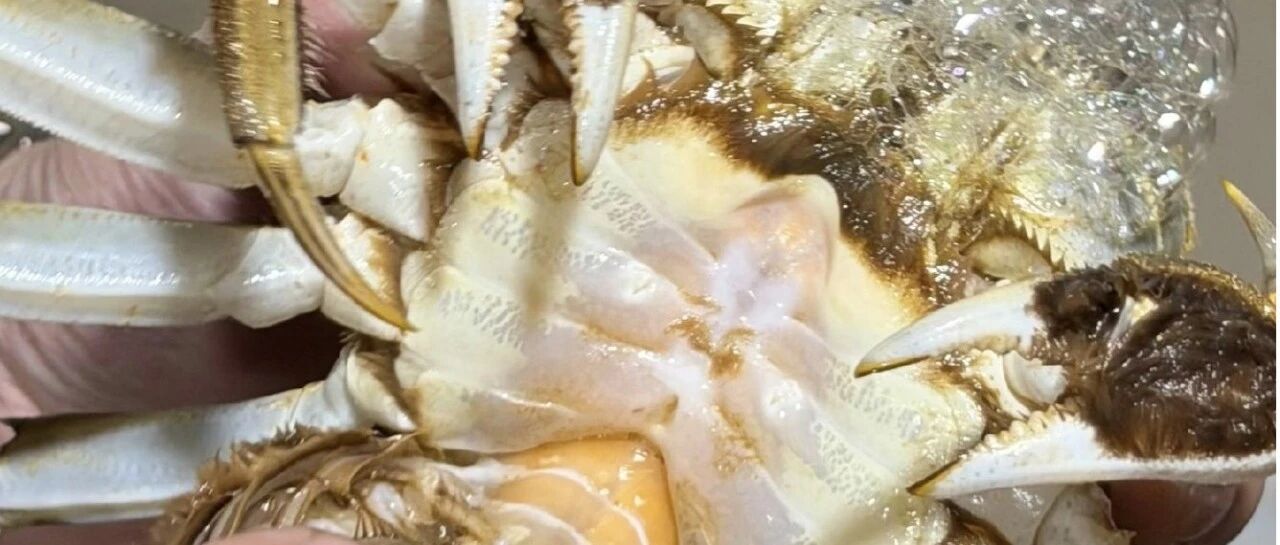
Core Viewpoint - The article discusses the efforts of a company in Shandong, specifically the Hongzhuang Bay brand, to establish itself as a competitive player in the Chinese crab market, traditionally dominated by Yangcheng Lake crabs, by leveraging e-commerce and innovative marketing strategies [2][7][29]. Group 1: Market Positioning and Strategy - The company aims to position "Weishan Lake crabs" as a quality brand alongside "Yangcheng Lake" crabs, focusing on the unique advantages of the Weishan Lake region, such as superior water quality and climate conditions that enhance crab quality [5][6]. - In 2024, the company launched a flagship store on short video platforms and introduced a loss-leading product strategy, selling 10 two-tael female crabs for 99 yuan, resulting in significant initial losses but ultimately achieving a high repurchase rate of 25% [7][9]. Group 2: Operational Challenges and Solutions - The company faced initial operational challenges, including a lack of infrastructure and logistics, but overcame these by partnering with SF Express to reduce logistics costs to levels comparable to southern regions [19][20]. - A key operational strategy involved implementing a "true weight" model to ensure transparency in product weight, which helped build consumer trust and minimize negative feedback related to weight discrepancies [13][21]. Group 3: Multi-Platform Strategy - The company expanded its sales strategy to include multiple e-commerce platforms, optimizing product offerings based on platform characteristics, which allowed for efficient inventory management and maximized sales potential [15][17]. - The company has successfully penetrated markets in Guangdong, Shanghai, Jiangsu, and Zhejiang, demonstrating its ability to compete in regions traditionally dominated by southern crab brands [17][29]. Group 4: Talent Acquisition and Retention - The company has faced challenges in attracting and retaining talent due to its remote location, but has implemented higher salary offerings and a flexible work environment to appeal to younger workers [26][27]. - Efforts to create a supportive work culture include providing amenities and organizing social activities to enhance employee satisfaction and retention [26][27]. Group 5: Industry Development and Future Goals - The company aims to not only establish itself as a leading e-commerce player but also to foster the overall development of the Weishan Lake crab industry by supporting local farmers and creating a regional brand identity [28][29]. - Initiatives include collaborating with local government to establish a trading market for Weishan Lake crabs and promoting the brand through geographical indicators, which are crucial for building a competitive market presence [29].
继吉利后,奇瑞也将与雷诺“牵手”在南美生产汽车? 雷诺中国:确有沟通
经济观察报· 2025-10-09 10:41
Core Viewpoint - Chery Automobile is in talks with Renault to establish a manufacturing and sales partnership in South America, focusing on Colombia and Argentina, which could enhance both companies' market presence in the region [2][3]. Group 1: Partnership Details - Chery plans to utilize Renault's factory facilities in Colombia for producing fuel vehicles, with most vehicles branded as Renault and a smaller portion retaining the Chery brand [2][3]. - In Argentina, Chery is considering investing in a hybrid pickup production line at Renault's Córdoba factory, with Renault managing the distribution [2][3]. - The collaboration aims for Chery to provide products and technology while Renault offers factory space and sales channels, allowing Chery to operate with a light asset model [3][4]. Group 2: Market Context - The domestic automotive market in China is experiencing slower growth, prompting Chinese automakers to accelerate their global expansion, particularly in South America, which has significant market potential and a gap in the electric vehicle sector [2][3]. - Chery has been a leader in export sales among Chinese automakers, with overseas sales projected to reach 1.145 million units in 2024, a 21.4% increase year-on-year [3][5]. Group 3: Competitive Landscape - Renault is a key player in the South American market, with established factories in Colombia and Argentina, which could facilitate Chery's entry into these markets [3][4]. - The partnership is expected to enhance Renault's product line and reduce costs, helping it to compete more effectively in the rapidly growing South American electric vehicle market [4][5]. Group 4: Financial Performance - Chery's sales from January to August reached 1.727 million vehicles, a year-on-year increase of over 14%, with exports accounting for 798,800 units, up 10.8% [5]. - Chery's recent IPO on the Hong Kong Stock Exchange raised HKD 9.14 billion, marking it as the largest IPO for an automotive company in the Hong Kong market this year, which may further boost its interest in collaborating with Renault [5].

有色金属接棒 护送A股征伐4000点
经济观察报· 2025-10-09 10:41
Market Performance - On October 9, A-shares opened high and closed higher, with the Shanghai Composite Index rising by 1.32% to 3933.97 points, marking the highest level since August 2015 [2][4] - The Shenzhen Component Index increased by 1.47% to 13725.56 points, and the ChiNext Index rose by 0.73% to 3261.82 points, both reaching new highs since February 2022 [2][4] - A total of 3115 stocks in the market saw gains, indicating a broad-based rally [2] Sector Performance - The non-ferrous metals sector emerged as a standout performer, with a year-to-date increase of 77.56%, outperforming hardware equipment (59.07%) and semiconductors (58.74%) [2] - On October 9, the non-ferrous metals sector surged by 6.67%, with stocks like Western Superconducting (688122.SH) and Northern Rare Earth (600111.SH) hitting the daily limit [6] - Other sectors such as power generation equipment and technology stocks also performed well, with notable gains in semiconductor stocks [4][6] Gold and Precious Metals - International spot gold prices reached a record high of over $4000 per ounce on October 8, leading to significant increases in domestic gold jewelry prices [7] - Multiple gold-related stocks, including Shandong Gold (600547.SH) and Zhongjin Gold (600589.SH), hit historical highs [7] - The rise in gold prices is attributed to global market conditions, including concerns over U.S. government shutdowns and expectations of interest rate cuts [7] Future Market Outlook - Analysts predict a "shaking upward" trend for the market in October, with continued inflow of incremental liquidity and a focus on structural characteristics [9] - The market is expected to maintain a bullish sentiment, with the upcoming Fourth Plenary Session of the 19th Central Committee anticipated to influence market expectations [9][10] - Overall, the market is likely to experience a rebound in earnings growth for most industries due to low base effects from the previous year, reinforcing market confidence [9]