财富FORTUNE

Search documents
中国警告:人形机器人行业存在泡沫风险
财富FORTUNE· 2025-12-04 13:08
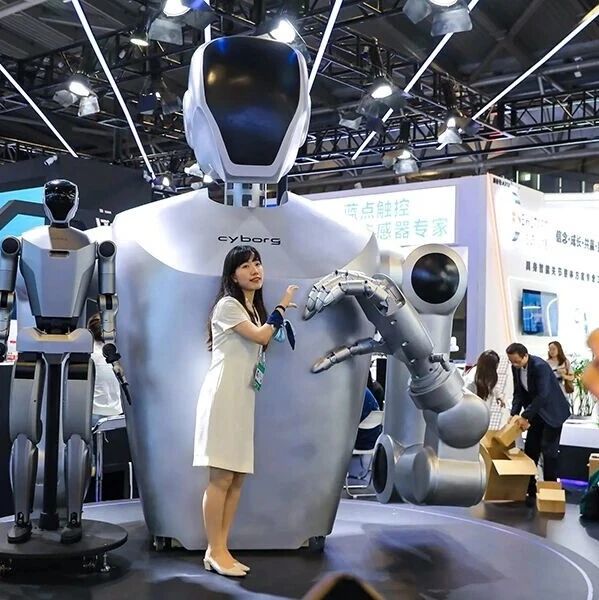
Core Viewpoint - The Chinese government is accelerating efforts in key core technology development while warning against the risk of bubble formation in the humanoid robot industry, highlighting concerns over excessive investment and product redundancy [2]. Group 1: Industry Overview - The National Development and Reform Commission (NDRC) has noted that over 150 companies in China have launched highly similar humanoid robot products, indicating a risk of market saturation and reduced innovation space [2]. - The humanoid robot sector is viewed as a significant economic engine, prompting the government to call for vigilance against over-investment, reminiscent of past investment frenzies in sectors like shared bicycles and semiconductors [2]. - The stock price of industry leader UBTech Robotics Corp. rose over 4% recently, as the market anticipates potential benefits from industry consolidation [2]. Group 2: Market Trends and Projections - The Solactive China Humanoid Robotics Index has increased nearly 30% this year, reflecting heightened investor enthusiasm driven by rising industry attention [4]. - Citigroup projects that the humanoid robot market could reach a size of $7 trillion by 2050, although widespread adoption in homes and factories is expected to take several more years [4]. - The government plans to enhance industry entry and exit mechanisms to foster a fair competitive environment and accelerate the development of critical core technologies [4].

谷歌CEO:即将开始建设太空人工智能数据中心
财富FORTUNE· 2025-12-04 13:08
Core Insights - Google is expanding its artificial intelligence initiatives with a plan to build space-based data centers, leveraging solar energy for more efficient power supply [1][2] - The CEO Sundar Pichai envisions that space data centers will become a conventional practice within the next decade [2] - The collaboration with Planet aims to launch two prototype satellites by early 2027 to test AI hardware in space [1][2] Group 1: Space Data Center Initiative - Google has announced the "Project Suncatcher," which focuses on finding efficient power sources for high-energy data centers using solar energy [1] - The energy from the sun is estimated to be 1 trillion times the total energy production on Earth today [1] - The CEO predicts that space data centers will set a new standard in the near future [1][2] Group 2: Competitive Landscape - Google is not the only company exploring space data centers; Starcloud, supported by Y Combinator and Nvidia, has already launched an AI-equipped satellite [2] - The CEO of Starcloud predicts that even accounting for emissions during the launch process, space data centers will have 10 times lower carbon emissions compared to ground-based data centers [3] Group 3: Financial Considerations - The cost of building solar-powered space data centers remains uncertain, despite the decreasing costs of satellites for testing AI hardware [3] - A McKinsey report estimates that capital expenditures for ground data centers will exceed $5 trillion by 2030 [3] - Google plans to invest $40 billion in building data centers in Texas to expand its computing capabilities [3] Group 4: Sustainability Concerns - The rapid expansion of AI computing power raises sustainability concerns, making solar energy for data centers increasingly attractive [3] - A report from the U.S. Department of Energy indicates that data center loads have doubled over the past decade and may triple by 2028, consuming up to 12% of U.S. electricity [3] - Google's data center electricity consumption has more than doubled in the past five years, from 14.4 million MWh in 2020 to 30.8 million MWh last year [4]


万丰Volocopter全系eVTOL中国首秀 重塑城市空中出行新生态
财富FORTUNE· 2025-12-04 13:08
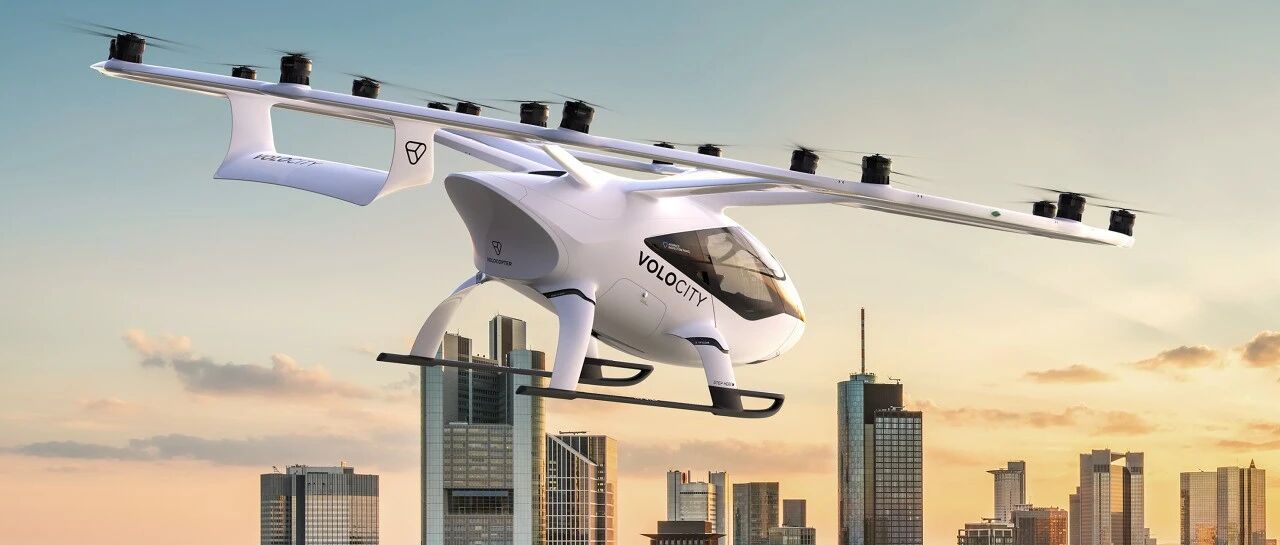
Core Viewpoint - The article highlights the significant advancements and strategic developments of Volocopter, particularly following its restructuring by WanFeng Group, showcasing its eVTOL aircraft and the future of urban air mobility (UAM) in China [1][29]. Group 1: Product Launch and Achievements - The VoloXpro eVTOL aircraft received a special flight permit from the Civil Aviation Administration of China, marking a key step in its commercial journey [3]. - Volocopter's VoloXpro, a two-seat, 18-rotor aircraft, has achieved over 2,000 test flights across more than 20 countries since its first public manned flight in Singapore in 2019 [3][7]. - The company showcased its full product lineup, including VoloCity, VoloRegion, and VoloXpro, at the 2025 Asian General Aviation Exhibition, emphasizing its leadership in the low-altitude economy [1][6]. Group 2: Strategic Partnerships and Collaborations - Volocopter has formed strategic partnerships, including with the German Air Rescue Service to integrate VoloCity into emergency medical services, and with Euro Flight Test to establish a standardized pilot training system for eVTOLs [6][7]. - The collaboration with Microsoft aims to develop the VoloIQ aviation cloud system, enhancing the connectivity and operational efficiency of the UAM ecosystem [27]. Group 3: Business Model and Market Position - Volocopter is positioned as a pioneer in the UAM sector, offering a comprehensive service portfolio that includes urban air taxi services, intercity transport, and cargo delivery solutions [20][29]. - The company has developed a unique ecosystem that integrates aircraft manufacturing with smart systems and landing facilities, aiming to redefine urban transportation [13][30]. Group 4: Future Outlook and Expansion Plans - WanFeng Group's restructuring of Volocopter is seen as a strategic move to accelerate the commercialization of eVTOL technology, with plans to introduce core models like VoloXpro and VoloCity to the Chinese market [29][37]. - The integration of Volocopter's advanced technologies with WanFeng's manufacturing capabilities is expected to facilitate the rapid scaling of eVTOL operations globally [30][34].
港口较量:中美角力,这个欧洲小国得利
财富FORTUNE· 2025-12-04 13:08
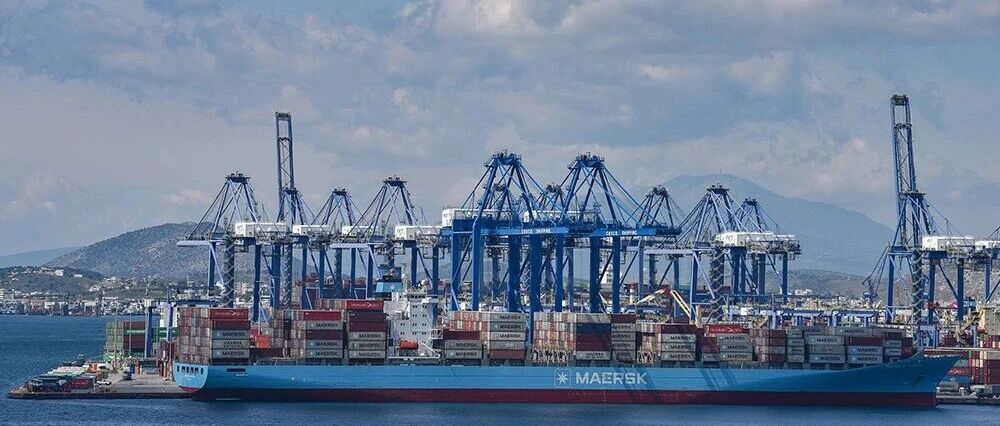
Core Viewpoint - The article discusses the strategic expansion of ONEX at Elefsina Port in Greece, highlighting its potential to enhance the U.S. presence in the Mediterranean and counter China's influence in the region [2][5]. Group 1: ONEX and Elefsina Port Expansion - The Greek parliament approved ONEX's expansion plan at Elefsina Port, allowing the company to acquire an additional 40 hectares of land and diversify its operations into commercial, logistics, port, and energy sectors [2]. - ONEX's CEO, Panos Xenocostas, praised the restructuring of the Elefsina shipyard as a model of industrial revival, emphasizing its sustainable operations and advanced logistics capabilities [2]. Group 2: U.S. Strategic Interests - The U.S. International Development Finance Corporation (DFC) was established to enhance U.S. economic leadership globally and to support American businesses in overseas investments [3]. - The U.S. aims to compete with China in the shipping and shipbuilding sectors, with Greece being a critical battleground for influence in the Mediterranean [3][4]. Group 3: Competition with China - COSCO's operations at Piraeus Port, which began in 2008, have made it a significant player in the Mediterranean, with a container throughput of 5.5 million TEUs, nearing capacity [4]. - The U.S. is concerned about China's control over global maritime infrastructure, with Chinese companies managing 96 ports worldwide, prompting a strategic response from the U.S. government [6]. Group 4: Political Dynamics in Greece - Greek Prime Minister Kyriakos Mitsotakis indicated a willingness to explore cooperation with the U.S. while respecting existing agreements with COSCO [5]. - The Greek opposition expresses concerns about increased dependency on the U.S. and the potential for Greece to be caught in the U.S.-China rivalry [6].
全球头号咖啡生产国为何“换豆”?
财富FORTUNE· 2025-12-03 13:08
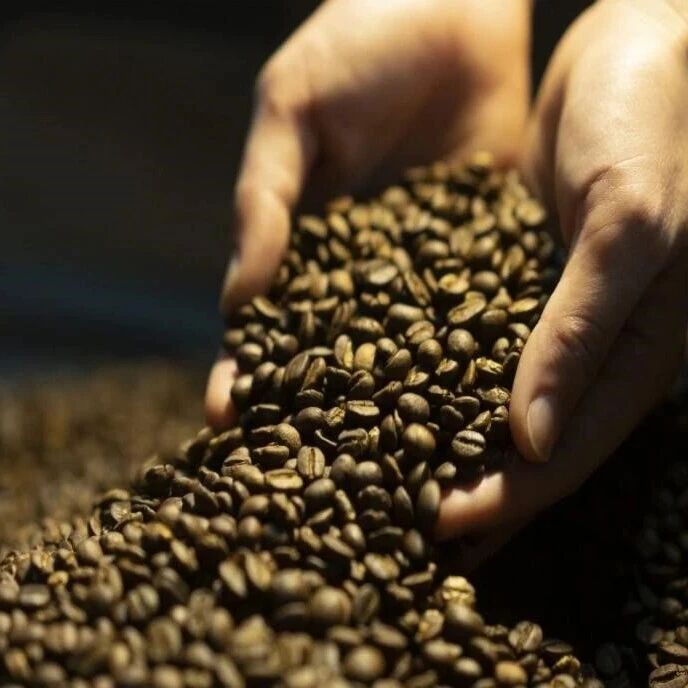
Core Insights - Brazil, the world's largest producer of Arabica coffee beans, is shifting towards Robusta coffee cultivation due to climate change challenges affecting Arabica production [1][3] - Robusta bean production has increased by over 81% in the past decade, while Arabica's annual growth rate is around 2% to 2.5% [1][5] - The demand for Robusta is not primarily driven by consumer preference but rather by the adverse effects of climate change on Arabica crops [1][3] Group 1: Climate Impact and Production Shifts - Climate change is causing more severe droughts and higher temperatures in traditional Arabica growing regions, prompting farmers to invest in Robusta beans, which are more resilient [1][3] - Robusta's production growth rate is approximately 4.8% annually, with a record increase of nearly 22% in the current growing season [1][3] Group 2: Market Dynamics and Consumer Preferences - Younger consumers show less concern for the type of coffee they drink, often preferring customized options that mask the bean's flavor, which may lead to a shift towards cheaper Robusta beans if prices continue to rise [3][4] - The price gap between Robusta and Arabica beans is expected to widen in Europe, influenced by new regulations requiring certification for imported goods [4][5] Group 3: Economic Factors and Investment Trends - Despite Robusta beans typically being cheaper, their prices have reached historical highs, encouraging more Brazilian producers to invest in Robusta cultivation [5] - Improvements in the quality of Robusta beans are making them more appealing to consumers, further driving price increases [5]
初代苹果鼠标设计公司,正在与AI做朋友
财富FORTUNE· 2025-12-03 13:08
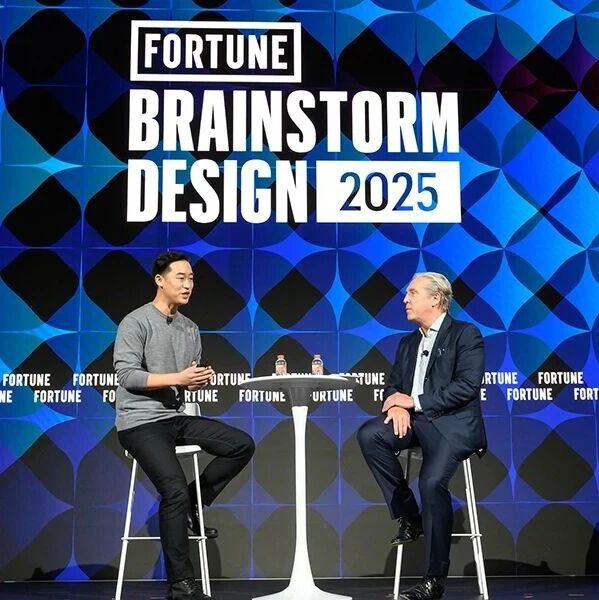
Core Insights - The article discusses the evolution of design thinking and the role of AI in the design industry, emphasizing the importance of human empathy in the creative process [1][4][6]. Group 1: Historical Context - Jim Yurchenco designed the first general-purpose mouse for Apple, inspired by game controllers, which significantly reduced costs and set a standard for future designs [1]. - Although Apple Lisa was not commercially successful, Yurchenco's mouse design contributed to the success of the Macintosh [1]. Group 2: AI and Design - Mike Peng, CEO of IDEO, highlights the contradiction between creativity and AI, stating that AI tends to produce average results, while creativity seeks to break away from the norm [4]. - AI is viewed as a powerful tool for iteration and analysis, but human empathy is essential for understanding the emotional experiences associated with design [4][5]. - IDEO's approach involves challenging AI-generated answers to create superior designs, emphasizing the importance of human perspectives in the design process [5]. Group 3: Human-AI Collaboration - The combination of humans and AI is crucial, with the focus on how to effectively utilize AI to enhance design outcomes [6]. - AI can achieve 60% to 80% quality in design tasks, but true excellence requires a deep understanding of human experiences and interactions [6]. - The nuances of human behavior and emotions are often missed by AI, which presents opportunities for designers to create innovative solutions [6].
百年家族企业第四代揭秘:如何实现有效传承
财富FORTUNE· 2025-12-03 13:08
Core Viewpoint - The article discusses the evolution and success of Merz Group, a family-owned pharmaceutical company founded in 1908, highlighting its growth into a global entity and the importance of family governance in its long-term strategy [1][2]. Group 1: Company History and Development - Merz Group was founded in 1908 by Friedrich Merz with an initial capital of 10,000 gold marks and a few drug patents, and has since grown to have a 117-year history [1][2]. - The company established a multinational market network starting in the 1930s with sales or representative offices in cities like Berlin, Vienna, Zurich, London, and Newark [3]. - Key product developments include the approval of Memantine for Alzheimer's disease in 2002 and the launch of a botulinum toxin product in 2005, which became a core product in the medical aesthetics sector [3]. Group 2: Family Business Dynamics - Merz Group remains a family business, emphasizing the role of family-owned enterprises in the European economy and the challenges of balancing family control with professional management [4]. - The company has a structured succession plan that includes a three-year training program for potential family successors, ensuring they understand the business operations and responsibilities [9][10]. - An external board of non-family members is established to evaluate candidates for leadership roles, ensuring a balance between family ties and professional governance [10][11]. Group 3: Strategic Insights and Market Challenges - Christian Baatz, a family member and managing director, attributes the company's success to long-term continuity and the ability to embrace change, particularly in expanding into the medical aesthetics field [8]. - The company faces challenges in the Chinese market, where it aims to establish a long-term presence and build brand recognition among local consumers and medical professionals [15]. - The global medical aesthetics industry is growing rapidly, presenting both opportunities and challenges, particularly in understanding diverse patient needs across different regions [16][18]. Group 4: Commitment to Safety and Quality - Merz Group emphasizes that safety is not just a slogan but a fact verified through clinical evidence, stemming from its pharmaceutical background [20]. - The company adheres to strict pharmaceutical standards, including extensive clinical trials and ongoing product quality monitoring, to ensure the safety of its medical aesthetics products [20].

购房梦碎:美国年轻一代深陷财富困局
财富FORTUNE· 2025-12-03 13:08
Core Insights - The American dream of homeownership is increasingly becoming unattainable for many, particularly among the younger generations, leading to a significant shift in behavior and financial planning [1][3][4]. Group 1: Homeownership Crisis - In 2022, the median home price in the U.S. was 5.81 times the median household income, a significant increase from 4.52 times in 2010 and 3.57 times in 1984, indicating a growing affordability crisis [1]. - Many young Americans are postponing or abandoning their home-buying plans, with 67% of millennial renters in 2023 having no savings for a down payment, up from 48% in 2018 [3]. Group 2: Behavioral Changes - The belief that homeownership is unattainable leads to a change in behavior, where individuals may stop saving for a down payment and adopt a more frugal lifestyle [1][4]. - Those who abandon the dream of homeownership tend to have lower net worth and are more likely to live paycheck to paycheck, with their net assets often remaining close to zero [4]. Group 3: Intergenerational Impact - The research suggests that the loss of hope in homeownership can be hereditary, where children of parents who have given up on buying a home are less likely to pursue it themselves, exacerbating wealth inequality [4]. - By age 40, many renters have made definitive decisions about homeownership, with some still holding hope if they can gather enough funds [4]. Group 4: Economic Anxiety - Even high-income earners are experiencing economic anxiety, with 64% of those earning six figures feeling that their income is insufficient for a successful life, highlighting a broader economic struggle [5]. - The concept of a "poverty line" has been redefined, suggesting that a household income of $140,000 is necessary to avoid being left behind in society, indicating systemic issues in the economic structure [6].

奥尔特曼:OpenAI首款设备有望实现iPhone级革命性突破
财富FORTUNE· 2025-12-02 14:36
Core Insights - OpenAI's CEO Sam Altman is developing a revolutionary AI-centric device, likened to the iPhone, aimed at providing tranquility rather than adding stress to users [1][2] - The device is expected to be released within two years, with initial prototypes already prepared, and its design may differ significantly from conventional devices [1][2] Group 1 - The new device aims to eliminate distractions commonly associated with modern technology, contrasting the chaotic experience of using current devices [2] - Altman envisions the device's user experience to be peaceful, akin to being in a serene lakeside cabin [2] Group 2 - The device will have capabilities similar to the Friend necklace, capturing user context to filter information and seek user input when necessary [4] - Altman emphasizes that over time, users will develop trust in the device due to its remarkable situational awareness [5] - The design philosophy is expected to reflect the simplicity and intuitiveness characteristic of iconic Apple products, as influenced by former Apple design chief Jony Ive [5]

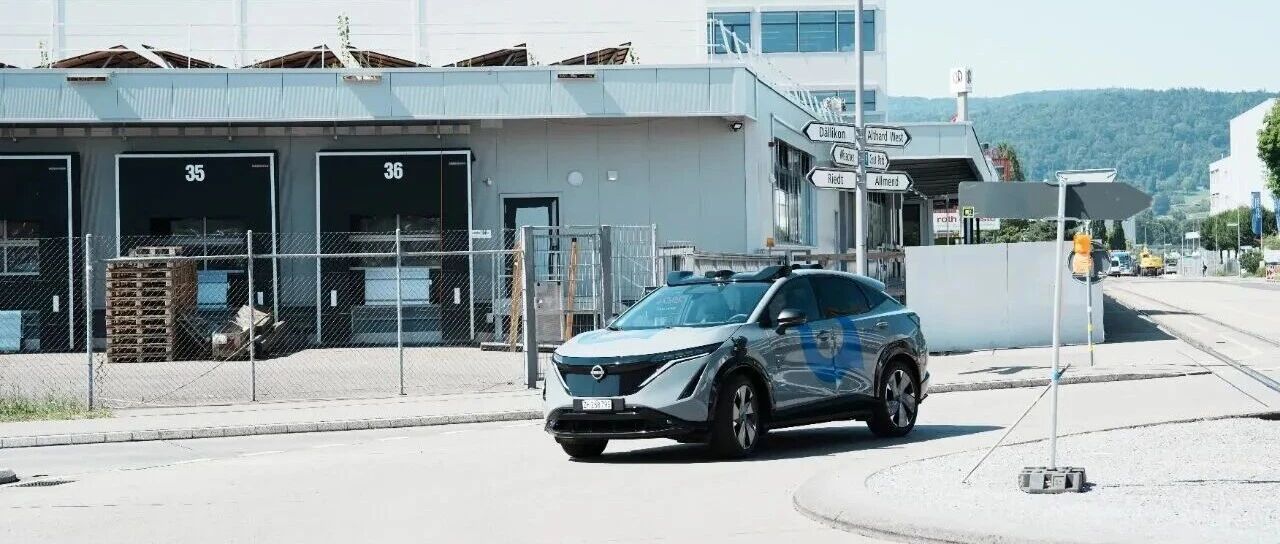
Robotaxi规模化突围,文远知行找到自动驾驶“造血”密钥
财富FORTUNE· 2025-12-02 14:36
Core Insights - The autonomous driving industry is experiencing a significant divide, with idealists failing in a capital winter while pragmatic players are achieving scalable commercial success [1][3] - The competition has shifted from algorithm precision and testing mileage to a comprehensive contest of business capabilities, global vision, and strategic endurance [1] - WeRide's latest Q3 financial report showcases a remarkable growth trajectory, with total revenue increasing by 144.3% to 171 million yuan, gross profit soaring by 1,123.9%, and net loss reduced by 70.5% [1][4] Financial Performance - WeRide's total revenue reached 171 million yuan, driven by a transformative business model [4] - Robotaxi revenue surged to 35.3 million yuan, a year-on-year increase of 761%, now accounting for 20.7% of total revenue [4] - The gross profit margin of 32.9% leads the industry, indicating a potential path to profitability as losses narrow significantly [4][24] Operational Efficiency - In Q3, WeRide's order volume in Guangzhou increased several times, with each vehicle completing up to 25 rides in 24 hours [5][6] - The launch of pure unmanned Robotaxi operations in Abu Dhabi marks a critical commercial milestone, demonstrating the viability of autonomous driving in real-world environments [7] Cost Control and Technology - WeRide's collaboration with Lenovo has led to a 50% reduction in Robotaxi GXR's autonomous driving suite costs, with an 84% decrease in lifecycle costs compared to previous generations [8] - The company plans to expand its fleet in the Middle East to 1,000 vehicles by 2026 and deploy hundreds of thousands globally by 2030 [12] Global Expansion and Licensing - WeRide holds licenses in eight countries, establishing a significant compliance barrier in the autonomous driving sector [13][16] - The recent acquisition of key licenses in the UAE and Switzerland supports WeRide's global commercialization efforts [14][16] Strategic Partnerships and Local Adaptation - WeRide's partnerships with local entities, such as Swiss Federal Railways and ride-hailing giants like Uber and Grab, enhance its market presence and operational efficiency [18] - The integration of a universal autonomous driving platform allows for consistent deployment across different regions, reducing engineering costs and ensuring technology uniformity [17] Future Prospects and Market Position - WeRide is exploring further commercialization opportunities, including autonomous minibuses, with contracts secured in Guangzhou and Shenzhen [20] - The company uniquely combines L4-level autonomous driving with L2+ assisted driving solutions, creating a competitive advantage in the market [22] - Following the release of its financial results, WeRide's stock prices surged, reflecting market confidence in its diversified business model and operational capabilities [24]