首席商业评论

Search documents
破解“增长焦虑”,必须要有成长型思维
首席商业评论· 2025-12-09 06:54
Core Insights - The article emphasizes the "growth anxiety" faced by companies due to rapidly changing consumer preferences, emerging technologies, and deep globalization, highlighting the need for innovation and value chain reconstruction to implement growth strategies [2][4] - The framework proposed in 华晓亮's book "常青树新法" includes "insight into growth opportunities, path planning, and execution empowerment," with a strong emphasis on a growth mindset as a key to successful growth [4][7] - A growth mindset involves embracing challenges, maintaining an open attitude, and demonstrating resilience in the face of setbacks [4][7] Market Environment - The current market environment is characterized by accelerated changes in consumer preferences, technological advancements, and globalization, necessitating companies to focus on innovation and digitalization to ensure the implementation of growth strategies [4][7] - The classic Ansoff Matrix is referenced as a model for identifying growth opportunities across existing or new markets and products, with strategies categorized by risk [7] Case Study: Midea Group - Midea Group is highlighted as a benchmark for growth in Chinese enterprises, achieving an average annual revenue growth rate exceeding 10% over the past decade, with revenues nearing 400 billion and net profit growth rates above 12% [8] - The leadership at Midea has demonstrated a significant growth mindset, actively promoting globalization and digital transformation while focusing on technological innovation and green manufacturing [8][10] Challenges Faced by Industry Leaders - Some former industry leaders are experiencing stagnation due to their adherence to past successful experiences and neglecting market changes, leading to a lack of growth [11] - These companies often fail to adapt to evolving consumer insights and market dynamics, resulting in a loss of competitive edge [11]



苏宁,资不抵债了,谁的错?
首席商业评论· 2025-12-09 06:54
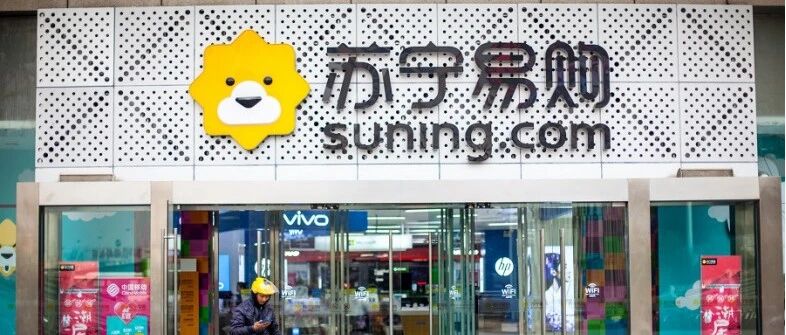
苏宁,这个家喻户晓的品牌集团,居然被判资不抵债了。 2025年1月26日,南京中院受理苏宁系公司-苏宁电器集团有限公司、苏宁控股集团有限公司、 苏宁置业集团有限公司破产重整案。 4月,南京中院公告,依据苏宁电器集团、苏宁控股集团、苏宁置业集团等3家公司管理人申请,裁定对苏宁电器集团等38家公司进行实质合并重整。 图源:网络 随后披露的重整草案与公告显示苏宁系面临2300亿巨额债务、资产清算约为410亿元,价值远低于账面,股东权益面临被调整甚至清零的可能性。集团在2025年也 发布了多份关于债务重组/债务和解的公告。 重整草案的思路是出资人权益调整,通过破产重整信托实现债权清偿和企业重生的双重目标。 同时,苏宁系公司实控人、前江苏首富张近东等外部股东的权益将全部无偿让渡,股东权益几近清零,与此同时张近东及配偶还需承诺将全部个人资产注入。 图源:网络 根据澎湃新闻报道,11月15日,作为本次重整普通债权人的苏宁易购公告称,公司董事会通过了38家苏宁系公司的重整草案,截至公告日,管理人已确认债权金 额为6.05亿元。不过,对其他债权人来说还没完,11月18日,苏宁电器集团等38家公司实质合并重整草案的表决期被再次延 ...

专家称25公里是电动车安全拐点|首席资讯日报
首席商业评论· 2025-12-08 05:01
1.三星确认家用机器人Ballie发售延期 12月8日,三星于两年前发布了其首款家用机器人Ballie的升级版。今年早些时候,该公司曾宣布该产品将于 2025年底前正式上市。然而,随着年末临近,三星正式确认Ballie的发售将延期。今年初,三星曾表示Ballie 将于2025年夏季推出。但当这一时间窗口在2025年IFA消费电子展结束后仍未兑现时,业界普遍预计其上市 计划或将推迟。 点评:灵动管家爽约,智能生活仍需等待。 2.专家称25公里是电动车安全拐点 从本月开始,我国正式开始对电动自行车执行新国标标准,其中车速将被限定在25公里/小时内,而到底为 何要这样做呢?天津自行车电动车行业协会生产力促进中心主任张瑞华接受采访时表示,25公里/小时是一 个安全拐点,超过这个速度,电动自行车的制动距离会非线性地增长,事故死亡率从10%飙升到30%以上。 点评:限速有利有弊,但不能因噎废食,25公里是否合乎使用场景?会不会导致电动自行车销量大幅下 滑? 3.河南"十五五"规划建议:落实国家育儿补贴制度,有效降低生育养育教育成本 中共河南省委发布关于制定河南省国民经济和社会发展第十五个五年规划的建议,其中提到,建设生育 ...

任正非最新讲话:涉及AI、教育、原创,信息量巨大
首席商业评论· 2025-12-08 05:01
Core Viewpoint - The discussion emphasizes the importance of education and AI in driving future industrial applications, with a focus on collaboration and the role of youth in shaping the future [3][5][6]. Group 1: AI and Industrial Applications - AI should focus on practical applications in industries such as manufacturing and healthcare over the next three to five years, enhancing efficiency and safety [7][8]. - Examples include optimizing iron production processes and improving coal mining safety through data-driven technologies [7][8]. - The use of AI in healthcare, such as pathology analysis and remote diagnostics, is highlighted as a significant advancement [8]. Group 2: Education and Youth Development - Education is seen as a critical foundation for innovation, with a call for a shift from traditional models to more decentralized, online learning approaches [10][12]. - The importance of nurturing talent within the country rather than solely relying on imported expertise is emphasized, advocating for a strong educational framework [12][13]. - The role of youth in driving societal progress is underscored, with encouragement for young individuals to embrace challenges and pursue their passions [19][20]. Group 3: Collaboration Between Academia and Industry - The necessity for closer collaboration between educational institutions and industries is stressed, with examples of successful partnerships leading to practical applications in competitions [15][16]. - The dialogue suggests that educational institutions should focus on fostering problem-solving skills relevant to current technological challenges [15][16]. Group 4: Future of Work and AI - The potential impact of AI on job markets is discussed, with a focus on the need for re-education and adaptation as automation increases [22][23]. - The conversation highlights the importance of preparing the workforce for a future where AI plays a significant role in various sectors, including transportation and healthcare [20][22]. Group 5: Global Perspectives and Innovations - The discussion acknowledges the contributions of various countries to technological advancements, emphasizing the importance of global collaboration in education and innovation [28][29]. - The potential for countries like Indonesia to leverage AI for local applications, such as port automation, is recognized as a pathway for development [30].

跌破1499元,茅台都卖不动了
首席商业评论· 2025-12-08 05:01
Core Viewpoint - The article discusses the significant decline of the Moutai brand and the broader challenges facing the Chinese liquor industry, highlighting a structural transformation driven by changing consumer preferences and economic pressures [5][14]. Group 1: Moutai's Price Decline - Moutai's price has plummeted from over 2000 yuan to below 1700 yuan, with a record low of 1640 yuan per bottle reported in November [5][6]. - The decline in Moutai's price has triggered a ripple effect across the industry, leading to negative growth for major brands like Wuliangye and Luzhou Laojiao, with 18 A-share liquor companies reporting collective performance declines [5][8]. Group 2: Dealer Challenges - Dealers are facing severe financial pressure, with many halting purchases due to price volatility and losses on inventory [6][8]. - The bundling purchase requirement for Moutai forces dealers to buy less popular products, exacerbating their financial strain as these products often sell at a loss [6][7]. Group 3: Inventory and Cash Flow Issues - The liquor industry is experiencing a significant increase in inventory, with stock levels rising by 63% since 2021, leading to a cash flow crisis for many dealers [10][12]. - The average inventory turnover period has extended to 1424 days, indicating a severe slowdown in sales and a growing backlog of unsold products [12]. Group 4: Changing Consumer Preferences - The younger generation is moving away from traditional liquor consumption, favoring low-alcohol beverages and cocktails, which is reshaping market dynamics [14][15]. - The shift in consumer behavior is compounded by a decline in demand for high-end liquor during traditional festive seasons, with a reported 20% to 30% drop in overall demand [10][14]. Group 5: Industry Response and Future Outlook - Liquor companies are attempting to innovate by introducing lower-alcohol products and diversifying into cocktails to attract younger consumers [15][16]. - However, the effectiveness of these strategies remains uncertain, as the industry grapples with overcapacity and a potential long-term downturn [15][17].


年入22亿,Z世代的社交神器要IPO了
首席商业评论· 2025-12-08 05:01
Core Insights - Soul, a social platform targeting Gen Z, has submitted its IPO application to the Hong Kong Stock Exchange for the fourth time, with 2024 revenue projected to exceed 2.2 billion yuan and 78.7% of users being from the Z generation [4][19]. Company Background - Founded by Zhang Lu, Soul was created to address the lack of platforms for genuine emotional expression, distinguishing itself from existing photo-centric social apps [5][7]. - The platform's unique features include anonymous interactions and a focus on "soul communication," which quickly attracted users feeling constrained by traditional social media [7][9]. Financial Performance - Soul initially adopted a "burn money for growth" strategy, with marketing expenses reaching 289.1%, 124.9%, and 118% of total revenue from 2019 to 2021, leading to a revenue increase from 70.7 million yuan in 2019 to 1.28 billion yuan in 2021 [9][10]. - In 2023, Soul shifted its strategy to focus on existing user value, achieving an adjusted net profit of 361 million yuan, with projected profits of 337 million yuan in 2024 and 286 million yuan in the first eight months of 2025 [9][12]. Revenue Model - The primary revenue source for Soul is "emotional value services," which account for approximately 90% of total revenue, including virtual gifts and membership privileges [9][10]. - The average monthly spending per paying user increased from 75.3 yuan in 2022 to 104.4 yuan by August 2025 [12]. IPO Journey - Soul's IPO attempts began in 2021 with a plan to list on NASDAQ, but faced setbacks due to regulatory pressures and legal issues, leading to a shift towards the Hong Kong market [14][17]. - After multiple failed attempts, the company is now better positioned for its fourth IPO attempt, having achieved profitability and developed a clearer AI strategy [17][19]. Challenges Ahead - Soul's revenue structure is heavily reliant on a single business model, with 90.8% of revenue coming from emotional value services, making it vulnerable to fluctuations in user spending [19]. - User growth has plateaued, with monthly active users declining from a peak of 29.4 million in 2022 to 28 million by August 2025 [19]. - The platform faces governance challenges, including issues related to scams and content moderation, as well as potential debt risks from financial obligations totaling between 11 billion to 12.4 billion yuan [19][21].

一年巨亏超20亿!“豪赌”的江西前首富,上演“千亿锂王”大翻身
首席商业评论· 2025-12-08 05:01
Core Viewpoint - Ganfeng Lithium, once a leading player in the lithium industry, has faced significant financial challenges, including substantial losses over the past 18 months, but is now showing signs of recovery with a recent profit turnaround [6][10][45]. Financial Performance - Ganfeng Lithium reported a net loss of 20.74 billion yuan in the previous year, marking a decline of over 141% year-on-year [8]. - In the first half of the current year, the company incurred a loss of 5.31 billion yuan, although this represented a narrowing of losses compared to the previous year [10]. - The company's revenue for the latest reporting period was approximately 8.38 billion yuan, down 12.65% from the previous year [11]. - The net profit attributable to shareholders improved by 30.13% compared to the previous year, although it remained negative at -531 million yuan [11]. Market Position and Strategy - Ganfeng Lithium, known as the "Maotai of Lithium," has a strong portfolio of lithium mines and has historically benefited from industry growth [8]. - The company has aggressively expanded its mining operations globally, acquiring various lithium projects in Australia, Argentina, and Mexico [22][25]. - Despite recent losses, Ganfeng Lithium has continued to invest in new projects, including a significant investment in Mali Lithium [25]. Debt and Financial Health - The company's debt levels have been rising, with a debt ratio exceeding 50% last year and reaching nearly 55% in the first quarter of this year [29]. - Total liabilities reached 532.4 billion yuan last year, increasing to a record high of 634.6 billion yuan in the first nine months of this year [31]. Regulatory Challenges - Ganfeng Lithium faced regulatory scrutiny, including penalties for insider trading and the revocation of mining rights in Mexico, which impacted investor confidence [34][39]. Recent Developments - In the third quarter of the current year, Ganfeng Lithium reported a net profit of 5.57 billion yuan, a significant increase of over 364% year-on-year, indicating a potential recovery [45]. - The company has established partnerships with major players in the electric vehicle and energy storage sectors, positioning itself for future growth [50]. Future Outlook - Ganfeng Lithium's extensive lithium resource holdings and technological capabilities provide a solid foundation for future growth, particularly in the energy storage market [48]. - The company is focusing on expanding its presence in the energy storage sector, which is seen as a core growth area for the future [53].


A股投资者总数已超过2.4亿|首席资讯日报
首席商业评论· 2025-12-07 04:50
Group 1 - The total number of A-share investors in China has exceeded 240 million, with a year-on-year growth of 26% [2] - The total assets of 107 securities companies reached 14.5 trillion yuan, and net assets reached 3.3 trillion yuan, growing over 50% and 40% respectively in the past four years [2] Group 2 - Apple's hardware technology senior vice president, Johny Srouji, is reportedly considering leaving the company, indicating potential leadership changes in Apple's chip development [3] Group 3 - Over 20 million people have entered and exited through Beijing's ports this year, a 18% increase compared to last year [4] - The number of mainland residents using Beijing ports for entry and exit reached approximately 12.9 million, also a 10% increase year-on-year [4] - The number of foreign visitors entering and exiting through Beijing ports reached over 6 million, accounting for 30% of total traffic, with a year-on-year growth of 34.5% [4] Group 4 - In Shanghai, the number of foreign and Hong Kong-Macau-Taiwan patients discharged from medical institutions is expected to increase by 25% in 2024 [5] - The implementation of the local standard for international medical services has improved patient experience, although there are still challenges in service standardization [5] Group 5 - Shenzhen Airport has officially launched its 60th international passenger route, marking a recovery to pre-pandemic levels [6] - The airport's international and regional passenger volume exceeded 5.7 million in the first 11 months of this year, representing a 23% year-on-year increase [6] Group 6 - Hong Kong has welcomed approximately 45 million visitors in the first 11 months of this year, a 12% increase compared to the previous year [7] Group 7 - Over 1,900 flights to Japan have been canceled in December, leading to a significant drop in passenger volume, while ticket prices have increased [8] Group 8 - The new regulatory guidelines require fund company executives to invest at least 30% of their performance-based compensation in their own funds, with a minimum of 40% for fund managers [10] Group 9 - The total box office in December 2025 has surpassed 1 billion yuan [11] Group 10 - China Electronics is not currently a strategic investor in Qiming Star, as the company prepares for a stock issuance to enhance its market position [12] Group 11 - Green Energy Electric Vehicles plans to accelerate the launch of new models that better meet daily commuting needs, addressing misconceptions about new national standards [13]

AI眼镜可能还救不了理想汽车股价
首席商业评论· 2025-12-07 04:50
Core Viewpoint - The article discusses the launch of Li Auto's AI glasses, Livis, amidst the company's financial struggles, highlighting the potential of the product to redefine user interaction and create new value beyond the automotive sector [3][28]. Group 1: Product Overview - Li Auto launched its first wearable device, the Livis AI glasses, priced at 1999 yuan, with a promotional price of 1699 yuan after subsidies [3]. - The Livis glasses weigh only 36 grams and feature ergonomic design for comfort, making them one of the most comfortable options in the market [7]. - The glasses are equipped with custom optical lenses from Zeiss, reducing 99% of reflective light and achieving a light transmittance of 92% [10]. - Key AI functionalities include a 12-megapixel camera, open-ear headphones, and deep integration with Li Auto vehicles, allowing users to control their cars with voice commands [11][14]. Group 2: Financial Performance - In Q3 2025, Li Auto reported a revenue of 27.36 billion yuan, a significant decline of 36.2% year-on-year, with a net loss of 624 million yuan [18][20]. - Vehicle sales revenue dropped to 25.87 billion yuan, down 37.4% year-on-year, and the vehicle gross margin fell to 15.5%, a decrease of over 5 percentage points [19][20]. - The company faced a 39% year-on-year drop in vehicle deliveries, with core models experiencing significant sales pressure [22]. Group 3: Market Challenges - Li Auto's market position is threatened by increasing competition, particularly as rivals quickly adopt similar features and technologies [25]. - The shift in consumer preference towards pure electric vehicles has diminished the advantages of Li Auto's extended-range technology [25]. - The company is navigating a challenging environment with declining sales across its product lines and increased competition from brands like Xiaomi and Aion [25][36]. Group 4: Strategic Direction - Li Auto is investing heavily in R&D, with plans to allocate 111 billion yuan in 2024, focusing significantly on artificial intelligence [30]. - The Livis glasses are positioned as a key component of Li Auto's strategy to expand into the "embodied intelligence" space, aiming to enhance user experience beyond automotive applications [32]. - The company recognizes the need to strengthen its core automotive business while exploring new technological avenues, indicating a dual focus on immediate market challenges and long-term innovation [36][38].


跌破7%,中国新生人口已经这么少了么?
首席商业评论· 2025-12-07 04:50
Group 1 - The core viewpoint of the article highlights the significant decline in China's birth rate and its implications for the country's demographic structure and global population share [4][7][9] - China's newborn population is projected to drop below 7% of the global total, a stark contrast to the nearly 25% share in the early years of the People's Republic [4][12] - The total fertility rate in China has fallen to around 1.1, significantly below the replacement level of 2.1, indicating a demographic crisis [16][18] Group 2 - Historical data shows that China's share of global newborns peaked at 27.3% in 1964 and has been in decline ever since, with projections indicating further drops in the coming years [12][23] - By 2030, China's birth rate is expected to be around 834,000, and by 2050, it may fall to 698,000, reflecting a continuous downward trend [21][23] - The article discusses the high costs of raising children in China, which contribute to the declining birth rate, with average costs for raising a child from 0-3 years being approximately 74,612 yuan per year [29][40] Group 3 - The article emphasizes that while the declining birth rate may pose challenges, it could also lead to improved living standards and reduced environmental pressures [45][49] - It suggests that a smaller population may facilitate better resource allocation and enhance public services such as education and healthcare [49][51] - The article concludes that the decline in population should not be viewed solely as negative, as it may provide opportunities for sustainable development and improved quality of life [51][53]