美股IPO

Search documents
大涨6.83%!“美国降价换欧洲涨价”!美国政府与辉瑞达成“标杆协议”,并上线药品直销网站“TrumpRx”
美股IPO· 2025-10-01 03:16
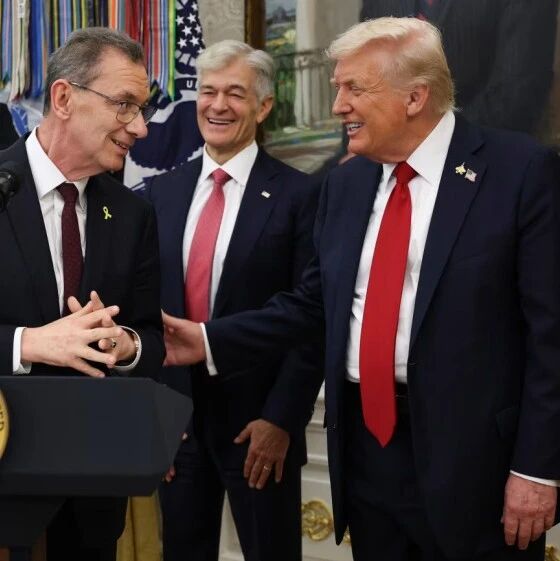
Core Viewpoint - Pfizer has reached an agreement with the Trump administration to lower drug prices in exchange for a three-year exemption from drug tariffs, marking a significant shift in U.S. pharmaceutical pricing policy [1][3][10]. Group 1: Agreement Details - The agreement allows Pfizer to sell certain popular drugs at an average discount of 50% to 100% through a new consumer direct sales website, TrumpRx [3][10]. - Pfizer will provide "Most Favored Nation" (MFN) pricing for drugs covered under Medicare and Medicaid, ensuring U.S. prices do not exceed the lowest prices in other countries [3][10]. - As part of the deal, Pfizer will not face specific tariffs for three years, provided it invests further in U.S. manufacturing [10][12]. Group 2: Impact on Drug Pricing - The agreement is part of a broader strategy to link U.S. drug prices to lower prices abroad, with the aim of addressing perceived unfair pricing practices [8][11]. - The White House is negotiating with G7 countries and others to raise drug prices internationally to offset revenue losses in the U.S. [4][11]. - Pfizer's stock rose significantly following the announcement, reflecting investor optimism about avoiding stricter pricing policies and tariffs [4][10]. Group 3: Specific Drug Discounts - Pfizer plans to offer discounts on various primary care and specialty drugs, with some drugs seeing price reductions of up to 85% [12]. - Specific drugs mentioned include Duavee for menopause symptoms at $30 (85% discount), Eucrisa for eczema at $162 (80% discount), and Tovias for overactive bladder at $42 (85% discount) [12]. Group 4: Market Reactions and Expert Opinions - Analysts view the agreement positively, suggesting it provides certainty for Pfizer and the broader pharmaceutical industry, potentially steering away from harsher pricing policies [13]. - However, health policy experts express skepticism about the agreement's ability to deliver substantial savings for the average American, noting that it primarily benefits the uninsured [13].


德银:关于美国政府关门,这是市场“不想知道”的一切
美股IPO· 2025-10-01 03:16
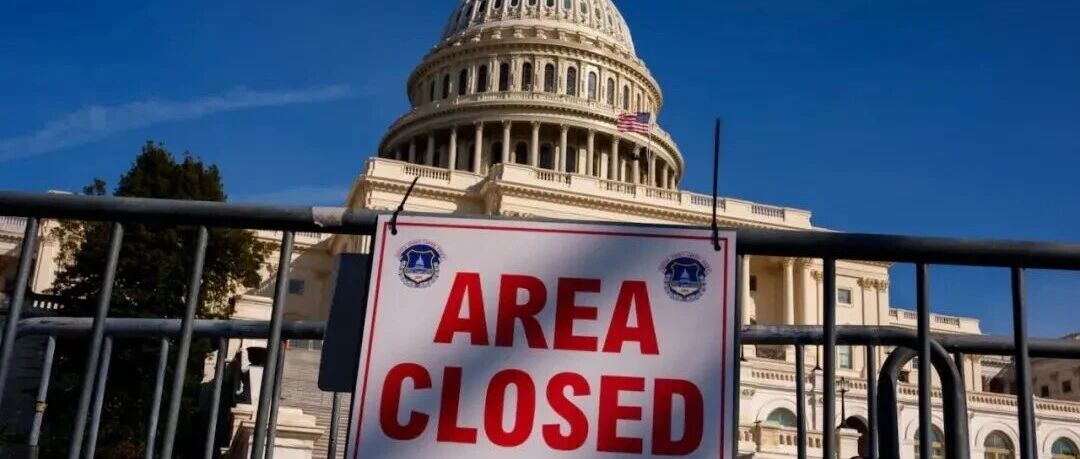
Core Viewpoint - The article discusses the potential risks associated with a possible U.S. government shutdown, highlighting three main "invisible risks" that could impact economic growth, data release interruptions, and specific financial instruments [1][2]. Economic Impact - A comprehensive government shutdown could lead to approximately 800,000 federal employees being furloughed, resulting in a weekly reduction of about 0.2 percentage points in annualized real GDP growth [2][7]. - The previous shutdown in October 2013 caused a decline of $8 billion in actual federal consumption expenditures, which ultimately reduced the fourth-quarter GDP growth by 30 basis points (0.3%) [7]. Data Release Interruption - The shutdown may delay the release of critical economic data such as employment reports and the Consumer Price Index (CPI), creating a "data black hole" for the Federal Reserve and market participants [4][5]. - Historical data from the 2013 shutdown indicates that the employment and CPI data releases were significantly delayed, leading to a chaotic data release schedule [4][6]. Financial Instruments Impact - The delay in CPI data could affect inflation-protected securities (TIPS) and inflation swaps. If the September CPI report is not released on time, the U.S. Treasury will use a fallback index based on the most recent available changes to calculate TIPS payment obligations [10][11]. - For inflation swaps, if the final data is released more than five business days after the payment date, actual data will be used; otherwise, a similar fallback method will apply [11]. Absence of Default Risk - Unlike the 2013 crisis, the current budget impasse does not involve a debt ceiling issue, which significantly reduces the risk of a systemic financial crisis due to government default [3][9].
重磅!巴菲特100亿美元收购OxyChem,或为伯克希尔2022年来最大交易
美股IPO· 2025-09-30 23:26
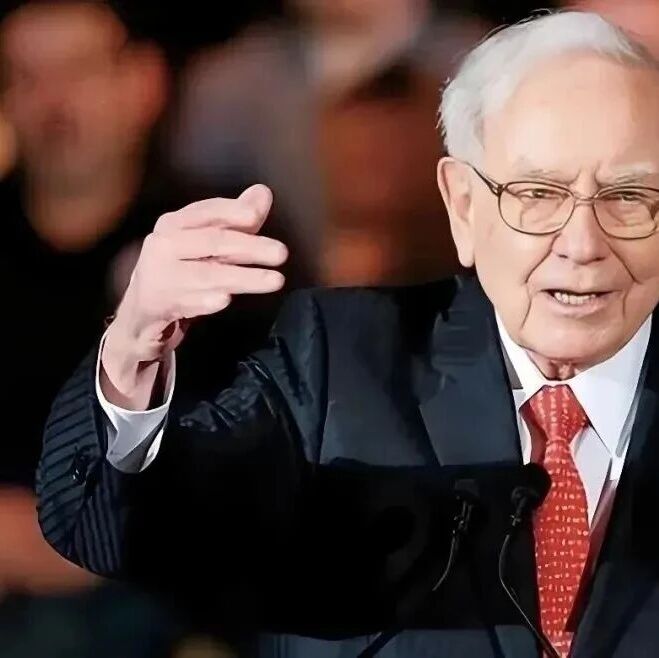
Core Viewpoint - Berkshire Hathaway, led by Warren Buffett, is in talks to acquire Occidental Petroleum's chemical division OxyChem for approximately $10 billion, marking its largest acquisition since 2022 and a significant investment in the chemical industry [1][3][4]. Group 1: Acquisition Details - The potential acquisition of OxyChem could be finalized within days and represents a strategic move for Berkshire, which already holds a 28.2% stake in Occidental Petroleum valued at over $11 billion [4]. - Occidental Petroleum, headquartered in Houston, has a market capitalization of around $46 billion and is primarily known for its oil and gas operations [4]. - OxyChem, the chemical division, generated nearly $5 billion in sales over the past 12 months, producing various chemical products used in water chlorination, battery recycling, and paper manufacturing [4]. Group 2: Historical Context - This would be Buffett's second major investment in the chemical sector, following the nearly $10 billion acquisition of specialty chemicals producer Lubrizol in 2011 [7]. - Berkshire's last significant acquisition was in 2022 when it agreed to purchase insurance company Alleghany for $11.6 billion [8]. Group 3: Investment Background - Buffett began investing in Occidental Petroleum in 2019, initially purchasing $10 billion in preferred stock to assist the company in acquiring Anadarko Petroleum [9]. - Since then, Occidental has faced challenges, including significant debt and criticism from activist investors, leading to asset sales to reduce debt by $7.5 billion [10]. Group 4: Financial Position - Berkshire Hathaway currently holds a record cash and U.S. Treasury bond position of $344 billion, indicating a strong financial capacity for acquisitions [11]. - Buffett has expressed a preference for acquiring businesses over holding cash, emphasizing the value of ownership in good companies [12].

暴涨11.7%!英伟达亲儿子CoreWeave与Meta签署142亿美元算力供应协议
美股IPO· 2025-09-30 23:26
Core Viewpoint - CoreWeave has secured a significant computing power supply agreement worth up to $14.2 billion with Meta Platforms, highlighting the substantial costs associated with developing advanced AI models and aiding CoreWeave in diversifying its client base away from Microsoft [1][3]. Group 1: Agreement Details - The agreement involves CoreWeave providing Meta with NVIDIA's latest GB300 systems, marking a strategic step for CoreWeave to reduce its reliance on Microsoft, which accounted for 71% of its revenue in the last quarter [4][5]. - Following the announcement of the deal, CoreWeave's stock surged by 11.7%, reflecting investor confidence in the company's growth potential [4]. Group 2: Market Context - Since its IPO in March, CoreWeave's stock price has more than doubled due to the increasing demand for computing power as tech giants compete to build advanced AI models [5]. - Meta is heavily investing in AI, with projected capital expenditures potentially reaching $72 billion this year, focusing on AI and data center infrastructure [5]. Group 3: Industry Dynamics - CoreWeave is part of the emerging "neoclouds" sector, which focuses on leasing top-tier AI chip computing power, competing with companies like Nebius Group and Nscale Global Holdings Ltd. [7]. - The capital-intensive nature of AI infrastructure leads companies like CoreWeave to rely significantly on debt financing, a common practice in the industry [8].

这不是互联网泡沫2.0!花旗大幅上调AI资本开支预测,称AI基建部署正在“急剧加速”
美股IPO· 2025-09-30 23:26
花旗认为,AI基础设施投资正急剧加速,将2026年AI资本开支上调至4900亿美元。与2000年互联网泡沫的关键区别在于,本轮投资有真实的企业级需 求作为"出口"进行价值验证。英伟达与OpenAI等巨额合作项目,以及AI算力需求呈指数级增长,驱动了投资狂潮。 花旗在周二的最新研报中表示,随着生成式人工智能需求持续超过供给,以及谷歌产品迭代加速,该行上调了对谷歌2026年及之后的资本开支预测。 花旗预计,谷歌2026年资本开支将达到约1110亿美元,高于2025年的860亿美元。根据最新测算,2024至2029年的资本开支复合年增长率(CAGR) 将达26%。 花旗认为,这一增长背后是谷歌人工智能产品和服务在核心搜索和云业务中的更大规模应用。目前,Gemini的token使用量持续飙升,已突破每月1万 亿次,比今年4月翻了一番。谷歌云(GCP)客户数量季度环比增长28%,积压订单加速增长,Gemini也正驱动更多谷歌核心产品。 花旗指出,谷歌的资本开支正推动更快的产品开发周期,这将为公司带来持续增长。 尽管搜索领域竞争依然激烈,但花旗认为谷歌执行力更强,因此 维持"买入"评级,目标价280美元。 谷歌母公司Al ...


Etsy大涨16%!ChatGPT联手Etsy和Shopify,开启AI购物时代
美股IPO· 2025-09-29 23:44
Core Insights - OpenAI has launched an instant checkout feature allowing users to purchase items directly within ChatGPT conversations, in collaboration with Etsy and Shopify, targeting U.S. users [1][2][7] - The feature is expected to create new sales channels for the e-commerce industry and provide OpenAI with alternative revenue streams beyond traditional subscription models [4][7] E-commerce Impact - Over one million Shopify merchants, including well-known brands like Glossier and SKIMS, will join the platform, enhancing the product offerings available through ChatGPT [2][12] - Etsy's stock surged nearly 16% and Shopify's stock rose over 6% following the announcement, indicating positive market sentiment towards the collaboration [5][12] User Experience - The instant checkout feature is available to ChatGPT Plus, Pro, and free users, allowing seamless purchases without redirecting to external websites [3][10] - OpenAI will charge fees for transactions completed through ChatGPT, but these fees will not affect the purchase price for users [3][12] Future Developments - OpenAI plans to introduce a multi-item shopping cart feature and expand the geographic coverage of the instant checkout functionality [4][12] - The technology framework for this feature is developed in partnership with Stripe, which also supports payment processing for ChatGPT subscriptions [13][14] Market Potential - ChatGPT's user base exceeded 7 million weekly active users in August, with a significant portion of inquiries related to shopping and consumption, highlighting the potential for converting user engagement into commercial transactions [9][8] - The integration of ChatGPT into e-commerce platforms like Etsy and Shopify provides a new channel to reach a vast pool of potential consumers [15][16]


创纪录涨势后,美国黄金储备价值触及1万亿美元
美股IPO· 2025-09-29 23:44
Core Viewpoint - The article discusses the significant disparity between the market value and the official book value of the U.S. gold reserves, highlighting the potential financial implications of revaluing these assets in the context of rising gold prices and government debt constraints [1][6][17]. Group 1: Gold Price Surge - The price of gold has recently surged, reaching a historic high of $3,824.5 per ounce, with a year-to-date increase of 45%, driven by investor demand for safe-haven assets amid trade tensions and geopolitical risks [3][9]. - The market value of the U.S. gold reserves has surpassed $1 trillion for the first time, reflecting the growing appeal of gold as a hedge against economic uncertainty [3][9]. Group 2: Official Valuation vs. Market Value - The U.S. Treasury's gold reserves are officially valued at approximately $110 billion, based on a fixed price of $42.22 per ounce set in 1973, creating a stark contrast with the current market value, which is over 90 times higher [6][17]. - If the gold reserves were revalued at current market prices, it could potentially release around $990 billion in funds for the U.S. Treasury, a tempting prospect given the current debt ceiling constraints [1][7][17]. Group 3: Implications of Revaluation - The potential revaluation of gold reserves raises discussions about its feasibility and the legal implications, as it could be perceived as a dual easing of fiscal and monetary policy [17][18]. - Historical precedents exist, as countries like Germany, Italy, and South Africa have revalued their gold reserves in the past, suggesting that such a move is not without precedent [18]. Group 4: Market Dynamics and Demand - The demand for gold has been bolstered by institutional and central bank purchases, indicating a "price insensitive" buying behavior among central banks [11][9]. - Speculative long positions in the gold market have increased but have not reached extreme levels, suggesting that market sentiment has not yet entered a phase of panic buying [13].

"昂贵"就是新标准?华尔街开始接受股市估值"新常态"
美股IPO· 2025-09-29 23:44
Core Viewpoint - Wall Street is forming a new consensus to abandon traditional P/E ratio perceptions, viewing current high valuations as a "new normal" rather than expecting a return to past averages [1][3]. Valuation Center Shift - The valuation center of the S&P 500 index has structurally shifted upwards, supported by multiple factors such as reduced recession frequency, a transition to technology and service industries, and increased profit stability [3][4]. - The rolling average P/E ratio of the S&P 500 has increased from approximately 14 times in the early 1990s to about 19.5 times today, marking a significant leap in valuation ranges [4]. Supporting Factors for Valuation Increase - The frequency of economic recessions in the U.S. has significantly decreased from about 42% historically to around 10% in the past 30 years, contributing to the upward trend in valuations [5]. - The U.S. economy has transitioned from an industrial focus to one dominated by technology and services, favoring growth stocks that support higher valuations [5][6]. - Structural changes such as the rise of electronic trading and increased participation from individual and international investors have improved market liquidity, further supporting higher valuations [6]. Component Stock Changes - Current S&P 500 component stocks exhibit lower financial leverage, reduced earnings volatility, higher efficiency, and more stable profit margins compared to previous decades, justifying the inflated valuation multiples [7][8]. - Analysts suggest that today's valuation multiples should be viewed as anchors for the new normal rather than expecting a mean reversion to past levels [8]. Valuation Outlook - Some analysts, like Jonathan Golub, propose a more moderate view, suggesting that the market is not in a state of continuous upward valuation drift but rather "re-anchoring" at a higher level [8]. - Golub notes that if borrowing costs were to rise significantly, valuations could revert to historical averages, although no such risks are currently evident [9].
金融时报:超级智能的下一个入口,谷歌、Meta、英伟达......科技巨头都在加码“世界模型”
美股IPO· 2025-09-29 08:51
Core Viewpoint - Major AI companies like Google DeepMind, Meta, and Nvidia are shifting their R&D focus towards "world models" to gain an edge in the race towards machine "superintelligence" [1][3][7] Group 1: Market Potential - The potential market size for "world models" is estimated to be as high as $100 trillion, encompassing sectors such as autonomous driving, robotics, and manufacturing [1][3][4] Group 2: Technological Developments - Recent advancements in "world models" have been highlighted by various AI companies, with Google DeepMind releasing Genie 3, which generates video frame by frame, allowing for scalable AI training without real-world consequences [5] - Meta is training its V-JEPA model using raw video content to mimic children's passive learning through observation, with ongoing tests on robots [5] - Nvidia's CEO has stated that the next major growth phase for the company will come from "physical AI," leveraging its Omniverse platform for simulations to support expansion into robotics [5] Group 3: Applications and Innovations - "World models" are being applied in the entertainment industry, with startups like World Labs developing models that generate 3D environments from single images, and Runway creating game scenes that better understand physical laws [6] Group 4: Industry Challenges - The shift towards "world models" is driven by the perception that large language models (LLMs) are reaching their performance ceiling, with significant investments from major companies [7][8] - Despite the promising outlook, building these models requires vast amounts of physical world data and computational power, which remains a significant technical challenge [9] - Experts believe that achieving human-level intelligence in machines driven by next-generation AI systems may still take up to a decade [9]


盘前暴涨超38%!80亿美元!Genmab官宣收购Merus
美股IPO· 2025-09-29 08:51
Core Viewpoint - Genmab announced the acquisition of Merus N.V. for approximately $8 billion, marking its largest acquisition to date [1][7]. Group 1: Acquisition Details - Genmab will acquire all shares of Merus at $97.00 per share, with the total transaction value around $8 billion [1]. - This acquisition is expected to significantly accelerate Genmab's transition to a fully integrated model and diversify its revenue sources [7][8]. Group 2: Merus and Its Key Asset - Merus, founded in 2003 and based in the Netherlands, has a core asset, petosemtamab (MCLA-158), which is an EGFR/LGR5 bispecific antibody [3]. - Petosemtamab has shown promising results in a Phase II clinical trial for locally advanced head and neck squamous cell carcinoma (HNSCC), with an overall response rate of 63% and a median progression-free survival of 9 months [6]. Group 3: Market Reaction and Future Prospects - Following the positive clinical data, Merus's stock price surged over 60%, reaching $68.89 per share, with a market capitalization of $5.2 billion [7]. - Genmab plans to integrate petosemtamab into its late-stage development pipeline, aiming for multiple new drug launches by 2027 [7][8]. - Petosemtamab has received two Breakthrough Therapy Designations from the FDA and is expected to have a sales potential of at least $1 billion annually by 2029 [8][9].