MEITUAN(03690)

Search documents
美团、淘宝闪购开启外卖抢人大战?“转会费”最高3000元
2 1 Shi Ji Jing Ji Bao Dao· 2025-12-28 03:39
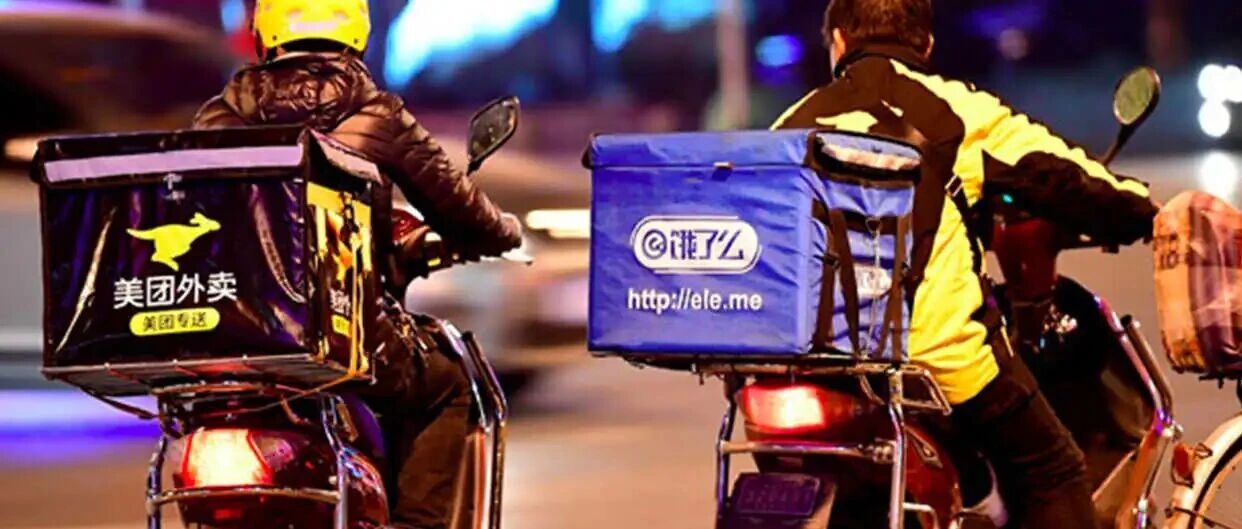
Core Viewpoint - The competition in the food delivery industry has intensified as companies like Meituan and Taobao Shanguo are offering substantial "transfer" bonuses to attract experienced riders, indicating a shift from price and subsidy wars to a focus on securing quality delivery personnel [1] Group 1: Company Strategies - Meituan is offering a reward of 2,888 yuan to riders who have completed over 720 orders on Ele.me or JD in November and are willing to join Meituan for six weeks [1] - Taobao Shanguo is providing a 3,000 yuan incentive for riders who completed more than 140 orders on platforms like JD, Meituan, and SF Express between December 15 and 21, and who join Taobao Shanguo for four consecutive weeks, along with a 1,000 yuan reward for the referrer [1] Group 2: Market Dynamics - The recruitment efforts are not nationwide and are characterized by limited availability, with many riders receiving offers that emphasize "limited slots, first come, first served" [1] - The competition for skilled and stable riders has led to a noticeable shift, with reports of several riders moving to Taobao Shanguo due to attractive benefits, although some riders believe that experienced riders are less likely to switch frequently due to the importance of stable order volume and platform experience [1]


大湾区低空经济掘金千亿风口
2 1 Shi Ji Jing Ji Bao Dao· 2025-12-27 12:42
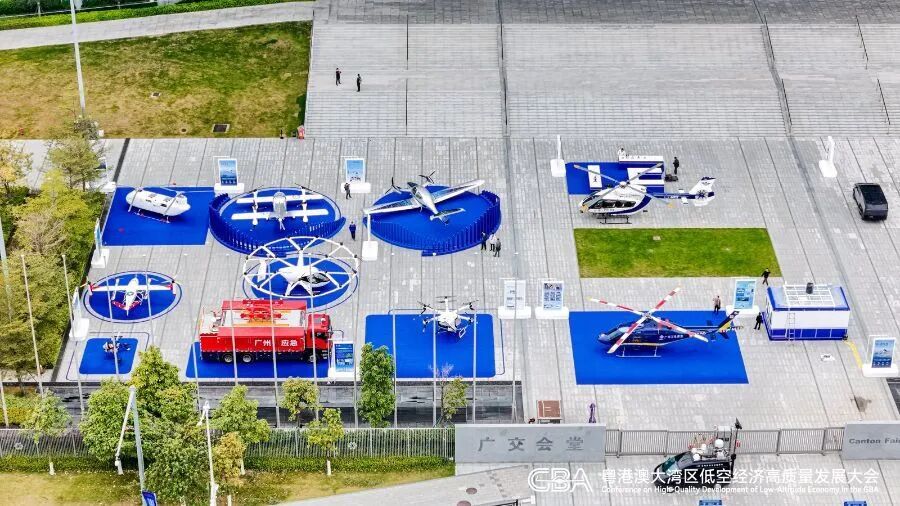
Core Viewpoint - The development of the low-altitude economy hinges on identifying real scene demands, with a focus on high-frequency, low-risk scenarios to drive regulatory and management improvements [1][2]. Low-altitude Logistics - Major tech companies like JD.com, Meituan, and SF Express are competing in the low-altitude logistics sector, showcasing their unmanned aerial vehicles (UAVs) [4]. - JD.com plans to achieve normalized operations for its drones and unmanned vehicles by 2025, with significant logistics improvements in the Greater Bay Area, including a 70% increase in transportation efficiency for medical supplies across the Pearl River [4][5]. - Meituan has launched 65 flight routes and completed 740,000 commercial orders by December, with a focus on instant delivery services [7]. - SF Express has established 1,400 flight routes and operates over 1,000 drones, with Shenzhen as its core logistics hub, achieving an annual flight volume of 250,000 [9]. Low-altitude Tourism - The low-altitude tourism market is transitioning from niche high-end experiences to mass consumption, with projections indicating a market size of 200 billion yuan by 2030 [11][14]. - The Ministry of Culture and Tourism and the Civil Aviation Administration of China have issued a plan to support the development of low-altitude tourism, encouraging the creation of unique routes and products [14]. - Guangzhou is leading in low-altitude tourism infrastructure, planning to establish 10 low-altitude takeoff and landing bases and 1,000 takeoff points by 2030 [14]. - EHang's EH216-S eVTOL has received full certification for commercial operations and has completed 80,000 safe flights across 16 cities, demonstrating the potential for profitability in low-altitude tourism [16].




亲历外卖补贴过山车:他们的爆单、疲惫与重新算账
第一财经· 2025-12-27 11:10
Core Viewpoint - The article discusses the intense competition in the food delivery industry during the subsidy war in July 2025, highlighting the challenges faced by restaurants and delivery personnel, as well as the long-term implications for the industry [4][10]. Group 1: Impact of the Subsidy War - The food delivery subsidy war led to a significant increase in order volume, but many restaurants reported that profits did not increase proportionately, with some experiencing losses despite higher sales [6][11]. - The average order value dropped significantly during the subsidy war, with some restaurants reporting a decrease from over 30 yuan to around 15 yuan per order [7]. - The competition resulted in a shift in consumer behavior, with a notable increase in the proportion of orders placed for delivery compared to dine-in [11]. Group 2: Financial Performance of Platforms - Meituan reported a 2.8% year-on-year decrease in revenue for its core local business in Q3 2025, resulting in an operating loss of 14.1 billion yuan [13]. - Alibaba's Q3 financial report indicated a 60% year-on-year increase in revenue from its instant retail business, but a significant decline in adjusted EBITA by 78% [13]. - The intense competition and high spending on subsidies have accelerated the development of instant retail, impacting traditional e-commerce dynamics [13]. Group 3: Industry Adjustments and Future Outlook - The article notes a shift towards more rational competition in the food delivery industry, with platforms beginning to reduce subsidy expenditures and focus on sustainable operations [15][16]. - Regulatory bodies are increasing scrutiny on the industry, addressing issues such as "ghost deliveries" and the rights of delivery personnel, which may lead to a more balanced market [15]. - Experts predict that the industry will evolve into a more mature phase, focusing on a symbiotic relationship between platforms and quality merchants, with an emphasis on user experience and profitability [16].
外卖抢人大战,骑手成抢手资源?美团、淘宝闪购真金白银急挖人
Mei Ri Jing Ji Xin Wen· 2025-12-27 06:12
Core Viewpoint - The competition in the food delivery industry has intensified as companies like Meituan and Taobao Flash are offering substantial "transfer" bonuses to attract experienced riders, reflecting a shift from user subsidies to human resource competition [1][2][6] Group 1: Rider Recruitment Strategies - Meituan offers a reward of 2888 yuan for riders who switch from Ele.me or JD with a monthly order volume exceeding 720 [1][4] - Taobao Flash provides a 3000 yuan bonus for riders who have completed over 140 orders on competing platforms and join their service for four consecutive weeks, along with an additional 1000 yuan for the referrer [1][4] - The recruitment efforts are localized and not part of a nationwide campaign, indicating a targeted approach based on specific market conditions [5] Group 2: Industry Dynamics - The competition for riders is seen as a necessary response to the seasonal demand surge and operational challenges faced by delivery platforms [2][6] - The industry has witnessed a significant increase in rider mobility, with many riders switching platforms based on short-term incentives [6][9] - The overlap of active riders across platforms has increased significantly, indicating a trend of riders being in a "wait-and-see" mode regarding their employment choices [7] Group 3: Long-term Strategies and Welfare Improvements - Companies are beginning to focus on long-term rider retention strategies, including social security subsidies, housing support, and improved working conditions [8][9] - Meituan has announced a nationwide social security subsidy program and plans to invest 10 billion yuan over five years to enhance rider welfare [8] - JD has committed to investing 22 billion yuan over five years to provide housing solutions for delivery personnel [8] Group 4: Future Outlook - The industry is transitioning from a focus on short-term subsidies to a more sustainable model that emphasizes rider rights and welfare [9] - The stability and quality of the rider workforce are crucial for enhancing service quality and operational efficiency, which will be key differentiators in the competitive landscape [9]
外卖抢人大战,骑手成“抢手资源”?北京城里,美团、淘宝闪购真金白银急挖人
Xin Lang Cai Jing· 2025-12-27 04:55
Core Viewpoint - The competition in the food delivery industry has intensified as companies like Meituan and Taobao Flash are offering substantial "transfer" bonuses to attract experienced riders, reflecting a shift from user subsidies to human resource competition [1][2][13]. Group 1: Transfer Bonuses - Meituan offers a reward of 2888 yuan for riders who have completed over 720 orders on Ele.me or JD in November and are willing to join Meituan for six weeks [1][15]. - Taobao Flash provides a 3000 yuan reward for riders who completed over 140 orders on JD, Meituan, or SF Express between December 15 and 21, along with an additional 1000 yuan for the referrer [1][15]. - These recruitment efforts are limited to specific areas in Beijing and are not part of a nationwide campaign, emphasizing the urgency of addressing rider shortages [6][16]. Group 2: Industry Dynamics - The competition for riders has escalated as platforms seek to address year-end order surges and capacity fluctuations, making short-term incentives a necessary strategy [7][17]. - The industry has seen a notable increase in rider mobility, with many riders switching platforms based on immediate financial incentives [5][18]. - The number of registered delivery riders in China exceeds 12 million, with a significant overlap in active users across platforms, indicating a trend of riders being in a "wait-and-see" mode regarding their employment choices [9][18]. Group 3: Long-term Strategies - Companies are shifting focus from short-term cash incentives to long-term welfare and rights protection for riders, including social security subsidies and improved working conditions [10][19]. - Meituan has announced a nationwide social security subsidy program and plans to invest 100 billion yuan over five years to enhance rider benefits [20]. - JD plans to invest 220 billion yuan over the next five years to provide housing support for delivery personnel, indicating a move towards building a more stable and satisfied workforce [20][21].
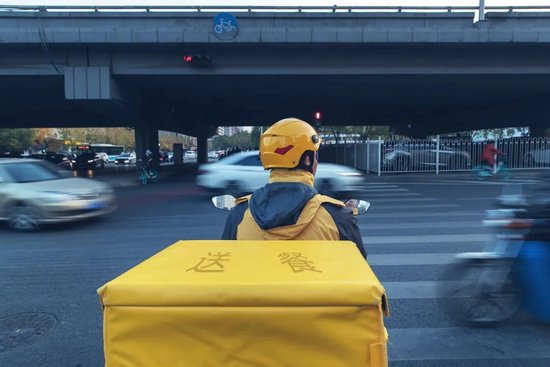
外卖抢人大战,骑手成“抢手资源”?北京城里,美团、淘宝闪购真金白银急挖人:“转会费”最高3000元、邀请人再奖1000元
Mei Ri Jing Ji Xin Wen· 2025-12-27 04:41
Core Viewpoint - The competition in the food delivery industry has intensified as companies like Meituan and Taobao Flash are offering substantial "transfer" bonuses to attract experienced riders, reflecting a shift from user subsidies to human resource competition [1][2][8] Group 1: Transfer Bonuses - Meituan offers a reward of 2888 yuan for riders who had over 720 orders on Ele.me or JD in November and join Meituan for six weeks [5] - Taobao Flash provides a 3000 yuan reward for riders who completed over 140 orders on competing platforms from December 15 to 21 and join its preferred program for four consecutive weeks, along with a 1000 yuan bonus for the referrer [4][5] - These recruitment incentives are limited to specific areas in Beijing and are not a nationwide initiative, indicating a targeted approach to address local rider shortages [7] Group 2: Industry Dynamics - The competition for riders is a response to the year-end surge in demand and operational capacity challenges, marking a deeper industry shift towards securing human resources [2][8] - The high turnover of riders, particularly those with less than one year of experience, is influenced by short-term financial incentives, while more experienced riders tend to prioritize stable order volumes and platform reliability [4][8] - The industry has seen a significant increase in rider overlap across platforms, indicating a trend where riders are more willing to switch based on benefits and conditions offered by different companies [9] Group 3: Long-term Strategies - Companies are beginning to implement long-term strategies to improve rider welfare, such as social security subsidies, housing support, and other benefits, moving away from solely relying on cash incentives [10][11] - The focus is shifting towards creating a stable and efficient rider ecosystem, which is crucial for enhancing service quality and user retention [11][12] - Analysts suggest that the future of competition will hinge on the ability to build a sustainable rider workforce through improved working conditions and benefits rather than just short-term financial rewards [10][11]
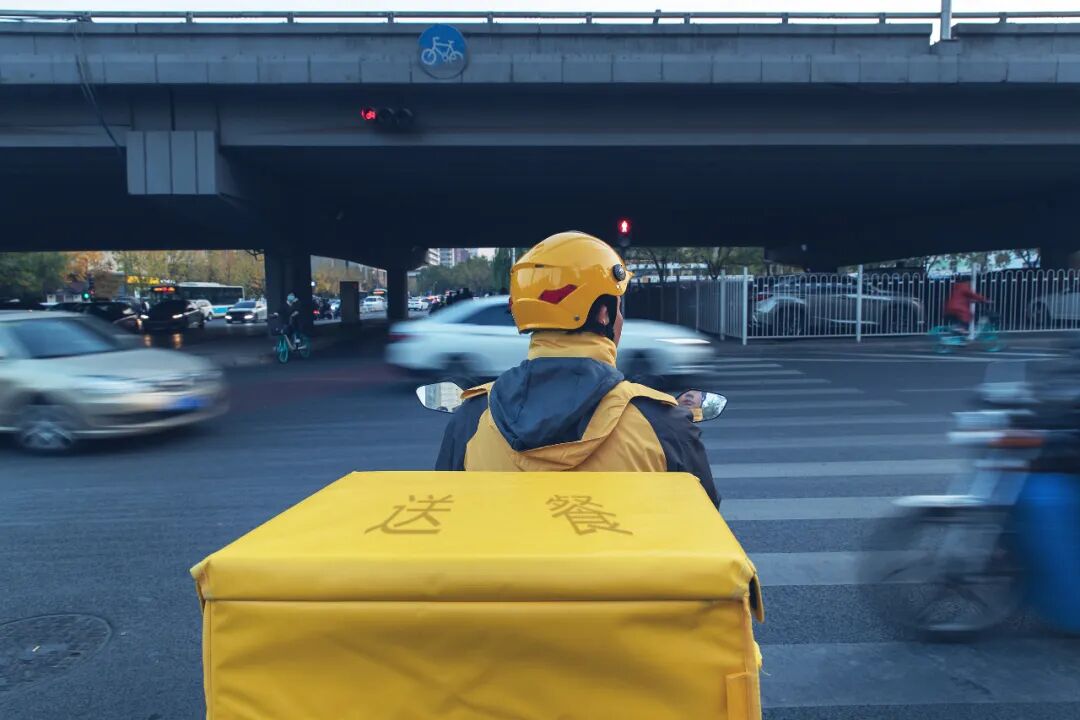
烧钱的一年 金融时报:外卖大战损害美团利润制约海外扩张
Feng Huang Wang· 2025-12-27 03:59
Core Viewpoint - Meituan is facing intense competition from Alibaba and JD.com in the food delivery market, leading to significant financial losses and impacting its international expansion plans [1][2]. Group 1: Financial Impact - Meituan has incurred its largest quarterly loss since its IPO in 2018, with a loss of 16 billion RMB in Q3 due to heavy subsidies to compete with rivals [2][3]. - Analysts estimate that Meituan is losing approximately 1 RMB on average for each instant delivery order this year [2]. - If the subsidy war continues, Meituan's cash reserves are projected to drop to 74 billion RMB by next year, compared to 110 billion RMB in 2025 [4]. Group 2: Market Dynamics - Alibaba's resurgence has altered the competitive landscape, with the company investing 7 billion USD in subsidies and rapidly increasing its active user base in the food delivery sector [4]. - Meituan's market share in instant delivery is expected to decline from 73% in 2024 to 55% by 2027, while Alibaba's share is projected to rise from 21% to 40% in the same period [5]. Group 3: International Expansion Challenges - The fierce competition in the domestic market is hindering Meituan's international ambitions, as it must focus on defending its local market position [8]. - Meituan has made strides in international markets, surpassing competitors in Hong Kong and Saudi Arabia, but faces tougher challenges in Brazil due to stronger local players [8][9]. Group 4: Employee Morale and Company Culture - Employee morale at Meituan is reportedly low, with staff working long hours to support ongoing subsidy campaigns and manage the demands of both domestic and international operations [10]. - The company's stock has declined over 30% this year, contrasting sharply with the rebound of other Chinese internet stocks [10].

年终盘点| 亲历外卖补贴过山车:他们的爆单、疲惫与重新算账
Di Yi Cai Jing· 2025-12-27 03:01
Core Insights - The takeaway from the article is that the food delivery industry experienced a paradox of record order volumes and declining profits during the peak of the subsidy war in July 2025, leading to significant operational challenges for restaurants and delivery personnel [1][2][3]. Group 1: Industry Dynamics - The food delivery subsidy war peaked on July 5, 2025, with over 100 billion yuan in subsidies from platforms like Meituan, Taobao, and JD, making the delivery sector one of the most discussed industries of the year [2]. - Despite record order volumes, many restaurants reported that profits did not increase proportionately, with some experiencing a decline in profitability due to rising operational costs [3][4]. - The average order value dropped significantly during the subsidy war, with some restaurants reporting a decrease from over 30 yuan to around 15 yuan per order [3]. Group 2: Impact on Restaurants - Restaurant owners like Yu Li and Huang Lin noted that while order volumes surged, the costs associated with labor, ingredients, and platform fees also doubled, leading to minimal or negative profit margins [3][4]. - Huang Lin observed that low-priced subsidized items did not retain customers effectively, and he found that eliminating low-price subsidies allowed for higher average order values and better profit margins [4]. Group 3: Delivery Personnel Experience - Delivery personnel, such as Zhou Pengfei, reported increased earnings during the subsidy war, with some earning up to 900 yuan in a single day due to the high volume of orders [5]. - The number of delivery riders increased significantly, with Zhou noting that his station's rider count nearly doubled during peak times [8]. Group 4: Financial Performance of Platforms - Meituan reported a 2.8% year-on-year decline in revenue for its core local business in Q3, resulting in a significant operating loss of 14.1 billion yuan [8]. - Alibaba's Q3 financials showed a 60% year-on-year increase in revenue from its instant retail business, but adjusted EBITA fell by 78% due to investments in user experience and technology [8]. Group 5: Regulatory and Market Adjustments - The article highlights a shift towards more rational operations in the food delivery industry, with regulatory bodies introducing guidelines to address issues like irrational competition and the rights of delivery personnel [10]. - Experts predict that the industry will transition from aggressive subsidy strategies to refined operations focusing on user experience and sustainable business practices [12].
顺丰、京东、美团打响“天空之战”,无人机重塑物流
Tai Mei Ti A P P· 2025-12-27 01:08
Core Insights - The rapid expansion of drone logistics routes reflects the explosive growth of the market, with projections estimating the low-altitude logistics market to reach between 1200 billion to 1500 billion yuan by 2025, and potentially climb to 4500 billion to 6050 billion yuan by 2035 [2] Group 1: Company Developments - SF Express has been a pioneer in drone logistics since 2012, receiving its first operational certificate in early 2024 and launching the first "air-ground collaborative" smart logistics center in February 2025 [4][5] - As of November 30, 2024, SF Express has opened over 600 drone routes nationwide, establishing a three-tier drone logistics system centered on "hub-grid-terminal" [7][8] - JD Logistics has been developing drone technology since 2015, focusing on remote area collection and creating efficient "air collection channels" during cherry harvest seasons, demonstrating significant time savings compared to traditional transport [8][9] - Meituan, which started its drone business in 2017, has launched multiple drone products and operates 65 routes across cities including Shenzhen, Shanghai, and Beijing, completing 740,000 commercial orders [10][11] Group 2: Market Dynamics - The core value of drones in logistics lies in achieving extreme efficiency and cost optimization, as evidenced by JD Logistics' use of drones to significantly reduce transportation time for perishable goods [11][12] - In emergency situations, drone delivery has shown to enhance delivery efficiency by over 50%, as demonstrated by the rapid transport of blood plasma to hospitals [12][13] - The implementation of drone logistics has proven to increase logistics efficiency by 60% and reduce costs by approximately 20% in specific applications, highlighting its economic viability [13] - Government support for the development of low-altitude logistics is evident in recent policy initiatives, including the 2025 government work report and local regulations promoting drone applications in various logistics scenarios [14][15]
智通ADR统计 | 12月27日





智通财经网· 2025-12-26 23:56
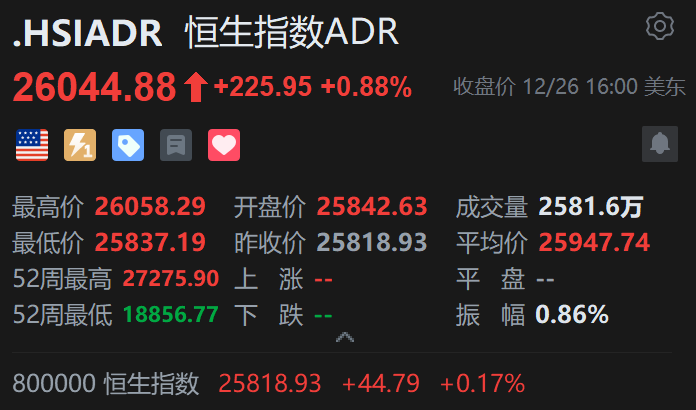
Group 1 - Major blue-chip stocks showed mixed performance, with HSBC Holdings closing at HKD 124.291, up 0.40% from the previous close; Tencent Holdings closed at HKD 606.769, up 0.63% [1] Group 2 - Tencent Holdings reported a latest price of HKD 603.000, with an increase of HKD 1.000, representing a rise of 0.17% [2] - Ctrip Group saw a decrease of HKD 4.500, down 0.79%, closing at HKD 563.500 [2] - Meituan-W remained unchanged at HKD 103.200, with no price change [2] - BYD Company Limited increased by HKD 0.500, up 0.54%, closing at HKD 93.600 [2]