
Tsingtao Brewery(600600)

Search documents
永顺泰:公司致力于与各类客户构建良好的合作关系
Zheng Quan Ri Bao Wang· 2025-12-09 09:48
Core Viewpoint - Yongshuntai (001338) has a strong foundation of over 20 years of cooperation with major beer manufacturers and is actively expanding its market presence through partnerships with regional small and craft beer clients [1] Group 1: Partnerships and Collaborations - The company has established long-term relationships with well-known beer manufacturers such as Budweiser, Carlsberg, Heineken, China Resources Snow Beer, Qingdao Beer, Yanjing Beer, and Zhujiang Beer [1] - Yongshuntai is committed to maintaining and enhancing these partnerships while also exploring new collaborations with regional small clients and craft beer producers [1] Group 2: Market Strategy - The company plans to adjust its sales strategies in response to domestic and international market changes while focusing on meeting the needs of key clients [1] - Yongshuntai aims to build strong cooperative relationships with various types of customers, ensuring a flexible approach to market development [1]


华泰证券-必选消费行业2026年度策略:冬藏伺机,春归可期
Sou Hu Cai Jing· 2025-12-06 03:13
Core Insights - The report from Huatai Securities indicates that the essential consumer sector has entered a favorable left-side layout window, with expectations for a mild recovery in consumption in the second half of 2026 due to stabilizing real estate prices, increased policy stimulus, and the recovery of household balance sheets [1][2]. Industry Overview - The essential consumer sector is currently at historical low valuation levels and public fund allocation ratios, providing a high safety margin and potential upside for investors [1][2]. - Some sub-industries are showing signs of bottoming out, with leading companies shifting focus from price wars to product innovation and adapting to channel changes [1][2][6]. - Structural changes such as the rebalancing of raw milk cycles, recovery in restaurant demand, and stricter regulations on zero additives are optimizing the competitive landscape of the industry [1][2]. Investment Recommendations - The report recommends four categories of stocks: 1. Cyclical high-upside stocks, including Gujing Gongjiu, Luzhou Laojiao, China Resources Beer, Qingdao Beer, Haitian Flavoring, Anjuke Food, and Qianhe Flavoring [2][7]. 2. Companies at fundamental turning points, such as Mengniu Dairy and Master Kong [2][7]. 3. High-dividend blue-chip leaders like Yili and Shuanghui Development [2][7]. 4. Small but promising growth stocks, including Ximai Food, Baoli Food, and Yanjinpuzi [2][7]. Market Trends - The report emphasizes a three-stage market strategy from expectation recovery to performance realization for 2026 [2]. - The essential consumer sector is expected to see a gradual improvement in retail sales growth, projected to reach 4.8% in 2026 [25]. - The consumer confidence index has shown some recovery but remains in a low range, indicating cautious consumer sentiment [26]. Sub-Industry Insights - Specific sub-industries are highlighted: 1. Frozen food is showing signs of bottoming out, with expectations for a reduction in price wars in 2026 [6][10]. 2. The dairy sector is anticipated to see a rebalancing of the raw milk cycle, enhancing domestic substitution logic [6][10]. 3. The beer industry is expected to maintain profit resilience due to rational competition and a diminishing demand dividend [6][10]. 4. Traditional condiment leaders are actively adjusting strategies to capture market share [6][10]. Conclusion - The essential consumer sector is positioned for a potential recovery, with various sub-industries adapting to market changes and focusing on innovation and strategic adjustments to enhance competitiveness [1][2][6].







百威喜力鏖战中国:啤酒生意 要重做一遍|跨国酒企变局2025
2 1 Shi Ji Jing Ji Bao Dao· 2025-12-05 17:35
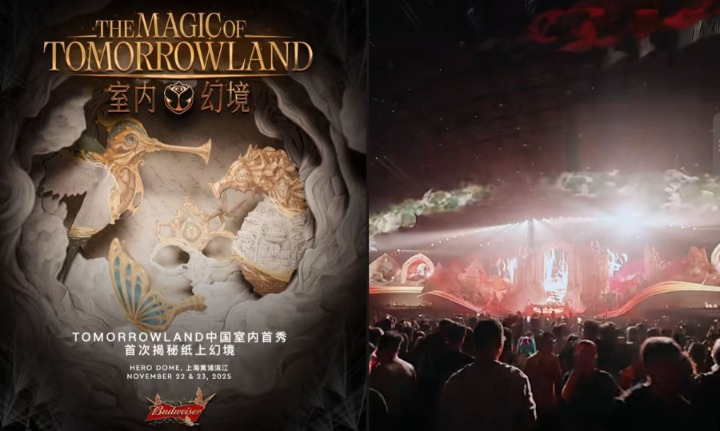
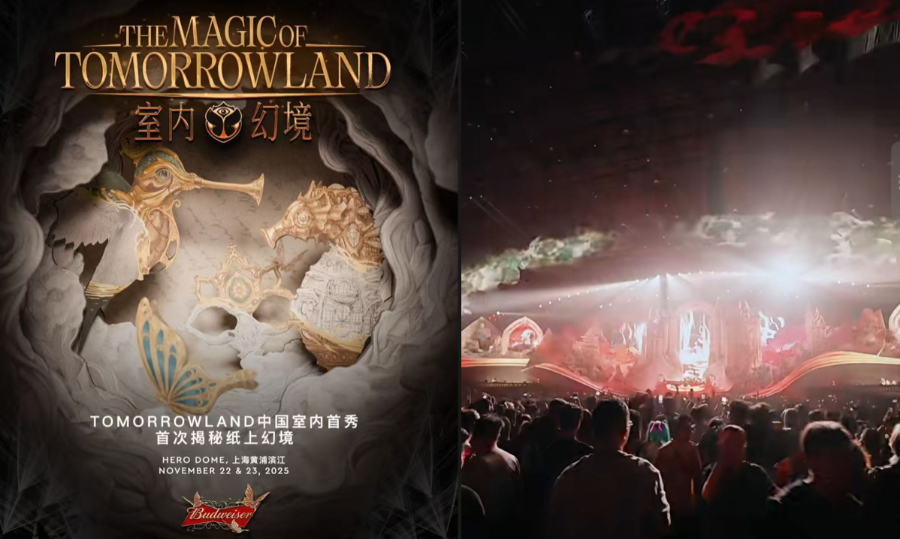
Core Insights - The Chinese beer industry is experiencing a shift towards domestic brands, with a notable recovery in their performance while international brands face challenges [1][2][3] - The overall beer consumption in China is still on a steady rise, despite a slight decline in production in October [1] - The market dynamics have changed, with domestic brands like Qingdao Beer and Yanjing Beer showing growth, while international brands like Budweiser are struggling [1][10] Industry Overview - The Chinese beer market has entered a phase of stock competition, with the industry's scale at about 70% of its peak [1] - The latest statistics show a 1% year-on-year decline in beer production for October, with cumulative production growth for the first ten months at 0% [1] - The industry is now in its twelfth year of stock competition, indicating a mature market environment [1] Brand Performance - Domestic brands such as Qingdao Beer, Yanjing Beer, and Zhujiang Beer have maintained growth in revenue, profit, and sales in the first three quarters of 2025 [1] - Budweiser has reported a double-digit decline in revenue, profit, and sales in the Chinese market for the first three quarters [1][10] - Heineken has shown significant growth, with sales increases of 30% to 70% for its products in recent years, positioning China as its second-largest market globally [11][14] Market Dynamics - The shift in consumer preferences has led to a decline in the dominance of international brands, particularly in the nightlife channel, which has been underperforming [2][24] - Heineken's strategy has focused on expanding into non-nightlife channels, leveraging partnerships with local distributors to enhance market penetration [20][25] - Budweiser's market share in regions like Fujian has decreased significantly, while the combined share of China Resources and Heineken has increased [12] Marketing Strategies - Both Budweiser and Heineken have engaged in high-profile sponsorships and events to enhance brand visibility, with Budweiser sponsoring the Tomorrowland music festival in Shanghai [4][7] - Heineken has also positioned itself as a key player in major events like the F1 China Grand Prix, resulting in a 14% increase in sales during the event [8] - The marketing strategies of both brands have evolved, with a focus on aligning with local consumer trends and preferences [29][30] Consumer Trends - The Chinese beer market is witnessing a shift towards innovative flavors and products, with a growing acceptance of new beer styles such as tea-infused beers [42] - There is a notable preference for higher alcohol content and unique flavors among Chinese consumers, contrasting with trends in Western markets [41][42] - The industry is encouraged to expand its product offerings to include low-alcohol and non-alcoholic options, although these segments remain niche in China [40][41]



百威喜力鏖战中国:啤酒生意,要重做一遍
2 1 Shi Ji Jing Ji Bao Dao· 2025-12-05 12:22
Core Insights - The Chinese beer market is undergoing significant changes, with local brands showing resilience and growth while international brands face challenges [2][3][5] - The industry is shifting from a focus on high-end products to a more diverse range of offerings, including lower-priced options and innovative flavors [31][37][38] Industry Overview - The beer industry in China has entered a phase of stock competition, with production levels at about 70% of their peak [3] - The latest statistics show a 1% year-on-year decline in beer production in October, with cumulative production growth for the first ten months at 0% [3] Brand Performance - Domestic brands like Tsingtao, Yanjing, and Zhujiang have reported growth in revenue, profit, and sales, while international brands like Budweiser and Carlsberg are experiencing declines [3][11] - Budweiser's performance in China has been disappointing, with a projected decline in revenue, profit, and sales for three consecutive years [11][12] Market Dynamics - The shift in consumer preferences has led to a decline in the night-time economy, affecting high-end brands that previously thrived in this channel [5][24] - Heineken has successfully leveraged local partnerships to expand its market presence, achieving significant sales growth in recent years [13][25] Strategic Initiatives - Budweiser is attempting to adapt by focusing on lower-priced products and expanding its presence in non-drinking channels [31][33] - Heineken's strategy includes entering various retail channels and enhancing its marketing efforts to resonate with local consumers [28][29] Consumer Trends - Chinese consumers are increasingly open to innovative beer flavors, with tea-infused beers gaining popularity [37][38] - The market is seeing a shift towards non-alcoholic and low-alcohol products, although these remain niche compared to traditional beer consumption [37][38]
百威喜力鏖战中国:啤酒生意,要重做一遍|跨国酒企变局2025
2 1 Shi Ji Jing Ji Bao Dao· 2025-12-05 12:13
Core Insights - The beer industry in China is undergoing significant changes, with multinational companies needing to adapt to a rapidly evolving market where traditional strategies are no longer effective [1][4][24] - Domestic brands are showing strong recovery, while international brands are experiencing mixed results, highlighting a shift in consumer preferences and market dynamics [3][10][17] Industry Overview - The Chinese beer market has entered a phase of stock competition, with overall production capacity at about 70% of its peak [3] - In October, the production of beer by large-scale enterprises in China saw a year-on-year decline of 1%, with cumulative production growth for the first ten months remaining at 0% [2] Brand Performance - Domestic brands like Tsingtao, Yanjing, and Zhujiang have reported growth in revenue, profit, and sales, while international brands like Budweiser and Carlsberg are facing challenges [3][10] - Budweiser's performance in China has been declining for three consecutive years, with double-digit decreases in revenue, profit, and sales in the first three quarters of 2023 [9][10] Market Dynamics - The high-end beer market, traditionally dominated by Budweiser and Heineken, is facing pressure as the on-premise consumption channels weaken and new product categories emerge [4][25] - Heineken has successfully leveraged its partnership with China Resources to expand its market presence, achieving significant sales growth in recent years [10][20] Consumer Preferences - Chinese consumers are increasingly open to new beer categories and flavors, with a notable rise in interest for innovative products like tea-infused beers [32] - The shift in consumer behavior has led to a greater focus on non-on-premise channels, with 60% of beer sales now coming from retail channels [29] Strategic Adjustments - Budweiser is adjusting its strategy by focusing on its Harbin brand to capture growth opportunities in the 8-10 yuan price range, reflecting a broader trend of price adjustments in the industry [26][25] - Both Budweiser and Heineken are recognizing the need to enhance their presence in non-on-premise channels and adapt to changing consumer preferences [28][29]

酒行业周度市场观察-20251205
Ai Rui Zi Xun· 2025-12-05 06:27
Investment Rating - The report indicates a long-term investment value in the high-end liquor industry, particularly for leading brands like Moutai and Wuliangye, despite short-term challenges [4]. Core Insights - The high-end liquor sector is facing short-term challenges but maintains a strong investment logic due to brand moat, high gross margins (85%+), and stable cash flow [4]. - The report highlights the need for liquor companies to balance online and offline strategies, especially in the context of the growing trend of instant retail [4][6]. - The domestic wine industry is experiencing a "bumper harvest but no profit" situation, primarily due to supply-demand imbalances and competition from imported wines [6]. Industry Trends - High-end liquor industry re-evaluation: The core logic remains unchanged despite short-term challenges, with leading companies still showing long-term investment potential [4]. - Instant retail's impact on the liquor industry: Instant retail is rapidly penetrating the market, but the response from manufacturers is mixed due to high costs and low order volumes [4][6]. - The "liquor+" strategy is emerging, integrating liquor with various cultural and lifestyle elements to enhance consumer engagement and brand value [6]. - The domestic wine industry faces significant challenges, including supply-demand imbalances and high production costs, necessitating a shift towards consumer value and brand differentiation [6]. Top Brand News - Young consumers are shifting their purchasing criteria from "value for money" to "emotional value," with brands like Qingdao White Beer successfully tapping into this trend [13]. - Xijiu is promoting a lifestyle approach through its "Xijiu+" strategy, integrating liquor with local culinary experiences to enhance consumer connection [13][26]. - Jian Nan Chun achieved significant sales during the Double Eleven shopping festival, showcasing the effectiveness of its cultural branding and e-commerce strategies [24].




中国必选消费品11月需求报告:所有品类增速均放缓
Haitong Securities International· 2025-12-01 11:31
Investment Rating - The investment rating for the essential consumer goods sector is "Outperform" for multiple companies including Kweichow Moutai, Wuliangye, and Yili [1] Core Insights - In November 2025, four out of eight monitored essential consumer sectors showed positive growth, while four experienced negative growth, with the growth sectors being condiments, frozen foods, soft drinks, and catering services [29] - The overall growth rates across all sectors have slowed compared to the previous month, attributed to macroeconomic conditions, structural industry challenges, and seasonal factors [29] Subsector Summaries Mid-to-High-End and Above Baijiu - Revenue for the mid-to-high-end and premium baijiu sector in November was RMB 24 billion, down 13.0% year-on-year, with cumulative revenue from January to November at RMB 349.2 billion, a decline of 6.2% [30] - The market is experiencing simultaneous declines in both volume and price, with a conservative consumer spending trend [30] Mass-Market and Below Baijiu - Revenue for the mass-market and lower-tier baijiu industry reached RMB 18.9 billion in November, marking a 3.3% year-on-year decline, with cumulative revenue from January to November totaling RMB 180.9 billion, down 8.5% [30] - The production of baijiu in October was 276,000 kiloliters, down 18.3% year-on-year, indicating a challenging market environment [30] Beer - The domestic beer industry generated revenue of RMB 9.9 billion in November, a 2.0% year-on-year decline, with cumulative revenue from January to November at RMB 162.6 billion, representing a 0.2% year-on-year increase [31] - Seasonal demand has decreased due to a nationwide temperature drop, leading to subdued overall demand [31] Condiments - The condiments sector reported revenue of RMB 418 billion in November, a year-on-year increase of 0.8%, with cumulative revenue from January to November at RMB 4,129 billion, up 1.3% [18] Frozen Foods - The frozen foods sector achieved revenue of RMB 81.6 billion in November, a year-on-year increase of 4.0%, with cumulative revenue from January to November at RMB 964 billion, up 2.2% [22] Soft Drinks - Revenue for the soft drinks sector was RMB 388 billion in November, a year-on-year increase of 2.1%, with cumulative revenue from January to November at RMB 6,583 billion, up 4.1% [24] Catering - The catering industry reported revenue of RMB 130.4 billion in November, a year-on-year increase of 0.3%, with cumulative revenue from January to November at RMB 1,607 billion, down 0.7% [26]


贵州“十五五”拟优化白酒结构;茅台不“唯指标论”|观酒周报
2 1 Shi Ji Jing Ji Bao Dao· 2025-12-01 06:08
Group 1: Industry Overview - The liquor industry is entering a year-end summary and planning phase as the year comes to a close [1] - Guizhou's "14th Five-Year Plan" aims to consolidate the sauce-flavored liquor industry cluster and optimize product structure and marketing strategies, targeting a production value of 160 billion yuan for the liquor industry in 2024 [2] - The beer tasting committee's selection event attracted 384 participants, highlighting the growing importance of sensory evaluation in the beer industry [3][4] Group 2: Company Developments - Moutai's new leader, Chen Hua, expressed confidence in the liquor industry's potential, emphasizing the importance of quality over quantity and a focus on consumer needs [5][6] - Jiuzi Jiu and Shenzhen Airlines signed a strategic cooperation agreement to enhance brand collaboration and customer engagement [11] - Qingdao Beer plans to invest up to 10 billion yuan in financial products over the next 12 months, indicating a strategic move to manage its financial resources [10] Group 3: Market Trends - The low-alcohol fruit juice wine brand "Guoli Fang" has achieved double-digit growth for 26 consecutive months, indicating a strong market demand for innovative products [9] - The 2026 Chengdu Spring Sugar and Wine Fair is set to be the largest ever, with an exhibition area of 325,000 square meters, reflecting the industry's growth and interest [17] - Wuliangye continues its collaboration with CCTV for major events, reinforcing its brand presence in the market [8] Group 4: Product Innovations - Laobai Gan Jiu is launching new products targeting younger consumers, including lemon and dried tangerine peel wines, to adapt to changing market demands [13][14] - Moutai has introduced new products, Moutai Prince Wine (Sauce Color) and Moutai Prince Wine (Black Gold), aimed at enhancing market competitiveness [19][20]


青岛啤酒股份(00168) - 截至2025年11月30日股份发行人的证券变动月报表
2025-12-01 03:07
股份發行人及根據《上市規則》第十九B章上市的香港預託證券發行人的證券變動月報表 截至月份: 2025年11月30日 狀態: 新提交 致:香港交易及結算所有限公司 公司名稱: 青島啤酒股份有限公司 (在中華人民共和國註冊成立之中外合資股份有限公司) FF301 第 1 頁 共 10 頁 v 1.1.1 FF301 II. 已發行股份及/或庫存股份變動 呈交日期: 2025年12月1日 I. 法定/註冊股本變動 | 1. 股份分類 | 普通股 | 股份類別 | A | | | 於香港聯交所上市 (註1) | | 否 | | | --- | --- | --- | --- | --- | --- | --- | --- | --- | --- | | 證券代號 (如上市) | 600600 | 說明 | A股 | | | | | | | | | | 法定/註冊股份數目 | | | 面值 | | | 法定/註冊股本 | | | 上月底結存 | | | 709,127,610 | RMB | | | 1 RMB | | 709,127,610 | | 增加 / 減少 (-) | | | -1,667 | | | | R ...
少了杨瀚森 依旧有信心
Qi Lu Wan Bao· 2025-11-30 22:08
Group 1 - The Qingdao Laoshang Beer Men's Basketball Team officially embarks on the CBA new season with a new sponsorship deal from Laoshang Beer, symbolizing the integration of sports and culture in the city [1][2] - Last season, the team achieved a remarkable 7th place in the league, securing a playoff spot 11 rounds early, with notable players like Yang Hansheng being drafted in the NBA [1] - The team has made strategic roster adjustments, including the signing of new players and retaining key foreign players to enhance tactical diversity for the upcoming season [1] Group 2 - The partnership between Laoshang Beer and the Qingdao Men's Basketball Team represents a cultural resonance between the "City of Basketball" and the "Beer Capital," with Laoshang Beer having a brand value of 77.635 billion yuan [2] - Laoshang Beer has been actively involved in basketball marketing since 2014, promoting the brand through various community events and initiatives aimed at popularizing basketball [2] - The team will host its first home game of the new season on December 15, with affordable ticket prices available through various platforms, reflecting the team's commitment to community engagement [2]