Ninebot(689009)

Search documents
中证全指耐用消费品与服装指数报6033.30点,前十大权重包含四川长虹等
Jin Rong Jie· 2025-07-25 08:26
Group 1 - The core index of the Consumer Durables and Apparel sector, represented by the CSI Consumer Durables and Apparel Index, has shown a monthly increase of 6.07%, a three-month increase of 7.11%, and a year-to-date increase of 4.61% [1] - The CSI Consumer Durables and Apparel Index is composed of listed companies that correspond to the durable consumer goods and apparel theme, reflecting the overall performance of these companies [1] - The index's top ten weighted companies include Gree Electric Appliances (10.27%), Midea Group (9.84%), Haier Smart Home (8.59%), and others, indicating a concentration in major players within the sector [1] Group 2 - The market capitalization distribution of the CSI Consumer Durables and Apparel Index shows that 59.16% of the holdings are from the Shenzhen Stock Exchange, while 40.84% are from the Shanghai Stock Exchange [1] - In terms of industry composition, home appliances account for 66.38%, textiles and apparel for 15.26%, and home furnishings for 8.54%, highlighting the dominance of home appliances in the index [2] - The index samples are adjusted biannually, with changes implemented on the next trading day following the second Friday of June and December, ensuring that the index remains reflective of the current market conditions [2]





如何展望2025年国补后续效果?
Changjiang Securities· 2025-07-25 02:19
Investment Rating - The report maintains a "Positive" investment rating for the home appliance industry [11]. Core Insights - The 2025 national subsidy for home appliances is expected to boost industry performance, with a significant increase in subsidy duration and coverage, leading to sustained high industry sentiment [3][9]. - The report anticipates that the demand for home appliances will remain robust due to a large number of appliances reaching their safety usage limits that have not yet been replaced [3][9]. Policy Overview - The 2025 national subsidy program extends from 4 months to 12 months, covering the peak season for air conditioners and expanding the types of subsidized products to include small appliances and cleaning devices [6][17]. - The total subsidy amount for the "old for new" policy has increased from 150 billion to 300 billion yuan [6][17]. Performance Review - As of May 31, 2025, approximately 49.86 million consumers purchased 77.618 million units of 12 major categories of home appliances, with an estimated sales revenue of about 262 billion yuan [7][27]. - The home appliance retail sales growth from January to May 2025 was 30.2%, significantly outperforming the overall retail sales growth of consumer goods [7][27]. Future Outlook - Without subsidies, the expected growth rates for air conditioners, refrigerators, and washing machines in 2025 are projected at 2.0%, -0.8%, and 5.1%, respectively. However, with a conservative estimate of 80 billion yuan in subsidy funds, these growth rates could increase to 10.6%, 3.7%, and 7.7% [8][9]. - The report suggests that the impact of the subsidy on future demand will be limited due to the high number of appliances that have reached their replacement age [8][9]. Investment Recommendations - The report recommends focusing on high-quality leading companies with certain growth prospects, such as Gree Electric Appliances, Midea Group, and Hisense Home Appliances, which are expected to benefit from domestic sales trends driven by subsidies [9][12]. - Companies with exposure to the U.S. market and strong brand power, such as Anker Innovations and Roborock, are also highlighted for their potential recovery [9][12].


基金控盘升级,126股成“抱团”新宠
Huan Qiu Wang· 2025-07-24 03:51
Group 1 - The core viewpoint of the article highlights the significant increase in fund holdings in certain core assets, with 126 stocks having a fund holding ratio exceeding 10%, indicating enhanced "control" by funds over these assets [1][3] - The stock with the highest fund holding is Nine Company, with 216 funds collectively holding 195 million shares, accounting for 35.24% of its circulating stock [1] - Other notable stocks include BeiGene and Innovent Biologics, with fund holding ratios of 33.47% and 32.70% respectively, and 17 stocks have fund holding ratios exceeding 20%, reflecting high recognition from funds [1][3] Group 2 - In Q2, funds were active in adjusting their holdings, with 85 out of 126 stocks seeing increased fund holdings, particularly notable increases in Puyuan Precision, Huahong Semiconductor, and Yuanjie Technology, with increases of 409.08%, 354.96%, and 317.64% respectively [3] - Conversely, 41 stocks experienced reductions in fund holdings, with Hengxuan Technology, Stone Technology, and Nairui Radar seeing decreases of 37.29%, 32.21%, and 30.98% respectively [3] - The "hugging" phenomenon is prominent among high holding ratio stocks, with 44 stocks held by over 100 funds and 32 stocks held by 50 to 99 funds, with Ningde Times leading at 1,775 funds holding 14.49% of its shares [3][4] Group 3 - From a valuation perspective, among the high holding ratio stocks, 42 stocks have a price-to-earnings ratio below 30, with Gujing Distillery having the lowest at 8.20 times [4] - Major sectors represented among these stocks include electronics, pharmaceuticals, and automotive, with 32, 21, and 12 stocks respectively [4] - Of the 24 stocks that have released half-year performance forecasts, 23 are expected to see profit increases, with Huaxia Airlines projecting a staggering 875.10% year-on-year profit growth [4]





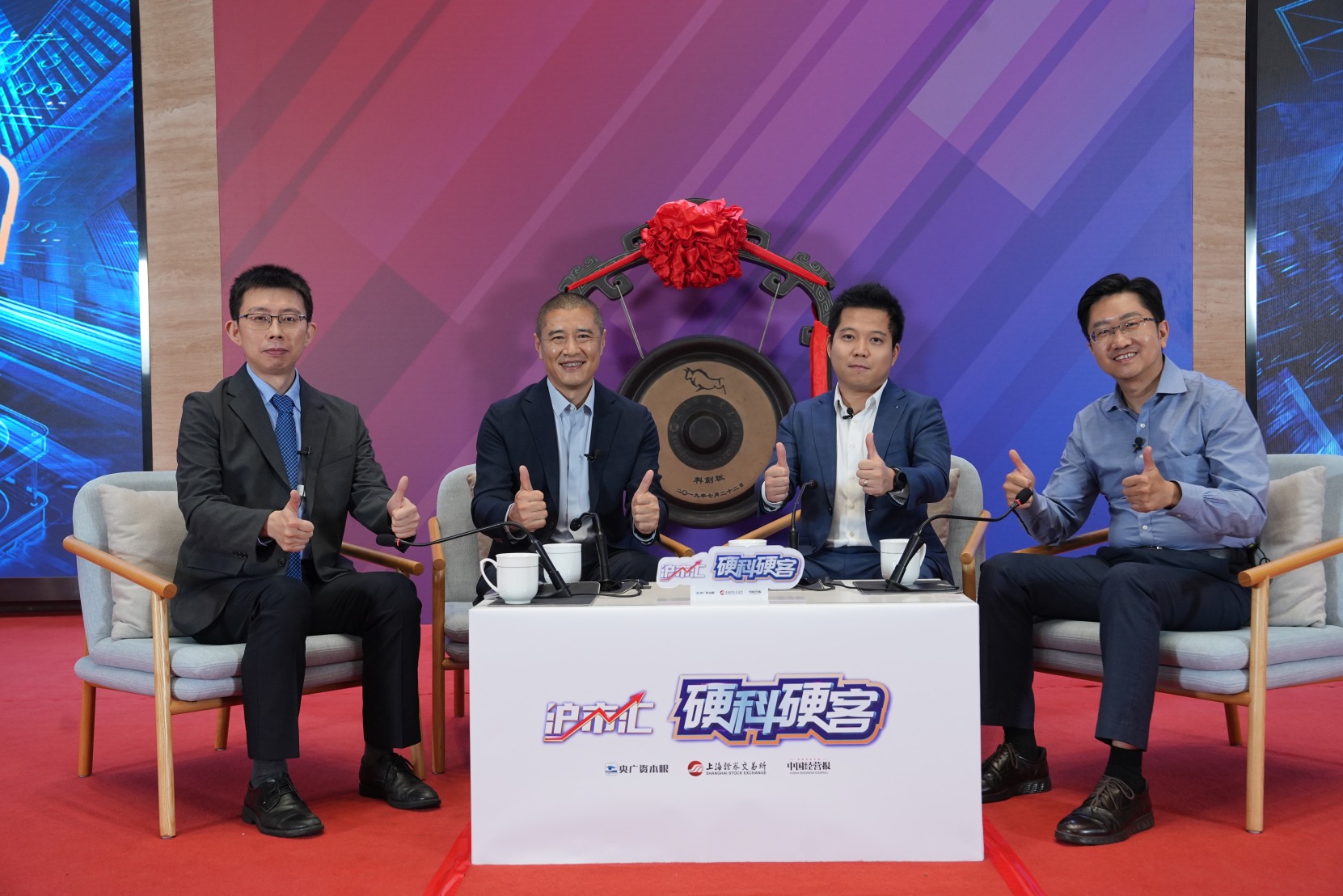
智能消费设备创新大跃迁!科创板六周年《硬科硬客》十问行业三龙头
Zhong Guo Jing Ying Bao· 2025-07-23 06:29
Core Competitiveness of Chinese Smart Consumer Device Manufacturers - The smart consumer device manufacturing industry is experiencing rapid development and deep integration, with Chinese companies leading in areas such as sports imaging, smart cleaning systems, and short-distance transportation robots [3] - Companies like影石创新 (Insta360) hold a global market share of approximately 70% in panoramic cameras and are ranked second in the sports camera market, driven by product innovation [5] - 石头科技 (Roborock) has captured about 19.3% of the global market share for robotic vacuum cleaners, maintaining its position as the market leader [7] - 九号公司 (Ninebot) leads in the sales of electric two-wheelers priced above 4000 yuan in China and holds a 50% market share in Germany for electric scooters [9] Understanding Consumer Trends - Companies utilize traditional market research and user feedback, along with real-time data analysis from activated devices, to identify user habits and needs [10] - The focus on consumer trends emphasizes convenience and safety, with product innovation driven by engineers and product managers becoming users themselves [10] - 石头科技 emphasizes understanding user needs through big data feedback and direct engagement with users in their environments [10][11] Future of Smart Consumer Devices - The ultimate form of smart consumer devices may involve specialized robots for specific scenarios rather than a universal robot, as current technological challenges remain [13] - Short-term prospects favor specialized AI applications, which are more feasible and cost-effective [13] - AI is transforming smart consumer devices, enhancing their intelligence and functionality, such as the introduction of mechanical arms in robotic vacuums [14][15] Overseas Growth Strategies - "Going global" is seen as a crucial growth avenue for Chinese smart consumer device brands, with increasing influence in high-end markets [19] - Companies are leveraging their efficient innovation and rapid iteration capabilities to expand internationally [19][20] - The engineering talent pool in China is viewed as a significant advantage for manufacturing [22] Supply Chain Security - Companies are focusing on domestic production of key components to ensure supply chain security, with a gradual shift towards local sourcing [23][24] - The strategy includes diversifying suppliers and vertically integrating to enhance competitiveness [24] Policy Support for Industry Growth - Government subsidies have significantly boosted sales, with影石创新 reporting a 160% year-on-year increase during a promotional event [25] - There is a call for more supportive policies targeting upstream components and technologies to foster industry growth [25][26] Impact of the Science and Technology Innovation Board - The Science and Technology Innovation Board has facilitated fundraising, talent acquisition, and brand enhancement for companies [27][28][30] - Listing has improved corporate governance and compliance, increasing trust among partners and customers [32][33] Challenges and Future Aspirations - Companies face ongoing challenges in management and market competition, with a focus on continuous improvement and innovation [36][38] - Future goals include expanding product categories, achieving global recognition, and enhancing user experience [36][37]
华安基金科创板ETF周报:科创板迎来开市六周年,科创50指数周涨1.32%
Xin Lang Ji Jin· 2025-07-22 09:31
Group 1: Event Overview - The "2025 China Sci-Tech Innovation Leaders Summit and the 6th Anniversary Forum of the Sci-Tech Innovation Board" will be held on July 25 in Shanghai, focusing on themes of "source innovation and industry leadership" [1] - The summit will include keynote speeches, high-level dialogues, and roundtable discussions on hot topics such as mergers and acquisitions and overseas expansion, aiming to promote the deep integration of technological innovation and capital markets [1] Group 2: Sci-Tech Innovation Board Performance - As of now, there are 589 listed companies on the Sci-Tech Innovation Board, with a total IPO financing amount of approximately 925.7 billion and a total market value exceeding 7 trillion [2] - The board has seen significant R&D investment, with a cumulative amount of 168.1 billion in 2024, which is more than three times the net profit attributable to the parent company [2] - The three strategic emerging industries—new generation information technology, biomedicine, and high-end equipment manufacturing—account for over 80% of the board's market value [2] Group 3: Market Trends and Investment Opportunities - The current trend of de-globalization and the urgent need for self-sufficiency have heightened the necessity for the development of new productive forces, with the Sci-Tech Innovation Board focusing on hard technology sectors such as electronic chips and biomedicine [3] - Investment directions represented by Sci-Tech Chip ETF (588290), Sci-Tech Information ETF (588260), and Sci-Tech 50 ETF Index Fund (588280) are worth long-term attention [3] Group 4: Recent Market Performance - The overall performance of the Sci-Tech Innovation Board has seen an increase, with the Sci-Tech 50 Index rising by 1.32%, the Sci-Tech Information Index by 0.88%, and the Sci-Tech Chip Index by 0.12% over the past week [4] - The top five industries on the Sci-Tech Innovation Board—electronics, biomedicine, computers, power equipment, and machinery—account for 87.2% of the board's total market value [5] Group 5: Sector Insights - In the new generation information technology sector, AI hardware, particularly optical modules, has seen a collective surge, driven by strong mid-year performance and increased global demand for AI computing power [7] - The high-end equipment manufacturing sector is experiencing significant growth, with industrial robot exports increasing by 61.5% year-on-year, and forklift sales up by 23.1% [8] - The innovative drug market is also on the rise, with the industry transitioning from "follower" to "leader," and 2025 expected to be a pivotal year for the emergence of blockbuster drugs [8]




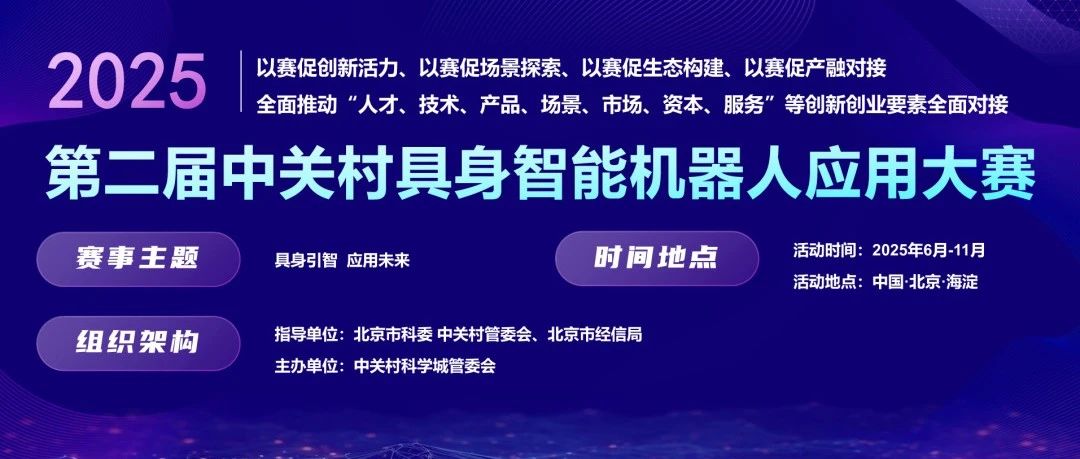
聚焦落地!真实场景比拼!2025年第二届中关村具身智能机器人应用大赛报名即将开始
机器人大讲堂· 2025-07-22 04:06
Core Viewpoint - The article highlights the growing trend of embodied intelligence development in China, emphasizing the upcoming Second Zhongguancun Embodied Intelligence Robot Application Competition in the second half of 2025, which aims to showcase practical applications of robot technology and provide valuable insights for investors and customers [1][2]. Group 1: Competition Overview - The competition will serve as a platform for demonstrating the practical application of embodied intelligence robots in various sectors, including family services, commercial services, industrial manufacturing, elderly care, and emergency response [6]. - The event will feature a series of forums and exhibitions, inviting top experts and innovative companies to facilitate the integration of talent, projects, markets, capital, and services, thereby accelerating the transformation of technological achievements [6][8]. - The competition will include three tracks: embodied intelligence model capability challenge, embodied intelligence scene application competition, and embodied intelligence academic frontier and industrial ecology, with substantial rewards to attract global participants [6][8]. Group 2: Industry Ecosystem - Haidian District has established a robust innovation ecosystem for the embodied intelligence industry, housing 186 companies in this field, including 24 humanoid robot enterprises, and 21 educational institutions offering relevant programs [1]. - The district has been recognized as a key area for embodied intelligence development, having been selected as a distinctive industrial cluster for small and medium-sized enterprises in the robot industry by the Ministry of Industry and Information Technology for 2024 [1].




基金重仓股揭秘:126只股持股比例超10%
Zheng Quan Shi Bao Wang· 2025-07-22 01:46
Group 1 - In the second quarter, a total of 2950 stocks appeared on the fund's heavy holdings list, with 126 stocks having a fund holding ratio exceeding 10% [1] - Among the stocks with a fund holding ratio over 10%, 17 stocks had a holding ratio exceeding 20%, while 109 stocks had a holding ratio between 10% and 20% [1] - The stock with the highest fund holding ratio is Ninebot Company, with 216 funds collectively holding 195 million shares, accounting for 35.24% of the circulating shares [1] Group 2 - A total of 44 stocks are held by more than 100 funds, while 32 stocks are held by 50 to 99 funds [2] - The stock with the most fund holders is CATL, with 1775 funds holding a total of 14.49% of the shares [2] - In terms of valuation, 41 stocks with high fund holdings have a price-to-earnings ratio below 30, with the lowest being Gujing Distillery at 7.90 times [2] Group 3 - 24 stocks have announced performance forecasts for the first half of the year, with 23 expecting profit increases, the highest being Huaxia Airlines with an expected increase of 875.10% [3] - The stocks with the largest increase in fund holdings include Puyuan Precision Electronics, Huahong Semiconductor, and Yuanjie Technology, with increases of 409.08%, 354.96%, and 317.64% respectively [1][3] - The industry distribution of high fund holdings is mainly concentrated in electronics, biomedicine, and the automotive sector, with 32, 21, and 12 stocks respectively [2]


挥别雷军,九号电动车赢麻了
Hu Xiu· 2025-07-22 01:46
Core Insights - Xiaomi's recent product launches, including the SUV YU7 and MIX Flip2, have generated significant market interest, leading to an 8% increase in its stock price, reaching a historical high [2] - Ninebot, primarily known for its electric scooters, has returned to a high growth trajectory, reporting a revenue of 5.1 billion yuan in Q1 2025, a 99.52% year-on-year increase, and a net profit of 456 million yuan [4] - The relationship between Xiaomi and Ninebot has evolved, with Xiaomi's founder Lei Jun initially investing heavily in Ninebot, but the latter has since sought independence from Xiaomi's ecosystem [5][21] Group 1: Xiaomi's Influence on Ninebot - Lei Jun's investment and support were crucial for Ninebot's early growth, enabling it to acquire Segway and become a leader in the balance scooter market [13][16] - Xiaomi's distribution channels significantly contributed to Ninebot's sales, with over 50% of its revenue coming from Xiaomi's channels between 2017 and 2019 [17] - The transition to independence from Xiaomi has been marked by a reduction in Xiaomi's stake, which has fallen below 5%, indicating a completed "de-Xiaomi" process [21] Group 2: Market Position and Challenges - Ninebot has capitalized on the trend of smart electric vehicles, launching intelligent electric scooters that emphasize features like instant start and sensor unlocking, which have differentiated it from traditional brands [25][28] - Despite its growth, Ninebot faces challenges in the declining domestic electric vehicle market, with a projected 9% decrease in sales from 2023 to 2024 [35] - The company has increased its sales expenses significantly, from 1.71 billion yuan in Q1 2022 to 4.18 billion yuan in Q1 2023, to maintain its competitive edge [37] Group 3: International Expansion and Future Strategies - Ninebot's international sales account for approximately 40% of its total revenue, positioning it favorably compared to competitors like Yadea and Niu [42] - The company is targeting Southeast Asia for expansion, recognizing the potential for electric scooters in a market dominated by fuel-powered motorcycles [45] - Ninebot is implementing a localized strategy by forming regional teams to better coordinate its global operations [45]
汽车行业2025年中期投资策略:产业升级,出海加速
Southwest Securities· 2025-07-21 12:46
Core Insights - The report highlights the acceleration of industrial upgrades and the expansion of the automotive industry into international markets, particularly focusing on smart and electric vehicles [1][3]. Smart Vehicles - Tesla's Full Self-Driving (FSD) feature is expected to enter the Chinese market, with the city Navigation on Autopilot (NOA) becoming a standard for advanced driving [4]. - The penetration rate of city NOA is projected to reach 12.2% by 2025, indicating rapid industry growth and benefiting related component manufacturers [4]. - The year 2025 is marked as the beginning of the Robotaxi era, with significant advancements from companies like Waymo and Tesla, creating vast market potential [4]. - New models and popular vehicles are expected to drive sales, with notable launches from brands like AITO and Xiaomi, indicating strong consumer interest [4]. New Energy Vehicles - The report forecasts that sales of new energy vehicles (NEVs) will reach 15.85 million units in 2025, with a penetration rate of 55% [4]. - In the first half of 2025, NEV sales reached 6.937 million units, a year-on-year increase of 40.3%, driven by supply chain improvements and favorable policies [4]. - The global expansion of Chinese automakers is anticipated to contribute significantly to industry growth, leveraging competitive advantages in cost and production capacity [4]. Commercial Vehicles - Heavy-duty truck sales are expected to reach 1.02 million units in 2025, supported by policies encouraging the replacement of older vehicles [4]. - The bus sector is also projected to grow, with sales of 526,000 units in 2024, reflecting a 6.9% increase year-on-year [4]. - The commercial vehicle market is benefiting from the renewal of old vehicles and the export of new energy buses [4]. Two-Wheelers - The electric two-wheeler segment is poised for growth due to favorable policies and the transition to new standards, with production expected to increase significantly [4]. - Motorcycle exports are also on the rise, with a 25% increase in the first half of 2025, driven by demand for larger displacement models [4]. Market Performance - The automotive sector has shown resilience, with a cumulative increase of 8.22% in the first half of 2025, outperforming other industries [7][22]. - The report notes a strong performance in commercial vehicles, with significant growth in both sales and exports [7][23]. Policy Support - The Chinese government continues to implement policies that support the automotive industry's transition to smart and electric vehicles, enhancing the overall market environment [57][59]. - Various initiatives are in place to promote the adoption of intelligent driving technologies and improve safety standards [58][60]. Investment Opportunities - The report identifies key investment targets across various segments, including smart vehicles, new energy vehicles, commercial vehicles, and two-wheelers, highlighting companies like BYD, Changan, and Aima Technology as potential beneficiaries of industry trends [6].





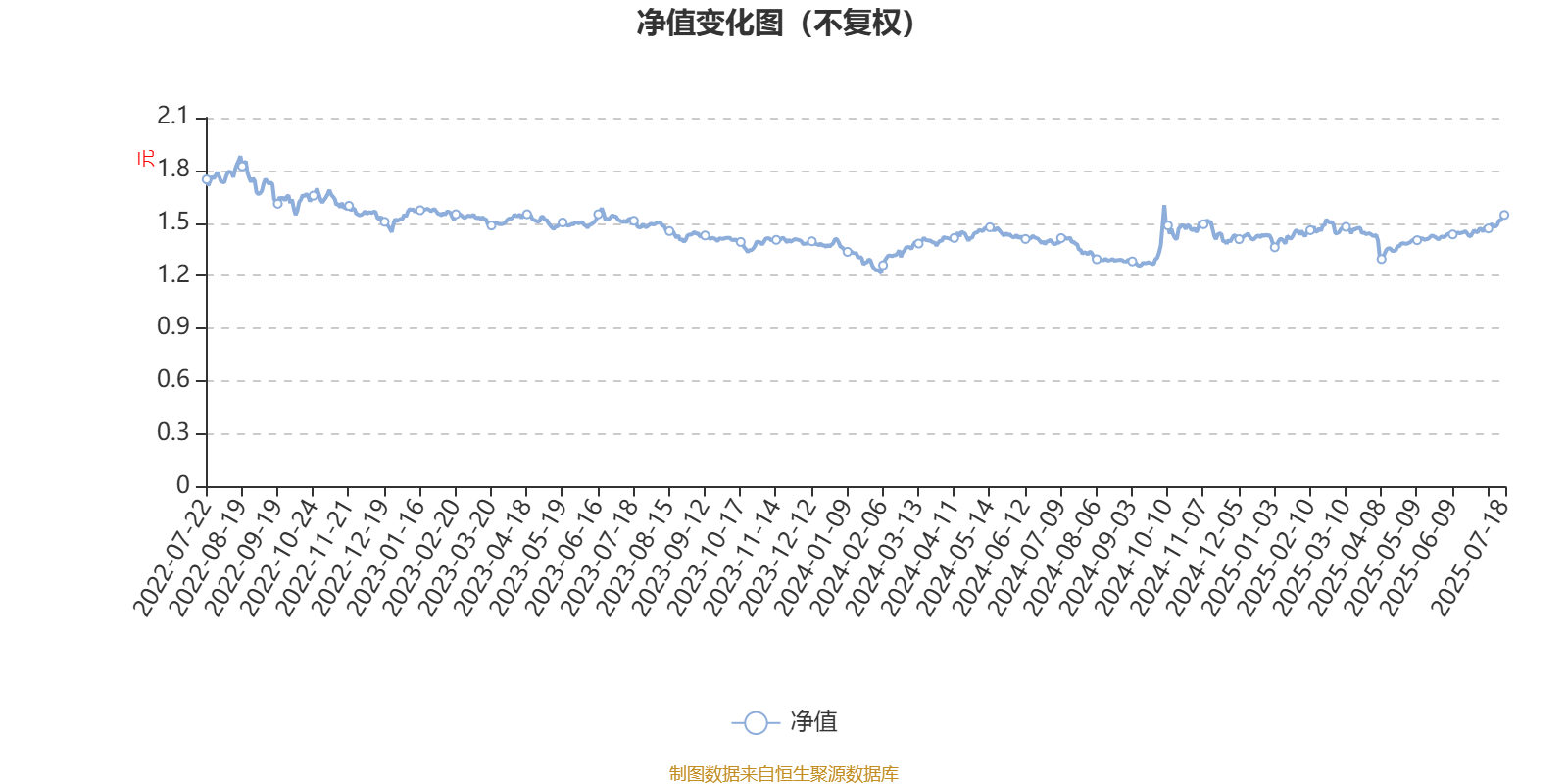
博时逆向投资混合A:2025年第二季度利润136.63万元 净值增长率2.74%
Sou Hu Cai Jing· 2025-07-21 10:29
Core Viewpoint - The AI Fund Bosera Contrarian Investment Mixed A (004434) reported a profit of 1.3663 million yuan for Q2 2025, with a weighted average profit per fund share of 0.0385 yuan, and a net value growth rate of 2.74% during the reporting period [2] Fund Performance - As of July 18, the fund's unit net value was 1.546 yuan, with a fund size of 51.5762 million yuan as of the end of Q2 2025 [2][13] - The fund's one-year compounded net value growth rate reached 11.02%, the highest among its peers, while the lowest was 7.1% for Bosera Advanced Manufacturing Mixed A [2] - Over the past three months, the fund's compounded net value growth rate was 14.96%, ranking 175 out of 615 comparable funds; over six months, it was 8.67%, ranking 370 out of 615; and over three years, it was -11.48%, ranking 140 out of 324 [2] Risk Metrics - The fund's Sharpe ratio over the past three years was -0.0683, ranking 190 out of 319 comparable funds [7] - The maximum drawdown over the past three years was 35.33%, with a single-quarter maximum drawdown of 22.5% occurring in Q1 2021, ranking 217 out of 322 [9] Investment Strategy - The fund manager indicated a focus on emerging industries, high-quality alpha stocks, and undervalued dividend stocks to enhance the probability of success and optimize the portfolio for better returns [2] Portfolio Composition - As of the end of Q2 2025, the fund's top ten holdings included Ningde Times, Nuwell, ST Huaton, Xiaoshangpin City, Xinyi Sheng, Zhongji Xuchuang, Hudian Co., Zongshen Power, Ninebot, and Zijin Mining [16] - The average stock position over the past three years was 74.1%, compared to the industry average of 83.27%, with a peak of 85.53% at the end of 2021 and a low of 60.86% in mid-2021 [12]