
GUJING(000596)

Search documents
“最严禁酒令”重创地方“政商酒”,古井贡突然进入冰河期
阿尔法工场研究院· 2025-06-15 11:39
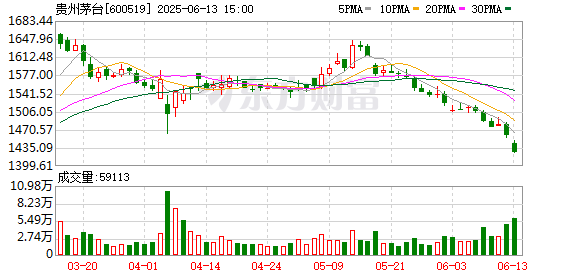
Core Viewpoint - The "ban on alcohol" has significantly impacted the white liquor industry, particularly affecting brands with strong ties to government and business sectors, such as Gujinggong [1][3][32] Group 1: Impact of the Ban - The ban has deepened its effects on the white liquor industry, with varying impacts across different price segments [3][4] - Mid to high-end white liquor brands, particularly those with "political and business" characteristics, are most affected [7][10] - Stock price declines from May 17 to June 12 show significant drops for brands like Shanxi Fenjiu (-15.20%) and Gujinggong (-12.40%) [9] Group 2: Historical Context and Brand Strategy - Gujinggong's rise as a "political and business liquor" began around 2012, capitalizing on restrictions on high-end liquor consumption [11][12] - The brand successfully filled market gaps with products priced at 300 yuan and above, gaining a foothold in the local political and business market [13][14] - The brand's strategy involved a ripple effect of influence, starting from local leaders to broader business networks [15][17] Group 3: Future Adjustments and Strategies - Post-ban, Gujinggong faces a significant challenge as local political influence diminishes, impacting brand strength and product upgrade potential [32] - The company has two main strategic directions: expanding into external markets and focusing on mid to low-end products [33][39] - Expanding into neighboring Jiangsu province is seen as a viable option due to demographic ties and brand recognition among local residents [36] - Focusing on mid to low-end products within the province may stabilize performance, although this approach is viewed as a temporary measure [41][42] - Historical trends indicate that moving downmarket can be detrimental, emphasizing the need for strategic decision-making in a changing market [43][44]


白酒激战618:线上线下全面降价,名酒能否以价换量?
Nan Fang Du Shi Bao· 2025-06-13 11:59
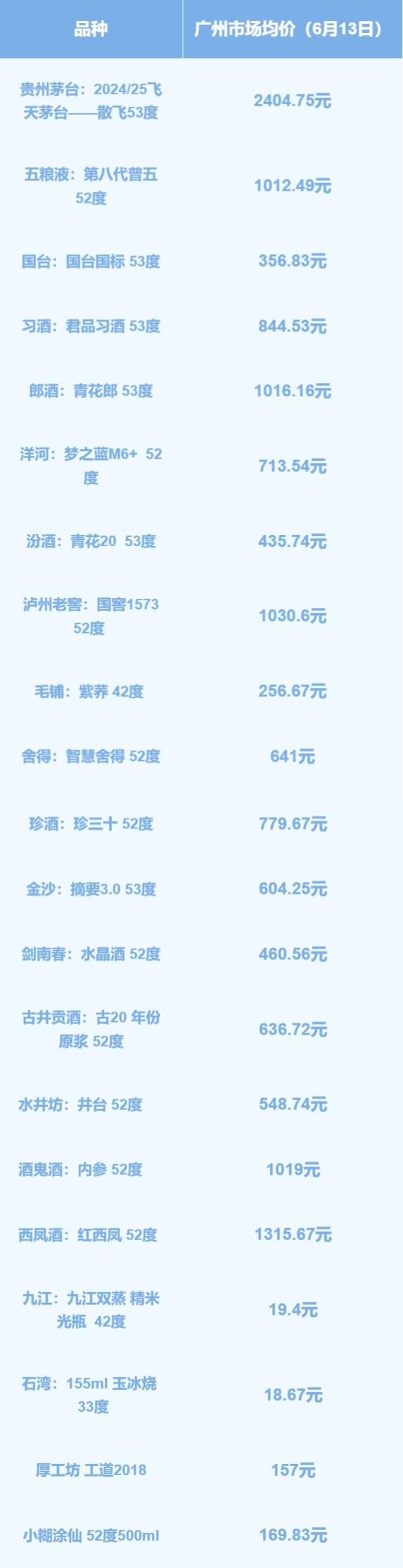
Core Viewpoint - The 618 shopping festival has led to significant price reductions in the Chinese liquor market, particularly for high-end baijiu brands, as manufacturers aim to alleviate inventory pressure during a seasonal consumption lull [1][22]. Price Trends in Major Cities - In Guangzhou, 17 out of 21 sampled baijiu products saw a decline in average retail prices, with notable drops in high-end brands like Moutai and Wuliangye [1][2]. - The average retail price of Moutai in Guangzhou is approximately 2404 RMB, down over 100 RMB from the previous period [2]. - In Shenzhen, most products remained stable, but Moutai was largely unavailable, leading to price fluctuations [6][7]. - In Dongguan, Moutai's price increased significantly due to supply instability, rising from 2299 RMB to 2800 RMB [11][12]. Price Changes by Product - High-end products like the Eighth Generation Wuliangye and Guojiao 1573 also experienced price drops, with Guojiao 1573 decreasing from 1075 RMB to 1004 RMB [12][13]. - The average price of the high-end product Junpin Xijiu fell to around 845 RMB in Guangzhou, with significant reductions noted across various retail channels [2][3]. - The price of Qinghualang in Dongguan dropped from 1055 RMB to 965 RMB, reflecting a broader trend of price reductions in the market [12][13]. E-commerce Impact - E-commerce platforms have seen more pronounced price reductions, with many baijiu brands offering discounts and promotional activities during the 618 festival [16][20]. - On Tmall, the price of Hong Xifeng dropped from 1157 RMB to 1056 RMB, while Guojiao 1573 and Gujing Gongjiu also saw minor declines [19]. - The overall sales volume for liquor on Tmall surged by 72% year-on-year during the promotional period, indicating a positive response to lower prices [19][22]. Market Dynamics - The current price declines are attributed to a structural transformation in the baijiu industry, exacerbated by seasonal consumption patterns and increased competition from online channels [22]. - The price index for national baijiu showed a slight decrease of 0.35% in May, reflecting ongoing challenges in maintaining price stability amid aggressive promotional strategies [22]. - Manufacturers are facing pressure to manage inventory while navigating the complexities of pricing strategies in a competitive market environment [22].





食品饮料行业今日净流出资金34.78亿元,贵州茅台等5股净流出资金超亿元
Zheng Quan Shi Bao Wang· 2025-06-13 09:31
Market Overview - The Shanghai Composite Index fell by 0.75% on June 13, with only three sectors gaining, namely Oil & Petrochemicals, Defense & Military, and Utilities, which rose by 2.05%, 1.72%, and 0.48% respectively [2] - A total of 24 sectors experienced net outflows of capital, with the Computer sector leading the outflow at 7.043 billion yuan, followed by the Automotive sector with 5.428 billion yuan [2] Food and Beverage Sector Performance - The Food and Beverage sector declined by 2.37%, with a net outflow of 3.478 billion yuan in capital. Out of 123 stocks in this sector, only 2 stocks rose, and 1 stock hit the daily limit up, while 121 stocks fell, including 1 stock that hit the daily limit down [3] - The top three stocks with the highest net outflow in the Food and Beverage sector were Kweichow Moutai, Wuliangye, and Haitian Flavoring, with net outflows of 1.190 billion yuan, 528 million yuan, and 229 million yuan respectively [3][6] Capital Flow in Food and Beverage Sector - The top stock in terms of capital inflow was *ST Chuntian, which saw a net inflow of 18.7349 million yuan, despite a price increase of 4.90%. Other notable inflows included Haixin Food and Anjui Food, with net inflows of 17.5526 million yuan and 10.9361 million yuan respectively [4] - The capital outflow leaderboard featured Kweichow Moutai with a significant outflow of 1.190144 billion yuan, followed by Wuliangye and Haitian Flavoring with outflows of 528.1059 million yuan and 229.4627 million yuan respectively [6]


食品饮料行业2025年中期投资策略:结构分化,聚焦景气
Dongguan Securities· 2025-06-13 09:21
Group 1 - The food and beverage industry outperformed the CSI 300 index from January to May 2025, with a decline of 1.52%, surpassing the index by approximately 0.89 percentage points [6][15][16] - The industry valuation has decreased, with a current PE (TTM) of about 21 times, below the five-year average of 34 times [20][24] - Positive consumer policy signals have been established, with significant government initiatives aimed at boosting consumption and expanding domestic demand [24][27] Group 2 - The liquor sector is experiencing weak demand and internal differentiation, with a notable decline in sales during the Dragon Boat Festival [28] - Liquor companies are controlling supply to maintain prices, with several major brands implementing stock control measures [29][31] - Companies like Kweichow Moutai and Wuliangye are engaging in share buybacks to boost market confidence [34][36] Group 3 - The beer sector is showing stable performance with expectations for marginal improvement in 2025, driven by a recovery in demand [4][14] - The condiment sector is anticipated to benefit from the recovery in the restaurant industry, leading to increased demand for condiments [5][18] - The dairy sector is expected to see improved supply-demand dynamics due to favorable fertility policies [22][24] Group 4 - The snack sector is experiencing steady growth, with a focus on multi-channel penetration to enhance brand influence [25][27] - The overall performance of the snack sector is mixed, with some brands outperforming others [27][45]

古井贡酒(000596):坚持“全国化、次高端”战略,25年稳健发展可期
Tianfeng Securities· 2025-06-13 07:13
Investment Rating - The report maintains a "Buy" rating for the company, with a target price not specified [6]. Core Views - The company is expected to achieve steady growth with a projected revenue of CNY 235.78 billion and a net profit of CNY 55.17 billion for 2024, reflecting year-on-year increases of 16.41% and 20.22% respectively [2]. - The company continues to focus on a "nationalization and mid-to-high-end" strategy, which is anticipated to support its growth momentum [4]. - The product structure is improving, with the "Year Original" segment leading growth, accounting for 79.10% of revenue in 2024, up 0.59 percentage points year-on-year [2][3]. Financial Performance - For 2024, the company expects revenues from "Year Original," "Gu Jing Gong Jiu," and "Huang He Lou" to be CNY 180.86 billion, CNY 22.41 billion, and CNY 25.38 billion respectively, with year-on-year growth rates of 17.31%, 11.17%, and 15.08% [2]. - The company’s gross margin is projected to be 79.68% in Q1 2025, with a slight decrease of 0.67 percentage points year-on-year, while the net profit margin is expected to increase by 0.54 percentage points to 25.47% [4]. - The company’s revenue is forecasted to grow to CNY 259.9 billion, CNY 289.3 billion, and CNY 320.8 billion from 2025 to 2027, with corresponding net profits of CNY 63.0 billion, CNY 72.1 billion, and CNY 81.0 billion [5]. Market Position and Strategy - The company has strengthened its market position in its home province while expanding its national presence, with a dealer network increasing by 448 to 5,089 dealers in 2024 [3]. - The company’s national coverage has reached over 70%, with 40% of its revenue coming from outside its home province [4]. - The company aims to capture the mid-to-high-end consumer segment while also expanding its market share in the mass liquor segment [4].
白酒板块6月投资策略:淡季价格体现压力,估值或进入底部布局期
Guoxin Securities· 2025-06-12 06:35
Group 1: Industry Overview - The second quarter marks the traditional off-season for the liquor industry, compounded by increasing environmental uncertainties, leading to a decline in stock prices within the sector [2][5] - The market is experiencing a consensus on deceleration, with individual stock alpha diminishing, as major liquor companies exhibit a rational growth attitude during shareholder meetings [2][3] Group 2: Pricing and Demand Dynamics - The price of high-end liquor, such as Feitian Moutai, has shown a downward trend due to weak demand, with prices dropping to around 2000 yuan [7][13] - The impact of government policies, such as the "Party and Government Agencies Strictly Save and Oppose Waste Regulations," has affected business consumption scenarios, leading to a subdued demand environment [2][3] Group 3: Company-Specific Insights - Guizhou Moutai is expected to achieve a revenue growth target of approximately 9% for 2025, with a focus on expanding sales channels and enhancing consumer engagement [21] - Wuliangye has faced pressure on its pricing, with the price of its flagship product, Pu Wuliangye, declining to 910 yuan, while the company emphasizes maintaining price stability and supporting distributor profits [22] Group 4: E-commerce and Market Trends - The entry of instant retail platforms has significantly boosted online liquor sales, with major brands experiencing substantial growth during the "618" shopping festival [14][18] - The competition in pricing during the "618" event has intensified, impacting traditional distribution channels as e-commerce platforms offer aggressive discounts [18][19]


电商平台“618”名酒价格下探,有售价击穿“批发价”
Xin Jing Bao· 2025-06-11 02:07
Core Viewpoint - Major e-commerce platforms are aggressively competing for users during the 618 mid-year promotion, utilizing strategies like substantial subsidies to attract customers, particularly in the high-margin liquor segment, where well-known brands are becoming key products for driving traffic [1][2][3] Group 1: Price Trends and Discounts - During the 618 period, e-commerce platforms offered significant subsidies on premium liquor brands such as Moutai and Wuliangye, with some prices dropping below wholesale reference prices [2][3] - The price of 53-degree 500ml Moutai has notably decreased, with current prices ranging from 2099 to 2200 yuan per bottle, down from approximately 2300 to 2500 yuan last year [2] - Discounts on other high-end liquor brands have also been observed, with some products priced below their respective wholesale prices, indicating a broader trend of price reductions across various liquor categories [3][5] Group 2: Market Dynamics and Competition - The liquor market is experiencing intense competition, with e-commerce platforms and liquor distributors both seeking to clear inventory and attract more users, leading to price reductions [6][7] - Analysts suggest that while subsidies boost online sales, they may disrupt the pricing structure in offline markets, affecting distributors' profit margins [6][7] - Traditional liquor distributors are adapting to the shift towards online sales, with some exploring new marketing strategies like live streaming to maintain competitiveness [6][7] Group 3: Consumer Behavior and Market Shifts - There is a noticeable shift in consumer preferences towards better price-to-quality ratios, with younger consumers increasingly opting for alternative beverages over traditional liquor [8][9] - The wedding market has shown signs of recovery, with a significant increase in booking volumes, yet the price range for wedding liquor has contracted, reflecting changing consumer habits [8] - Major liquor companies are focusing on expanding their product offerings and targeting younger demographics to adapt to evolving market conditions [9]
产业观察|“618”购物节点燃白酒淡季市场,即时零售重塑白酒行业格局
Sou Hu Cai Jing· 2025-06-09 12:00
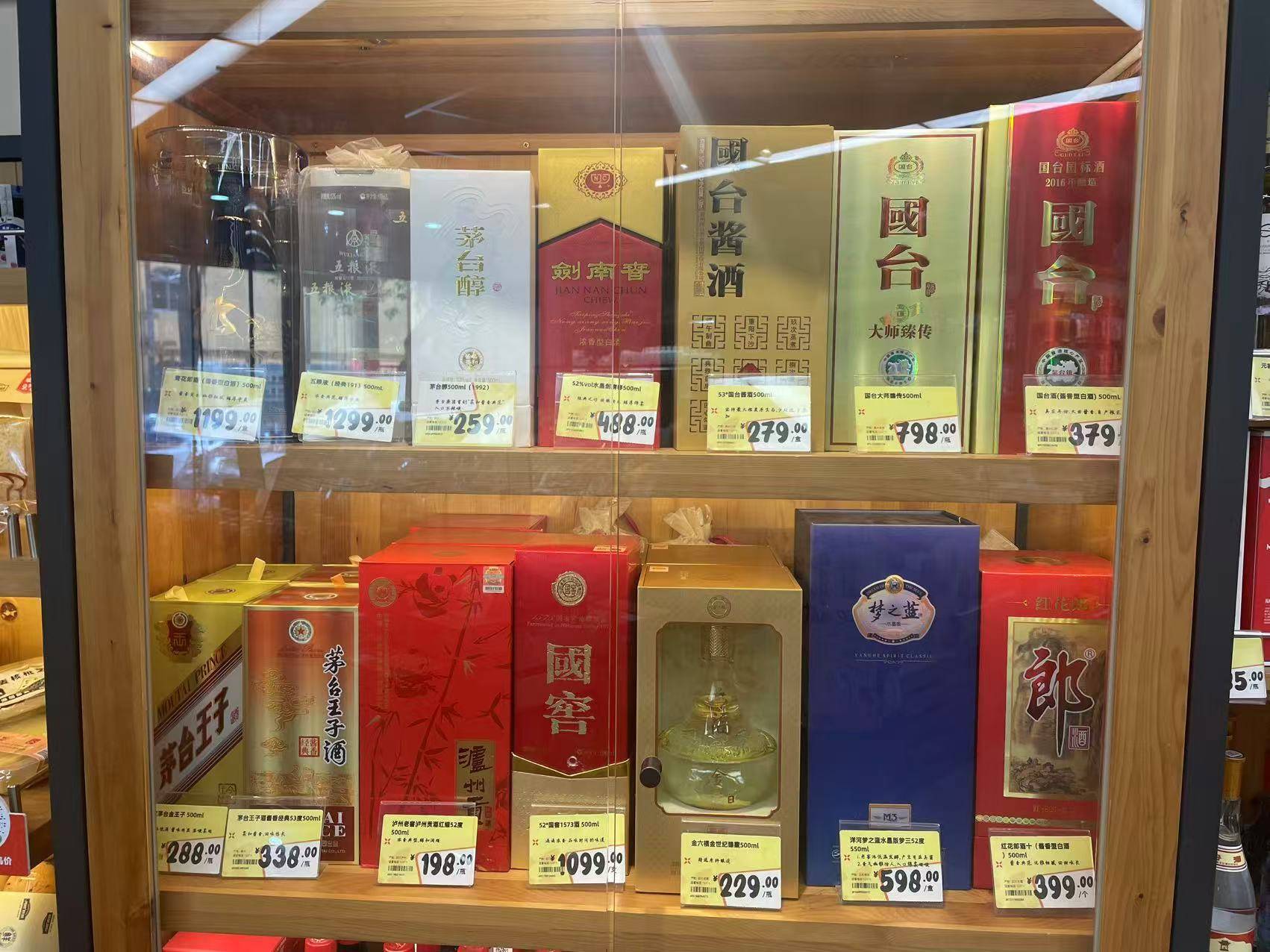
深圳商报·读创客户端记者 周良成 6月原本是白酒的淡季,但今年的"618"大促让白酒市场"火"了一把。白酒行业正加速向电商渠道转型,以应对市场收缩和去库存的压力。 此外,美团闪购等即时零售平台加入"618大战",开启"30分钟送酒到家"的模式,冲击白酒传统分销模式,进一步压低白酒市场价格。据了解,美团闪购活 动期间飞天茅台、五粮液等高端白酒的线上价格远低于线下零售价,例如,"流量明星"飞天茅台仅售1499元,52度五粮液最低到手价为858元,很快售罄。 图:深圳某超市的白酒货柜。周良成/摄 美团的入局,让"白酒线上化"加速成为白酒的"全新开瓶方式",或重塑白酒行业格局。美团闪购"618"酒类首日战报显示:白酒在12小时内成交额就突破了3 亿元,5月28日全天酒品类整体成交额年同比增长超18倍,其中,白酒成交额年同比增长超70倍。 此外,白酒行业市场收缩背景下,泸州老窖、洋河股份、五粮液等企业通过供应链优化、数智化管理降本增效,部分酒企甚至调整渠道策略以维持利润空 间。部分中小酒商对记者表示,因无法与平台价格抗衡,被迫调整商业模式,甚至打算放弃线下渠道,转向线上自营或与平台合作。 在2025年"618"第一阶段 ...
食品饮料周报:大众品呈现结构性景气,老消费焕发新活力-20250609
Ping An Securities· 2025-06-09 09:17
Investment Rating - The industry investment rating is "Outperform the Market" (maintained) [1][30] Core Viewpoints - The consumer goods sector is showing structural prosperity, with traditional consumption revitalizing [5] - The report highlights the importance of understanding consumer needs and innovating in products, channels, and marketing to stimulate consumption potential [5] - Investment opportunities are seen in the snack and beverage sectors, with recommendations for companies like Dongpeng Beverage and Three Squirrels [5] Summary by Sections Alcohol Industry - The liquor index (CITIC) has a cumulative decline of -0.84% this week, with leading stocks like Jinhui Liquor (+6.25%) and Huangtai Liquor (+5.03%) showing positive performance [5] - Moutai has announced a buyback progress, reinforcing market confidence, with a total buyback of 5.1 billion yuan, accounting for 0.2635% of total shares [5] - Future expectations include a recovery in the consumption environment supported by policies, with recommendations for high-end and next-tier liquor brands [5] Food Industry - The food index (CITIC) has a cumulative decline of -0.34% this week, with stocks like *ST Chuntian (+15.38%) and Youyou Food (+9.57%) performing well [5] - The report indicates a structural prosperity in consumer goods, driven by generational differences in spending intentions and the emergence of new consumption categories that meet emotional and health needs [5] - Companies that effectively innovate based on consumer insights are likely to unlock consumption potential [5] Key Company Earnings Forecast - The report provides earnings per share (EPS) and price-to-earnings (PE) ratios for various companies, with recommendations for leading firms such as Kweichow Moutai, Wuliangye, and Yili Group [29]


食品饮料行业周报:白酒底部布局,关注传统消费新饮品-20250609
Huaxin Securities· 2025-06-09 03:35
Investment Rating - The report maintains a "Buy" investment rating for the food and beverage industry [8]. Core Viewpoints - The report highlights a bottoming trend in the liquor sector, with a focus on traditional consumer new beverages. It notes that the recent policy changes regarding government banquets will impact market sentiment but not significantly affect the fundamental demand for liquor, which is expected to stabilize [6][8]. - The report emphasizes the potential for investment in companies with valuation advantages and those that are actively repurchasing shares or increasing dividends, suggesting a favorable outlook for companies like Shui Jing Fang, Shanxi Fenjiu, and Shede Liquor [6][8]. - The report also discusses the new beverage products being launched by traditional consumer companies, indicating a shift towards health and wellness trends, with companies like Gu Yue Long Shan and Li Zi Yuan targeting younger demographics with innovative products [7][8]. Summary by Sections Industry News - In the first four months, the liquor production in Lüliang decreased by 1.5%. Tmall's 618 event saw a 72% growth in core liquor brands. Fujian province exported 280 million yuan worth of beer in the same period [16]. Company News - Guizhou Moutai launched a new series of Moutai liquor. Wuliangye is under local government investigation, and Luzhou Laojiao is maintaining a higher channel profit margin compared to competitors [19]. Investment Strategy - The report recommends focusing on companies with strong fundamentals and growth potential in the liquor sector, including Wuliangye, Luzhou Laojiao, and Shanxi Fenjiu, while also highlighting opportunities in the new beverage segment [6][8]. Key Company and Earnings Forecast - The report provides earnings per share (EPS) and price-to-earnings (PE) ratios for several companies, all rated as "Buy," including Luzhou Laojiao, Wuliangye, and Guizhou Moutai, indicating strong expected performance in the coming years [10].

