BYD(002594)

Search documents
When Technology and Passion Come Together: BYD Becomes an Official Partner of Manchester City Football Club
Globenewswire· 2026-02-11 12:44
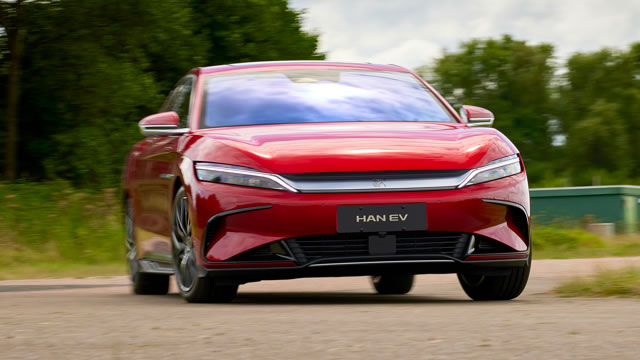
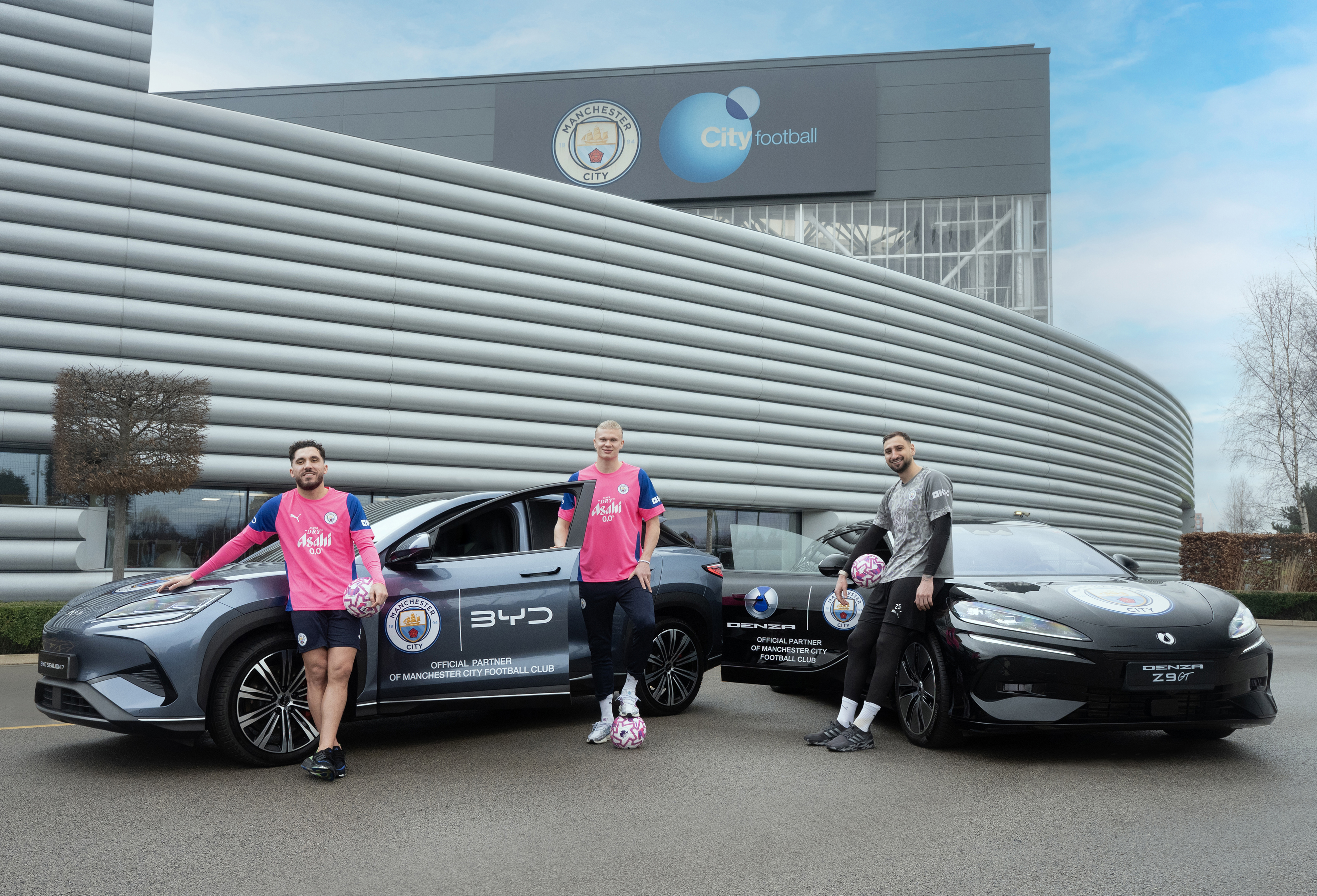
Core Insights - BYD has announced a strategic partnership with Manchester City Football Club, becoming the Official Automotive Partner, which reflects a shared vision for sustainability and innovation [1][2] Group 1: Partnership Details - The partnership includes supplying BYD and DENZA vehicles to Manchester City and providing energy solutions through vehicle charging and energy-storage batteries at the City Football Academy [3] - BYD's branding will appear on the training-kit sleeve of both the men's and women's first teams, and the brand will have a presence at the Etihad Stadium [4][10] - This collaboration is part of BYD's strategy to enhance brand awareness in international football, following previous sponsorships of UEFA events [5] Group 2: Company Background - BYD, founded over 30 years ago, is a leader in New Energy Vehicles (NEVs) and has achieved record sales, producing its 15 millionth NEV by December 2025 [8] - In 2025, BYD sold 4.6 million vehicles globally, with over a million sold outside of China, and employs 120,000 engineers focused on innovation [9]


When Technology and Passion Come Together: BYD Becomes an Official Partner of Manchester City Football Club
Globenewswire· 2026-02-11 12:44
Core Insights - BYD has announced a strategic partnership to become the Official Automotive Partner of Manchester City Football Club, marking a significant collaboration between a global technology company and a renowned football brand [1][2] Partnership Details - The partnership includes supplying BYD and DENZA vehicles to Manchester City, as well as providing new-energy expertise through vehicle charging and energy-storage batteries at the City Football Academy [3][12] - BYD's branding will be featured on the training-kit sleeve of both the men's and women's first teams, and the brand will have a presence at the Etihad Stadium [4][12] Strategic Goals - This partnership is part of BYD's strategy to enhance brand awareness in international football, following previous sponsorships of major football events like UEFA EURO 2024 [5] - BYD aims to inspire a more sustainable future through this collaboration, aligning its values of excellence and innovation with those of Manchester City [6][7] Company Background - BYD, founded over 30 years ago, has established itself as a leader in New Energy Vehicles (NEVs), achieving record sales and a presence in over 110 countries [8][9] - In 2025, BYD sold 4.6 million vehicles globally, with over a million sold outside of China, and has a strong focus on innovation with 120,000 engineers and an average of 45 new patent applications daily [9]

Factbox-EU tariffs on imports of China-made EVs
Yahoo Finance· 2026-02-11 11:53
Group 1 - The European Commission has imposed additional duties on imported electric vehicles from China starting in 2024, but allows carmakers to negotiate tariff exemptions for specific models [1] - Volkswagen's Cupra brand received approval for its Tavascan SUV coupe to be exempt from import tariffs in exchange for a minimum price and annual quota model [1][8] - Chinese automakers are seeking similar tariff exemption deals for their electric vehicle models intended for the European market [2] Group 2 - The EU has reduced proposed final tariffs on China-made Tesla cars and slightly adjusted rates for other manufacturers following submissions during its anti-subsidy investigation [2] - The additional tariffs are in addition to the EU's standard 10% import duty on cars [2] - Specific countervailing duties have been set for various Chinese automakers, with rates such as 18.8% for Geely Group and 17% for BYD Auto [3][4]




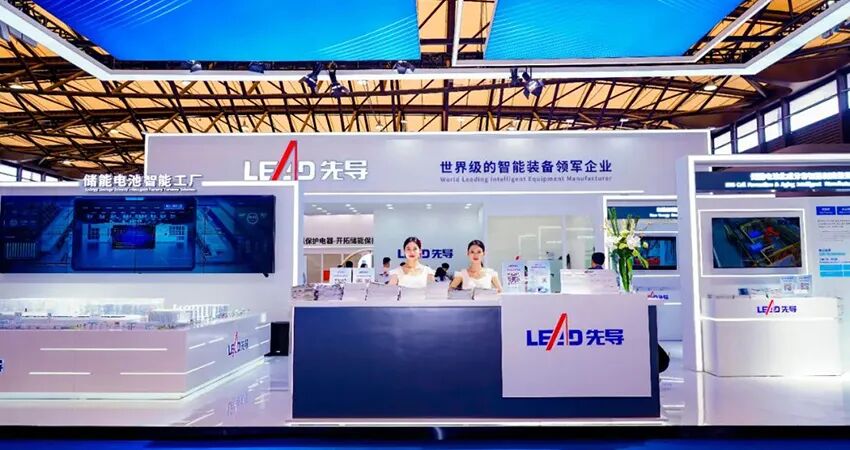
全球锂电装备一哥敲钟,宁德时代持股市值超680亿,特斯拉比亚迪都是客户
3 6 Ke· 2026-02-11 11:37
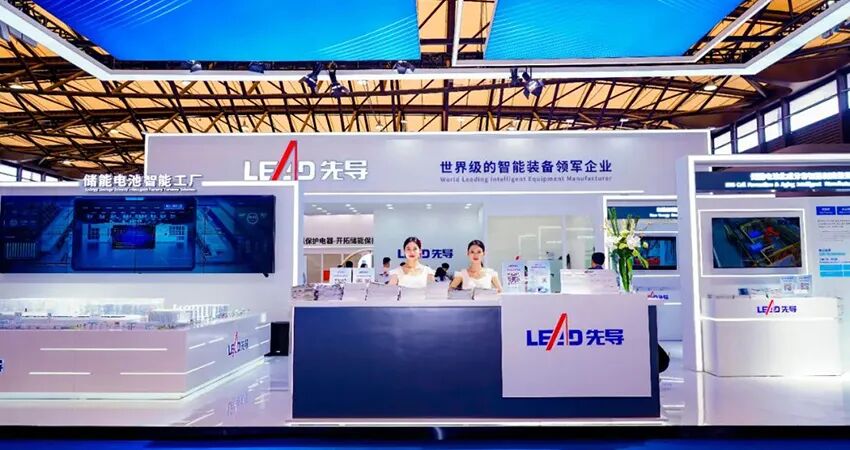
Core Viewpoint - The successful listing of XianDao Intelligent Equipment Co., Ltd. on the Hong Kong Stock Exchange marks a significant milestone for Chinese manufacturing companies, particularly in the lithium battery equipment sector, with strong backing from major investors and a robust market position [2][6][23]. Financial Performance - XianDao's IPO raised approximately 4.166 billion HKD (around 3.749 billion RMB) by issuing 93.616 million H-shares [6]. - The company's total market capitalization reached 76.35 billion HKD (approximately 68.714 billion RMB) at midday trading, with shares priced at 46 HKD each, reflecting a slight increase of 0.44% from the issue price [4][6]. - Revenue increased from 138.36 billion RMB in 2022 to 164.83 billion RMB in 2023, while net profit decreased from 23.18 billion RMB to 17.71 billion RMB during the same period [7][10]. - In 2024, revenue is projected to decline to 117.73 billion RMB, with net profit dropping to 2.68 billion RMB, but a significant recovery is expected in 2025 with a projected revenue of 103.88 billion RMB and a net profit of 11.61 billion RMB, marking a 97.9% increase year-on-year [10][8]. Market Position - XianDao is recognized as the largest provider of lithium battery intelligent equipment globally, holding a market share of 15.5%, and the largest in China with a market share of 19.0% [6][14]. - The company has a diverse client base, including major players like CATL, Tesla, and LG Energy, with the top five clients contributing approximately 40%-50% of its revenue [16][14]. Strategic Initiatives - To reduce reliance on the lithium battery sector, XianDao is expanding into non-lithium businesses such as photovoltaics, 3C electronics, hydrogen energy, and automotive production lines [17]. - The company plans to allocate 40% of the funds raised from the IPO to expand overseas R&D centers and sales networks, 30% for core technology development, and 20% for enhancing digital management capabilities [22]. Leadership and Vision - The company is led by Wang Yanqing, who has a background in engineering and has successfully navigated the company from its inception to becoming a key player in the lithium battery equipment market [18][20]. - XianDao's listing is seen as a step towards enhancing its global presence and credibility in the international market, aiming for a more transparent relationship with global investors [23].
全球锂电装备一哥敲钟!宁德时代持股市值超680亿,特斯拉比亚迪都是客户
Xin Lang Cai Jing· 2026-02-11 10:34
Core Viewpoint - The successful IPO of Wuxi Xian Dao Intelligent Equipment Co., Ltd. (Xian Dao Intelligent) on the Hong Kong Stock Exchange marks a significant milestone for Chinese manufacturing companies, particularly in the lithium battery equipment sector, as it aims to expand its global presence and attract international capital [2][30][55]. Financial Performance - Xian Dao Intelligent's IPO raised approximately HKD 41.66 billion (about RMB 37.49 billion) by issuing 93.616 million H-shares, with a market capitalization reaching HKD 763.5 billion (approximately RMB 687.14 billion) [6][34]. - The company's revenue increased from RMB 138.36 billion in 2022 to RMB 164.83 billion in 2023, while net profit decreased from RMB 23.18 billion to RMB 17.71 billion during the same period [7][37]. - In 2024, revenue fell to RMB 117.73 billion, with net profit dropping to RMB 2.68 billion. However, by the first three quarters of 2025, revenue rebounded to RMB 103.88 billion, reflecting a 14.9% year-on-year growth, and net profit surged by 97.9% to RMB 11.61 billion compared to the same period in 2024 [9][37]. Market Position - According to Frost & Sullivan, Xian Dao Intelligent is the largest provider of lithium battery intelligent equipment globally, holding a market share of 15.5%, and it is also the leading supplier in China with a market share of 19.0% [6][12]. - The company is positioned as the second-largest supplier of new energy intelligent equipment globally, with a market share of 2.9% [12][40]. Product and Technology - Xian Dao Intelligent covers the entire lithium battery production process, including upstream, midstream, and downstream operations, and has developed key equipment for solid-state batteries [13][42]. - The company has a robust R&D team of over 4,000 employees and has secured 3,336 authorized patents, demonstrating its commitment to innovation [40]. Client Base - The client portfolio includes major global battery manufacturers such as CATL, Tesla, Volkswagen, BMW, and others, with the top five clients contributing approximately 40%-50% of the company's revenue [15][43]. - CATL is not only the largest customer but also a strategic investor, holding over 7% of the company's shares prior to the IPO [15][44]. Future Growth Strategy - To reduce reliance on the lithium battery sector, Xian Dao Intelligent is diversifying its revenue streams by expanding into non-lithium businesses such as photovoltaics, 3C electronics, hydrogen energy, and automotive production lines [16][45]. - The funds raised from the IPO will be allocated to expanding overseas R&D centers, enhancing core technology development, and improving digital management capabilities [54].


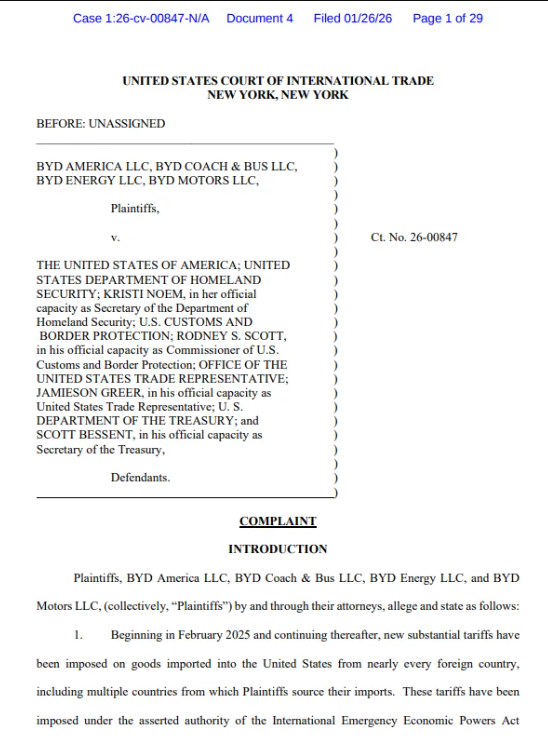
比亚迪起诉美国政府:退钱!
Xin Lang Cai Jing· 2026-02-11 10:16
Core Viewpoint - BYD has filed a lawsuit against the U.S. government, challenging tariffs imposed under the International Emergency Economic Powers Act (IEEPA) and seeking refunds for tariffs paid since April 2025 [1][2][9] Group 1: Lawsuit Details - BYD's lawsuit includes demands for a permanent injunction against the enforcement of the tariffs, refunds of all IEEPA tariffs and interest paid since April 2025, and for the defendant to bear reasonable litigation costs [3][10] - The company emphasizes that it has incurred significant tariffs for imported materials necessary for its electric bus and truck operations in the U.S. [3][10] Group 2: Legal Context and Strategy - The central legal issue revolves around whether the IEEPA authorizes the president to impose tariffs [7][14] - BYD strategically filed the lawsuit during a "window period" after the Supreme Court's hearings but before a ruling, minimizing political risks and leveraging existing judicial precedents [7][14] Group 3: Potential Implications - A favorable ruling for BYD could lead to significant growth opportunities for its passenger vehicle business in the U.S. and surrounding countries, with potential refunds ranging from tens of millions to over a hundred million dollars [9][15] - The outcome may also influence the tariff policy environment for Chinese new energy companies in the U.S. [15]
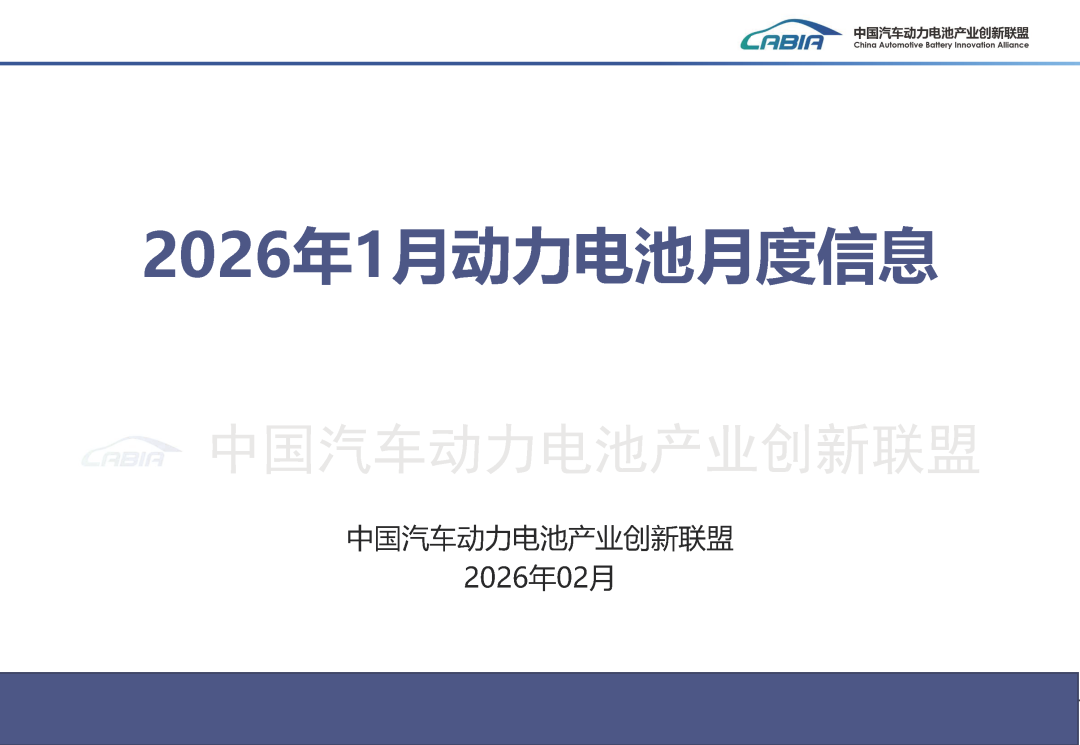
中国汽车动力电池产业创新联盟:1月我国动力和储能电池合计产量为168.0GWh 环比下降16.7% 同比增长55.9%
Zhi Tong Cai Jing· 2026-02-11 09:02
Group 1: Production Data - In January 2026, the total production of power and energy storage batteries in China was 168.0 GWh, a month-on-month decrease of 16.7% but a year-on-year increase of 55.9% [1][6]. - The production of ternary batteries was 31.3 GWh, accounting for 18.6% of total production, with a month-on-month decrease of 23.1% and a year-on-year increase of 51.1% [13]. - The production of lithium iron phosphate batteries was 136.7 GWh, making up 81.3% of total production, with a month-on-month decrease of 14.8% and a year-on-year increase of 57.1% [13]. Group 2: Sales Data - In January 2026, the total sales of power and energy storage batteries in China reached 148.8 GWh, a month-on-month decrease of 25.4% but a year-on-year increase of 85.1% [2][14]. - Power battery sales were 102.7 GWh, accounting for 69.0% of total sales, with a month-on-month decrease of 28.6% and a year-on-year increase of 63.2% [2][18]. - Energy storage battery sales were 46.1 GWh, making up 31.0% of total sales, with a month-on-month decrease of 17.0% and a year-on-year increase of 164.0% [2][19]. Group 3: Export Data - In January 2026, the total export of power and energy storage batteries was 24.1 GWh, a month-on-month decrease of 26.0% but a year-on-year increase of 38.3%, accounting for 16.2% of total sales [2][22]. - Power battery exports were 17.7 GWh, representing 73.3% of total exports, with a month-on-month decrease of 7.1% and a year-on-year increase of 59.3% [2][24]. - Energy storage battery exports were 6.4 GWh, accounting for 26.7% of total exports, with a month-on-month decrease of 52.6% and a year-on-year increase of 1.4% [2][26]. Group 4: Installation Data - The domestic installation of power batteries in January 2026 was 42.0 GWh, a month-on-month decrease of 57.2% but a year-on-year increase of 8.4% [3][40]. - Ternary battery installations were 9.4 GWh, accounting for 22.3% of total installations, with a month-on-month decrease of 48.6% and a year-on-year increase of 9.6% [3][44]. - Lithium iron phosphate battery installations were 32.7 GWh, making up 77.7% of total installations, with a month-on-month decrease of 59.1% and a year-on-year increase of 8.1% [3][44]. Group 5: Key Material Demand - In January 2026, the demand for key materials for power and energy storage batteries included 63,000 tons of ternary materials and 342,000 tons of lithium iron phosphate materials [64][65]. - The demand for negative electrode materials was 235,000 tons, while the demand for separators was 3.36 billion square meters [64]. - The demand for electrolyte for ternary batteries was 28,000 tons, and for lithium iron phosphate batteries, it was 205,000 tons [64][65].


反超阿根廷!中国成为巴西最大汽车进口来源国
Guan Cha Zhe Wang· 2026-02-11 08:19
Core Insights - Chinese automotive companies have become the largest car importers in Brazil, surpassing Argentina for the first time in over 30 years, marking a significant shift in the market dynamics [2] - The growth of Chinese brands in Brazil is part of a broader global strategy rather than an over-concentration on a single market [4] Group 1: Market Performance - In January, China exported 16,800 vehicles to Brazil, while Argentina exported 13,400 vehicles, indicating a notable increase in Chinese market share [2] - The export value of Chinese automobiles to Brazil surged to $375 million in January, more than ten times the amount from a year earlier, accounting for approximately 65% of Brazil's total automotive import value [2] - Despite the rise of Chinese brands, Brazil's overall automotive production decreased by 12% year-on-year, and sales saw a slight decline [4] Group 2: Strategic Developments - Chinese companies like Great Wall Motors and BYD are rapidly expanding in Brazil by initially importing vehicles and subsequently establishing local assembly operations [2] - BYD plans to invest 5.5 billion Brazilian Reais (approximately $1.06 billion) to convert a Ford plant in Bahia into a production base, initially using a semi-knocked down (SKD) assembly model [3] - The Brazilian Automotive Manufacturers Association (Anfavea) has criticized the simplified assembly model for creating fewer jobs compared to full manufacturing and has welcomed the government's decision to not extend the tax exemption on imported automotive parts [3] Group 3: Industry Challenges - The sales of new energy vehicles in Brazil reached a record high of 16.8%, but only about 35% of these vehicles are produced locally [4] - The Brazilian automotive industry faces challenges such as rising financing costs and tightened credit, which are impacting various market segments, including heavy trucks [4] - Despite the rapid growth of Chinese brands, Brazil remains the fifth-largest destination for Chinese automotive exports, trailing behind Mexico, Russia, the UK, and the UAE [4]
首次反超福特!比亚迪全球销量跻身前五
Guan Cha Zhe Wang· 2026-02-11 08:19
Core Insights - BYD achieved a historic milestone by entering the top five global automotive groups in 2025 with a total sales volume of 4.602 million vehicles, surpassing Ford, General Motors, Honda, and Nissan [1] - Ford's wholesale sales declined by nearly 2% in the previous year, falling to just below 4.4 million vehicles, despite an increase in domestic sales in the U.S. [1] - Ford reported a net loss of $8.2 billion (approximately 59.04 billion RMB) for the year 2025, influenced by a significant asset impairment charge of $19.5 billion (approximately 140.4 billion RMB) due to its decision to abandon full electrification [1] Group 1 - BYD's sales performance marks the first time a Chinese automotive group has entered the global top five, indicating a significant breakthrough in the industry [1] - Ford's market share has notably declined in Europe and China, contributing to its overall sales drop [1] - The CFO of Ford indicated an unexpected additional tariff cost of $900 million (approximately 6.48 billion RMB) impacting the company's financials [1] Group 2 - Ford's additional tariff expenses were attributed to a change in the tariff exemption plan communicated by the Trump administration, which affected their cost projections [2] - The total tariff-related costs for Ford reached $2 billion (approximately 14.4 billion RMB) for the year, with expectations of similar costs in 2026 [2]

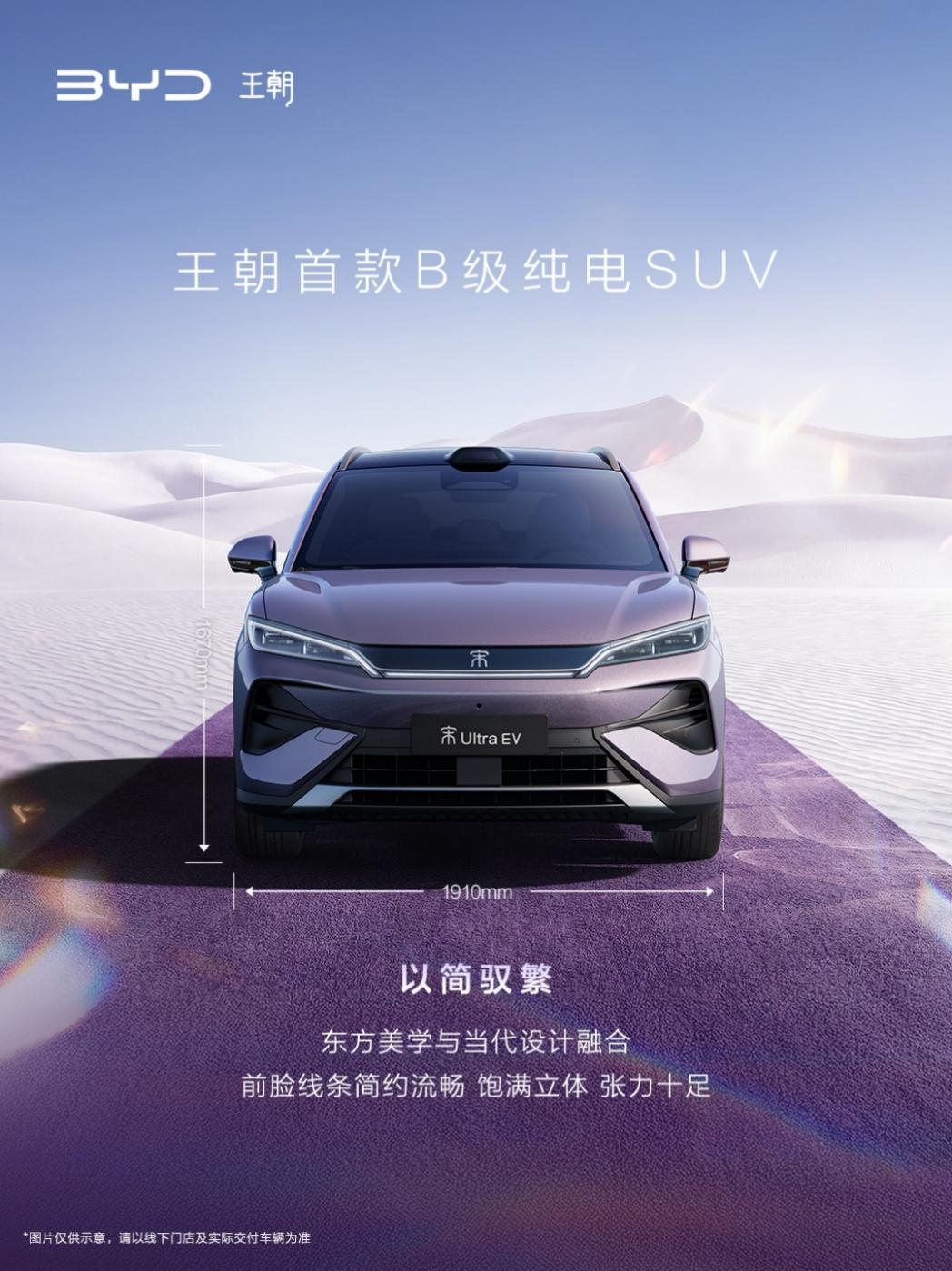
比亚迪宋Ultra EV图片发布 纯电续航达到710km
Zhong Guo Zhi Liang Xin Wen Wang· 2026-02-11 07:28
Group 1 - The Song Ultra EV continues the family design language of BYD's Dynasty series, featuring a front end similar to the Song L DM but with larger side air intakes and various front panel styles [2] - The vehicle has a larger body size compared to the Song L DM-i, measuring 4850mm in length, 1910mm in width, and 1670mm in height, with a wheelbase of 2840mm [3] - It is equipped with laser radar and is expected to support advanced driver assistance in urban and highway settings [3] Group 2 - The Song Ultra EV features a single motor layout with a maximum power output of 270kW and a top speed of 210km/h [6] - The battery pack options include 5.616kWh and 82.732kWh, with corresponding CLTC pure electric ranges of 620km and 710km [6]