
CATL(300750)

Search documents
392家新公司,509亿资本,央企重兵集结,储能赛道火药味渐浓
3 6 Ke· 2026-02-04 11:18
Core Insights - In 2025, central enterprises registered an average of over one new energy storage company daily, totaling 392 companies with a registered capital exceeding 50 billion [1] - The collective action of state-owned enterprises (SOEs) reflects a strategic move not just to meet carbon neutrality goals but to assert control over the future energy system [1][2] Group 1: Strategic Moves by Central Enterprises - The establishment of a joint venture between China National Petroleum Corporation and CATL to produce energy storage systems signifies a deeper logic: the competition is for discourse power in the energy transition era, not merely market share [2] - Traditional energy companies face an identity crisis as power generation shifts from traditional plants to distributed energy sources, making control over energy storage crucial for maintaining operational authority [2] - The formation of 54 subsidiaries by the State Grid in the energy storage sector is a strategic move to reinforce its core position amid the trend of grid intelligence [2][3] Group 2: Investment Strategies and Market Dynamics - Two contrasting capital strategies are evident among central enterprises: significant investments in core strategic areas and smaller, exploratory investments in emerging markets [3] - Major investments, such as the 1 billion yuan registered capital of China Yajiang Group's new energy company, signal a shift of energy storage from a trial business to a core strategic focus [3] - Conversely, smaller subsidiaries with registered capital as low as 100,000 yuan are being established to test the waters in regions like Xinjiang and Gansu, reflecting a cautious approach to market entry [3] Group 3: Challenges and Market Structure - Despite the rapid expansion of energy storage projects led by central enterprises, there are underlying profitability challenges, as many projects rely on bundled development rather than independent market operations [5][6] - The geographical concentration of these projects, particularly in Hebei, Xinjiang, and Shandong, indicates a strategic alignment with local resource endowments and policy support [5] - The current focus on electrochemical storage technologies raises concerns about the lack of diversification in technological pathways, which could hinder the long-term health of the energy storage industry [6] Group 4: Future Implications - The competitive landscape is shifting, with central enterprises reshaping the power structure of the energy storage industry, compelling private companies to reconsider their roles [6] - The success or failure of the 392 newly registered companies will significantly influence the future power dynamics of China's energy system [6] - The transition from traditional energy systems to new power systems is critical, and the ongoing competition in energy storage represents a pivotal battle in this transformation [6]


曾毓群:2030年是可持续能源时代元年
Xin Lang Cai Jing· 2026-02-04 11:16
Core Viewpoint - The speech by Dr. Zeng Yuqun, Chairman of CATL, at the World Leading Scientists Summit and World Government Summit emphasizes the ongoing revolutionary energy transition from fossil fuels to renewable energy sources like wind and solar, with a focus on battery storage solutions [1][2]. Group 1: Energy Transition - Humanity is undergoing a significant energy transformation, moving from fossil fuel exploration and extraction to harnessing energy from wind and solar power, which is stored in batteries [1][2]. - Technological advancements have made sustainable energy solutions commercially viable, and CATL is actively promoting the economic competitiveness of renewable energy across various scenarios [1][2]. Group 2: Future Energy System - The future energy system can be defined by three keywords: "distributed," "intelligent," and "recyclable" [1][2]. - It is predicted that 2030 will mark the beginning of the sustainable energy era as zero-carbon technologies continue to advance [1][2]. Group 3: Global Cooperation and Challenges - Addressing global warming is fundamentally an energy and development issue, and the most effective solution is through international cooperation and the flow of advanced technologies and experiences [3]. - CATL is promoting global technology sharing, including a technology licensing model to assist partners in building battery factories, with a collaboration with Ford in the U.S. [3]. - A significant challenge in global energy transition is the high manufacturing costs of new energy products due to excessive regulation in some overseas markets [3]. - Dr. Zeng suggests that some countries could establish "zero-carbon economic zones" to promote advanced energy technologies more efficiently and economically, based on regulatory standards validated in China [3].
掘金日报(2.4)|合计吸金近300亿,为何“电”力十足又“煤”飞色舞?
和讯· 2026-02-04 10:51
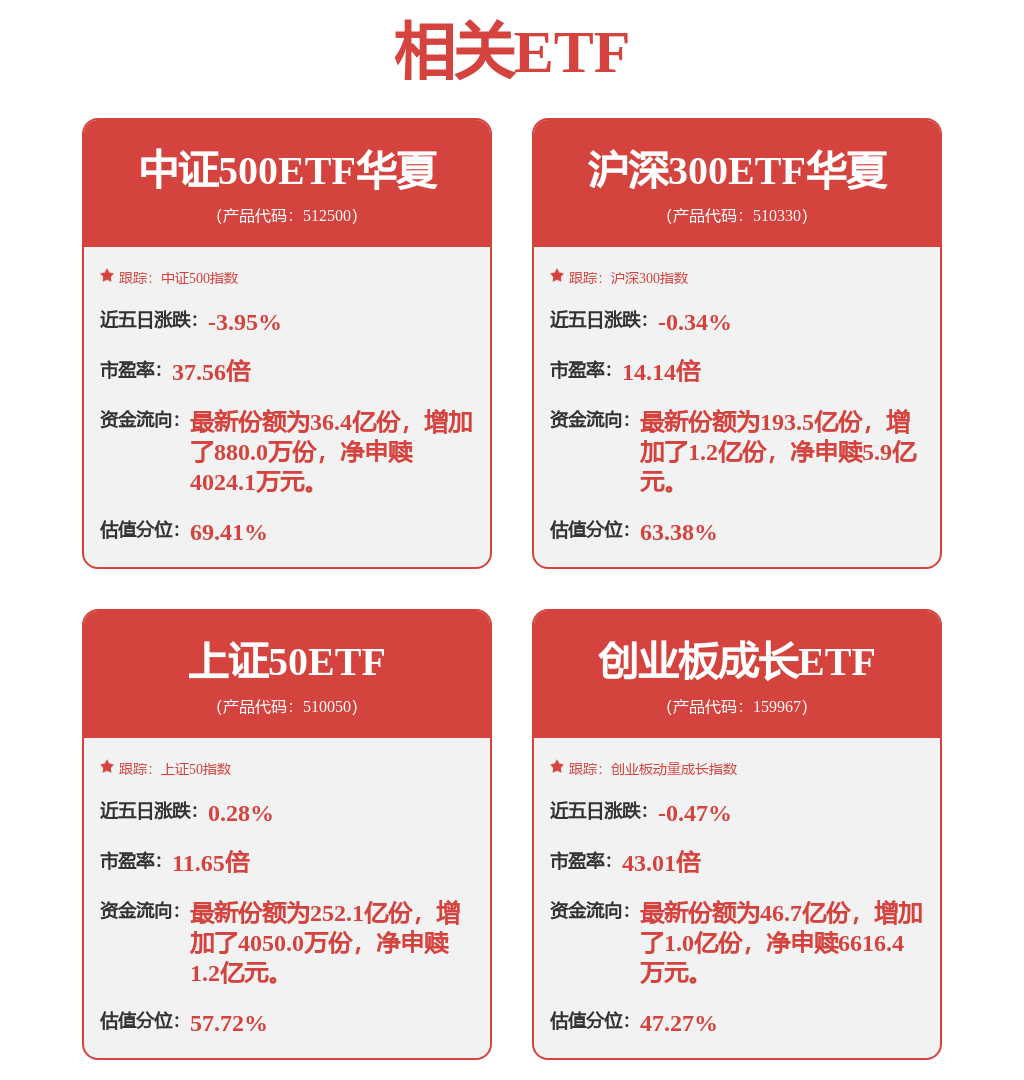
Market Overview - On February 4, the A-share market showed a mixed performance, with the Shanghai Composite Index rising by 0.85% to 4102.2 points, while the Shenzhen Component Index increased by 0.21%, and the ChiNext Index fell by 0.40% [4][6] - The total trading volume in the Shanghai and Shenzhen markets was 2.48 trillion yuan, a decrease of 63.3 billion yuan compared to the previous trading day [2][4] Sector Performance - The coal sector experienced a significant surge, with an increase of 7.58%, driven by supply disruptions, seasonal demand increases, and price transmission within the industry [4][15] - The power equipment sector saw a notable inflow of funds, with a net inflow exceeding 20 billion yuan [4][5] - The AI application, precious metals, and computing hardware sectors faced the largest declines, with several stocks hitting the daily limit down [2][4] Key Stocks and Fund Flows - Major stocks with significant fund inflows included Ningde Times, which rose by 4.92% with a net inflow of 31.77 billion yuan, and Kweichow Moutai, which increased by 3.4% with a net inflow of 25.12 billion yuan [5][6] - Conversely, stocks with substantial outflows included Xunwei Communication, which fell by 11.87% with a net outflow of 30.48 billion yuan [5][6] Coal Sector Insights - Indonesia's government announced a significant reduction in its coal production target for 2026, down to 600 million tons, a 24% decrease from the actual production in 2025, which has raised concerns about global coal supply shortages [13][14] - The international thermal coal prices have surged, reaching a one-year high, which indirectly supports domestic coal price expectations [14][15] - The coal sector's high dividend yield, exceeding 6% as of the end of 2025, continues to attract investment amid a declining risk-free interest rate environment [15] Market Sentiment and Trends - The market sentiment has shifted from "AI narrative" to a focus on "real technology and energy revolution," with funds seeking targets that possess technology, orders, policies, and valuations [7] - The coal sector's strong performance reflects a broader trend of capital favoring sectors with defensive and cyclical reversal logic [15]


宁德时代、华能水电合资新公司,注册资本48亿
Qi Cha Cha· 2026-02-04 10:06
Group 1 - The core point of the article is the establishment of a new joint venture company, Huaneng Lancang River (Changdu) Hydropower Co., Ltd., with a registered capital of 4.8 billion yuan, focusing on solar power generation technology services, power generation technology services, and energy storage technology services [1] Group 2 - The new company is jointly owned by CATL (Contemporary Amperex Technology Co., Limited) and Huaneng Hydropower, through Huaneng Lancang River Upper Hydropower Co., Ltd., a wholly-owned subsidiary of Huaneng Hydropower [1]

累计注资超43亿!宁德时代重仓磷酸铁锂龙头
起点锂电· 2026-02-04 10:05
Core Viewpoint - The article discusses the strategic partnership between FuLin Precision and CATL, highlighting CATL's increased investment in Jiangxi Shenghua, which is a key player in the lithium iron phosphate (LFP) industry, and the implications for the supply chain and market dynamics [2][11]. Group 1: Investment and Shareholding Changes - FuLin Precision plans to convert its 500 million yuan debt into equity, subscribing to an additional 407 million yuan of registered capital in Jiangxi Shenghua, while CATL will invest 747 million yuan to acquire 607 million yuan of new registered capital [2]. - Following this capital increase, FuLin Precision's shareholding in Jiangxi Shenghua will decrease from 79.57% to 64.37%, while CATL's stake will rise from 18.74% to 33%, solidifying CATL's position as the second-largest shareholder [2]. - The partnership aims to enhance Jiangxi Shenghua's capabilities in high-end LFP production, product development, international expansion, and supply chain integration [2]. Group 2: Historical Context of the Partnership - The collaboration between CATL and Jiangxi Shenghua has evolved from customer cooperation to a strategic controlling partnership, with CATL initially investing 184 million yuan in March 2021 to secure supply for a 50,000-ton LFP expansion project [3]. - In 2022, CATL further increased its stake to 40% with an additional investment of 144 million yuan [4]. - By March 2025, CATL re-entered Jiangxi Shenghua with a 400 million yuan investment, holding an 18.74% stake, and signed a comprehensive strategic cooperation agreement [5]. Group 3: Market Position and Performance - Despite a net loss of 28.36 million yuan in 2024, Jiangxi Shenghua significantly reduced its losses compared to a 1.053 billion yuan loss in 2023, indicating improved financial health [6]. - In the first three quarters of 2025, Jiangxi Shenghua reported revenues of 6.166 billion yuan and a net profit of 130 million yuan, marking a turnaround [6]. - Jiangxi Shenghua ranks fifth among China's top ten LFP producers in terms of shipments for 2025 [7]. Group 4: Production Capacity and Strategic Goals - The LFP industry is characterized by a structural imbalance, with high-end products in short supply and low-end products in excess [9]. - Jiangxi Shenghua, under CATL's guidance, is developing a collaborative production capacity system across three bases, aiming for a total capacity exceeding 1.2 million tons per year [9]. - The Yichun base has a current capacity of 160,000 tons per year, with plans for expansion supported by a 500 million yuan prepayment from CATL [9]. - The Sichuan base is set to produce 200,000 tons per year by the end of 2025, leveraging local green energy resources [9]. - The Inner Mongolia base will begin construction in 2026, targeting a capacity of 500,000 tons per year for high-end energy storage LFP, with a total investment of 6 billion yuan [9]. Group 5: Future Procurement and Market Strategy - According to the strategic cooperation agreement, CATL will procure no less than 3 million tons of LFP products from FuLin Precision over the next three years, ensuring optimal business conditions [10]. - The agreement indicates that as demand for high-end LFP products surges, CATL will increase its procurement from FuLin Precision, integrating their products into more terminal power and energy storage projects [10].


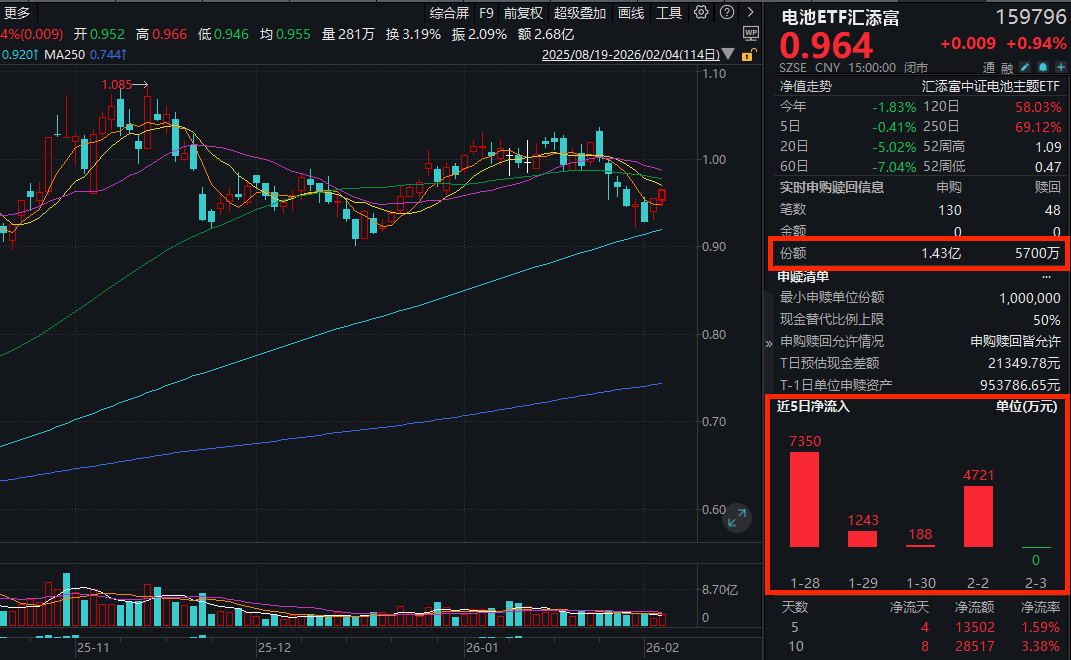
电池板块异动拉升!宁德时代涨近5%,电池ETF汇添富(159796)翻红冲高涨近1%,全天“吸金”8200万元!马斯克:锂电池生产重大突破!
Sou Hu Cai Jing· 2026-02-04 09:32
Core Viewpoint - The battery sector is experiencing a resurgence, with significant inflows into the battery ETF Huatai (159796), which saw a nearly 1% increase and a total trading volume exceeding 260 million yuan, indicating renewed investor interest [1][3]. Group 1: Market Performance - The battery ETF Huatai (159796) has attracted net inflows of 82 million yuan, with four out of the last five days showing strong investor interest [1]. - Key component stocks within the ETF include Silver Wheel Holdings, which hit the daily limit, and others like Fulin Precision Engineering, Aotai, and CATL, which saw gains of over 5% [3]. Group 2: Strategic Developments - Fulin Precision Engineering announced a strategic partnership with CATL to increase capital in its subsidiary, Jiangxi Shenghua [5]. - Tesla's recent announcement regarding dry electrode manufacturing is expected to lower costs and enhance production flexibility, marking a significant technological breakthrough in lithium battery production [5]. Group 3: Market Growth Projections - The global lithium battery intelligent equipment market is projected to grow from 49.8 billion yuan in 2024 to 137.2 billion yuan by 2029, with a compound annual growth rate (CAGR) of 22.5% [5]. - The demand for lithium carbonate is expected to remain strong due to rapid developments in the energy storage sector, supported by recent policy changes from the National Development and Reform Commission [7]. Group 4: Investment Strategy - The battery sector's fundamentals and technological catalysts are likely to support continued strong stock performance, but the complexity of the industry suggests that index investments may be a more effective strategy [8]. - The Huatai battery ETF (159796) has a significant focus on energy storage, with 18.7% of its index dedicated to this segment, and a high concentration of solid-state battery technology at 45%, positioning it well for future growth [8][10].
宁德时代曾毓群最新讲话曝光
Di Yi Cai Jing Zi Xun· 2026-02-04 09:27
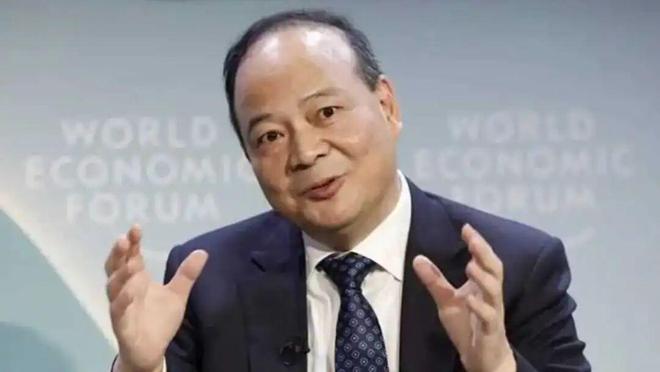
Core Insights - The article emphasizes the critical role of energy in driving civilization and highlights the ongoing revolutionary energy transformation, comparable to historical shifts from hunting-gathering to agriculture [2][3]. Group 1: Energy Transition - The energy revolution is catalyzed by declining costs, making sustainable energy solutions economically viable in certain scenarios, surpassing traditional energy sources [3]. - In the past decade, the costs of lithium iron phosphate (LFP) batteries and solar energy have decreased by approximately 80% [3]. Group 2: Company Initiatives - In June 2024, CATL established a zero-carbon energy division to transition from a traditional battery manufacturer to a provider of renewable energy solutions [4]. - CATL's "solar + storage" systems have been deployed in Chile and the Democratic Republic of Congo, providing power at one-fourth the cost of diesel generators [4]. - In Pakistan, the combination of distributed solar growth and CATL's storage solutions has halved electricity costs for local cement factories [4]. Group 3: Future Outlook - Despite advancements, CATL acknowledges significant gaps remain in achieving a fully sustainable energy system, with many key technologies still underdeveloped [5]. - CATL plans to promote sustainable energy solutions globally through a technology licensing model, facilitating rapid establishment of battery factories [5]. - The company proposes the creation of "zero-carbon economic zones" to streamline building and equipment regulations, enhancing product affordability [5]. - Future energy system trends are predicted to be distributed, intelligent, and circular, with 2030 marked as the beginning of the sustainable energy era [5].
告别退税红利 动力电池出海硬仗开打
Zhong Guo Qi Che Bao Wang· 2026-02-04 09:23
Core Insights - The recent policy adjustment regarding export tax rebates for battery products marks a significant shift in China's battery industry, transitioning from a phase of government support to one driven by market forces [2][3][4] Policy Changes - The Ministry of Finance and the State Taxation Administration announced a phased reduction of the export VAT rebate for battery products, decreasing from 9% to 6% starting April 1, 2026, and eliminating it entirely by January 1, 2027 [2] - This follows a previous reduction from 13% to 9% in November 2024, indicating a tightening of policies as the industry matures [2][4] Industry Maturity - The adjustment reflects the industry's evolution, where leading companies like CATL and BYD have established significant market shares and technological advantages, reducing reliance on export rebates [3][4] - By 2025, the cumulative installed capacity of domestic power batteries is projected to reach 769.7 GWh, a year-on-year increase of 40.4% [3] Competitive Landscape - The removal of export tax rebates is expected to eliminate low-price competition that has been detrimental to industry profitability, pushing companies towards rational competition [4][11] - The current market share of Chinese power batteries stands at 60%, with energy storage batteries at 80%, indicating a transition to a market-driven phase [4] Export Strategies - Companies are responding to the impending cost increases by accelerating production and securing orders before the policy changes take effect [6][7] - The adjustment is prompting a surge in exports as firms seek to mitigate profit pressures and explore new markets [5][8] Long-term Implications - The industry is expected to shift from price competition to value competition, emphasizing technological upgrades and product performance [10][11] - Companies are encouraged to optimize supply chains and explore global production capacities to maintain competitiveness [10][11]


宁德时代曾毓群最新讲话曝光
第一财经· 2026-02-04 09:13
Core Viewpoint - The article emphasizes the critical role of energy in driving civilization and highlights the ongoing energy revolution, which is transitioning from fossil fuels to renewable energy sources like wind and solar power [2][3]. Group 1: Energy Revolution - The energy revolution is compared to historical shifts in human civilization, marking a transition from fossil energy to renewable sources [2]. - The cost reduction in sustainable energy solutions is a key catalyst for this revolution, making them economically viable compared to traditional energy sources [3]. Group 2: Market Trends and Predictions - By 2025, China's new power generation capacity is expected to reach 550 million kilowatts, with wind and solar accounting for 440 million kilowatts, representing 80.2% of the total new capacity [3]. - The share of renewable energy sources in new electricity consumption is projected to be 97.1%, indicating a significant shift towards green energy [3]. Group 3: Technological Advancements - The cost of lithium iron phosphate (LFP) batteries and solar energy has decreased by approximately 80% over the past decade, facilitating the transition to renewable energy [4]. - Despite advancements, there is still a considerable gap in achieving a fully sustainable energy system, with only about 30% of key technologies currently developed [4]. Group 4: Global Collaboration and Solutions - Ningde Times aims to promote sustainable energy solutions globally through a technology licensing model, which has already been implemented in collaboration with Ford in the U.S. [4]. - The establishment of "zero-carbon economic zones" is proposed to facilitate the sharing of best practices and regulatory frameworks similar to those in China [5]. Group 5: Future Energy Trends - The future energy system is predicted to evolve towards three main trends: distributed generation, intelligence, and circular economy, with 2030 being identified as the beginning of the sustainable energy era [6].

创业板50指数:龙头出海,链动全球
GF SECURITIES· 2026-02-04 09:09
Group 1 - The ChiNext 50 Index (399673.SZ) was launched on June 18, 2014, to reflect the overall performance of large-cap, liquid leading companies in the ChiNext market [3] - The index focuses on four key sectors: information technology, new energy, financial technology, and pharmaceuticals, with the top three industries being batteries (26.14%), communication equipment (23.46%), and photovoltaic equipment (7.26%), collectively accounting for 56.85% [14][24] - The index's constituent stocks are industry leaders with high representation, covering sectors such as new energy, optical modules, financial technology, PCB, and medical devices [14] Group 2 - The ChiNext 50 Index emphasizes international competitiveness and deep integration into the global industrial chain, promoting sectors with existing international competitiveness to grow stronger [18] - The index's constituent stocks have significant international operations, with overseas business income accounting for 35.17% of total revenue, higher than other major indices [25][28] - Leading companies in the index, such as CATL and Lens Technology, are key suppliers to international giants like Tesla and Apple, showcasing their strong global presence [24][26] Group 3 - The ChiNext 50 Index exhibits high elasticity and is particularly advantageous during phases of rising risk appetite, outperforming broader indices like the ChiNext Index and CSI 300 [32] - Over the past five years, the annualized return of the ChiNext 50 Index has been among the highest in its category, demonstrating its high-risk, high-reward characteristics [35] - The index is suitable for aggressive investment strategies during bull markets, aiming for higher excess returns [35] Group 4 - The valuation of the ChiNext 50 Index has returned to a reasonable range, with a current PE ratio of approximately 42, indicating a higher relative investment value [39] - The index has experienced a prolonged adjustment period, with its valuation significantly lagging behind fundamental declines, suggesting potential for future valuation and profit-driven resonance [41] - The index's constituent stocks have shown strong earnings growth, with a projected EPS compound growth rate significantly higher than other major indices [46] Group 5 - The lithium battery sector is experiencing a supply-demand resonance, driving both volume and price increases, with significant growth in demand from energy storage and new energy vehicles [55] - The communication equipment sector is benefiting from the AI data center construction, with a strong demand forecast for optical modules driven by major cloud providers [60] - The photovoltaic industry is transitioning towards high-quality development, with rising prices for raw materials like polysilicon, supported by government policies aimed at preventing "involution" in competition [67][68]




