
古茗

Search documents
食饮行业周报(2025年7月第3期):龙头白马持续反弹,大众品Q2业绩表现分化-20250720
ZHESHANG SECURITIES· 2025-07-20 11:52
Investment Rating - The industry rating is maintained as "Positive" [4] Core Views - The rotation between old and new consumption sectors continues, with leading brands in liquor and dairy products rebounding. The performance of mass-market products in Q2 shows divergence, with new consumption-related stocks experiencing rapid growth despite previous adjustments in performance expectations. Traditional channel reforms have impacted some stocks, leading to ongoing adjustments in performance [1][3][33] - The liquor sector is expected to have limited downside potential for leading companies, with high ROE, dividends, and cautious profit assumptions indicating a valuation floor. Recommended stocks include Guizhou Moutai, Shanxi Fenjiu, and Luzhou Laojiao [2][12] - New consumption trends are anticipated to continue, with potential for recovery in the second half of the year. Focus on low-priced or undervalued stocks with future catalysts, including Wei Long, Yili, and Wancheng Group [1][3][33] Summary by Sections Liquor Sector - The liquor sector remains at a low point, with a focus on potential policy catalysts and rebound opportunities. Leading brands with strong market positions are prioritized for investment. Recommended stocks include Guizhou Moutai, Wuliangye, and Shanxi Fenjiu [2][12] - Recent performance shows a positive trend, with Luzhou Laojiao, Yanghe, and Jiu Gui Jiu leading in gains, while Jinzhidao and Huangtai Jiuye faced declines [5][39] Mass-Market Products - The new consumption paradigm is reshaping the food and beverage investment landscape. Despite a recent pullback, the long-term trend remains positive, with clear opportunities for continued investment. Focus on stocks that align with new consumption trends, such as Wei Long, Yili, and Wancheng Group [3][33] - The mass-market sector has seen significant fluctuations, with stocks like Huangshi Group and Guoquan showing strong gains, while stocks like Ganyuan and Gu Ming faced notable declines [39][42] Performance Metrics - From July 14 to July 18, the Shanghai Composite Index rose by 1.09%, with non-dairy beverages and liquor sectors showing gains of 2.16% and 1.30%, respectively. Conversely, frozen foods and snacks experienced declines of 2.26% and 1.10% [39][40] - The valuation levels for the food and beverage industry have adjusted, with the liquor sector showing the highest valuation increase this week [43]






海外周报:三家外卖平台被约谈,小商品城六区招标价格创新高-20250720
HUAXI Securities· 2025-07-20 11:39
Group 1 - Three food delivery platforms, Ele.me, Meituan, and JD, were interviewed by the market regulatory authority, emphasizing the need to build a win-win ecosystem for consumers, merchants, delivery riders, and platform companies [2][11] - Since July 5, the discount intensity and order volume on platforms have decreased, with Meituan reporting over 150 million daily orders on July 12, but the promotional efforts have weakened significantly by July 19 [3][12] Group 2 - The bidding prices for the six districts in Yiwu's global trade center have reached new highs, with over 19,000 merchants registered for the second round of bidding for baby products, skincare, and medical beauty products [4][20] - The winning bid prices for toy and skincare products ranged from 134,000 to 138,000 CNY per square meter, indicating a strong demand and competitive bidding environment [4][20] Group 3 - The Hong Kong stock market showed positive performance, with the Hang Seng Index rising by 2.84% and the Hang Seng Technology Index increasing by 5.53% during the week [22][27] - The inflow of southbound funds decreased by 4.496 billion CNY compared to the previous week, indicating a shift in market sentiment [26] Group 4 - The restaurant industry is facing challenges, with companies like Quanjude predicting a significant decline in net profit for the first half of 2025, attributed to weak market demand despite government policies to boost consumption [40] - The hot pot industry is experiencing increased competition, with brands like Xiaobai and Haidilao exploring innovative mechanisms to adapt to market changes [42] Group 5 - The hotel industry is witnessing a significant presence of Chinese companies in the global market, with 21 Chinese hotel groups making it to the top 50 list, reflecting the growing strength of Chinese hotel brands [53] - Jinjiang Hotels reported a projected decline in net profit for the first half of 2025, primarily due to the absence of non-recurring gains seen in the previous year [51][52] Group 6 - The talent market in mainland China is showing cautious optimism, with 60% of respondents expressing a positive outlook, particularly in the electronics and materials sectors [55] - The report highlights the impact of AI on workplace dynamics, with 76% of respondents noting efficiency improvements due to AI integration [55] Group 7 - The IPO of companies like United Power is indicative of the rising trend of family-run businesses in China, with significant growth in revenue and net profit projected [58] - The resumption of exports for domestic GPUs marks a critical moment for the industry, with local manufacturers achieving substantial market validation [59][60]




一周上新!奈雪的茶、鲍师傅、永辉...海内外新品资讯抢先看 | 全球职人情报
东京烘焙职业人· 2025-07-20 01:45
Core Viewpoint - The article provides a comprehensive overview of the latest trends and new product launches in the baking industry, highlighting innovative offerings from various brands and retailers. Group 1: New Product Launches - Hema introduced the "Wasabi Seed Konjac Juice Sausage Bun," featuring a unique honey wasabi seed sauce and a meat content of ≥80% [9] - Dingdong Maicai launched a "Low-Sugar Summer Green Grape Oolong Light Cream Cake," made with 100% animal cream and fresh grapes, without added sugar [13] - Yonghui Supermarket released a "Customized Dali Garden Butter Soft Bread," known for its long, fluffy texture and rich buttery flavor [15] - Lawson's new "Jasmine Season Products" include various jasmine-flavored baked goods [17][18] Group 2: Innovative Offerings - HPCBakery's "Coconut Milk Big Brick" combines coconut cream with soft bread for a refreshing taste [24] - Yamazaki Bakery's "Basque Cheesecake Series" features flavors like vanilla, tiramisu, and blueberry [26][27] - Star Lezi's "Two Types of Bagels" offer a blueberry cranberry flavor and a black sesame cheese option [32] Group 3: Seasonal and Thematic Products - PantrysBest's "Wine and Mini Cake" is designed for summer enjoyment, combining sweet and sour flavors [34] - Qikong's "New Flavor Crepe Toast" introduces unique flavors like black sesame citrus mango [37] - Autumn Forest Foods' "Walnut Mario Bread" caters to nut lovers with its crunchy texture [42] Group 4: Collaborations and Promotions - Godiva partnered with LABUBU to launch a series of co-branded ice creams, expanding their product range [155] - McDonald's is set to open a "Big Fries Convenience Store" in Shanghai, showcasing their popular fries [154] - Three Dots Half collaborated with Disney to create a new line of freeze-dried coffee products [153]

3块都没人买,外卖大战的最后一个「受害者」出现了?
36氪· 2025-07-19 12:17
Core Viewpoint - The article discusses the impact of the recent price war in the ready-to-drink tea market, highlighting how companies like Xiangpiaopiao are struggling against the rise of fresh tea brands that offer lower prices and immediate consumption options [3][4][9]. Group 1: Market Dynamics - The ready-to-drink tea segment has seen explosive growth due to heavy subsidies on platforms like Meituan and Taobao, leading to a surge in sales for brands like Mixue Ice Cream and Luckin Coffee [3][9]. - Xiangpiaopiao, a traditional instant tea brand, is experiencing a significant decline in revenue, with a projected revenue of 1.035 billion yuan for the first half of 2025, representing a year-on-year decrease of over 12% [3][8]. - The shift in consumer preferences towards ready-to-drink options is evident, as younger consumers favor immediate consumption over traditional instant tea products [9][11]. Group 2: Financial Performance - Xiangpiaopiao anticipates a net loss of approximately 97.39 million yuan for the first half of 2025, which is an increase of around 67.89 million yuan in losses compared to the previous year [3][8]. - The company's stock price has dropped over 60% from its historical high of 35.09 yuan in August 2019, closing at 13.77 yuan on July 14, 2025 [8][9]. Group 3: Strategic Adjustments - In response to market changes, Xiangpiaopiao is attempting to innovate by launching new product lines, such as "original leaf fresh milk tea," which aims to meet health standards and appeal to current consumer trends [11][12]. - The company is also exploring new sales channels, particularly in the snack wholesale sector, with over 30,000 stores already collaborating with its products [11][12]. Group 4: Industry Trends - The article emphasizes that the current competition in the tea beverage market is not merely a price war but a strategic battle for market share and consumer loyalty [16][24]. - Major players like Alibaba and Meituan are heavily investing in their food delivery services, indicating a shift in focus towards integrating online and offline retail strategies [18][19][22].


幸运咖2025年门店目标数1万家,下半年主战场转向一二线城市|36氪独家
36氪· 2025-07-18 09:23
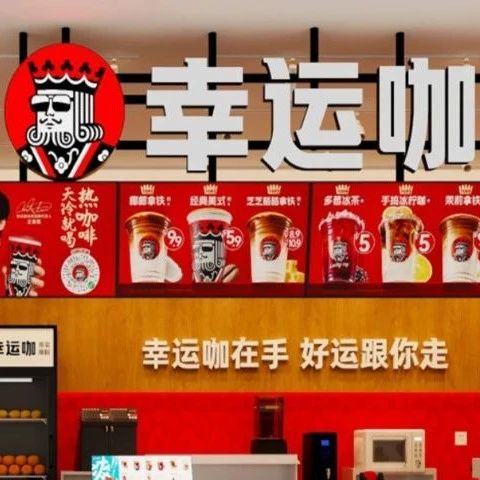
Core Viewpoint - Lucky Coffee aims to expand aggressively into high-tier cities, targeting a total of 10,000 stores by 2025, with a current count of nearly 7,000 stores, primarily in lower-tier cities [5][6]. Expansion Strategy - Lucky Coffee has adjusted its expansion strategy to focus on first and second-tier cities, particularly in the Yangtze River Delta and Pearl River Delta regions, with commercial streets as key locations [5]. - The brand's previous focus was on lower-tier markets, with approximately 70% of its stores located in third-tier cities and below as of 2024 [5]. Market Positioning - Lucky Coffee differentiates itself from competitors by maintaining a price point of 6-8 yuan, which is perceived as a real price rather than a subsidized one, thus ensuring profitability [5][6]. - The company benefits from its affiliation with Mixue Ice Cream, allowing for unified sourcing of raw materials and shared logistics, which enhances its competitive edge [6]. Product Strategy - Lucky Coffee has introduced a range of products priced between 6-8 yuan, including 14 new fruit coffee options, signaling its intent to penetrate the first-tier city market [7]. - The brand is also focusing on promoting its "American-style coffee" priced at 5.9 yuan, which has become one of its top-selling products [7]. Competitive Landscape - The coffee market is experiencing intense competition, with major players like Luckin Coffee, Kudi, and others ramping up their store expansion plans [8]. - For instance, Luckin Coffee has increased its store opening target from 4,000 to 8,000 for the year, while Gu Ming has raised its target from 1,000 to 3,000 [8]. Operational Insights - Lucky Coffee's average daily revenue per store reached a peak of 5,732 yuan during a recent promotional event, although the company remains focused on in-store consumption rather than delivery services [7]. - The company has recently launched a new roasting line in Hainan, which is the largest for Mixue Group, enhancing its production capacity [7].
外卖“0元购”狂欢背后:骑手血汗、商家赔本与平台的资本游戏
Sou Hu Cai Jing· 2025-07-18 02:37
"0元喝奶茶、免费吃小龙虾"——当消费者疯狂晒单时,谁在为这场狂欢买单? 7月中旬的外卖补贴大战中,美团、阿里系平台单日订单量接连破亿,京东 却高调宣布"不参与恶性竞争"。这场看似消费者占尽便宜的资本游戏,实则暴露了外卖行业畸形生态:骑手日跑200单收入反减半,商家每单倒贴12元,平 台服务器因流量过载宕机……免费午餐的背后,藏着一条残酷的成本转移链。 爆单夜的荒诞现实:骑手200单背后的收入腰斩 7月12日,北京朝阳区骑手张师傅接到系统提示"今日爆单奖励+50%",实际收入却比平日少了300元。他当天配送的87单中,有42单是"0元购"奶茶,配送距 离普遍超过5公里,而平台将基础配送费从6元砍至3元。更荒诞的是,因商家出餐延迟导致的超时罚款,让他倒贴了158元。 消费者同样陷入困局。重庆市民李女士下单的6杯古茗因门店爆单未能核销,18元补贴券次日失效;遵义某酸汤鱼店老板王强被迫关店——当天接到的213单 外卖,每单实收仅6元,而食材成本就要8元。这种"骑手跑断腿、商家赔本卖、用户吃不上"的三输局面,恰如京东声明所指的"恶性竞争恶果"。 补贴大战的"成本转移链":谁在为免费买单? 拆解"18减18"神券的构成 ...



首个新茶饮领域行业标准发布,新茶饮距离规范化还有多远
Xin Jing Bao· 2025-07-17 13:24
Core Points - The first industry standard for the ready-to-drink tea beverage sector has been officially released, addressing previous gaps in industry regulations [1][2] - The standard, titled "Requirements for Raw and Auxiliary Materials of Ready-to-Drink Tea Beverages," will take effect on January 1, 2026, and aims to enhance quality control and safety in the industry [1][3] Industry Development - The ready-to-drink tea industry has experienced rapid growth in recent years, but it has also faced food safety issues due to its relatively short development history [1][3] - As the industry matures, more companies are establishing their own standards, contributing to the overall standardization of the sector [1][3] Standard Details - The newly released standard was developed by the China Tea Circulation Association in collaboration with several leading companies, including Heytea and Gu Ming [2][3] - It specifies quality requirements, inspection methods, packaging, transportation, and storage for various raw materials used in tea beverages, including tea leaves, fruits, dairy products, and sweeteners [2][3] Consumer Focus - There is an increasing consumer demand for high-quality and healthy tea beverages, prompting companies to prioritize the quality of raw materials [1][4] - The standard aims to align with consumer interests by ensuring that the raw materials used in tea beverages meet safety and quality standards [4][12] Future Outlook - The China Tea Circulation Association plans to continue improving the standardization system for the ready-to-drink tea industry, aiming for scientific and high-quality development [5] - The industry is moving towards greater self-regulation, with companies recognizing the importance of adhering to established standards for quality and safety [12]

县城没有即时零售
3 6 Ke· 2025-07-17 12:34
Core Insights - Instant retail is thriving in first- and second-tier cities but remains largely unnoticed in lower-tier markets, indicating a significant disparity in consumer engagement and market penetration [2][4][22] Group 1: Market Dynamics - A young consumer from a top 100 county is unaware of instant retail, highlighting a lack of exposure and usage in these regions [3] - In contrast to the bustling promotions in urban areas, such as "Crazy Saturday," consumers in county towns show little interest in similar offers, indicating a disconnect between urban marketing strategies and rural consumer behavior [5][19] - Despite significant investments from major companies in instant retail, the actual consumer demand in many county markets remains stagnant, with preferences leaning towards offline shopping and traditional purchasing methods [4][10] Group 2: Consumer Behavior - Consumers in county towns prioritize price and personal relationships over convenience, often opting to buy directly from local vendors rather than using online platforms [8][10] - The perception of instant retail is that it does not meet the needs of local consumers, who prefer to verify the quality of products in person, especially for fresh produce [10][22] - Seasonal spikes in online consumption occur during holidays when urban residents return to their hometowns, but this does not translate into sustained demand for instant retail services [19][21] Group 3: Business Challenges - Instant retail platforms face significant challenges in penetrating county markets due to a lack of established supply chains and consumer awareness [12][22] - Many local businesses are hesitant to join online platforms due to limited online demand and the complexities of managing inventory and delivery logistics [13][15] - The reliance on third-party delivery services and the high costs associated with instant retail make it less appealing for local merchants, who often find better margins in traditional sales [15][22] Group 4: Future Outlook - Despite the current challenges, major companies like Meituan are still considering the potential of county markets, with plans to focus on these areas in the future [17][19] - The growth of instant retail in county areas is expected to be gradual, with a need for market education and infrastructure development to align consumer habits with service offerings [22][24] - The success of community group buying models in some counties suggests that there is potential for growth in instant retail, provided that it can adapt to local consumer preferences and economic conditions [22][24]
幸运咖2025年门店目标数1万家,下半年主战场转向一二线城市|独家
36氪未来消费· 2025-07-17 11:53
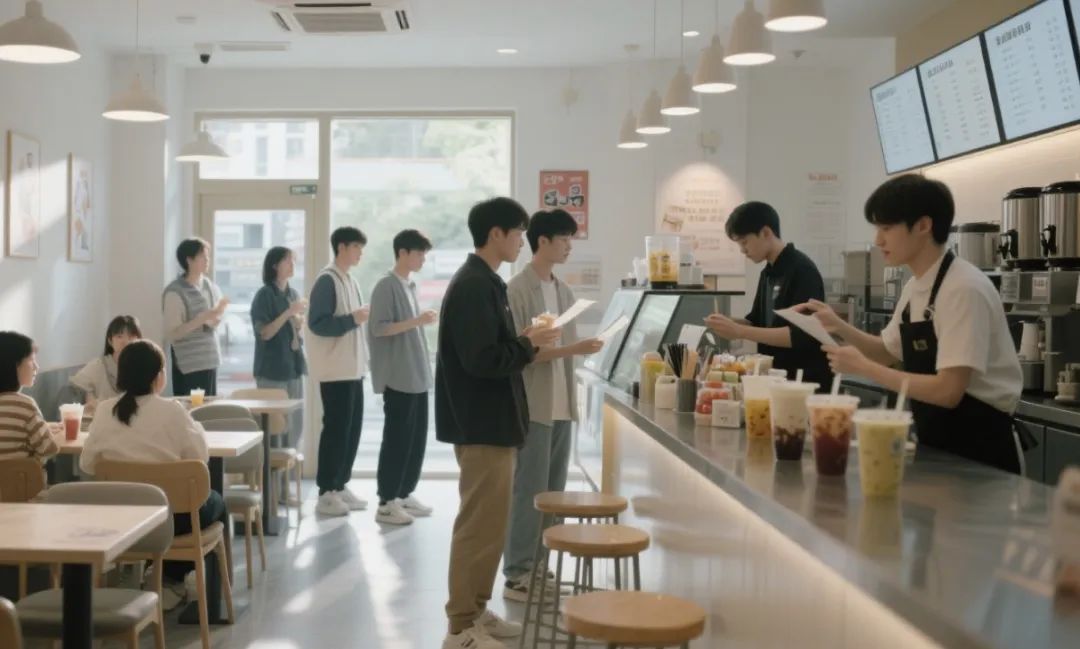
Core Viewpoint - Lucky Coffee is aggressively expanding its presence in high-tier cities, aiming for a total of 10,000 stores by 2025, with a current count of nearly 7,000 stores, primarily in lower-tier cities [3][4]. Expansion Strategy - The company is shifting its focus to first and second-tier cities, particularly in the Yangtze River Delta and Pearl River Delta regions, with commercial streets as key expansion points [3]. - Lucky Coffee's previous strategy concentrated on lower-tier markets, with approximately 70% of its stores located in third-tier cities and below as of 2024 [3]. Financial Performance and Goals - The target of 10,000 stores by 2025 represents a 150% increase in store count from the previous year [3]. - The company experienced a slowdown in store expansion after reaching 2,300 stores in 2022, but resumed growth in 2024, surpassing 4,000 stores by year-end [3]. Competitive Advantages - Lucky Coffee differentiates itself from competitors by maintaining a real price model without heavy subsidies, allowing for profitability despite competitive pricing [4]. - The company benefits from its affiliation with Mixue Ice Cream, which provides unified sourcing of raw materials and shared logistics, enhancing its supply chain efficiency [5]. Market Trends - The coffee market in China is becoming increasingly homogenized, with major brands like Starbucks and Luckin Coffee penetrating lower-tier cities, reducing the gap in consumer perception of coffee [5]. - Lucky Coffee has introduced new products, including 14 types of fruit coffee priced between 6-8 yuan, signaling its intent to compete in higher-tier markets [5]. Industry Competition - The coffee sector is expected to see intensified competition in 2023, with major players like Luckin Coffee and others ramping up their store expansion plans significantly [6].

港股午评:恒生指数涨0.07% 恒生科技指数涨0.29%
news flash· 2025-07-17 04:04
Group 1 - The Hang Seng Index closed up 0.07% and the Hang Seng Tech Index rose by 0.29% [1] - The new consumption sector in Hong Kong stocks experienced a decline, with Pop Mart falling by 2.53% [1] - Other companies in the new consumption sector, such as Gu Ming, Mixue Group, and Cha Bai Dao, also saw declines [1]
