长安汽车

Search documents
融资61亿,深蓝汽车与“失血”赛跑
阿尔法工场研究院· 2025-12-29 00:05
Core Viewpoint - The recent 6.122 billion yuan financing for Deep Blue Automotive, backed by state-owned enterprises and banks, highlights the company's urgent need for capital despite its ongoing financial struggles, including significant losses and debt issues [4][11][24]. Financing Overview - Deep Blue Automotive completed a C-round financing of 6.122 billion yuan, with major contributions from Changan Automobile (3.122 billion yuan), Chongqing Yufu Holdings Group (2.5 billion yuan), and Zhaoshang Financial Asset Investment Co. (500 million yuan) [5][7]. - The financing increased Deep Blue's registered capital from approximately 328 million yuan to 466 million yuan, with Changan maintaining a 50.9959% stake [5][7]. - The financing aims to enhance Deep Blue's capabilities in advanced intelligent driving, electric platform development, and global expansion, especially following its recent achievement of obtaining L3-level autonomous driving licenses [7][21]. Financial Challenges - Despite the financing, Deep Blue Automotive has been in a state of insolvency for three consecutive years, with total assets of 31.474 billion yuan and total liabilities of 35.986 billion yuan, resulting in a negative net asset position [9]. - Cumulative losses since its independent operation began in 2022 have reached 8.899 billion yuan, with losses of 3.196 billion yuan in 2022, 3.107 billion yuan in 2023, and 1.571 billion yuan in 2024, alongside a loss of 1.025 billion yuan in the first ten months of 2025 [9][10]. Sales Performance - Deep Blue Automotive has failed to meet its annual sales targets for three consecutive years, with a total of approximately 302,000 units sold by the end of November 2025, falling short of the revised target of 360,000 units by nearly 60,000 units [12][13]. - The best-selling model, the S05, accounted for nearly half of total sales, while higher-end models like the S09 and G318 have underperformed significantly [14][16]. Market Position and Competition - The company faces multiple pressures, including unclear market positioning, insufficient product competitiveness, and internal brand overlap with other Changan brands like Avita and Qiyuan [13][17][18]. - The competitive landscape in the Chinese electric vehicle market has shifted from incremental competition to intense rivalry, with leading brands like BYD and Geely dominating through technological advancements and cost control [16]. Future Outlook - The success of Deep Blue Automotive hinges on its ability to convert the recent financing into market competitiveness and to transition from a "burning cash" model to a self-sustaining one [19][24]. - The financing, while significant, does not directly address the company's insolvency and raises questions about how long the funds will last in supporting operational needs [24].

深蓝汽车一年半亏21.3亿获61亿增资 前11月交付30.2万辆仅完成目标84%
Chang Jiang Shang Bao· 2025-12-28 23:19
Core Viewpoint - Changan Automobile is providing significant financial support to Deep Blue Automotive through a capital increase of approximately 61 billion yuan, despite Deep Blue's ongoing losses and challenges in meeting its sales targets [1][2][4]. Group 1: Financial Performance - Deep Blue Automotive has accumulated losses of 2.125 billion yuan over the past year and a half, with total assets of 26.095 billion yuan and total liabilities of 30.141 billion yuan as of mid-2025, resulting in a debt-to-asset ratio of approximately 116% [1][5]. - For the year 2024, Deep Blue's revenue was 37.225 billion yuan, with a net loss of 1.572 billion yuan. By the end of 2024, total assets reached 34.295 billion yuan, and total liabilities were 37.798 billion yuan, maintaining a debt-to-asset ratio of about 110% [5]. - As of mid-2025, Deep Blue's revenue was 20.654 billion yuan, with a net loss of 553 million yuan, and the company continued to face a debt-to-asset ratio of approximately 116% [5]. Group 2: Capital Increase Details - Changan Automobile announced a capital increase for Deep Blue Automotive, with a total fundraising scale of approximately 61.22 billion yuan, which includes both public and private placements [2][3]. - Changan will contribute 31.22 billion yuan through a combination of cash and intangible assets, including patents and proprietary technologies related to Deep Blue's S05 and G318 models, with an assessed value of 1.043 billion yuan [2][3]. - After the capital increase, Changan's ownership will remain at 50.9959%, while new investors, Chongqing Yufu Holding Group and China Merchants Bank Financial Asset Investment, will hold 12.0934% and 2.4187%, respectively [3]. Group 3: Sales Performance and Targets - Deep Blue's sales target for 2025 is set at 360,000 units, but as of November, the company had delivered 302,100 units, achieving only about 84% of its target [1][7]. - The delivery volume for November saw a month-on-month decline of approximately 10% and a year-on-year decline of about 8% [1][7]. - To meet its sales target for December, Deep Blue would need to deliver 57,900 units, which is considered unrealistic given the recent performance [8].

一条曲轴“智变”,带动集群跨越
Xin Hua Ri Bao· 2025-12-28 22:03
Group 1 - The signing of a major investment project worth 1.05 billion yuan for intelligent manufacturing of large displacement crankshafts marks a significant step in the industrial transformation and upgrading of the Hailing District in Taizhou [1] - The project will establish 10 intelligent production lines, with an expected annual output of 3 million crankshafts and annual sales exceeding 1.2 billion yuan, highlighting the local company's ambition for smart and green manufacturing [1] - Jiangsu Gangyang Co., Ltd., the project's main entity, has grown from producing motorcycle crankshafts to becoming a leading global manufacturer with a market share of 45% in small power shaft products [1] Group 2 - Hailing District has focused on building a modern industrial system centered around the automotive and motorcycle parts industry, supported by favorable policies and a conducive business environment [2] - The district has attracted over 100 related enterprises, with 62 large-scale industrial companies and 13 provincial-level specialized enterprises, aiming for an industrial output value of approximately 8 billion yuan in 2024 [2] - The goal is to create a complete and resilient industrial chain rather than just nurturing individual companies, leveraging the region's strong industrial foundation [2] Group 3 - Companies within the industrial ecosystem are collaborating and complementing each other's strengths, with notable examples including Linhai Group's motorcycle sales of about 30,000 units annually and Weiteli Electric's 10% market share in domestic markets [3] - The region's products are not only supplying major domestic automakers but have also successfully entered the supply chains of international brands like BMW and Honda [3] - Gangyang Co. plans to develop 10 industry champions in the fields of shaft products, aluminum, and automotive parts during the 14th Five-Year Plan period to enhance its competitiveness [3] Group 4 - The traditional automotive and motorcycle parts industry is crucial for Hailing District's transition from a single-pole to a multi-pole economic support structure [4] - The district aims to achieve breakthroughs across the entire supply chain, from individual parts to complete vehicles, through targeted project recruitment and technological upgrades [4] - The transformation of a single crankshaft can drive the elevation of a company, which in turn can activate the resilience of an entire industrial chain, reinforcing the foundation of a modern industrial system [4]
人形机器人与具身智能标准委员会成立,自动驾驶加速迈向“量产应用”
Huaxin Securities· 2025-12-28 15:40
Investment Rating - The report maintains a "Recommended" rating for the automotive industry, indicating a positive outlook for investment opportunities [2][9]. Core Insights - The establishment of the "Humanoid Robot and Embodied Intelligence Standardization Committee" aims to accelerate the transition of humanoid robots from research to large-scale commercial applications, enhancing industry standards and reducing barriers between manufacturers [3]. - The humanoid robot sector is transitioning from technology development to large-scale commercialization and deep integration of industrial capital, presenting value reassessment opportunities for robot companies [6]. - The first batch of L3 autonomous vehicles has begun large-scale road testing, marking a significant step towards mass production applications in the automotive sector [7][8]. Summary by Sections Humanoid Robot Sector - The Huaxin Humanoid Robot Index increased by 5.17% this week, with a year-to-date return of 98.5% [18]. - Within the humanoid robot sector, components such as dexterous hands and actuators have shown strong performance, with increases of 9.7% and 3.7% respectively [21]. - Key stocks in the robot sector include Zhongjian Technology, which rose by 30.0%, and Zhongding Shares, which increased by 24.6% [25]. Automotive Sector - The CITIC Automotive Index rose by 2.7%, outperforming the broader market by 0.7% [34]. - The new energy vehicle index surged by 7.2%, indicating strong performance in the electric vehicle segment [37]. - Key companies in the automotive sector, such as Longji Machinery and Zhejiang Shibao, saw significant stock price increases of 33.7% and 33.3% respectively [43]. Company Announcements - UBTECH plans to acquire 43% of Fenglong Shares for approximately 1.665 billion yuan, marking a strategic move to gain control over the company [4]. - The establishment of the "Qingtian Rental" platform for robot leasing aims to make robot usage more accessible, with rental prices starting from 200 yuan [30]. - The release of a new six-dimensional force sensor by Fourier, priced below 5,000 yuan, aims to enhance production efficiency in humanoid robots [30].



汽车行业周报:首批L3级自动驾驶汽车在重庆规模化上路,电动汽车电耗新国标2026年起实施-20251228
KAIYUAN SECURITIES· 2025-12-28 14:46
Investment Rating - The industry investment rating is "Positive" (maintained) [1] Core Insights - The first batch of L3 autonomous vehicles has been approved for large-scale operation in Chongqing, with 46 vehicles equipped with L3 autonomous driving systems [5][13] - A new national standard for electric vehicle energy consumption will be implemented in 2026, tightening limits by approximately 11%, requiring two-ton vehicles to consume no more than 15.1 kWh per 100 km [14] - Changan Automobile's L3 approved models have undergone over 5 million kilometers of testing without any violations [15] - Toyota plans to exceed a global production of 10 million vehicles in 2026 to meet the growing demand for hybrid models, maintaining high production levels [20] - The automotive sector in China has seen a significant decline in imports, with a 30% year-on-year drop in the first 11 months of 2025 [19] Industry News Highlights - The first L3 autonomous vehicles are now operational in Chongqing, marking a significant milestone in autonomous driving technology [5][13] - The new electric vehicle energy consumption standard aims to enhance energy efficiency and support the high-quality development of the automotive industry [14] - Changan's L3 models have been validated through extensive testing, showcasing the company's commitment to safety and reliability [15] - Toyota's production strategy reflects its response to market demands and aims to sustain its competitive edge in the automotive industry [20] - The decline in vehicle imports indicates a shift towards domestic production and the growing strength of local automotive brands [19] Market Performance - The automotive sector outperformed the broader market, with a weekly increase of 2.66%, ranking 13th among A-share industries [6][32] - The passenger vehicle index rose by 2.87%, led by BYD and Haima Automobile [6][33] - The automotive parts sector saw a 3.57% increase, with significant gains in various sub-sectors [6][35] Investment Recommendations - For passenger vehicles, the demand for high-end domestic luxury cars is exceeding expectations, with recommendations for Jianghuai Automobile and Seres, while Geely is identified as a beneficiary [7] - In the automotive parts sector, companies like Desay SV and Zhejiang Xiantong are recommended due to their growth potential amidst industry changes [7]
机构带头冲击4000点——A股一周走势研判及事件提醒
Datayes· 2025-12-28 14:43
摘要 / 冲击4000点 春季躁动行情也许真的来了,兄弟姐妹萌,沪指八连阳了! 这 是 自 2024 年"9.24"行情以来的第三次(前两次分别为2024.9.27和2025.4.17)。 而且这周A股主力净买入1625.1亿元,规模创11个月以来最大,基本上就是过年 以来最大规模啊! 下周,站稳4000点吧! 周五没更,因为没有好段纸,上午盘中出现了一波小跳水,主要有两个传闻! 这段时间,机构资金酷酷买,除了异常的中证A500ETF,另一个是私募资金规模 扩张与加速补仓。 2025年11月,私募基金证券管理规模上升到70383亿元的水 平。信达证券认为,私募规模上台阶配合加速补仓,可能成为市场重要的增量资 金来源。 一个是说,最近基金搞a500etf年末充量,被窗口指导了。监管的指导意见是, 不允许拉短钱,需要拉长期持有的钱;背后的原因是担心市场一月份,A500撤资 带来市场下跌。 还有一个是路透消息,中国国有大行在即期市场大量买入美元以放缓人民币涨 势,同时在长端掉期进行回笼美元,以应对结汇压力。 不过我查了下,路透的消息是12月初的,周五没有。而彭博社当天确实报了监管 放缓人民币升值的信号,不过主要还是 ...

350亿,又一家新势力宣布破产
虎嗅APP· 2025-12-28 14:40
Core Viewpoint - The demise of Qoros Auto serves as a warning for the Chinese automotive industry, highlighting the challenges of transitioning from product development to market success in the rapidly evolving new energy vehicle sector [4][10]. Group 1: Qoros Auto's Decline - Qoros Auto has officially entered bankruptcy proceedings, marking the end of a brand once seen as a benchmark for high-end domestic vehicles in China [6]. - The bankruptcy was initiated by a supplier due to Qoros's long-standing debt issues, with over 1,000 enforcement actions and a total frozen equity amount exceeding 35 billion yuan [6][7]. - The company struggled with high R&D costs and an aggressive pricing strategy that did not resonate with consumers, leading to cumulative losses exceeding 6 billion yuan from 2014 to 2016 [7][8]. Group 2: Industry Implications - Qoros's failure reflects broader systemic issues within the automotive industry, including brand building, market positioning, and technological pathways [10][14]. - The case illustrates that product quality alone is insufficient; establishing brand recognition and consumer trust is a long-term process [10][11]. - Successful brands like Lynk & Co and NIO have differentiated themselves through precise positioning and innovative service models, contrasting with Qoros's approach [11]. Group 3: Strategic Lessons - The trajectory of Qoros emphasizes the importance of strategic consistency and market timing, particularly in a rapidly changing automotive landscape [12]. - The company failed to adapt to the shift towards electric and intelligent vehicles, missing critical opportunities for transformation [12][14]. - Qoros's isolated operational model hindered its ability to leverage supply chain efficiencies and scale, which are crucial in a competitive market [13]. Group 4: Future Industry Trends - The new energy vehicle sector is entering a critical phase where the focus will shift from mere production to delivering value and user experience [16]. - Future differentiation will rely on understanding real-life scenarios and providing tailored solutions rather than just technical specifications [17]. - The industry is moving towards software-defined vehicles, where the value will increasingly come from software capabilities rather than hardware [18]. - Building long-term relationships with customers will become essential, transforming the sales process into a continuous engagement model [19]. - Global expansion will be vital for new players, as domestic markets become saturated, with emerging markets presenting new opportunities [20]. - Sustainable practices are shifting from being optional to essential, as regulatory frameworks increasingly demand low-carbon solutions across the automotive supply chain [20].
万台猛士 M817 下线,华为乾崑如何打造豪华智能越野?
晚点LatePost· 2025-12-28 14:20
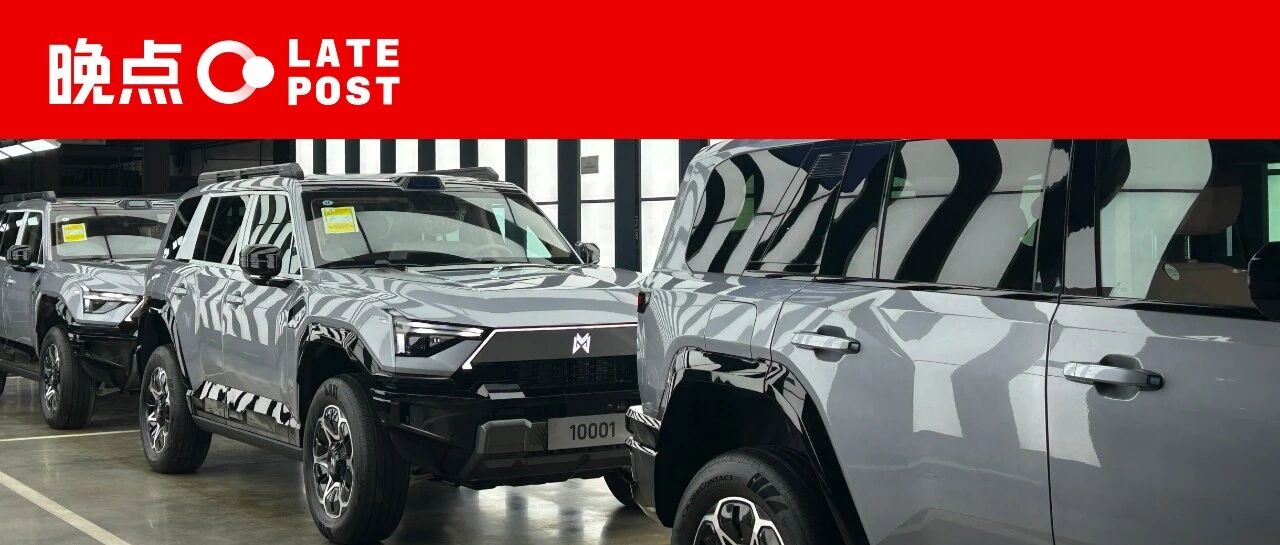
Core Viewpoint - The success of the Mengshi M817 represents a case study on how Huawei QianKun aids automakers in producing high-quality vehicles, leading to the establishment of a new product category and a novel collaboration paradigm [2][4]. Group 1: Product Launch and Performance - The Mengshi M817, a rugged off-road vehicle developed in collaboration with Huawei QianKun, has achieved a significant milestone with the production of its 10,000th unit [3]. - Since its delivery began in September, the Mengshi M817 has experienced a continuous month-on-month sales increase, with nearly 2,000 units sold in November alone [3]. - The factory's design capacity was originally set at 2,200 units per month, but due to the sustained sales growth of the Mengshi M817, the production capacity has been increased to 2,500 units per month [3]. Group 2: Market Potential and Trends - The off-road vehicle market in China is relatively small, contributing less than 4% to the total automotive sales, with an expected sales volume of 940,000 units in 2024 [5]. - Despite the small base, the off-road vehicle segment is anticipated to grow, particularly with the rise of electric vehicles, which are expected to lower usage costs and enhance the riding experience [5][6]. - The trend towards outdoor activities post-pandemic has led to a growing interest in off-road vehicles, with a notable preference for "boxy" designs [6]. Group 3: Technological Integration and Innovation - The Mengshi M817 incorporates Huawei QianKun's full-stack solutions, including intelligent driving, cockpit, vehicle control, and communication systems, tailored specifically for off-road scenarios [3][4]. - The vehicle features advanced driving assistance systems (ADS) that enhance safety and usability in both urban and off-road environments, with capabilities such as automated parking and long-distance driving without intervention [7][8]. - The integration of 27 sensors, including a 192-line LiDAR and multiple cameras, allows the Mengshi M817 to maintain high perception accuracy in various environmental conditions [9][10]. Group 4: New Collaboration Paradigm - The partnership between Huawei QianKun and Mengshi marks a shift from traditional supplier relationships to a collaborative model where both parties define requirements and co-develop products [15][17]. - This new approach not only enhances product offerings but also transforms Mengshi into a user-centric enterprise, focusing on rapid response to customer feedback and needs [16]. - Future collaborations will expand into product definition, marketing, and ecosystem services, indicating a deeper integration of Huawei's capabilities into the entire vehicle development process [17][18].
——汽车行业周报:吉利汽车与极氪整合完成,多地部署2026新国补-20251228
Guohai Securities· 2025-12-28 14:04
Investment Rating - The report maintains a "Recommended" rating for the automotive industry [1] Core Insights - The automotive sector is expected to face a decline in passenger car year-on-year growth by the end of 2025 due to high base effects and the temporary withdrawal of some local trade-in subsidies. However, the high-end market is anticipated to perform relatively better in 2026, particularly for domestic brands with quality offerings priced above 300,000 yuan [4][14] - The integration of Geely Auto and Zeekr has been completed, marking a new phase for Geely, which aims to enhance collaboration across technology, products, supply chains, manufacturing, marketing, and international resources [6][12][29] - The central government has confirmed the continuation of the "National Subsidy" policy for 2026, with multiple cities already beginning to deploy new trade-in platforms [6][12][30] Summary by Sections Passenger Vehicles - By the end of 2025, the year-on-year growth rate for passenger vehicles may decline due to high base effects and the temporary exit of some trade-in subsidies. The high-end market is expected to see better performance in 2026, with recommendations for companies like JAC Motors, Geely, Xpeng, Great Wall Motors, SAIC Motor, Li Auto, Seres, and BYD [4][14][15] Auto Parts - High-level intelligence is penetrating lower-priced models, benefiting related auto parts. Recommended companies include Huayang Group, Desay SV, Kobot, and Jingwei Hirain. Companies with strong operational cycles such as Fuyao Glass, Yinlun, Bojun Technology, Wuxi Zhenhua, Songyuan Safety, and Xingyu are also recommended [4][15] Commercial Vehicles - The demand for heavy trucks is expected to recover in 2025, with recommendations for companies like Weichai Power, Foton Motor, and China National Heavy Duty Truck Group. The bus sector is also expected to see growth in both domestic and export markets, with Yutong Bus as a leading recommendation [4][15] Market Performance - From December 22 to December 26, 2025, the automotive sector outperformed the Shanghai Composite Index, with the automotive index rising by 2.7% compared to the index's 1.9% increase. The passenger vehicle segment saw a 3.3% increase, while commercial vehicles remained stable [6][16]
深蓝汽车邓承浩:下一代车型全部都有L3级自动驾驶功能
Jing Ji Guan Cha Wang· 2025-12-28 13:24
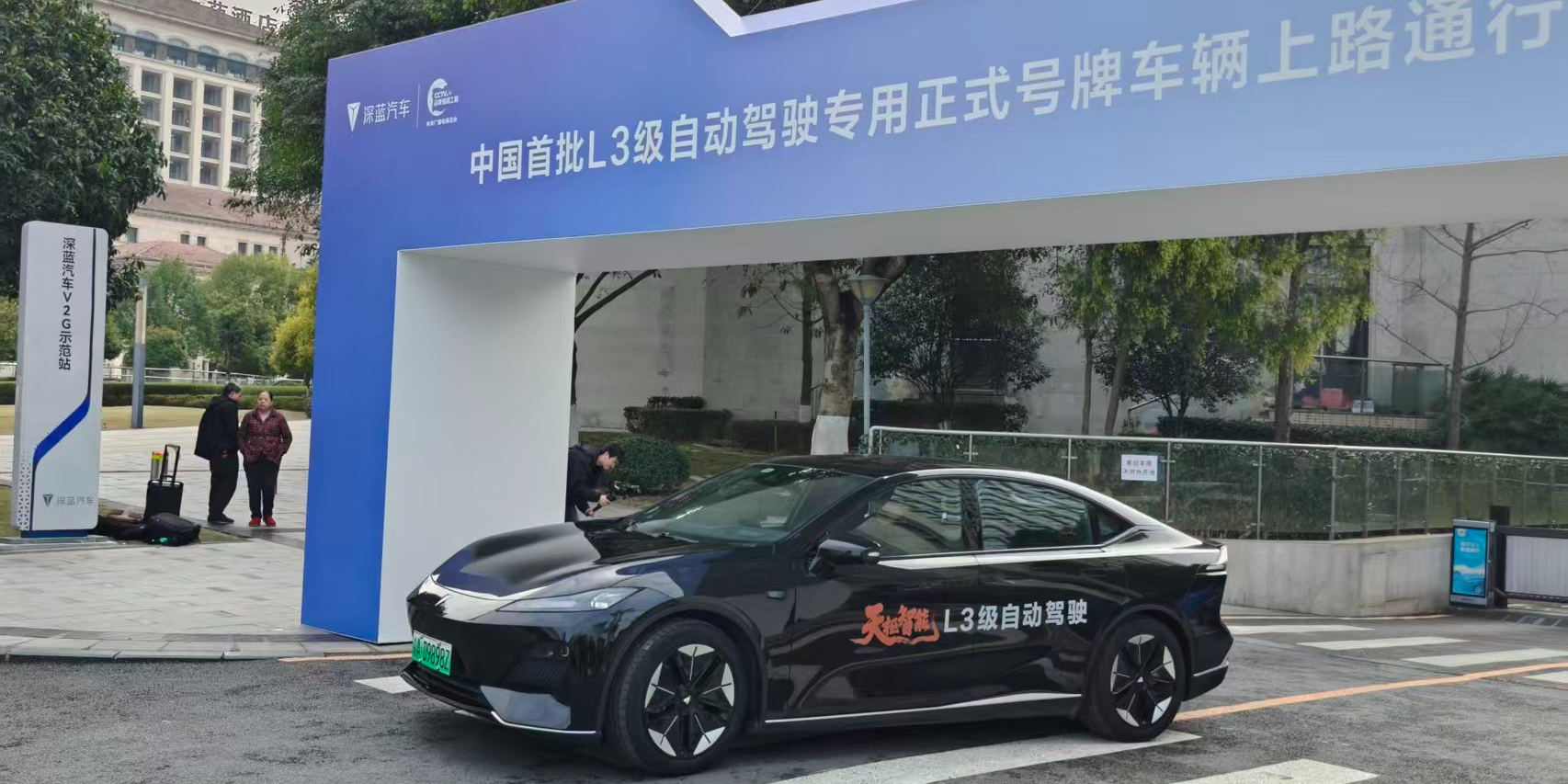
Core Viewpoint - The successful launch of L3 autonomous driving vehicles by Deep Blue Automotive marks a significant milestone in China's autonomous driving technology, indicating a transition to large-scale road operation [2][3]. Group 1: L3 Autonomous Driving Milestone - Deep Blue Automotive's vehicles with "L3 Autonomous Driving" labels have begun operating on urban roads in Chongqing, following the acquisition of the first official L3 autonomous driving license in China [2]. - The company has a long history of research in L3 technology, with nearly 10 years of development leading to this achievement [2][3]. - The SL03 model, which received the L3 product approval, was developed five years ago, showcasing the company's early commitment to L3 technology [3]. Group 2: Financing and Future Plans - Deep Blue Automotive completed a C-round financing of 6.122 billion yuan, with investments from Changan Automobile, Chongqing Yufu Holdings, and other entities, aimed at supporting the next phase of development and commercialization of advanced autonomous driving [11][12]. - The financing will be directed towards new vehicle development, core technology innovation, and enhancing global brand presence [11][12]. - The company aims to achieve a balance between profitability and self-sustaining growth within the next 2 to 3 years, with a target of selling 2 million vehicles globally by 2030 [12]. Group 3: Technical and Operational Aspects - The L3 vehicles are currently limited to a maximum speed of 50 km/h to gather data in congested driving scenarios, emphasizing a cautious approach during the exploratory phase [7]. - Deep Blue Automotive's strategy includes both independent research and collaboration with partners like Huawei to enhance its autonomous driving capabilities [4]. - The company is preparing to develop L3 and L4 functionalities for its next generation of vehicles, indicating a commitment to advancing its technology offerings [10].