安踏

Search documents
海澜之家赴港IPO谋破局:百亿库存压顶,年轻化转型陷僵局
Sou Hu Cai Jing· 2025-10-30 06:07
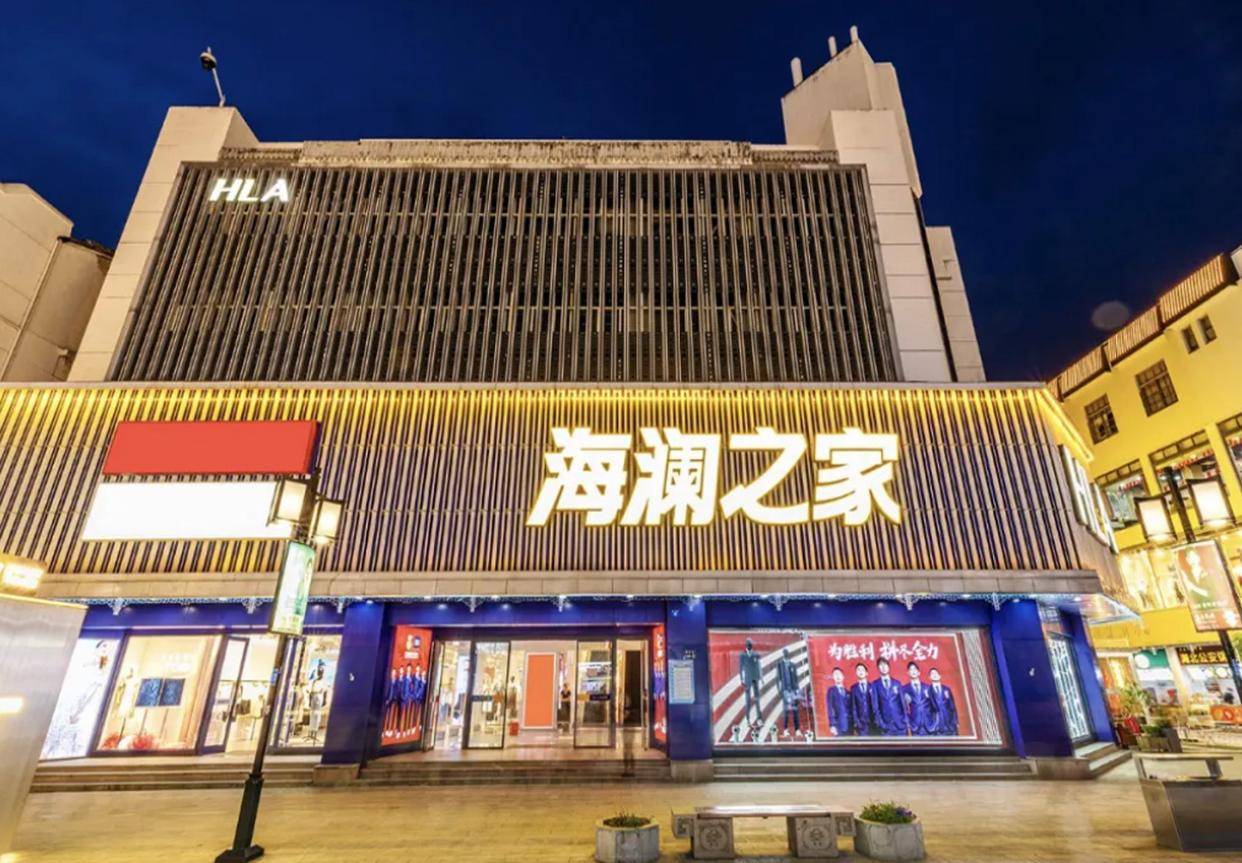
Core Viewpoint - The leading men's apparel brand, HLA (海澜之家), has announced its plan to issue H shares and list in Hong Kong, aiming to deepen its global presence and create a diversified capital platform, while facing challenges such as a sluggish domestic market, high inventory, and brand aging [1] Group 1: Global Expansion and Performance - As of June 2025, HLA has established 111 overseas stores in Southeast Asia, with overseas market growth of 27.42% year-on-year, significantly outpacing the domestic growth of 1.35% [3] - Despite the overseas expansion, overseas revenue has consistently accounted for less than 2% of total revenue, raising doubts about the effectiveness of its globalization strategy [3] - HLA's revenue has fluctuated between 17.9 billion and 21.5 billion from 2020 to 2024, with net profit showing a pattern of alternating growth and decline [3] Group 2: Financial Performance and Dividend Policy - In 2025, HLA reported a slight revenue increase of 1.73% and a net profit decline of 3.42%, despite being expected to be a growth year [3] - Since its backdoor listing in 2014, HLA has distributed a total of 21.1 billion in dividends, with a dividend payout ratio exceeding 70%, reaching 91.22% in 2024 [3] - The founder's family, holding 45.75% of shares, has received approximately 9.722 billion in dividends, raising concerns about the company's high dividend and low retention policy [3] Group 3: Industry Challenges - The domestic men's apparel industry is experiencing collective growth anxiety, with only 4 out of 15 listed companies achieving revenue growth in the first half of 2025 [4] - E-commerce channels are struggling, with HLA's highest-selling item during the Double 11 shopping festival having only over 9,000 buyers, indicating a decline in core product sales [4] - HLA's inventory reached 10.255 billion as of June 2025, with inventory turnover days increasing from 263 to 322 days, reflecting challenges in its asset-light model [4] Group 4: Brand and Market Positioning - HLA's young transformation led by the second-generation leader, Zhou Licheng, has not yielded significant results, with only 10% of revenue coming from new brands despite substantial marketing investments [5] - The brand's image among Generation Z remains stagnant, with new sub-brands like "Black Whale" struggling to gain traction in the market [5] - The company's ongoing challenges of inventory pressure, operational constraints, and brand aging cannot be resolved merely through a listing, indicating a longer path ahead for transformation [5]


交银国际每日晨报-20251030
BOCOM International· 2025-10-30 01:59
Group 1: 恒瑞医药 - The company reported a revenue of 7.43 billion yuan in Q3 2025, representing a year-on-year growth of 12.7%. The contribution of innovative drug revenue exceeded 55% in the first three quarters of 2025 [1][2] - Management expenses increased significantly, leading to a slight decline in net profit margin by 0.5 percentage points to 17.5%. The company recorded an unrealized foreign exchange loss of 150 million yuan related to the depreciation of the US dollar [1] - Operating cash flow increased significantly by 209.8% year-on-year to 4.81 billion yuan, aided by upfront payments from major transactions with GSK and Braveheart. Contract liabilities surged from 161 million yuan in Q2 2025 to 3.97 billion yuan [1] Group 2: 安踏 - The company experienced weak revenue performance in Q3 2025, prompting management to lower the full-year guidance. Anta/FILA and other brands recorded low single-digit year-on-year revenue growth [3][4] - Management has adjusted the growth guidance for the main brand to low single-digit growth, while maintaining the guidance for FILA and other brands at mid-single-digit and over 40% growth, respectively [3] - Future revenue forecasts have been slightly reduced by 1-3%, and net profit forecasts have been lowered by 5-10% based on more conservative profit margin estimates [3] Group 3: 钧达股份 - The company reported a loss of 155 million yuan in Q3 2025, remaining stable compared to the previous quarter. The rise in upstream silicon wafer prices and silver prices has increased non-silicon costs [8] - The Indian Ministry of Commerce announced a final anti-dumping tax recommendation of 23% on imported battery cells from China, which may impact the company's exports [8] - The target price has been adjusted down to 46.34 yuan, corresponding to a 13.3 times 2026 price-to-earnings ratio, while maintaining a buy rating due to attractive valuation after the stock price correction [8] Group 4: 福莱特玻璃 - The company reported Q3 2025 revenue of 4.73 billion yuan and profit of 376 million yuan, with a quarter-on-quarter increase of 29% and 143%, respectively. This was driven by significant inventory accumulation by component customers anticipating a rebound in photovoltaic glass prices [9] - However, industry inventory days have rapidly rebounded since October, leading to expectations of a price decline for glass starting in November [9] - The target price has been raised to 12.05 HKD, but the rating has been downgraded to neutral due to limited attractiveness after recent stock price rebounds [9]

多品牌抢占市场 跑圈新贵HOKA还能“狂奔”多久
Bei Jing Shang Bao· 2025-10-30 01:54
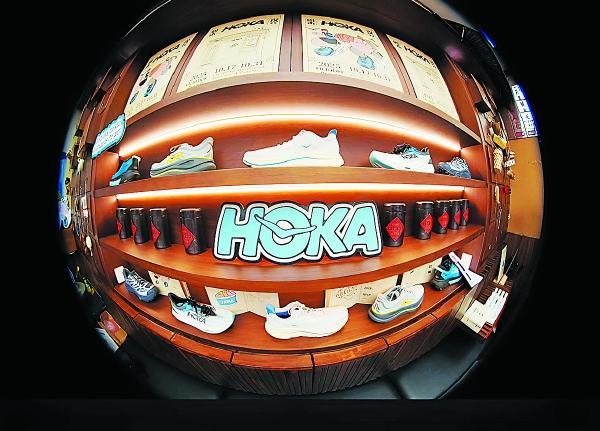
Core Viewpoint - HOKA, a key brand under Deckers Brands, is experiencing a slowdown in growth despite maintaining double-digit increases in sales and net profit, attributed to market saturation and increased competition [1][3][9]. Financial Performance - Deckers Brands reported net sales of $1.431 billion for Q2 of fiscal year 2026, a year-on-year increase of 9.1%, with net profit reaching $268 million, up 10.74% [3]. - HOKA's net sales for the same period were $634 million, reflecting an 11% growth, while UGG sales were $759 million, up 10.1% [3]. - The company anticipates total net sales of approximately $5.35 billion for the fiscal year 2026, with HOKA's growth expected to be in the low double digits of 10%-15% [3]. Brand Growth and Market Position - HOKA's sales growth has been significant over the past years, with a 23.6% increase in fiscal year 2025, reaching $2.233 billion, and a 27.9% increase in fiscal year 2024 [4]. - HOKA currently contributes 45% to Deckers Brands' total sales, closely following UGG's 51% share [5]. Market Dynamics - The running shoe market is becoming increasingly competitive, with brands like Nike, Adidas, and domestic players such as Anta and Xtep entering the mid-to-high-end segments [10][12]. - The demand for professional running shoes has surged due to the growth of mass participation events like marathons, benefiting brands like HOKA that have established a strong reputation in niche markets [9][11]. Consumer Trends - The rise of consumer spending on sports brands is driven by a shift towards a more active lifestyle and the popularity of running events, which has expanded the customer base for brands like HOKA [5][8]. - HOKA's marketing strategy focuses on appealing to urban consumers who prioritize health and quality of life, leveraging social media and KOL marketing to enhance brand image [8]. Challenges Ahead - HOKA's growth rate has slowed from over 50% to around 11%, reflecting a natural deceleration as the brand matures and faces intensified competition [9][10]. - The brand must innovate and enhance its market positioning to sustain growth, particularly in the high-end consumer segment [13].

看完八马上市,我彻底羡慕福建人了
Sou Hu Cai Jing· 2025-10-29 09:57
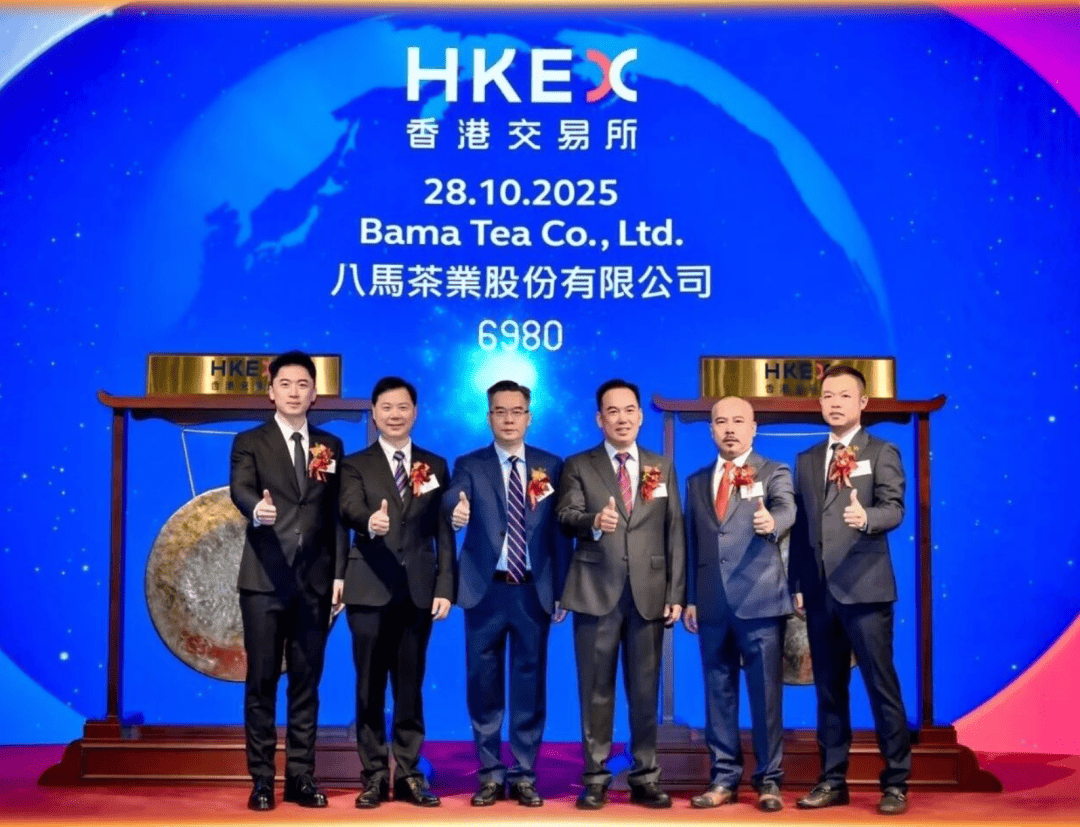
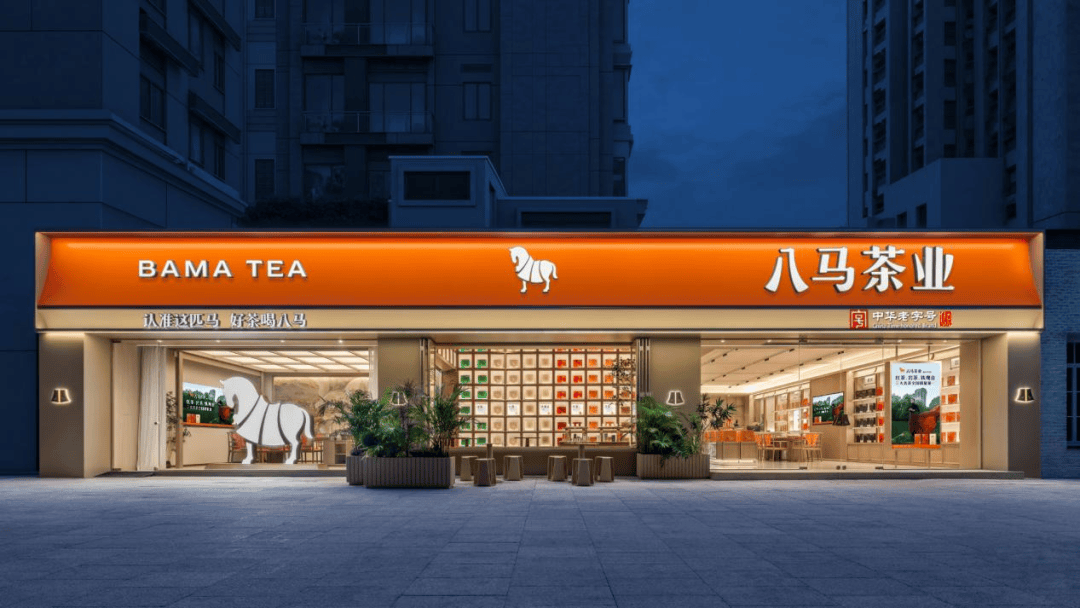
Core Insights - Fujian's Baima Tea Industry successfully listed on the Hong Kong Stock Exchange on October 28, achieving a market capitalization exceeding 7.9 billion [1] - The real story behind the company involves the strategic marriages of its controlling shareholder, Wang Wenbin, which connect Baima with major brands like Anta, Seven Wolves, and Highpower Holdings, forming a 50 billion business community [3] Company Strategy - Wang Wenbin's family marriages are likened to a modern version of "alliances," with his children marrying into influential families, thereby creating strategic partnerships across different sectors [3] - The company has evolved from a traditional tea business to a modern enterprise, with a daily production capacity of 3.6 tons and a tenfold improvement in cleanliness standards compared to traditional methods [6][7] Market Position - Baima's market share in the high-end tea segment increased from 1.1% in 2020 to 1.7% in 2024, aided by partnerships with Seven Wolves and Anta [8] - The philosophy of collaboration among Fujian businessmen emphasizes mutual success, which is deeply ingrained in their business culture [8][9] Financial Performance - Baima's financials show a decline in revenue by 4.2% and profit by 17.8% for the first half of 2025 compared to the previous year, alongside a rising number of franchisee losses and decreasing high-end customer spending [10] - The company's revenue figures for recent years indicate fluctuations, with 2023 revenue at 2.12 billion and projected revenue for 2025 at approximately 1.06 billion [10]
冷空气催热“暖经济”,电商平台保暖服饰大卖,洗护服务需求激增
Zheng Quan Shi Bao Wang· 2025-10-29 09:51
Group 1: E-commerce Performance - The recent drop in temperatures across the country has led to a surge in sales of warm clothing on e-commerce platforms, particularly during the "Double 11" shopping festival [1][2] - Vipshop reported that since the start of the "11·11" sales event on October 20, sales of women's down jackets increased by 57% year-on-year, children's down jackets by 91%, and men's down jackets by 59% [1] - JD.com also noted significant growth in sales of women's down jackets, coats, and cashmere sweaters, with some brands experiencing sales increases of up to 600% [1] Group 2: Regional Demand Variations - Demand for warm clothing is particularly strong in southern regions, with sales of down jackets in Guizhou, Guangxi, and Sichuan exceeding 150% year-on-year [1] - The popularity of domestic brands like Bosideng and sports brands such as Anta and Fila has contributed to the sales growth of down jackets [1] Group 3: Cleaning Services Demand - The sudden cold wave has also increased demand for professional cleaning services, with 58 Daojia reporting a 425% month-on-month increase in orders for floor heating cleaning and maintenance [2] - In first-tier cities, laundry and shoe cleaning orders saw a month-on-month increase of 318% and a year-on-year increase of 79% in October [3] - The introduction of high-end cleaning services by 58 Daojia has been well received, particularly for luxury garments [3]


安踏体育(02020):3季度流水表现偏弱,管理层下调全年指引;下调盈利预测和目标价
BOCOM International· 2025-10-28 14:47
Investment Rating - The report maintains a "Buy" rating for Anta Sports Products Limited (2020 HK) with a target price adjusted to HKD 110.90, reflecting a potential upside of 26.3% from the closing price of HKD 87.80 [2][5][9]. Core Insights - The third quarter performance showed weak revenue growth, leading management to lower the full-year guidance and adjust profit forecasts downwards. The main brand, Anta, is expected to see low single-digit growth, while FILA and other brands maintain mid-single-digit and over 40% growth expectations respectively [3][9]. - Revenue forecasts for 2025-2027 have been reduced by 1-3% due to a slowdown in industry recovery and increased competition, resulting in a 5-10% decrease in net profit projections for the same period [9][10]. - Despite short-term pressures, the long-term growth potential of the multi-brand strategy and operational resilience in a complex environment are viewed positively [9][10]. Financial Overview - Revenue projections (in million RMB) for the years ending December 31 are as follows: - 2023: 62,356 - 2024: 70,826 - 2025E: 78,080 - 2026E: 85,159 - 2027E: 91,473 - Year-on-year growth rates are expected to decline from 16.2% in 2023 to 7.4% in 2027 [4][21]. - Net profit projections (in million RMB) are as follows: - 2023: 10,236 - 2024: 15,596 - 2025E: 13,320 - 2026E: 14,804 - 2027E: 15,927 - The expected earnings per share (in RMB) are projected to be 3.57 in 2023, increasing to 5.50 by 2027 [4][21]. Brand Performance - Anta brand revenue growth is expected to be low single-digit, with inventory turnover slightly above five months. The company is optimizing its channels, having completed around 100 store renovations [9][10]. - FILA's revenue growth has slowed to low single digits, with inventory turnover increasing to about six months due to preparations for the Double Eleven shopping festival [9][10]. - Other brands, such as Descente and KOLON, continue to show strong growth, with respective revenue increases of approximately 30% and 70% in the third quarter [9][10].

八马茶业IPO:敲得开的港股门,打不破的次元壁|国潮风云
Sou Hu Cai Jing· 2025-10-28 10:16
Core Insights - Baima Tea Co., Ltd. has successfully listed on the Hong Kong Stock Exchange, raising approximately HKD 450 million with a market capitalization of HKD 72.25 billion as of the latest trading price of HKD 85 per share [2][3] - The journey to IPO has been challenging for Baima Tea, with multiple attempts to list on different exchanges since 2013, facing regulatory hurdles and market conditions that were not favorable for traditional tea companies [2][3][4] - The capital market shows a preference for new-style tea beverage companies over traditional leaf tea producers, indicating a broader trend in consumer preferences [3][5] Company Overview - Baima Tea is a national chain brand engaged in the research, design, standard output, and retail of various tea products, including Oolong, black, red, green, and white teas, as well as tea-related products [7] - The company claims to be the largest tea supplier in China by the number of chain stores and holds leading sales positions in several tea categories, including Tieguanyin [7][9] - The high-end tea market in China is growing, with a projected increase from RMB 890 billion in 2020 to RMB 1,353 billion by 2029, reflecting a compound annual growth rate (CAGR) of approximately 5.6% [7] Financial Performance - Baima Tea's revenue for 2022, 2023, and 2024 was RMB 18.18 billion, RMB 21.22 billion, and RMB 21.43 billion, respectively, with a noticeable slowdown in growth rates [12][20] - The company reported a decline in revenue of 4.2% in the first half of 2025, attributed to decreased sales in offline channels and increased administrative expenses [13] - The gross profit margin has shown an upward trend, with figures of 53.3%, 52.3%, 55.0%, and 55.3% over the reporting periods [16] Market Dynamics - The Chinese tea market is highly fragmented, with over 1.6 million companies involved in tea planting, production, and distribution, leading to a competitive landscape where the top five companies hold only about 5.6% market share [9][33] - Baima Tea's market share in the high-end tea segment increased from approximately 1.1% in 2020 to 1.7% in 2024, indicating a gradual improvement in its competitive position [9] - The offline sales channel remains dominant, accounting for over 70% of Baima Tea's total revenue, while online sales are growing but still represent a smaller portion of overall sales [36] Strategic Initiatives - The company has initiated a multi-brand strategy, launching sub-brands like "Xiaoma Tea Fun" and "Wanshan Red" to target younger consumers and diversify its product offerings [40][42][43] - Baima Tea has established a strong membership system, which is crucial for maintaining customer loyalty and driving sales in the high-end tea market [21] - The company is focusing on digital transformation and smart production to enhance operational efficiency and product innovation [21]
中金公司港股晨报-20251028
Xin Da Guo Ji Kong Gu· 2025-10-28 02:20
Market Overview - The Hang Seng Index is expected to hold around 25,000 points, reflecting a forecasted P/E ratio of 12 times over the next 12 months, amid uncertainties in U.S. monetary policy and ongoing U.S.-China trade tensions [2] - The U.S. Federal Reserve's recent hawkish stance on interest rate cuts has led to reduced expectations for future rate reductions, with only one cut anticipated in 2026, which is lower than market expectations [5][10] Corporate News - Anta (2020) reported low single-digit growth in retail sales for its brand products in Q3 [12] - Cansino (6185) benefited from sales of its meningitis vaccine, with net profit increasing 842% year-on-year in Q3 [5] - China Aluminum (2600) achieved a net profit of 3.8 billion RMB in Q3, marking a 90.3% increase [5] - Meituan (3690) announced that its rider social security subsidies will now cover the entire country, becoming the first to establish a comprehensive protection system for all riders [12] - Pony.ai plans to raise over 7.56 billion HKD through its IPO, with a focus on expanding its autonomous driving services [12] - WeRide (0800) aims to raise over 3.09 billion HKD in its IPO, positioning itself as a leader in L4 autonomous driving solutions [12] Macro Focus - In September, profits of large-scale industrial enterprises in China increased by 21.6% year-on-year, with a cumulative growth of 3.2% for the first three quarters [10] - The Chinese government is set to deepen reforms in the ChiNext board to optimize financing and regulatory systems [10][11] - The Hong Kong government reported a 16.1% increase in exports and a 13.6% increase in imports in September, both exceeding market expectations [11] Sector Insights - The insurance sector is expected to benefit from strong A-share performance, leading to improved investment returns in Q3 [8] - AI concept stocks are gaining traction as mainland China accelerates the application of "Artificial Intelligence+" [8] - The report indicates that Alibaba and Baidu hold the top two positions in China's AI cloud market, with market shares of 30.2% and 22.5% respectively [11]
韩国潮牌,集体“杀”进北上广
3 6 Ke· 2025-10-27 02:13
Core Insights - The rapid rise of Korean fashion brands in China is attributed to the ongoing popularity of K-POP and the effective marketing strategies that leverage celebrity endorsements [11][25][28] - Brands like Mardi Mercredi have achieved significant sales, with approximately 600 million RMB in revenue since entering the Chinese market in May 2022, and their products have sold nearly 200,000 units on Tmall [3][13] - The expansion of Korean brands is not limited to online platforms; they are also aggressively opening physical stores in major cities, with 16 new brands entering first-tier markets as of August this year [6][8] Group 1: Brand Performance - Mardi Mercredi has become a standout brand, achieving around 600 million RMB in revenue and selling nearly 200,000 items on Tmall since its launch in China [3][13] - Other brands like emis and Matin Kim are also gaining traction, with high engagement on social media platforms like Xiaohongshu, where emis has opened a flagship store on Tmall [5][8] - The popularity of these brands is driven by their unique designs and celebrity endorsements, with Matin Kim's products frequently worn by popular stars [5][19] Group 2: Market Strategy - Korean brands are utilizing localized strategies, partnering with local agents for market entry and expansion, as seen with Mardi Mercredi and Rest & Recreation [8][28] - The collaboration between MUSINSA and Anta aims to establish a significant presence in the Chinese market, with a goal of opening 100 stores by 2030 [8][28] - The brands are focusing on affordability and practicality, with products priced around 300 RMB for sweatshirts and 160 RMB for T-shirts, appealing to a broad consumer base [17][19] Group 3: Cultural Influence - The resurgence of Korean fashion is closely linked to the K-POP phenomenon, with many brands leveraging the popularity of idols to drive sales [11][25] - The association with celebrities has proven effective, as seen with Rest & Recreation's products being linked to stars like Jennie from BLACKPINK, resulting in high sales volumes [11][25] - The cultural impact of Korean trends is significant, influencing not only fashion but also the marketing strategies of international sports brands like Adidas and Puma [25][28]

纺织服装行业周报20251026:持续看好无纺布全产业链,关注Nike链左侧机会-20251026
Shenwan Hongyuan Securities· 2025-10-26 14:00
Investment Rating - The report maintains a "Buy" rating for companies such as Bosideng, Yanjiang, and Tabo, indicating a positive outlook for their performance in the textile and apparel industry [4][12][26]. Core Views - The textile and apparel sector has shown weaker performance compared to the overall market, with the SW textile and apparel index growing by 0.4%, lagging behind the SW All A index by 3.1 percentage points [4][5]. - There is a strong focus on the non-woven fabric industry chain, with significant investment opportunities identified, particularly in the Nike supply chain [11][21]. - The report highlights the resilience of the sportswear segment, with varying performance among brands, and emphasizes the importance of high-dividend assets in the current market environment [12][22]. Summary by Sections Industry Performance - The textile and apparel sector underperformed the market from October 20 to October 24, with the SW textile and apparel index increasing by 0.4% [4][5]. - Retail sales in the clothing, shoes, and textiles category totaled 1,061.3 billion yuan from January to September, reflecting a year-on-year growth of 3.1% [4][41]. Company Insights - **Bosideng**: The company is recommended due to favorable conditions for winter clothing sales driven by recent temperature drops and an extended sales window due to the later Chinese New Year [12][13][14]. - **Yanjiang**: The company reported a 23% year-on-year increase in revenue for the first three quarters of 2025, with a significant rise in net profit [18][21]. - **Tabo**: The company maintained a high dividend payout ratio of 102% despite a 6% decline in revenue, indicating a focus on shareholder returns [22][24]. Market Trends - The report notes a trend of increasing orders in the non-woven fabric sector, with companies like Yanjiang and Jeya showing substantial growth in revenue and net profit [11][21]. - The sportswear market is experiencing a divergence in performance among brands, with high-value brands outperforming others [12][22]. Economic Indicators - Cotton prices have seen slight increases, with the national cotton price B index reported at 14,753 yuan per ton, up 0.5% [4][47]. - The report indicates a decline in textile and apparel exports, with a total of 244.2 billion USD in September, down 1.0% year-on-year [4][40].