京东集团

Search documents
盘前必读丨证监会最新发声;16倍大牛股天普股份被立案调查
Di Yi Cai Jing· 2026-01-11 23:18
Market Performance - US stock markets experienced a significant rise, with the S&P 500 index increasing by 0.65%, reaching a record closing price. The Nasdaq rose by 0.81%, and the Dow Jones increased by 0.48%, both also setting new closing records [4] - Notable gains were observed in technology stocks, with Broadcom up 3.76% and Tesla rising 2.11%. Alphabet's A and C shares both increased by 0.96%, while Meta Platforms rose by 1.08% [4] - The Philadelphia Semiconductor Index climbed 2.7%, reaching a record high, with Lam Research surging 8.7% and Intel's stock rising nearly 11% following positive comments from President Trump [4] Commodity Market - International oil prices rose, with light crude oil futures for February delivery increasing by $1.36 to $59.12 per barrel, marking a 2.35% gain [5] - Gold prices continued to show strength, with spot gold closing at $4,496.09 per ounce, up 0.5%, and a weekly increase of approximately 3.9% [5] - Silver prices also saw significant gains, with spot silver rising 3.81% to $79.93 per ounce, accumulating a weekly increase of 9.81% [5] Policy and Economic Measures - The State Council emphasized the implementation of coordinated fiscal and financial policies to stimulate domestic demand, aiming to enhance consumer capacity and support private investment [6] - The National Business Work Conference outlined eight key areas for 2026, including boosting consumer spending and promoting trade innovation [7] - The State Administration for Market Regulation announced an investigation into the competitive practices of food delivery platforms to ensure fair competition and compliance with regulations [8] Capital Market Developments - The China Securities Regulatory Commission (CSRC) announced new regulations to increase rewards for whistleblowers reporting securities violations, raising the reward percentage from 1% to 3% of penalties collected [10] - The CSRC is investigating abnormal stock price fluctuations of Tianpu Rubber Technology Co., indicating a focus on maintaining market stability [10] Technological Advancements - The China Weapon Industry Group successfully completed the first flight test of the "Tianma-1000" unmanned transport aircraft, which is designed for logistics and emergency rescue, showcasing its capabilities in complex terrains [11]



智能玩具升级“智慧伙伴”
Jing Ji Ri Bao· 2026-01-11 21:54
Core Insights - AI toys are becoming popular as companions, with products like Huawei's "Smart Hanhan" selling out quickly and AI plush toys from JD.com entering the market, indicating a growing trend in AI companionship in toys [1][2] - The AI toy market in China is projected to grow from approximately 24.6 billion yuan in 2024 to 29 billion yuan in 2025, highlighting significant market potential [1] - AI toys are evolving from traditional playthings to "smart companions" that integrate education, emotional support, and creativity, reflecting a shift in consumer expectations [2][3] Industry Developments - The integration of AI technologies, such as language and visual models, allows toys to understand and respond to users, enhancing their functionality beyond mere entertainment [2] - AI toys cater to diverse age groups, fulfilling various consumer needs from educational support for children to stress relief for young adults and memory assistance for the elderly [3] - The Ministry of Industry and Information Technology (MIIT) is promoting the development of AI toys through policy support, encouraging innovation and collaboration between toy manufacturers and AI technology firms [4] Market Trends - The demand for AI toys is increasing, with significant interest in their applications for education, health monitoring, social interaction, and therapeutic support [3] - AI toys are designed to provide emotional companionship, with features like real-time feedback and personalized interactions, which are particularly appealing to younger users [2] - The MIIT is focusing on ensuring data security and privacy in AI toys, addressing consumer concerns and promoting safe industry practices [4]
外资撤离潮,中国真要变天?别急,经济刚吃饱饭,咱还稳得住!
Sou Hu Cai Jing· 2026-01-11 17:38
Core Viewpoint - The recent withdrawal of foreign capital from China is not solely a sign of a changing economic landscape but rather a combination of global strategic adjustments and local competition dynamics, indicating that the market is not collapsing but rather undergoing a redistribution of opportunities [1][5][10] Group 1: Foreign Capital Withdrawal Reasons - A portion of foreign companies is struggling to adapt to the evolving preferences of Chinese consumers, leading to decreased competitiveness against local brands [3][5] - Global strategic realignments by multinational corporations, such as layoffs at Microsoft and Amazon, are not specifically targeting China but are part of a broader trend of economic contraction [5][10] - The exit of some foreign banks, like Citibank, reflects limited market share and profitability issues rather than a defeat in the Chinese market [5][6] Group 2: Impact of Foreign Capital Exit - The withdrawal of foreign capital may create short-term challenges, particularly in retail, dining, and certain manufacturing sectors, resulting in reduced orders and job adjustments [8][10] - Local companies are poised to fill the gaps left by foreign firms, demonstrating the resilience and adaptability of the domestic market [8][12] Group 3: Long-term Implications and Strategies - The departure of foreign capital highlights existing vulnerabilities in technology and core components, emphasizing the need for accelerated domestic innovation [12][18] - Maintaining stability in employment, supply chains, and market expectations is crucial, with a focus on supporting local enterprises through targeted policies rather than mere subsidies [14][16] - The importance of strategic self-reliance in key industries such as semiconductors, renewable energy, and artificial intelligence is underscored, necessitating a unified effort from both government and businesses [18]

2026中国营销趋势报告
Sou Hu Cai Jing· 2026-01-11 17:03
Group 1 - AI-driven intelligent marketing has become the underlying operating system for marketing, enhancing efficiency and user insights significantly, as demonstrated by Lenovo's content production efficiency improvement of over 50% and a nearly 5-fold increase in output [1][14][15] - Trust has emerged as a core competitive asset for brands, with long-term value delivery and sincere communication being essential for rebuilding consumer trust, as exemplified by the "dare to guarantee" strategy of Xiaoguan Tea [2] - Human-centric marketing and IP-based operations are crucial for brands to establish intimate relationships with users, illustrated by JD's successful integration of personality-driven marketing with shopping experiences [3] Group 2 - Brands must become "social currency" within specific community circles to achieve growth, as shown by Guoquan's collaboration with children's art activities, enhancing brand recognition among parent groups [4] - Empowering stakeholders for co-creation and win-win outcomes is fundamental for sustainable growth, as demonstrated by Anchor's collaboration with the healing IP "Little Bear Bug" to empower B-end clients in the baking industry [5] - The construction of a marketing knowledge base is essential for digital transformation in marketing, enabling companies to respond agilely to market changes and leverage structured knowledge for better collaboration with AI [12][13]


监管部门再刹外卖“内卷”
Bei Jing Shang Bao· 2026-01-11 15:21
Core Viewpoint - The regulatory authorities in China are taking action against the chaotic competition in the food delivery industry, initiating an investigation into the market competition status of food delivery platforms [1][3]. Group 1: Regulatory Actions - The State Administration for Market Regulation announced that the Office of the State Council Anti-Monopoly and Anti-Unfair Competition Committee will investigate and assess the competitive conditions in the food delivery platform service industry [1][3]. - The investigation aims to address issues such as excessive subsidies, price wars, and traffic control that have been detrimental to the real economy and have intensified "involution" competition within the industry [3]. Group 2: Industry Response - Major food delivery platforms, including Meituan, Taobao Shanguo, and JD, have expressed their support for the investigation and committed to cooperating fully with the regulatory authorities [4]. - Meituan stated that it will use this investigation as an opportunity to work with other platforms to fulfill market responsibilities and promote healthy development in the food delivery service industry [4]. Group 3: Historical Context - This is not the first time regulatory authorities have intervened in the food delivery industry; previous actions included discussions with major platforms in response to the intense competition and subsidy wars that escalated in 2025 [5][6]. - In 2025, significant subsidy investments were made by platforms, including a joint investment of 50 billion yuan by Taobao and Ele.me, and 10 billion yuan by JD [5]. Group 4: Financial Impact - The ongoing price wars have negatively impacted the profitability of major players; for instance, JD's operating profit margin fell to -0.2% in Q2 2025, down from 3.6% in the same period of 2024 [6]. - Meituan reported a net profit of 1.49 billion yuan in Q2, a staggering 89% decrease year-on-year, attributed to industry competition [6].




场景化体验式 北京全时活跃消费生态提速
Bei Jing Shang Bao· 2026-01-11 15:14
Core Insights - The national business work conference emphasized accelerating the cultivation of new growth points in service consumption and releasing the potential of service consumption [1] - Beijing has made significant progress in innovating and upgrading physical commerce, aiming to expand and upgrade commodity consumption while creating an international consumption environment [1] Group 1: Commercial Supply and Innovation - In the past year, Beijing's physical commerce has achieved breakthroughs in supply diversity, spatial layout, and experiential innovation, injecting strong vitality into the consumption market [3] - Over 960 new stores were added in Beijing in the first 11 months of 2025, with over 5,000 new stores established since 2019, including 12 global launch centers [3] - The city has recognized 26 regional headquarters of multinational consumer companies, showcasing a blend of international brands and local culture [3] Group 2: Dining Services and Consumer Trends - The dining sector has become a crucial driver of domestic demand, with a 19% year-on-year increase in average daily consumption during the 2026 New Year holiday compared to 2025 [5] - Key monitored dining sectors in Beijing saw a daily sales increase of 4.6% during the New Year holiday, with a 25.4% increase in regular dining [5] - Major restaurants in Beijing have reported full bookings for New Year's Eve, indicating a strong recovery and demand in the dining industry [6] Group 3: E-commerce Expansion - E-commerce platforms are actively implementing the "national subsidy" policy to enhance consumer access and promote consumption in rural areas [7] - JD.com has engaged hundreds of thousands of staff to support the "old for new" service, covering over 200 categories, including home appliances and health equipment [7] - The "old for new" policy has led to the sale of 192 million home appliances, generating sales of 3.92 trillion yuan and benefiting 494 million consumers [8] Group 4: Consumer Experience and Urban Development - Beijing is focusing on creating a diverse and immersive consumer experience, transitioning from a single-function to a multi-experience model in commercial spaces [4] - The city is developing various themed commercial streets and enhancing cultural experiences to create a vibrant consumer ecosystem [4] - The 2026 business work conference highlighted the importance of boosting consumption and building a strong domestic market as part of the "14th Five-Year Plan" [10] Group 5: International Consumption Environment - Beijing aims to enhance the quality of international consumption supply, supporting the development of international consumption clusters and tax refund services for inbound tourists [11] - The city is improving foreign payment services and enhancing international service levels in key commercial areas [11]

外卖反内卷,国家这次动真格的了
虎嗅APP· 2026-01-11 14:06
Core Viewpoint - The article emphasizes the urgent need to address the "involution" in the food delivery industry, as highlighted by the central government's focus on expanding domestic demand, promoting innovation, and combating involution in the economy [5][6]. Group 1: Market Saturation and Competition - The food delivery market in China is nearing saturation, with online food delivery users reaching 592 million by the end of 2024, accounting for 53.4% of the total internet users [8][10]. - The competition in the food delivery sector has shifted to a zero-sum game, where growth is no longer driven by increased demand but rather by existing market share [8][11]. Group 2: Impact on Stakeholders - The ongoing price wars have not benefited any stakeholders in the food delivery ecosystem. Merchants have seen a rise in order volume but a decline in actual revenue, with a reported average decrease of 4% in daily revenue despite a 7% increase in total orders since July 2025 [12][15]. - Delivery riders are also facing increased workloads without corresponding income growth, leading to a significant drop in average monthly earnings [13][15]. Group 3: Regulatory Response - The government has initiated investigations into the chaotic competition in the food delivery market, indicating a serious approach to curbing involution and ensuring fair competition [6][20]. - Previous attempts to regulate the market through discussions with major platforms like Meituan and JD have had limited success, necessitating a more robust regulatory framework [16][18]. Group 4: Long-term Implications - The article argues that the current trajectory of excessive marketing expenditures over long-term capital investments could undermine the long-term value of Chinese internet companies [21][27]. - The call for a shift from price wars to differentiated services and technological innovation is seen as essential for sustainable growth in the industry [27][25]. Group 5: Conclusion - The initiation of market investigations is viewed as a critical step towards meaningful reform in the food delivery sector, signaling the end of unsustainable competition driven by short-term gains [22][27]. - The article concludes that the future of the food delivery industry will depend on platforms' ability to adapt their strategies towards building a healthier ecosystem and enhancing core competitiveness [27][28].
【西街观察】告别内卷,外卖要竞争也要健康
Bei Jing Shang Bao· 2026-01-11 13:54
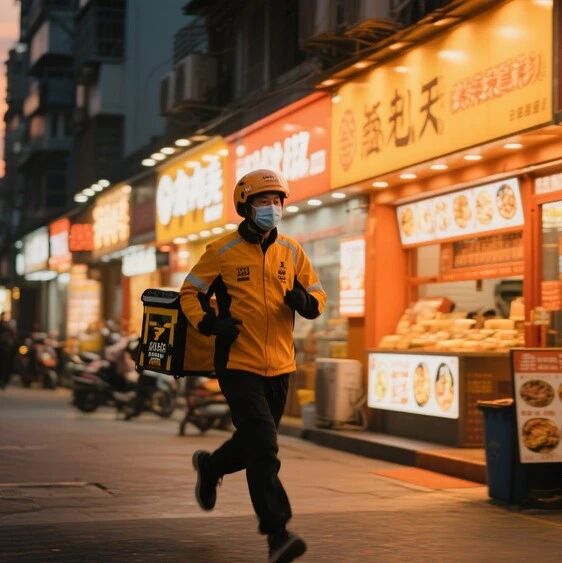
Core Viewpoint - The State Council's Anti-Monopoly and Anti-Unfair Competition Committee has initiated an investigation into the competitive landscape of the food delivery platform industry, highlighting issues of excessive subsidies, price wars, and traffic control that have led to "involution" and negatively impacted the real economy [1][2]. Group 1: Industry Competition - The food delivery industry has seen intense competition, initially sparked by JD.com, followed by fierce battles between Alibaba's Taobao and Meituan, escalating amidst a multi-format e-commerce environment [1]. - Regulatory scrutiny has been ongoing, with the government previously engaging with major platforms like JD, Meituan, and Alibaba to ensure fair competition [1]. - The current competition is characterized by a focus on market share acquisition through heavy spending, which has not translated into sustainable business improvements, resulting in significant financial burdens for the platforms [1]. Group 2: Impact on Stakeholders - Many small and medium-sized businesses are experiencing a situation where increased order volume does not equate to increased revenue, leading to a cycle of burdens without corresponding financial benefits [2]. - Delivery riders are also facing challenges, as the influx of orders does not lead to proportional earnings, and consumer subsidies are not effectively reaching the labor force [2]. - Consumers may benefit from low prices in the short term, but this comes with hidden risks, such as the potential for lower quality products and services due to aggressive pricing strategies [2]. Group 3: Regulatory Response and Future Directions - The government has emphasized the need to address "involution" in competition, particularly in the e-commerce sector, which is marked by low prices and low quality, lacking innovation [2]. - A healthy industry requires new entrants and should focus on creating value rather than engaging in destructive competition that leads to resource waste and declining profits [3]. - The regulatory intervention signals a push towards fostering fair and orderly competition, aiming to shift from mere market share battles to enhancing supply chain efficiency and promoting high-quality, differentiated competition [3].
中国车企出海业务100%使用阿里云;中国「科技军团」闪耀CES2026,通义智能硬件展同期举办|36氪出海·要闻回顾
36氪· 2026-01-11 13:35
Core Insights - Chinese automotive companies are fully utilizing Alibaba Cloud for their global business operations, marking a shift from vehicle sales to "smart infrastructure export" [5] - The 2026 CES showcased over 1,100 Chinese companies, representing about 25% of total exhibitors, highlighting China's strength in AI, robotics, and consumer electronics [6] - XTransfer is accelerating its entry into the North and South American markets by establishing partnerships with major U.S. banks for compliance and localization [6] - Cainiao has become the first logistics company to offer G2G services across three continents, launching cross-border logistics from the U.S. to Mexico [7] - Xiaomi International has joined AliExpress's "Super Brand Export Plan," achieving significant sales during the Black Friday event [7] - JD Logistics successfully completed its first overseas drone test flight in Saudi Arabia, enhancing its international logistics capabilities [8] - Meituan Keeta has expanded its food delivery services to Bahrain, marking its fifth country in the Middle East [9] - TikTok Shop is experiencing rapid growth, with projected active consumers reaching 400 million by 2025 and GMV nearing $100 billion [10] - Guanzhou Automobile International has formed a strategic partnership with Grab to promote electric vehicles in Southeast Asia [10] - Nine Science Information has completed a B2 round of financing to enhance its overseas business layout [10] - Yao Le Technology has secured nearly 100 million yuan in Pre-A financing to expand its market presence [11] - The global humanoid robot market is expected to see a shipment of 13,000 units by 2025, with Chinese manufacturers leading the market [12] - Recent reports indicate a high demand for transformers in overseas markets, particularly in the Middle East, Europe, and South America [13] - Saudi Arabia plans to open its financial market to all foreign investors starting February 1, aiming to attract more overseas capital [13]

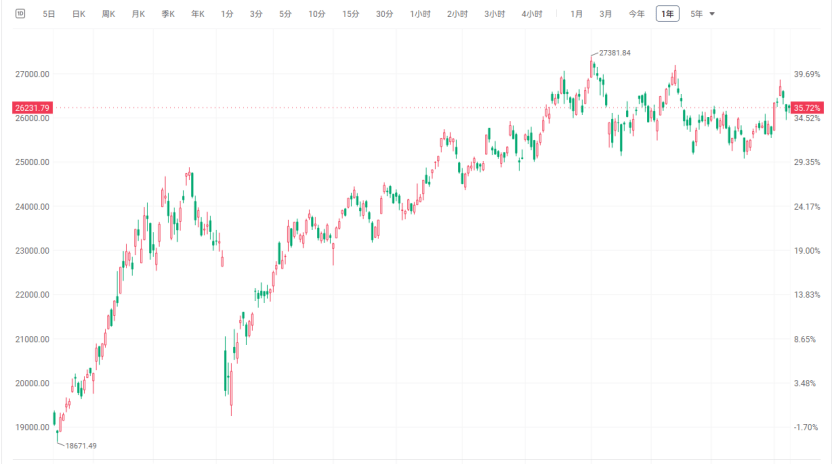
【港股一周见】大模型股点燃热情,IPO市场火爆
Sou Hu Cai Jing· 2026-01-11 12:54
Market Performance - The Hong Kong stock market experienced volatility, with the Hang Seng Index closing down 0.41% or 106 points, ending at 26,231 points, and total trading volume reaching approximately 1.36 trillion HKD [1][5] Sector and Stock Movements - The technology sector saw most stocks decline, with the Hang Seng Tech Index dropping 0.86% to 5,687.14 points. Notable declines included Tencent down 1.93% to 611.0 HKD, Alibaba down 1.68% to 146.50 HKD, and Meituan down 5.83% to 98.50 HKD. However, Bilibili rose 11.87% to 223.40 HKD, and Trip.com increased by 2.32% to 596.50 HKD [3][4] - Gold prices surpassed 4,500 USD/ounce, attracting interest as a safe-haven asset, which positively impacted gold stocks such as Zijin Mining up 3.57% and Shandong Gold up 11.27% [3][4] Innovation and IPO Market - Reports indicate that China will enhance support for innovative drugs, leading to a rise in the biotech sector. Notable stock increases included Rongchang Biopharma up 28.51% and Jinfang Biopharma up 44.85% [4] - The IPO market in Hong Kong was active, with six new stocks listed, all recording gains on their debut. MiniMax saw a remarkable first-day increase of 109%, reaching a market value exceeding 100 billion HKD [4][7] Economic Indicators - China's December CPI data was released at 0.8%, the highest in nearly two years, while PPI showed a narrower decline, indicating positive price changes in some sectors [5] - The recent IPO activity and adjustments in Hong Kong Stock Connect are expected to attract additional southbound capital, creating a favorable trading environment [5][7]