
英维克

Search documents
易方达基金武阳:稳健中布局成长,聚焦消费复苏与AI硬件浪潮
Sou Hu Cai Jing· 2026-01-26 09:25
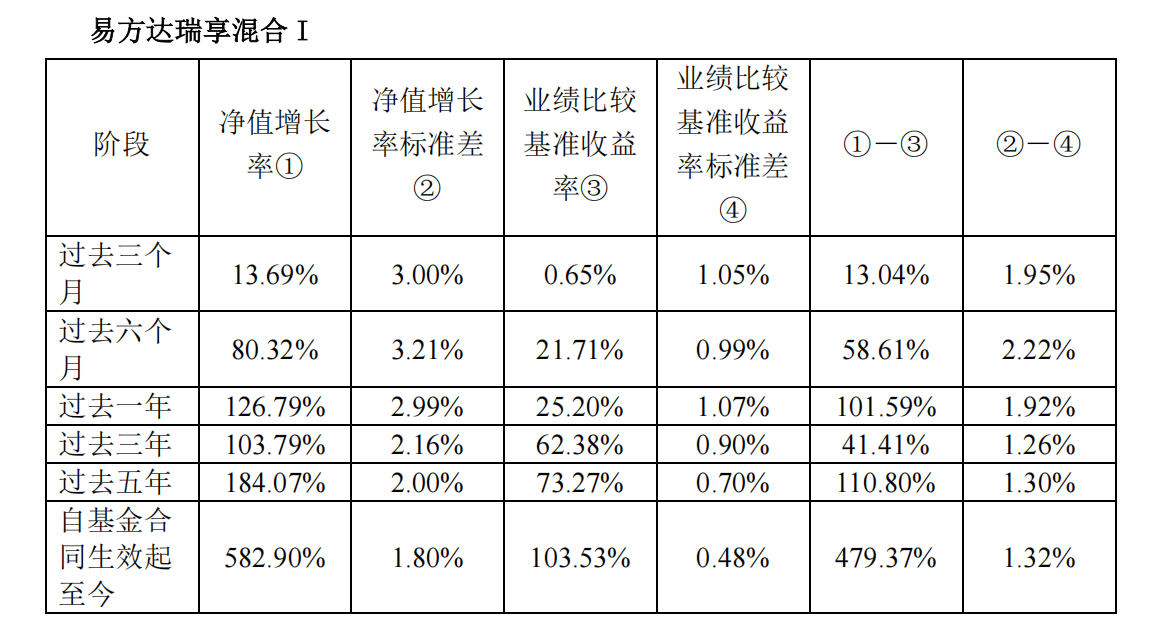
Core Viewpoint - The report by E Fund manager Wu Yang highlights a clear investment strategy focusing on technology growth and domestic demand recovery, with a net value growth rate of 13.69% for the E Fund Rui Xiang Mixed Fund I (001437) during the reporting period, significantly outperforming the benchmark [1] Economic Outlook - Wu Yang maintains a cautiously optimistic view on the macroeconomic environment, noting overall stability in domestic economic data and clearer policy intentions to support domestic demand, while also recognizing the need for patience in recovery [3] - The international market is positively influenced by the U.S. debt entering a rate-cutting cycle, which has led to an increase in commodity prices, excluding oil [3] - However, the foundation for recovery remains fragile, with weak demand from both enterprises and households, emphasizing the importance of stabilizing income expectations and restoring business confidence [3] AI Hardware Investment - A significant focus is placed on the AI industry, particularly the hardware side, where rapid technological iterations are observed, and real demand is driving a positive business cycle [4] - Key investment areas within the AI hardware sector include: - Storage demand driven by large models requiring extensive memory, increasing the need for DRAM and NAND [4] - Optical connections becoming more mainstream as AI cluster scales expand [4] - Liquid cooling technology gaining traction due to increased cabinet power [4] - PCB and upstream materials experiencing expansion and upgrade cycles [4] - The top ten holdings in the fund include major AI hardware companies, accounting for over 34% of net asset value, indicating a strong commitment to this sector [4] Consumer and Domestic Demand - Despite macroeconomic challenges, opportunities in the domestic demand sector are identified, focusing on: - The financial sector's performance elasticity, driven by market gains and increased trading volumes [5] - The resilience of consumer behavior, with a noted recovery in personal experience consumption and high-end luxury goods, despite weaker business consumption [5] - New consumption trends driven by generational changes, such as IP consumption and pet food, are also highlighted as areas of interest [5] - The potential for investment in autonomous driving and robotics is acknowledged, with a belief that the investment turning point for autonomous driving may come sooner than for robotics [5] Investment Strategy - The fund's strategy is anchored in technology, high-end manufacturing, consumer goods, and healthcare as primary investment directions, capturing the current AI-driven technological revolution while considering long-term trends in domestic recovery and health [6] - A focus on selective stock picking and efficient capital usage is emphasized, creating a comprehensive investment framework from macro to industry and individual stocks [6] - Wu Yang's approach reflects a sensitivity to industry trends and a willingness to invest in core growth areas while also seeking marginal improvements during economic recovery [6]

真兰仪表:目前未涉足液冷服务器领域研发或业务合作
Mei Ri Jing Ji Xin Wen· 2026-01-26 05:08
Core Viewpoint - The company, Zhenlan Instrument (301303.SZ), clarified that its products are not directly related to liquid cooling server technology and that it has not engaged in research or business cooperation in this field [1]. Group 1: Company Overview - The company primarily focuses on the research, production, and sales of gas and water metering products and systems [1]. - The company is also expanding into the automotive parts sector [1]. Group 2: Market Engagement - The company has been asked about its involvement with companies like Invec, Feirongda, and Shenling Environment regarding liquid cooling server products [1]. - The company stated it will maintain dynamic attention to the liquid cooling server field in line with its strategic planning [1].

AIDC产业链-海外液冷开工情况深度解读
2026-01-26 02:49
Summary of AIDC Liquid Cooling Market Conference Call Industry Overview - The liquid cooling market is expected to benefit from new products from NVIDIA (such as B200, B300, NVR 144) and the demand for ASICs from the four major CSPs in North America, with market sizes projected to reach $7.9 billion in 2025 and $17.6 billion in 2026 [1][3] - North America is the primary driver of the global liquid cooling market, expected to account for approximately 47% of the market share in 2025, translating to $3.6-$3.8 billion out of $7.9 billion [1][4] Key Insights and Arguments - NVIDIA's NVR 144 utilizes a new microchannel cold plate (MCCP) that offers higher heat exchange efficiency but comes at a 20% higher cost compared to traditional models, pushing liquid cooling technology towards higher efficiency [1][5] - Domestic manufacturers like Invec and Siquan are actively participating in NVIDIA's liquid cooling supply chain but have not yet fully entered mass production, remaining in the product iteration phase [1][6] - The value of secondary components in liquid cooling systems (CDU, piping, manifold, etc.) is expected to increase by approximately 10% due to higher heat exchange demands [1][7] - NVIDIA's Ruby product features a high-temperature water circulation system that increases CDU power to 220-230 kW per cabinet, raising the liquid cooling value to $150,000-$180,000 per cabinet, showcasing a new direction for energy-saving in data centers [1][8] Future Developments - Meta and Google plan to scale liquid cooling solutions by 2026, with Meta's Minerva solution requiring 25,000 liquid cooling cabinets and Google's TPU V7 needing 35,000 cabinets, significantly contributing to market growth [2][9] - The global liquid cooling market is projected to grow from $3.5 billion in 2024 to $7.9 billion in 2025 and $14 billion in 2026, indicating nearly a doubling in growth due to NVIDIA's adoption of liquid cooling products and the influence of major CSPs [3] Supply Chain Dynamics - Major suppliers in the liquid cooling technology supply chain include AVC and CoolIT for NVIDIA, while domestic players like Invec and Siquan are involved in early sample submissions but are not yet in mass production [6][10] - In the Meta project, Cooler Master and Invec are key suppliers, while in Google's project, AVC, Siquan, and Feirongda are involved, with Feirongda still in the sample submission phase [10] Technical Innovations - The Ruby full liquid cooling solution achieves 100% liquid cooling for all heat-generating components, eliminating the need for additional cooling sources in most climates, with water inlet temperatures raised from 35°C to 40°C [13] - In colder climates, liquid cooling systems can operate without traditional cooling machines, relying instead on dry coolers or cooling towers [11][12] Investment Insights - For a 1 GW data center, the investment in primary and secondary liquid cooling systems is approximately 25% for primary systems and 20% for CPUs, with liquid cooling plates accounting for about 25% of the investment [15] - The overall investment in liquid cooling systems for AI data centers is estimated to be around 3%-5% of total investment, with complete liquid cooling systems costing about 1.4% of the total [16]

AI国产链重大更新-重申多模态全年应用胜负手-闭环打通有望带动国产硬件链
2026-01-26 02:49
Summary of Conference Call Records Industry Overview - The conference call discusses the **AI domestic chain** and its significant updates, particularly focusing on **multimodal AI applications** such as AI comic dramas and short dramas, which are experiencing rapid growth and have a relatively mature business model since the second half of last year [1][2]. Key Insights - **Market Demand**: There is a strong demand for high-quality comic dramas, with technological advancements significantly reducing production costs, potentially down to **1/10** of original costs, leading to substantial profit margins [1][5]. - **Major Players**: Companies like **ByteDance, Baidu, and Tencent** are actively preparing high-quality short dramas, indicating an impending boom in the comic drama industry chain [1][5]. - **Revenue Generation**: The industry is expected to monetize through advertising and paid viewing, with all levels of the industry chain willing to promote market development [6]. - **Investment Opportunities**: The AI domestic chain is anticipated to see increased activity and sentiment before the Spring Festival, with a notable surge in **Token** usage, particularly in the multimodal AI applications [2][3]. Industry Dynamics - **Growth Trajectory**: The multimodal AI applications have shown explosive growth since last year, with significant increases in ROI and audience engagement, particularly among older male demographics [4][5]. - **Production Cost Reduction**: The production costs for high-quality animations and short dramas are expected to decrease significantly, enhancing profitability [5]. - **Sweet Spot for Comic Dramas**: The market is predicted to experience a "sweet spot" due to early investments by major companies in quality content, which will stimulate market vitality [7]. Company Strategies - **Incentives and Revenue Sharing**: Major companies are offering attractive incentives and revenue-sharing models, with production companies potentially receiving **70% to 90%** of revenue [8]. - **Role of Tool Companies**: Basic model tool companies and cloud vendors play a crucial role in enhancing the quality of comic dramas through improved animation consistency [10]. Future Outlook - **Long-term Potential**: The comic drama industry has vast growth potential, with lower costs and cultural barriers compared to short video products, and opportunities for international market expansion [11]. - **Key Companies to Watch**: Notable companies in the AI application space include **Fengxing Online, Wanjing Kunlun, and Minimax**, which are expected to gain significant market attention [12]. IDC and Domestic Computing Power - **Significant Progress**: The domestic computing power and IDC sectors are projected to see substantial advancements by **2026**, with increased construction volumes and a shift towards AI optimization and green data centers [13][14]. - **Impact of H200 Chip Restrictions**: While the import restrictions on the H200 chip may affect IDC construction, the rapid development of domestic computing power is expected to mitigate severe supply shortages [14][15]. Recommendations - **Investment Focus**: Recommended companies include: - **Liquid Cooling**: Yingweike, Shenling Environment - **Power Systems**: Zhongheng Electric, Keshida - **Chip Sector**: Huawei Chain - **Multimodal Applications**: Zhao Chi Technology, Wanxing Technology [18]. This summary encapsulates the key points from the conference call, highlighting the growth potential and investment opportunities within the AI domestic chain and related sectors.
交换机网络:AI基建的“神经中枢”
Guolian Minsheng Securities· 2026-01-25 11:05
Investment Rating - The report maintains a "Recommended" rating for the industry [4] Core Insights - The demand for AI model training and inference is driving a significant acceleration in the upgrade of switches to higher speeds, with a single AI training cluster often requiring thousands of GPU servers interconnected by multiple 400G ports [3][14] - The Ethernet switch market is experiencing exponential growth, with global sales reaching nearly $14.7 billion in Q3 2025, a year-on-year increase of 35.2%, driven by the need for low-latency, high-bandwidth data transmission in AI applications [14][15] - The report highlights the importance of Ethernet's flexibility and compatibility across various network scenarios, making it the preferred choice for large-scale data centers [15][16] Summary by Sections 1. AI Restructuring Demand, Ethernet Becomes the Main Character - Ethernet switches accounted for 60% of total switch shipments, with data center switches contributing 59.5% of the market share and a year-on-year growth rate of 62% [14] - The report emphasizes that as AI model parameters increase, the need for efficient data transmission in distributed clusters becomes critical for training and inference efficiency [14][15] 2. Market Review: Communication Sector Decline, Satellite Communication Navigation Performs Relatively Well - The communication sector has seen a decline, underperforming compared to the Shanghai Composite Index [17][19] 3. Industry News - Gartner predicts that global AI spending will reach $2.5 trillion by 2026, with a 44% year-on-year growth [26] - The report notes that Chinese AI models have captured a 15% global market share, a significant increase from 1% a year prior [27] 4. Company News - Tianfu Communication forecasts a net profit of 1.88 to 2.15 billion yuan for 2025, representing a year-on-year growth of 40% to 60% [29] - Tengjing Technology has signed a $12.8 million order for customized collimator arrays, supporting AI computing centers and large-scale optical interconnect networks [29] 5. Investment Recommendations: Switches Expected to Undergo Value Reassessment, Continued Optimism for Computing Sector - The report suggests focusing on companies in the switch network sector such as Ruijie Networks and ZTE, as well as in the optical module industry like Zhongji Xuchuang and Tianfu Communication [3][31]
数据中心的下一个胜负手:跳出AI芯片
3 6 Ke· 2026-01-25 06:05
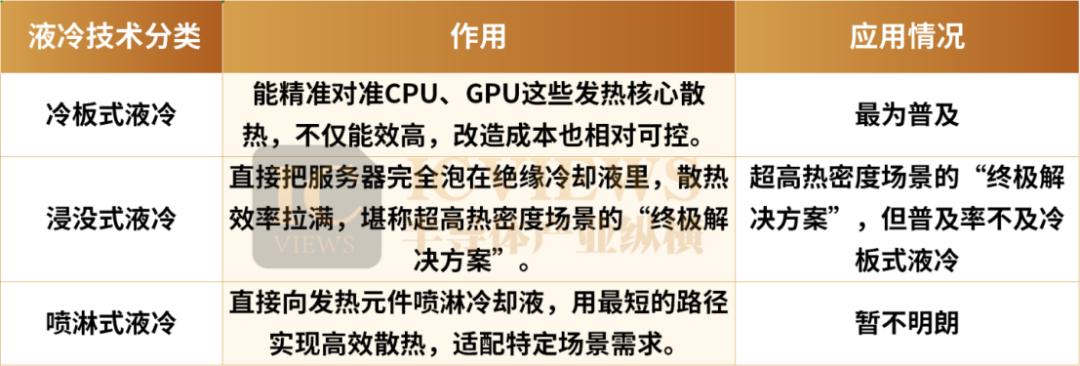
Core Insights - The current reality of AI chips in data centers reveals that significant investments may yield less than 60% of their theoretical value due to power consumption issues [1] - The expansion of computing power is outpacing electricity supply, reshaping the development logic of the data center industry [1] Group 1: Power Consumption Challenges - The disconnection between AI chip technology and actual data center usage is a core issue leading to high power consumption [2] - Many AI chips focus on peak computing power rather than balancing efficiency and power usage, resulting in wasted energy [2] - The rapid increase in computing demand, with a growth rate of 74.1% in 2024, exacerbates the power consumption problem, turning data centers into "power black holes" [3] Group 2: Cooling Technology Innovations - Data centers rely heavily on cooling systems, which account for over 38% of total power consumption, with some cases exceeding 50% [4] - Liquid cooling technology is emerging as a key solution, with three main types: cold plate liquid cooling, immersion cooling, and spray cooling [5][6] - Despite being the most efficient, liquid cooling technology has a low adoption rate of about 10% in the industry [7] Group 3: Market Dynamics and Competitive Landscape - Companies like NVIDIA and AMD are developing customized liquid cooling solutions to enhance cooling efficiency and adapt to high-density computing environments [8] - In China, Shuguang Shuchuang leads the liquid cooling infrastructure market with a 56% share, providing solutions to major internet firms [9] - The overall manufacturing advantage of China is becoming evident in the transformation of data centers, with the manufacturing sector's value surpassing that of the US [10][11][12] Group 4: Future Directions - The future of data centers will prioritize intelligent design over sheer size, focusing on efficient power usage and effective cooling solutions [13]


特斯拉将重启Dojo并推动FSD付费升级,关注液冷及智驾产业链公司
Orient Securities· 2026-01-25 02:41
Investment Rating - The report maintains a neutral investment rating for the automotive and parts industry [5] Core Insights - Tesla is actively promoting the FSD subscription upgrade, which is expected to drive domestic automakers towards a software payment model. The launch of the Robotaxi service without a safety driver in Austin is anticipated to enhance FSD penetration rates, making software payments a significant revenue contributor for Tesla [8][12] - The restart of Tesla's Dojo project is expected to create new opportunities for domestic liquid cooling companies, supported by a $16.5 billion agreement with Samsung for AI6 chip production [13] - Continuous attention is recommended for companies in the autonomous driving and robotics supply chains, as partnerships and collaborations in these sectors are expected to boost demand for key components [14][15] Summary by Sections Investment Suggestions and Targets - The report suggests focusing on the liquid cooling supply chain, humanoid robotics chain, T chain, and autonomous driving companies, as they are expected to benefit from ongoing catalysts [15] - Key liquid cooling stocks include Invec (未评级), Silver Wheel (买入), Top Group (买入), Feilong (未评级), and Chuanhuan Technology (未评级) [16] - Key robotics stocks include New Spring (买入), Top Group (买入), Silver Wheel (买入), Daimai (买入), and Sanhua Intelligent Control (买入) [16] - Key autonomous driving stocks include Jingwei Hengrun-W (买入), Bertley (买入), and Desay SV (买入) [16] Sales Tracking - The report indicates that the wholesale sales of passenger cars in China for the week of January 12-18 were 359,000 units, a year-on-year decrease of 28% [17] - The retail sales for the same period were 351,000 units, down 22% year-on-year [17] Market Trends - The automotive sector showed overall strength, with the automotive index rising by 2.2%, outperforming the Shanghai and Shenzhen 300 index [28] - The commercial vehicle sector saw a significant increase of 7.38%, while the passenger vehicle sector experienced a slight decline of 0.67% [28]

知名基金经理调仓路线图揭晓 科技成布局焦点
Zheng Quan Ri Bao· 2026-01-23 16:10
Group 1 - The core focus of several prominent fund managers, including Xie Zhiyu and Fu Pengbo, has shifted towards the technology sector, with increased allocations in semiconductor and AI-related companies [1][2] - Xie Zhiyu's fund, Xingquan Helun Mixed Fund, significantly increased its holdings in technology stocks, particularly in the semiconductor industry, with companies like Zhongji Xuchuang and Ningde Times among the top ten holdings [1] - Fu Pengbo's Ruiyuan Growth Value Mixed Fund raised its stock position and concentrated its top ten holdings, increasing the proportion of assets from 66.04% at the end of Q3 2025 to 70.38% at the end of Q4 2025 [2] Group 2 - The Ruiyuan Growth Value Mixed Fund has prepared for 2026 by reducing positions in companies with weak fundamentals and increasing investments in data center cooling and computing power-related firms [2] - The top ten holdings of the E Fund Blue Chip Selected Mixed Fund remained consistent with Q3 2025, with notable adjustments in share quantities, including increased holdings in Alibaba and reduced positions in JD Health and Focus Media [2] - Morgan Stanley's Digital Economy Mixed Fund, managed by Lei Zhiyong, focused on the digital economy sector, particularly the AI computing power industry, with new additions to its top ten holdings including Xunwei Communication and Dongshan Precision [3] Group 3 - Lei Zhiyong expressed optimism about the ongoing A-share bull market, citing sustained investor confidence and a favorable market environment [3] - The fund manager highlighted continued interest in AI, military industry, nuclear power, wind power, and energy storage sectors, as well as traditional industry leaders leveraging AI for transformation [3]


中航机遇领航混合发起A:2025年第四季度利润2.79亿元 净值增长率18.38%
Sou Hu Cai Jing· 2026-01-23 15:37
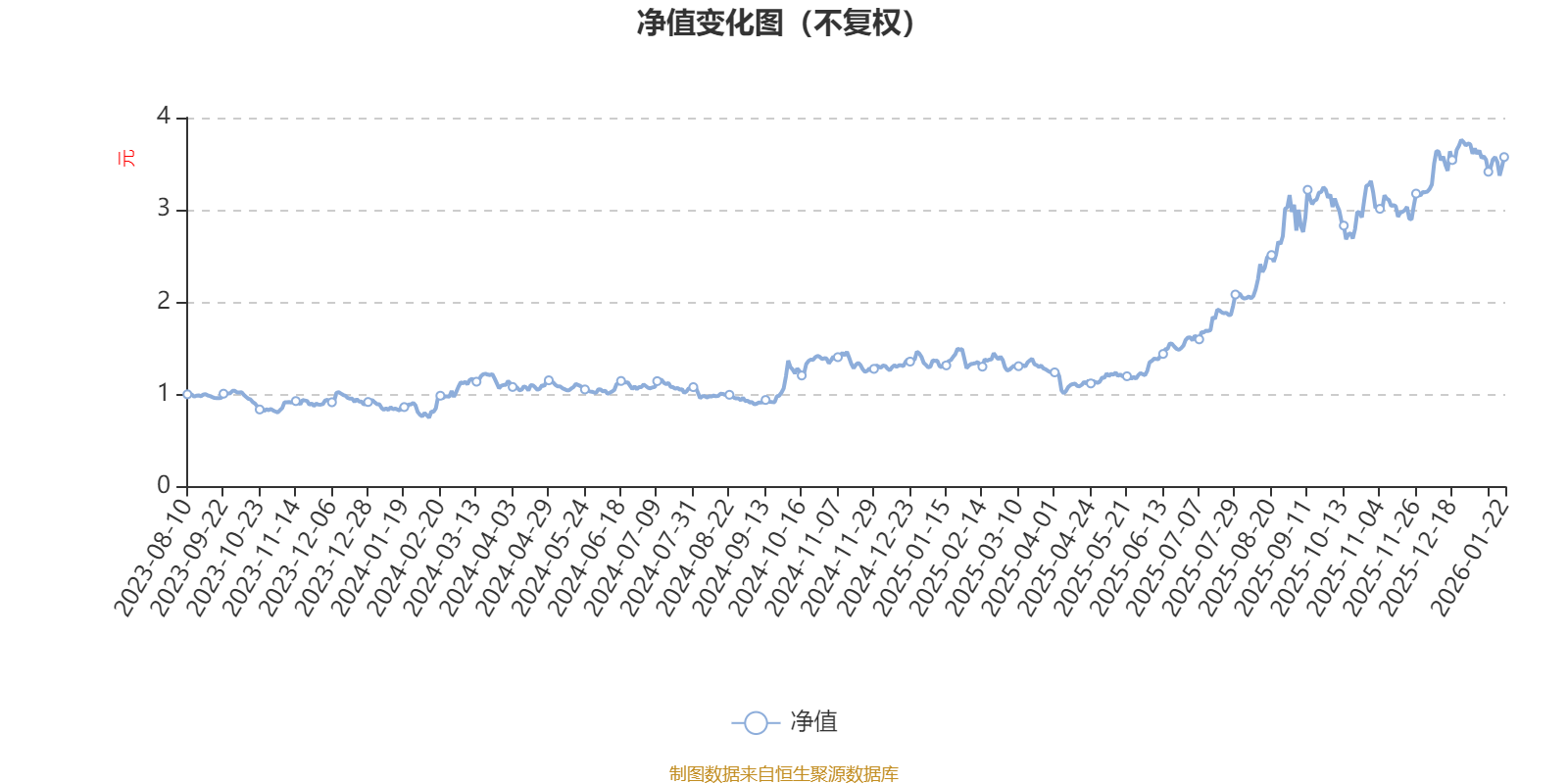
AI基金中航机遇领航混合发起A(018956)披露2025年四季报,第四季度基金利润2.79亿元,加权平均基金份额本期利润0.5246元。报告期内,基金净值增 长率为18.38%,截至四季度末,基金规模为24.75亿元。 该基金属于偏股混合型基金,长期投资于TMT股票。截至1月22日,单位净值为3.572元。基金经理是韩浩,目前管理的4只基金近一年均为正收益。其中, 截至1月22日,中航机遇领航混合发起A近一年复权单位净值增长率最高,达138.92%;中航军民融合精选A最低,为26.61%。 基金管理人在四季报中表示,报告期内 A 股市场整体震荡上行,本基金通过对 AI 算力产业链的跟踪研究发现,2026 年算力景气度继续向上,且对于后续 订单预期的确定性越发加强。所以本基金四季度配置上依然对业绩确定性很高的 AI 基础设施方向进行了重点布局。海外 AI 算力机柜进入产品迭代周期, NPO、CPO 在 scale-up 场景,能解决带宽密度+突破规模限制,对 AI 系统性能提升起到关键作用,推动光连接占 AI 集群的价值量比例提升,光通信上游多 数物料(CW 激光器、无源器件等)的产能在 26H2 有望加速释 ...
AI光提速-重视硅光链和谷歌链
2026-01-23 15:35
Summary of Conference Call Notes Industry Overview - The conference call focuses on the silicon photonics industry, particularly the demand for 800G and 1.6T optical modules, which is experiencing a surge due to a shortage of upstream EML chips and an increase in silicon photonics module penetration rates [1][2]. Key Points and Arguments - **Silicon Photonics Technology**: By 2024, silicon photonics technology is expected to become the mainstream solution for high-speed optical modules. The penetration rate of silicon photonics modules is projected to significantly increase by 2025, with a transition to the 1.6T high-speed era anticipated by 2026. Current demand for 800G and 1.6T optical modules is strong, leading to a 20% shortage of upstream EML chips, while silicon chips and CW chips remain relatively abundant [2]. - **Investment Opportunities in Silicon Photonics**: The silicon photonics industry can be divided into two main areas: silicon photonic devices, modules, and engines, and supporting process equipment and software manufacturers. Leading companies such as Zhongji Xuchuang and Xinyi Sheng are well-positioned to benefit from the upcoming industry evolution. Additionally, companies like Robert Technologies and JEPET are highlighted for their coupling and testing equipment, respectively. Other suppliers of CW lasers and passive devices, such as Yuanjie Technology, Shijia Technology, and Zhishang Technology, are also worth monitoring [3]. - **TSMC's Performance and Impact**: TSMC reported a revenue of $33.7 billion for Q4 2025, exceeding expectations and showing a year-over-year growth of 1.9%. The gross margin increased by 2.8 percentage points to 62.3%. TSMC plans to significantly increase its capital expenditure budget for 2026 to between $52 billion and $56 billion, up from $40.9 billion in 2025. This indicates strong global demand for AI chips, which supports the demand for 800G and 1.6T high-speed modules and benefits related industries such as liquid cooling [4][5]. - **NVIDIA's CES Announcements**: At CES, NVIDIA introduced the VeloRoulette cabinet and CPO switch, featuring an Ethernet CPU switch with a dual ASIC design that supports 128 800G ports, providing a total bandwidth of 102.4T. This development indicates active progress in CPO solutions and is beneficial for the entire silicon photonics industry, accelerating the growth of CPO modules and liquid cooling demand [6]. - **Google Chain Development**: The Google chain encompasses five key areas: 1.6T optical modules represented by Zhongji Xuchuang, Xinyi Sheng, and Yuanjie Technology; the liquid cooling market led by Invec; server power upgrades benefiting Oulu Tong; OCS participation from companies like Tengjing Technology and Jujing Technology; and the MPO connector market led by Changfei Fiber amid rising prices. The Google ecosystem is entering a positive cycle, continuously driving AI computing demand, with all parties ensuring TPU capacity to meet the growing market needs [7]. Additional Important Insights - The overall trend indicates a robust growth trajectory for the silicon photonics industry, driven by advancements in technology and increasing demand for high-speed data transmission solutions. The interplay between major players like TSMC, NVIDIA, and Google is crucial for shaping the future landscape of this sector [1][6][7].


