
华为

Search documents
交完保护费了吧?
Datayes· 2026-01-19 11:54
Core Viewpoint - The article highlights the current economic challenges in China, including declining birth rates, falling housing prices, and sluggish consumer spending, while also noting some positive signals in specific sectors like automotive and home appliances [1][5][6]. Population and Demographics - In 2025, the birth population is projected to be 7.92 million, lower than expected, with a birth rate of 5.63‰, the lowest since the founding of the country; the natural population growth rate is -2.41‰, marking four consecutive years of negative growth [1]. Real Estate Market - Housing prices continue to decline, with the year-on-year drop in December 2025 for 70 large and medium-sized cities expanding, particularly in first-tier cities; while the month-on-month decline in first-tier cities has narrowed, second and third-tier cities continue to see an expanding decline [5]. Consumer Spending - Retail sales growth slowed to 0.9% year-on-year in December, the lowest since 2023; however, there are structural positive signals, with improvements in consumption related to trade-in programs for automobiles and home appliances, reducing the drag on retail sales [5][28]. Industrial Production and GDP - Industrial production remains stable, with strong exports supporting a projected GDP growth of 4.5% in the fourth quarter, although this is the lowest in over three years; quarter-on-quarter GDP growth for the fourth quarter is 1.2% [6]. Economic Outlook - Looking ahead to 2026, there are indications that the economic "opening red" signs are not yet apparent, necessitating policy support; the deputy governor mentioned potential room for lowering the reserve requirement ratio, with expectations for a dual reduction in the first quarter [11]. Market Performance - On January 19, the A-share market showed mixed performance, with the Shanghai Composite Index up 0.29% and the ChiNext Index down 0.70%; total trading volume across three markets was 27,324.58 billion, a decrease of 3,242.97 billion from the previous day [19]. Sector Highlights - The electric grid sector showed significant strength, with the export value of transformers expected to reach 64.6 billion yuan (approximately 9.3 billion USD) in 2025, a nearly 36% increase from the previous year; the energy consulting firm Wood Mackenzie estimates a 30% supply gap for transformers in the U.S. [16][20]. - The aerospace sector is also showing signs of recovery, with various developments and events boosting market sentiment [20]. Investment Trends - The article notes that the electric equipment sector saw the largest net inflow of funds, with major companies like TBEA and China XD Electric leading the way; in contrast, sectors like computing and pharmaceuticals experienced significant net outflows [30].

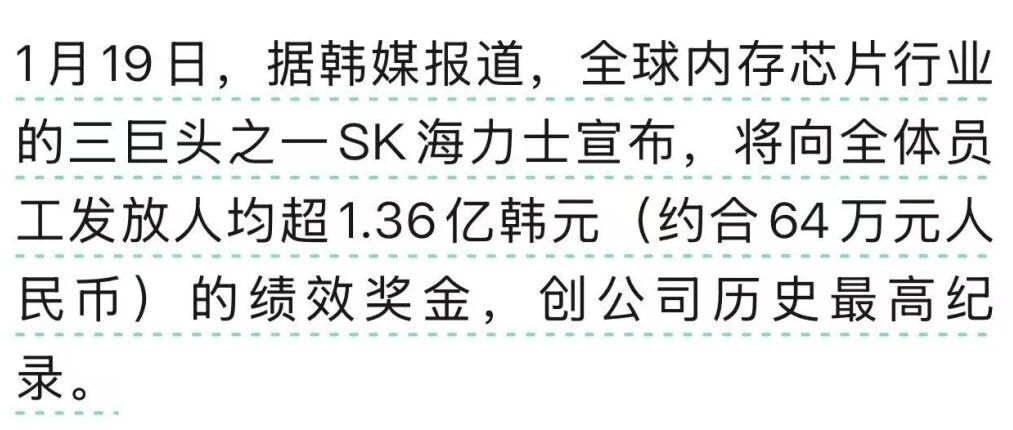
中国手机市场,活活打成一场“消耗战”
3 6 Ke· 2026-01-19 11:20
Core Insights - The Chinese smartphone market experienced a slight decline in 2025, with total shipments around 285 million units, a year-on-year decrease of 0.6% compared to a 5.6% growth in 2024 [1] - Key trends include a solidified high-end market, intense competition in the mid-range segment, and the entry of external players, prompting traditional manufacturers to innovate and expand their business boundaries [1] Market Dynamics - Huawei regained the top position in the Chinese smartphone market in 2025, with a shipment of 46.7 million units, a 1.9% decrease from 2024 [6][5] - Apple followed closely with 46.2 million units shipped, marking a 4% increase year-on-year, and capturing a market share of 16.2% [6][5] - The top five manufacturers—Huawei, Apple, vivo, Xiaomi, and OPPO—showed minimal differences in market share, all exceeding 15%, with only a 330,000 unit gap between the first and fifth [4][3] Competitive Landscape - The competition among the top five manufacturers has intensified, with no significant gaps in market share, indicating a shift towards a more competitive environment [2][4] - Xiaomi is focusing on high-end markets and aims to increase its average selling price (ASP) while exploring new growth avenues through its automotive business [8][22] - OPPO and vivo are facing challenges in their traditional offline channels due to the rise of e-commerce and aggressive competition from peers [9] Market Segmentation - The mid-range market (2000-4000 yuan) is characterized by fierce competition, with brands pushing flagship technologies into this segment, leading to a homogenization of products [11] - The high-end market remains stable, with no significant shifts in market dynamics, as brands struggle to introduce disruptive technologies that could challenge established players like Apple and Huawei [12] Technological Evolution - The smartphone industry is transitioning into an era of "joint definition," where both hardware and AI capabilities are being integrated to enhance user experience [15][21] - Two main technological paths are emerging: one led by internet companies focusing on AI-driven hardware, and another by traditional manufacturers integrating AI into their existing hardware [17][20] Industry Expansion - Traditional smartphone manufacturers are diversifying their business models, exploring new growth avenues such as electric vehicles and AI products [22] - New entrants, particularly from the internet and AI sectors, are reshaping the competitive landscape, with companies like ByteDance seeking partnerships to leverage their AI capabilities in the smartphone market [25][26]


鸿蒙智行回应“重庆一台尊界S800起火”
Zheng Quan Shi Bao· 2026-01-19 11:17
Core Insights - The incident involving the Hongmeng Zhixing vehicle was caused by a lighter being compressed under the rear seat, not due to vehicle malfunction [1] - The company is collaborating with customers to address the aftermath of the incident [1] Company Overview - Huawei has established a brand matrix in the smart automotive sector under the "Jie" series, which includes five brands: Wenjie, Zhijie, Xiangjie, Zunjie, and Shangjie, developed in partnership with various automakers [1] - The brands cover a wide range of market segments, with vehicles priced from hundreds of thousands to over a million yuan, including SUVs, sedans, station wagons, and MPVs [1] Industry Position - The Hongmeng Zhixing has completed the foundational layout and initial exploration phase of its automotive business [1] - Major state-owned automakers and companies like BYD are adopting Huawei's Qiankun smart automotive solutions, indicating a growing acceptance of the Hongmeng ecosystem [1] - Industry analysts believe that Hongmeng Zhixing is poised for a phase of scale expansion in the future [1]
广汽冯兴亚:冲刺今年产销同比转正,与华为合作品牌6月上市
2 1 Shi Ji Jing Ji Bao Dao· 2026-01-19 11:09
Group 1 - The Guangzhou government aims to expand the application scenarios for intelligent connected vehicles by 2026, exploring unmanned demonstration operations and accelerating the integration of autonomous driving and domestic production of key components [1] - GAC Group's chairman, Feng Xingya, stated that the company aims to achieve positive year-on-year growth in production and sales indicators to support Guangzhou's GDP growth target of 5% by 2026 [1] - The automotive industry in Guangzhou has ranked first in national production for six times over the past decade and is currently undergoing a critical transition towards intelligent, connected, and new energy vehicles [1] Group 2 - Feng Xingya proposed several suggestions for industry collaboration and upgrades, including accelerating the testing and commercialization of L3-level autonomous vehicles in Guangzhou and addressing the uneven development of the Robotaxi sector [2] - GAC Group's vehicle sales exceeded 537,800 units in Q4 2025, representing a 25.56% increase from Q3, marking three consecutive quarters of positive growth [2] - By 2026, GAC plans to achieve mass production of L3-level autonomous driving technology and initiate large-scale demonstration applications for L4-level technology, while also advancing solid-state battery production [2]

鸿蒙智行回应“重庆一台尊界S800起火”
证券时报· 2026-01-19 10:50
Core Viewpoint - The incident involving the Hongmeng Zhixing vehicle was determined to be caused by a lighter being compressed under the rear seat, not due to vehicle malfunction, indicating a focus on safety and customer support in the automotive sector [1]. Group 1: Incident Details - On January 14, a Hongmeng Zhixing vehicle experienced smoke and flames from the rear armrest, which was quickly extinguished by on-site personnel [1]. - The local fire department confirmed that the cause was a lighter under the rear seat, emphasizing that it was not a vehicle-related issue [1]. Group 2: Company Overview - Huawei has established a brand matrix in the smart automotive sector, including five brands under the "Jie" series, collaborating with various automakers such as Seres, Chery, BAIC, Jianghuai, and SAIC [1]. - The brands cover a wide range of market segments, with models priced from tens of thousands to over a million yuan, including SUVs, sedans, station wagons, and MPVs [1]. Group 3: Future Prospects - The automotive business structure of Hongmeng Zhixing has completed its foundational layout and initial exploration phase, with expectations for future scale expansion [1]. - Major state-owned automakers and BYD are increasingly adopting Huawei's intelligent automotive solutions, indicating a growing ecosystem around the Hongmeng platform [1].

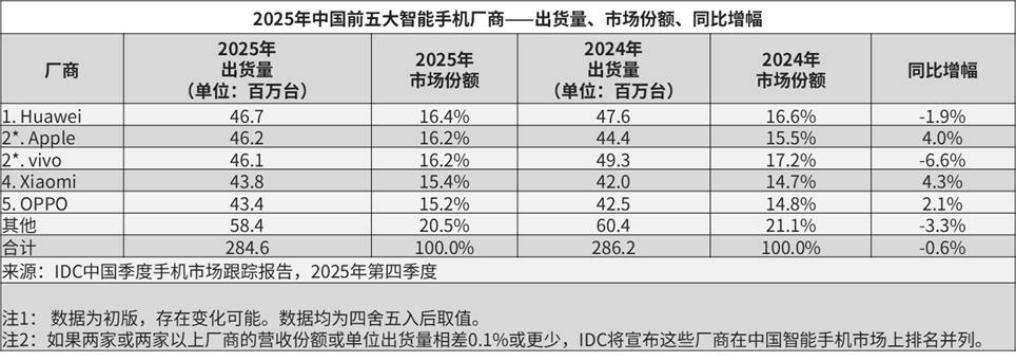
赵长江加入智界的“第一仗”:能否讲好MPV故事,推爆智界V9?
3 6 Ke· 2026-01-19 10:45
Core Viewpoint - Zhao Changjiang, former general manager of BYD's Tengshi brand, has joined Zhijie Automotive as executive director and executive vice president, which is expected to enhance Zhijie's competitiveness in the high-end MPV market with the upcoming launch of the Zhijie V9 [1][2][4][24]. Group 1: Zhao Changjiang's Career and Transition - Zhao Changjiang left BYD in October 2022 after a successful tenure, particularly noted for driving the sales of the Tengshi D9 [1][2][10]. - He officially announced his move to Zhijie Automotive on January 13, 2023, after hinting at his new role through social media [2][12]. - Zhao's experience in the MPV sector is seen as a significant asset for Zhijie, which is preparing to launch its first high-end MPV, the Zhijie V9 [4][24]. Group 2: Zhijie Automotive's Strategic Positioning - Zhijie plans to launch the Zhijie V9, targeting the 500,000 RMB mid-to-large luxury market, competing directly with the Tengshi D9 [4][22]. - The brand is undergoing a strategic upgrade, having initiated a "Brand 2.0" strategy in August 2022, with a focus on enhancing brand recognition and sales capabilities [4][29]. - The upcoming Zhijie V9 is expected to play a crucial role in stabilizing the brand's market position and proving the effectiveness of its strategic upgrades [4][25]. Group 3: Market Context and Product Development - The MPV market is experiencing growth, with a significant increase in the penetration rate of new energy vehicles, projected to rise from 9% in 2022 to 49% by 2025 [21][22]. - The Zhijie V9 is set to feature advanced technology, including Huawei's intelligent range extender system and a comprehensive safety suite, which positions it competitively in the high-end segment [22][24]. - The internal expectations for the Zhijie V9 are high, with both Zhao and Huawei's Yu Chengdong expressing confidence in its potential to dominate the market [24].

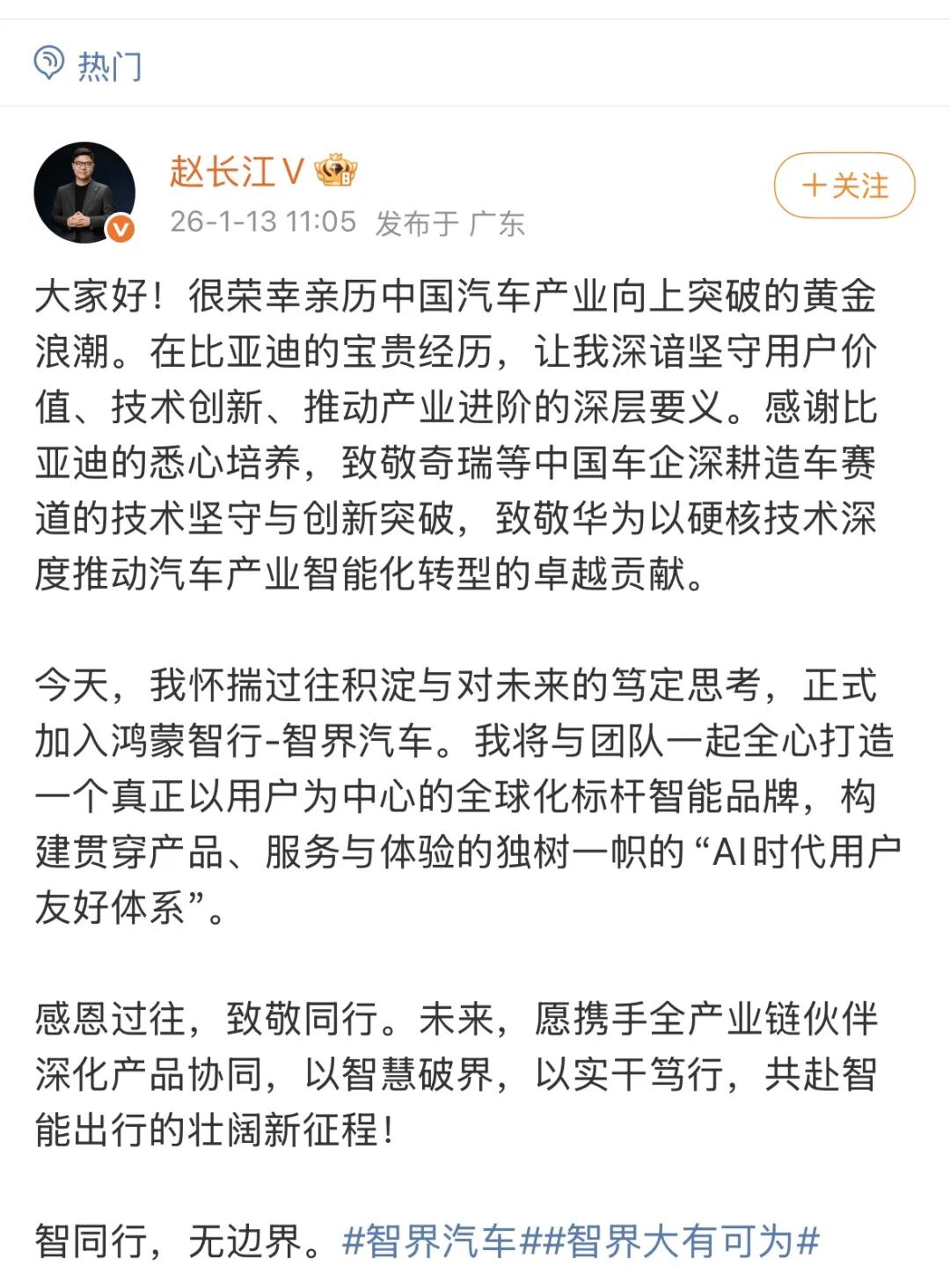
分屏交互,决策更高效!蜻蜓点金深度适配鸿蒙折叠电脑,移动端体验焕新,专业投资如影随行
Sou Hu Cai Jing· 2026-01-19 10:37
Core Insights - The article highlights the integration of the "Dragonfly Point Gold" investment app with Huawei's Harmony OS, specifically on the MateBook Fold, enhancing the investment experience for users [1][3]. Group 1: Product Features - The "Dragonfly Point Gold" app has been optimized for the MateBook Fold, allowing users to access real-time market data and make investment decisions more conveniently [1][3]. - The app now supports various Harmony OS features, including voice interaction and real-time information windows, providing a comprehensive investment experience for users [1][3]. Group 2: User Experience Enhancements - The PC version of the app offers split-screen functionality, enabling users to view market trends on one screen while executing trades on another, significantly improving decision-making efficiency [3][5]. - The mobile version incorporates intelligent services, such as voice commands for account opening and business processing, enhancing user convenience [3][5]. - Security measures include the use of advanced encryption algorithms to protect user data and transaction information, ensuring a secure investment environment [5]. Group 3: Market Positioning - The integration of the app with Harmony OS signifies a shift from functional services to scenario-based services, setting a new benchmark for ecosystem integration in the financial services industry [5].

AI驱动增长叙事持续强化半导体需求!科创半导体设备ETF(588710)早盘显著放量,近2个交易日合计吸金2.48亿
Xin Lang Cai Jing· 2026-01-19 10:27
Core Viewpoint - The semiconductor sector is experiencing heightened trading activity driven by AI-related growth narratives, with significant capital inflow into the semiconductor equipment ETF (588710) and strong demand for semiconductor materials and equipment [1][5][6]. Group 1: Trading Activity - The semiconductor equipment ETF (588710) saw a rapid increase in trading volume, surpassing 2 billion yuan within 30 minutes of opening on January 19, 2026, and reaching 4.06 billion yuan by 11:30 AM [1][5]. - From January 15 to 16, 2026, the ETF recorded daily trading volumes exceeding 4.2 billion yuan, attracting a total of 2.48 billion yuan in capital [6][7]. Group 2: Capital Expenditure and Demand Drivers - TSMC, a leading global foundry, announced a capital expenditure (capex) forecast of up to 56 billion USD for 2026, a 37% increase from the 40.9 billion USD spent in 2025, marking a historical high for the company [2][7]. - The domestic semiconductor industry is witnessing a price surge in advanced packaging and testing equipment, driven by high demand from major DRAM and NAND Flash manufacturers, with price increases of approximately 30% expected [2][8]. Group 3: ETF Composition and Management - The semiconductor equipment ETF (588710) closely tracks the Shanghai Stock Exchange's semiconductor materials and equipment index, with semiconductor equipment and materials comprising 84.8% of its holdings [3][8]. - The ETF is managed by Huatai-PB Fund, one of the first ETF managers in China, which also manages the largest ETF in the A-share market, the Huatai-PB CSI 300 ETF [3][8].

电子行业周报:台积电25Q4单季度业绩创历史新高
Shanghai Aijian Securities· 2026-01-19 10:20
Investment Rating - The electronic industry is rated as "Outperform" compared to the market [1] Core Insights - The SW electronic industry index increased by 3.77%, ranking 2nd out of 31, while the CSI 300 index decreased by 0.57% [2][5] - TSMC reported a record high quarterly revenue of $33.73 billion for Q4 2025, benefiting from strong demand for AI chips, with a year-on-year growth of 25.5% [22][29] - The approval of NVIDIA's H200 chip export to China is expected to alleviate the high-end computing power supply gap in key sectors such as research and medical imaging [31][33] Market Performance - The top-performing sectors in the SW electronic industry include integrated circuit packaging and testing (+14.47%), semiconductor equipment (+9.31%), and integrated circuit manufacturing (+8.68%) [9] - The best-performing stocks in the electronic sector this week were Zhenlei Technology (+48.18%), Kema Technology (+42.68%), and Kecuan Technology (+41.14%) [12] TSMC Financial Performance - TSMC's Q4 2025 net profit was approximately NT$505.74 billion, with a gross margin of 62.3% and a net profit margin of 48.3% [22][23] - The revenue structure shows that high-performance computing (HPC) and smartphones contribute 55% and 32% of TSMC's total revenue, respectively [27] Future Outlook - TSMC's management expects Q1 2026 revenue to be between $34.6 billion and $35.8 billion, with gross margins projected to remain between 63% and 65% [29] - The introduction of the H200 chip is anticipated to support the acceleration of AI technology commercialization in China [33]

谁是“中国汽车第一城”?
Jing Ji Guan Cha Bao· 2026-01-19 10:19
Group 1: Automotive Industry Landscape in China - The competition for the title of "China's Automotive Capital" has evolved from mere production volume to a comprehensive contest of development models and industrial ecosystems by 2025 [1][2] - Chongqing has secured the title of "China's Automotive Capital" for 2025 with an annual production of approximately 2.788 million vehicles, marking a 9.7% increase, and a significant growth in new energy vehicle (NEV) production [2][3] - The Chengdu region, while not leading in production, has achieved rapid growth through collaborations with major companies like FAW and Volkswagen, indicating a strategic shift towards leveraging existing industrial bases [2][4] Group 2: Regional Developments in the Automotive Sector - The Yangtze River Delta, particularly Hefei, has emerged as a strong player in the NEV sector, achieving the highest NEV production in the country by November 2025, with a total of 1.246 million units produced [7][8] - Hefei's growth is attributed to its "investment-driven" model, which has attracted significant projects from major automotive players, enhancing its position in the NEV market [8][9] - The Greater Bay Area, particularly Guangzhou and Shenzhen, has seen a shift in automotive production dynamics, with Shenzhen overtaking Guangzhou in 2024, while Guangzhou faces challenges in transitioning from traditional fuel vehicles to electric and smart vehicles [11][12] Group 3: Strategic Collaborations and Innovations - The collaboration between local companies like Seres and tech giants such as Huawei has been pivotal for Chongqing's automotive growth, leading to significant sales and product price increases [3][4] - Chengdu's strategy of forming partnerships with established brands like Volkswagen to create new local brands, such as the New Jetta, reflects a pragmatic approach to industrial development [4][5] - The Long Triangle region has initiated a collaborative framework to enhance the global competitiveness of its NEV sector, indicating a shift towards cooperative strategies among cities [10] Group 4: Challenges and Future Outlook - The automotive industry in China faces challenges such as the sustainability of Seres' high-end market position and the successful transition of the New Jetta brand to electric vehicles [6] - The competitive landscape is evolving, with cities needing to adapt to the changing dynamics of the automotive market, including the need for innovation and collaboration to maintain relevance [9][14] - Guangzhou's automotive sector is under pressure to balance the transition from traditional vehicles to new energy models while addressing the mismatch in its supply chain [12][14]
