
认养一头牛

Search documents
品牌扎堆大米冰淇淋,能否成为2026年爆款?
东京烘焙职业人· 2026-01-02 08:32
Core Viewpoint - The rise of rice ice cream signifies a transformation in the industry, driven by health trends and innovative product forms, indicating a dual explosion in the "rice beverage" and "Chinese-style ice cream" markets [5][8][31]. Group 1: Popularity and Market Dynamics - A rice ice cream product has gained immense popularity, with related views on Douyin nearing 1 billion, making it a "phenomenal product" of the summer [6][10]. - The product combines "rice fragrance + milk fragrance" and utilizes "local ingredients + handmade craftsmanship + scenario marketing" to break traditional ice cream boundaries [7][11]. - The success of rice ice cream is attributed to the brand "Yeren Xiansheng," which rapidly expanded and introduced multiple rice ice cream variants, propelling it from a niche to a mainstream product [14][20]. Group 2: Brand Competition and Innovations - Major brands like DQ and "Renyang Yitou Niu" have quickly followed suit, launching their own rice ice cream products, indicating a competitive landscape [21][22][23]. - DQ's "Wuchang Rice Mochi Blizzard" and "Renyang Yitou Niu's" rice milk ice cream are examples of innovative products targeting health-conscious consumers [22][23]. - The market is expected to intensify by 2026, with traditional brands leveraging their distribution channels and cost advantages to compete [29]. Group 3: Consumer Trends and Supply Chain - The rise of rice ice cream aligns with health and new Chinese consumption trends, addressing consumer concerns about high sugar and fat content [31][33]. - The stable supply chain for rice, with a national production of 20,904.1 million tons in 2025, supports the scalability of rice ice cream products [38]. - The versatility of rice allows for various flavor innovations and product forms, enabling brands to reach multiple sales channels [39]. Group 4: Future Outlook and Challenges - The potential for rice ice cream to become a top-tier product by 2026 is significant, driven by health consciousness and the new Chinese-style trend [63][64]. - However, challenges remain, including the need for genuine innovation beyond simple combinations of rice and dairy, and maintaining quality and authenticity in sourcing [40][67]. - The competition in the rice ice cream market will likely become more intense, focusing on how to rediscover local ingredients and narrate traditional flavors in contemporary ways [68].

钟薛高“种树”,认养一头牛“乘凉”
3 6 Ke· 2025-12-30 02:50
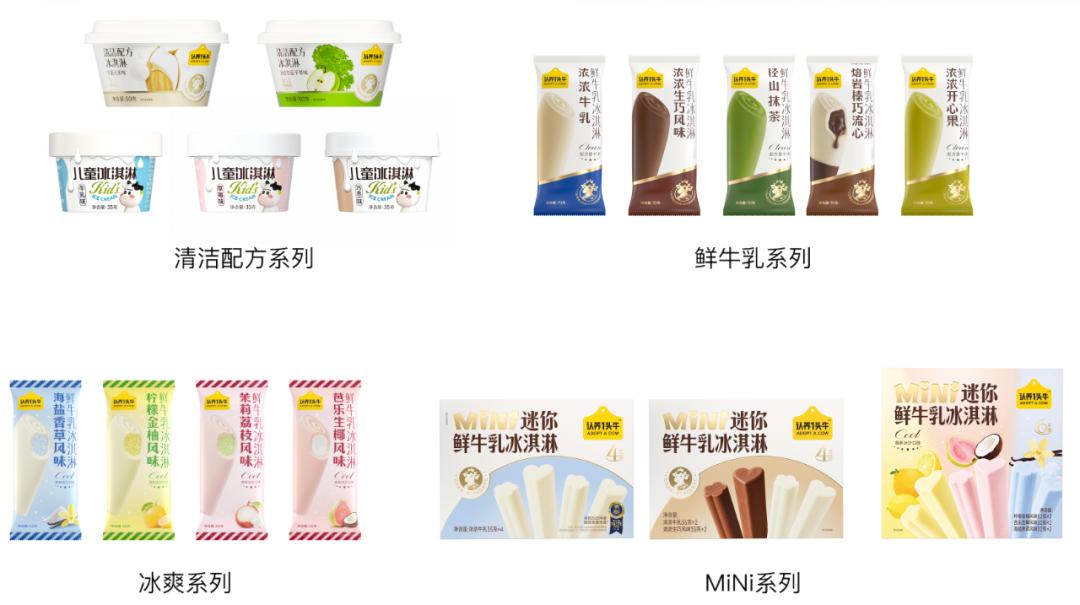
Core Insights - The article discusses the recent developments in the ice cream market in China, particularly focusing on the brand "Raising a Cow" and its product innovations, as well as the challenges faced by the brand "Chongxuegao" [1][3][24] Product Innovations - "Raising a Cow" launched a new series of ice creams in December 2026, including clean formula series, fresh milk series, refreshing series, and mini sharing packs [1] - The brand introduced a "children's ice cream" series in March 2024, which has seen significant sales, surpassing 10 million cups since its launch [3] - Other products like the matcha fresh milk ice cream sold 140,000 units in its first week, and the lychee ice cream reached a sales volume of 1 million units within a month, aided by media exposure [3] Market Dynamics - Three years ago, "Chongxuegao" was a leading brand in the ice cream sector, known for its strong marketing and innovative products, which set a precedent for other brands [3][16] - The emergence of "Chongxuegao" has contributed to the mid-to-high-end positioning of domestic ice cream brands in China [8][16] Strategic Decisions - "Chongxuegao" faced challenges due to strategic missteps, including product and channel mismatches, which led to its decline [7][21] - The brand's marketing strategies and product innovations have significantly influenced the ice cream market, despite its current struggles [8][24] Competitive Landscape - "Raising a Cow" has learned from "Chongxuegao" by redefining ice cream products, focusing on children's ice cream and emphasizing quality ingredients and clean labels [18][20] - The pricing strategy of "Raising a Cow" is positioned between 5-10 yuan, avoiding the pitfalls of being a "price killer" in the market [21][23] Consumer Insights - "Raising a Cow" has engaged with over 10,000 users to gather insights on children's ice cream preferences, leading to the development of products that meet consumer demands for health and safety [20][21] - The brand's focus on quality and safety resonates with family-oriented consumers, similar to the target audience of "Chongxuegao" [20][21] Distribution Strategy - "Raising a Cow" has established a presence in both e-commerce and offline channels, including partnerships with platforms like Hema and Dingdong Maicai, while avoiding aggressive expansion [23] - The brand's sales performance has been strong, with significant growth in e-commerce, particularly during promotional events [23]
剥离、坚守、卷上游:新势力的“三盘棋”
Xin Lang Cai Jing· 2025-12-25 17:24
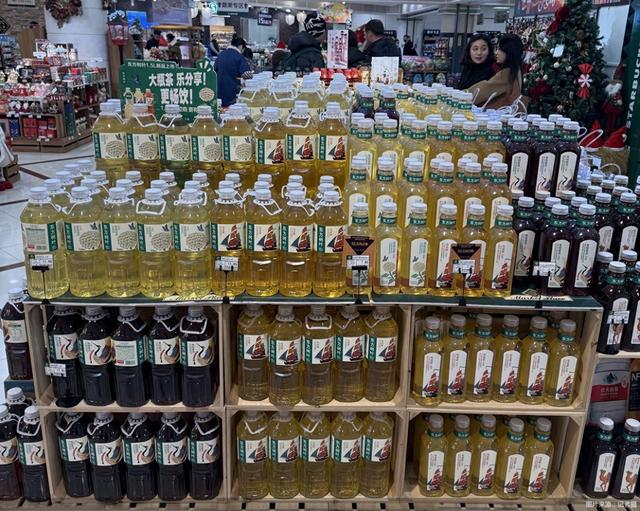
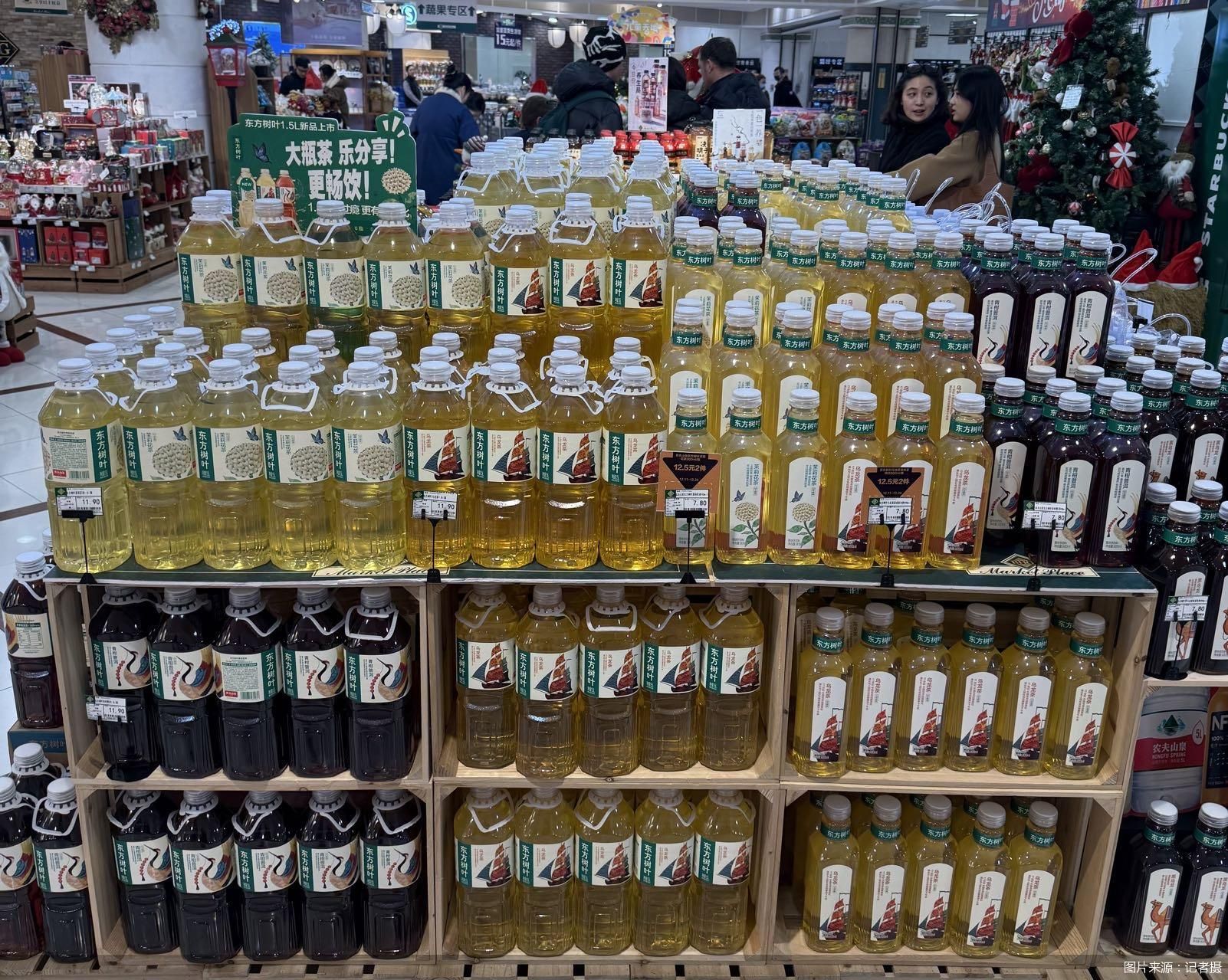
Core Insights - The Chinese food and beverage industry is undergoing significant transformation in 2025, with traditional companies facing challenges such as channel restructuring and product upgrades, while emerging brands leverage differentiated positioning and digital marketing to rise rapidly [1] Group 1: Yuanqi Forest - Yuanqi Forest has completed a strategic "slimming" by spinning off its dairy brand Beihai Pasture to focus on its core beverage categories, including sparkling water and herbal tea, thus avoiding competition in the low-temperature yogurt segment [3][4] - In 2025, Yuanqi Forest reported a 26% year-on-year increase in overall performance, maintaining double-digit growth for three consecutive years, significantly outperforming the industry average growth rate of 4.8% [4] - The company has invested heavily in production capabilities, establishing six major factories with a total investment of 7.25 billion yuan, achieving an annual production capacity of 6.5 billion bottles [5] Group 2: Guozi Shule - Guozi Shule has announced its commitment to the sugar-free tea segment, focusing resources on this area despite a slowdown in growth, with market share reaching third place in the domestic market [7][8] - The brand's strategy involves leveraging existing channels and brand strength to capture market share from underperforming competitors, as the sugar-free tea market enters a phase of consolidation [8][9] - Guozi Shule has diversified its product offerings, including electrolyte water, and has adopted a multi-brand strategy to adapt to market changes [8][9] Group 3: Rely on a Cow - Rely on a Cow is innovating in the dairy sector by launching differentiated products aimed at children and families, including A2 milk and flavored fermented milk, while maintaining a focus on quality through its proprietary breeding system [10][11] - The company has established a robust supply chain with over 100,000 dairy cows and a self-sufficiency rate of 95%, ensuring stable milk supply and quality [11] - The dairy industry is experiencing a slowdown in growth, with a 7.5% decline in liquid milk sales from January to May 2025, highlighting the need for continuous product innovation to meet evolving consumer demands [12]
乳饮2025 | 剥离、坚守、卷上游 新势力的“三盘棋”
Bei Jing Shang Bao· 2025-12-25 14:10
Core Insights - The Chinese food and beverage industry is undergoing significant transformation in 2025, with traditional companies facing challenges such as channel restructuring, product upgrades, and public opinion crises, while emerging brands are rapidly rising through differentiated positioning, digital marketing, and supply chain strategies [1] Group 1: Yuanqi Forest - Yuanqi Forest has completed a strategic "slimming" by spinning off its dairy brand Beihai Pasture to focus on its core beverage categories, including sparkling water, electrolyte water, health water, iced tea, and milk tea [2] - In 2025, Yuanqi Forest achieved a 26% year-on-year growth in overall performance, significantly outpacing the fast-moving consumer goods (FMCG) industry average growth rate of 4.8% [3] - The company has invested 7.25 billion yuan in building six major factories, achieving an annual production capacity of 6.5 billion bottles of beverages by the end of 2024 [3] Group 2: Guozi Shule - Guozi Shule has announced its commitment to focus on the no-sugar tea segment and electrolyte water, despite a slowdown in the growth of the no-sugar tea market [5] - The brand has achieved a market share of approximately 3rd place in the no-sugar tea segment in China as of the first half of the year [6] - Guozi Shule has launched a new electrolyte water product line, which has quickly gained market share, reaching about 1.25% in September [7] Group 3: Renyang Yitou Niu - Renyang Yitou Niu is leveraging product innovation and deep market penetration to create a multi-tiered product matrix targeting children, families, and young consumers [9] - The company has established ten modern dairy farms and has a self-sufficiency rate of over 95% for its milk supply, ensuring stable quality and availability [10] - The overall liquid milk sales in China have seen a decline of 7.5% year-on-year from January to May 2025, with a further drop to 9.6% in June, indicating a challenging market environment [10]
乳饮2025|剥离、坚守、卷上游,新势力的“三盘棋”
Bei Jing Shang Bao· 2025-12-25 13:37
Core Insights - The Chinese food and beverage industry is undergoing significant transformation in 2025, with traditional companies facing challenges such as channel restructuring, product upgrades, and public opinion crises, while emerging brands are rapidly rising through differentiated positioning and digital marketing [1] Group 1: Yuanqi Forest - Yuanqi Forest has completed a strategic "slimming" by spinning off its dairy brand Beihai Pasture to focus on its core beverage categories, including sparkling water, electrolyte water, health water, iced tea, and milk tea [3][4] - In 2025, Yuanqi Forest achieved a 26% year-on-year growth in overall performance, significantly exceeding the fast-moving consumer goods (FMCG) industry average growth rate of 4.8% [4] - The company has invested 7.25 billion yuan in building six large factories, achieving an annual production capacity of 6.5 billion bottles of beverages by the end of 2024 [6] Group 2: Guozi Shule - Guozi Shule has maintained "resilient growth" in the competitive no-sugar tea market and plans to focus on this segment while also promoting electrolyte water starting in 2026 [9][10] - The no-sugar tea market has shown a slowdown in growth, with sales growth rates declining compared to the previous year, indicating a shift towards a more mature market phase [9][10] - Guozi Shule has diversified its product offerings, including no-sugar tea, electrolyte drinks, and various other beverage categories, supported by its self-built factories [11] Group 3: Renyang Yitou Niu - Renyang Yitou Niu is leveraging product innovation and deep market penetration to build a multi-layered product matrix targeting children, families, and young consumers [13] - The company has launched differentiated products, including lychee-flavored fermented milk and A2-type children's milk, while maintaining a high self-sufficiency rate of 95% for its milk sources [14] - The dairy industry is experiencing a structural adjustment, with a decline in liquid milk sales, highlighting the need for continuous product innovation to meet evolving consumer demands [15]
KKR入主,大窑汽水创始人退出
Guo Ji Jin Rong Bao· 2025-12-23 12:20
吴京代言的"国产汽水黑马"大窑饮品,资本进程迎来关键落子。 近期,企查查信息显示,大窑嘉宾饮品股份有限公司(下称"大窑")完成重要高管人事变动——公司创始人王庆东正式卸任法定代表人、董事长等核心职 务。 权力交接 大窑饮品新任董事长、财务负责人及企业法人由具有国际私募背景的戴诚接任,其被视为国际投资机构KKR派驻大窑的关键人员,曾参与收购雷士照明 中国区业务项目,具备成熟的投后管理与企业整合经验。 | SVIP 实际控制人 | 壬 实际控制人图谱 > | | | © 企查查 | | --- | --- | --- | --- | --- | | 序号 | | 实际控制人 | 总持股比例 | 表决权比例 | | | 王庆东 壬 33 | | 68.1589% @ | 86.2193% @ | 为何卖身? KKR自2007年开始深度布局中国消费领域投资,覆盖企业包括蒙牛、认养一头牛、乖宝宠物(301498)及moody美瞳等,业内人士认为,KKR丰富的管理 运营经验,有助于大窑打破当下的发展瓶颈。 大窑的核心竞争力在于对餐饮渠道的布局,据管理层透露,公司85%以上销售额来自于此。相较于常规零售渠道,餐饮渠道的饮品 ...

一周新消费NO.340|美团外卖官宣周杰伦出任品牌代言人;彪马官宣单依纯为大中华区品牌代言人
新消费智库· 2025-12-21 13:03
New Consumption Highlights - Heytea launched a new product "Qilan Guava and Wax Apple" featuring a blend of red heart guava, black diamond wax apple, and fragrant Qilan oolong tea from Fujian, offering a rich flavor and smooth taste [3] - IKEA introduced a new children's furniture series called GREJSIMOJS, consisting of 33 products set to launch in February 2026, designed to inspire creativity and interaction among family members [5] - Jinzhai Foods released a new product line of tender bean curd in three flavors: fragrant sesame, cumin spicy, and mapo tofu, made from non-GMO soybeans with a low-sodium formula [5] - Sanquan Foods launched a low GI blueberry and mulberry glutinous rice ball, containing ≥ 30% fruit flesh and certified with a GI value of < 55, suitable for various meal scenarios [5] - Feihe Aibin introduced a new special formula powder using small molecule whey protein, targeting muscle loss issues in the elderly [5] - Luckin Coffee collaborated with Minions to launch a new "Banana Latte," priced at 35 yuan for a large cup, featuring Ecuadorian bananas and 100% Arabica coffee beans [7] - Ferrero launched a limited edition chocolate gift box at Sam's Club, containing six flavors and priced at 169.9 yuan for a 431.1g box [9] - Meituan announced Jay Chou as its brand ambassador, launching promotional activities to enhance user engagement [27] - PepsiCo introduced a new product, Pepsi Powder Cola, featuring a pink packaging and a rich, smooth taste [28] Industry Events - JD.com launched a nationwide restaurant self-pickup feature, allowing users to order online and pick up at stores [10] - Maui Jim introduced two new mask-style sunglasses, combining optical technology with modern sports aesthetics [13] - Oatly launched two new ready-to-drink iced coffees in the UK, priced at £2 per 235ml can [13] - Oriental Selection's new temperature-controlled warehouse in Zhengzhou can handle over 50,000 orders daily [13] - Hirono launched a new plush toy series called "Road Journal," inspired by a journey narrative [15] Investment Trends - Hongxin Bio completed a Series A financing round, attracting top venture capital firms, indicating strong market confidence in its mRNA technology [19] - Biologica, a women's supplement brand, raised $7 million in funding, focusing on hormone-age-based nutritional formulations [19] - Deep Robotics secured over 500 million yuan in Series C financing, highlighting its leadership in quadruped robotics [20] - Underneat, an Indian DTC shapewear brand, raised $6 million in Pre-A funding to expand operations [23] - Six Tub Pet Fresh Food completed a 20 million yuan angel round financing to enhance product development and brand channels [24]

“清洁标签”成为食品行业新卖点
Mei Ri Shang Bao· 2025-12-16 22:13
Core Insights - The introduction of clean label products in China is gaining traction, with a focus on transparency in ingredient lists and the absence of artificial additives [1][2][3] - The clean label concept, which emphasizes simple and recognizable ingredients, is becoming a significant selling point for food brands as consumer awareness increases [1][2] Group 1: Clean Label Product Launches - Hema has launched its first clean label egg tart, priced at 16.9 yuan for four, which has attracted over 50,000 orders and 7,000 repeat customers within a month [1] - Other brands, such as Walmart's private label "Woji Xian" and yogurt brand "Yuexiu Huishan," have also introduced clean label products certified by CTI Huace Testing [2] Group 2: Consumer Trends and Preferences - Consumers are increasingly prioritizing clean ingredient lists, with keywords like "clean label" gaining popularity on platforms like Xiaohongshu [2] - Brands are responding to this trend by highlighting clean ingredients and reducing additives in their marketing, even if they do not have certified clean label products [2] Group 3: Industry Standards and Certification - The clean label certification requires brands to undergo testing by recognized institutions such as CTI Huace Testing and the China Quality Certification Center [1] - The clean label market in China is still in the promotional phase, but it is expected to become a critical factor in consumer purchasing decisions in the future [3]

在千年商港泉州,回答一个时代命题:什么是中国式商业模式?
吴晓波频道· 2025-12-03 00:29
Core Insights - The essence of business is a game of survival, and the underlying logic for sustained corporate existence lies in the construction and reconstruction of Chinese-style business models [3][27]. Group 1: Characteristics of a Good Business Model - A good business model must have an unshakeable "core competitiveness," which many companies fail to identify even after years of operation [5][8]. - Successful business models should enable companies to become "unprecedented" in the market, altering consumer perceptions rather than just changing products [9][10]. - High profitability above industry averages is essential for a good business model, allowing for more resources for R&D and brand building [12][13]. - A good business model is often difficult to replicate completely, as seen in the case of brands like Heytea, which faced challenges due to easily imitable aspects of their initial model [14][15]. Group 2: Understanding the Chinese Market - The success of Chinese enterprises in the past relied heavily on "latecomer advantages," but this approach is no longer viable as many sectors have reached global leadership [17][18]. - There is a significant potential for domestic demand growth in China, with the population being four times that of the U.S. but with consumption only one-third of its scale, indicating a potential tripling of domestic demand in the next 10-15 years [19]. - Key characteristics of the Chinese market include a reliance on population dividends, emotional consumer behavior, profitability in lower-tier markets, and the importance of channel profit distribution for long-term marketing success [20][21][22]. Group 3: Marketing and Brand Loyalty - In the current landscape, price advantages rather than technological advantages form the basis of marketing competition, with a shift away from the "cheap and good" model [22]. - Brand loyalty in China is low, with rapid brand iteration and sensitivity to pricing affecting consumer loyalty, as demonstrated by cases like Huaxizi and Zhongxuegao [22].
东北黑土地+杭州数字经济:一个全国统一大市场的小样本
Guan Cha Zhe Wang· 2025-09-23 13:44
【文 观察者网 周远方】9月中旬,东北—华北的大片玉米陆续进入蜡熟期:乳白线在玉米籽粒1/2以 上,轻捏玉米粒和粉碎后的青贮料,手感湿润却挤不出水,正是做青贮的黄金窗口。 牧场信息工作人员从地头回来,实时监督着田间玉米的留茬高度、切割长度、籽粒破碎程度等关键数据 及时回传;4小时内,这些连棒带叶的整株玉米将被压进密封窖。 在1000公里外的东北黑土地,相似的场景同步发生,在去年收储60多万吨青贮的基础上,认养一头牛今 年的总收青贮量进一步增加十几万吨,其中东北占比超40%。 发酵2个月左右,就成为超10万头奶牛越冬的最佳营养口粮。 9 月 23 日,抢收依然紧锣密鼓地进行着,农民们迎来丰收节。《人民日报》评论,稳固大国粮仓、端 牢中国饭碗,必须靠技术吃饭。 政治局7月末会议再次强调的"纵深推进全国统一大市场",在这里有了具体的模样: 东北黑土地的蜡熟玉米、山东-河北的灌装工厂、杭州的算法、九大RDC物流仓、云上电商、全国零售 渠道的货架——被同一串数据串进一本账。 一、一杯黑土牛奶的"全国统一大市场"接力 一杯从黑龙江安达出发的 A2 β-酪蛋白有机纯牛奶,20 天左右就能抵达全国货架。 以安达有机牧场为 例 ...