洋河股份

Search documents
2025年第25周:酒行业周度市场观察
艾瑞咨询· 2025-06-23 08:54
Core Insights - The Chinese wine industry lacks strong brand recognition despite high production levels, necessitating a shift towards brand building and market integration [2] - The rise of live-streaming e-commerce is reshaping the alcohol sales landscape, with a focus on top-tier influencers and a shift towards offline channels for smaller players [3][4] - The popularity of local sports events, such as the "Su Super" league, is driving alcohol consumption and marketing opportunities for brands [5] - Instant retail is transforming the white wine market, with significant sales growth during promotional events like 618 [6] - The white wine industry is targeting younger consumers, adapting products and marketing strategies to appeal to the Z generation [7] - The online and offline sales channels are increasingly integrated, with brands needing to adapt to changing consumer behaviors [9] - The focus on business consumption is growing, with leading brands targeting young professionals and customizing products to meet their needs [10] - The second-tier sauce liquor brands are facing challenges due to market adjustments and increased competition [11] - The banquet market is highly competitive, with brands employing aggressive promotional strategies to capture market share [12] - The trend of fan engagement through events is becoming crucial for brands to connect with younger consumers [14] - The low-alcohol beverage market is expanding, with domestic brands like Jingyu gaining significant traction [23] - High-end liquor brands are leveraging cultural and lifestyle marketing to enhance brand recognition and consumer engagement [24]







珍酒李渡(06979):跟踪报告:立足长远,前瞻布局
Haitong Securities International· 2025-06-23 08:32
Investment Rating - The report maintains an "Outperform" rating for the company [2][10]. Core Insights - The differentiation in the sauce-aroma baijiu sector has intensified, with leading companies benefiting from increased market concentration. Despite pressure on the company's performance in the second half of 2024, proactive inventory control and channel structure optimization are expected to enhance market share and structural upgrades in the long term [3][12]. - The company holds over 100,000 tonnes of high-quality base liquor reserves, ranking third among Guizhou liquor companies, which creates a natural barrier for high-end product supply [3][12]. - The company has expanded into new consumption scenarios, including the "Zhen Shi" banquet scene and premium beer segments, enhancing brand sophistication through innovative marketing strategies [3][12]. - The company's operating net cash flow increased by 116% year-on-year to 780 million yuan in 2024, with a significant improvement in shareholder returns through a dividend payout ratio of 39% [4][13]. - The current valuation is at a historical low, with a trailing twelve-month price-to-earnings ratio of 14.8 times, significantly lower than industry peers, indicating substantial room for valuation recovery [5][14]. - The company is expected to capture a larger market share amid industry concentration trends, with projected net profits for 2025-2027 being 1.50 billion, 1.66 billion, and 1.92 billion yuan, respectively [6][15].
白酒挤泡沫,压垮经销商
投中网· 2025-06-23 02:23
Core Viewpoint - The white wine industry is experiencing a significant downturn, with prices collapsing and inventory piling up, indicating a major market correction and a shift in consumer behavior [11][49][50]. Group 1: Market Conditions - The wholesale market for white wine is facing severe challenges, with merchants reporting late opening hours and insufficient logistics to meet demand [6][7]. - High-end wines like Moutai and Wuliangye have seen drastic price drops, with Moutai's price falling below 2000 yuan and Wuliangye's "Pu Wu" dropping below 800 yuan per bottle [9][10]. - The overall white wine market, valued at 700 billion yuan, is undergoing a "multi-layer collapse," affecting both high-end and mass-market products [10][11]. Group 2: Inventory and Sales Challenges - Merchants are struggling with unsold inventory, with some reporting losses of up to 30,000 yuan daily due to stagnant sales [14][18]. - The impact of previous alcohol bans and regulations has led to a significant reliance on non-market consumption, which is now being challenged [20]. - Many distributors are facing pressure to return unsold stock as online prices undercut offline sales, leading to widespread losses [45]. Group 3: Historical Context and Industry Evolution - The white wine industry previously thrived on a "spiral of income and consumption," with consistent price increases and high demand, but this has changed dramatically post-pandemic [22][26]. - The influx of new players during the industry's boom years has led to overproduction and excessive inventory, creating a precarious situation for many distributors [23][25]. - The pandemic has exacerbated existing issues, with a decline in production and increasing inventory levels among listed companies [28]. Group 4: Consumer Behavior and Future Outlook - There is a perception that younger consumers are moving away from traditional white wine, but this may be a misunderstanding of their preferences for quality over quantity [52][56]. - The aging management of wine companies is failing to adapt to changing market dynamics, leading to outdated marketing strategies [60][62]. - The industry is witnessing a shift from speculative buying to genuine consumption, indicating a potential return to more sustainable market practices [49][50].

2025第十五届中国(南京)国际糖酒食品交易会圆满闭幕!
Qi Lu Wan Bao· 2025-06-23 00:47
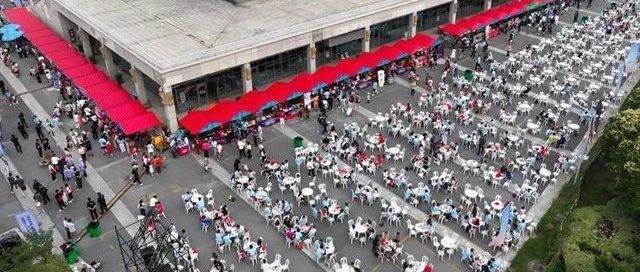
Core Insights - The 15th China (Nanjing) International Sugar and Wine Food Fair successfully concluded, serving as a high-quality platform for the food and beverage industry to exchange and showcase products and trends [2][21] - The event featured thousands of premium wine and food products, highlighting the value of the fair as a trade platform for the industry [3][16] - Key representatives from major liquor-producing regions, including Jiangsu, Anhui, and Guizhou, showcased their products, emphasizing the high-quality development of the liquor industry [5][10][12] Industry Highlights - Jiangsu province, a major producer of both white and yellow wines, had significant representation at the fair, with local brands like Yanghe and Jinshiyuan showcasing their offerings [5][7] - The fair included a variety of activities, such as the "Su-Wan Family" Huang-Huai River liquor industry exchange meeting, aimed at fostering collaboration between Jiangsu and Anhui liquor enterprises [27] - The event also featured a forum on high-quality development in the liquor industry, where industry leaders discussed current challenges and future trends [24][26] Market Opportunities - The fair provided a critical opportunity for distributors to select products ahead of the peak sales seasons for the Mid-Autumn Festival and National Day, with over ten thousand products on display [13] - Various regional product exhibitions and international delegations added diversity to the fair, showcasing unique local flavors and innovations in the food sector [14][16] Future Prospects - The successful hosting of the fair is expected to boost confidence in the liquor and food industry, facilitating efficient connections within the industry chain [21][22] - The fair is positioned as a vital platform for promoting brand image, innovative ideas, and market expansion, especially in the context of industry adjustments [18][19]
与茅台达成共识,阿里、京东主动融入茅台渠道生态;五粮液确定新一届董事会成员丨酒业早参
Mei Ri Jing Ji Xin Wen· 2025-06-23 00:35
Group 1 - Moutai has reached a consensus with Alibaba and JD.com to integrate into Moutai's channel ecosystem and oppose unfair competition, emphasizing the importance of brand operation and platform management [1] - The collaboration with leading e-commerce platforms aims to establish a healthy online market ecosystem for liquor, addressing issues like low-price diversion and counterfeit products [1] - This initiative by Moutai, as an industry leader, is expected to have a demonstration effect on the liquor market [1] Group 2 - Wuliangye has announced the election of its seventh board of directors, maintaining stability with key figures like Chairman Zeng Congqin and Vice Chairman Hua Tao continuing in their roles [2] - The new board's composition is expected to enhance market confidence due to its stability and the experience of its members [2] - The appointment of Hua Tao as General Manager and other key positions indicates a focus on maintaining operational continuity [2] Group 3 - Yanghe has launched a new product, the high-line light bottle liquor, aiming to establish it as a benchmark brand in the mass market [3] - The strategy reflects the evolving consumer demand and industry transformation, with Yanghe positioning itself to meet and lead these trends [3] - This move is likely to enhance Yanghe's competitiveness in the context of consumption upgrades and market focus on product innovation [3]
苏超,彻底暴露了江苏的家底
36氪· 2025-06-22 23:52
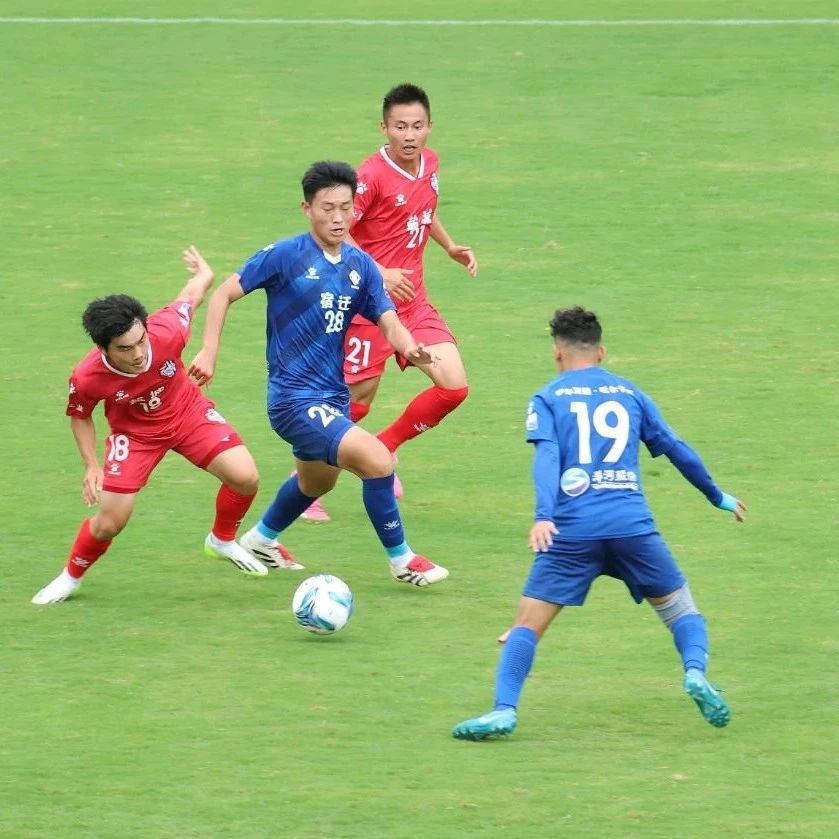
Core Viewpoint - The Jiangsu Provincial Urban Football League (referred to as "Su Chao") has gained significant popularity and sponsorship interest, showcasing its remarkable ability to attract both local and national sponsors, including international brands like Heineken [4][5][12]. Sponsorship Growth - The number of sponsors for Su Chao has surged from 6 to 19, with the official sponsorship seat price rising to 3 million yuan, indicating high demand [3][12]. - Major sponsors include Jiangsu Bank, JD.com, KFC, and Heineken, reflecting a mix of local and national brands [11][12][17]. - The total market capitalization of the listed companies among the sponsors exceeds 4 trillion yuan, highlighting the financial strength behind the league [19][21]. Economic Impact - The league has stimulated local tourism and consumption, with a reported increase of over 48% in visitor numbers to host cities and a 15% rise in tourism spending [29]. - The attendance for matches has set records, with one game attracting over 30,000 spectators, surpassing the average attendance of top-tier leagues [30][31]. Regional Economic Strength - Jiangsu's GDP surpassed 13 trillion yuan in 2024, with all 13 cities in the province ranking among the top 100 in the country, showcasing the region's economic prowess [34][36]. - The economic diversity within Jiangsu, with multiple cities achieving significant GDP milestones, contributes to the league's attractiveness to sponsors [34][35]. Cultural Dynamics - The league reflects the competitive spirit among Jiangsu's cities, with local rivalries and humor contributing to its popularity [8][34]. - The phrase "scattered Jiangsu" encapsulates the regional pride and competitive nature that fuels the league's success [37].

宏观和大类资产配置周报:本周A股表现弱势-20250622
Bank of China Securities· 2025-06-22 12:09
Macro Economic Overview - The report indicates a weak performance in the A-share market, with the CSI 300 index declining by 0.45% and CSI 300 futures down by 2.17% [1][12] - The report maintains the asset allocation order as: equities > commodities > bonds > cash [1][3] Economic Data and Policy Insights - Economic data for May shows a mixed performance, with industrial value-added growth slowing compared to April, while retail sales growth improved significantly [2] - The Lujiazui Forum held on June 18 announced several key financial policies aimed at supporting the construction of Shanghai as an international financial center, including measures to enhance the internationalization of the RMB and increase openness to foreign capital [2][21] Asset Allocation Recommendations - The report suggests an overweight position in equities, particularly focusing on the implementation of "incremental" policies [4] - Bonds are recommended to be underweight due to potential short-term impacts from the "stock-bond seesaw" effect [4] - Commodities are maintained at a standard allocation, with attention to the progress of fiscal policies [4] Market Performance Analysis - The report highlights that only the Shanghai Dividend Index saw an increase of 0.24% this week, while the broader market indices, including the CSI 500 and CSI 1000, experienced declines of 1.75% and 1.74% respectively [36] - In the bond market, the ten-year government bond yield remained stable at 1.64%, while the ten-year government development bond yield decreased by 4 basis points to 1.68% [41] Sector Performance - The banking sector led the gains among industries with a rise of 3.13%, while the pharmaceutical sector faced the largest decline at 4.16% [36] - The report notes a significant interest in technology sectors, particularly with the introduction of new listing standards for innovative companies on the STAR Market [38] Consumer Market Insights - The report indicates a recovery in the real estate market, with a slight increase in transaction volumes in major cities, suggesting that "stabilizing real estate" policies may have a positive effect in the second half of the year [33] - The automotive sector shows strong growth, with wholesale and retail sales of passenger vehicles increasing by 38% and 23% year-on-year respectively [33]
一场比赛近65万人抢票!苏超多队迎来冠名
第一财经· 2025-06-20 10:07
Core Viewpoint - The popularity of the "Su Super" league is rapidly increasing, with ticket demand significantly outpacing supply, leading to a surge in sponsorships and commercial interest in the league [1][2][3]. Ticket Demand and Supply - Upcoming matches in the "Su Super" league are experiencing ticket demand-to-supply ratios exceeding 10:1 and even 30:1 in some cases [1]. - For the match between Changzhou and Nanjing on June 21, the ticket reservation reached 760,000, resulting in a success rate of less than 1% due to the venue's capacity of 41,000 seats, creating a demand-to-supply ratio of over 18:1 [1]. - The match on June 29 between Nantong and Suqian saw a reservation of 220,000 tickets, with actual participation reaching 649,000, indicating a similar low success rate [2]. Sponsorship Growth - The number of sponsors for the "Su Super" league has significantly increased, with strategic partners rising from 1 to 7, including major companies like JD.com and Ideal [2]. - Official sponsors have expanded from 1 to 5, with new additions such as Nubia and Yili, while official suppliers and partners have also seen growth [2][3]. Team Sponsorships - Various teams within the league are attracting sponsorships, with notable examples including Yanghe Co. sponsoring Suqian team and local enterprises sponsoring teams in other cities [3]. - The increase in sponsorships is expected to enhance the quality of venues and maintenance, contributing to the overall development of the league [3][4]. Market Impact and Future Prospects - The rising popularity of the "Su Super" league is creating a positive feedback loop, attracting more sponsors and improving facilities, which in turn enhances the spectator experience and competitive level [4]. - Other provinces are looking to replicate the success of the "Su Super" league, indicating its potential as a model for regional sports development [4].
公务消费政策收紧,“禁酒令”激活口粮酒市场生机
Sou Hu Cai Jing· 2025-06-20 09:57
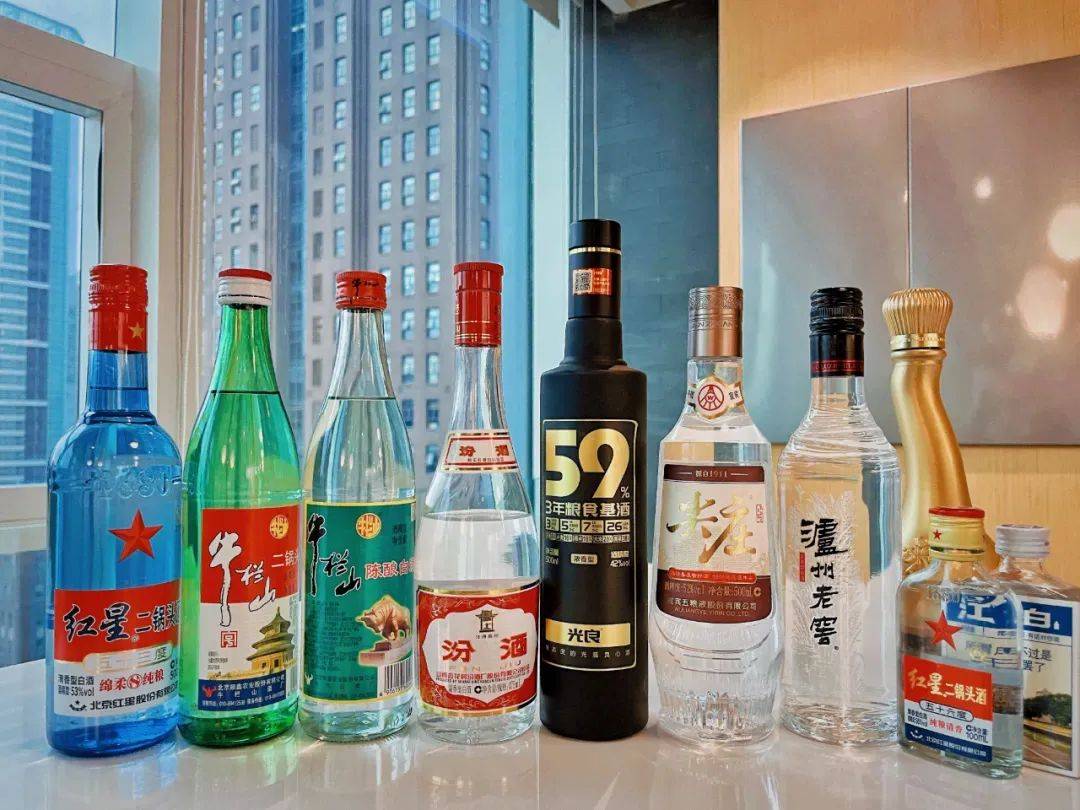
Core Viewpoint - The tightening of government regulations on alcohol consumption, particularly the new "ban on alcohol" policy, poses challenges for the liquor industry, but also presents opportunities for the growth of low-cost bottled liquor, which is gaining popularity among consumers [2][8][10]. Group 1: Policy Impact - The revised "Regulations on Strict Economy and Opposition to Waste" clearly prohibits alcohol in official receptions, with recent upgrades to the "ban on alcohol" emphasizing a comprehensive prohibition for public officials during work and training periods [2][8]. - The implementation of these policies has led to a significant increase in the stock prices of companies in the liquor sector, indicating a market response to the regulatory changes [8]. - The policies aim to eliminate corrupt practices associated with alcohol consumption in government settings, while allowing for normal social interactions among officials, provided they do not affect public duties [4][10]. Group 2: Market Dynamics - The bottled liquor segment is experiencing rapid growth, with market size projected to increase from 352 billion yuan in 2013 to 1.5 trillion yuan by 2024, capturing over 18% of total liquor sales in China [11]. - The rise of low-cost bottled liquor is attributed to changing consumer preferences, particularly among younger generations who prioritize value and simplicity over extravagant packaging [10][11]. - Major liquor brands are shifting their focus towards high-end dining and private events, while also adapting to the growing demand for affordable and high-quality bottled liquor in casual settings [8][10]. Group 3: Competitive Landscape - The bottled liquor market is becoming increasingly competitive, with a diverse range of products from both established and emerging brands, targeting various price points [13][15]. - Brands like Jiangxiaobai and Guangliang are leveraging trendy packaging and marketing strategies to appeal to younger consumers, while traditional brands are focusing on maintaining a broad consumer base [13][15]. - Despite the growth potential, the bottled liquor segment faces challenges such as product homogenization and limited profit margins, necessitating a focus on quality improvement and digital transformation to enhance market positioning [15].


13.56亿元主力资金今日抢筹食品饮料板块
Zheng Quan Shi Bao Wang· 2025-06-20 09:30
Market Overview - The Shanghai Composite Index fell by 0.07% on June 20, with nine industries experiencing gains, led by transportation and food & beverage sectors, which rose by 0.88% and 0.73% respectively [1] - The banking sector saw the largest net inflow of funds, amounting to 1.94 billion yuan, while the food & beverage sector followed with a net inflow of 1.36 billion yuan [1] Food & Beverage Sector Performance - The food & beverage industry increased by 0.73%, with a total net inflow of 1.36 billion yuan, comprising 123 stocks, of which 55 rose and 61 fell [2] - Notable stocks with significant net inflows included Kweichow Moutai, with 357 million yuan, followed by Luzhou Laojiao and Wuliangye, with inflows of 341 million yuan and 218 million yuan respectively [2] Top Gainers in Food & Beverage - The top gainers in the food & beverage sector included: - Kweichow Moutai: +0.19%, 0.28% turnover, 357.21 million yuan inflow - Luzhou Laojiao: +2.78%, 1.20% turnover, 340.86 million yuan inflow - Wuliangye: +1.94%, 0.76% turnover, 218.20 million yuan inflow [2] Top Losers in Food & Beverage - The stocks with the largest net outflows included: - Beingmate: -1.82%, 9.16% turnover, -70.92 million yuan outflow - Yili: +0.76%, 0.53% turnover, -48.69 million yuan outflow - Yanghe Brewery: +0.35%, 0.55% turnover, -31.95 million yuan outflow [3]