
吉利

Search documents
申万宏源证券晨会报告-20251202
Shenwan Hongyuan Securities· 2025-12-02 00:41
Group 1: Market Overview - The Shanghai Composite Index closed at 3914 points, with a daily increase of 0.65% and a monthly increase of 2.01% [1] - The Shenzhen Composite Index closed at 2479 points, with a daily increase of 1.02% and a monthly increase of 3.68% [1] - The large-cap index showed a 1.07% increase yesterday but a decline of 1.25% over the past month, while the mid-cap index increased by 1.23% yesterday but declined by 3.23% over the past month [1] Group 2: Industry Performance - The professional chain industry saw a daily increase of 4.36%, while the industrial metals sector increased by 4.12% with a significant 66.19% increase over the past six months [1] - The communication equipment sector increased by 3.3% yesterday and has seen a remarkable 120.4% increase over the past six months [1] - The aquaculture industry experienced a decline of 1.4% yesterday and a 1.25% decline over the past month [1] Group 3: AI and Internet Media Investment Strategy - The report emphasizes the ongoing expansion of AI capital expenditure (capex) in 2026, particularly focusing on the return on investment (ROI) from AI investments [2][11] - Key companies highlighted for investment include Alibaba, Baidu, and Kingsoft Cloud, with a focus on their AI capabilities and market positioning [2][11] - The report suggests that the commercialization of AI applications will become a priority, with significant growth expected in AI advertising and video tools [11] Group 4: Convertible Bonds Analysis - The weighted average remaining maturity of convertible bonds has decreased to approximately 2.53 years, with nearly 40% of convertible bonds having a remaining maturity of less than 2 years [3][12] - The report predicts that by the end of 2026, the weighted average remaining maturity of convertible bonds will further decrease to around 2.0 years, indicating a "super short duration" market [3][12] - The analysis indicates that as the remaining maturity shortens, the valuation of convertible bonds will likely decline, particularly for those with less than 2 years remaining [12][13] Group 5: Hengbo Co., Ltd. (301225) Analysis - Hengbo Co., Ltd. is positioned as a leading supplier in the intake system market, with projected net profits of 152 million, 178 million, and 207 million yuan for 2025-2027, reflecting growth rates of 16.2%, 16.8%, and 16.2% respectively [3][14] - The company is expanding its business into new areas such as thermal management systems and PEEK materials, aiming to enhance its market presence and profitability [3][14] - The report assigns a "buy" rating to Hengbo Co., Ltd., with a target market value of 12.6 billion yuan, indicating a potential upside of 22% [3][14]
银轮股份(002126):汽车热管理龙头 拓展算力、机器人新成长曲线
Xin Lang Cai Jing· 2025-12-02 00:33
Core Viewpoint - The company, a leader in automotive thermal management, is expanding into new growth areas such as data centers and robotics, showing strong revenue and profit growth with a compound annual growth rate (CAGR) of 22% in revenue and 43% in net profit from 2022 to 2024 [1] Group 1: Business Expansion and Growth - The company has diversified its business into four growth curves: commercial vehicle off-road, new energy thermal management, digital and energy thermal management, and artificial intelligence and robotics [1] - The passenger vehicle segment is leading the growth, while the digital energy business is rapidly expanding, and the commercial vehicle and off-road segments are providing stable contributions [1] - The company has achieved a historical high in overseas revenue, which accounted for 24% of total revenue in the first half of 2025, with significant improvements in profitability from international operations [1] Group 2: Digital Energy and AI Cooling - The demand for liquid cooling in data centers is expected to accelerate, driven by high capital expenditures in the domestic internet sector and AI applications [2] - The company has secured 301 orders for data center liquid cooling systems, with a total capacity of 500 MW, indicating a strong market presence [2] - The digital and energy segment is projected to contribute an additional annual sales revenue of 637 million yuan after mass production [2] Group 3: Acquisition and Strategic Moves - The company plans to acquire a controlling stake in Deep Blue Co., focusing on energy storage temperature control and HVAC systems, which will enhance its capabilities in data center liquid cooling and energy storage [3] - The automotive sector is transitioning towards electrification and intelligence, increasing the thermal management value per vehicle, with the penetration rate of new energy vehicles in China expected to reach 56% in 2025 [3] Group 4: Market Position and R&D - The company has established a comprehensive product layout, including battery thermal management systems and various components, with over 1,000 effective patents and a research and development expense ratio of over 4% [4] - The company has entered the supply chains of numerous leading domestic and international clients, including major automotive manufacturers [4] - The humanoid robotics market is anticipated to grow significantly, with the company positioning itself to leverage synergies between robotics and automotive clients [4][5] Group 5: Financial Projections - The company is expected to achieve revenues of 15.211 billion yuan, 17.952 billion yuan, and 20.978 billion yuan from 2025 to 2027, with year-over-year growth rates of 19.8%, 18.0%, and 16.9% respectively [6] - The projected net profits for the same period are 973 million yuan, 1.255 billion yuan, and 1.577 billion yuan, with year-over-year growth rates of 24.2%, 29.0%, and 25.7% respectively [6]

11月汽车销量放榜,理想跌倒、零跑吃饱,最残酷战事还在26年
3 6 Ke· 2025-12-02 00:17
Core Insights - The Chinese electric vehicle market is witnessing a clear shift in dynamics, with BYD solidifying its position as the sales leader, while new entrants like Hongmeng Zhixing and Leap Motor are making significant strides [3][5][7] - The competition among new energy vehicle manufacturers is intensifying, with companies needing to adapt quickly to maintain their market positions [20][27] Group 1: Sales Performance - BYD achieved a remarkable monthly sales figure of 480,200 units in November, securing its status as the annual sales champion with a cumulative total of 4.18 million units for the year [7][9] - Hongmeng Zhixing led the new force segment with 81,864 units sold in November, marking a year-on-year increase of 89.61% [3][5] - Leap Motor also reported a record high of 70,327 units sold in November, reflecting a growth of over 75% year-on-year [3][5] - NIO's sales reached 36,275 units in November, up 76.3% year-on-year, indicating a recovery in its performance [5][9] - Li Auto's sales fell by 31.92% year-on-year to 33,181 units, placing it at the bottom among the "Wei Xiaoli" trio [5][9] Group 2: Market Dynamics - The market is shifting from a focus on sales volume to standard-setting, with companies like Hongmeng Zhixing leading in technology adaptation [20][23] - The competition is expected to intensify in 2026, with survival depending on achieving significant sales volumes, with 30,000 units as the survival line and 100,000 units as the development line [26][27] - The landscape is changing, with the narrative evolving from "the market can accommodate everyone" to "your growth is my decline" [23][27] Group 3: Challenges for Traditional Automakers - Traditional automakers like SAIC and Geely are facing challenges in brand differentiation and market positioning, despite reporting growth in sales [7][9][12] - SAIC's various brands are struggling with resource allocation and market competition, while Geely's sales have surged post "Taizhou Declaration" but still lag behind BYD in the new energy segment [9][12] - The mid-tier brands are caught in a dilemma, unable to scale up to compete with top players while reluctant to sacrifice their established brand recognition [17][18]




年销14辆车企迎新总裁 此前股价已悄悄翻倍
Zhong Guo Jing Ji Wang· 2025-12-01 12:26
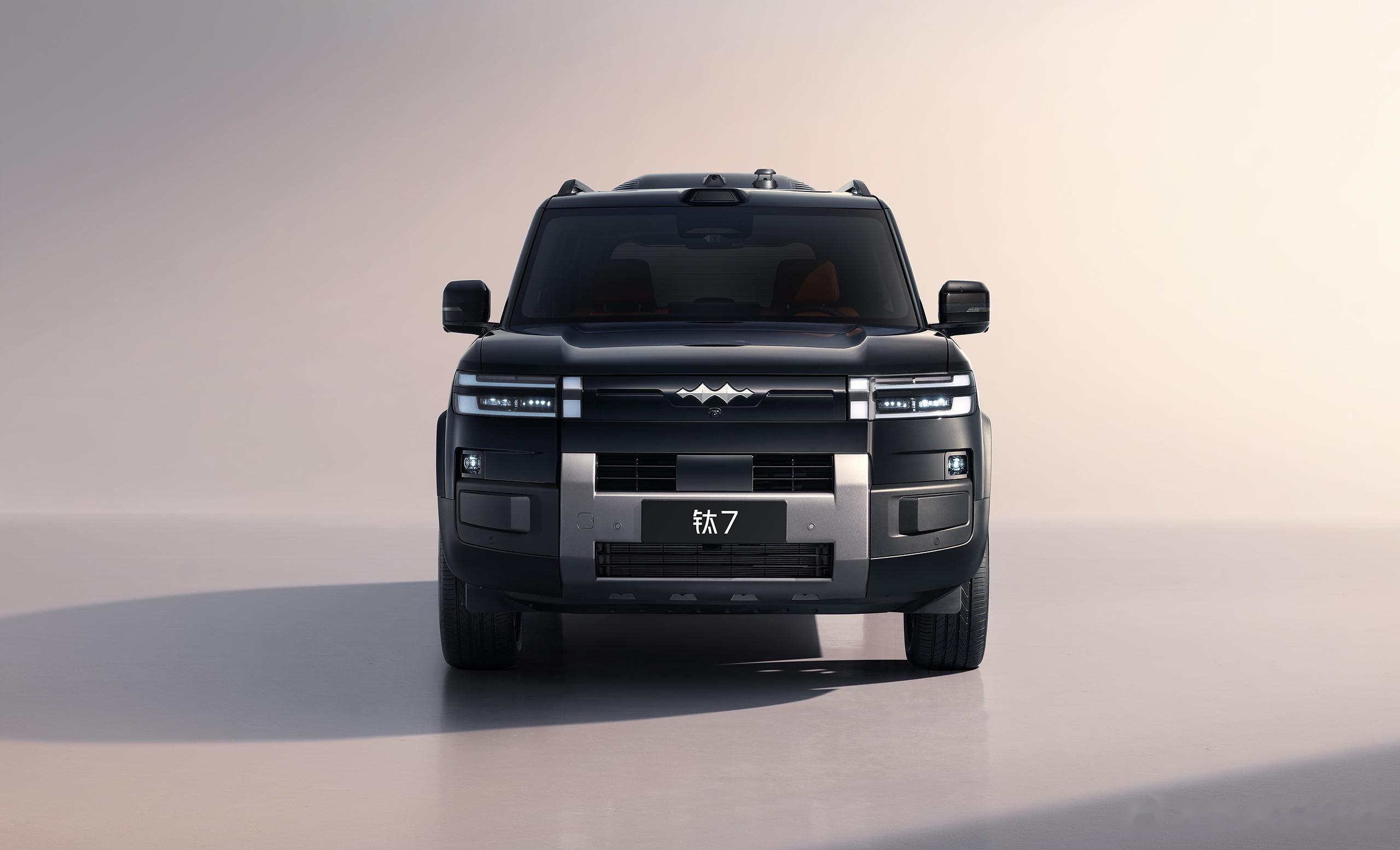
Core Viewpoint - Zotye Auto, once a prominent player in the automotive market with a peak annual sales of 330,000 units, is undergoing significant changes including factory shutdowns, bankruptcy of its parent company, and leadership changes, yet it retains dual qualifications that may aid its recovery [1][5] Group 1: Company Developments - The appointment of Han Biwen as the new president of Zotye Auto signals potential new operational strategies, following a period of interim leadership after the resignation of the previous president in March 2024 [1][3] - Following Han Biwen's appointment, Zotye Auto's stock price rose to 3.84 yuan, reflecting a 7.56% increase, and the company's market capitalization exceeded 19.2 billion yuan, indicating investor optimism regarding the company's recovery prospects under new leadership [3] - Zotye Auto has faced severe challenges, with only 14 vehicles sold in 2024, and has struggled with production halts and financial difficulties since its parent company, Tieniu Group, declared bankruptcy in 2020 [7][8] Group 2: Leadership Background - Han Biwen brings nearly 24 years of experience in the automotive industry, primarily with Chery Automobile, where he held various roles related to production and quality management [4][5] - His previous experience includes significant roles in Chery's collaborations with Jaguar Land Rover and Qoros, as well as a recent position at Kaiwo New Energy, which aligns with Zotye's current strategic needs for recovery and transformation [4][5] Group 3: Market Context - The automotive market in China is facing increasing competition and a shift towards electrification, posing additional challenges for Zotye Auto as it attempts to resume production and innovate [3][6] - Zotye's historical reliance on imitating popular models has led to a decline in reputation and sales, contrasting with competitors like Geely, which have successfully pursued original development paths [8]

车联天下赴港IPO,股东囊括蔚来、博世等产业巨头
Jing Ji Guan Cha Wang· 2025-12-01 05:51
Core Insights - Wuxi CheLianTianXia Intelligent Technology Co., Ltd. has officially submitted its main board listing application to the Hong Kong Stock Exchange on November 28 [1] - The company focuses on providing full-stack solutions for in-vehicle computing platforms, including smart cockpit domain controllers and self-developed AutoseeOS software [1] - According to Frost & Sullivan, CheLianTianXia ranks second in China's smart cockpit domain controller market by revenue in 2024 and is expected to lead global shipments of smart cockpit domain controllers based on Qualcomm's Snapdragon SA8155P platform by June 30, 2025 [1] Financial Performance - The company's revenue is projected to grow significantly from 369 million yuan in 2022 to 2.656 billion yuan in 2024, representing an increase of over six times [1] - Gross profit is also expected to rise from 35 million yuan to 430 million yuan during the same period [1] Partnerships and Collaborations - CheLianTianXia has established partnerships with major Chinese automakers such as Geely, Chery, and GAC, securing mass production projects for over 100 models of smart cockpit domain controllers as a first-tier supplier by June 30, 2025 [1] Shareholders and IPO Plans - The company's shareholders include NIO Capital, Bosch Venture Capital, Wingtech Technology, and several state-owned funds from Wuxi and Wuhu [2] - The IPO proceeds are planned to be used for research and development of in-vehicle computing and regional controller solutions, enhancing production capacity, strengthening international expansion, and supplementing working capital [2]

冲刺百万年销 零跑的野望与博弈
Bei Jing Shang Bao· 2025-11-30 15:43
Core Insights - Leap Motor aims to achieve an ambitious sales target of 1 million vehicles annually by 2026, nearly doubling its previous target, following the successful completion of 500,000 units ahead of schedule in 2025 [1][2] - The company has faced challenges such as the reduction of subsidies for electric vehicle purchases, intensified market competition, and a market valuation significantly lower than other new energy vehicle companies [1][4] Sales Milestones - Leap Motor took five years to reach 500,000 units sold, but only 343 days to move from 500,000 to 1 million [2] - The company has maintained its position as the monthly sales champion among new energy vehicle manufacturers for eight consecutive months, with delivery volumes exceeding 60,000 and 70,000 units in September and October, respectively [2] Financial Performance - In the first half of the year, Leap Motor achieved its first positive net profit, becoming the second new energy vehicle company to do so after Li Auto [3] - For Q3 2025, the company reported a net profit of 150 million yuan and revenue of 19.45 billion yuan, marking a 97.3% year-on-year increase, with a gross margin of 14.5% [3] Market Challenges - The reduction of government subsidies is expected to increase vehicle prices, posing a challenge for Q4 sales, although long-term recovery is anticipated [4] - The competitive landscape is intensifying, with brands like Geely and NIO launching products in the 100,000 to 300,000 yuan price range, creating a "sandwich" effect for Leap Motor [4] Market Valuation - Leap Motor's market capitalization is approximately 75.4 billion HKD, significantly lower than competitors like Xpeng (160.7 billion HKD) and Li Auto (145.2 billion HKD) [5] - The CEO of Leap Motor suggests that the company's stock is more suited for value and long-term investment rather than short-term speculation [5] International Expansion - Leap Motor has recently entered the South American market, launching in Brazil and Chile, and has established a global presence in 35 countries, with overseas sales accounting for about 8.8% of total sales [6] - The company aims to transition from "quantity" to "quality" by enhancing brand value and profitability while focusing on core technology development and market segmentation [6] Strategic Focus - Industry experts emphasize the need for Leap Motor to establish a significant business moat, highlighting that future success will depend on maintaining market share and achieving sustainable growth rather than just increasing sales volume [7]
零跑推出纯电两厢车 Lafa5发力中欧双市场
Jing Ji Guan Cha Wang· 2025-11-29 03:25
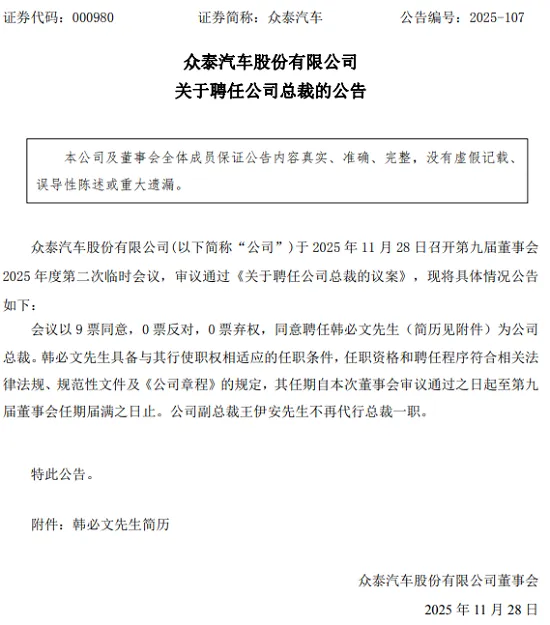
Core Insights - Leap Motor has launched its new two-door electric sedan, Lafa5, targeting the personalized market priced between 92,800 to 116,800 yuan, with plans to enter the global market by 2026 [2] - The two-door car market is developing differently in China and Europe, with electric two-door cars rapidly replacing fuel models in China, while Europe still favors fuel cars [2][3] - The shift in consumer attitudes in China, particularly among younger buyers, is leading to increased acceptance of two-door cars due to their practicality and economic advantages [2][3] Market Dynamics - The current popular electric two-door cars in China are priced between 50,000 to 100,000 yuan, with a range of 200 to 400 kilometers, suitable for urban activities [3] - By October 2025, sales of two-door cars in China reached 415,000 units, with the top five models being electric, while traditional fuel models have seen a significant decline in sales [3] - Leap Motor's Lafa5 must find a competitive edge in a concentrated market where the top ten electric two-door cars hold over 40% market share, primarily in the 50,000 to 100,000 yuan price range [3] European Market Challenges - In Europe, two-door cars are popular due to their compact size, which suits narrow streets and limited parking [4] - However, the European electric vehicle market faces challenges such as declining demand, policy uncertainties, and inadequate charging infrastructure [4] - The rise of SUVs in Europe is expected to reduce the market share of two-door cars, with projections indicating that SUV sales will reach 58% in Western Europe by the end of 2025 [4] Strategic Considerations - Leap Motor's entry into the European market with Lafa5 will test its ability to adapt to local consumer preferences and market conditions [4] - The future of two-door cars will depend on balancing electric vehicle adoption with practical usability across different markets [4]
座舱芯片战事:谁能撬开高通「铁王座」的裂缝?
雷峰网· 2025-11-28 13:48
Core Viewpoint - The article discusses the competitive landscape of cockpit chips in the automotive industry, highlighting Qualcomm's dominance and the emerging opportunities for domestic manufacturers like MTK, Huawei, and others in the context of cost and localization advantages. Group 1: Qualcomm's Dominance - Qualcomm's cockpit chip, the Snapdragon 8797, supports cabin and driving integration, establishing strong partnerships with major global automakers, including luxury brands like Mercedes and BMW, as well as new players like Li Auto and NIO [2][3]. - The collaboration creates a positive feedback loop where automakers rely on Qualcomm's performance, Tier 1 suppliers adapt to Qualcomm's solutions, and developers optimize applications around Qualcomm's ecosystem [3][4]. - Despite its strong position, Qualcomm faces challenges from domestic competitors who are increasing their market share, with companies like Chipone and Huaqin making significant inroads [3][4]. Group 2: Competitive Landscape - Domestic manufacturers are leveraging cost advantages and localized services to penetrate the market, with MTK's chips like the MT8676 and MT8678 offering competitive pricing and features [15][16]. - The market share of domestic cockpit chip manufacturers is projected to rise from under 3% in 2023 to over 10% in 2024, indicating a significant shift [36]. - MTK's strategy includes targeting entry-level markets, where cost advantages are most pronounced, and it is expected to capture over 30% market share by 2025 [18][36]. Group 3: Challenges in Cabin-Driving Integration - The integration of cabin and driving functions is seen as a critical step towards achieving centralized computing architecture in vehicles, but it presents significant technical and organizational challenges [21][24]. - Different safety standards for cabin and driving systems complicate the integration process, requiring higher levels of certification and increasing development costs [25][26]. - The complexity of developing a true cabin-driving integration chip involves balancing various technical requirements, which can lead to internal conflicts within organizations [30][31]. Group 4: Future Outlook - The future of cockpit chips will likely see a division where domestic manufacturers focus on the Chinese market while Qualcomm maintains its stronghold in the global high-end market [39]. - Companies that can combine localized services with global compatibility will have greater growth potential in the evolving automotive landscape [39].


对话韩旭:双重上市后,英才校招300万起步
Sou Hu Cai Jing· 2025-11-28 09:09
Core Insights - The CEO of WeRide, Han Xu, has undergone a significant transformation, focusing on attracting top talent after the company's dual listing on the Hong Kong Stock Exchange, marking a major milestone for the company [1][3][39] - WeRide is now recognized as a leading player in the global Robotaxi market, operating in eight countries, including China and several international cities [1][3] - The company has launched an ambitious talent recruitment plan, offering salaries ranging from 3 million to 5 million RMB, aiming to compete with Silicon Valley standards [4][6][18] Company Strategy - Han Xu emphasizes the importance of hiring the best talent as a critical strategy for WeRide's success, believing that top talent will drive the company to excellence [7][8] - The recruitment plan, dubbed the "Talent Plan," is designed to attract high-caliber individuals by offering competitive compensation and a supportive work environment [5][14] - The company aims to create a transparent and innovative culture that encourages creativity and allows top talent to thrive [14][18] Market Position - WeRide is positioned in the L4 Robotaxi sector, which has seen significant competition and consolidation, with only a few players capable of large-scale commercial operations [21][23] - The competitive landscape includes major players like Waymo and Baidu, as well as emerging companies like Xiaoma Zhixing and others entering the Robotaxi space [23][24] - Han Xu believes that the future of autonomous driving remains promising, despite shifting trends in technology, and that WeRide is well-equipped to tackle the challenges ahead [18][20] Leadership Philosophy - Han Xu's leadership style reflects a blend of academic rigor and practical experience, focusing on talent development and creating an environment conducive to innovation [29][38] - The CEO's past as a professor informs his approach to identifying and nurturing talent, which he considers essential for the company's growth [29][32] - The company culture is characterized by openness and transparency, as demonstrated by the integration of diverse talents, including those from non-traditional backgrounds [36][38]
以检验检测“硬核”之力,激活产业高质量发展“新引擎”
Xin Hua Ri Bao· 2025-11-28 08:01
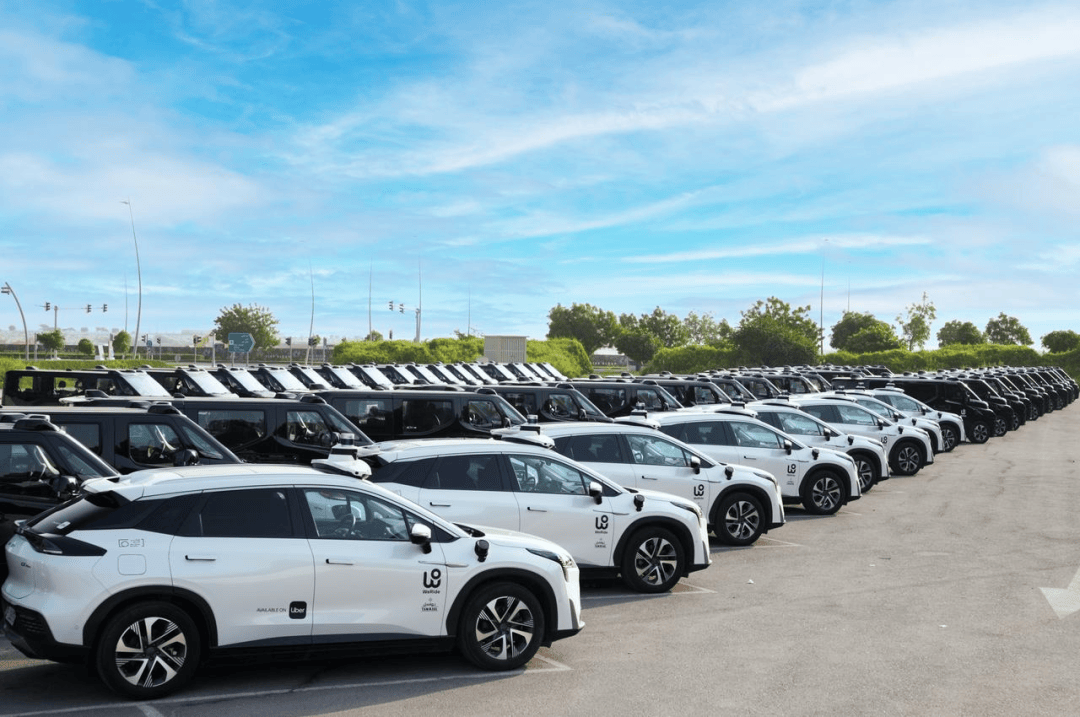
Core Viewpoint - The establishment of inspection and testing alliances in Jiangsu Province is a strategic move to enhance the integration of inspection and testing services with key industrial chains, thereby accelerating the development of modern industrial systems and promoting high-quality growth in the low-altitude and advanced communication sectors [1][2][4]. Group 1: Establishment of Alliances - Jiangsu Province has initiated the establishment of two key inspection and testing alliances: the Low Altitude Industry Inspection and Testing Alliance and the Advanced Communication Industry Inspection and Testing Alliance, responding to national infrastructure development goals [2][3]. - The Low Altitude Industry Inspection and Testing Alliance aims to consolidate resources and foster collaborative innovation to support the high-quality development of the low-altitude economy [3][9]. - The Advanced Communication Industry Inspection and Testing Alliance focuses on integrating inspection and testing capabilities, technological innovation, and talent resources to enhance the advanced communication industry [3][4]. Group 2: Membership and Coverage - As of the end of October, the Low Altitude Industry Inspection and Testing Alliance has 151 member units, covering 12 cities in Jiangsu Province and including organizations from Shanghai, Zhejiang, Shandong, and Guangdong [3][4]. - The Advanced Communication Industry Inspection and Testing Alliance has been established to create a comprehensive inspection and testing capability list, facilitating resource sharing among member units [3][4]. Group 3: Service Model and Achievements - The alliances provide a "one-stop" service model, addressing the needs of enterprises by offering integrated solutions for quality management, inspection, testing, and certification [6][7]. - The Advanced Communication Industry Inspection and Testing Alliance has successfully completed over 40 vehicle models' certifications for the Middle East market, significantly aiding domestic automotive companies in their international expansion [6][10]. - The Low Altitude Industry Inspection and Testing Alliance has developed a domestic wind tunnel testing system for drones, addressing the industry's need for cost-effective and efficient compliance testing methods [9][10]. Group 4: Focus on Standards and Long-term Mechanisms - The alliances emphasize the importance of standardization in driving industry development, with initiatives to create and promote local standards for low-altitude applications and RFID technology [11]. - Regular events, such as the "Precision Service Quality Empowerment" conference, facilitate ongoing dialogue between enterprises and experts, ensuring that industry challenges are addressed in a timely manner [8][11]. - The Jiangsu Provincial Market Supervision Administration plans to deepen collaboration between inspection and testing services and industrial development, further enhancing the support for high-quality growth in the region [11].