迎驾贡酒

Search documents
东吴证券晨会纪要-20251107
Soochow Securities· 2025-11-07 14:35
Macro Strategy - The core view indicates that actual interest rates remain the key anchor for gold prices, with fluctuations in monetary policy impacting market sentiment and gold's value [1][6] - In October, gold prices experienced a "rise then fall" pattern, influenced by geopolitical tensions and economic data, leading to a 5.27% increase in the Shanghai gold futures by the end of the month [1][6] - The outlook for November suggests that gold prices will be driven by geopolitical situations, trade negotiations, and macroeconomic policies, with expectations of continued high volatility [1][6] Fixed Income - The report on Qizhong Convertible Bonds anticipates a listing price between 126.64 and 140.59 CNY, with a subscription rate of 0.0028% [2][7] - The bond has a total issuance scale of 850 million CNY, with proceeds allocated for advanced packaging and testing projects [7][8] Industry Analysis - The food and beverage industry report highlights a 5.5% decline in total revenue and a 6.7% drop in net profit for the liquor sector in the first three quarters of 2025, with a more pronounced 18.3% revenue decline in Q3 [3][10] - The report notes that the recovery of consumption scenarios is slow, particularly in business and personal dining contexts, leading to sustained pressure on demand for high-end and mid-range liquor [3][10] - Investment recommendations suggest focusing on companies that are likely to see early signs of recovery and have strong growth potential, such as Luzhou Laojiao and Shanxi Fenjiu, while also considering companies with solid governance and dividend yields [4][11] Company Recommendations - Tiangong International is highlighted for its potential growth in titanium alloy production, with projected revenues of 5.2 billion, 6.1 billion, and 7 billion CNY from 2025 to 2027, reflecting growth rates of 8%, 16%, and 14% respectively [5][11] - The company is positioned well in the consumer electronics sector and is expanding into new materials for robotics and nuclear fusion applications, which are expected to drive future growth [5][11]
迎驾贡酒(603198) - 迎驾贡酒2025年第一次临时股东大会会议材料
2025-11-07 09:00
0 目 录 | 2025 | 年第一次临时股东大会会议须知 | 2 | | --- | --- | --- | | 2025 | 年第一次临时股东大会会议议程 | 4 | | 议案 | 1:关于取消监事会并修订《公司章程》的议案 | 6 | | 附件 | 1:《安徽迎驾贡酒股份有限公司章程》 | 7 | | 议案 | 2:关于修订公司部分治理制度的议案 | 68 | | 附件 | 2-1:《股东会议事规则》 | 70 | | 附件 | 2-2:《董事会议事规则》 | 82 | | 附件 | 2-3:《独立董事制度》 | 93 | | 附件 | 2-4:《对外担保管理制度》 | 105 | | 附件 | 2-5:《对外投资管理制度》 | 113 | | 附件 | 2-6:《关联交易管理制度》 | 125 | | 附件 | 2-7:《会计师事务所选聘制度》 | 137 | | 附件 | 2-8:《董事和高级管理人员薪酬管理制度》 | 146 | 1 一、为保证本次会议正常进行,除出席现场会议的股东及股东代理人 (以下简称"股东")、董事、监事、高级管理人员、公司聘请的律师及 公司董事会认可的人员以外,公司有权拒绝 ...

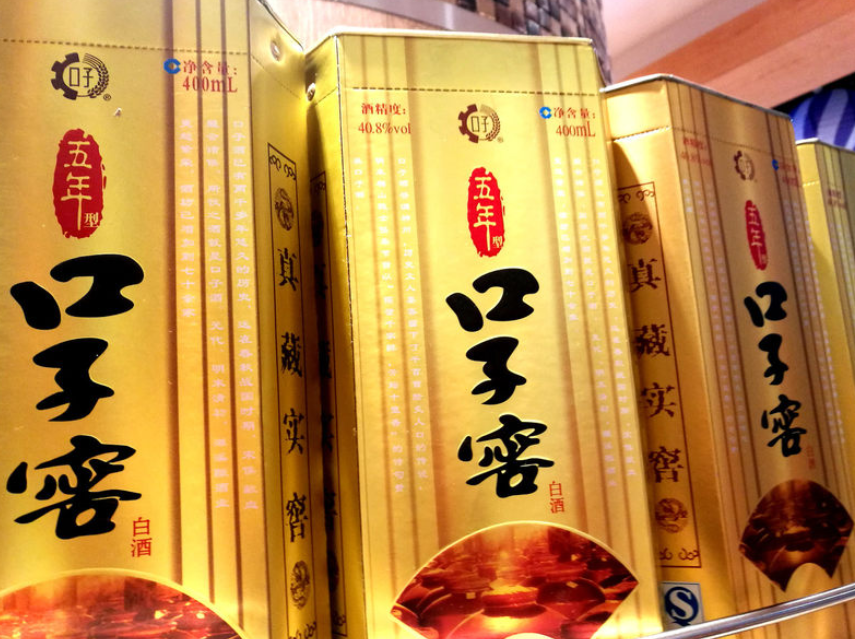
62亿存货盘踞,“徽酒老三”口子窖还卖得动吗?
Da Zhong Ri Bao· 2025-11-07 03:37
Core Viewpoint - The liquor industry, particularly the white liquor sector, is entering a phase of adjustment after a period of rapid growth, as evidenced by the performance of Kuozi Jiao (603589.SH), which reported significant declines in both revenue and profit for the first three quarters of 2025 [1][3]. Financial Performance - Kuozi Jiao reported a revenue of approximately 3.174 billion yuan for the first three quarters of 2025, a year-on-year decrease of 27.24%, and a net profit attributable to shareholders of about 742 million yuan, down 43.39% year-on-year [1]. - In Q3 alone, the company achieved a revenue of 643 million yuan, a decline of 46.23% year-on-year, and a net profit of 26.97 million yuan, down 92.55% year-on-year, marking the largest quarterly decline in its history [3]. - The net cash flow from operating activities for the first three quarters plummeted by 208.91% to -390 million yuan, primarily due to a decrease in cash received from sales [3]. Market Dynamics - The white liquor market is experiencing increased differentiation and channel changes, with overall industry pressure leading to declining demand, sluggish sales, and high inventory levels [4]. - Kuozi Jiao's high-end products saw a revenue drop of 27.98%, while mid-range products fell by 15.38%. In contrast, low-end products grew by 25.09% [5]. - The company's gross profit margin decreased by 3.81 percentage points to 70.96% for the first three quarters, with a more significant drop of 9.25 percentage points to 62.66% in Q3 [5]. Competitive Landscape - Kuozi Jiao faces intense competition within the Anhui province and has seen declines in both provincial and out-of-province markets, with revenues of approximately 2.587 billion yuan and 530 million yuan, respectively, both showing declines [5]. - Despite adding 55 new distributors in the province and 47 outside, these additions did not translate into actual sales growth [7]. - The company's reliance on a large distributor model has shown limitations in the current market environment, necessitating a shift towards more refined operational strategies [7]. Strategic Outlook - The current industry downturn presents an opportunity for Kuozi Jiao to refine its internal capabilities, focusing on product innovation and operational efficiency, which could yield competitive advantages when the market recovers [8]. - The immediate priority for Kuozi Jiao is to maintain its local market share, manage excess inventory, and optimize its distribution channels rather than pursuing long-term ambitious sales targets [8].


迎驾贡酒推“洞藏”出省,但中高端酒仍少卖近7亿
阿尔法工场研究院· 2025-11-07 00:08
Core Viewpoint - The article discusses the challenges faced by Yingjia Gongjiu, a prominent player in the Anhui liquor industry, as it struggles with declining revenues and profits amid a broader industry adjustment period. The once-promising "Dingcang" series is now questioned for its ability to sustain the brand's growth in the next decade [2][3][12]. Financial Performance - Yingjia Gongjiu reported a revenue of 4.516 billion yuan for the first three quarters, a year-on-year decline of 18.09%, and a net profit of 1.511 billion yuan, down 24.67% [5]. - In Q3 alone, the company achieved a revenue of 1.356 billion yuan, a decrease of 20.76%, with net profit dropping nearly 39% [5]. - The company has experienced four consecutive quarters of declining revenue and net profit, making it unlikely to meet its annual targets of 7.6 billion yuan in revenue and 2.62 billion yuan in net profit [6][11]. Market Dynamics - The "Dingcang" series has supported Yingjia Gongjiu's revenue base but has not been sufficient to drive brand premiumization and national expansion [3][8]. - The company’s core revenue still heavily relies on mid-to-high-end products, which generated 3.55 billion yuan, down 16.4% from the previous year [9]. - The company has faced challenges in expanding its market presence outside Anhui, with a net decrease in provincial distributors [10]. Cost and Cash Flow Management - Yingjia Gongjiu has increased its sales expenses by 10.32% to 478 million yuan, reflecting a rise in promotional spending due to competitive pressures [6]. - The net cash flow from operating activities fell by 38.13% to 789 million yuan, primarily due to reduced sales collections [6][11]. - The company has also reduced R&D expenses by 28.59%, which may improve short-term financial performance but could hinder future product innovation [7]. Inventory and Asset Management - The company's inventory increased from 5.043 billion yuan at the end of the previous year to 5.105 billion yuan, indicating slower sales and incomplete channel destocking [11]. - Yingjia Gongjiu is selling non-core assets to improve cash flow, such as the planned transfer of its hotel business for 31.7265 million yuan [11]. Industry Context - The white liquor industry is undergoing a significant adjustment after a decade of rapid growth, with a notable imbalance in supply and demand for mid-to-high-end products [14]. - The article suggests that the future success of Yingjia Gongjiu will depend on stabilizing its market share in Anhui, optimizing its product structure, and reigniting growth in provincial markets [14]. - Analysts indicate that the brand is facing a "middle-class trap," where its brand strength is insufficient to support price upgrades while being squeezed by leading national brands [13][14].
透视白酒三季报:削减省外经销商 区域酒企重新审视“全国化”
Nan Fang Du Shi Bao· 2025-11-06 23:10
Core Insights - The overall performance of the liquor industry is under significant pressure, with only two out of twenty listed liquor companies, Kweichow Moutai and Shanxi Fenjiu, reporting slight increases in their third-quarter results, while the remaining eighteen experienced varying degrees of decline [2][3] Industry Performance - The liquor market is facing a complex situation influenced by multiple factors, including a shift towards rational and quality consumption, which has replaced traditional government consumption with more discerning business and general consumer choices [2][3] - The "Matthew Effect" within the industry is intensifying, with high-end brands like Moutai and Wuliangye demonstrating stronger resilience against market fluctuations, thereby increasing competitive pressure on regional liquor companies [3][4] - Regional liquor companies are collectively experiencing a "loss of momentum," with significant declines in revenue and net profit reported across several firms, indicating that previous rapid growth models are no longer sustainable [4][5] Dealer Network Adjustments - Many regional liquor companies have significantly reduced the number of their out-of-province distributors in the first three quarters, with notable decreases reported by companies such as Jiu Shi Yuan and Kuo Zi Jiao [5][6] - This reduction in distributors can be interpreted as a necessary "slimming down" in response to obstacles in national expansion, as many regional companies had previously pursued aggressive growth strategies that are now proving ineffective [6][7] - The strategic shift from pursuing broad coverage to focusing on depth in key markets is emerging, as companies recognize that national expansion requires long-term brand cultivation and refined market services rather than merely increasing distributor numbers [7][8]



白酒黄金时代终结?十年最差三季报来了
3 6 Ke· 2025-11-06 12:25
Core Viewpoint - The Chinese liquor industry, particularly the baijiu sector, is experiencing a significant downturn, with major companies reporting their worst third-quarter financial results in a decade, indicating a shift into a new cycle of challenges and market dynamics [1][6]. Industry Performance - In the first three quarters of the year, 20 A-share baijiu companies reported a total revenue of approximately 317.8 billion yuan, a year-on-year decline of 5.90%, and a net profit of about 12.26 billion yuan, down 6.93% [1]. - The overall revenue for the third quarter was around 77.98 billion yuan, reflecting an 18.47% year-on-year decrease, while net profit fell to approximately 28.01 billion yuan, a decline of 22.22% [1]. Market Dynamics - The baijiu industry is entering a phase of differentiation, with top brands like Moutai and Wuliangye showing weak growth, and regional brands experiencing severe declines in performance [3][4]. - The traditional strategies of price increases and inventory control are losing effectiveness as consumer preferences shift towards value and taste rather than brand prestige [4][5]. Consumer Behavior Changes - There is a notable decline in high-end gifting demand and a shift in consumer confidence, leading to reduced sales in high-end dining and business banquet scenarios [2][8]. - Younger consumers are increasingly favoring lower-alcohol beverages and are less inclined to participate in traditional drinking culture, with over 60% preferring non-alcoholic options in social settings [8][9]. Inventory and Pricing Issues - The industry is facing significant inventory challenges, with many companies reporting extended inventory turnover periods, leading to increased pressure on cash flow and necessitating promotional discounts [11][14]. - The reliance on price increases for profit has backfired as demand slows, resulting in a rapid erosion of previously established profit margins [12][13]. Future Outlook - The baijiu sector is transitioning from a period of guaranteed growth to a more competitive landscape where companies must adapt to changing consumer preferences and market conditions [6][10]. - The traditional high-margin structure of the industry is under threat, with many smaller brands struggling to survive amid rising costs and declining sales [14][15].



白酒2025年三季报总结:加速纾压,底部渐明
Soochow Securities· 2025-11-06 11:05
Investment Rating - The report maintains an "Accumulate" rating for the liquor industry [1] Core Viewpoints - The liquor industry is currently in a phase of pressure relief and clearing, with expectations for performance recovery in the future. The focus should be on companies that show early signs of a turning point and have leading growth elasticity [3] - The overall revenue of the liquor sector has declined, with a 5.5% year-on-year drop in total revenue for the first three quarters of 2025, and an 18.3% decline in Q3 alone. Net profit also saw a significant decrease of 21.9% in Q3 [12][24] - The high-end liquor segment is under pressure, with a need for macroeconomic recovery to achieve a balance in volume and price. Companies with strong brand positioning and national expansion potential are recommended for investment [3][12] Summary by Sections 1. Q3 Performance and Market Conditions - The Q3 performance of the liquor sector shows a slow recovery in consumption scenarios, with overall sales continuing to face pressure. The high-end and next-high-end liquor demand remains under pressure, particularly in business and personal dining scenarios [12][13] - The overall revenue for the liquor sector in Q3 dropped by 18.3% year-on-year, with net profit down by 21.9%, indicating a significant acceleration in the decline compared to previous quarters [12][24] 2. Revenue Trends - The liquor sector's revenue has been on a downward trend, with a 5.5% year-on-year decline in the first three quarters of 2025. The Q3 revenue decline is particularly sharp at 18.3% [12][24] - High-end liquor companies are experiencing a shift in their financial reports, with revenue declines driven by pressure on major brands like Moutai and Wuliangye [30][41] 3. Profitability Analysis - The gross profit margin for the liquor sector has decreased, with Q3 margins at 81.7%, down 0.7 percentage points year-on-year. The decline in profitability is attributed to structural issues and increased costs [2][3] - The report highlights that the majority of liquor companies have seen an increase in sales expenses, while management expenses have also risen slightly due to weaker revenue realization [2][3] 4. Investment Recommendations - The report suggests prioritizing investments in companies that are likely to recover first, such as Luzhou Laojiao and Shanxi Fenjiu, which have strong governance and dividend yields. Other companies to watch include Zhenjiu Lidu and Shede Liquor [3][12] - The focus should be on companies that can maintain channel stability and show early signs of marginal recovery, as the market is expected to support valuations for these firms [12][13]

食品饮料2025年三季报总结:白酒主动释放压力,速冻迎来行业拐点,软饮、零食量贩高景气维持
China Post Securities· 2025-11-06 05:06
Industry Investment Rating - The investment rating for the food and beverage industry is "Outperform" [1] Core Insights - The report highlights that the liquor sector is actively releasing pressure on financial statements, with the industry gradually bottoming out. The frozen food sector is witnessing a turning point, while the soft drink and snack sectors maintain high levels of prosperity [3][4][30] Summary by Sections 1. Liquor - The liquor sector's total revenue for the first three quarters of 2025 was CNY 319.23 billion, a year-on-year decrease of 5.76%, with net profit down 6.85% to CNY 122.67 billion. In Q3 alone, revenue fell 18.38% to CNY 78.48 billion, and net profit dropped 22.00% to CNY 28.09 billion [14][28] - High-end liquor brands like Moutai showed stable growth, while others like Wuliangye and Luzhou Laojiao faced significant declines. Moutai's revenue grew by 9.28% year-on-year, while Wuliangye's fell by 10.26% [17][19] - The second-tier liquor brands, such as Fenjiu, showed resilience with a revenue increase of 5.00%, while others like Shui Jing Fang and Shede experienced declines [26][22] 2. Soft Drinks - The soft drink sector saw significant growth, with companies like Dongpeng Beverage reporting a 34.13% increase in revenue year-on-year. The energy drink segment, particularly, showed robust growth [30][31] - The introduction of new flavors and products, such as Dongpeng's summer limited edition, contributed to the sustained high growth rates in this sector [30] 3. Dairy Products - The dairy sector, led by Yili, maintained stable performance despite high base effects, with significant growth in milk powder and cold drink products. New Dairy's low-temperature products continued to show double-digit growth [4][31] 4. Frozen Foods - The frozen food industry is experiencing a turning point, with companies noting that the price war has peaked. The focus is shifting towards rational competition and value [7][30] 5. Snacks - The snack sector is undergoing strategic adjustments, with member stores and instant retail becoming key growth channels. The overall consumption environment remains weak, but the snack sector is adapting with targeted strategies [7][30]
口子窖:高档白酒下滑近三成毛利率承压 “百亿口子”目标渐行渐远
Xin Lang Cai Jing· 2025-11-06 01:25
Core Viewpoint - Kuozi Jiao, one of the "Four Flowers of Huijiu," has reported significant declines in revenue and net profit for the first three quarters of 2025, indicating a deteriorating business performance and challenges in its national expansion strategy [2][7][19] Financial Performance - For the first three quarters of 2025, Kuozi Jiao achieved revenue of 3.174 billion yuan, a year-on-year decrease of 27.24%, and a net profit attributable to shareholders of 742 million yuan, down over 43.39% [7][18] - In Q3 2025, the company reported revenue of 643 million yuan, a decline of 46.23%, and a net profit of 27 million yuan, marking a staggering drop of 92.55%, the lowest quarterly performance since 2014 [7][19] Product Performance - High-end liquor, which is Kuozi Jiao's core business, saw a nearly 30% drop in sales revenue, while mid-range liquor declined over 15%. Only low-end liquor experienced positive growth [8][9] - The sales revenue for high-end liquor in the first three quarters of 2025 was approximately 2.961 billion yuan, down 27.98%, while mid-range liquor revenue was 41.3 million yuan, down 15.38%, and low-end liquor revenue increased by 25.09% to 113.7 million yuan [9][10] Market Challenges - Kuozi Jiao's national expansion strategy has faced significant setbacks, with provincial revenue declining by 27.24% and out-of-province revenue down by 23.93% [18][19] - The brand's recognition is primarily limited to Anhui province, with national acceptance of Kuozi Jiao and its unique liquor type still needing improvement [16][19] Strategic Initiatives - The company has attempted to enhance its product offerings by launching new high-end products, but these efforts have not yielded the expected results, as evidenced by the continued decline in high-end liquor sales [13][14] - Kuozi Jiao has acknowledged the need for channel reform and is working on establishing an operational center in Shanghai to improve its market presence outside of Anhui [19]
“兼香”口子窖越卖越“掉价”,“百亿口子”成泡影?
阿尔法工场研究院· 2025-11-06 00:07
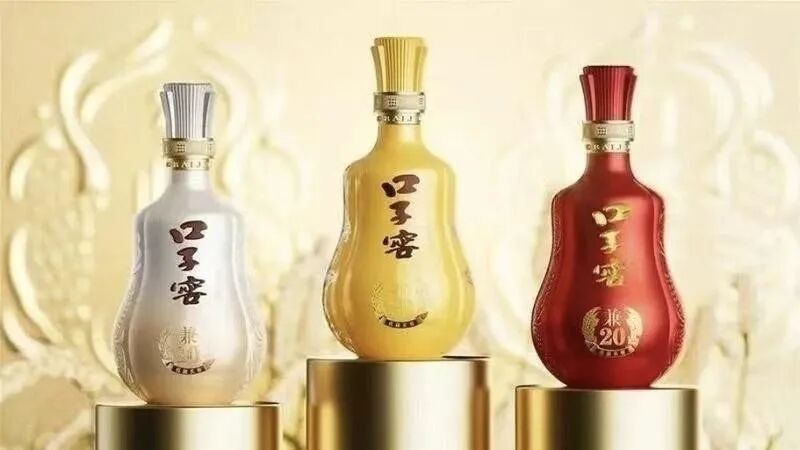
Core Viewpoint - The article highlights the significant decline in the performance of Kuozi Jiao, once a leading brand in the Chinese liquor market, now facing severe financial challenges and a drop in market position due to various internal and external pressures [2][5]. Financial Performance - Kuozi Jiao reported a third-quarter revenue of 643 million yuan, a year-on-year decrease of 46.23%, and a net profit of 26.97 million yuan, down 92.55% year-on-year [3]. - For the first three quarters, total revenue was 3.174 billion yuan, down 27.24%, with net profit at 742 million yuan, a decline of 43.39% [3]. - The company experienced its largest single-quarter decline since its listing in 2015, with operating cash flow showing a net outflow of 390 million yuan, a decrease of 208.9% year-on-year [4][8]. Product Line Performance - Kuozi Jiao's product lines showed a mixed performance: high-end liquor revenue fell by 27.98% to 2.961 billion yuan, mid-range liquor revenue dropped by 15.38% to 41.3 million yuan, while low-end liquor grew by 25% to 114 million yuan [7]. - High-end liquor accounts for approximately 95% of Kuozi Jiao's revenue, and its decline has severely impacted overall profitability [7]. Cash Flow and Inventory Issues - The gross margin decreased from 74.76% to 70.96%, indicating a shift in product structure towards lower-margin products [8]. - Inventory levels rose to 6.218 billion yuan, exceeding the projected figure for the end of 2024, marking a historical high [8]. - The decline in contract liabilities to 339 million yuan, down nearly 40% from the previous year, signals weakened future sales potential [8]. Channel Strategy and Market Position - Kuozi Jiao's reliance on a "big dealer" model has backfired, as the company failed to adapt to market changes and missed opportunities in the mid-to-high-end segment [9][11]. - The company has initiated a channel reform from "big dealer" to a "1+N small dealer" model, but this has not yet translated into increased sales [11][12]. - Despite adding 102 new dealers in the first three quarters, revenue from both domestic and international markets declined significantly [12]. Leadership and Market Sentiment - The founder, Liu Ansheng, has sold over 17.25 million shares since 2018, raising more than 1 billion yuan, which has raised concerns about the company's future [15][16]. - Kuozi Jiao's stock price has dropped approximately 60% from its peak of over 80 yuan in December 2021, reflecting negative market sentiment [15][16]. Strategic Response - Kuozi Jiao has proposed a "three-pronged" strategy to address its challenges, focusing on channel restructuring, product optimization, and increased brand investment [16][17]. - The company aims to enhance its direct sales channel to exceed 10% of total revenue and establish model markets outside Anhui [17].