
雀巢

Search documents
拟购蓝瓶咖啡:瑞幸的“高端化”
Xin Lang Cai Jing· 2025-12-26 12:21
Core Viewpoint - Luckin Coffee is considering acquiring Blue Bottle Coffee, a premium coffee brand owned by Nestlé, marking a significant potential merger between the "old king" Nestlé and the "new king" Luckin Coffee [1][13]. Group 1: Nestlé and Blue Bottle Coffee - Nestlé acquired a 68% stake in Blue Bottle Coffee for approximately $425 million in 2017, which was seen as a strategic move to embrace the "third wave" of specialty coffee [3][15]. - Over the past eight years, Blue Bottle has shifted from being a prized asset to a less valuable one for Nestlé, which reported nearly 740 billion RMB in annual revenue [3][15]. - The new CEO, Philippe Naefratil, has emphasized a growth strategy focused on internal growth rates and has raised critical questions regarding the attractiveness and positioning of Blue Bottle within Nestlé's portfolio [3][15]. Group 2: Blue Bottle's Market Position - Blue Bottle Coffee operates around 150 stores globally, with only 14 in mainland China, and its expansion has been nearly stagnant [5][17]. - The brand's commitment to a slow and artisanal coffee-making process contrasts sharply with Nestlé's focus on structured scale, making Blue Bottle a financial burden [5][17]. - Nestlé's growth is driven by its billion-dollar brands, while Blue Bottle's niche retail business contributes minimally and is misaligned with Nestlé's fast-moving consumer goods model [5][17]. Group 3: Luckin Coffee's Acquisition Intent - Luckin Coffee's potential acquisition of Blue Bottle is driven by a desire to elevate its brand perception from a budget option to a premium player in the coffee market [8][20]. - The acquisition could serve as a shortcut for Luckin to shed its "cheap drink" label and establish a presence in the high-end market, similar to how Anta leveraged acquisitions to build its brand matrix [8][20]. - Luckin's international expansion has been cautious, with only 108 overseas stores, making Blue Bottle's established presence in mature markets an attractive opportunity for global growth [8][20]. Group 4: Market Reactions and Concerns - Following the acquisition rumors, Luckin's stock price fell over 7%, indicating investor concerns about potential dilution of earnings [10][22]. - There is a fundamental cultural clash between Luckin's algorithm-driven operations and Blue Bottle's emphasis on artisanal craftsmanship, raising questions about the compatibility of their business models [10][22]. - Despite having approximately 9.4 billion RMB in cash, Luckin faces intense competition in the Chinese coffee market, with rising costs and price wars impacting profitability [10][22]. Group 5: Industry Trends - The potential merger is part of a broader trend in the global coffee industry, where major players are strategically divesting non-core assets while retaining valuable brand equity [12][24]. - This trend reflects a shift in the coffee value proposition, focusing on brand equity and intellectual property rather than the operational complexities of physical stores [12][24]. - The acquisition of Blue Bottle by Luckin symbolizes a clash of coffee philosophies and business models, highlighting the ongoing reevaluation of coffee's value in the market [12][24].


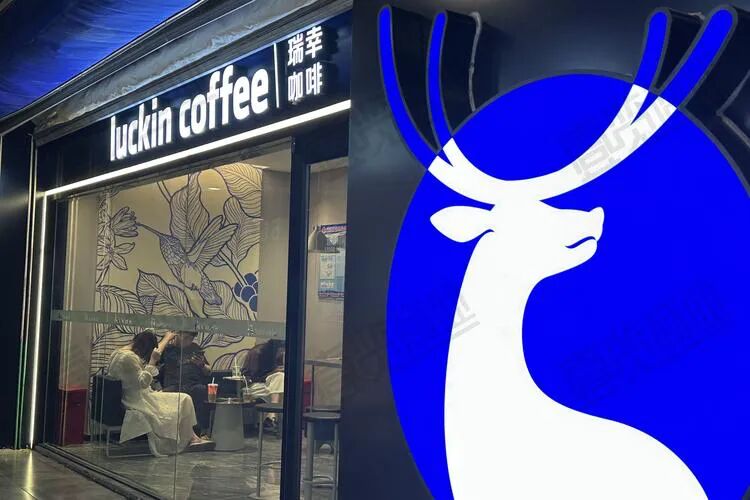
传瑞幸将收购蓝瓶咖啡,瑞幸未予置评
Xin Lang Cai Jing· 2025-12-26 09:25
Core Viewpoint - Luckin Coffee is considering acquiring Blue Bottle Coffee, which is owned by Nestlé, and is also evaluating other potential acquisition targets, including the China operations of % Arabica, backed by private equity firm PAG [1] Group 1: Acquisition Considerations - Luckin Coffee is in discussions regarding the acquisition of Blue Bottle Coffee [1] - The company, along with its investor Dazhong Capital, is assessing additional acquisition opportunities [1] Group 2: Background on Blue Bottle Coffee - Nestlé acquired approximately 68% of Blue Bottle Coffee for about $500 million in 2017 [1] - Blue Bottle Coffee entered the mainland China market in 2022, currently operating a total of 15 stores in Shanghai, Shenzhen, and Hangzhou [1] - There are plans for Blue Bottle Coffee to open a store in Beijing by 2026 [1]
【日经BP书籍】设计思维指南:创新逻辑与方法
日经中文网· 2025-12-26 02:47
Group 1 - The article introduces the "Nikkei BP Selected" column, highlighting that Nikkei BP is a leading B2B media company in Japan, focusing on management, professional technology, and lifestyle [1][3] - Nikkei BP was established in April 1969 and is part of the Nikkei Inc. group, catering to diverse customer needs in its three main areas of focus [3] Group 2 - The book "Design Thinking Guide: Innovation Logic and Methods" provides a comprehensive interpretation of design thinking from multiple dimensions, including tools, innovation practices, and social value [5] - It emphasizes the importance of observation methods in the application of design thinking, helping designers and practitioners discover and solve problems effectively [5][6] - The book also illustrates how design thinking can be integrated into companies to enhance communication and create a common language within teams, featuring case studies from companies like SAP and Nestlé Japan [6]
人造肉行业退潮:别样肉客败走中国背后的多重困局
Xin Lang Cai Jing· 2025-12-25 10:30
Core Insights - Beyond Meat, once valued at over $15 billion and backed by Bill Gates, officially ceased its operations in China by shutting down its Tmall and Pinduoduo flagship stores and halting production at its Jiaxing factory by the end of 2025, marking a significant failure of foreign brands in localizing their business in China and reflecting the complete cycle of the once-booming plant-based meat sector from enthusiasm to bubble burst [1][7] Group 1: Company Journey - Beyond Meat entered the Chinese market in 2020, leveraging the global plant-based food trend and quickly gaining recognition through partnerships with major restaurants, including Starbucks and Yum China [2][8] - The company established its first overseas factory in Jiaxing in September 2020, and by April 2021, it launched customized products like plant-based dumplings, reducing local prices by 30% compared to imported products [2][8] - Despite aggressive market strategies, sales did not translate into sustained growth, with the highest monthly sales of its plant-based burger patties on Tmall in 2023 being only about 400 units, leading to product removal from some retail locations [2][8] Group 2: Financial Performance - From 2022 to 2024, Beyond Meat's revenue declined from $419 million to $326 million, accumulating losses of $864 million, with a net loss of $156 million in 2024 [3][9] - The company's stock price plummeted from nearly $180 to $1.02, resulting in a market capitalization drop of over 98% [3][9] - In February 2025, the brand announced plans to suspend operations in China by the end of June and cut 95% of its workforce, ultimately closing its e-commerce channels by November [3][9] Group 3: Industry Challenges - High prices are a key barrier to market acceptance, with plant-based meat averaging 82% higher than traditional meat, leading to consumer complaints about affordability [4][10] - Taste and texture issues persist, with many products being perceived as "seasoned bean products" lacking the desired meat-like qualities, causing approximately 74% of Chinese consumers to express no intention to repurchase plant-based meat due to taste concerns [4][10] - The lack of national standards for plant-based meat in China raises consumer doubts about nutritional value and safety, further diminishing purchase willingness [4][10] Group 4: Market Dynamics - The capital frenzy that once fueled the sector saw 31 out of 35 financing events in the domestic plant-based meat field from 2019 to 2022, with 2020 alone witnessing a funding scale of 8 billion yuan; however, by 2024, global investment in plant-based meat companies plummeted by 64% [5][11] - The industry is undergoing a contraction, with many startups either ceasing operations or pivoting, as evidenced by the low sales figures even for major brands like Nestlé, which reported monthly sales of only over 500 units on Tmall [6][12] - Despite the downturn, long-term prospects for plant-based meat may still exist due to the push for carbon neutrality and rising health-conscious consumer demands [6][12]
2025品牌代言:顶流不再是“最优选”?
3 6 Ke· 2025-12-25 10:29
Core Insights - The article discusses the evolving landscape of celebrity endorsement marketing, highlighting a shift from traditional top-tier celebrities to a more diverse range of endorsers, including lesser-known figures and even non-human entities [2][18][24]. Group 1: Trends in Celebrity Endorsement - The number of official endorsements has increased by 22.61% in the first three quarters of this year, indicating a growing reliance on this marketing strategy [3]. - Brands are increasingly opting for unconventional combinations and cross-industry collaborations, such as luxury brands partnering with comedians or sports stars [4][7]. - The trend of using "cold" or "unusual" endorsers is on the rise, with brands selecting individuals who resonate with their image rather than just relying on mainstream celebrities [18][20]. Group 2: Market Dynamics - The competitive market landscape and fragmented media consumption have led to a demand for more authentic and diverse emotional connections from consumers [2][24]. - Brands are adapting to the changing social media landscape, where the production of topics has shifted from brands to ordinary users, allowing for greater interaction and engagement [15][16]. - The rise of digital influencers and virtual entities as brand ambassadors reflects a shift towards lower-cost and lower-risk marketing strategies [21][23]. Group 3: Challenges in Endorsement Marketing - Despite the diversification of endorsers, the most effective sales drivers remain a select group of top-tier celebrities, indicating a challenge in balancing short-term sales with long-term brand building [25][27]. - The increasing number of endorsements can lead to a "sea of people" effect, where the uniqueness of each endorsement diminishes, making it harder for brands to achieve deep resonance with consumers [29][30]. - Brands are exploring a hybrid approach, combining short-term endorsements with long-term partnerships to maintain both freshness and depth in their marketing strategies [29][30].



麦肯锡:《中期CEO必看:全球顶尖领导者如何保持高绩效与组织韧性》
3 6 Ke· 2025-12-25 10:17
Core Insights - The article emphasizes the importance for CEOs to avoid complacency after initial success and to continuously seek ways to create greater value [1][2][23] - It highlights that maintaining success is often more challenging than achieving it, with many companies failing to sustain their performance over time [2][3] Group 1: Strategies to Avoid Complacency - Continuous learning is crucial for CEOs to stay ahead, focusing on listening and integrating insights rather than merely sharing their successes [5][9] - Engaging with external stakeholders, including customers and investors, can provide valuable insights and inspiration for new product development and strategic direction [7][10] - CEOs should adopt an outsider's perspective to critically assess their companies, avoiding the pitfalls of being overly comfortable with past successes [10][11] Group 2: Planning for Future Growth - Successful CEOs combine knowledge gained from ongoing learning with an outsider's perspective to identify the next performance S-curve for their companies [15][19] - Collaboration with teams in defining future strategies is essential, as it fosters engagement and ownership among employees [17][19] - Preparing for future challenges involves building a strong talent pipeline and maintaining relationships with stakeholders to ensure resilience during crises [22][23] Group 3: Crisis Management - Companies must regularly conduct stress tests to prepare for potential crises, as crises are inevitable regardless of current performance [20][21] - Establishing a comprehensive crisis management plan is vital, detailing leadership processes and communication strategies during emergencies [21][22] - Building trust with stakeholders before a crisis occurs can significantly impact a company's ability to navigate challenges effectively [21][22]
速递|GLP-1减重药“从针到片”,正在倒逼食品工业重做产品
GLP1减重宝典· 2025-12-25 08:35
Core Viewpoint - The approval of oral GLP-1 weight loss drugs is leading to significant structural changes in the U.S. food and beverage industry, making weight loss medications more accessible to a broader consumer base, which in turn is altering consumer behavior and food consumption patterns [5]. Group 1: Impact on Consumer Behavior - The introduction of oral GLP-1 medications is expected to lower the barriers for usage, allowing more consumers to enter the weight loss medication market, thus shifting the focus from high-calorie foods to those with higher nutritional value [5]. - A study from Cornell University indicates that households using GLP-1 medications have seen grocery spending decrease by over 5%, with fast food consumption dropping nearly 8%, suggesting a shift towards quality over quantity in food choices [7]. Group 2: Industry Response - Food companies are proactively adjusting their product offerings in response to these changes. For instance, ConAgra has enhanced the high-protein and high-fiber attributes of its Healthy Choice frozen meals, targeting GLP-1 users, resulting in faster sales growth compared to competitors [7]. - Danone reported double-digit growth in its high-protein yogurt products, with this trend expected to accelerate as the usage of weight loss medications increases [7]. - Nestlé has launched a frozen meal series specifically for GLP-1 users, focusing on nutrient density rather than quantity, and optimizing retail displays in collaboration with large supermarkets [7]. Group 3: Restaurant Industry Adaptation - The restaurant sector is also adapting, with Chipotle introducing high-protein menu options and traditional chains offering smaller portion sizes at lower prices, reflecting a consumer shift towards more mindful eating habits [8]. - The adjustments in the restaurant industry indicate a consensus that consumers are not abandoning dining out but are becoming more selective and health-conscious in their choices [8]. Group 4: Long-term Implications - The widespread adoption of GLP-1 medications is seen as a long-term force reshaping consumer behavior, leading to a demand for foods that provide clear health benefits within limited caloric intake [8]. - Companies are urged to recalibrate their growth strategies, as the question of which foods remain desirable in the context of weight loss medications will be crucial for the industry's future [8].
雀巢新帅谈裁员1.6万:把资源更多投入到销售团队丨消费参考
2 1 Shi Ji Jing Ji Bao Dao· 2025-12-25 08:19
Group 1 - Nestlé plans to cut approximately 16,000 jobs over the next two years, which is about 6% of its total workforce, including 12,000 white-collar positions across all functions and regions [1] - The new CEO, Philipp Navratil, indicated that the layoffs are part of a broader efficiency evaluation, particularly focusing on marketing processes and reallocating resources to sales teams [2][3] - The layoffs are a response to declining growth, with Nestlé's total sales for the first nine months of the year at 65.9 billion Swiss francs, a year-on-year decrease of 1.9% [4] Group 2 - The Greater China region has been a significant drag on Nestlé's performance, with an organic growth rate of -10.4% in Q3, continuing a downward trend from Q2 [5] - The company is working on rebuilding its team in China, emphasizing the need for improved innovation and targeted strategies in the rapidly growing e-commerce channel [5]

雀巢新帅谈裁员1.6万:把资源更多投入到销售团队
2 1 Shi Ji Jing Ji Bao Dao· 2025-12-25 07:42
Group 1 - Nestlé plans to cut approximately 16,000 jobs over the next two years, representing 6% of its total workforce, with around 12,000 white-collar positions affected across all functions and regions [2] - The layoffs are part of a broader strategy to enhance efficiency, particularly in marketing, where resources will be reallocated to sales teams instead of repetitive tasks [2][3] - The company's total sales for the first nine months of the year were 65.9 billion Swiss francs, a year-on-year decline of 1.9%, with an organic growth rate of 3.3% [4] Group 2 - The Greater China region has been a significant drag on Nestlé's performance, with an organic growth rate of -10.4% in Q3, continuing a downward trend from Q2 [5] - For the first nine months, the organic growth rate in Greater China was -6.1%, with a negative internal growth rate of -2.9% and a pricing contribution rate of -3.2% [5] - Excluding Greater China, the organic growth rate for the Asia, Oceania, and Africa region was 5.3%, indicating stronger performance in other markets [5]
瑞幸拟竞购蓝瓶咖啡:高端化与全球化背后的战略豪赌
Xin Lang Cai Jing· 2025-12-24 10:04
Core Viewpoint - Luckin Coffee, China's largest coffee chain, is considering acquiring Blue Bottle Coffee, a premium brand owned by Nestlé, marking a significant move towards the global high-end coffee market [1][10]. Group 1: Strategic Implications - The potential acquisition is part of Luckin's globalization strategy, aiming to enhance its brand image and enter the high-end market dominated by Starbucks and independent cafes [2][11]. - Luckin Coffee has surpassed Starbucks in store count in China but is perceived as a budget brand, while Blue Bottle represents a premium positioning with a focus on quality and aesthetics [2][12]. - The acquisition could provide Luckin with over 100 international store locations, particularly in the U.S. and Japan, enhancing its global footprint [1][3][10]. Group 2: Financial Performance - As of Q3 2025, Luckin reported a net revenue of $2.1 billion, a 50% year-on-year increase, and a net profit of approximately $180 million, indicating strong financial health post-scandal [3][13]. - The financial strength supports the feasibility of a large-scale acquisition, allowing Luckin to pursue its strategic goals [3][13]. Group 3: Challenges and Risks - The acquisition faces significant challenges, including high valuation risks, as Blue Bottle's worth has likely increased since Nestlé's 2017 acquisition for approximately $425 million [4][14]. - Cultural integration poses a challenge, as Luckin's operational model differs significantly from Blue Bottle's emphasis on artisanal coffee and customer experience [4][15]. - Operational complexities arise from differing business models and supply chain management, which could hinder efficiency post-acquisition [4][15]. Group 4: Competitive Landscape - The coffee market in China is becoming increasingly competitive, with new entrants like Luckin's former executive's brand and aggressive pricing strategies from competitors [5][15]. - Luckin's profit margins are under pressure, with a reported 2.7% decline in net profit and a net profit margin of 8.26%, the lowest since 2022 [5][15]. - The global coffee industry is evolving, with major players like Starbucks expanding aggressively, indicating a shift from mere store count competition to brand positioning and capital strategies [7][17].