地平线

Search documents
星途坚定高端化决心 ET5搭载多款首发黑科技
Zhong Guo Jing Ji Wang· 2025-12-01 06:47
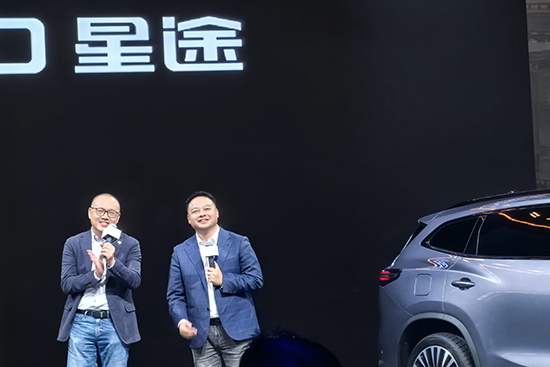
"星途ET5的底盘平台是奇瑞从2010年开始研发的,那时候有一个项目就是观致,当时招聘了全球顶尖 的设计师,很多都来自于宝马。如今已经过去15年,我们一直在迭代升级,采用了与路虎同源的H臂, 使用大量铝合金,降低重量并提升操控。" 11月28日,星途汽车旗下"新奢智电中型SUV"——星途ET5正式上市,新车推出两款配置,限时超级置 换价13.49万—14.99万元。活动现场,奇瑞汽车执行副总裁李学用重提观致汽车,并介绍了星途ET5地 平线HSD与征程6P芯片和猎鹰700城区NOA等智能化能力,坚定了星途高端化的决心。 得益于油电协同的产品布局、深厚的技术积累、深度本地化的全球化战略,奇瑞汽车近年来得到快速发 展。今年前10个月,奇瑞汽车累计销量达228.89万辆,同比增长13%,旗下风云系列、捷途和iCar等均 展现出良好的发展态势。 智能座舱方面,星途ET5采用10.25英寸仪屏+15.6英寸中控屏+12.3英寸副驾屏三联屏设计,可通过"三 指飞屏"实现无缝流转;支持HiCar+CarPlay+Carlink+Lion link无线投屏,实现全域手机互联;AI语音大 模型智能免唤醒可连续执行40个指令,这也 ...

星途ET5首搭“中国版FSD” 星途联手地平线拔高智能科技体验
Zhong Guo Jing Ying Bao· 2025-11-30 15:48
Core Insights - The launch of the Xpeng ET5 marks a significant step in making luxury automotive experiences accessible, as stated by Chery Automobile's Executive Vice President Li Xueyong [2] - The ET5 is equipped with advanced technology, including the Horizon HSD and Journey 6P chips, boasting a computing power of 560 TOPS, making it the first vehicle globally to feature the Journey 6P chip [2][3] - The ET5 has been recognized as one of the "World's Top Ten Smart Cars," highlighting its advanced driver assistance capabilities [2] Product Features - The ET5 is positioned as a "new luxury smart electric mid-size SUV" and features five core advantages in intelligent driving assistance: "superhuman response," "human-like thinking," "human-controlled driving," "panoramic roaming," and "easy parking" [3] - The vehicle includes 27 high-precision sensors, comprising 1 LiDAR, 3 millimeter-wave radars, 11 multifunctional cameras, and 12 ultrasonic radars, providing a perception range equivalent to three football fields and covering over 300 parking scenarios [4] - The smart cockpit features a tri-screen setup with a 10.25-inch instrument display, a 15.6-inch central control screen, and a 12.3-inch co-driver screen, supporting seamless information transfer and various wireless connectivity options [5] Performance and Efficiency - The ET5 is powered by the "Golden Range Extender CEM" system, featuring a 1.5T range extender with a thermal efficiency of 45.79% and an oil-electric conversion efficiency of 3.71 kWh/L [5] - The vehicle offers a pure electric range of 210 km and a comprehensive range of up to 1310 km, showcasing its efficiency and performance capabilities [5] Pricing and Offers - The ET5 is available in two configurations, with official prices ranging from 144,900 to 159,900 yuan, and after a trade-in subsidy, the prices drop to 134,900 to 149,900 yuan [2] - Customers who place orders before December 31, 2025, can enjoy a total value of 52,800 yuan in purchase benefits, including various incentives [2]
港股强劲表现会持续到2026年!银河证券吴鹏:中资投行面临三大机遇
Sou Hu Cai Jing· 2025-11-30 07:48
Core Insights - The strong performance of the Hong Kong stock market is expected to continue until 2026, driven by technology, consumer sectors, and support from state-owned enterprises [1][2] - The Hong Kong market has been one of the best-performing globally, with the Hang Seng Index outperforming major indices like NASDAQ and CSI 300 [1] - Factors such as the depreciation of the US dollar, inflow of southbound capital, supportive national policies, and a thawing of US-China relations are key drivers of the market's rise [1] Market Performance - The primary market in Hong Kong has seen significant growth in IPOs and refinancing this year, indicating a favorable environment for investors, issuers, and investment banks [2] - The market structure has become more balanced, with active financing in consumer and healthcare sectors alongside technology [2] - Investor enthusiasm is high, with noticeable increases in both public and international subscription multiples compared to last year [2] Future Outlook - The current bullish trend in the Hong Kong market is not seen as a short-term phenomenon, with expectations for a more favorable market environment in 2026 [2] - Large IPO projects are anticipated to enhance investor interest and optimism [2] - The three main opportunities for Chinese investment banks include leadership from technology and innovation enterprises, consumer sectors taking over as a growth driver, and active support from state-owned and cornerstone investors [2] Internationalization Challenges - Despite the opportunities, challenges such as stricter US regulations on Chinese stocks, government controls on AI and chip industries, lower liquidity compared to US markets, and potential global economic slowdowns pose risks [3] - The lack of international talent, particularly outside Greater China, is a significant challenge for Chinese investment banks [6] - Cultural integration is highlighted as a critical factor for the success of multinational financial institutions, with efforts being made to promote cultural exchange and training [6] Company Development - Galaxy Securities has made significant strides in internationalization through its entities, Galaxy International and Galaxy Overseas, focusing on markets in Southeast Asia [5] - Galaxy International ranks among the top five Chinese brokers in IPO sponsorship and has completed several notable projects [5] - The company has established strong research capabilities in ASEAN, covering 35 markets and providing reports for over 600 companies [5]
港股强劲表现会持续到2026年!银河证券吴鹏:中资投行面临三大机遇
券商中国· 2025-11-30 07:29
Core Viewpoint - The strong performance of the Hong Kong stock market is expected to continue until 2026, driven by technology, consumer sectors, and support from state-owned enterprises [1][4]. Group 1: Hong Kong Stock Market Performance - The Hong Kong stock market has been one of the best-performing markets globally, with the Hang Seng Index outperforming major indices like Nasdaq and CSI 300 in 2025 [3]. - Technology and consumer sectors have shown the most significant performance in the Hong Kong market this year, with corporate earnings exceeding expectations [3]. - Factors such as the depreciation of the US dollar, inflow of southbound capital, supportive national policies, and a temporary easing of US-China relations are key drivers of the market's rise [3][4]. Group 2: Future Outlook - The current bullish trend in the Hong Kong stock market is not seen as a short-term phenomenon, with expectations of a favorable market environment in 2026, including large IPOs that could enhance investor interest [4]. - The three major opportunities for Chinese investment banks include leadership from technology and innovation enterprises, the consumer sector becoming a new growth line, and active support from state-owned and cornerstone investors [4]. Group 3: Internationalization of Chinese Investment Banks - Chinese investment banks face challenges in internationalization, including a lack of international talent outside Greater China and a limited range of product offerings [5][9]. - Cultural integration is identified as a significant challenge for the international development of Chinese investment banks, with efforts being made to promote cultural exchange and training [9]. Group 4: Achievements of Galaxy Securities - Galaxy Securities has made significant strides in internationalization through its entities, Galaxy International and Galaxy Overseas, with the former ranking among the top five Chinese brokers in IPO sponsorship [7]. - The firm has successfully completed several landmark projects and has a strong presence in Southeast Asia, covering 35 markets and 29 exchanges [8]. - Galaxy Securities is the only Chinese broker capable of hosting large-scale local roadshows in Southeast Asia, establishing close cooperation with local sovereign funds and large institutions [8].


被遗忘的商汤绝影
自动驾驶之心· 2025-11-30 02:02
Core Viewpoint - The article discusses the challenges and dynamics faced by the autonomous driving sector, particularly focusing on the company SenseTime's subsidiary, Absolute Shadow, as it seeks external financing amidst a tightening market environment [4][5][20]. Group 1: Market Dynamics - The autonomous driving battlefield is entering a critical phase, with significant events such as the announcement of a 3.6 billion financing round by another player, indicating a narrowing financing environment [5]. - Absolute Shadow is seen as a unique player outside the final competition circle, struggling to secure its position in a market dominated by tech giants and established automotive manufacturers [6][10]. Group 2: Company Positioning - Absolute Shadow is categorized among three types of companies in the autonomous driving landscape: those incubated by tech giants, those supported by automotive manufacturers, and those founded by star entrepreneurs [6]. - The company has faced challenges in becoming a core platform provider, with its product lines significantly reduced and a focus on specific platforms like Horizon and NVIDIA [24][26]. Group 3: Talent and Management Issues - The company has experienced significant turnover in its leadership, impacting its ability to meet the demands of long-term production cycles [27]. - Frequent changes in management have led to a disconnect between the algorithm and engineering teams, hindering the transition from theoretical models to practical applications [31]. Group 4: Customer Relationships - Absolute Shadow's customer base primarily consists of secondary suppliers, with its largest client, Nezha Auto, facing operational challenges that jeopardize future orders [28][29]. - The company has attempted to attract clients through innovative delivery models but risks being marginalized as competitors solidify their partnerships [29]. Group 5: Financial Viability and Future Outlook - The company has struggled with profitability, with most of its revenue coming from low-margin products rather than high-value autonomous driving solutions [31]. - Despite its challenges, Absolute Shadow retains potential value in areas like AI infrastructure and multi-modal interactions, although it has fallen behind in the autonomous driving sector [32][33].

芯联资本袁锋:CVC下半场,要摆脱简单的供应链投资
投中网· 2025-11-29 07:03
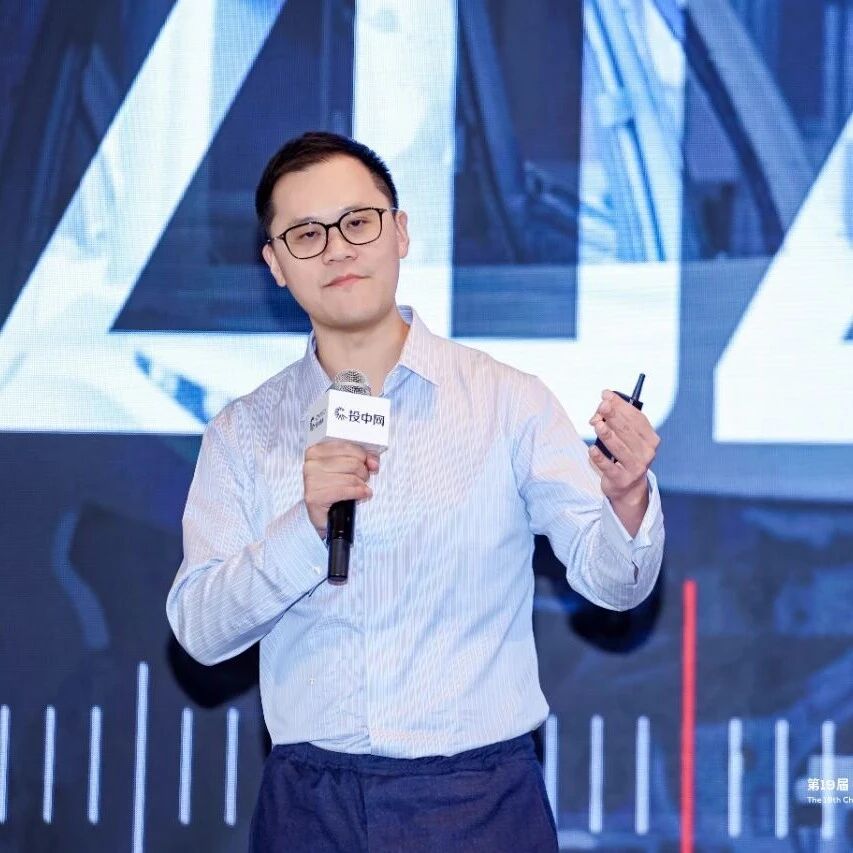
Core Viewpoint - The next five years will be a golden period for Corporate Venture Capital (CVC), emphasizing its value and role in driving innovation and establishing competitive advantages for companies [2][4]. Group 1: Past Five Years - The past five years have seen the gradual recognition of CVC's value, with supply chain investment serving as the essential entry point for CVCs [5][10]. - The Chinese hard technology sector, particularly the automotive industry, has undergone significant transformation, with the penetration rate of new energy vehicles rising from less than 5% in 2020 to 50% today [6]. - The semiconductor industry has also experienced rapid growth, with domestic companies increasing their market presence, leading to a rise in the localization rate of semiconductor equipment from about 10% to 40%-50% in some wafer fabs [9]. Group 2: Future Five Years - The future will witness a shift from simple supply chain investments to a focus on innovation and ecosystem building, with CVCs acting as connectors to enhance their companies' competitive advantages [11][14]. - By 2025, the industry will see a consolidation phase, with many startups exiting the market, leading to increased concentration in both the automotive and semiconductor sectors [12]. - There will be a transition from pursuing scale to fostering foundational innovation, with Chinese companies aiming to lead in core technologies such as autonomous driving and battery systems [13]. - CVCs will need to build systematic capabilities rather than relying on single-point breakthroughs, as comprehensive systems become crucial for industry leadership [13]. - Internationalization will become increasingly important, with Chinese companies establishing local production to adapt to global supply chain strategies [14]. Group 3: CVC's New Mission - CVCs must evolve to become "links" that help companies build their strengths while also investing in emerging industries and reinforcing competitive barriers through innovation [14][15]. - Successful examples include investments in silicon carbide technology, which has captured 70% of the Chinese market, and collaborations in robotics and AI to enhance foundational technology capabilities [15][16]. - The role of CVCs will vary across different stages of corporate development, as seen in historical examples like Intel, which transitioned from supply chain investments to ecosystem building and embracing AI innovations [17][18].
中国自动驾驶企业开启“大航海时代”
Zheng Quan Ri Bao· 2025-11-28 16:47
Core Viewpoint - The global market for autonomous driving is rapidly expanding, with Chinese companies making significant strides in various international markets, but intense competition and profitability challenges persist [1][3]. Group 1: Market Expansion - Chinese autonomous driving technology has successfully penetrated markets in Singapore, UAE, Saudi Arabia, and the USA, covering various vehicle types such as sanitation vehicles, mining trucks, minibuses, and Robotaxis [1]. - The industry is transitioning from single-point demonstrations to comprehensive coverage, forming a trillion-yuan global market [1]. Group 2: Competitive Landscape - There are over 8,200 active autonomous driving-related companies in China, leading to fierce competition and a "burning money for market share" phenomenon [3]. - Major players in the Robotaxi sector, such as Xiaoma Zhixing and Wenyan Zhixing, reported significant losses, with Xiaoma Zhixing's net loss reaching $152 million in the first three quarters of 2025, a 62.1% year-on-year increase [3][4]. - R&D expenditures are a major factor in these losses, with Xiaoma Zhixing spending over $517 million from 2022 to 2024, while total revenue during the same period was only $215 million, resulting in an R&D expenditure ratio of 239.5% [3]. Group 3: Opportunities in International Markets - The demand for autonomous driving technology is high in developed countries due to issues like labor shortages and inefficiencies in public transport [5]. - Companies are shifting from merely exporting products to providing comprehensive "technology + operation" solutions [6]. Group 4: Challenges in Globalization - Key challenges include policy compliance, adapting technology to different scenarios, and cultural differences in safety standards [7][8]. - Environmental factors, such as extreme temperatures in the Middle East, pose significant challenges to the performance of autonomous vehicles [8]. Group 5: Capital and Funding - The ongoing commercialization challenges necessitate continuous funding for autonomous driving companies to maintain technological advancements [9]. - Recent IPOs and significant funding rounds, such as Didi Autonomous Driving's $2 billion Series D round, highlight the importance of capital in supporting international expansion and local adaptation [9]. Group 6: Strategic Partnerships - Collaborations with global ride-hailing platforms, like Uber, are crucial for Chinese autonomous driving companies to establish a foothold in international markets [6][10]. - Companies are focusing on building a robust ecosystem and leveraging partnerships to enhance their competitive edge [10].
地平线HSD量产破局:中国车企集体超越特斯拉的关键一跃
Zhong Guo Qi Che Bao Wang· 2025-11-28 05:41
Core Insights - The launch of Chery's Starway ET5 equipped with Horizon HSD marks a significant breakthrough in China's smart driving industry, bringing advanced intelligent driving experiences to mass-market vehicles priced around 150,000 yuan [2][11] - Horizon HSD aims to challenge Tesla's dominance in high-level intelligent driving, facilitating a collective effort among Chinese automakers to surpass industry benchmarks [2][11] Industry Challenges - The Chinese intelligent driving sector faces two main challenges: a focus on high computing power without sufficient algorithm optimization, leading to high hardware costs and limited consumer experience, and the use of segmented technology solutions that result in performance issues [5] - Horizon HSD addresses these challenges with an end-to-end architecture and reinforcement learning, enhancing the driving experience in complex urban scenarios [5] Technological Advantages - Horizon HSD features the "Zhengcheng 6P" chip, providing 560 TOPS of computing power, enabling efficient deployment of advanced driving models [5] - The system's architecture allows for rapid iteration and improvement, with performance enhancements expected to be significant within short timeframes [7] Production Capabilities - Horizon has established itself as the first company to achieve mass production across all levels of driving assistance, with over 40 partnerships and more than 400 models covered, achieving a market share exceeding 30% in the smart driving solutions for domestic passenger vehicles [8] - The company emphasizes a strong engineering and production capability, ensuring seamless integration of technology and mass production [8] Open Empowerment Strategy - Horizon's open empowerment model contrasts with Tesla's closed ecosystem, allowing various automakers to adopt high-level intelligent driving systems without extensive R&D investments [10] - The technology is now accessible to mainstream vehicles priced below 150,000 yuan, breaking the previous barrier that limited advanced driving systems to luxury models [10] Future Goals - Horizon aims to achieve a production target of 10 million units for HSD in the next 3-5 years, driving the widespread adoption of advanced driving assistance systems [11] - The company's efforts are positioned to enhance China's competitiveness in the global smart driving landscape, contributing to a collective advancement beyond Tesla [11]


新能源汽车风云录:从蔚小理到新势力崛起,未来投资密码何在?
雪球· 2025-11-28 04:43
Core Viewpoint - The article discusses the dynamic landscape of the electric vehicle (EV) industry, highlighting the competition among established players like BYD and Tesla, as well as new entrants like Seres and Xiaomi, while emphasizing the need to decode future investment opportunities amidst technological advancements and market shifts [4]. Market Status: Opportunities Amidst Differentiation - The EV market in 2025 shows a duality of growth and cooling, with production and sales increasing by 45% year-on-year in the first five months, and penetration rates surpassing 44%, indicating that one in every two new cars is an EV [5]. - However, the overall vehicle market growth is only 3%, signaling a shift from rapid expansion to more refined strategies [5]. - The competitive landscape is dominated by BYD and Tesla, with BYD leveraging vertical integration and technological iteration, while Tesla focuses on Full Self-Driving (FSD) to penetrate global markets [5]. - New entrants are experiencing differentiation: Li Auto maintains a strong position through precise targeting, NIO solidifies its high-end market with battery swapping, and Seres benefits from Huawei's smart driving technology [5]. Technological Warfare: Battery, Smart Driving, and Ecosystem - The article identifies three critical technological battlegrounds: 1. Battery Revolution: Solid-state batteries are on the horizon, with CATL's "Shenxing Battery" achieving 400 km range in just 10 minutes of charging, although mass production of solid-state batteries remains a challenge [6]. 2. Smart Driving Competition: The transition from L2 to "City NOA" is underway, with Tesla's FSD evolving and Huawei and Xpeng pushing for urban NOA implementation, making smart driving a standard feature rather than just a selling point [6]. 3. Ecosystem Integration: Companies like Xiaomi and Huawei are integrating their ecosystems into vehicles, creating a holistic user experience that extends beyond the car itself [6]. Investment Insights: Identifying Certainty Across Cycles - Future investments should focus on three key logics: 1. Head Concentration: Betting on "the strong will get stronger," with BYD and Tesla showing resilience due to scale, technology, and brand barriers, while Seres and Xiaomi offer differentiated competitive advantages [7]. 2. Technological Positioning: Focusing on critical points in the supply chain, such as battery production led by CATL and BYD, and smart driving chips dominated by Huawei and Horizon [7]. 3. Risk Avoidance: Being cautious of "pseudo-innovation" and "low barriers," as smaller companies lacking core technology may face elimination during market consolidation [7]. User Transition: From High-End to Rational Demand - The market is undergoing a structural shift, with second-tier and lower-tier cities accounting for over 50% of sales, indicating a move from policy-driven to market-driven demand [8]. - User profiles are becoming clearer, with urban middle-class consumers seeking smart features and cost-effectiveness, while younger consumers in smaller cities are eager to try new technologies [8]. - Decision-making is becoming more rational, with key considerations including range, charging, resale value, and safety, prompting companies to address these pain points [8]. Industry Insights: A Paradigm-Shifting Revolution - The EV wave offers insights that extend beyond the automotive industry: 1. Balancing "Fast" and "Slow": While technological iterations occur rapidly, the maturity of the supply chain requires years of development, necessitating a balance between innovation speed and quality [10]. 2. Inevitable Cross-Industry Integration: The entry of tech companies disrupts traditional automotive boundaries, leading to a three-dimensional competition involving software, hardware, and ecosystems [11]. 3. Globalization as a Double-Edged Sword: Chinese automakers face opportunities abroad but must also navigate geopolitical and trade barriers [12]. 4. Long-Termism as a Winning Strategy: Post-subsidy reductions, only companies that invest in R&D and build brand moats will survive through cycles [13]. Conclusion - The EV industry stands at a historical crossroads, where technological breakthroughs and market dynamics intersect, and user demands collide with capital logic [14]. - Future winners will be those who lead change through technological innovation, control the supply chain to mitigate risks, and define products with a user-centric approach [14].


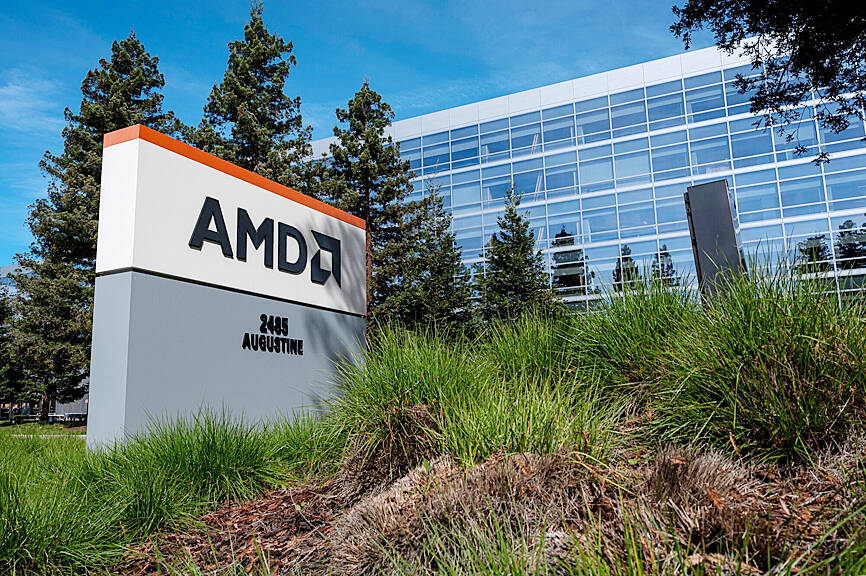
AMD与韩企合作 推动L2辅助驾驶向L3自动驾驶演进
Ju Chao Zi Xun· 2025-11-27 18:29
Core Insights - AMD announced a new collaboration with South Korean autonomous driving vision perception company STRADVISION, set to be revealed at CES 2026 [1] - The partnership aims to integrate hardware and software solutions for automotive perception and autonomous driving, utilizing AMD's second-generation Versal AI Edge VEK385 platform and STRADVISION's MultiVision software [3] Group 1: Collaboration Details - The collaboration focuses on the integration of AMD's VEK385 adaptive SoC, which meets the real-time and safety requirements of autonomous driving with its deterministic and low-latency computing architecture [3] - STRADVISION, established in 2014, specializes in AI vision perception technology for the automotive sector, holding over 400 patents in deep neural networks and having its technology deployed in over a million vehicles globally [3][4] Group 2: Technical Advancements - AMD and STRADVISION are working to advance existing L2-level driver assistance systems towards higher levels of L2+ and L3 autonomous driving without completely restructuring the vehicle's electronic architecture [4] - The collaboration aims to enhance capabilities in target detection, lane line recognition, and drivable area modeling, leveraging the high computing performance of VEK385 and the experience of MultiVision in quantization inference and latency control [4] Group 3: Market Implications - The partnership is viewed as a significant step in expanding AMD's automotive ecosystem, potentially increasing its influence in the automotive intelligent computing market [4] - However, the penetration of advanced autonomous driving technologies remains uncertain due to regulatory challenges, production rhythms of automakers, and the exploration of business models [4]