瑞幸咖啡

Search documents
商场B1B2层,“最强开店王”大洗牌!
3 6 Ke· 2026-01-20 02:17
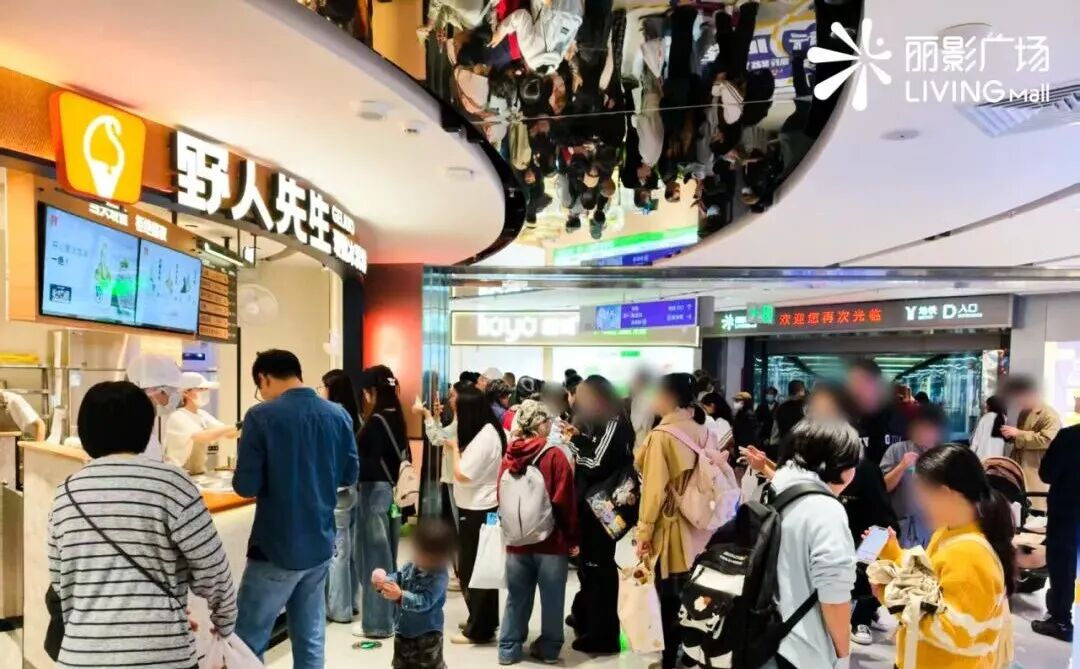
Core Insights - The B1B2 levels of shopping malls have transformed into vibrant spaces that attract young consumers, reflecting a shift in the Chinese consumer market towards experiences that provide emotional value rather than mere ownership [1][2] - The B1B2 levels are characterized by a mix of instant dining and emotional retail, with dining accounting for approximately 45% and retail around 35% of the space [2][3] Group 1: B1B2 Level Dynamics - The B1B2 levels are experiencing a value reassessment, with a stable distribution of five major sectors: retail, dining, children's activities, cultural and entertainment, and lifestyle services [2] - Instant dining, particularly snack and beverage options, is a key driver of foot traffic, appealing to young consumers with low prices and high convenience [3][4] - The popularity of baked goods is on the rise, projected to exceed 7.15% by 2025, with new brands emerging to meet social and self-indulgent needs [4][5] Group 2: Emotional Retail and Consumer Trends - Emotional retail focuses on sales experiences and social currency, providing a sense of joy without spending money, thus injecting freshness and engagement into the B1B2 levels [5][7] - Young consumers prioritize emotional returns on investment, seeking experiences that enhance their feelings rather than just acquiring products [7][20] - The presence of lifestyle services, such as pet shops and lottery stations, contributes to maintaining foot traffic and a relaxed atmosphere in the B1B2 levels [14] Group 3: Market Adjustments and Brand Opportunities - Certain categories, such as automotive showrooms and luxury goods, are shrinking in the B1B2 levels due to their low-frequency nature, while traditional categories like beauty and women's apparel are also declining [8][12] - The B1B2 levels are seeing a significant turnover, with over 22% of total store adjustments occurring in this area, indicating a dynamic market environment [15][16] - Brands that align with the instant dining and emotional retail trends, such as Wildman and Tamkoko, are rapidly expanding, indicating a shift towards brands that offer immediate satisfaction and emotional engagement [19][20]

对年薪50万“断舍离” 前地产人找到职业新支点
Zhong Guo Jing Ying Bao· 2026-01-19 23:51
Group 1 - The real estate industry is experiencing significant fluctuations, leading some professionals to switch careers for less stressful jobs with lower pay but more learning opportunities [1][2] - A former real estate professional, Li Shun, has opted for part-time work as a way to pursue entrepreneurship while accepting a lower income of around 6,000 yuan per month [2] - The National Bureau of Statistics reported that the real estate sector employs approximately 10.12 million people, covering key roles such as development, sales, and property management [2] Group 2 - Another former real estate worker, Lü Tingting, transitioned to a government job after nearly 20 years in the industry, accepting a significant pay cut from over 500,000 yuan annually to 5,000 yuan per month [4] - Lü Tingting proactively left her position to secure a reasonable compensation package, indicating a strategic approach to career transition amid industry challenges [4] - Both individuals express a commitment to continuous learning and adapting to new industries, highlighting a trend of professionals seeking stability and growth outside of real estate [4]

现饮市场争夺加速:“价格之战”变“资本之战”
Zhong Guo Jing Ying Bao· 2026-01-19 06:03
Group 1 - The year 2025 is significant for China's ready-to-drink tea industry, with many new tea brands planning to go public and the coffee sector experiencing mergers and acquisitions [1][2] - The coffee market is characterized by four core features: market expansion, price stratification, rapid store openings, and the rise of local brands, with international brands like Starbucks seeking local partnerships [1][2] - New tea brands are shifting from rapid expansion to focusing on quality and customer loyalty, especially in overseas markets like North America [1][2] Group 2 - Several new tea brands, including Gu Ming and Mi Xue Group, are preparing for IPOs in 2025, contributing to a wave of capital influx in the industry [2] - In the coffee sector, Starbucks China is collaborating with Boyu Capital to expand its store count to 20,000, marking a significant strategic shift [2][3] - Luckin Coffee has become a dominant player with 29,214 stores globally, surpassing Starbucks in terms of store count and revenue [4][5] Group 3 - The competition in the coffee market is intensifying, with brands like Luckin Coffee and Manner Coffee adopting aggressive expansion strategies [5][6] - The focus is shifting towards high-traffic locations in first and second-tier cities, while brands are also investing in premium coffee segments [6] - The entry of Boyu Capital is expected to enhance Starbucks' market presence, particularly in smaller cities and emerging regions [6] Group 4 - The new tea drink sector is facing challenges, including a wave of store closures, with a reported net decrease of 16,000 tea shops in the past year [8] - Brands are competing aggressively in the low-price segment, with many products priced below 10 yuan [8][9] - New tea brands are also exploring international markets, particularly in North America and Latin America, to find new growth opportunities [9][10]
社会服务板块2025年四季度前瞻:促消费政策频发、休闲需求稳中向好,关注出行链布局机会
CMS· 2026-01-19 05:07
Investment Rating - The report maintains a positive investment rating for the industry, highlighting a favorable outlook for the tourism and leisure sectors due to government policies aimed at boosting domestic consumption and service spending [1][35]. Core Insights - The report emphasizes the recovery of domestic tourism, with expected growth rates of 12% in revenue and 18% in visitor numbers for Q1-Q3 2025, driven by sustained leisure travel demand and the rise of experiential consumption [1][35]. - The overall tourism market is projected to grow by over 10% for the year, supported by government initiatives such as promoting spring and autumn travel and issuing cultural tourism consumption vouchers [1][35]. - Key companies recommended for investment include China Duty Free Group, Jin Jiang Hotels, Shouqi Group, Tongcheng Travel, and Ctrip Group, alongside high-growth tea beverage stocks like Gu Ming and low-valuation restaurant growth stocks like Green Tea Group [1][35]. Summary by Sections 1. Restaurant Sector - Offline consumption is gradually recovering, with Q4 restaurant revenue showing steady growth, achieving 519.9 billion and 605.7 billion yuan in October and November 2025, respectively, with year-on-year growth of 4.99% and 4.40% [7][10]. - Leading restaurant companies are recovering faster than the industry average, with significant revenue increases noted for major players [10][14]. 2. Tea Beverage Sector - The tea beverage sector has seen a surge in same-store sales growth due to delivery subsidies, with leading brands like Gu Ming and Hu Shang A Yi maintaining high growth rates of 15-20% [7][10][14]. - The number of new store openings has doubled compared to 2024, indicating aggressive expansion strategies among top brands [16]. 3. OTA (Online Travel Agency) - The recovery of outbound travel demand is evident, with strong performance in Southeast Asia routes and a notable increase in visitor numbers to Japan and South Korea [20][24]. - The report highlights the long-term profit potential of leading OTA companies like Ctrip and Tongcheng Travel, driven by the ongoing recovery in leisure travel demand and improved commission rates [24][25]. 4. Hotel Sector - The hotel industry is expected to see a stable RevPAR (Revenue per Available Room) in Q4, with a year-on-year growth of 6-8% in room supply [29][30]. - Major hotel chains like Shouqi and Jin Jiang are projected to maintain or improve their performance, benefiting from cost reductions and increased guest traffic during holiday periods [29][30][31]. 5. Investment Recommendations - The report suggests focusing on the travel sector, particularly companies involved in OTA, hotels, and scenic spots, as they are likely to benefit from favorable government policies [1][35]. - Additionally, it recommends investing in high-growth tea beverage stocks and undervalued restaurant growth stocks, indicating a diversified approach to capitalizing on the recovery in consumer spending [1][35].



蜜雪、瑞幸、茶颜都在推,“老人味”水果意外走红
3 6 Ke· 2026-01-19 00:48
Core Insights - The beverage industry is experiencing a surge in interest towards banana-based products, with major brands like Mixue Ice City, Luckin Coffee, and Tea Yan Yue Se launching new banana drinks, indicating a trend shift in consumer preferences [1][2][4]. Group 1: Product Launches and Market Response - Mixue Ice City has introduced three banana drinks: Banana Milk, Banana Yogurt, and Banana Latte, promoting them with catchy slogans and marketing campaigns that have successfully attracted consumer attention [2][4]. - Tea Yan Yue Se has also tested two banana products, which quickly became top sellers in their test stores, showcasing the market potential for banana beverages [5][7]. - Other brands like Yake Yasi and 1 Point 1 have previously launched banana products, with Yake Yasi achieving sales of 100,000 cups in a month, further highlighting the growing popularity of banana in the beverage sector [7][9]. Group 2: Reasons for Increased Popularity - Bananas have a high national recognition and can easily pair with popular elements like cocoa and Thai tea, making them appealing across all age groups [11][13]. - The natural sweetness of bananas aligns with current health trends, allowing for reduced sugar content in drinks while still providing a sweet flavor [16][18]. - Brands are innovating to enhance the perceived value of banana drinks, moving away from the stereotype of being a cheap fruit by creating unique and premium offerings [20][21]. Group 3: Challenges and Solutions - Despite the rising trend, banana beverages face challenges such as oxidation, inconsistent quality, and strong flavors that may not appeal to all consumers [21][23]. - Solutions being explored include adding lemon juice to delay oxidation and using various flavor pairings to balance sweetness, which can enhance the overall taste experience [24][25]. - The beverage industry recognizes the need for stable supply chains and quality control to ensure consistent product offerings, which is crucial for the success of banana-based drinks [26][27].


可口可乐或放弃出售Costa;海底捞张勇归来;Alo将开中国首店|品牌周报
3 6 Ke· 2026-01-18 12:22
Group 1: Coca-Cola and Costa Coffee - Coca-Cola has reportedly abandoned the plan to sell Costa Coffee due to bidders' offers falling short of expectations, marking a "latest setback" for the company [1] - The expected price for Costa Coffee was around £2 billion (approximately ¥18.7 billion), which is about half of the £3.9 billion paid during its acquisition in 2018 [1] - Future plans for a potential sale of Costa Coffee may be revisited in the medium term [1] Group 2: Costa Coffee Financial Performance - Costa Coffee's revenue for 2024 is reported at £1.2 billion (approximately ¥11.2 billion), but the operating loss has more than doubled to £13.5 million (approximately ¥12.5 million) [2] - The company attributes the loss to weak foot traffic in commercial streets and pressure from low-cost competitors [2] Group 3: Haidilao Management Changes - Haidilao announced significant executive and board changes, with founder Zhang Yong returning as CEO effective January 13, 2026 [3] - The company aims to enhance management efficiency and decision-making through the promotion of intelligent and automated management processes [3] - New executive directors have been appointed to support innovation and long-term development [3] Group 4: Haidilao's Business Expansion - Since the launch of the "Pomegranate Plan" in 2024, Haidilao has introduced several new dining sub-brands, expanding its offerings beyond hot pot [4] - The company operates 14 restaurant brands with a total of 126 stores, in addition to its core hot pot business [4] Group 5: Hushang Auntie Profit Forecast - Hushang Auntie has issued a positive profit forecast for 2025, expecting net profits to reach between ¥495 million and ¥525 million, a year-on-year increase of 50% to 60% [5] - The growth is attributed to a multi-brand development strategy and ongoing operational efficiency improvements [5] Group 6: Salia's Profit Growth - Salia reported a net profit of ¥1.3 billion for the September to November 2025 period, a 16% year-on-year increase, achieving a two-year high [6] - The company’s sales increased by 15% to ¥31.7 billion during the same period, despite rising raw material costs [6] Group 7: Alo Yoga's Expansion in China - Alo Yoga is set to open its first store in China in Shanghai's Jing'an Kerry Center in the second quarter, with a second store planned for Beijing [7] - The brand emphasizes high-quality yoga and sportswear, with a pricing strategy positioned in the premium segment [7] Group 8: Global Yoga Apparel Market Growth - The global yoga apparel market is projected to reach $28.84 billion by 2025, with a compound annual growth rate of approximately 8.31% [8] - Alo Yoga has appointed former Dior executive Benedetta Petruzzo as CEO to accelerate global expansion [8][9] Group 9: Dongpeng Beverage Profit Forecast - Dongpeng Beverage expects a net profit of between ¥4.34 billion and ¥4.59 billion for 2025, representing a year-on-year growth of 30.46% to 37.97% [17] - The company continues to focus on channel management and product exposure to drive sales growth [17] Group 10: Moutai's Corporate Sales Strategy - Moutai has opened sales of its 1499 yuan per bottle Flying Moutai to qualifying corporate clients, focusing on existing customers for 2026 contracts [18] Group 11: San Yuan's Revenue Projection - San Yuan expects to achieve approximately ¥6.35 billion in revenue for the previous year, with a significant increase in net profit projected for 2025 [19] - The company maintains a leading market share in liquid milk in Beijing, with over 50% in low-temperature fresh milk [19] Group 12: Mammut Potential Acquisition - Swiss outdoor brand Mammut is considering a sale, with an estimated transaction value of up to €500 million, and Anta Group is seen as a potential buyer [20]


澳网奖金同比增长16%创新高,周杰伦和中国大公司添了一把火
Xin Lang Cai Jing· 2026-01-18 09:17
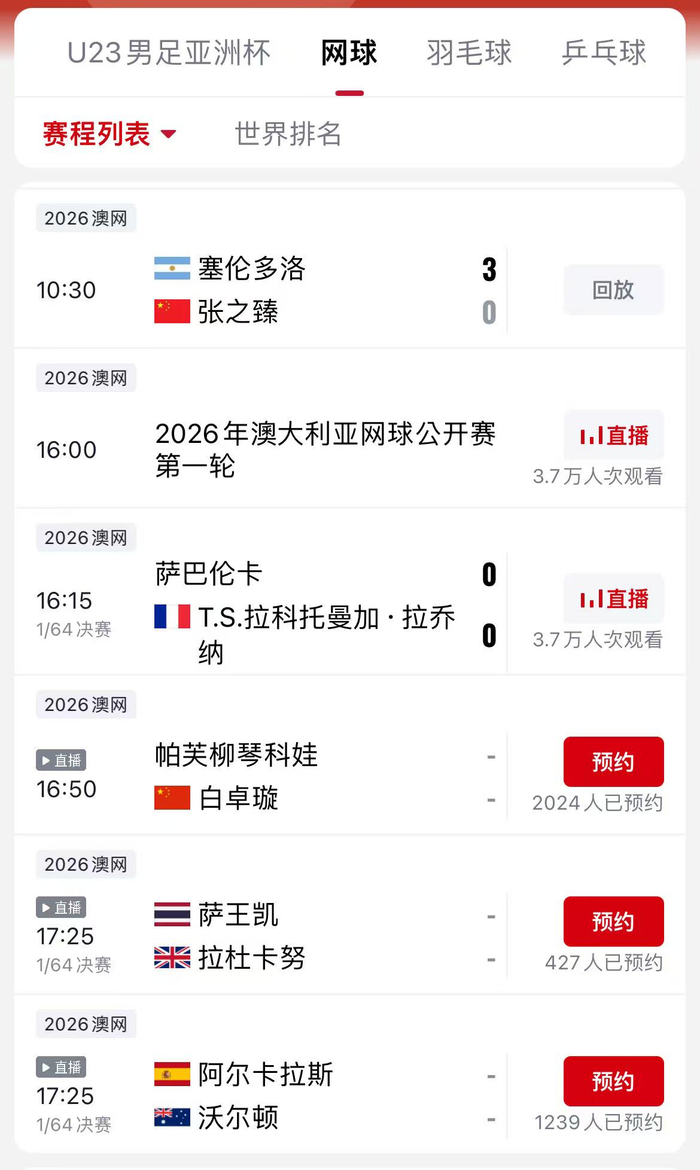
Group 1 - The Australian Open 2026 has set a record total prize money of AUD 111.5 million (approximately USD 75 million), an increase of 16% from the previous year, marking the highest total prize pool in history [4][5] - The singles champions will each receive AUD 4.15 million (approximately USD 2.8 million), a 19% increase from last year's AUD 3.5 million [5] - The event has seen a significant increase in attendance, with 120,000 spectators in 2025 and 136,248 in the first four days of the 2026 opening week, setting a new record [6] Group 2 - The Australian Open's revenue growth is attributed to various factors, including celebrity participation and diverse activities that attract fans, such as the "opening week" events [6][12] - The number of sponsors has increased from 36 in 2025 to 46 in 2026, indicating a growing commercial interest in the event [6][7] - Major sponsors include Kia Motors and Chinese liquor brand Luzhou Laojiao, which has seen a 236% increase in sales in Australia since partnering with the Australian Open [8][12] Group 3 - The partnership with the Australian Open has allowed Luzhou Laojiao to enhance its brand visibility, achieving significant media exposure and sales growth in the Australian market [12][13] - Other sponsors like Luckin Coffee and Haier are also leveraging the event to expand their presence in overseas markets, with Luckin Coffee upgrading its sponsorship status over the years [12][13] - The continuous increase in prize money reflects the growing commercial value of global tennis and the influence of the Chinese market on the event's development [13]

食品饮料行业周度市场观察-20260118
Ai Rui Zi Xun· 2026-01-18 05:07
Investment Rating - The report does not explicitly provide an investment rating for the food and beverage industry Core Insights - The food and beverage industry is experiencing significant trends, including the rise of health-conscious products and innovative marketing strategies to attract younger consumers Industry Environment - Multiple condiment companies are accelerating their IPOs to tap into overseas markets amidst rising costs and intense competition, with the industry expected to reach a scale of 498.1 billion yuan by 2024 [2] - The popularity of turmeric drinks has surged among young consumers, driven by health benefits such as anti-inflammatory properties, with sales showing strong growth despite higher prices [2] - The emergence of health-focused tea shops in hospitals is attracting young consumers, integrating traditional Chinese medicine concepts into modern beverage offerings [6] - The upcycled food industry is gaining traction as a sustainable solution to food waste, with a projected global market size of 74.8 billion USD by 2029, driven by innovative technologies [6] - The health beverage market is booming, with consumers increasingly favoring low-sugar and natural products, reflecting a shift in consumer behavior towards healthier options [10] Top Brand News - The brand "Guozi Shule" is expanding its product line into electrolyte water after securing a top position in the no-sugar tea market, indicating a strategy of diversification and targeting younger demographics [16] - "Tai Er" is rebranding to focus on fresh ingredients and new dishes, responding to market changes and performance pressures, while maintaining its traditional offerings [16] - Danone's "Pulse" beverage is expected to reach nearly 7 billion yuan in revenue, highlighting the growth potential in the functional bottled water market [17] - "Haidilao" is diversifying into the seafood market with a new model that emphasizes fresh and affordable options, aiming to capture a growing segment of consumers [17] - The brand "Xiaoguan Tea" has successfully launched a new brewing method that caters to the "lazy economy" trend, simplifying tea preparation while maintaining quality [20]
企业如何定位AI营销的发力点
Jing Ji Guan Cha Wang· 2026-01-17 06:28
Core Insights - Marketing serves as the frontline for AI application, with generative AI rapidly penetrating various marketing processes since the launch of ChatGPT, including copywriting, proposal planning, and visual design [1] - The value of AI in marketing is highly context-dependent, necessitating a systematic approach to determine the conditions and methods for effective AI integration [1] - An analytical framework is proposed, intersecting "internal/external" and "technical/strategic" perspectives, to help businesses accurately identify the focal points for AI marketing [1] Internal Perspective + Technical Perspective - The foundation for AI marketing lies not in the algorithms but in the enterprise's readiness to implement AI, which includes having the necessary data, systems, and processes [2] - Data assets are crucial; for instance, Luckin Coffee's success in personalized marketing stems from its early investment in a digital infrastructure that accumulated over 200 million user behavior and transaction data [2] - Technical integration capabilities are essential, as AI marketing requires seamless connectivity with systems like CRM and CDP; without this, AI efforts remain isolated and ineffective [3] External Perspective + Technical Perspective - Even with technical capabilities, the effectiveness of AI depends on its ability to address specific industry marketing pain points, which vary across sectors [4] - The fast fashion industry, for example, faces challenges in using advanced AI applications due to high demands for authenticity and compliance, necessitating a focus on simpler functionalities [4][5] - Conversely, in the fast-moving consumer goods sector, AI tools can significantly enhance marketing efficiency by processing large volumes of unstructured data and automating content production [5] Internal Perspective + Strategic Perspective - The adoption of AI marketing is fundamentally a strategic choice, with some companies embracing it as a core competitive advantage while others rely on unique strengths to avoid dependence on AI [6] - Strategic priorities dictate resource allocation; for example, China Resources Sanjiu employs AI to enhance marketing efficiency in a competitive OTC drug market, while Tesla leverages its unique brand identity and direct sales model, minimizing reliance on traditional advertising [6][7] - Companies may exhibit caution in AI marketing due to concerns about disrupting existing sales channels, indicating that willingness to adopt AI is as crucial as technical capability [7] External Perspective + Strategic Perspective - AI marketing strategies are shaped by external factors such as industry structure, regulatory frameworks, and consumer behavior [8] - Consumer attributes, such as purchase frequency and price sensitivity, influence how AI is utilized in marketing across different sectors [8][9] - Regulatory environments, particularly in finance and healthcare, impose restrictions that can limit AI's application in marketing, necessitating innovative approaches to comply with regulations while achieving marketing goals [10] Conclusion - The application of AI in marketing is a complex, systemic issue that requires a holistic view of internal capabilities, external environments, technical feasibility, and strategic intent [11] - Companies must prioritize strengthening their data and systems if their technical foundation is weak, reassess investment priorities if industry and AI are misaligned, and ensure that marketing is viewed as a core battleground for strategic success [11]

年度复盘:2025年零售圈十大跨界联名事件发布
3 6 Ke· 2026-01-16 12:06
Core Insights - The retail industry in China is experiencing intense competition, with cross-industry integration becoming a key strategy for brands to achieve growth in a saturated market [1] - Brands are increasingly moving beyond traditional boundaries, utilizing cross-industry innovation to explore new consumer demands and retail formats [1] Group 1: Cross-Industry Innovations - Kudi Coffee has entered the fast-food sector by launching hot meal options in select Beijing stores, aiming to enhance store efficiency and customer traffic through a "coffee + hot food" model [2][3] - Armani has opened its first restaurant in Beijing, offering a unique dining experience that combines luxury branding with a relatively affordable average spend of 354 yuan per person [4][5] - Haidilao has launched a new brand, "Haini," focusing on beef hot pot, as part of its multi-brand strategy to find new growth avenues beyond traditional hot pot offerings [6] Group 2: Market Adaptations - Ningji has introduced grilled sausage products priced at 4 yuan each to complement its lemon tea offerings, aiming to increase customer spending and overall sales [7] - Haidilao has also ventured into the bakery sector with its brand "Schwasua," offering products primarily priced under 10 yuan, leveraging its supply chain advantages [8] - Prada has opened its first independent restaurant in Asia, integrating Italian and Chinese culinary traditions, marking a significant step in luxury brand engagement in the dining sector [9][10] Group 3: Strategic Expansions - Hailan Home has established a beverage company to enter the bottled water market, responding to declining profits in its core clothing business [11] - Zuli Jian has opened an organic food store, selling frozen dumplings at competitive prices, as part of its strategy to diversify and address financial challenges [12] - Wuliangye has launched a new craft beer brand, "Fenghuolun," incorporating its traditional liquor-making techniques, reflecting a trend of traditional alcohol companies seeking new growth opportunities [14] Group 4: Industry Trends - The cross-industry trend in retail is characterized by deeper integration of core capabilities rather than simple category additions, as seen with Haidilao and Wuliangye [17] - Brands are targeting specific consumer groups more effectively, such as Kudi Coffee's focus on all-day dining and Zuli Jian's appeal to older consumers [17] - Luxury brands are using dining experiences to convey lifestyle aesthetics, while mass-market brands are leveraging cross-industry strategies to overcome growth challenges [18]