
联发科

Search documents
产能“极度紧张”,客户“紧急加单”,台积电毛利率有望“显著提升”
美股IPO· 2025-11-11 04:48
Core Viewpoint - The demand for next-generation chips from AI giants like Nvidia is pushing TSMC's N3 advanced process capacity to its limits, leading to a significant supply shortage that is expected to enhance TSMC's profit margins, potentially pushing gross margins above 60% by 2026 [1][3][9] Group 1: Capacity Constraints - TSMC's N3 advanced process capacity is nearing its maximum, with Morgan Stanley predicting a significant capacity shortfall even with efforts to optimize existing lines [1][3] - Nvidia's CEO Jensen Huang has personally requested increased chip supply from TSMC, highlighting the urgency of the situation [3] - Despite Nvidia's request to expand N3 capacity to 160,000 wafers per month, TSMC's actual capacity may only reach 140,000 to 145,000 wafers per month by the end of 2026, indicating a persistent supply-demand imbalance [3][4] Group 2: Production Strategies - TSMC is not planning to build new N3 fabs but will prioritize existing facilities for next-generation processes, with capacity increases mainly coming from line conversions at the Tainan Fab 18 [4][6] - The conversion of N4 lines to N3 may face challenges if Nvidia is allowed to ship GPUs to the Chinese market, potentially slowing down the conversion process [5] - TSMC is also utilizing cross-factory collaboration to maximize output, leveraging idle capacity from its Fab 14 to handle some backend processes for N3 [6] Group 3: Customer Demand - Major tech companies are scrambling to secure production capacity, with a diverse lineup of clients including Nvidia, Broadcom, Amazon, Meta, Apple, Qualcomm, and MediaTek [7] - The demand from cryptocurrency miners is expected to remain largely unmet in 2026 due to the pre-booking of capacity by major clients [7] Group 4: Profitability Outlook - The scarcity of capacity is translating directly into TSMC's profitability, with clients willing to pay premiums of 50% to 100% for expedited orders [8][9] - Morgan Stanley predicts that if the trend of urgent orders continues, TSMC's gross margin could reach the low to mid-60% range in the first half of 2026, exceeding current market expectations [9]


黄仁勋赴台“要产能”背后:台积电N3产能增量有限,预计2026年供应保持高度紧张状态
Hua Er Jie Jian Wen· 2025-11-11 03:31
Core Viewpoint - Nvidia's CEO Jensen Huang is personally requesting increased chip supply from TSMC, indicating a critical demand for the next generation of AI chips, particularly the Rubin series, amidst a supply shortage in advanced chip manufacturing [1][2]. Group 1: Supply and Demand Dynamics - TSMC's current capacity for N3 chips is projected to reach only 140,000 to 145,000 wafers per month by the end of 2026, despite Nvidia's request for an expansion to 160,000 wafers per month [1][2]. - The supply-demand imbalance suggests that companies relying on advanced processes may face growth bottlenecks, while TSMC, having pricing power, is likely to see a significant increase in profit margins [1][6]. Group 2: Production Strategies - TSMC is not planning to build new N3 fabs but will prioritize existing facilities for next-generation nodes like N2 and A16, focusing on encouraging clients to migrate to leading nodes [2][4]. - The main increase in N3 capacity will come from converting production lines at the Tainan Fab 18, with an expected reduction in N4 utilization rates [2][4]. Group 3: Customer Demand - The demand for N3 process chips is expected to be extremely tight, with major tech companies like Nvidia, Broadcom, Amazon, Meta, and Microsoft all vying for capacity [5][6]. - Due to pre-booked capacity by primary clients, demand from cryptocurrency miners is likely to remain unmet in 2026 [5]. Group 4: Financial Implications for TSMC - The scarcity of capacity is translating into improved profitability for TSMC, with clients executing "hot-runs" and "super hot-runs" at prices 50% to 100% higher for expedited delivery [6]. - TSMC's gross margin is projected to reach the low to mid-60% range in the first half of 2026, exceeding current market expectations, supported by a planned price increase of 6% to 10% for advanced processes starting in Q1 2026 [6].
半导体行业月报:海外云厂商25Q3继续加大资本支出,国内存储器厂商业绩表现亮眼-20251110
Zhongyuan Securities· 2025-11-10 09:00
Investment Rating - The report maintains an "Outperform" rating for the semiconductor industry [1]. Core Insights - The semiconductor industry continues to experience steady growth, with domestic memory manufacturers showing impressive performance in Q3 2025. The industry's revenue reached 174.18 billion yuan, a year-on-year increase of 6.07%, while net profit attributable to shareholders grew by 48.93% [3][6]. - Global semiconductor sales increased by 25.1% year-on-year in September 2025, marking the 23rd consecutive month of growth, with a month-on-month increase of 7.0%. The forecast for 2025 indicates an 11.2% year-on-year growth in global semiconductor sales [3][6]. - Major cloud service providers in North America, including Google, Microsoft, Meta, and Amazon, significantly increased their capital expenditures, totaling $96.4 billion in Q3 2025, a 67% year-on-year increase [7][3]. Summary by Sections 1. Market Performance in October 2025 - The semiconductor industry underperformed relative to the CSI 300 index, with a decline of 6.18% in October 2025, while the CSI 300 remained flat. Year-to-date, the semiconductor industry has risen by 45.44% [12][3]. - The Philadelphia Semiconductor Index rose by 13.48% in October 2025, outperforming the Nasdaq 100, which increased by 4.77% [12][18]. 2. Q3 2025 Industry Summary - The semiconductor industry showed robust growth in Q3 2025, with a revenue of 1741.84 billion yuan and a net profit of 394.68 billion yuan, reflecting a year-on-year increase of 6.07% and 48.93%, respectively [3][6]. - Domestic memory manufacturers, including Jiangbolong and Demingli, turned profitable in Q3 2025, with significant revenue and profit growth expected in Q4 due to rising memory prices [3][6]. 3. Capital Expenditure and Price Trends - North American cloud service providers are increasing their capital expenditures, with a combined total of $96.4 billion in Q3 2025, indicating strong demand for AI computing hardware infrastructure [7][3]. - The prices of DRAM and NAND Flash memory saw significant increases in October 2025, with DRAM prices expected to rise by 18-23% in Q4 2025 [3][6].
电子掘金 - 美股三季报陆续发布,AI趋势怎么看?
2025-11-10 03:34
Summary of Key Points from Conference Call Records Industry Overview - The North American cloud service providers (CSPs) including Google, Meta, and Microsoft maintain optimistic capital expenditure forecasts for 2025 and 2026, expecting total capital expenditures to reach nearly $400 billion and $500 billion respectively, primarily funded by internal resources, indicating a strong demand for AI [1][2][3] Company Highlights Apple Inc. - Apple reported Q4 FY25 revenue and profit exceeding market expectations, driven by growth in service and software revenues, leading to an increase in gross margin [1][3] - AI servers have begun shipping, and the company is increasing capital expenditures in AI, with expectations of a 10%-12% year-over-year revenue growth next quarter, and a strong outlook for iPhone 17 sales [3][4] - The gross margin is projected to be between 40.7% and 48%, aligning with previous expectations [3] Intel and AMD - Both Intel and AMD exceeded Q3 earnings expectations, with Intel benefiting from strong PC and server demand, projecting a 10% year-over-year increase in PC shipments by 2025 [6][7] - AMD's server CPU market share exceeds 30%, with revenue share over 40%, and a 60% year-over-year increase in PC revenue for the first three quarters [6][7] Asure Logic - Asure Logic's Q3 performance surpassed expectations, but the market has high expectations for Q4 growth and profit margins [8] - The company plans to launch the UA Link switch chip in H2 2026, with significant revenue potential from Trinium 3 expected in Q2 2026 [8] Arm Holdings - Arm's Q3 results exceeded expectations, with significant revenue growth from data centers and mobile business, benefiting from tax rebates [11] - The company anticipates a strong Q4 revenue outlook, driven by major clients like Google and NVIDIA [11] Qualcomm and MediaTek - Qualcomm's IoT business slightly exceeded expectations, driven by strong demand for industrial WiFi 7 and AI glasses [12] - MediaTek's collaboration with Google on the TPU project aims for $1 billion in revenue by 2026, with expectations of reaching several billion by 2027 [12] Market Trends - The demand for AI computing power is expected to remain high until the end of 2027, with significant shortages in power and storage [2][14] - The AI data center Ethernet penetration is increasing, positively impacting the performance of Ethernet ecosystem vendors [2][14] Challenges and Opportunities - The optical communication industry faces challenges due to previous slow expansion rates, leading to limited shipments, but there is a strong demand for optical modules and chips [20][21] - The AI custom chip market is experiencing increased demand, with expectations for significant growth in 800G and 1.6T optical modules [22] Conclusion - The overall sentiment in the AI hardware sector remains optimistic, with several companies reporting strong earnings and growth prospects, particularly in the cloud and AI segments, despite some macroeconomic uncertainties [2][14][22]


晶圆代工,为何对英特尔如此重要?
半导体行业观察· 2025-11-08 02:10
Core Viewpoint - The article discusses Intel's future prospects, particularly focusing on its wafer foundry business and the recent mass production of the 18A process node, which marks the completion of Intel's "Four Nodes in Five Years" strategy aimed at regaining process technology leadership and revitalizing its foundry business [2]. Group 1: Intel's 18A Process Node - The mass production of the 18A process node signifies a critical milestone for Intel, enabling the production of both client and edge computing products, as well as data center processors [2]. - The transition from TSMC manufacturing to in-house production of CPU and GPU chips is expected to enhance Intel's scale, reduce costs, and improve profit margins while delivering competitive products [2]. Group 2: Advanced Packaging Technologies - Chiplet technology is gaining traction in the semiconductor industry, with Intel leveraging its advanced packaging techniques, such as Foveros and EMIB, to enhance chip design and performance [3]. - Foveros technology allows for flexible chip configurations based on application needs, while EMIB technology interconnects multiple 18A chips in the new Clearwater Forest processors [3]. Group 3: Ecosystem Impact - The introduction of 18A chips and products like Panther Lake is anticipated to benefit the entire ecosystem by providing competitive products that enhance battery life and performance while lowering costs for OEM manufacturers [4]. - A healthy and competitive PC chip ecosystem is expected to deliver higher quality products at more competitive prices to consumers [5]. Group 4: Opportunities in Mobile Industry - Intel's foundry success could extend to the smartphone industry, presenting opportunities for cost reduction and supply chain diversification, despite the current dominance of TSMC in this market [5]. - Major smartphone manufacturers, including Apple, rely heavily on TSMC, which produces approximately 90% of global smartphone SoC chips [5]. Group 5: Competitive Landscape - Intel's foundry services could provide a competitive alternative to TSMC, especially with the anticipated introduction of the 14A process node, potentially curbing TSMC's price increases [6]. - TSMC has raised prices significantly over the past five years, and Intel's competitive offerings could alleviate cost pressures on chip suppliers and OEMs [6]. Group 6: Future Prospects for Intel's Foundry - Intel's foundry is actively seeking new clients to utilize its advanced capabilities, with the success of Panther Lake and Clearwater Forest products likely to attract more companies [7]. - The demand for cheaper, low-power chips and the desire for geopolitical supply chain diversification are expected to drive more business towards Intel's foundry services in the future [7].
华西证券:低轨卫星拐点已至 国内组网加速
智通财经网· 2025-11-07 08:39
Core Insights - The low Earth orbit (LEO) satellite market is becoming a strategic focus in the US-China competition, with the principle of "first come, first served" governing orbital and frequency resources [1][2] - SpaceX has launched over 10,000 satellites, with more than 8,600 currently operational, while China has only about 300 LEO satellites in orbit, indicating a significant gap that necessitates accelerated deployment [1][2] Group 1: Market Dynamics - The LEO orbit can accommodate approximately 60,000 satellites, and strict international regulations require timely launches to retain frequency and orbital rights [2] - SpaceX has applied for resources for 42,000 satellites, while Amazon's Kuiper plans to deploy 3,236 satellites; China's China Star Network and Shanghai Yuanxin plans to deploy around 13,000 and 15,000 satellites, respectively [2] Group 2: Launch Capacity and Technology - Rocket launch capacity is a critical metric, with SpaceX's Falcon 9 capable of 22.8 tons to LEO, while China's Long March 8 has a capacity of only 7 tons, highlighting a significant disparity [3] - The development of commercial rockets and reusable technology is progressing rapidly in China, with several private companies achieving successful launches and narrowing the gap with international standards [3] Group 3: Cost Reduction Strategies - SpaceX has reduced the cost of individual satellites to below $500,000 through mass production, while China's satellite manufacturing is also lowering costs via modular design and batch production [4] Group 4: Market Opportunities - LEO satellites are expected to integrate deeply with terrestrial 5G networks, enabling global seamless coverage, with significant advancements anticipated by 2025 [5] - The combination of artificial intelligence (AI) and LEO satellites is leading to the development of next-generation intelligent satellite systems, with major tech companies like NVIDIA and Google planning to deploy AI-capable satellites [5] Group 5: Future Developments - China's LEO satellite deployment is entering a rapid networking phase, with recent successful launches indicating an acceleration in the pace of deployment [6][7] - The domestic market is moving towards a "constellation deployment" phase, transitioning from "single satellite customization" [7] Group 6: Investment Opportunities - Companies to watch include Fudan Microelectronics (688385.SH) and Unisoc (002249.SZ) as potential investment targets in the LEO satellite sector [8]

康希通信20251106
2025-11-07 01:28
Summary of the Conference Call for 康希通信 Company Overview - **Company**: 康希通信 (Kangxi Communication) - **Industry**: Wireless Communication Technology Key Points Financial Performance - **Q3 Revenue Growth**: Revenue for Q3 increased by 3.21% year-on-year, reaching a record high for a single quarter, with total revenue of 526 million yuan for the first three quarters, a 39.32% increase year-on-year [2][3] - **Net Profit**: The company reported a net loss of 30.53 million yuan in Q3, although the loss narrowed compared to the previous year [2][3] - **Gross Margin**: Gross margin for the first three quarters was 23.13%, up 2.32 percentage points year-on-year, with Q3 gross margin at 24.43%, an increase of 5.63 percentage points year-on-year [2][3] Product Development and Market Position - **WiFi 7 Products**: WiFi 7 products have become the core growth engine, accounting for over 50% of revenue. The company has established deep partnerships with major SoC manufacturers like Broadcom, Qualcomm, and MediaTek, leading to continuous order and shipment growth [2][4] - **Future Technology**: The company is proactively developing WiFi 8 technology, with plans to launch related products in 2026 [2][5] - **UWB Technology**: The company is collaborating with invested enterprises to develop Ultra Wide Band (UWB) products, targeting applications in tracking, radar, and data transmission. The UWB market in China is expected to reach 20 billion yuan by 2028 [4][9] Diversification and Strategic Initiatives - **Business Diversification**: The company is expanding into low-altitude economy and industrial IoT sectors, with successful orders for high-efficiency drone RF front-end chips and smart control wireless communication chips [2][6] - **Strategic Focus**: The company is focusing on four strategic directions: building a moat around WiFi products, diversifying product offerings, protecting intellectual property, and enhancing market value management [2][8] Legal Challenges - **337 Investigation**: The company is involved in a 337 investigation initiated by Skyworks, with three patents withdrawn due to insufficient infringement evidence. The remaining two patents have completed court hearings. Legal expenses related to this investigation totaled approximately 50.6 million yuan for the first three quarters, significantly impacting net profit [2][7][22] - **Impact of Legal Costs**: Excluding these legal costs, the core business has returned to profitability. The company expects a significant decrease in related expenses in Q4 and anticipates a gradual reduction in the impact of these legal issues on overall performance in 2026 [7][8][10] Market Outlook and Competitive Landscape - **Market Expansion**: The company is targeting overseas markets, particularly Europe and South Asia, with expectations of overseas sales accounting for 6%-7% of total sales for the year [10] - **Competitive Position**: The merger between Skyworks and Qorvo may create a monopolistic giant, but it also presents opportunities for domestic manufacturers like 康希通信 to become key suppliers for major clients [11][19] Future Growth and Challenges - **Mobile WiFi Market**: The company is working to increase its market share in the mobile WiFi sector, which is crucial for future growth. Currently, WiFi 6 accounts for about 40% of revenue, while WiFi 7 contributes over 50% [12][16] - **Emerging Trends**: The company is observing a shift from Bluetooth to WiFi connections in certain applications, particularly in IoT and wearable devices, which may drive future product development [13][14][15] Shareholder Activity - **Shareholder Reduction**: Two major shareholders reduced their holdings, but this has not significantly impacted the company's operations or strategic direction [21] Conclusion - 康希通信 is positioned for growth with a strong focus on WiFi technology, diversification into new markets, and proactive management of legal challenges. The company remains optimistic about its future profitability and market expansion despite current challenges.
亚太股市集体下挫,亚太精选ETF、中韩半导体ETF、日经225ETF、日经ETF回调
Ge Long Hui· 2025-11-05 03:29
Market Overview - The Asia-Pacific stock markets experienced a collective decline, with the South Korean Composite Index dropping over 5% after a significant rise of more than 70% earlier in the year, triggering a trading halt for 5 minutes due to the KOSPI index's futures decline [1] - The Nikkei 225 index fell by over 3% [1] ETF Performance - The Asia-Pacific Select ETF decreased by over 4%, while the China-Korea Semiconductor ETF, Nikkei 225 ETF, and Nikkei ETF all fell by more than 3% [2] - In October, the Nikkei index surged from the 40,000 yen range to the 50,000 yen range, achieving a monthly increase of 16.6%, the largest in 30 years [2] - The KOSPI index saw a cumulative increase of 20% in October [2] Sector Analysis - Year-to-date, the China-Korea Semiconductor ETF has risen over 80%, while the Nikkei 225 ETF and Nikkei ETF have increased by over 30%, and the Asia-Pacific Select ETF has grown by over 25% [3] - The China-Korea Semiconductor ETF tracks a cross-border index combining the CSI Semiconductor 15 Index and KRX Semiconductor 15 Index [3] - The Nikkei ETF tracks the Nikkei 225 index, which includes 225 major blue-chip companies, serving as a key indicator of Japan's economic and industrial health [3] - The Asia-Pacific Select ETF follows the FTSE Asia Pacific Low Carbon Select Index, diversifying market risk across 11 Asia-Pacific economies [3] Corporate Earnings Outlook - Several large Japanese companies have raised their earnings forecasts for the fiscal year ending March 2026, driven by increased demand for artificial intelligence, benefiting power and semiconductor-related firms [3] Market Sentiment - Concerns have been raised by Wall Street executives regarding the current valuation levels of U.S. stocks, with predictions of a potential 10% to 20% correction in the next 12 to 24 months [4] - The divergence in signals from Federal Reserve officials regarding future interest rate cuts has dampened market sentiment [4] Currency and Stock Predictions - According to Everbright Securities, the Japanese yen is expected to have an upward trend due to the normalization of the Bank of Japan's monetary policy and the ongoing rate cut cycle of the Federal Reserve [5] - The Nikkei 225 index has risen by 31.4% year-to-date, with half of this increase attributed to policy expectations [5] - Future market performance will depend on the effectiveness of policy implementation and external demand factors [5]
奥特曼否认OpenAI明年上市;中国移动0元划转4198万股
2 1 Shi Ji Jing Ji Bao Dao· 2025-11-04 03:27
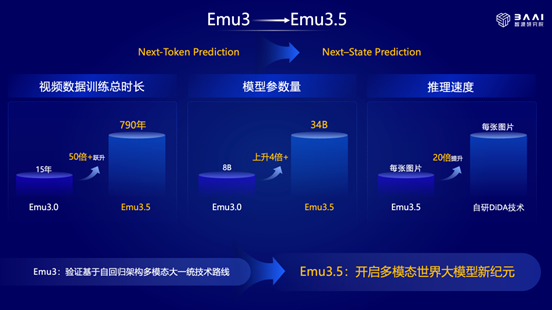
Group 1: OpenAI Developments - OpenAI CEO Altman denied rumors of the company going public next year, stating that there is no specific date or decision from the board regarding an IPO, but he believes it will eventually happen [2] - OpenAI's annual revenue significantly exceeds the rumored $13 billion [2] - OpenAI signed a $38 billion computing power procurement agreement with Amazon Web Services (AWS), marking its first collaboration with a global cloud infrastructure leader outside of Microsoft [5] Group 2: Corporate Actions and Financial Moves - China Mobile announced a non-cash transfer of 41.98 million shares to China National Petroleum Corporation, reducing its stake from 69.05% to 68.85% [3] - Boeing completed the sale of part of its digital aviation solutions business for $10.55 billion to Thoma Bravo, optimizing its capital structure and allowing a focus on core business [8] - Wuhan Weinan Battery Asset Co., Ltd. completed a C-round financing of 670 million yuan, with participation from NIO and CATL, to support battery asset-related business and technology development [12] Group 3: Technology and Innovation - Microsoft CEO Nadella indicated the company may restart hiring in the next year, contingent on existing employees learning to collaborate with AI [4] - Xiaopeng Motors' CEO He Xiaopeng announced plans to mass-produce robots by 2026, emphasizing the importance of integration and overcoming challenges in cost, safety, and consistency [6] - The Zhiyuan Research Institute released the Emu3.5 multimodal world model, significantly enhancing training data and inference speed, marking a new era in multimodal AI [13] Group 4: Market Trends and Strategic Moves - Elon Musk announced the upcoming launch of a new encrypted communication platform, XChat, which will integrate with the existing X social platform [7] - Qualcomm and MediaTek are accelerating their adoption of TSMC's N2P process technology to compete with Apple in chip production [11] - Tesla's AI team is progressing on the AI 5 chip for smart assisted driving, with future versions AI 6 and AI 7 expected to follow [10]

国泰海通晨报:证券研究报告-20251104
GUOTAI HAITONG SECURITIES· 2025-11-04 03:18
Group 1: Electronic Components - The report highlights that DeepSeek will accelerate the penetration of domestic AI applications and boost the demand for domestic computing power [2][25]. - Investment recommendations include companies such as Cambrian-U, Haiguang Information, SMIC, Zhaoyi Innovation, and Shengke Communication-U, with related companies like Chipone [2][25]. - The AI narrative is evolving rapidly, with token usage increasing exponentially, indicating a strong growth trajectory for the sector [23]. Group 2: Overseas Technology - The semiconductor industry is experiencing accelerated upgrades driven by AI and data center construction, with a forecasted 5.4% growth in global silicon wafer shipments in 2025, reaching 128.24 billion square inches [3]. - The demand for AI is a major driver for this growth, particularly in data centers and edge computing, which will benefit silicon wafer manufacturers and equipment suppliers [3]. - The report notes that the current supply of silicon wafers is recovering from a downturn, and if AI demand materializes as expected, capacity utilization for related manufacturers will continue to rise [3]. Group 3: China National Airlines - The company demonstrated strong profitability in Q3 2025, achieving a net profit of 3.7 billion yuan despite a 11% year-on-year decline, showcasing resilience and potential for growth [7][8]. - The company plans to raise 20 billion yuan through a private placement to optimize its capital structure and reduce leverage, which is expected to enhance financial stability [9][10]. - The airline's network and customer quality are among the best in the industry, and the ongoing optimization is likely to drive an increase in profitability [10].