问界

Search documents
定价不够“惊喜”,大摩预判:理想i6或成为“慢热”车型
Hua Er Jie Jian Wen· 2025-09-29 01:36
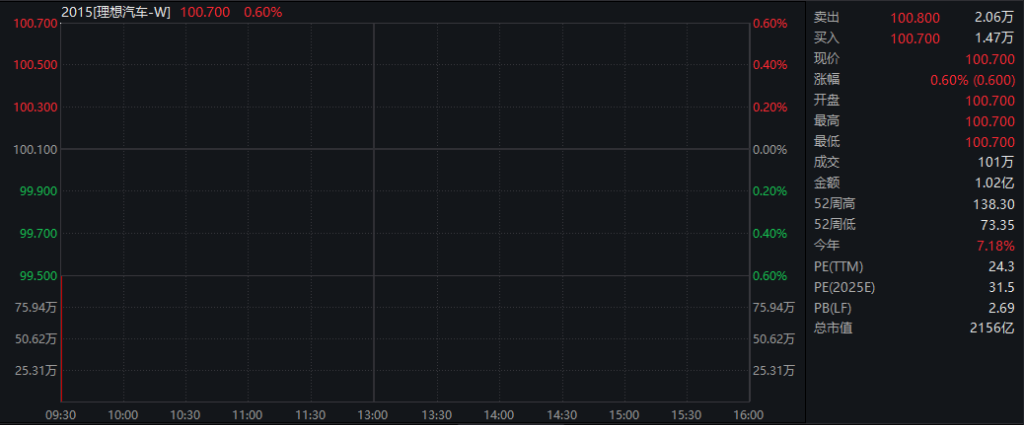
Core Insights - Li Auto's pricing strategy for the newly launched i6 model is conservative, with a starting price of 249,800 RMB, which is on par with the L6 Pro and only 30,000 RMB lower than the L6 Max, potentially leading to another "slow-start" product [1][3] - Morgan Stanley maintains a positive outlook on Li Auto, projecting a target price of 139 HKD, indicating a 39% upside from the current stock price, despite the conservative pricing strategy [1] Pricing Strategy - The i6 faces intense competition in its price range, with competitors including Xiaomi YU7 (254-330k RMB), Tesla Model Y (264-314k RMB), AITO M7 (250-380k RMB), Xpeng G7 (196-226k RMB), Onvo L60 (207-256k RMB), and ZEEKR 7X (230-270k RMB) [3][4] - The i6's pricing is positioned at a mid-level compared to its competitors, which may impact its market penetration [3] Product Features - The i6 offers both rear-wheel and all-wheel drive versions, equipped with the AD Max intelligent driving system based on Nvidia Thor chip, lidar, and 5C charging capabilities [5] - The model boasts a competitive CLTC range of 720 km and a wheelbase of 3,000 mm, which are attractive features in its segment [5] Market Expectations - Li Auto's founder, Li Xiang, claims the i6 will be the most competitive product in the large five-seat SUV market, highlighting its core advantages such as the VLA intelligent driving system, performance, interior space, and unique design [5] - Morgan Stanley forecasts that the i series (i6 + i8) will contribute over 50,000 units in sales by 2025, with expected monthly sales of over 6,000 units for the i8 and over 8,000 units for the i6 in Q4 [5]


政策引路、车企竞速,辅助驾驶告别“野蛮生长”
Bei Jing Shang Bao· 2025-09-28 14:25
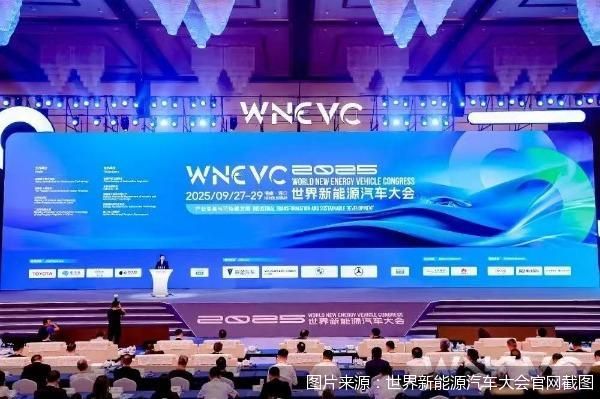
Core Insights - The "Vehicle-Road-Cloud Collaboration" is identified as the core path for the development of intelligent driving in China, emphasizing the need for a dual support system of smart roads and cloud computing for the realization of L3 to L4 level autonomous driving [1][3] - Recent policy actions, including the release of the draft for safety requirements of intelligent connected vehicles and conditional approval for L3 models, indicate that the auxiliary driving industry in China is entering a new phase of standardized development focused on safety quantification [1][5] Industry Developments - The auxiliary driving industry faces challenges such as a lack of unified performance baselines and improper promotional language, which can lead to dangerous behaviors among drivers [4] - The draft safety requirements transform safety concepts into quantifiable metrics, including 46 field tests, 72 hours of road tests, and specific thresholds for vehicle hazards and typical faults [4] - The Ministry of Industry and Information Technology has proposed a work plan to stabilize growth in the automotive industry, which includes conditional approval for L3 model production [5] Technological Advancements - The penetration rate of intelligent driving is increasing, with projections indicating that vehicles supporting high-speed and urban NCA will grow from under 2 million in 2023 to over 7 million by 2025 [6] - Leading tech companies and new automotive players are showcasing advantages in the market, with Huawei's ADS system accumulating 4 billion kilometers of safety mileage and XPeng Motors launching the world's first L3-capable AI car [6][7] - Traditional automakers like BYD are also accelerating their advancements, planning to equip 60% of new vehicles with advanced driving features by 2025 [7] Compliance and Standards - The systematic connection of policies and standards is crucial for the orderly advancement of autonomous driving technology, with recent initiatives aimed at bridging generational gaps in technology [8] - The draft has clarified the definitions of L2 to L5 level technologies, establishing boundaries between auxiliary driving and autonomous driving [8] - The industry is experiencing significant generational gaps, with leading companies advancing to urban NOA while others remain at basic levels of highway assistance [9] Future Trends - The competition in the auxiliary driving sector will increasingly focus on technological innovation and service experience optimization, with a shift from "selling functions" to "selling safety" [9][10] - The "Vehicle-Road-Cloud Collaboration" is expected to become a significant trend, enhancing road safety and traffic efficiency through effective information exchange between vehicles and infrastructure [10]

风险提示:政策调整、执行效果低于预期风险;产业链价格竞争激烈程度超预期风险。
SINOLINK SECURITIES· 2025-09-28 08:24
Investment Rating - The report maintains a positive investment outlook across various sectors, particularly in hydrogen energy, wind power, and lithium batteries, indicating strong growth potential and investment opportunities [1][2][3][4][5][6][9][23]. Core Insights - The energy revolution is shifting focus towards decarbonization in non-electric sectors, with green hydrogen and methanol as key pathways, presenting multiple investment opportunities in production and equipment [1][5][6][7]. - The wind power sector is experiencing significant developments, with major projects in Italy and Thailand, indicating robust overseas expansion for leading companies [9][10][11][12]. - The lithium battery market is witnessing strong demand driven by the energy storage sector and the upcoming peak consumption season for electric vehicles, leading to price increases [23][24]. Summary by Sections Hydrogen and Fuel Cells - The market is recognizing the potential of green hydrogen and methanol, with significant growth expected in various applications such as transportation and chemicals [1][5][6][7]. - The demand for green methanol in shipping is projected to rise, with regulatory frameworks supporting its adoption [7]. Wind Power - Major investments in floating wind projects in Italy are set to commence, with expectations for significant contributions to the European offshore wind market [9][10]. - Companies like Mingyang and Goldwind are expanding their overseas operations, enhancing their competitive edge [11][12]. Lithium Batteries - The lithium battery sector is entering a strong demand phase, with significant procurement activity from end-users in both energy storage and electric vehicles [23][24]. - The market for lithium hexafluorophosphate (6F) is experiencing price increases due to tight supply conditions [23][24]. Electric Grid and Industrial Control - The export of major electrical equipment is on the rise, with significant growth in transformers and high-voltage switches, indicating a long-term positive outlook for overseas demand [26][27]. - Companies in the industrial control sector are launching new products aimed at enhancing efficiency and performance in robotics [28][29]. New Energy Vehicles - The domestic market for new energy vehicles is showing strong sales growth, with significant increases in both retail and wholesale volumes [30].



腾势N8L预售价31.98万元起 大六座SUV激烈角逐
Zheng Quan Shi Bao Wang· 2025-09-28 07:44
Group 1 - The core viewpoint of the article highlights the launch of the new luxury SUV, Tengshi N8L, which is positioned as a family-oriented vehicle, complementing the technology-focused Tengshi N9, thereby enhancing the brand's luxury SUV lineup [1][3] - The pre-sale price of Tengshi N8L ranges from 319,800 yuan to 349,800 yuan, indicating a competitive pricing strategy in the growing three-row SUV market [1] - Tengshi N8L features a spacious interior with adjustable third-row seats, heated seating, and independent air conditioning, setting it apart in its class [1] Group 2 - The vehicle is equipped with a hybrid powertrain consisting of a 2.0T efficient engine and three electric motors, achieving a 0-100 km/h acceleration in just 3.9 seconds, which surpasses many luxury SUVs priced over one million yuan [2] - Advanced braking capabilities are highlighted with a stopping distance of 35.4 meters, and the vehicle features a sophisticated suspension system for improved handling and comfort [2] - The N8L incorporates smart parking assistance features, addressing common challenges associated with larger vehicles in tight spaces, and the company guarantees safety and responsibility in automated parking scenarios [2] Group 3 - The three-row SUV market has seen significant growth this year, with various brands, including Tesla and NIO, launching competitive models, intensifying market competition [3] - There is a clear trend of increasing consumer demand for spacious and multifunctional vehicles, which aligns with the technological advancements in the new energy sector [3] - Despite the rapid growth in the three-row SUV segment, experts caution that the current influx of models may lead to excessive competition, urging companies to remain aware of actual market demands [3]
单日发布7款新车,国庆新车市场大战“一触即发”
Xin Hua Cai Jing· 2025-09-28 01:11
Core Viewpoint - The automotive market is experiencing a surge in new model launches and intense competition ahead of the National Day holiday, with a focus on large six-seat SUVs, indicating a shift in consumer preferences towards family-oriented vehicles [1][2][4]. Group 1: New Model Launches - On September 26, seven new models were launched or announced, including the Tengshi N8L, Li Auto i6, and Volvo XC70, all of which are new models rather than facelifts [1]. - Among the seven models, five are mid-to-large SUVs, highlighting the popularity of this segment in the current market [2]. Group 2: Market Trends - The large six-seat SUV segment is particularly hot, with nearly one-third of new models launched in September being in this category, including the Tengshi N9 and the new Aito M7 [2]. - Sales of large six-seat SUVs reached approximately 60,000 units in August, with projections suggesting this could exceed 80,000 to 90,000 units by December [2]. Group 3: Consumer Preferences - The Tengshi brand has successfully targeted family users, with 40% of Tengshi D9 buyers being families, significantly higher than the average for MPVs [3]. - The introduction of the Tengshi N8L at a lower price point than the N9 reflects a strategic move to capture a broader market share in the family-oriented SUV segment [3]. Group 4: Competitive Landscape - The automotive market is entering a "white-hot" competition phase, with brands like Aito and Li Auto extending their operating hours to maximize sales during the peak season [4]. - At least 30 new vehicles have been launched in September, coupled with promotional policies from local governments and companies, further stimulating consumer interest [4][5].
汽车视点 | 单日发布7款新车 国庆新车市场大战“一触即发”
Xin Hua Cai Jing· 2025-09-27 05:42
Core Insights - The automotive market is experiencing a surge in new model launches ahead of the National Day holiday, with seven new models introduced on September 26 alone, all being brand new models rather than facelifts or second-generation vehicles [1] - The mid-to-large SUV segment, particularly the large six-seat SUVs, is currently the hottest market, with nearly one-third of new models launched in September falling into this category [1][2] - The demand for large six-seat SUVs is expected to grow significantly, with monthly sales projected to exceed 80,000 to 90,000 units by December 2023, driven by an increase in new entrants and a diverse range of options for consumers [2] Company Insights - Tengshi's N8L was launched with a starting price of 319,800 yuan, targeting family users and emphasizing spaciousness and luxury [3][4] - The N8L features innovative designs catering to multi-child families, such as electric seats in all three rows and extensive storage solutions [4][6] - Tengshi's strategy focuses on leveraging its experience in the family market, having previously succeeded with the D9 model, which has dominated the MPV sales in China [3] Market Dynamics - The competition in the automotive market is intensifying, with brands like Aito and Li Auto extending their operating hours to attract customers during the peak sales season [6] - The "Golden September and Silver October" period is seen as a critical time for automotive companies to boost their performance for the second half of the year, with at least 30 new models launched in September [6]


隆利科技:公司将持续拓展与客户合作的广度与深度
Zheng Quan Ri Bao Wang· 2025-09-26 13:17
Core Viewpoint - Longli Technology (300752) has successfully applied its backlight display products in the new Wanjie M7's 17.3-inch rear ceiling entertainment screen, indicating a positive development in its product application and future collaboration with clients [1] Group 1 - The company has engaged in successful application of its products in the automotive sector [1] - Future plans include expanding the breadth and depth of collaborations with clients [1]

为什么增程车很少用2.0T?
Zhong Guo Zhi Liang Xin Wen Wang· 2025-09-26 07:50
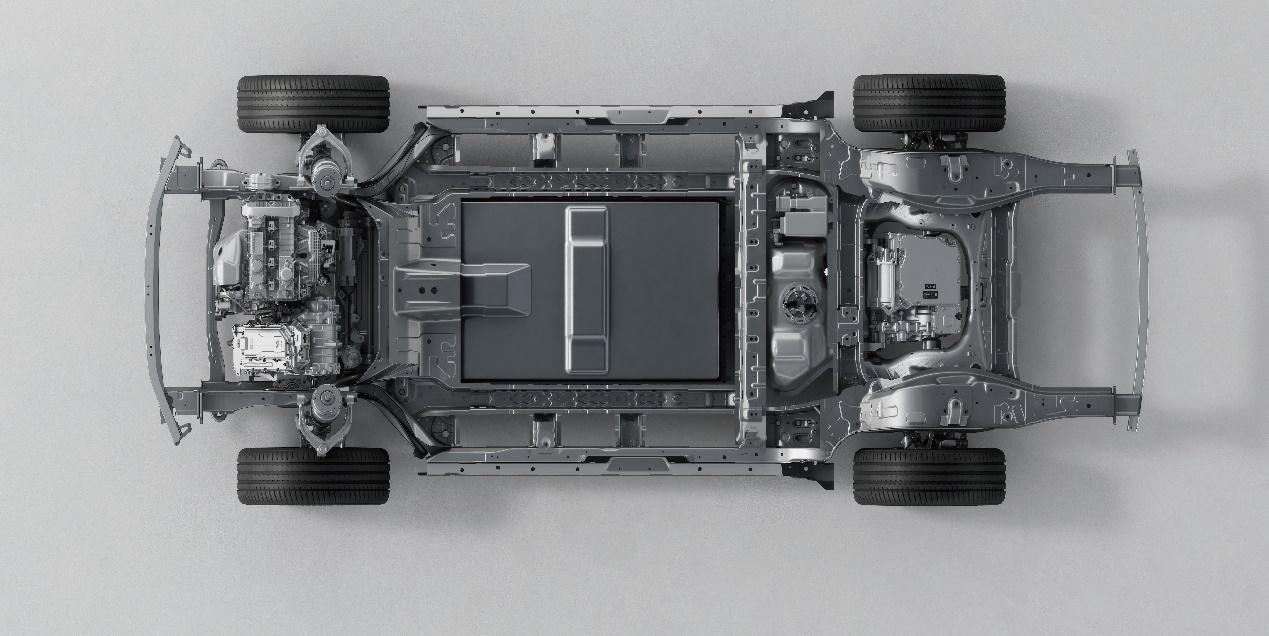
Core Viewpoint - The shift from 2.0T engines to 1.5T engines in range-extended electric vehicles (REEVs) is driven by the need for efficiency, cost-effectiveness, and the evolving role of the engine as a generator rather than a primary power source [1][5][17] Engine Role in REEVs - In REEVs, the engine functions primarily as a generator to produce electricity, while the electric motor drives the wheels, making the engine's role fundamentally different from traditional vehicles [5][6] - The focus on a strong electric drive system reduces the necessity for a powerful 2.0T engine, as the 1.5T engine can efficiently meet the power requirements for typical driving conditions [3][17] Efficiency and Cost Considerations - The 1.5T engine is favored due to its higher thermal efficiency, with many achieving over 40%, compared to most 2.0T engines which remain below 38% [8][11] - The smaller size and weight of the 1.5T engine allow for better vehicle layout, optimizing space for batteries and electric motors, which enhances overall performance and range [10][11] Market Trends and Consumer Preferences - Major REEV models like Li Auto's L series and Aito's M series predominantly use 1.5T engines, reflecting a strategic choice based on technology, cost, and efficiency [6][11] - As battery technology improves, the reliance on the engine for power generation decreases, further solidifying the 1.5T engine's position as the optimal choice for most consumers [17] Performance and Application - While 2.0T engines can provide higher power output, their advantages are often unnecessary for everyday driving, as demonstrated by the performance metrics of vehicles like the Li L9 [13][15] - The increasing battery capacity in modern REEVs means that the need for a larger engine is diminishing, aligning with consumer demands for lower operating costs and quieter driving experiences [17]
鑫椤锂电一周观察 | 6F市场供应偏紧 价格继续上涨
鑫椤锂电· 2025-09-26 07:11
Industry Overview - In the first eight months of 2025, China's lithium-ion battery exports reached 30.03 billion units, a year-on-year increase of 18.66%, with an export value of $48.296 billion, up 25.79% year-on-year, indicating a stable growth trend [1] - In August 2025 alone, the export value was $7.153 billion, reflecting a year-on-year growth of 23.51% [1] Cobalt Supply and Regulations - The Democratic Republic of Congo announced an end to an eight-month export ban starting October 15, 2025, transitioning to a strict quota management system, with only 18,100 tons of cobalt available for export in the remainder of 2025 [2] - The annual export limits for 2026 and 2027 are set at 96,600 tons [2] Lithium Battery Material Production - Hunan Youneng has reported a production capacity of 858,000 tons for phosphate-based cathode materials as of June 2025, with ongoing projects in Spain and Malaysia [2] Market Dynamics for Lithium Materials - Domestic lithium carbonate prices have fluctuated between 73,000 to 74,000 yuan per ton, with strong market demand supporting price stability despite regulatory delays in Jiangxi [4] - The price of cobalt has increased due to the adjustment of export regulations in the Democratic Republic of Congo, impacting the prices of ternary materials and precursors [6] Pricing Trends for Key Materials - Ternary material prices range from 126,000 to 131,000 yuan per ton for single crystal types and 145,000 to 151,000 yuan per ton for 811 types [7] - Phosphate iron lithium prices are between 33,600 to 35,000 yuan per ton for power types and 32,600 to 33,200 yuan per ton for energy storage types [8] - The price of negative electrode materials shows a range from 50,000 to 65,000 yuan per ton for high-end natural graphite products [9] Electrolyte Market Developments - The domestic electrolyte market is experiencing strong supply and demand, with prices slightly increasing; a significant long-term supply agreement has been signed between Jiujiang Tianci and Ruipu Lanjun for a minimum of 800,000 tons of electrolyte products by December 31, 2030 [10][11] Battery and Electric Vehicle Market - The domestic lithium battery market remains stable, with a projected production increase of up to 5% in October 2025, driven by strong demand from new energy vehicles and energy storage [12] - In the last week, 508,000 passenger vehicles were sold, with new energy vehicles accounting for 298,000 units, reflecting a year-on-year increase of 28.25% [13] Energy Storage Innovations - The energy storage cell market is stable, with some leading companies planning to raise cell prices; BYD has launched a new generation energy storage system featuring a 2710Ah blade battery, marking a significant advancement in capacity [14]


车企纷纷退出商超模式
汽车商业评论· 2025-09-25 23:08
作者 / 张霖郁 编辑 / 黄大路 设计 / 土 豆 9月中旬,在一家德系豪华品牌新车型的发布会上,《汽车商业评论》了解到他们已开始削减商超店的数量。 "新店的开店比例上,我们将把商超店控制在20%以下,尽管我们需要商超店曝光,但成本太高,效率又太低。"该品牌的营销负责人告诉《汽车商业 评论》。 2013年,特斯拉在北京侨福芳草地开设了国内首家购物中心直营店,这种线上下单、线下体验的新零售方式,引发"造车新势力"品牌如蔚来、小鹏、 理想等纷纷跟进,在城市核心商圈的购物中心设立体验店或展厅。 然而进入2023年后,这一趋势出现了明显下滑。 头部新能源车企开始收缩商场门店,中小品牌因资金压力缩减网点,消费者的新鲜感也有所下降。 一些高端购物中心发现,"车越来越多,客流却不增反降",曾经炙手可热的汽车体验店模式正在经历降温和转型。 《汽车商业评论》研究了从2019年至2024年各大车企公开的渠道信息,基本的结论是,商超店以及传统车企之前运营的直营模式,其规模正在缩减, 但即便传统车企更多回归到4S店模式,但整个的流程路径也已经发生变化。直面消费者,是本质。 新势力关闭部分商超店 新能源汽车和豪华品牌在购物中心开设门 ...