
卫龙

Search documents
健康零食方兴未艾,量贩之风蒸蒸日上 - 零食行业2026年投资策略
2025-12-16 03:26
Summary of the Snack Industry Conference Call Industry Overview - The snack industry is experiencing significant differentiation in performance among companies, with leading firms benefiting from health-oriented product categories, while others face challenges due to high raw material costs and low-priced competition [1][2] - The market is dominated by two major players in the bulk snack segment, with "Very Busy" focusing on store expansion and "Wancheng" emphasizing profitability per store [1][2] Key Companies and Performance - **Hecha Food**: Under pressure due to high costs of sunflower seeds and nuts, as well as competition from private label brands [1][2] - **Jinzai and Ganyuan**: Focused on e-commerce and retail channels, but increased channel costs are suppressing short-term profits [1][2] - **Very Busy**: Over 21,000 stores, leading in store count [2] - **Wancheng**: 19,000 stores, focusing on single-store profitability [2] - **Market Share**: The two leading companies hold nearly 80% of the C22 market share [2] Investment Recommendations - **Focus on Leading Brands**: There is a recommendation to pay attention to Wancheng Group and Very Busy due to their potential for category expansion and supply chain efficiency [1][4] - **Innovative Categories**: The potential for innovation in konjac and oat products is highlighted, with companies like Weilong, Yanjin, and Ximai expected to perform well [1][4] - **Profitability Trends**: The snack industry is entering a phase of profit elasticity release, with net profit margins expected to improve through reduced subsidies, upstream price negotiations, and scale effects [3][6] Market Dynamics - **Consumer Demand**: The snack industry remains highly fragmented with diverse consumer demands, leading to two main investment themes: expansion of product categories by leading brands and innovation in specific product lines [4] - **Konjac Market**: The konjac snack market is currently valued at approximately 18 billion yuan, with potential growth to 30-80 billion yuan, indicating sustained high growth in the coming years [5] Competitive Landscape - Concerns about new brands entering the konjac market and the impact of declining raw material prices are deemed manageable, as established brands like Weilong and Yanjin are expected to maintain their market positions through brand and shelf competition [5] - The focus on brand loyalty and market expansion is anticipated to continue, with both companies likely to lead industry growth [5] Future Outlook - The snack industry is expected to continue its growth trajectory, with emphasis on multi-category models, store operations, membership systems, and private label development as key areas for future development [6] - Recommendations for investment include Ximai, Wancheng, Yanjin, and Weilong, with a note on the potential for Very Busy’s IPO to catalyze investment returns [3][6]
休闲零食赛道:从渠道变革到10亿级大单品之路
Di Yi Cai Jing· 2025-10-27 06:49
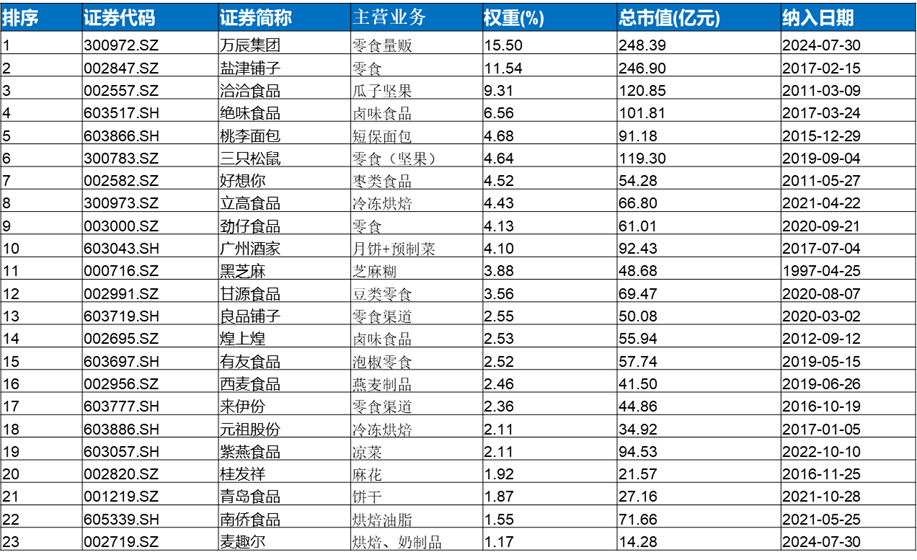
Overview of the Snack Food Sector - The A-share snack food sector has 23 companies, with Wancheng Group leading at a weight of 15.5% and a total market value of 24.8 billion [1][2] - The top 20 companies in the snack food sector have a combined market value of approximately 150 billion, significantly lower than the liquor sector, where Kweichow Moutai alone exceeds 2 trillion [2] Industry Characteristics - Snack foods are inherently less addictive compared to alcoholic beverages, and brands are still in the early stages of consumer recognition [3][5] - The snack food industry is characterized by high dependence on distribution channels, with traditional supermarkets shrinking at an annual rate of 8% [6][9] - The snack food sector has a market size exceeding 1 trillion, but the top ten companies only hold about 20% market share, much lower than the liquor and dairy sectors [7] Market Challenges - The snack food index has underperformed the overall consumer index from 2021 to 2024 due to three main pressures: shrinking traditional retail channels, low margins in bulk sales, and a price war leading to reduced profits [9][13] - The average price drop in the snack food industry reached 12% in 2023, with a corresponding 5% increase in sales volume, resulting in a profit squeeze [13] - Online price transparency has intensified competition, with leading companies experiencing a decline in online gross margins by 8-10 percentage points [13] Company Types and Performance - Domestic snack companies can be categorized into channel-based and product-based companies, with the former relying heavily on distribution channels and the latter focusing on product differentiation [14][16] - Product-based companies like Salted Fish and Jin Zai Food have shown faster growth, while channel-based companies like Liangpin Shop and Lai Yi Fen have faced significant declines [17] Case Studies - Three squirrels have seen a revenue rebound starting in Q4 2023, with Douyin channel revenue reaching 2.188 billion in 2024, a year-on-year increase of 81.7% [21] - However, they face challenges such as high traffic costs and low offline distribution margins, with a gross margin of only 15-18% [24] - Salted Fish's "Big Demon King" single product achieved over 100 million in monthly sales in March 2025, indicating successful product differentiation [42] Future Outlook - Channel-based companies should focus on cost-effective branding, while product-based companies should aim for super single products in niche categories [49] - The competition will increasingly involve both comprehensive snack brands and channel brands, necessitating a strong brand identity to withstand competition from private label products [49]

两个魔芋概念股的资本故事:盐津铺子向左,卫龙向右
3 6 Ke· 2025-10-22 12:22
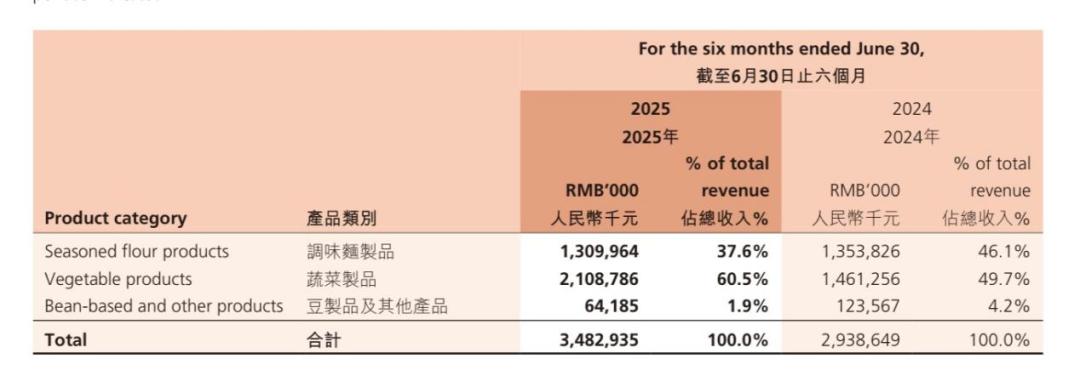
Core Insights - The konjac industry has transformed from a niche ingredient to a mainstream product in the snack market, driven by its low-fat and low-calorie appeal, resonating with consumer desires for guilt-free indulgence [1][3] - Capital markets have reacted positively, with stocks of leading companies like Yanjinpuzi and Weilong seeing significant price increases, indicating investor confidence in the konjac trend [1][5] Industry Dynamics - The konjac product narrative has shifted from health-focused messaging to emphasizing taste and texture, as companies adapt to changing consumer preferences [4][3] - The competitive landscape is intensifying, with numerous brands entering the market, leading to a shift from a "hot product" phase to a "red ocean" of competition [6][7] Financial Performance - Weilong's vegetable product revenue, primarily driven by konjac, grew by 59.1% in 2024, reaching 3.37 billion RMB, while Yanjinpuzi's konjac product revenue surged by 76.1% to 838 million RMB [5][8] - Both companies are experiencing rising costs, with konjac powder prices doubling in 2024, impacting profit margins [6][5] Strategic Positioning - Weilong relies heavily on konjac for brand transformation, with vegetable products now constituting 60.5% of its revenue, while Yanjinpuzi maintains a diversified product portfolio, using konjac as a growth engine [8][11] - The operational strategies differ: Weilong focuses on brand narrative and consumer engagement, while Yanjinpuzi emphasizes supply chain efficiency and distribution network [15][14] Market Outlook - The konjac market in China is projected to exceed 30 billion RMB by 2025, with a compound annual growth rate of approximately 11.8% [7][8] - The sustainability of growth for Weilong and Yanjinpuzi will depend on their ability to manage costs and adapt to market dynamics [7][13]
卫龙投10亿建基地,麻辣王子23.5亿造智能工厂,辣条巨头们为何疯狂加码产能?
Xin Lang Cai Jing· 2025-10-17 02:36
Core Insights - Major players in the Chinese spicy strip industry are aggressively expanding production capacity to capture market share amid increasing competition [1][6] - Weaker market positions for leading brands like Wei Long are prompting them to seek growth opportunities in Southeast Asia [1][13] Production Capacity Expansion - Wei Long has invested approximately 1 billion yuan in a new production base in Nanning, which will support its business development and expansion into Southeast Asia [3][5] - The new facility will cover an area of about 170 acres and integrate R&D, production, logistics, and marketing [3] - Mala Wangzi has also launched a new smart spicy strip factory in Hunan, with a total investment of 2.35 billion yuan and an expected annual output value of 9 billion yuan [5] - Jin Zai Food has opened a smart food industry park in Beihai, Guangxi, with an annual production capacity of 1.2 billion packages [5] Competitive Landscape - The Chinese savory snack market is becoming increasingly competitive, with major brands like Pepsi's Lay's leading with a 3.3% market share, followed closely by Wei Long and Wang Wang [6] - In the spicy strip segment, Wei Long holds a 23.91% market share, but this represents a decline of 2.34% from the previous year [6] - Competitors like Xian Ge and Mala Wangzi are gaining market share, with Xian Ge at 6.74% and Mala Wangzi at 5.07% [6] Differentiation Strategies - Xian Ge focuses on a "crispy" texture and offers lower prices compared to Wei Long, targeting specific regional markets [7][9] - Mala Wangzi differentiates itself through flavor upgrades and a youthful marketing approach, achieving revenues of 1.5 billion yuan in 2024 [9][11] - Wei Long has been raising prices to offset cost pressures, which has inadvertently created opportunities for competitors to capture market share [11] Market Trends - The Chinese spicy strip market is expected to see slower growth, with projected annual growth rates in the single digits from 2024 to 2026 [11] - Wei Long is targeting the Southeast Asian market, which has a favorable taste profile for spicy snacks, as part of its strategy to mitigate domestic competition [13] - The company has established an overseas development center and aims to expand its presence in over 50 countries by the end of 2024 [13]

600次求职失败,00后回家接手200亿「辣条帝国」
创业家· 2025-10-02 09:55
Core Viewpoint - The article discusses the story of Zhang Zilong, who unexpectedly discovered his family's wealth and the transformation of the "spicy strip" industry, highlighting the generational shift in leadership and innovation within family businesses in China [5][6][30]. Group 1: Zhang Zilong's Discovery and Business Growth - In 2023, Zhang Zilong learned he was the heir to a billion-dollar spicy strip empire, which had annual revenues exceeding 1 billion yuan [6][7]. - The "Spicy Prince" brand, under Zhang's leadership, achieved a revenue of 1.5 billion yuan in 2024, with a goal of 300 million yuan in e-commerce sales by 2025 [7][20]. - Zhang Zilong's parents implemented a rigorous ten-year training plan for him to prepare for his role as the company's general manager [8]. Group 2: The Evolution of the Spicy Strip Industry - The spicy strip industry has grown into a market worth over 60 billion yuan, with a trend towards healthier and more standardized products [22][23]. - The competition between northern brands like Weilong and southern brands like "Spicy Prince" illustrates the differentiation in consumer preferences and marketing strategies [23]. - "Spicy Prince" has positioned itself as a premium brand by focusing on authentic spicy flavors and quality, avoiding direct price competition with larger brands [23]. Group 3: The New Generation of Entrepreneurs - The rise of the "post-00s" generation in family businesses reflects a broader trend of young entrepreneurs stepping into leadership roles, often leveraging digital tools and social media for brand promotion [25][26]. - These new leaders, like Zhang Zilong, are not just inheritors but are actively innovating and expanding their family businesses into new markets and platforms [27]. - The article emphasizes the importance of responsibility and adaptability among the new generation, as they navigate the expectations set by their predecessors [27][28].

我可能是全网最晚写这波品牌翻车的,就言简意赅地说说
Hu Xiu· 2025-09-24 12:52
Group 1 - The core issue in recent brand failures is the imbalance in breaking the circle, where brands face internal structural conflicts exacerbated by external black swan events [2][3] - Brands must balance the needs and values of original users and pillar users, as these two groups often have different expectations and contributions to the brand [4][6] - The failure of brands like Arc'teryx and others can be attributed to neglecting the values of original users while focusing on the narratives appealing to pillar users [6][10] Group 2 - Brands should maintain a steadfast commitment to the values of original users, even if they contribute less to revenue and market share [9][12] - A product matrix should be utilized to cater to the diverse needs of different user groups while preserving the brand's core promises [11][13] - Brands should avoid downward compatibility with lower-tier brands to maintain their prestige and market position [14][23] Group 3 - Brands must manage user expectations carefully, ensuring that the perceived value aligns with the actual product and service offerings [26][28] - Misalignment of user expectations can lead to significant backlash, as seen in the cases of Xibei and others [24][30] - Brands should actively engage with their original users to explain and clarify during crises, rather than solely relying on public statements [39] Group 4 - Entering opposing user segments can be beneficial, but brands must do so cautiously to avoid alienating their core audience [29][35] - Recent failures highlight the sensitivity of brand positioning, especially regarding gender and social identity [33][36] - Successful brands, like Xiaomi, demonstrate the importance of low-key approaches when appealing to new demographics without alienating existing ones [34] Group 5 - Brands should quickly dissociate from negative concepts and focus on addressing specific criticisms rather than engaging in self-justification [37][38] - Maintaining deep communication with original users is crucial for brand loyalty and crisis management [39]
同心书写“空中丝路”合作华彩乐章——河南代表团到马来西亚参加郑州—吉隆坡“空中丝绸之路”国际合作论坛并开展经贸交流活动
He Nan Ri Bao· 2025-09-21 23:42
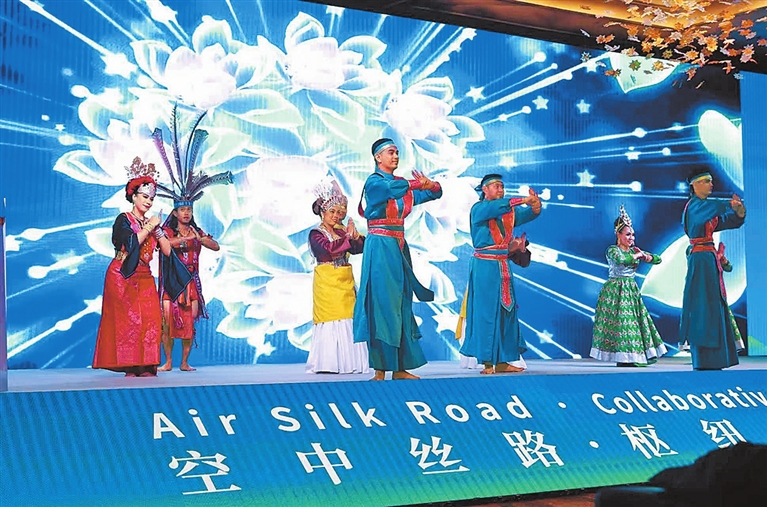
Core Points - The article discusses the deepening cooperation between Zhengzhou and Kuala Lumpur, marking a significant milestone in the 50th anniversary of diplomatic relations between China and Malaysia [3][4] - The "Air Silk Road" initiative aims to enhance logistics and trade between the two regions, with a focus on establishing a dual hub model for air cargo [12][13] Group 1: Economic Cooperation - The Zhengzhou-Kuala Lumpur air cargo route has been established, with the first batch of Malaysian fresh durians arriving in Zhengzhou, indicating a growing trade relationship [3][4] - From January to July 2023, the total import and export volume between Henan and Malaysia reached 11.77 billion yuan, a year-on-year increase of 33.5% [4] - In the first eight months of 2023, Henan's total import and export volume with ASEAN reached 74.31 billion yuan, up 8.8% year-on-year [4][12] Group 2: Infrastructure Development - The dual hub model is being promoted, with Zhengzhou as a logistics distribution center for China and Kuala Lumpur as a collection center for Southeast Asia [12][13] - The cooperation includes the signing of multiple agreements to enhance air logistics and trade facilitation, indicating a commitment to infrastructure development [13] Group 3: Cultural and Human Exchange - The article highlights the importance of cultural exchanges, with initiatives to promote tourism and mutual understanding between the two regions [10][11] - The establishment of various projects, including the Malaysia-Henan Youth Cooperation Center, aims to strengthen ties and promote cultural interactions [10][11]
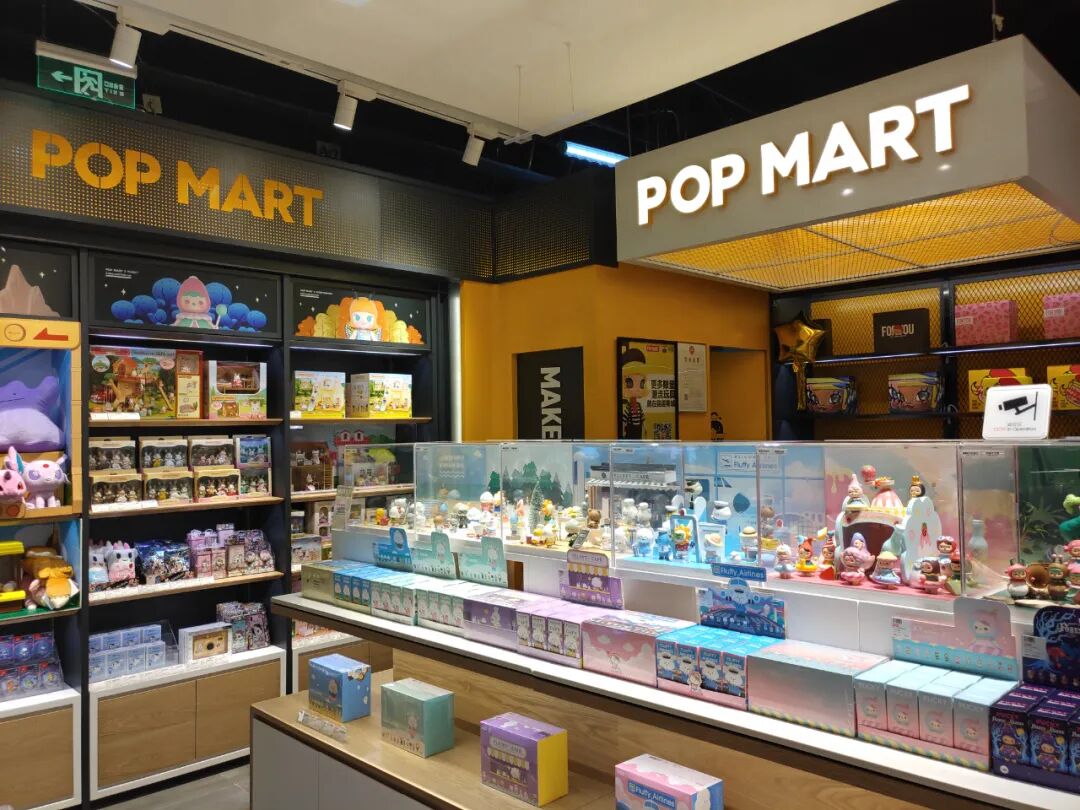
不止泡泡玛特,整个消费赛道都该为“情绪”疯狂
3 6 Ke· 2025-09-19 09:49
Group 1: Market Overview - In 2025, China's consumer market is experiencing a divergence, with traditional consumer goods showing weak growth while "emotional consumption" characterized by emotional connection, cultural identity, and immersive experiences is booming [1][4] - In the first half of 2025, the total retail sales of consumer goods reached 24,545.8 billion yuan, with a year-on-year growth of only 5.0% [1] - The retail sales of goods amounted to 21,797.8 billion yuan, growing by 5.1% [1] Group 2: Company Performance - Moutai, a representative of traditional high-end consumption, reported a revenue of 91.094 billion yuan in the first half of 2025, with a year-on-year growth of 9.16%, marking the first time in nearly a decade that its growth rate fell to single digits [1] - Pop Mart achieved a revenue of 13.88 billion yuan in the first half of 2025, with a remarkable year-on-year growth of 204.4% and an adjusted net profit of 4.71 billion yuan, up 362.8% [1] - Miniso's second-quarter revenue reached 4.97 billion yuan, growing by 23.1% year-on-year, while its subsidiary TOP TOY saw a revenue increase of 87.0% [2] Group 3: Consumer Trends - The rise of emotional consumption reflects a deep-seated desire for emotional comfort and cultural identity among consumers [4][5] - Consumers are shifting their spending from traditional goods to emotional products, indicating a change in consumption logic from "need" to "liking" and from "utility" to "emotion" [4][5] - The emotional consumption trend is not just limited to toys and jewelry but is also evident in various sectors, including tea beverages and snacks [18][20][23] Group 4: Emotional Consumption Dynamics - Emotional consumption is characterized by consumers being willing to pay for emotional experiences, social attributes, and identity recognition rather than just the products themselves [18] - The success of brands like Pop Mart and Lao Pu Gold illustrates the shift from functional attributes to emphasizing the emotional and cultural aspects of products [11][12] - The average overlap rate of Lao Pu Gold consumers with luxury brands like Louis Vuitton and Cartier is as high as 77.3%, indicating its entry into the high-end market [13] Group 5: Future Implications - The rise of emotional consumption is reshaping the entire consumption landscape, prompting brands to reassess their value creation strategies [25] - Companies that can accurately capture emotional needs and provide meaningful experiences are likely to thrive in this new consumption era [25]

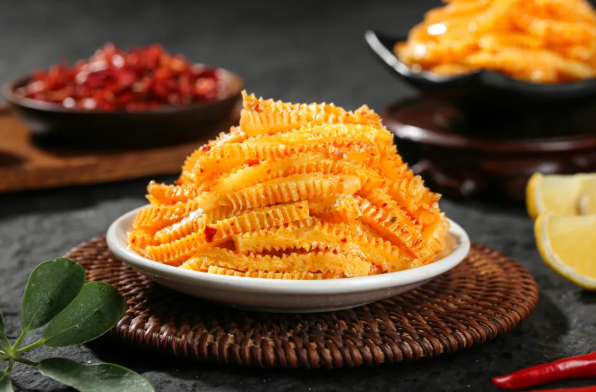
思宾格Biospringer:魔芋零食何以逆袭为健康零食新势力?
Zhong Guo Shi Pin Wang· 2025-08-20 08:38
Core Insights - Konjac has emerged as a popular healthy snack, driven by its low-calorie, high-fiber properties, and strong satiety, addressing consumer health concerns while satisfying taste preferences [3][4][10] - The konjac snack market is experiencing significant growth, with the domestic market size projected to reach approximately 270 billion yuan in 2024, and the leisure konjac snack segment exceeding 180 billion yuan, reflecting a nearly 20% compound annual growth rate over the past decade [3][4] Group 1: Market Trends - The market share of konjac products, including konjac slices, has increased from 0.87% in Q1 2023 to 1.4% in Q1 2025, indicating a rising trend in consumer acceptance [4] - Over thirty brands, including well-known names like Wei Long and Liang Pin Pu Zi, are entering the konjac snack market, enhancing consumer choices and driving market development [4][5] Group 2: Product Innovation - Companies are innovating in flavor, texture, and form to meet diverse consumer preferences, with popular flavors including spicy and regional variations [5][8] - The introduction of unique ingredients, such as Biospringer yeast extract, enhances flavor profiles and extends the sensory experience of konjac snacks [7][11] - Various product forms, such as konjac chips and konjac noodles, are being developed to cater to different consumer needs and preferences, expanding market opportunities [8][10] Group 3: Health and Consumer Preferences - A significant portion of Gen Z consumers (60.2%) prefer low-fat, low-calorie, and additive-free healthy foods, which aligns with the attributes of konjac snacks [10][11] - The growing health consciousness among consumers is expected to drive further competition in the konjac snack market, focusing on flavor differentiation and health upgrades [10][11]
优秀!这些上市公司CFO年薪超千万!
Sou Hu Cai Jing· 2025-08-14 11:12
Core Insights - The article discusses the rising salaries of CFOs in Hong Kong's stock market, highlighting that several CFOs earn over 10 million RMB, contrasting with the A-share market where the highest salary is capped at 9.46 million RMB [5][6]. Group 1: CFO Salary Overview - Li Tie, CFO of Li Auto, earned a total compensation of 39.16 million RMB in 2024, down from 64.24 million RMB in 2023 [9][10]. - Zhao Yi, CFO of Longfor Group, received a total salary of 17.64 million RMB in 2024, a decrease from 25.14 million RMB in 2023 [15][18]. - Wei Ping, CFO of Lianlian Digital, had a total compensation of 14.74 million RMB in 2024 [21][23]. - Yu Feng, newly appointed CFO of Weidong, earned 13.73 million RMB in 2024 [27][28]. - On Ning, CFO of Zhongsheng Holdings, received a total salary of 10.58 million RMB in 2024 [29][30]. - Bi Mingwei, CFO of Anta Sports, earned 10.27 million RMB in 2024, an increase from 8.76 million RMB in 2023 [34][36]. Group 2: CFO Career Insights - The article emphasizes that professional skills are essential for entry into high-paying CFO roles, but transitioning from a technical expert to a value creator is crucial for breaking salary ceilings [36][37]. - It suggests that deep industry knowledge is more valuable than frequent job changes, as understanding a business model and its risks is key to becoming irreplaceable [37][38]. - Embracing challenges and stepping out of comfort zones are highlighted as essential for career advancement, with each challenge presenting an opportunity for skill enhancement [38][39]. - The combination of financial expertise, business understanding, and strategic thinking is deemed necessary for future top financial talents [40].
