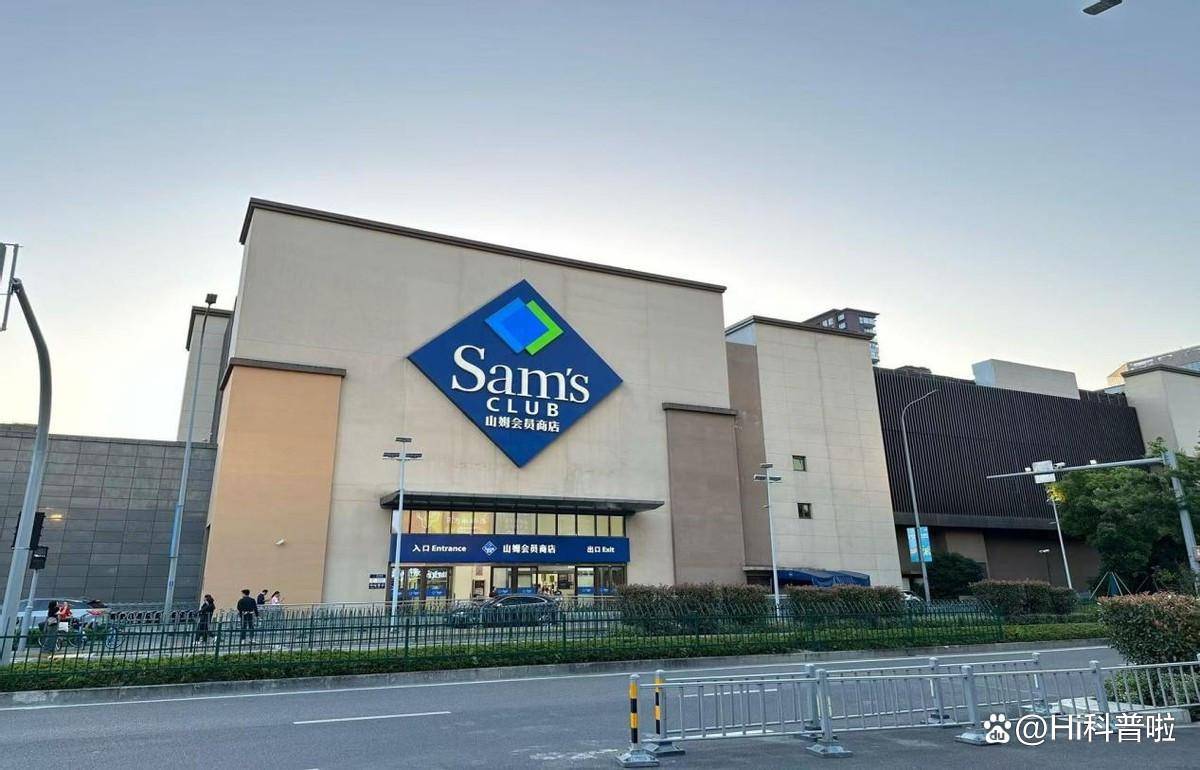
山姆会员店

Search documents
零售新旧业态差异大 企业持续加码鲜食、自有品牌
Zhong Guo Jing Ying Bao· 2026-01-19 06:05
Core Insights - The retail industry in 2025 is experiencing significant changes, with emerging channels like Hema and Aldi growing rapidly while traditional retailers face ongoing challenges [1][3] Group 1: Emerging Channels - Hema's overall revenue growth exceeded 40% year-on-year in 2025, with the company entering 40 new cities and opening over 200 new stores [2] - Aldi has expanded its presence in China, opening over 80 stores since its initial launch in Shanghai in June 2019 [2] - The snack retail sector is also thriving, with Mingming Hen Mang achieving a revenue of 36.56 billion yuan, a year-on-year increase of 77.37% [2] Group 2: Traditional Retail Challenges - Traditional retailers like Zhongbai Group reported a revenue decline of 19.41% year-on-year, resulting in a loss of 325 million yuan in the first three quarters of 2025 [3] - Bain's report indicates a continued contraction in offline channels, with traditional hypermarkets and convenience stores losing market share in fast-moving consumer goods [3] - Despite the overall pressure, new channels such as warehouse membership stores, snack stores, and discount stores are expanding rapidly, with year-on-year growth rates of 40%, 51%, and 92% respectively [3] Group 3: Retail Transformation - Traditional retailers are attempting to reverse their fortunes through store and format adjustments, with Zhongbai Group closing 30 hypermarkets and incurring a closure loss of approximately 180 million yuan [3][6] - The shift towards fresh and ready-to-eat food offerings is evident, as traditional retailers adapt to consumer preferences for fresh products [7][8] - Retailers are increasingly focusing on private label products, with Yonghui Supermarket planning to develop 100 billion-level products over three years [9] Group 4: Consumer Preferences - Consumers are gravitating towards high-value and experiential retail formats, leading to a bifurcation in the market [7][9] - The success of membership stores like Sam's Club is attributed to their unique product selection and commitment to quality, although they face challenges in supply chain management [5][7] - The retail landscape is expected to evolve into a clear "M-shaped" differentiation, with one end focusing on efficiency and the other on experiential value [9]


中产为什么还没放弃山姆?
创业邦· 2026-01-19 04:34
Core Viewpoint - The competition in the domestic food delivery market is showing signs of cooling, with a focus on broader instant retail rather than just food delivery, driven by major players like Meituan, Taobao Shanguo, and JD [6][7]. Group 1: Market Dynamics - The State Administration for Market Regulation is investigating the competitive landscape of food delivery platforms, indicating a regulatory focus on the sector [6]. - Instant retail, which encompasses a larger market than traditional food delivery, is becoming a battleground for major players, including Walmart's Sam's Club [6][7]. Group 2: Sam's Club Performance - Sam's Club in China has shown strong growth, with double-digit increases in transaction volume in Q2 and Q3 of 2025, and the total number of stores reaching 63 after opening 10 new locations [7]. - Despite facing negative publicity, such as product quality issues and management changes, Sam's Club continues to see rising sales and membership renewal rates, indicating strong brand loyalty among consumers [10][20]. Group 3: Consumer Trust and Brand Positioning - The brand's ability to maintain consumer trust is crucial, as evidenced by the willingness of consumers to pay membership fees for perceived quality and value [12][14]. - Sam's Club's pricing strategy, such as offering a down-market down jacket at a competitive price, has resonated with middle-class consumers, reinforcing its position as a preferred shopping destination [12][20]. Group 4: Competitive Landscape - Current competitors in the retail space, such as Dingdong Maicai and Hema, focus on different consumer segments and do not effectively meet the needs of Sam's Club's core demographic [22][29]. - Other international brands like Costco and Aldi have not been able to replicate Sam's Club's scale and market penetration in China, further solidifying Sam's Club's unique position [26][29]. Group 5: Expansion Strategy and Challenges - Sam's Club has accelerated its expansion since 2016, with a significant increase in new store openings, but this rapid growth has led to quality control issues [30][34]. - The company is navigating the challenges of maintaining product quality while expanding its footprint, particularly as it seeks to enter lower-tier cities with high-income consumers [37].


任泽平年度演讲:中国经济十大预测2025
泽平宏观· 2026-01-17 02:42
Core Viewpoint - The article presents ten major predictions for the Chinese economy in 2025, emphasizing the emergence of a new cycle and era, the global interest rate reduction, the fourth technological revolution, and the importance of adapting to new trends and opportunities in various sectors [2][3][4][5][6][7][8][9][10][11]. Group 1: New Economic Cycle and Global Trends - A new economic cycle and era are emerging, encouraging adaptation to new trends and opportunities [2][3]. - The global economy is entering a new interest rate reduction cycle, with significant implications for monetary policy and economic growth [3][40]. - The return of Trump to the White House (Trump 2.0) is expected to create uncertainties, including inflation and trade tensions, impacting global economic dynamics [3][42][44]. Group 2: Technological Revolution - The fourth technological revolution is underway, with breakthroughs in artificial intelligence, renewable energy, commercial aerospace, low-altitude economy, and biomanufacturing [4][55][57]. - AI is expected to experience explosive growth, with applications in image recognition, humanoid robots, AI assistants, and consumer electronics [6][11]. - The low-altitude economy is gaining traction, with potential applications in logistics and urban management, creating a multi-trillion market [8][59]. Group 3: Economic Policies and Domestic Growth - China is initiating macroeconomic easing to boost confidence and economic growth, focusing on new infrastructure and productivity [5][73]. - The government is implementing policies to stabilize the real estate market and promote consumption, with a focus on enhancing the business environment for private enterprises [78][87]. - The emphasis on new infrastructure includes advancements in new energy systems, digital economy, and artificial intelligence, positioning China for future growth [81][84]. Group 4: Globalization and Market Expansion - Chinese enterprises are shifting from export to global expansion, tapping into larger international markets [6][92]. - The rise of successful Chinese companies in overseas markets, such as SHEIN and TikTok, illustrates the potential for growth beyond domestic borders [96][111]. - Southeast Asia is identified as a key target for Chinese companies due to its growing market and favorable conditions for investment [101]. Group 5: Aging Population and Consumer Trends - The aging population presents opportunities in the silver economy, emphasizing the need for policies to boost birth rates and early childhood development [11]. - Consumer behavior is shifting towards interest-based spending, with cultural consumption and local trends gaining popularity among younger demographics [9][30].



叮咚买菜连开两城;沃尔玛联名小红书开“玛薯店”
Sou Hu Cai Jing· 2026-01-16 18:59
Group 1: Dingdong Maicai Expansion - Dingdong Maicai has accelerated its market penetration by opening new warehouses in Taizhou and Yancheng, Jiangsu, enhancing its fresh food delivery services [1] - The platform launched a "True Assurance Fish" series during the Spring Festival, offering free processing services and over 300 low-GI and organic products [1] - The new warehouses will leverage the existing supply chain capabilities validated in the Jiangsu-Zhejiang-Shanghai region, focusing on differentiated competition in the fresh food sector [1] Group 2: Walmart and Xiaohongshu Collaboration - Walmart has partnered with Xiaohongshu to launch a co-branded retail experience called "Mashi Store" in Shenzhen, featuring over ten new products [2] - The collaboration emphasizes simple ingredients and fresh experiences, utilizing Walmart's global supply chain and Xiaohongshu's community insights for product development [2] - This initiative represents Walmart's innovative approach in the instant retail sector, combining online and offline channels to engage younger consumers [2] Group 3: Linli Tea Brand Financing - Linli, a lemon tea chain, has secured tens of millions in Series A funding, with a valuation nearing 1 billion [4] - The funds will be allocated for brand development, supply chain upgrades, and organizational optimization, as the brand aims to strengthen its supply chain capabilities [4] - Linli plans to expand its product matrix and enhance its emotional connection with consumers through a "tea + IP" model [4] Group 4: Meituan Black Pearl Restaurant Guide Expansion - Meituan's Black Pearl Restaurant Guide will expand to four new cities in 2026, including Nantong, Qingdao, Shijiazhuang, and Shenyang [5] - The new cities will help explore local culinary landmarks and representative restaurants, with the updated list to be released on January 27 [5] - The Black Pearl Guide has been increasing its city coverage annually since 2023, aiming to grow from 19 to 32 cities by 2026 [5] Group 5: Hema Fresh Store Openings - Hema Fresh has opened its first store in Shanxi, covering over 4,000 square meters with more than 7,000 product offerings [7] - The brand's community supermarket, "Chao He Suan NB," is set to open two new locations in Dongguan on January 23, 2026 [7] Group 6: New Product Launches - San Yuan Dairy has introduced a new "Beijing Yogurt" line with four flavors, emphasizing natural ingredients and high protein content [11] - The new yogurt products are available for purchase on JD.com, priced at 29.9 yuan for a pack of four [11] Group 7: Corporate Developments - China Resources Beverage has appointed a new executive director and chairman, with Gao Li taking over leadership roles [14] - The company has established a stable governance system and operational resilience to adapt to market cycles [12]




山姆拿捏中国中产?260元会费,年轻人不逛免费超市偏选它?
Sou Hu Cai Jing· 2026-01-16 04:12
Core Insights - Sam's Club has successfully positioned itself as a leading player in the retail industry, achieving annual sales of 140 billion and surpassing 10 million members, contrasting sharply with the decline of traditional hypermarkets [3][12] - The success of Sam's Club can be attributed to its strategic focus on membership fees, lifestyle branding, and the integration of online and offline channels [14][18][20] Group 1: Membership Strategy - The membership fee of 260 yuan serves as an effective filter to attract quality customers who prioritize product quality over price, allowing Sam's Club to generate substantial revenue even before product sales [14][16] - The increase in membership fees from 150 yuan to 260 yuan in 2012 was a pivotal decision that helped to refine the customer base [14] Group 2: Lifestyle Branding - Sam's Club is not just a supermarket; it represents a lifestyle choice for middle-class consumers, offering a curated selection of around 4,000 products, which simplifies the shopping experience [16][18] - The popularity of certain products, such as the 39.8 yuan roasted chicken and 59.8 yuan Swiss roll, has contributed to brand loyalty and social media visibility, further enhancing its market presence [16][18] Group 3: Online and Offline Integration - The optimization of the Sam's Club app and the introduction of "express delivery" services have transformed the shopping experience, allowing for convenient purchases from home [18][20] - This shift has increased the proportion of e-commerce in Sam's Club's business model, making it a versatile shopping platform [20] Group 4: Long-term Strategy - Sam's Club's success is a testament to long-term commitment, focusing on supply chain refinement and customer trust rather than chasing fleeting market trends [20] - The membership card symbolizes a trust contract, promising high-quality, carefully selected products in a market filled with inferior options [20]
今年,河南消费市场加速向新
He Nan Ri Bao· 2026-01-14 09:01
Group 1 - The core idea of the article is that the new round of "old-for-new" consumption policy in Henan, particularly in Zhengzhou, has significantly boosted consumer traffic and sales in retail stores, indicating a positive trend in the local economy [1][2] - The "old-for-new" policy has expanded its coverage to include a wider range of products, such as smart glasses, which appeals to younger consumers and promotes green and digital consumption [2][3] - Local retail brands in Henan, such as Xianfeng Life and Huayu Baijia, are gaining popularity due to their quality products and sincere services, while international retail giants like Metro and Sam's Club are also entering the market, intensifying competition [4][5] Group 2 - The new shopping experiences in large malls, such as the "social + promotion" activities at Longhu Tianjie, are attracting consumers and enhancing engagement through unique events like the "Tianjie Temple Fair" [4][5] - The performance of new shopping centers is impressive, with Longhu Tianjie reporting sales exceeding 210 million yuan and over 420,000 visitors within three days of opening, showcasing the potential of the "first store economy" [5] - The Henan provincial government is committed to fostering a better consumption environment by organizing diverse activities to stimulate service consumption and enhance consumer experiences [5]

郑州新一轮国补落地 今年,河南消费市场加速向新
He Nan Ri Bao· 2026-01-13 23:36
Group 1 - The core viewpoint of the articles highlights the significant impact of the new round of "old-for-new" consumption policies in Zhengzhou, which has led to a dramatic increase in consumer foot traffic and sales in retail stores [1][2]. - The "old-for-new" policy has broadened its coverage, promoting green, low-carbon, and smart digital consumer products, which has attracted a younger demographic [2][3]. - Local retail brands in Henan, such as Xianfeng Life and Huayu Baijia, have gained popularity due to their quality products and sincere service, while international retail giants like Metro and Sam's Club are also entering the market, intensifying competition [4][6]. Group 2 - The new shopping experiences in large malls, such as the "social + promotion" activities, are designed to enhance consumer engagement and create memorable experiences [5][6]. - The Dragon Lake Tianjie shopping center has achieved impressive sales of over 210 million yuan and attracted more than 420,000 visitors within its first three days, showcasing the potential of the "first-store economy" and immersive experiences [6]. - The provincial government is committed to fostering a better consumption environment and organizing diverse activities to stimulate service consumption growth, reflecting the importance of consumer spending in enhancing the quality of life [6].
美团的另一场战争:外卖遭遇闪购狙击,王兴转身打造“店仓网”新防线
Sou Hu Cai Jing· 2026-01-08 08:11
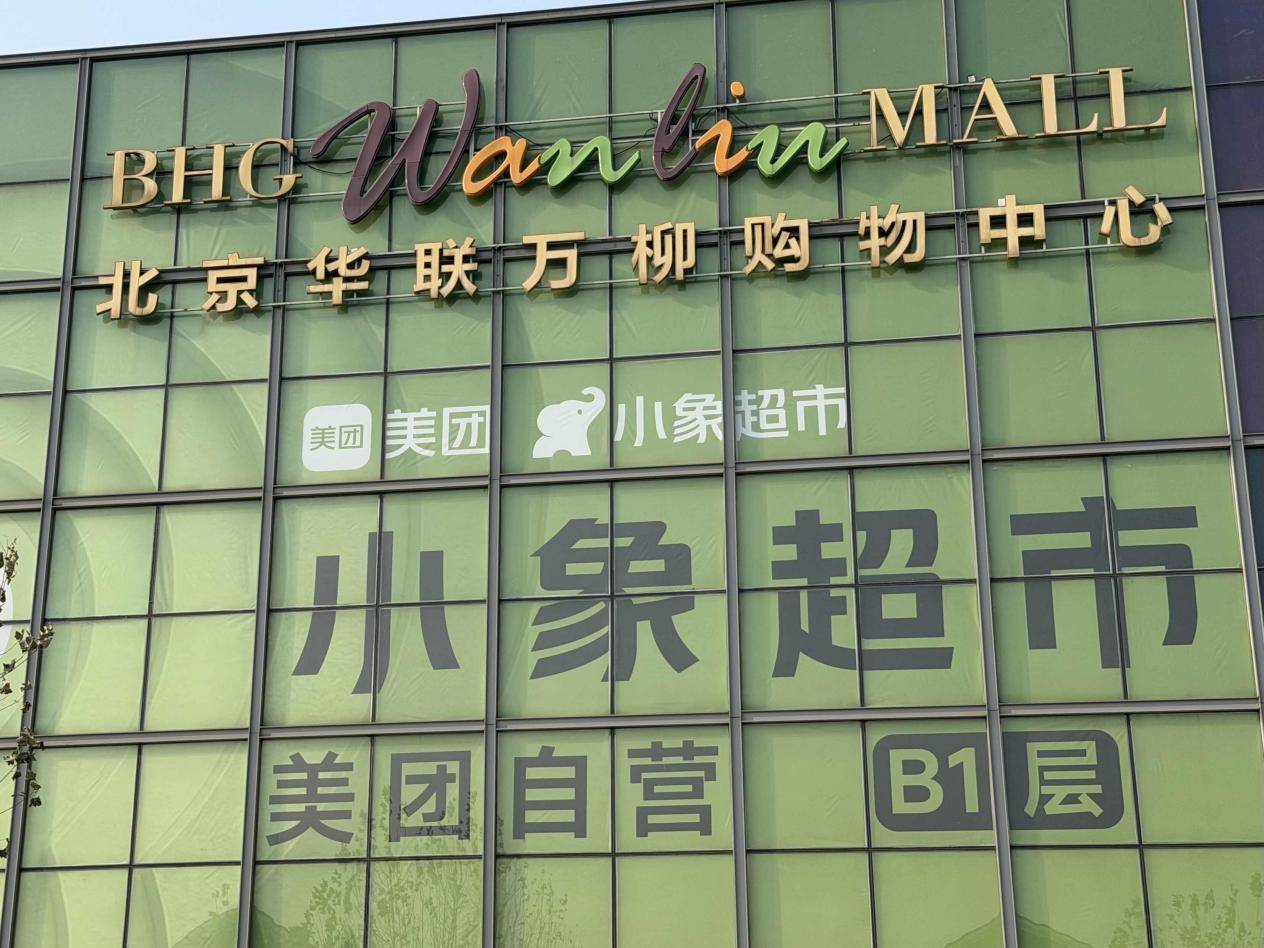
Core Insights - The first offline store of Little Elephant Supermarket is located in Beijing's Hualian Wanliu Shopping Center, filling a gap left by the closure of a major supermarket in the area [2] - Little Elephant Supermarket aims to integrate its offline and online operations into a "store-warehouse network integration" model, which is a clear trend in China's retail industry [2][11] - The store features a wide range of private label products and emphasizes customer service, similar to both Hema and Wumart's modified stores [5][12] Expansion Strategy - Little Elephant Supermarket is seen as a new hope for Meituan's grocery retail business, especially after the suspension of its "Tuan Hao Huo" service due to challenges in meeting instant retail demands [2][7] - Meituan plans to accelerate the expansion of Little Elephant Supermarket to cover all first- and second-tier cities in China [7] - The new business division, which includes Little Elephant Supermarket, reported a 15.9% year-on-year revenue increase to 28 billion yuan in Q3 2025, despite facing operational losses [7][10] Competitive Landscape - Little Elephant Supermarket faces intense competition from various players, including Pupu Supermarket, Dingdong Maicai, Hema Fresh, Sam's Club, and JD Seven Fresh [10] - The store's initial customer traffic was significantly lower than expected, with only one-third of the previous day's footfall reported [3][14] - The store's service model, which includes features like free drinking water and various food preparation services, aims to attract customers who prefer a more engaging shopping experience [5][12] Market Trends - The shift towards offline stores is driven by the exhaustion of online traffic growth and the rising costs of digital advertising [11][12] - Offline stores are seen as a stable and predictable source of customer traffic, particularly appealing to older consumers and those who prefer in-person shopping [12] - The integration of online and offline services is expected to enhance customer trust and loyalty, leveraging Meituan's existing user base [13]
悦己+情绪经济,如何重构白酒增长逻辑?|AIIC2025
Sou Hu Cai Jing· 2026-01-08 07:21
Core Insights - The mismatch between the supply of alcoholic products and the new consumer demand has become a core pain point in the current liquor industry development [2] - The emerging consumer group represented by Generation Z exhibits diverse demands and value propositions, while the white liquor market faces widespread product homogenization, leading to intensified price competition among companies [2] Industry Trends - Three core trends are emerging in the consumer market: 1. Delayed painful consumption and the explosion of enjoyable consumption, with young consumers postponing high-pressure expenditures and embracing immediate gratification through experiences like trendy toys and travel [4] 2. The decline of follower consumption and the rise of self-satisfying consumption, where new consumers prioritize products that reflect personal interests over mere brand symbolism [4] 3. The emotional economy reshaping product value logic, with successful brands focusing on emotional value rather than just functional attributes [4][6] Brand Strategy - Brands need to deeply understand the real needs of different consumer segments and establish refined user insights to accumulate core users and reputation before achieving broader growth [3][7] - The traditional one-way consumer education model is ineffective; brands must adopt a companion-like relationship with consumers to build long-term connections [7][9] - The perception of brands among new consumers has shifted from a hierarchical view to a desire for equal communication and emotional resonance [7] Product Value Reassessment - The value of liquor brands must transition from being symbols of status to cultural carriers, focusing on emotional expression and taste rather than mere identity capital [9] - The demand for personalized consumption is rising, making broad and generic strategies less effective; brands should adopt targeted approaches to meet specific consumer needs [9]



喜茶掉队、DeepSeek被它打败,2025年好品牌之争谁赢了
3 6 Ke· 2026-01-04 02:24
Group 1 - The brand index is used as a measurement standard for the public, calculated based on reader votes, with the highest voted brand in each category set to 100 for index processing [2] - The top five brands in various categories have been identified, with changes in rankings noted, including new entries and shifts in positions compared to the previous year [4][9] - The overall consumer sentiment indicates a cautious approach to spending, with a significant portion of respondents prioritizing product quality and reliability over brand loyalty [123][124] Group 2 - Heytea has fallen behind, with Guming Tea replacing it in the top five, and Guming Tea's store count reaching 11,179 with a net profit of 1.625 billion yuan, surpassing its total profit from the previous year [9] - Haidilao remains the top brand in the hot pot category, while KFC and McDonald's have swapped positions, with KFC slightly ahead [12] - The beverage market sees a return of Nongfu Spring to the top ranks, while Wahaha faces management turmoil, impacting its brand perception [15][17] Group 3 - In the beauty and personal care sector, Estee Lauder and L'Oreal dominate, with significant changes in rankings and the absence of local brands in the top positions [41] - Anta and Li Ning lead the sportswear category, with Li Ning rising to first place from fourth last year, while Adidas has returned to the rankings [45] - Douyin has surpassed Bilibili in the short video sector, with Douyin's daily active users reaching 600 million, while Bilibili has improved its profitability [55] Group 4 - The e-commerce landscape is evolving, with traditional platforms like JD, Meituan, and Taobao entering the instant retail competition, leading to significant financial investments in subsidies [73] - The AI app market is witnessing explosive growth, with ByteDance's products leading in active user numbers, indicating a shift towards AI-driven applications [80] - The adult product market is quietly rising, with brands like Durex and Okamoto leading the category [82] Group 5 - The home appliance market is characterized by intense competition, with Midea focusing on diversified business strategies, while Haier emphasizes high-end and localized operations [92] - Huawei continues to focus on the high-end market, with significant developments in its HarmonyOS ecosystem, while Apple faces challenges with its latest iPhone series [94][95] - The hotel industry is shifting towards new chain hotels, with traditional five-star hotels losing appeal as consumers seek more modern accommodations [116]