鼎龙股份

Search documents
内地宏观关键是政策发力:环球市场动态2026年2月6日
citic securities· 2026-02-06 05:43
环球市场动态 内 地 宏 观 关 键 是 政 策 发 力 股 票 A 股周四下跌,大消费板块逆市上 涨;港股午后转涨,科技股回暖; 欧洲股市小幅收跌,市场观望情绪 浓厚;美股再度大幅下跌,AI 担忧 持续困扰市场。 外 汇 / 商 品 疲软就业数据和股市下跌,周四美 元指数上升,白银和黄金再现沽压; 伊朗确认将与美国谈判,国际油价 下跌。 固 定 收 益 隔夜股市, 贵金属, 虚拟货币等价 格下挫, 加上就业数据疲软, 美债 成为避险天堂, 创年内最大单日涨 幅。日本 30 年期国债拍卖需求回 暖。欧洲和英国央行均维持利率不 变。穆迪下调印度尼西亚的信用展 望至负面。 产品及投资方案部 注:bp/bps=基点;pt/pts=百分点 中信证券财富管理 (香港) 免责声明请参考封底 2026 年 2 月 6 日 ▪ 2026 年一季度内地宏观环境的关键主线是政策的发力。政策的力度和节奏均与 2025 年较为类似。在政策呵 护、低基数效应的双重作用下,2026 年一季度经济有望迎来从低波动向高波动的转变。政策的发力方向将是 2026 年政策与 2025 年的一大差异,预计 2026 年专项债直接作用于经济基本面的比 ...
半导体行业双周报(2026、01、23-2026、02、05):存储芯片公司25Q4业绩表现亮眼-20260206
Dongguan Securities· 2026-02-06 05:14
2026 年 2 月 6 日 刘梦麟 SAC 执业证书编号: S0340521070002 电话:0769-22110619 邮箱: liumenglin@dgzq.com.cn 周 报 陈伟光 S0340520060001 电话:0769-22119430 邮箱: chenweiguang@dgzq.com.cn 资料来源:东莞证券研究所,iFind 相关报告 投资要点: 本报告的风险等级为中高风险。 本报告的信息均来自已公开信息,关于信息的准确性与完整性,建议投资者谨慎判断,据此入市,风险自担。 请务必阅读末页声明。 半导体行业 超配(维持) 半导体行业双周报(2026/01/23-2026/02/05) 行 业 存储芯片公司 25Q4 业绩表现亮眼 半导体行业指数近两周涨跌幅:截至2026年1月22日,申万半导体行业指数 近两周(2026/1/23-2026/2/5)累计下跌7.68%,跑输沪深300指数6.55个 百分点;2026年以来申万半导体行业指数累计上涨9.77%,跑赢沪深300指 数8.90个百分点。 SAC 执业证书编号: 半导体行业(申万)指数走势 行业新闻与公司动态:(1)铠侠:在AI ...
AI热潮带飞马桶厂?不起眼的日企,控制了芯片命脉
创业邦· 2026-02-06 00:08
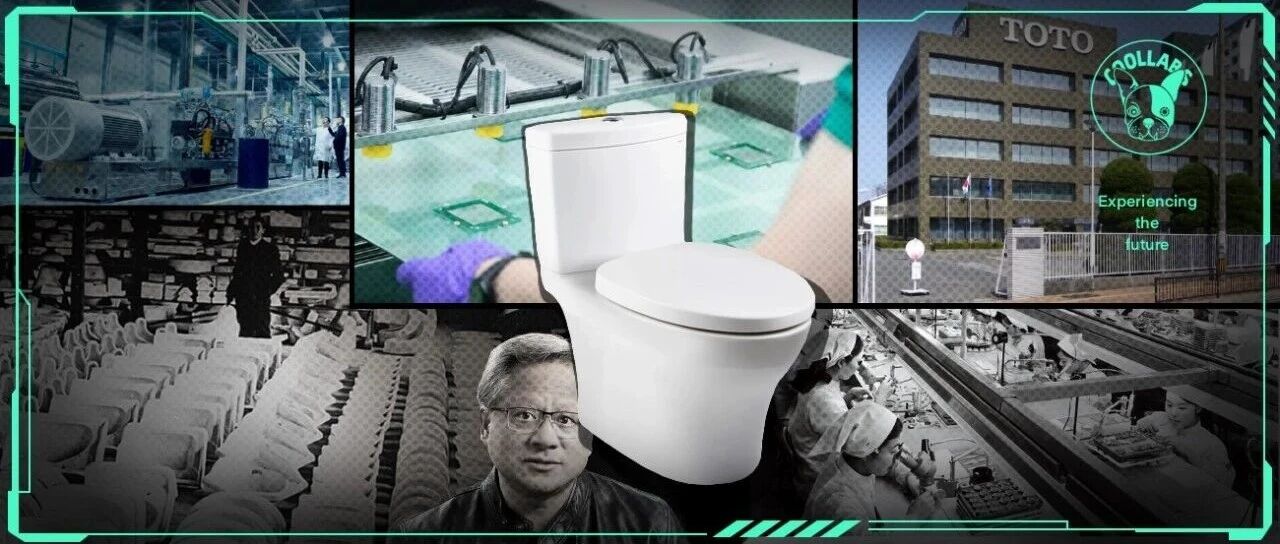
Core Viewpoint - The article discusses how traditional companies, such as TOTO, have successfully transitioned into the semiconductor industry by leveraging their existing technologies and expertise, particularly in ceramics, to meet the growing demands of the AI and semiconductor markets [6][19]. Group 1: TOTO's Transformation - TOTO, a Japanese bathroom products company, saw its stock price surge by 11% due to its involvement in the semiconductor industry, despite its primary business being unrelated to AI [8]. - The company's success is attributed to its expertise in producing high-density, low-porosity ceramics, which are essential for semiconductor manufacturing processes [11][12]. - TOTO's pivot to semiconductor precision ceramics has become a significant growth engine, contributing 42% of its revenue with a profit margin of 40%, far exceeding the average of 7% across all departments [19]. Group 2: Broader Industry Trends - The semiconductor industry is increasingly adopting electrostatic chucks, which TOTO has developed, due to their ability to provide uniform force and reduce contamination risks during wafer processing [12][17]. - Other traditional Japanese companies, such as Ajinomoto and Kao, have also successfully transitioned into the semiconductor sector by utilizing their existing technologies to create essential materials for chip manufacturing [22][30]. - The article highlights that Japan's historical industrial strength and technological reserves have allowed these companies to adapt and thrive in the semiconductor market, even as their traditional businesses face challenges [34][37]. Group 3: China's Potential - The article suggests that China's industrial sectors are beginning to mature, with companies like Xingfa Group and Huitian New Materials emerging as players in the semiconductor supply chain by developing high-purity materials and specialized adhesives [39][43]. - The narrative emphasizes that China's industrial development, although historically delayed, is now gaining momentum, and the accumulated technological expertise will eventually lead to significant advancements in the semiconductor industry [49].


1300+份新材料报告下载:做新材料领域的「攻坚者」
材料汇· 2026-02-05 15:00
Core Viewpoint - The article discusses the rapid growth and investment opportunities in the advanced packaging materials sector, highlighting the potential for domestic companies to replace foreign imports in critical areas of technology [7][8]. Market Overview - The global market for advanced packaging materials is projected to reach $2.032 billion by 2028, with the Chinese market expected to grow to 9.67 billion yuan by 2025 [8]. - Specific materials such as PSPI and Al-X photoresist are identified as key growth areas, with PSPI's market size in China estimated at 7.12 billion yuan in 2023 [8]. Investment Opportunities - The article outlines various advanced packaging materials and their projected market sizes, indicating significant growth potential in areas like conductive adhesives, chip bonding materials, and epoxy encapsulants [8]. - For instance, the conductive adhesive market is expected to reach 3 billion yuan by 2026, while the epoxy encapsulant market is projected to grow to 99 million USD by 2027 [8]. Competitive Landscape - The article lists both domestic and international players in the advanced packaging materials market, emphasizing the competitive nature of the industry [8]. - Companies such as Fujifilm, Toray, and domestic firms like Dinglong Co. and Guofeng New Materials are highlighted as key competitors [8]. Investment Strategies - Different investment stages in the new materials industry are discussed, with a focus on the importance of team assessment, industry analysis, and market entry strategies [10]. - The article suggests that early-stage investments carry high risks but can yield significant returns if the right resources and teams are in place [10].


业绩爆表+扩产加码!这个赛道的机会藏不住了
格隆汇APP· 2026-02-05 10:15
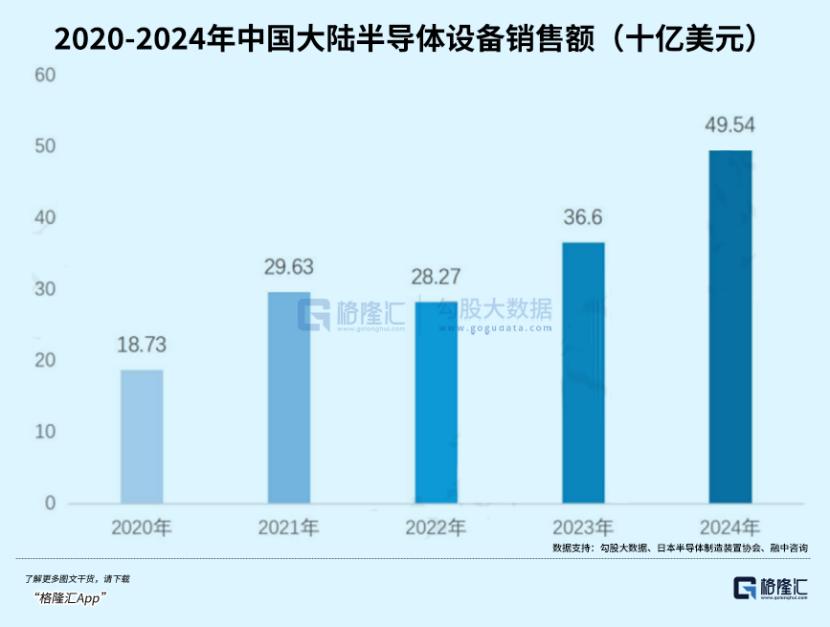
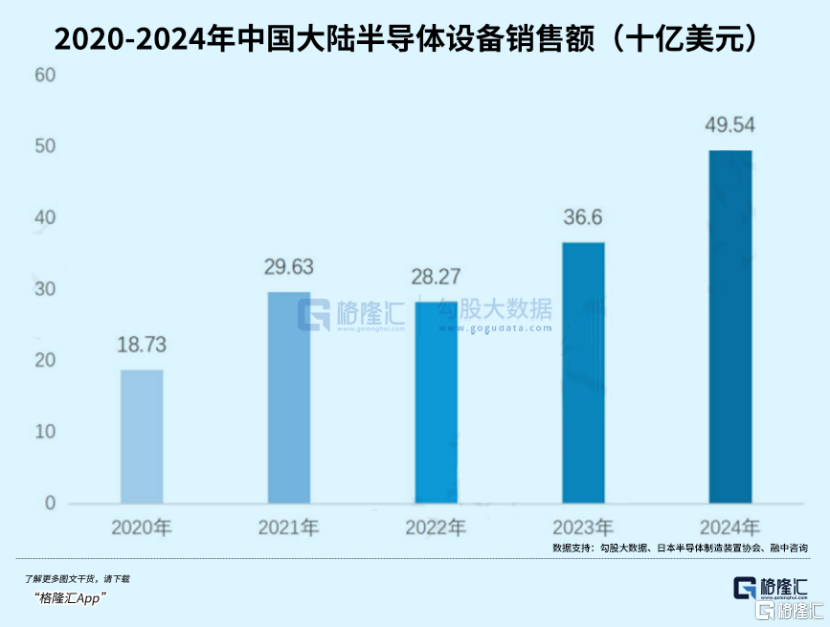
Core Viewpoint - The semiconductor equipment industry is entering a high-growth cycle driven by AI computing demand, domestic substitution, and global capacity expansion, with significant performance improvements from both international and domestic companies [4][7][21]. Group 1: Industry Performance - ASML reported a net sales of €32.7 billion in 2025, a 16% year-on-year increase, with a backlog of €38.8 billion in unfulfilled orders [4]. - Samsung's semiconductor business saw a 33% increase in operating profit, while SK Hynix's Q4 operating profit surged by 137% year-on-year [4]. - Domestic semiconductor equipment companies like Jinhaitong and Changchuan Technology also announced significant performance increases [4]. Group 2: Demand Drivers - The scale application of generative AI has drastically reshaped storage demand, with AI server DRAM needs being eight times that of regular servers and NAND needs three times higher [6]. - High Bandwidth Memory (HBM) is emerging as a core growth engine, with a projected CAGR of 33% from 2024 to 2030, potentially capturing 50% of the DRAM market by 2030 [6]. - Major global storage manufacturers are ramping up production, with Samsung's capital expenditure for 2025 expected to increase by 89% and SK Hynix raising its annual capital expenditure to $20.3 billion [6]. Group 3: Domestic Substitution Progress - The domestic semiconductor equipment localization rate is expected to reach 35% in 2024, doubling from 16.4% in 2022, with etching equipment localization at 23% and CMP equipment at 30%-40% [7]. - China has maintained its position as the largest semiconductor equipment market globally for five consecutive years, with sales expected to reach $49.54 billion in 2024, accounting for 42.34% of the global market [7]. Group 4: Future Trends - The global DRAM industry capital expenditure is projected to reach $61.3 billion in 2026, a 14% year-on-year increase, while NAND Flash capital expenditure is expected to be $22.2 billion, up 5% [9]. - ASML's order situation reflects high industry prosperity, with €13.2 billion in new orders in 2025, including €7.4 billion for EUV lithography machines, and a backlog extending to 2027 [9]. - The global semiconductor equipment market is projected to reach $117 billion in 2024, with a CAGR of 8.4% from 2025 to 2033, potentially growing to $224.93 billion by 2033 [9]. Group 5: Key Segments - The etching equipment market, representing 22% of the front-end equipment market, is expected to reach a domestic market size of ¥48.67 billion in 2025 [12]. - Thin film deposition is also experiencing rapid growth, with a global market size of $12.68 billion, driven by domestic leaders like TuoJing Technology [12]. - Testing and packaging equipment are benefiting from advanced process promotion and capacity expansion, with companies like Changchuan Technology and Huafeng Measurement Control covering multiple semiconductor fields [12]. Group 6: Material and Component Localization - The localization rate of core semiconductor equipment components is expected to rise from 10% to 20% in 2024, with Anji Technology's CMP polishing liquid achieving a 15% global market share [14]. - Continuous breakthroughs in supporting segments are enhancing the competitiveness of domestic equipment, fostering a collaborative development advantage across the entire industry chain [14]. Group 7: Strategic Outlook for 2026 - The advanced process competition is intensifying, leading to a surge in demand for high-end equipment, with global semiconductor giants pushing for 2nm and below processes [17]. - Policy and capital are driving domestic substitution deeper into high-end segments, with significant support for key technologies and substantial financing events in the semiconductor equipment sector [18]. - The demand structure is optimizing, with emerging fields like AI computing centers and electric vehicles creating new growth opportunities, while domestic companies expand into overseas markets [19].


业绩爆表+扩产加码,这个赛道的机会藏不住了
3 6 Ke· 2026-02-05 10:12
Core Insights - The semiconductor equipment industry is experiencing significant growth driven by AI computing power, domestic substitution, and global capacity expansion, marking a definitive growth cycle for the sector [1][14]. Group 1: Industry Performance - ASML reported a net sales of €32.7 billion in 2025, a 16% year-on-year increase, with a backlog of orders reaching €38.8 billion, of which €25.5 billion is from EUV [1]. - Samsung's semiconductor business saw an operating profit increase of 33%, while SK Hynix's Q4 operating profit surged by 137% [1]. - Domestic semiconductor equipment companies like Jinhaitong and Changchuan Technology also reported significant performance improvements [1]. Group 2: Demand Drivers - The scale application of generative AI has drastically reshaped storage demand, with AI servers requiring 8 times more DRAM and 3 times more NAND than regular servers, and each AI server needing up to 2TB of storage [2]. - HBM (High Bandwidth Memory) is emerging as a key growth driver, with a projected CAGR of 33% from 2024 to 2030, potentially capturing 50% of the DRAM market by 2030 [2]. - Major global storage manufacturers are ramping up production, with Samsung's capital expenditure for 2025 expected to increase by 89% and SK Hynix raising its capital expenditure to $20.3 billion [2]. Group 3: Domestic Market Dynamics - The domestic semiconductor equipment localization rate is projected to reach 35% in 2024, up from 16.4% in 2022, with etching equipment localization at 23% and CMP equipment at 30%-40% [3]. - China has maintained its position as the largest semiconductor equipment market globally for five consecutive years, with sales expected to reach $49.54 billion in 2024, accounting for 42.34% of the global market [3]. Group 4: Future Outlook - The global DRAM industry capital expenditure is forecasted to reach $61.3 billion in 2026, a 14% increase year-on-year, while NAND Flash capital expenditure is expected to be $22.2 billion, a 5% increase [5]. - ASML's order situation reflects high industry prosperity, with €13.2 billion in new orders in 2025, and a backlog extending to 2027, supporting future capacity releases [5]. - The global semiconductor equipment market is projected to reach $117 billion in 2024, with a CAGR of 8.4% from 2025 to 2033, potentially growing to $224.93 billion by 2033 [5]. Group 5: Key Trends - The competition in advanced processes is intensifying, with global semiconductor giants focusing on 2nm and below, driving demand for high-end semiconductor equipment [10][11]. - Policy and capital support are crucial for the advancement of domestic substitution, with significant investments in key technologies and local government subsidies for R&D [12]. - The demand structure is diversifying, with emerging fields like AI computing centers and electric vehicles driving growth, while domestic companies are expanding into overseas markets [13].



业绩爆表+扩产加码!这个赛道的机会藏不住了
Ge Long Hui· 2026-02-05 08:40
Core Insights - The semiconductor equipment industry is experiencing significant growth driven by AI computing power, domestic substitution, and global capacity expansion, marking a definitive growth cycle for the sector [1] Group 1: Industry Performance - ASML reported a net sales of €32.7 billion in 2025, a 16% year-on-year increase, with a backlog of orders reaching €38.8 billion, of which €25.5 billion is from EUV [1] - Samsung's semiconductor business saw an operating profit increase of 33%, while SK Hynix's Q4 operating profit surged by 137% [1] - Domestic semiconductor equipment companies like Jinhaitong and Changchuan Technology also reported significant performance increases, indicating a robust domestic market [1] Group 2: Demand Drivers - The rise of generative AI has drastically reshaped storage demand, with AI servers requiring 8 times more DRAM and 3 times more NAND than regular servers, and each AI server needing up to 2TB of storage [3] - HBM (High Bandwidth Memory) is emerging as a key growth driver, with a projected CAGR of 33% from 2024 to 2030, expected to capture 50% of the DRAM market by 2030 [3] - Major global storage manufacturers are ramping up production, with Samsung's capital expenditure for 2025 increasing by 89% and SK Hynix raising its annual capital expenditure to $20.3 billion [3] Group 3: Domestic Substitution and Market Share - The domestic semiconductor equipment localization rate is projected to reach 35% by 2024, doubling from 16.4% in 2022, with etching equipment localization at 23% and CMP equipment at 30%-40% [4] - China remains the largest semiconductor equipment market globally, with sales expected to reach $49.54 billion in 2024, accounting for 42.34% of the global market [4] - The continuous expansion of domestic wafer fabs provides ample validation scenarios for local equipment, creating a positive cycle of technological breakthroughs and market share increases [4] Group 4: Future Trends - The global DRAM industry capital expenditure is forecasted to reach $61.3 billion in 2026, a 14% increase year-on-year, while NAND Flash capital expenditure is expected to reach $22.2 billion, a 5% increase [6] - ASML's order situation reflects high industry prosperity, with €13.2 billion in new orders in 2025, including €7.4 billion for EUV lithography machines, and a backlog extending to 2027 [6] - The global semiconductor equipment market is projected to reach $117 billion in 2024, with a CAGR of 8.4% from 2025 to 2033, potentially growing to $224.93 billion by 2033 [6] Group 5: Key Segments and Opportunities - The etching equipment segment holds a 22% market share in the front-end equipment market, with the domestic market size reaching ¥48.67 billion in 2025 [8] - Thin film deposition is also experiencing rapid growth, with a global market size of $12.68 billion, supported by domestic leaders like TuoJing Technology [8] - Testing and packaging equipment are benefiting from the promotion of advanced processes, with companies like Changchuan Technology and Huafeng Measurement Control expanding their product coverage [8] Group 6: Material and Component Localization - The localization rate of core semiconductor equipment components is expected to rise from 10% to 20% in 2024, with Anji Technology's CMP polishing liquid achieving a 15% global market share [9] - Continuous breakthroughs in supporting segments enhance the competitiveness of domestic equipment, fostering a collaborative development advantage across the entire industry chain [9] Group 7: Strategic Outlook for 2026 - The competition in advanced processes is intensifying, driving demand for high-end equipment, with major global players focusing on 2nm and below technologies [11] - Policy and capital support are crucial for deepening domestic substitution, with significant investments in key technologies and local industry clusters receiving subsidies [13] - The demand structure is diversifying, with emerging fields like AI computing centers and electric vehicles driving growth, while domestic companies expand into overseas markets [14]
量产快、扩产忙、并购热 上市公司开年首月干劲足
Shang Hai Zheng Quan Bao· 2026-02-05 00:06
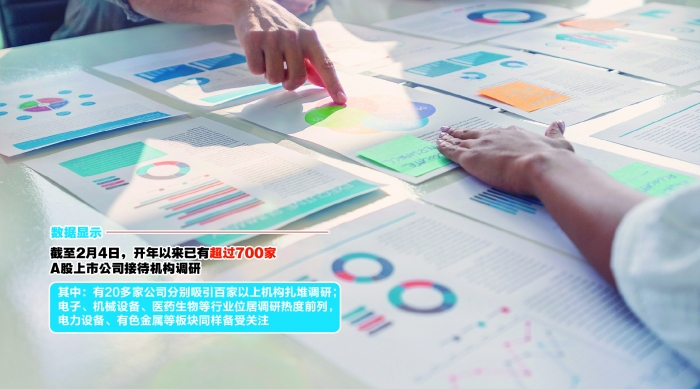
Core Insights - The article highlights the accelerated pace of institutional research on A-share listed companies as they release their 2025 performance forecasts, indicating a proactive approach to investment strategies for the new year [1] Group 1: Institutional Research Trends - Over 700 A-share listed companies have received institutional research since the beginning of the year, with over 20 companies attracting more than 100 institutions each [1] - Key sectors attracting attention include electronics, machinery, and pharmaceuticals, with power equipment and non-ferrous metals also being closely monitored [1] Group 2: New Product Launches - Several companies have announced accelerated timelines for new product mass production, showcasing confidence in growth for the new year [2] - Nepean Mining revealed plans to globally promote its innovative composite liner product in 2026, supported by the gradual production ramp-up of overseas facilities [2] - Huqin Technology's robotics division is set to deliver mass-produced robots in 2026, following significant advancements in R&D and project execution [2] - Jiemai Technology is investing in a production line for critical products, with mass production expected by mid-2026 [2] Group 3: Brain-Computer Interface Developments - Companies like Xiangyu Medical and Aipeng Medical are focusing on brain-computer interface technologies, with Xiangyu Medical planning to launch nearly 100 products by the end of 2026 [3] - The integration of software with rehabilitation equipment is expected to enhance product offerings and market competitiveness [3] Group 4: Industry Expansion and Growth - The demand for AI and computing power is driving growth in sectors like optical communication and liquid cooling, prompting companies to accelerate production capacity [4] - Daikin Heavy Industries reported a tight production schedule for overseas projects, anticipating significant growth in offshore wind energy markets [4] - Zhongji Xuchuang noted a strong order backlog extending into Q4 2026, indicating sustained high demand in the industry [4] Group 5: Storage and Liquid Cooling Innovations - Dike Technology plans to increase its storage chip output target to between 30 million and 50 million units in 2026, aiming to enhance revenue and net profit [5] - Dingtong Technology is expanding its liquid cooling production capabilities to meet rising customer demand [5] - Haitai Ruisheng is building a second overseas delivery base in Southeast Asia, expected to support significant orders from major tech clients [5] Group 6: Mergers and Acquisitions - Companies are increasingly pursuing mergers and acquisitions to enter new markets and drive growth [6] - Yingtang Zhikong plans to acquire Guanglong Integration and Aojian Microelectronics to enter the optical communication sector [6] - Dinglong Co. is acquiring Haofei New Materials to tap into the lithium battery functional materials market, with expected sales growth in 2026 [6] Group 7: Strategic Investments - Tianlu Technology is reallocating funds to projects aimed at enhancing its product offerings in the display industry, with equipment for the TAC film project expected to be operational by mid-2026 [7]
量产快 扩产忙 并购热 上市公司开年首月干劲足
Shang Hai Zheng Quan Bao· 2026-02-04 18:12
Core Insights - The article highlights the accelerated pace of institutional research on A-share listed companies as they prepare for investment opportunities in 2026, with over 700 companies receiving institutional inquiries since the beginning of the year [2] Group 1: Institutional Research Trends - More than 700 A-share listed companies have been visited by institutional investors for research since the start of 2026, with over 20 companies attracting more than 100 institutions each [2] - Key sectors attracting attention include electronics, machinery, pharmaceuticals, power equipment, and non-ferrous metals [2] Group 2: New Product Launches - Several companies have announced timelines for mass production of new products, indicating a strong growth outlook for 2026 [3] - Nepean Mining revealed plans to globally promote its innovative composite lining board, with production ramping up in 2026 [3] - Huajin Technology's robotics division is set to deliver mass-produced robots in 2026, enhancing flexible manufacturing capabilities [3] - Jiemai Technology is investing in a production line for critical products, expected to achieve scale production by mid-2026 [3] Group 3: Brain-Computer Interface Developments - Companies like Xiangyu Medical are focusing on brain-computer interface technologies, with plans to launch nearly 100 products by the end of 2026 [4] - The integration of software with rehabilitation equipment is expected to enhance product offerings and reduce upgrade cycles [4] Group 4: High-Growth Sector Expansion - The demand for AI and computing power is driving growth in sectors like optical communication and liquid cooling, prompting companies to accelerate production capacity [5] - Daikin Heavy Industries reported a tight production schedule for overseas projects, anticipating significant growth in offshore wind energy markets [5] - Zhongji Xuchuang noted a strong order backlog extending into Q4 2026, indicating sustained demand in the optical module sector [5] Group 5: Storage and Liquid Cooling Innovations - Dike Technology plans to increase its storage chip output target to between 30 million and 50 million units in 2026, aiming for significant revenue growth [6] - Dingtong Technology is expanding its liquid cooling production capacity to meet rising customer demand [6] - Haitan Ruisheng is enhancing its overseas operations, planning to establish a second local delivery base in Southeast Asia by the end of 2026 [6] Group 6: Mergers and Acquisitions for Growth - Companies are increasingly pursuing acquisitions to enter new markets and drive business transformation [7] - Yingtang Zhikong plans to acquire Guanglong Integration and Ao Jian Microelectronics to enter the optical communication sector [7] - Dinglong Co. is acquiring Haofei New Materials to expand into the lithium battery materials market, with expected sales growth in 2026 [7] - Tianlu Technology is reallocating funds to projects aimed at enhancing its product offerings in the display industry [8]
日本新材料发展复盘,对我国新材料投资的启示
材料汇· 2026-02-04 15:14
1、平台型新材料企业值得长期关注 平台型公司有以下几个特征:a)技术平台化:依托底层技术(如有机合成、 高分子材料等)拓展多领域应用。b)产品多元化:覆盖多个高成长赛道,如 半导体、显示材料、新能源材料等。c)抗周期性强:通过多业务布局分散风 险,能够在经济周期波动中保持稳健增长。 点击 最 下方 "在看"和" "并分享,"关注"材料汇 添加 小编微信 ,遇见 志同道合 的你 正文 2、把握材料的"1-N"进程 目前,我国多数半导体材料及部分电子材料还没有国产化,关键在于把握哪 个公司率先 1-N 可获得更为超额的收益。如我们 2024 年 12 月在《光刻胶 材料攻坚:国产替代进行时,色浆最具预期差》中提到的;徐州博康,公司 为国内主要的产业化生产中高端光刻胶单体企业,随着整个产业链国产化率 的提升,业绩弹性可期。KrF 国产树脂的放量,建议关注强力新材、彤程新 材。高端干膜的产业化,主要关注容大感光的项目进程。光刻胶原材料,建 议关注世名科技(与化工团队联合覆盖)。 3、长期跟踪前沿材料的发展进度 前沿材料还在产业化的及早期,需要更长时间跟踪技术的变化及产业化落地 的时点。目前前沿材料包括:超材料、超导材 ...