地平线

Search documents
腾势N8L、奇瑞风云T11、北京现代EO等新车上市!上汽、比亚迪、赛力斯公布三季度财报!多家车企公布10月销量!丨一周大事件
电动车公社· 2025-11-02 16:14
New Car Launches - The new Zeekr 7X has been launched with a price range of 229,800 to 269,800 CNY, featuring three models and significant upgrades in design and technology [2][3][11] - The new Avita 12 Four Laser Edition is priced between 269,900 and 429,900 CNY, offering both range-extended and pure electric versions with advanced driving assistance systems [14][20][22] - Smart's new model, the Smart 5 EHD, is priced from 189,900 to 239,900 CNY, featuring a hybrid system and a luxurious interior [23][30] - The new Denza N8L is launched at a price of 299,800 to 329,800 CNY, showcasing a modern design and advanced technology features [4][38] - Beijing Hyundai's EO model is available for pre-sale at 119,800 to 149,800 CNY, targeting the compact SUV market with competitive features [5][47] - Chery's new model, the Wind Cloud T11, is priced between 189,900 and 249,900 CNY, boasting high-end configurations and a spacious interior [6][54] - The Galaxy Star 6 has been launched with a price range of 74,800 to 105,800 CNY, featuring a new design and advanced technology [7][58] - The Deep Blue L06 has opened for pre-sale with a price range of 139,900 to 161,900 CNY, featuring a sporty design and advanced driving assistance [8][67] Company Dynamics - Horizon Robotics has partnered with ZF to develop a city navigation assistance system, set to be mass-produced by 2026 [70][75] - Xiaopeng Motors is establishing the first low-altitude flying car "6S" store in Guangzhou, aiming to integrate various flying services [76][79] - 4D Map has rebranded to SEEWAY.AI, focusing on AI strategies and expanding into autonomous driving technologies [81][84] - SAIC Group reported a growth in both sales and revenue in Q3, driven by strong performance in the electric vehicle segment [87][90] - BYD's Q3 revenue decreased by 3.05% to 194.99 billion CNY, with net profit down 32.6% due to competitive pressures [91][92] - Seres reported a 15.75% increase in revenue to 48.13 billion CNY, while net profit slightly declined [94][95] Sales Performance - BYD's October passenger car sales reached 436,856 units, maintaining a leading position in the electric vehicle market [100][104] - SAIC Group sold 207,000 new energy vehicles in October, leading the industry in total sales [106] - Geely's October new energy vehicle sales were 177,882 units, with significant contributions from its Galaxy brand [107][110] - Chery's new energy vehicle sales reached 110,346 units in October, marking a significant milestone [111][112] - Chang'an's new energy vehicle sales were 119,000 units, with strong performance from its Deep Blue brand [119] - Great Wall Motors sold 46,155 new energy vehicles in October, reflecting its ongoing transition to electric vehicles [120][121] - Leap Motor delivered 70,289 units in October, showcasing its strong market presence [122] - Hongmeng Zhixing delivered 68,216 units in October, benefiting from increased production capacity [125][127] - Xiaopeng Motors delivered 42,013 units in October, with new models contributing to sales growth [128][130] - NIO delivered 40,397 units in October, reflecting a successful year for the brand [131][133] - Xiaomi's vehicle deliveries exceeded 40,000 units in October, supported by favorable market conditions [134][136] - FAW delivered 38,900 new energy vehicles in October, marking a significant achievement [137][138] - Li Auto delivered 31,767 units in October, facing competitive pressures in the market [143][144] - Dongfeng Yipai Technology delivered 31,107 units in October, showing steady growth [146][148] - BAIC New Energy sold 30,542 units in October, driven by new model launches [149][152] - Lantu delivered 17,218 units in October, continuing its upward trajectory [153][155] - Jishi delivered 1,426 units in October, with plans for future expansion [156][159]






和一些人交流后, 更深入的分析地平线HSD与理想VLA
理想TOP2· 2025-11-02 09:08
Core Viewpoints - The article presents eight key viewpoints regarding the performance and evaluation of autonomous driving technologies, particularly focusing on the experiences with Horizon's HSD and Li Auto's VLA systems [2]. Group 1: Performance Evaluation - TOP2 found the Horizon HSD software experience during a 1.5-hour test drive in Hangzhou to be significantly better than the current production version of Li Auto's L7 VLA [2]. - There is a possibility that the production version of Horizon's software may not perform as well as the engineering version experienced during the test [2]. - The evaluation of autonomous driving systems is limited by the number of test experiences, as a few tests cannot generalize performance across different regions [3]. Group 2: Technical Architecture - Horizon employs a VA-style end-to-end system, while Li Auto uses a VLA-style end-to-end system, with the naming being a minor distinction [3][9]. - The current technological landscape suggests that VA-style systems may have advantages in user experience due to existing computational and bandwidth limitations [6]. - Li Auto's decision to adopt a VLA-style system is seen as a courageous move, as it requires significant resources and presents various challenges [14]. Group 3: Market Dynamics - The future landscape of autonomous driving operators is uncertain, with a prevailing belief that only a few companies will survive, particularly those capable of self-developing their technologies [4]. - Companies lacking self-research capabilities in autonomous driving may struggle to adapt to the evolving smart vehicle industry [4]. - The article emphasizes that autonomous driving is not merely a selling point but a differentiating capability that can lead to high market concentration due to low marginal costs [4]. Group 4: User Experience Insights - Feedback from Horizon personnel indicated that the performance of their systems in extreme weather and complex scenarios is generally average, highlighting the need for comprehensive testing [5][6]. - The experiences reported during the test drives varied significantly based on the vehicle models and their respective chip capabilities, indicating that performance can be inconsistent [7]. - The article suggests that the perception of Horizon's HSD performance may be overly positive due to selective testing locations and conditions [8].
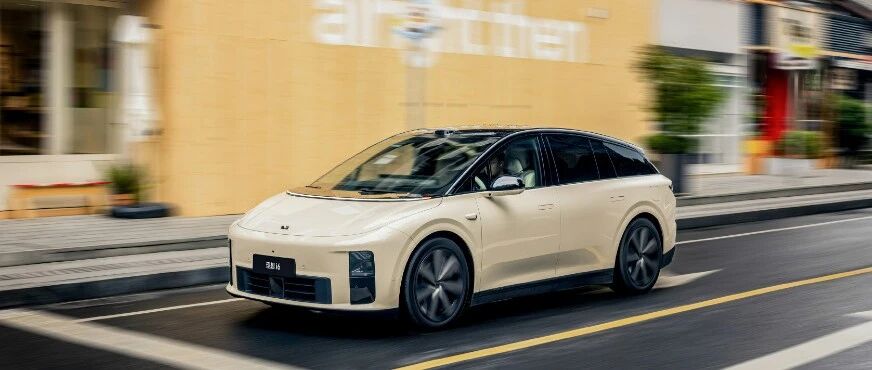
中国Robotaxi双雄文远与小马港股上市引发数据造假口水战
Sou Hu Cai Jing· 2025-11-01 03:13
Core Viewpoint - The competition between leading Chinese autonomous driving companies, Pony.ai and WeRide, has intensified, leading to public accusations of data falsification ahead of their IPOs, highlighting the fierce rivalry and the ongoing challenges in technology and business model breakthroughs in the Robotaxi market [2][25]. Company Overview - Pony.ai and WeRide both initiated their IPO processes on October 28, with a likely simultaneous listing on November 6, marking a significant event in China's Robotaxi market [2]. - WeRide's CFO, Li Xuan, accused Pony.ai of making false claims regarding operational areas, operational data, and technical capabilities in their roadshow materials [3][5]. Accusations and Responses - Pony.ai's accusations included: - Operational area falsification, claiming WeRide only operates in Beijing [3]. - Operational data falsification, suggesting WeRide had zero completed rides [3]. - Doubts about WeRide's technical capabilities compared to Pony.ai's claimed L4 technology [3]. - In response, WeRide provided data showing its operations in multiple cities, including Beijing and Guangzhou, and international markets, with over 700 Robotaxi vehicles and significant revenue growth [5][9]. Market Context - The Robotaxi market is approaching a commercialization tipping point, with increasing competition from other players like SAIC's Xiangdao Mobility and GAC's Ruqi Mobility, which have also filed for IPOs [12][13]. - Both companies are facing financial challenges, with significant losses reported due to high R&D investments and global expansion efforts [20][21]. Financial Performance - Pony.ai's projected net losses for 2022-2025 are substantial, with figures reaching $148 million in 2022 and $275 million in 2024, while WeRide's losses are similarly high, indicating ongoing financial strain [20][21]. - Both companies have not yet achieved profitability, with annual revenues not exceeding $100 million [20][21]. Future Outlook - Despite current challenges, both companies remain optimistic about future profitability, with expectations of reaching breakeven by 2028-2029 [22]. - WeRide is focusing on international expansion, particularly in the Middle East, while Pony.ai is concentrating on major domestic cities [22][23].
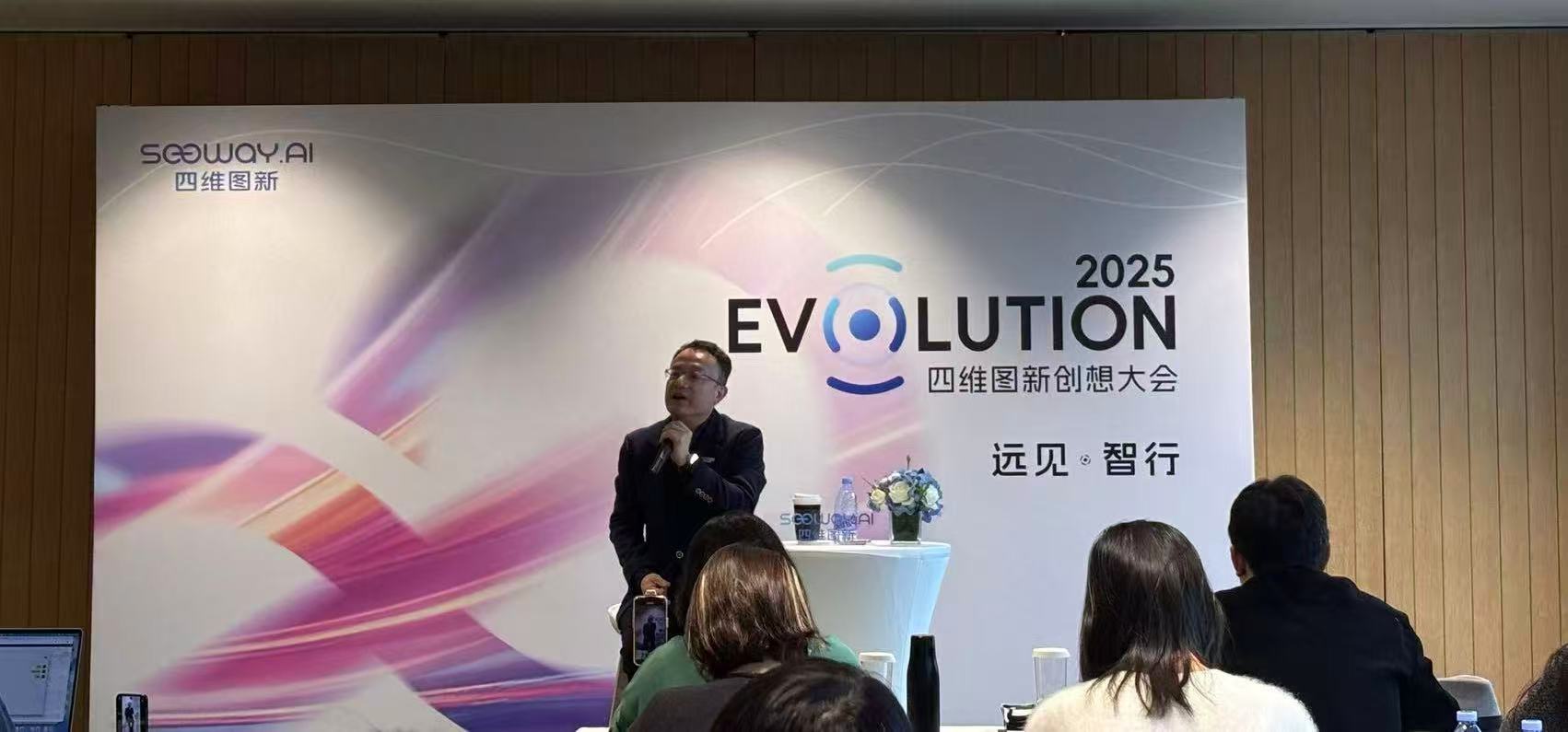
对话四维图新CEO程鹏:智驾行业整合是必然的,但不会只剩两三家
Tai Mei Ti A P P· 2025-10-31 09:07
Group 1: Industry Trends - The era of rapid growth for autonomous driving startups is ending, with a trend towards consolidation in the industry, as evidenced by significant investments and acquisitions by major players like FAW, Mercedes-Benz, and Four-dimensional Map [2][3][4] - The market share of third-party autonomous driving suppliers is heavily concentrated, with Momenta and Huawei holding nearly 90% of the market, leading to predictions that only two or three players may remain in the future [3][4] - The integration trend in the autonomous driving sector is partly driven by a challenging capital exit environment, making it more likely for companies to consolidate before going public [2][5] Group 2: Company Strategies - Four-dimensional Map's CEO Cheng Peng emphasizes the need for cost reduction in technology and ecosystem, advocating for collaboration rather than competition in developing autonomous driving solutions [2][6] - The company aims to position itself as a "new Tier 1" supplier, leveraging its capabilities in mapping, positioning, chips, and cockpit software to drive growth in autonomous driving [6][8] - Four-dimensional Map has secured 5.85 million sets of autonomous driving solutions for over 20 mainstream automakers, with plans for high-level autonomous driving solutions to enter mass production within two years [7][8] Group 3: Market Opportunities - The Chinese automotive industry is experiencing a significant increase in exports, with projections of reaching 7 million units in 2024, creating new opportunities for supply chain companies [10][11] - The company has developed a comprehensive compliance service covering over 100 projects for more than 30 major automakers, facilitating global market entry [11][12] - The focus on achieving high cost-performance ratios is crucial for both domestic and international markets, with an emphasis on technological innovation and ecosystem collaboration [12][13]


增收不增利!四维图新前三季度净亏损同比扩大45.55%,CMO孟庆昕:预计2027年可实现盈亏平衡
Mei Ri Jing Ji Xin Wen· 2025-10-31 07:17
每经记者|刘曦 每经编辑|裴健如 随着智能辅助驾驶渗透率快速上升,智驾领域的竞争进入白热化阶段,以地平线、Momenta、华为为代表的头部玩家已占据市场主导地位,自动驾驶行业对 市场格局的判断出现分歧。 "自动驾驶的上半场是城市辅助驾驶,竞争格局将在明年见分晓,国内主要玩家可能也就只剩下两三家,全球范围内可能是三四家。"近日,Momenta CEO曹 旭东的一番言论引发行业关注。 对此,四维图新CEO程鹏近日接受包括《每日经济新闻》记者在内的媒体采访时则表达了不同看法。"这种论断我并不陌生,几年前就有人预言整车市场只 会剩下'五家'或少数几家。这种观点过于执着自我判断,并不符合产业发展的实际情况。"程鹏认为,"汽车品牌至今依然多元。断言市场将快速收敛为'两三 家'的结论过于草率,忽略了用户才是产业发展的根本决定力量。" 图片来源:每经记者 刘曦 摄 对于"第一大股东而非控股股东"的股权结构设计,四维图新高级副总裁、CMO兼董秘孟庆昕向记者解释称,此举旨在保持组织与资本运作的灵活性。"'新鉴 智'未来在资本路径上具备更大空间,我们将其视为四维图新体系内的智驾核心载体。"她进一步表示,公司智能座舱业务已于2018 ...
自动驾驶公司,正在标配飞书
量子位· 2025-10-31 04:09
Core Viewpoint - The article discusses the rapid development of the autonomous driving industry, highlighting the consensus among companies to leverage AI for improving efficiency and productivity in their operations [1][39]. Group 1: Industry Trends - By 2025, the industry is expected to experience rapid growth, with L2 assisted driving gaining significant traction and companies like Momenta and Horizon achieving substantial market presence [1]. - The penetration rate of L2 assisted driving in domestic passenger vehicles reached 63% from January to July this year, with projections indicating a 100% adoption rate by 2030 [34]. - The year 2025 is referred to as the "mass production year" for Robotaxi, driven by increased competition and investment in the sector [34]. Group 2: AI in Autonomous Driving - The autonomous driving sector is utilizing AI to enhance production processes, a concept derived from lean manufacturing principles, focusing on continuous improvement and waste reduction [3][4]. - Companies like Horizon and Momenta are leading examples of using AI to streamline their research and development processes, with Horizon managing over 700,000 documents annually [5][12]. - Momenta has developed a research efficiency engine that automates the flow of information from project initiation to delivery, significantly reducing the time required for various tasks [13][15]. Group 3: Tools and Collaboration - The adoption of Feishu (Lark) as a core platform for knowledge management and collaboration has enabled companies to efficiently utilize their knowledge assets and improve team coordination [6][10]. - Horizon has established knowledge bases for hundreds of projects using Feishu, allowing for rapid iteration and updates to products [11]. - The use of AI-driven tools within Feishu has led to a significant increase in task completion rates and improved overall efficiency in research and development [10][11]. Group 4: Cultural Shift and Competitiveness - The implementation of AI efficiency initiatives, such as the "AI Efficiency Pioneer Competition," fosters a culture of continuous improvement and knowledge sharing among employees [16][26]. - The competition encourages the dissemination of effective case studies across departments and companies, enhancing the overall efficiency of the industry [26]. - The need for efficient tools is underscored by the challenges faced in traditional communication methods, which are often cumbersome and time-consuming [35][36]. Group 5: Future Outlook - The article emphasizes that the future of physical AI will belong to companies that adopt advanced productivity tools early on, as they will be better positioned to navigate the competitive landscape [41][42]. - The integration of AI into real-world applications is seen as a critical challenge that requires comprehensive support for both software development and hardware production [40].


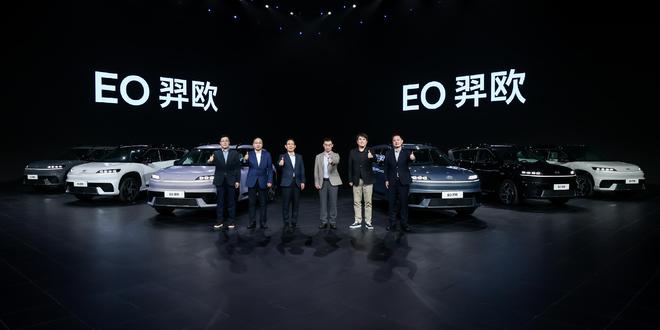
北京现代启动“智启2030计划”,以“新质力”EO羿欧重塑新能源时代竞争力
Jing Ji Guan Cha Bao· 2025-10-31 03:52
Core Viewpoint - Beijing Hyundai is entering the "smart electric era" with the launch of its first pure electric SUV, EO Yiyou, and the announcement of the "Smart Start 2030 Plan," aiming to transform its strategy and product offerings in the new energy vehicle market [2][6][22]. Group 1: Strategic Initiatives - The "Smart Start 2030 Plan" aims for a sales target of 500,000 units over the next five years, focusing on new products, local R&D, partnerships, exports, services, and social responsibility [6][23]. - The plan emphasizes a dual-path development strategy of "fuel and electricity" with a goal to launch 20 new products by 2030, including 13 new energy models [8][23]. - The company is committed to localizing R&D and integrating AI technology to enhance user experience and product performance [9][10]. Group 2: Product Launch and Features - EO Yiyou is positioned as a "new quality pure electric SUV," reflecting the brand's commitment to user-centric design, technological strength, and quality assurance [11][20]. - The vehicle features a sleek design inspired by nature, with a focus on comfort and practicality, including a soft-touch interior and ample storage space [13][15]. - EO Yiyou is built on the E-GMP platform, ensuring high safety standards and performance, with options for a four-wheel drive version delivering a total power of 233 kW [16][18]. Group 3: Market Positioning and Future Outlook - The launch of EO Yiyou sets a benchmark for joint venture brands in the new energy sector, offering high-quality features at a competitive price range of 119,800 to 149,800 yuan [2][20]. - The company aims to leverage its global manufacturing capabilities and local partnerships to enhance its competitiveness in the Chinese market [10][22]. - As Beijing Hyundai progresses with the "Smart Start 2030 Plan," it seeks to redefine its brand competitiveness and establish a new model for joint venture transformation in the new energy vehicle landscape [23].
地平线与Unity中国达成战略合作
Zheng Quan Shi Bao Wang· 2025-10-31 02:13
人民财讯10月31日电,据地平线消息,近日,地平线与实时3D内容创作和运营平台Unity中国正式签署 战略合作协议。双方将深度融合地平线HSD(Horizon SuperDrive)人机交互系统与Unity3D渲染引擎,共 同打造行业顶级的辅助驾驶人机交互界面(HMI)解决方案。 ...
黑芝麻智20251030
2025-10-30 15:21
Summary of Black Sesame Intelligence Conference Call Company Overview - Black Sesame Intelligence focuses on AI hardware chips and has a strong understanding of chip technology from its founder, who is committed to a hardware-centric approach. The company collaborates with Bosch and has entered the automotive sector, successfully mass-producing multiple vehicle models, including Lynk & Co, Dongfeng series, and BYD export models [2][5]. Key Developments and Achievements - 2022 marked a pivotal year for Black Sesame Intelligence, with the launch of the Huashan A2000 chip, which significantly enhanced computing power, making it comparable to high-end automotive chips. The Wudang C1,200 chip family is applied in high-speed NOA and light procedure NOA, receiving validation from major clients, solidifying its leading position in the domestic AI hardware sector [2][5]. - The company has established deep collaborations with major automotive manufacturers such as Geely, Dongfeng, FAW, and BYD, and has successfully mass-produced various models [5]. Market Position and Competitive Landscape - Black Sesame is currently in a position similar to Horizon a year ago, with the potential to gain validation from leading new energy vehicle manufacturers through the C1,200 chip and achieve mass production [2][6]. - Horizon focuses on software system iterations, while Black Sesame emphasizes hardware expansion. The increasing policy requirements for domestic substitution present opportunities for both companies [2][6]. Investment Opportunities - The investment outlook for Black Sesame Intelligence is promising, particularly with the anticipated advancements in L4 level autonomous driving technology expected by 2026, which provides significant growth potential. The company’s AI chip products are rare, and there is a notable valuation gap compared to Horizon, suggesting substantial room for valuation recovery [3][4]. - Short-term market capitalization is projected to reach 30 billion RMB, corresponding to approximately 1.4 billion RMB in revenue by 2026. Long-term potential in L4 autonomous driving and robotics could lead to a market cap exceeding 50 billion RMB [3][4]. Algorithm Development and Partnerships - Black Sesame acknowledges its algorithmic shortcomings as a hardware-focused company. To address this, it collaborates with algorithm solution providers like Numa and International Intelligent Network, while also developing its own algorithm team. This multi-faceted strategy enhances its overall solution capabilities and market competitiveness [7]. Expansion into Non-Automotive Sectors - The company is actively diversifying into non-automotive AI applications, such as robotics and robotic dogs. Collaborations with Wuhan University and Yunshenchu are aimed at enhancing robotic cognition and applying chips in robotic products for various scenarios, including ship inspections. These initiatives are expected to contribute to revenue growth in the coming years [4][8].

一家企业融到C13轮了
投中网· 2025-10-30 07:22
Core Insights - The investment enthusiasm in the autonomous driving sector is reportedly returning, with significant financing activities observed recently [3][4][10] - Momenta has completed two rounds of financing this year, with the latest round (C13) valued at $6 billion, indicating a strong interest from large funds in leading autonomous driving companies [2][10] - In the past month alone, over 10 financing events in the domestic autonomous driving sector have occurred, totaling more than 10 billion yuan [6][10] Financing Activities - Didi's autonomous driving subsidiary completed a 2 billion yuan D round financing on October 11, with multiple prominent investors involved [7] - On October 14, Ninebot announced a $100 million B4 round financing led by Ant Group [8] - New Stone Technology secured over $600 million in D round financing on October 23, breaking the record for the largest single financing amount in China's autonomous driving sector [8][10] Market Trends - The number of financing events in the autonomous driving industry in 2023 is approximately 140, with a total amount of around 20 billion yuan, which is less than a quarter of the peak in 2021 [10] - The total financing amount in the sector has exceeded 40 billion yuan this year, indicating a clear "warming" signal in the market [10] Investment Sentiment - Investors are increasingly optimistic about the autonomous driving sector, with many large private equity firms actively investing in multiple projects this year [10][11] - The shift in investment focus is towards L4 level applications with clear use cases, such as RoboVan and Robotaxi, as well as L2 level advanced driving assistance systems [14] Competitive Landscape - Leading companies in the sector, such as New Stone Technology and Didi, are attracting significant investment due to their demonstrated progress in commercialization and operational capabilities [14][15] - The entry of major players like Huawei into the autonomous driving space is seen as a potential game-changer, with expectations that it could significantly impact the competitive landscape [16]